
Category: Physics
-
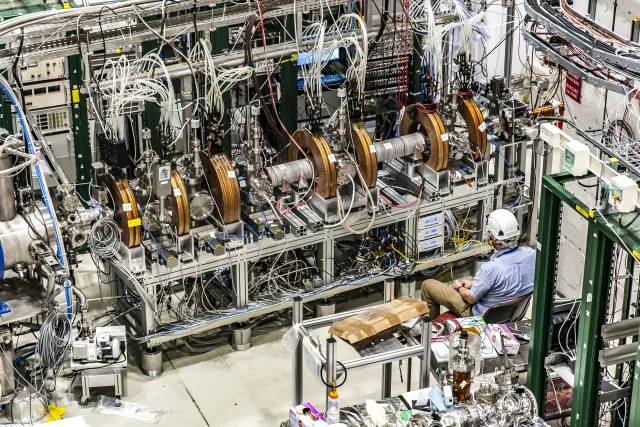
GBAR joins the anticlub
The GBAR experiment at CERN has just joined the very select club of experiments that have succeeded in synthesising antihydrogen atoms
-
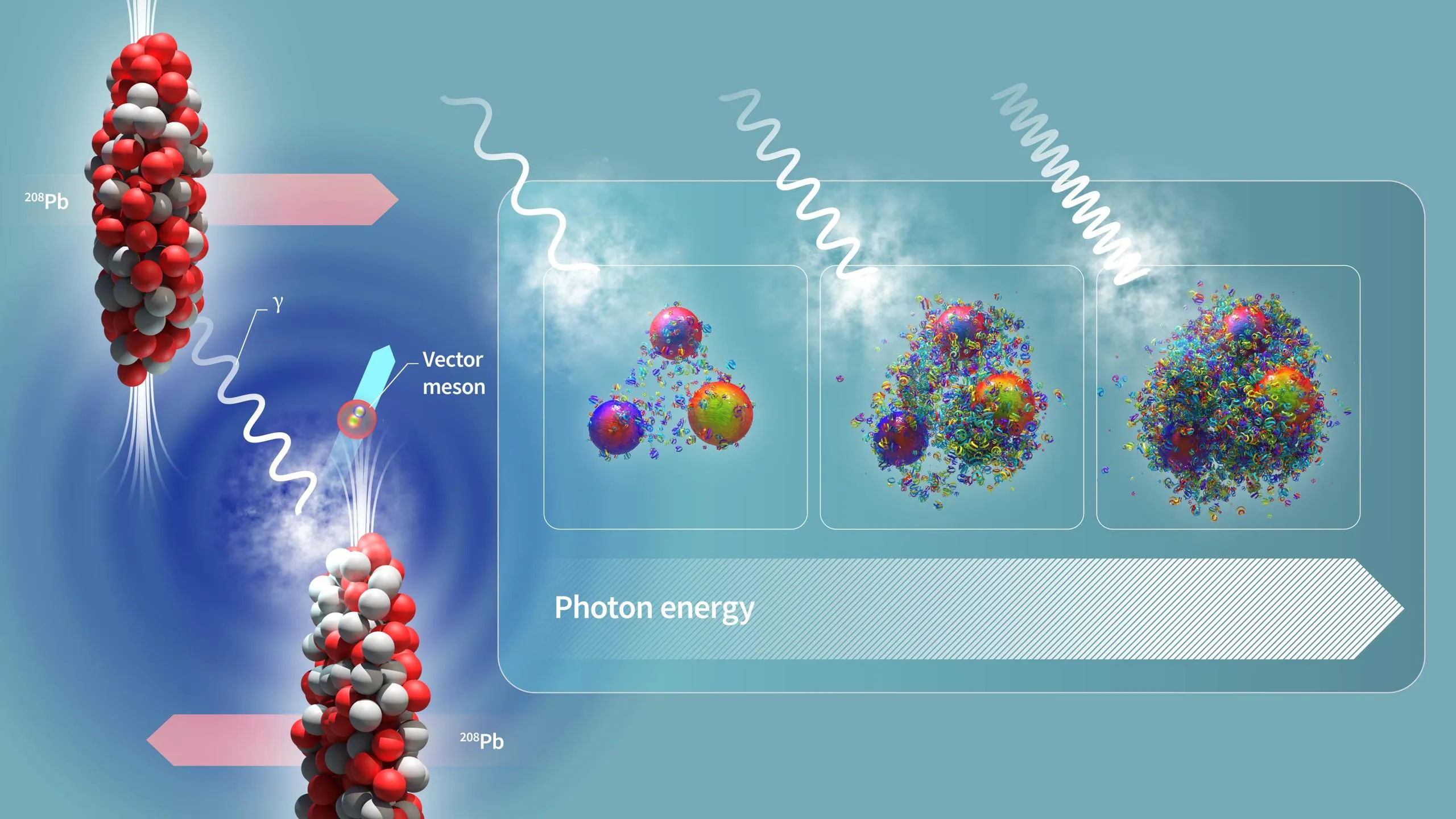
ALICE shines light into the nucleus to probe its structure
New ALICE results shed light on the nature of gluonic matter at the LHC
-
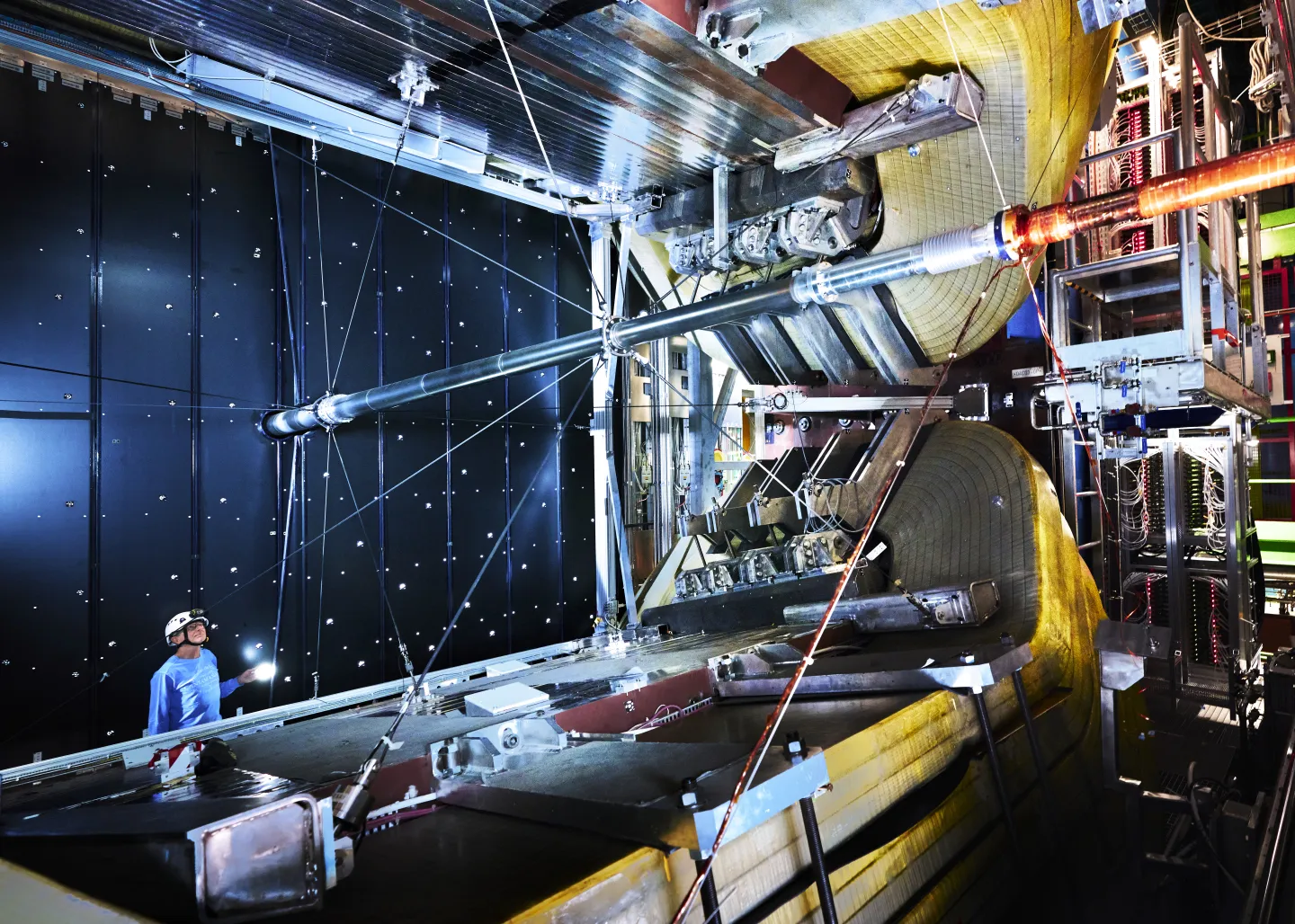
LHCb tightens precision on key measurements of matter–antimatter asymmetry
The LHCb collaboration’s new measurements of matter–antimatter asymmetry in decays of beauty particles are the most precise yet of their kind
-
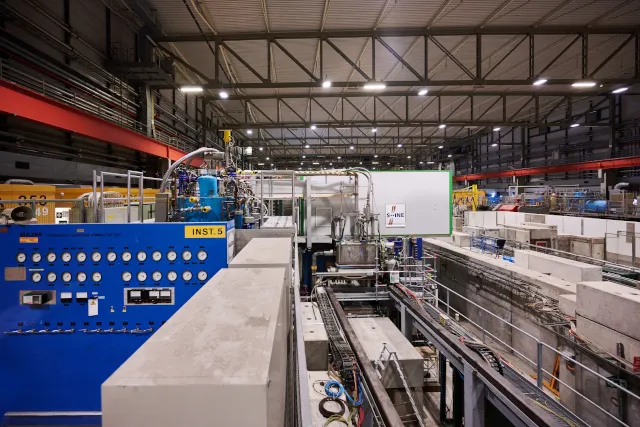
SHINE shines a light on neutrino beams
The NA61 experiment at CERN, also known as SHINE, has made new measurements that will help physicists work out the content of neutrino beams used in experiments in the US
-
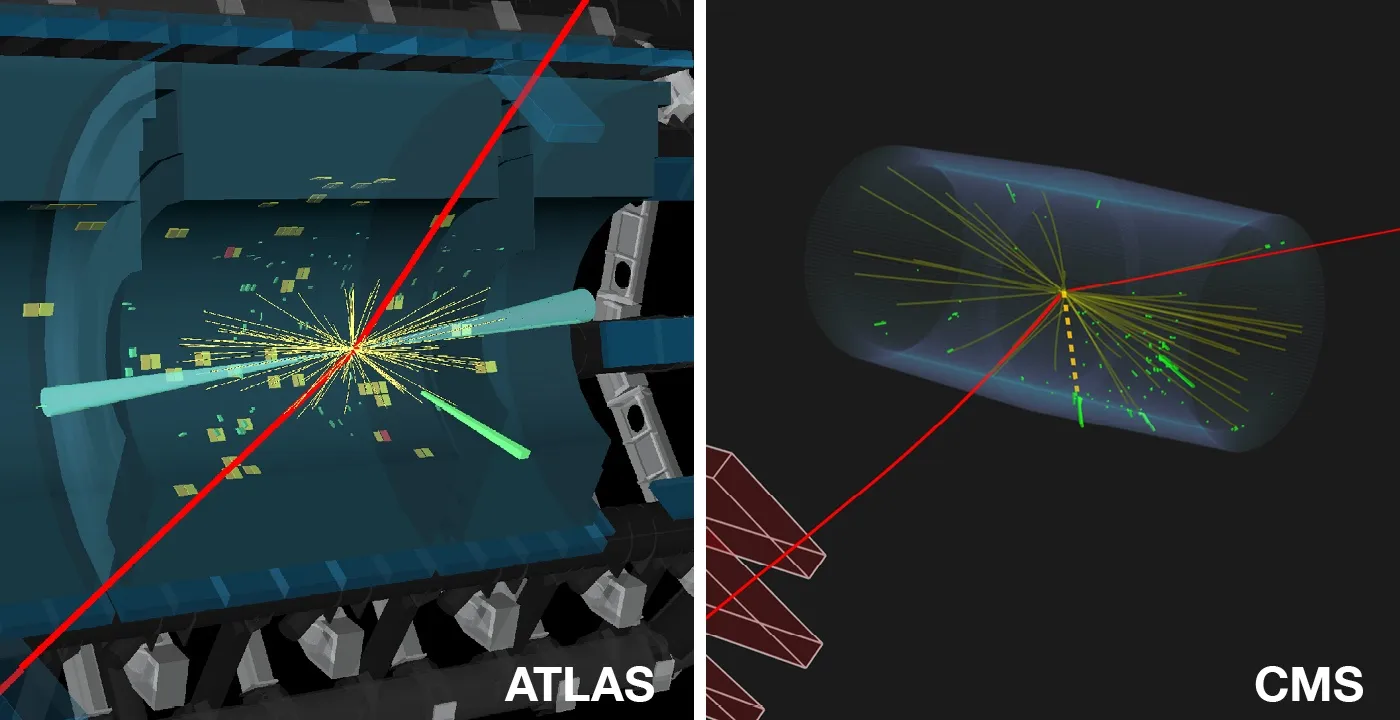
LHC experiments see first evidence of a rare Higgs boson decay
The ATLAS and CMS collaborations have joined forces to establish the first evidence of the rare decay of the Higgs boson into a Z boson and a photon
-
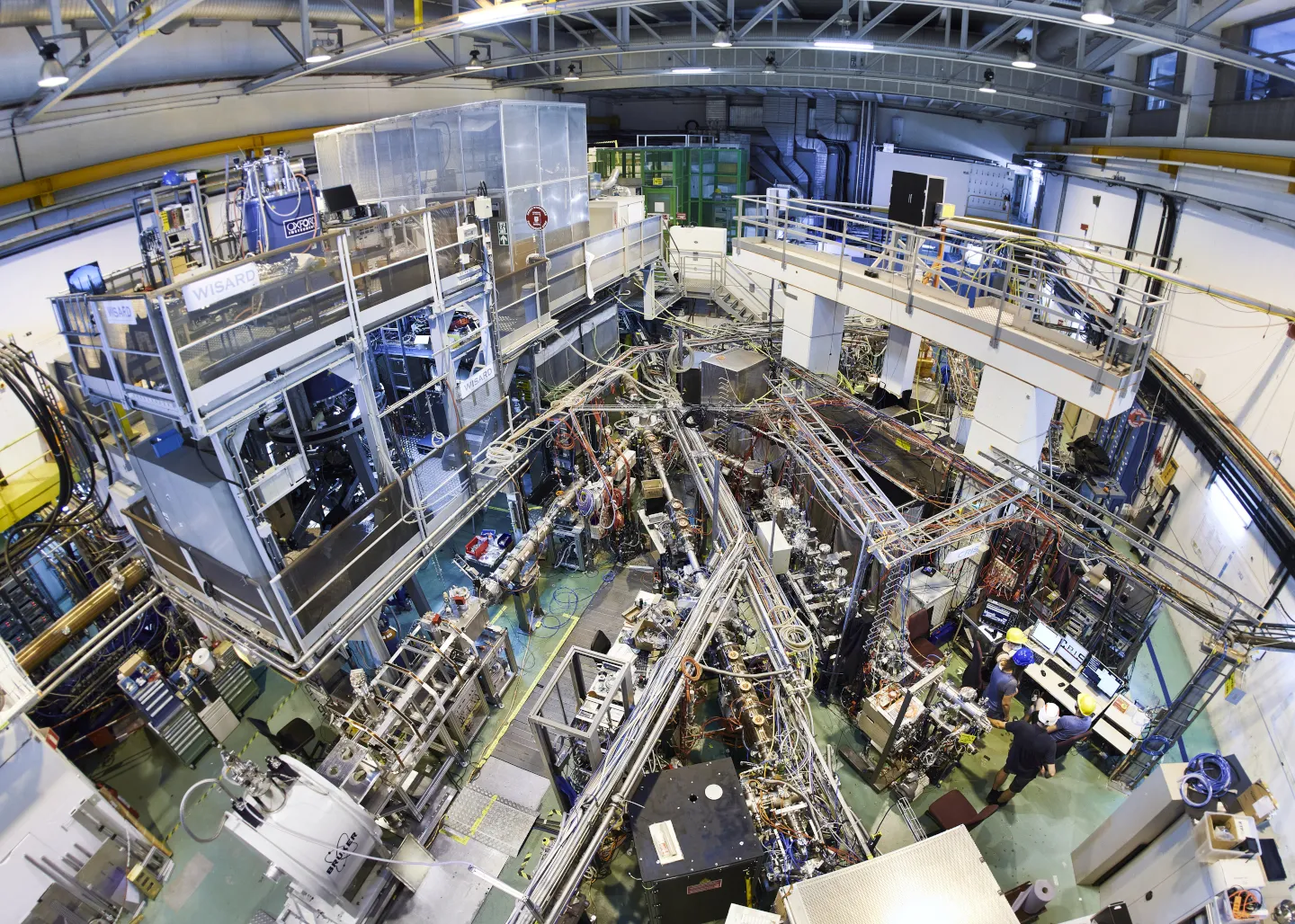
ISOLDE takes a solid tick forward towards a nuclear clock
The observation at CERN’s nuclear physics facility of a long-sought decay of the thorium-229 nucleus in a solid-state system is a key step towards a clock that could outclass today’s most precise atomic clocks
-
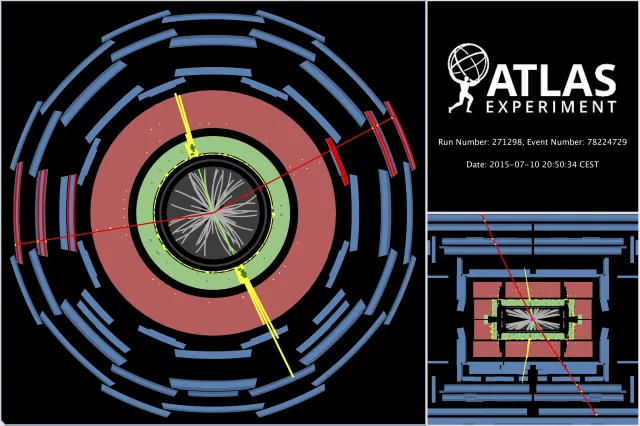
Probing fundamental symmetries of nature with the Higgs boson
The ATLAS collaboration tested Higgs-boson interactions with the carriers of the weak force, looking for signs of charge-parity symmetry violation
-
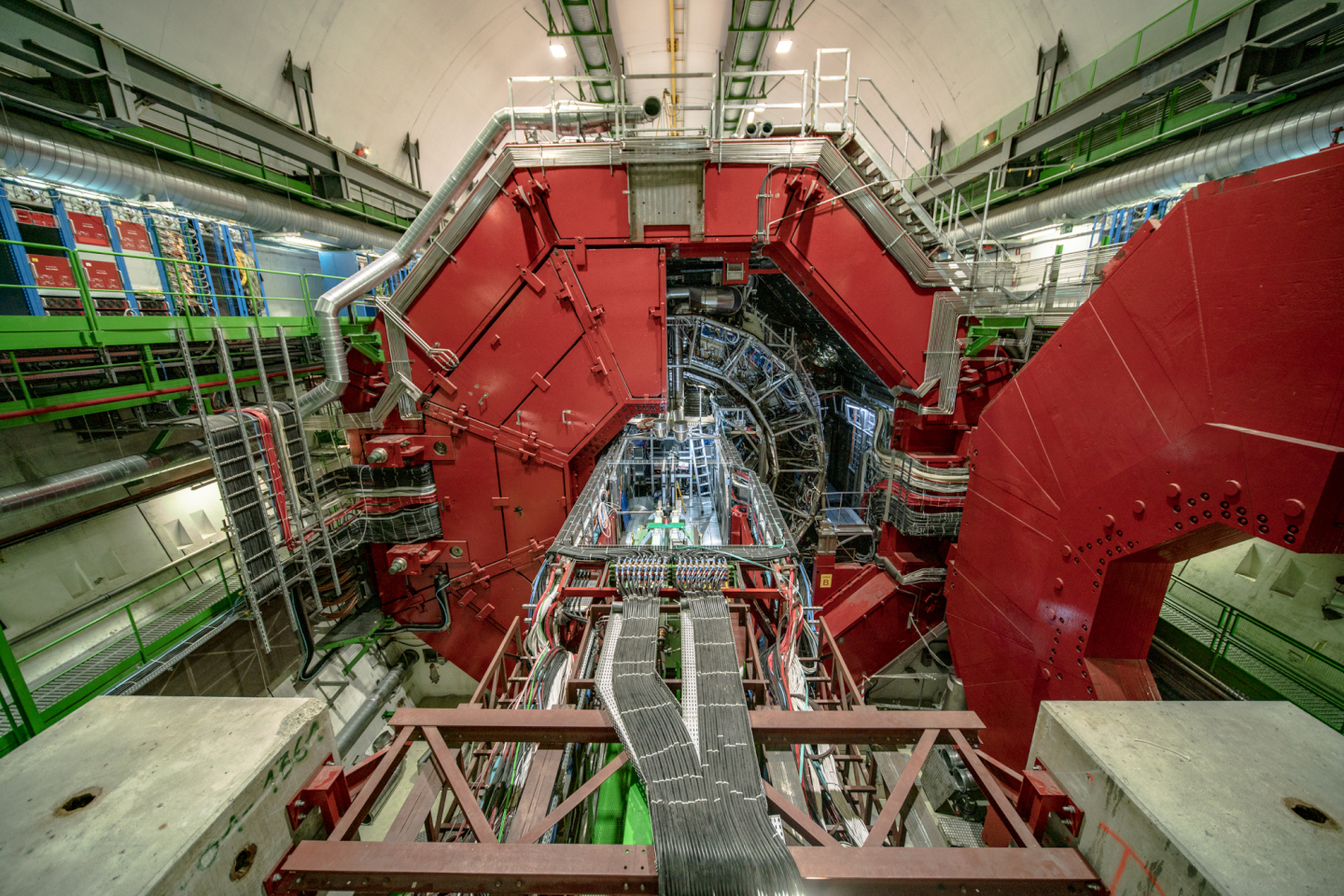
ALICE sees the ridge in simplest collisions yet
The observation brings physicists a step closer to finding the origin of collective phenomena in small collision systems
-
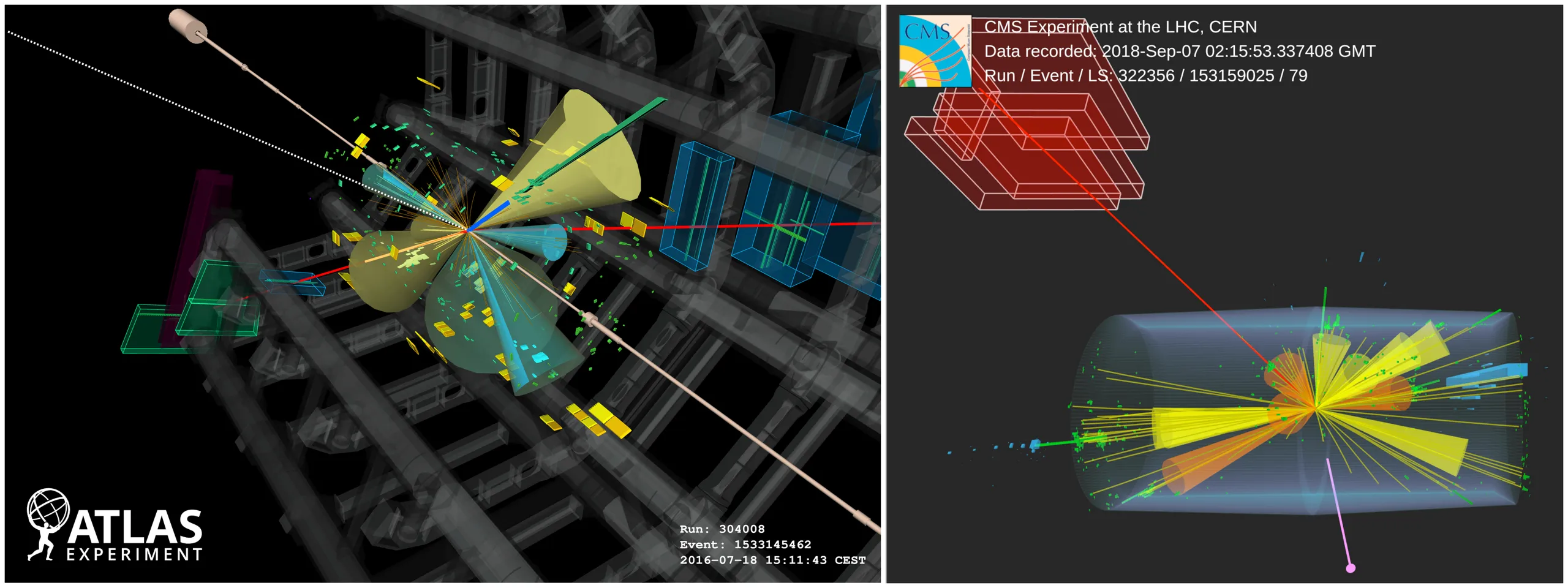
ATLAS and CMS observe simultaneous production of four top quarks
The ATLAS and CMS collaborations have both observed the simultaneous production of four top quarks, a rare phenomenon that could hold the key to physics beyond the Standard Model