
Tag: CERN community
-
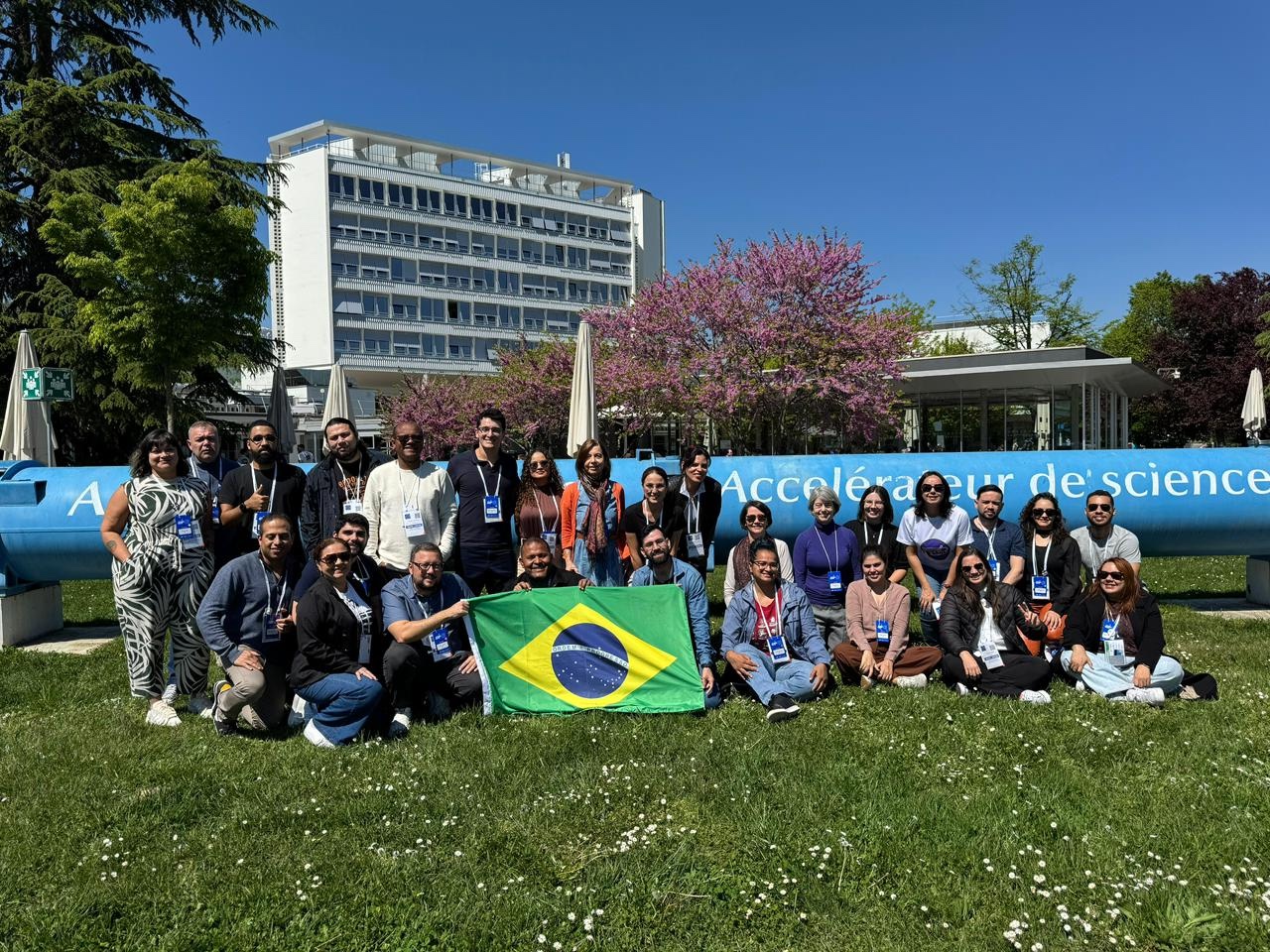
From Amazonia to CERN: First Brazilian Teacher Programme held at CERN
From 19 to 24 April 2026, CERN welcomed 24 high-school teachers from across Brazil for its very first Brazilian Teacher Programme. Representing all regions of the country, the participants travelled both from major state capitals and remote areas in Amazonia, reflecting the geographical and cultural diversity of Brazil. Launched in 1998, CERN’s Teacher Programmes are
-
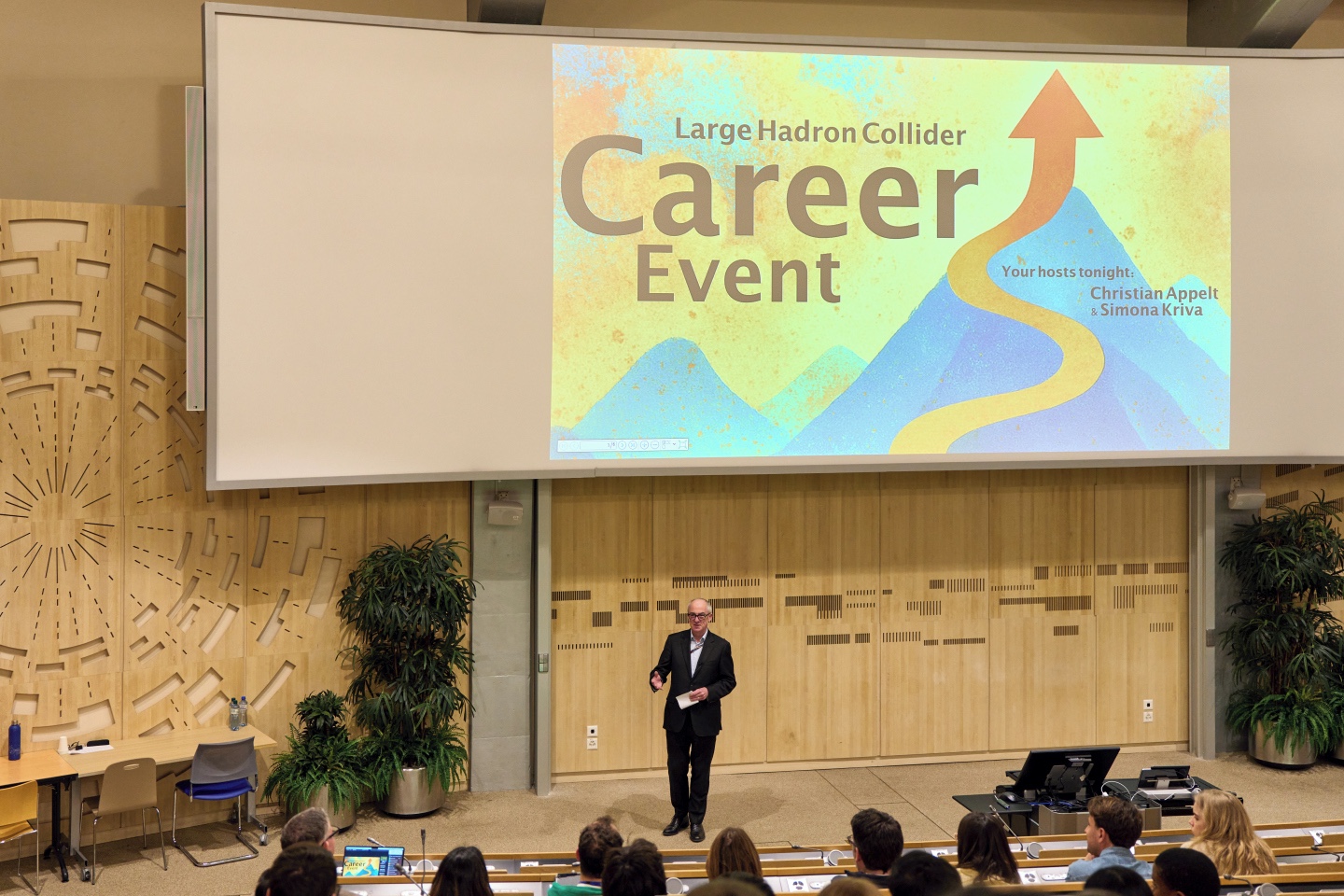
Supporting early careers beyond CERN
The CERN Alumni Network aims to provide those who have left the Laboratory with a means of keeping in touch with CERN and with each other. This mission begins at CERN, as the network supports soon-to-be alumni in their transition. Each year, many people transition beyond CERN, often into industry – a move that presents
-
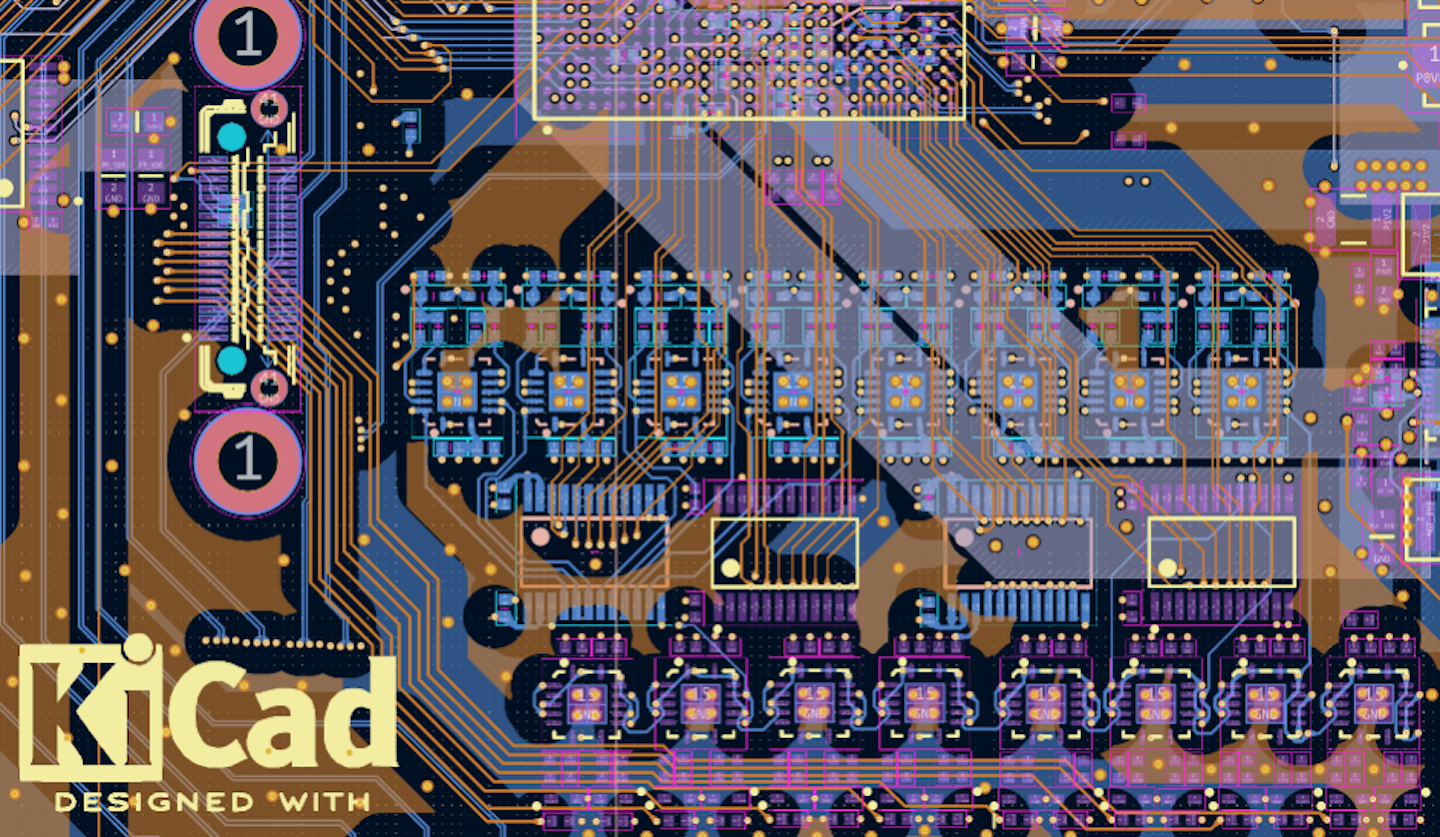
CERN’s KiCad component library now open source
The cornerstone of open source philosophy is that the recipients of technology should have access to all of its building blocks, such as software code, schematics for electronics and mechanical designs. This lets everyone study, modify and redistribute the technology to others. Since releasing the World Wide Web software under an open source licence in
-
Upcoming events
4–8 May | Knowledge Transfer | TH Conference Room & Online | Theory Workshops | ENGravitational waves from amplitudes 8 May 10:00 | At CERN | Library | Archives, Library & Open Science Events | ENMeet the author of “A concise history of radiation detectors: Hunting for the unknown” 8 May 11:00 | Computing |
-
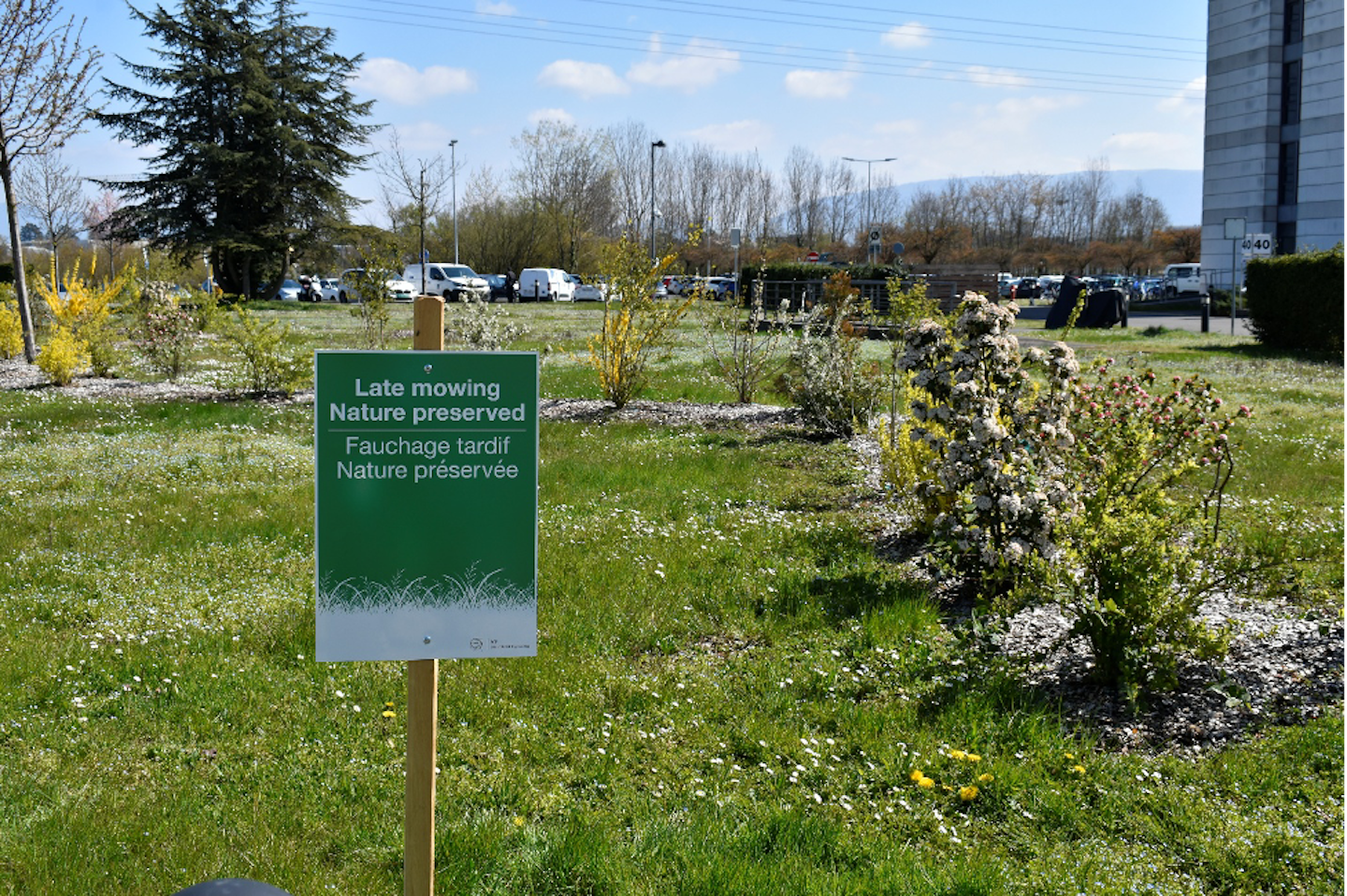
Explore CERN’s biodiversity: new orchid and late-mowing panels installed
CERN’s commitment to biodiversity is now more visible than ever! Nineteen new information panels have been installed around the Meyrin site, offering everyone the chance to learn about the different orchid species that call CERN home. Five of these panels focus on the importance of late mowing, a practice that allows flora to complete its
-
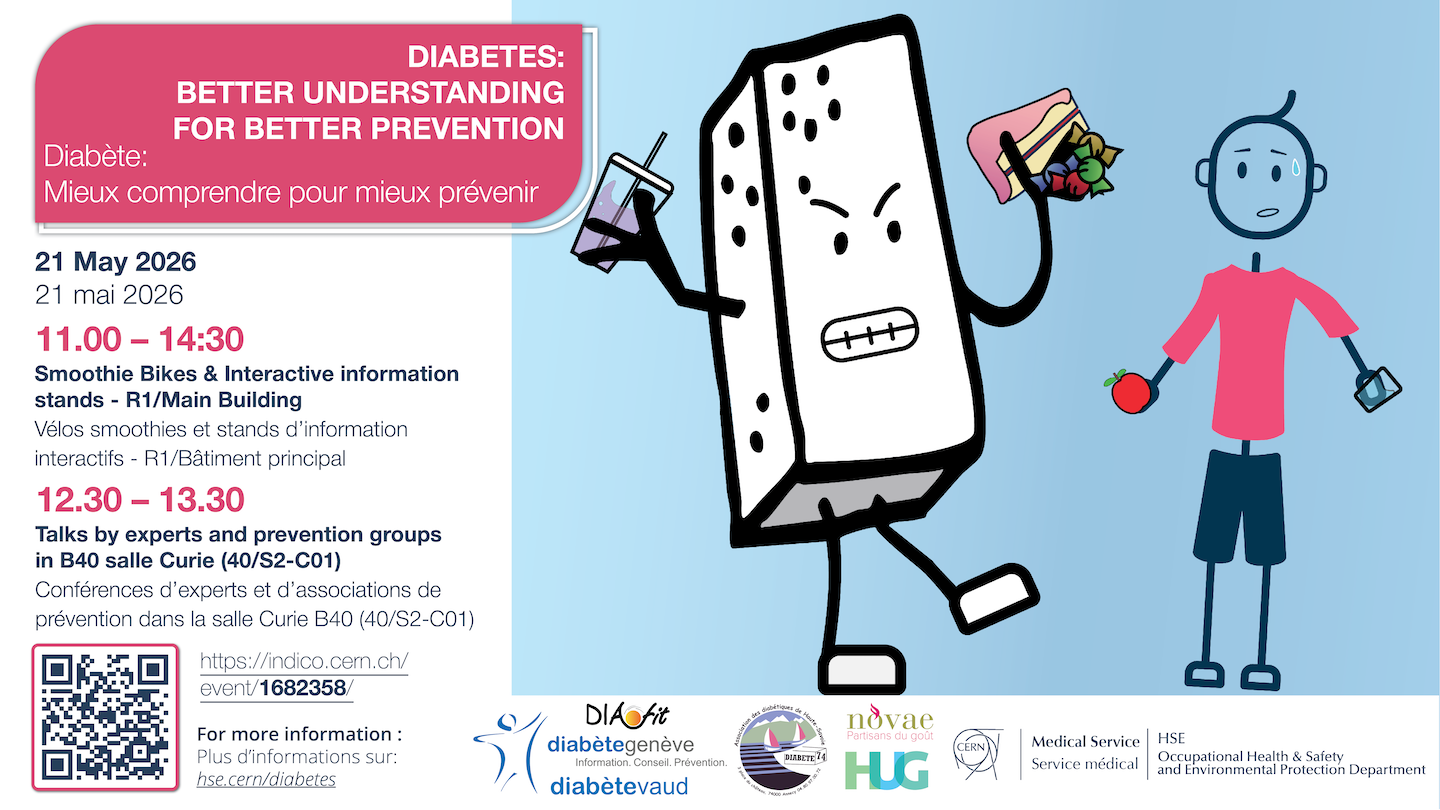
Diabetes awareness campaign
Did you know that more than 589 million people worldwide live with diabetes (IDF, 2024), and that one in nine adults is affected? In Switzerland, almost 500 000 people are affected by this chronic disease (Diabetes Switzerland, FOPH, 2024–2025). Yet type 2 diabetes, which accounts for 90% of cases, can be avoided or delayed by following
-
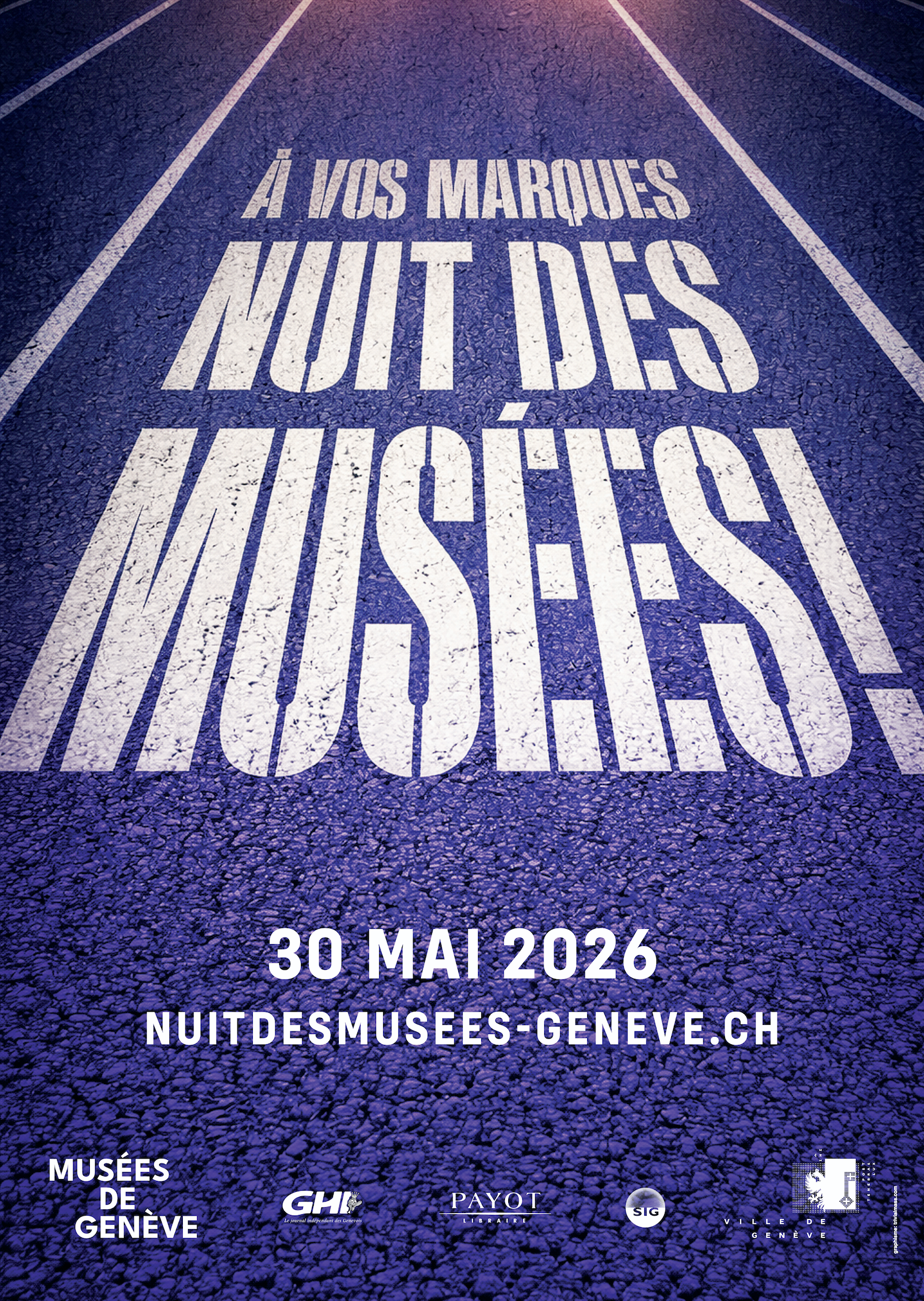
Register as a guide for the 2026 Museum Night!
-
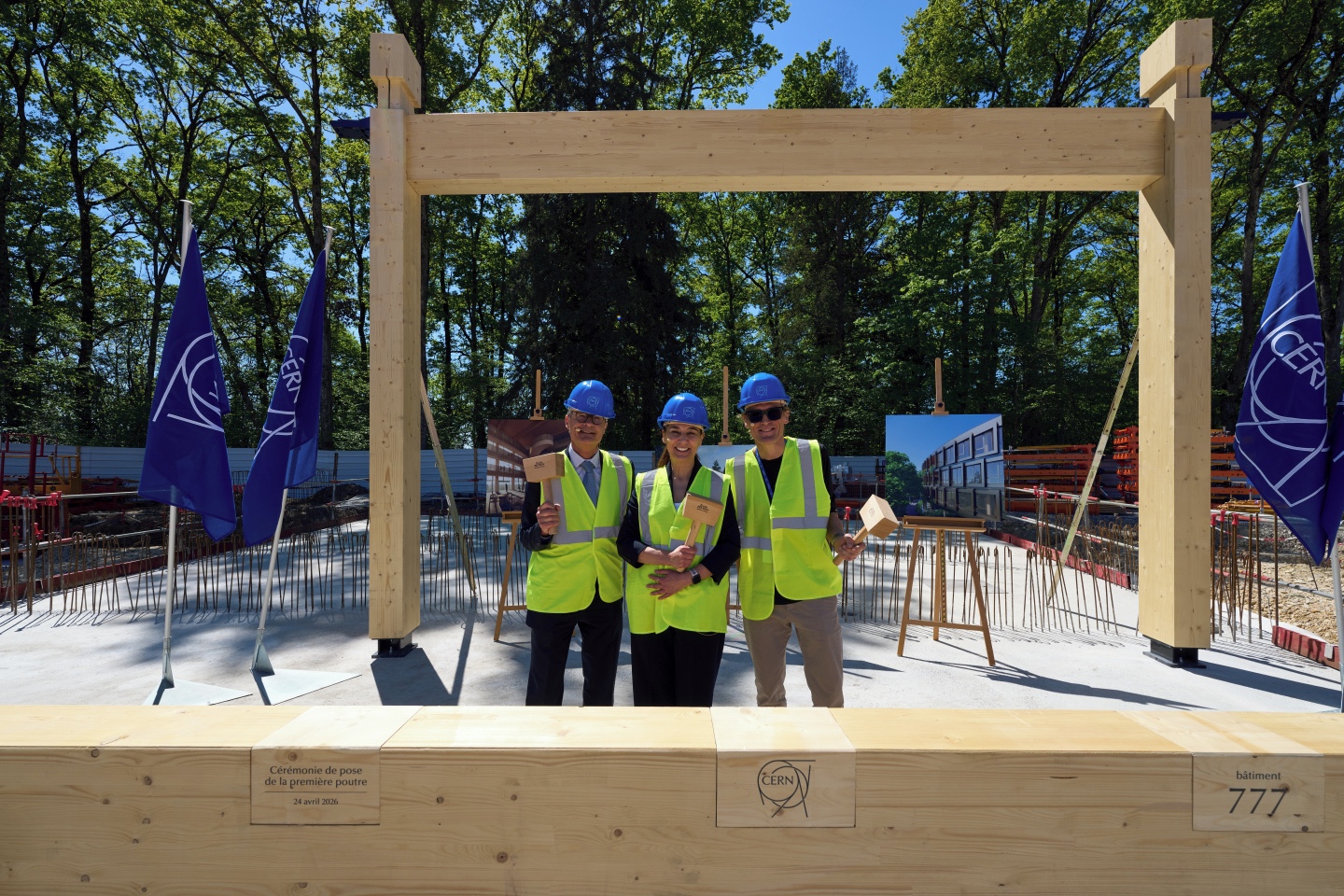
First timber beam installed for CERN’s new Building 777
On Friday, 14 April 2026, CERN celebrated an important milestone in the construction of the future Building 777 on the Prévessin site: instead of laying the traditional foundation stone, the project started with the installation of its very first timber beam (or “la première poutre”), a reflection of the building’s sustainable design. Mar Capeáns, CERN’s
-

Computer Security: Tigers and cats against crawling mAIce
IT has for some time been transitioning into a new era where artificial intelligence (AI) takes over more and more tasks and, eventually, responsibility. There are few of us left who don’t use the plethora of ChatGPT, Mistral, Claude and the like. Performance gain and increased efficiency are announced to be everywhere and might lead
-
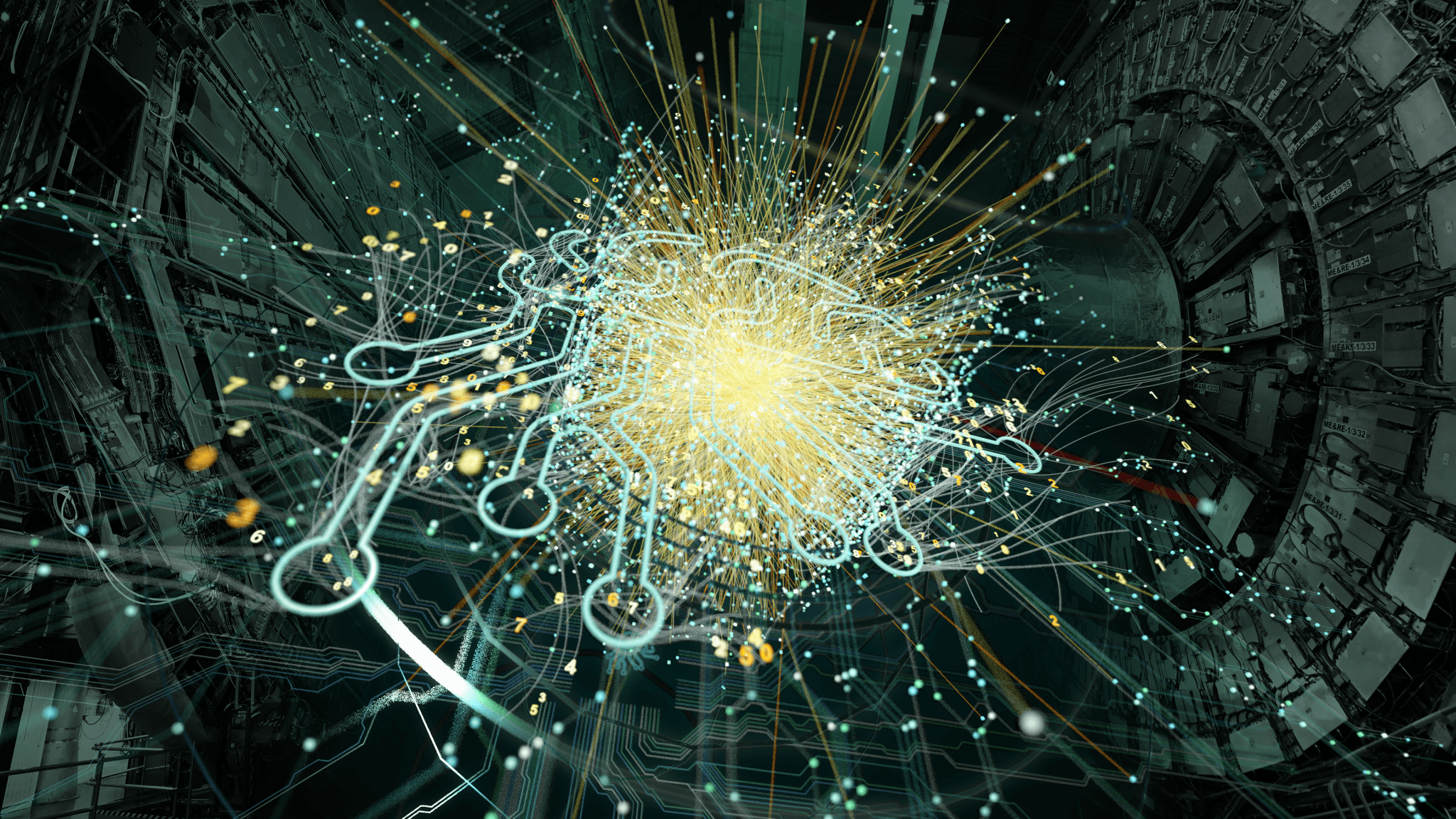
Smarter decisions at the speed of physics
Smart and fast decision making is key when dealing with the onslaught of collisions at the LHC. At the High-Luminosity LHC (HiLumi LHC), the ATLAS and CMS experiments are expected to process detector data at rates corresponding to roughly a quarter of the 2025 global internet traffic. All in real time, as part of the