
Tag: Announcement
-
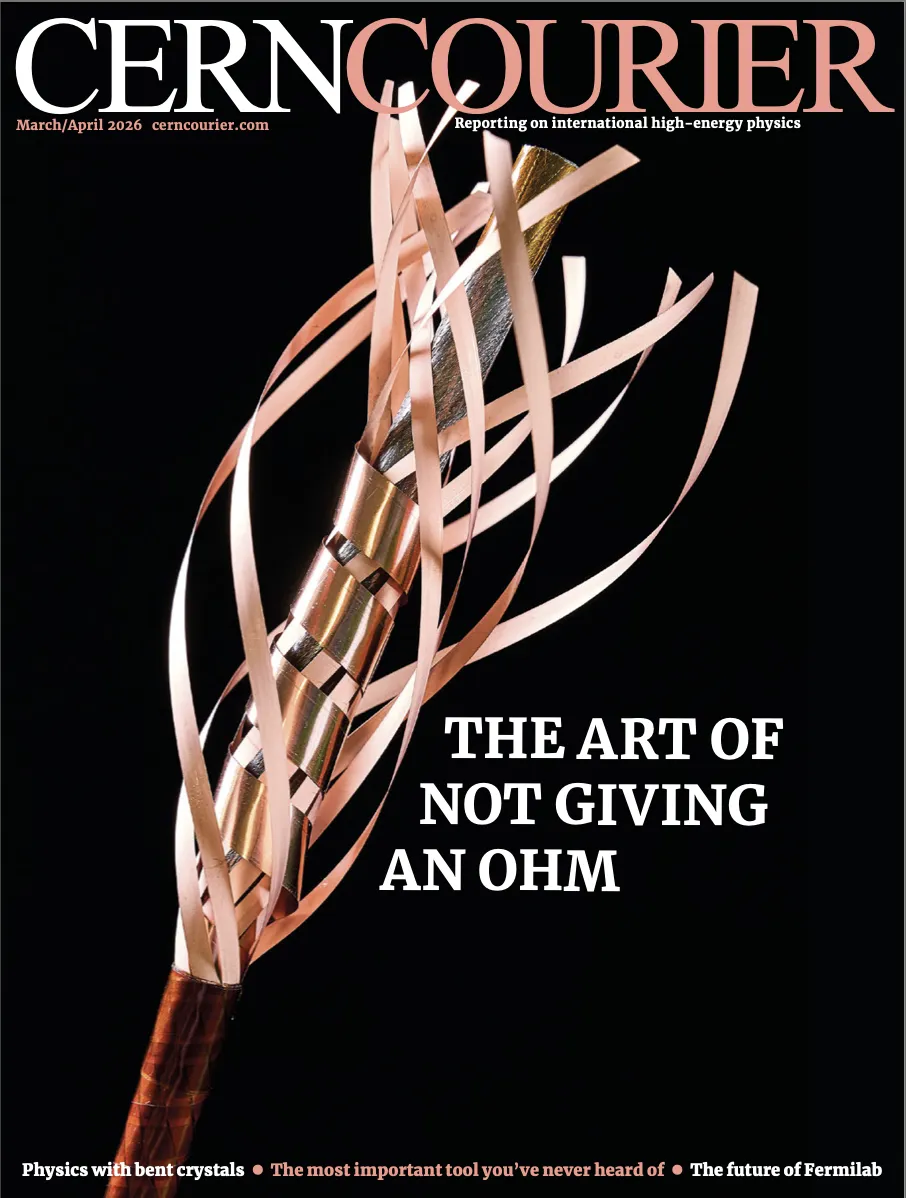
The March/April 2026 issue of the CERN Courier is out
A hadron collider’s energy reach is defined by the circumference of its tunnel and the strength of its dipole magnets. Next-generation hadron colliders look set to have tunnels more than three times longer than the LHC. Further expansion of the energy frontier depends on the ability of accelerator physicists to increase the strength of the
-
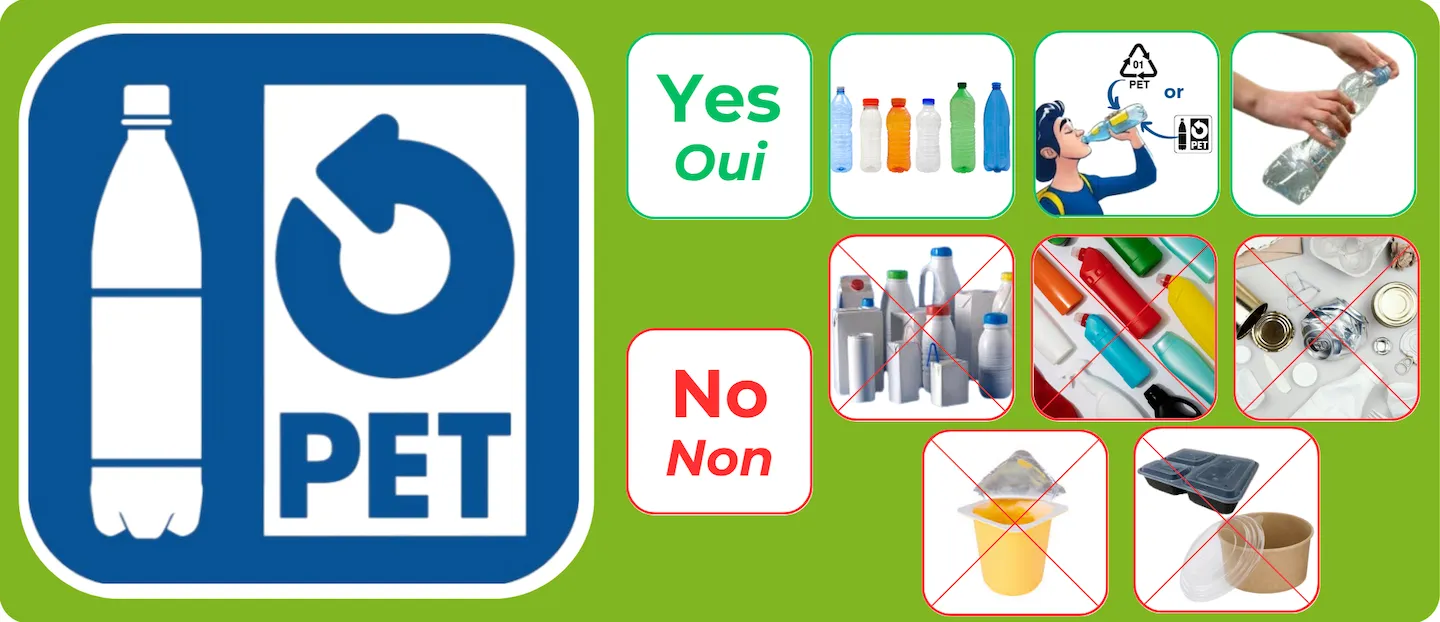
Plastic sorting at CERN
Why do we only sort PET bottles at CERN?
-
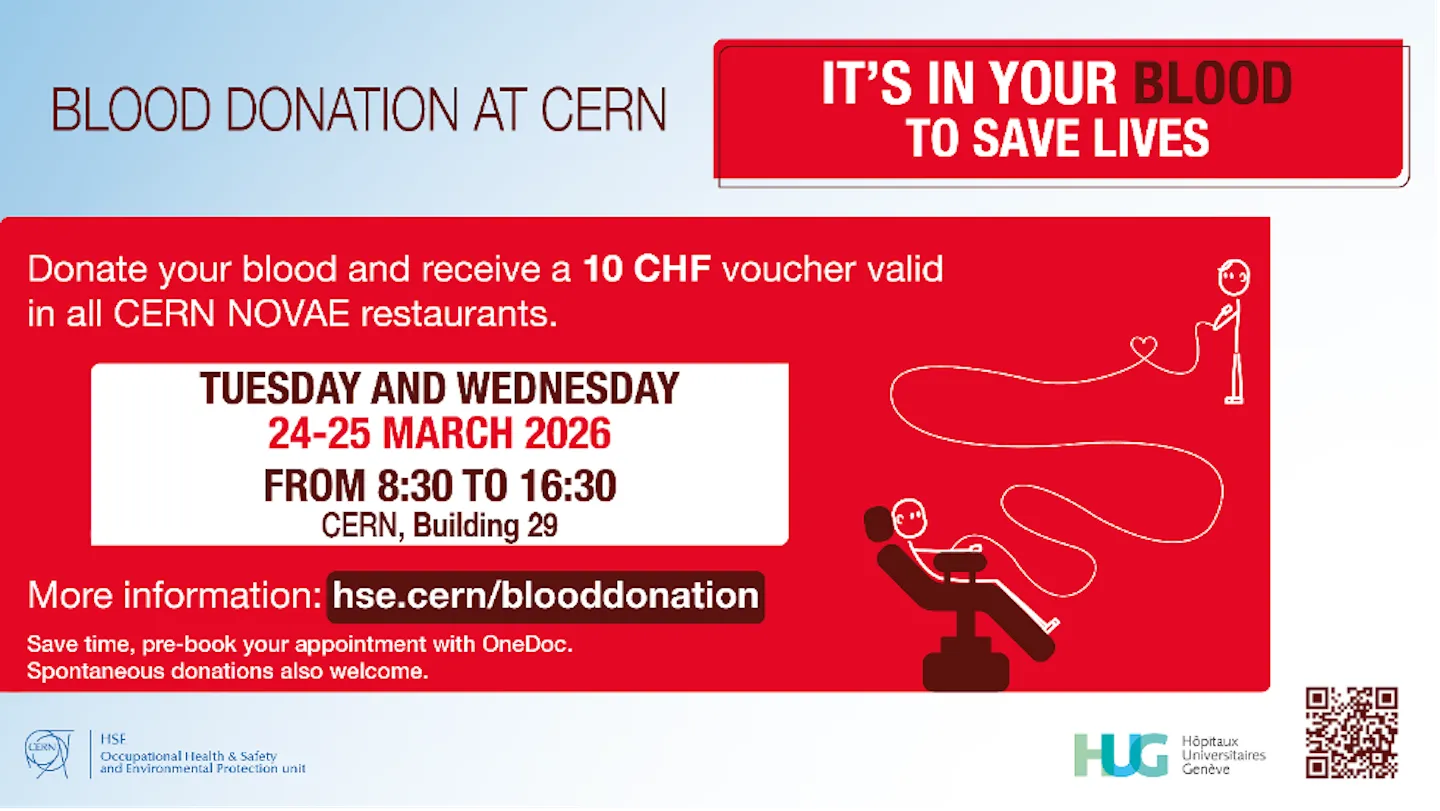
24 – 25 March | Next blood donation campaign | Building 29
Contribute to this essential act of solidarity that benefits us all
-

Upcoming events
Check out this curated list of upcoming events for the CERN community
-

Upcoming events
Check out this curated list of upcoming events for the CERN community
-
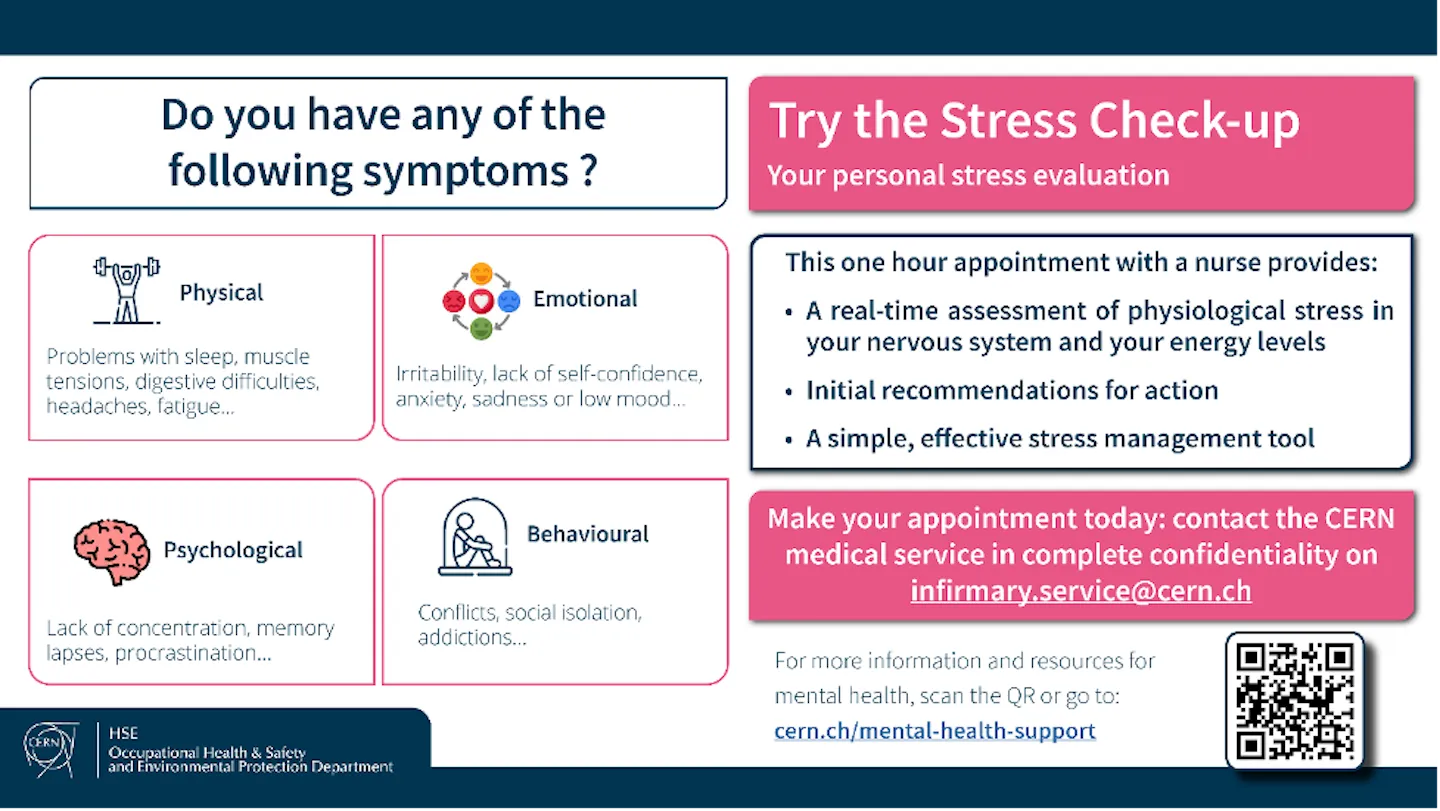
Tools for balance: sign up for a group Stress Check-up session in 2026
In 2025, CERN launched the Stress Check-up Programme, built on awareness, action and support. This initiative underscored our commitment to fostering a healthy, resilient community by providing tools to recognise, address and manage stress effectively. As we begin 2026, we are pleased to announce four new group sessions. You can secure your place by registering
-
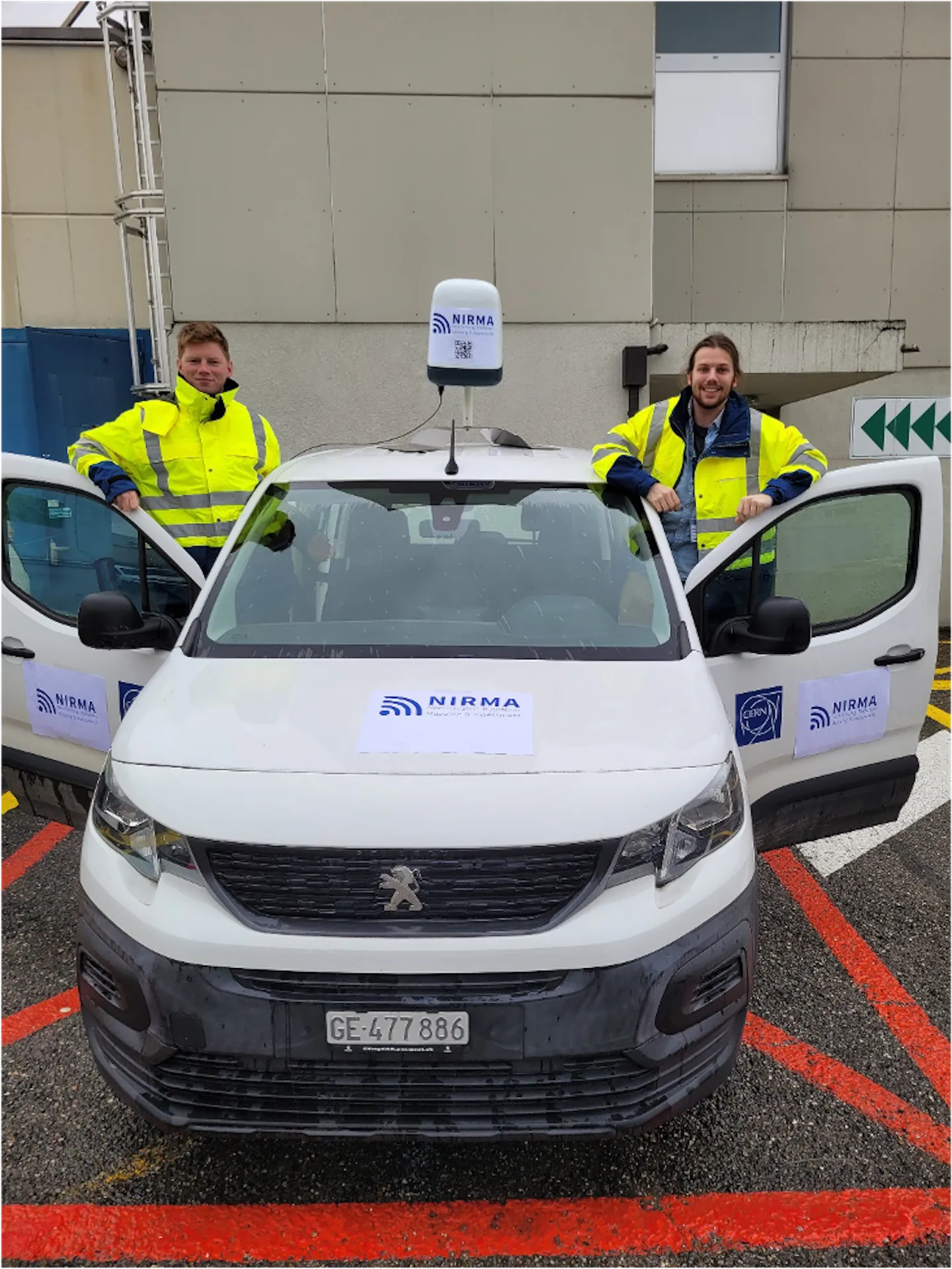
NIRMA on the move: mapping electromagnetic environments at CERN
Over the coming weeks, you may notice a vehicle equipped with antennas driving slowly on the CERN roads. This is part of the Non-Ionising Radiation Mapping and Assessment (NIRMA) project. The vehicle is equipped with the TURTLE (Top-mounted Unit for NIR Time-averaged Field Level Evaluation), a mobile unit dedicated to measuring electromagnetic fields in the