
The birth of the Web
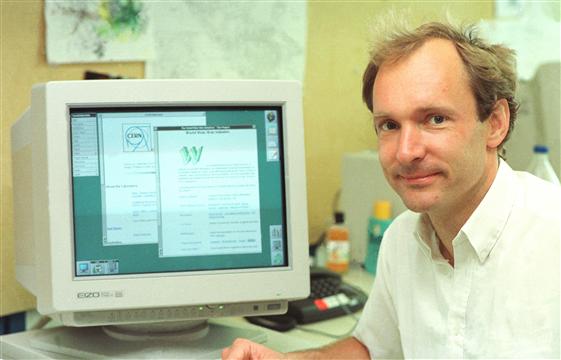
The World Wide Web was invented by British scientist Tim Berners-Lee in 1989 while working at CERN
Tim Berners-Lee, a British scientist, invented the World Wide Web (WWW) in 1989, while working at CERN. The web was originally conceived and developed to meet the demand for automated information-sharing between scientists in universities and institutes around the world.
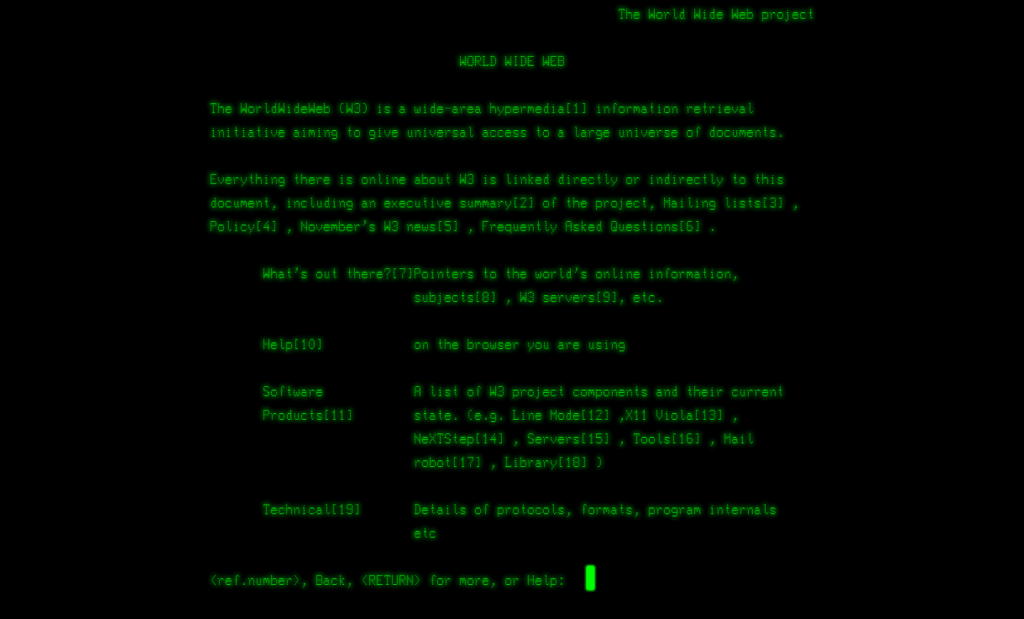
The first website at CERN – and in the world – was dedicated to the World Wide Web project itself and was hosted on Berners-Lee’s NeXT computer. In 2013, CERN launched a project to restore this first ever website: info.cern.ch.
On 30 April 1993, CERN put the World Wide Web software in the public domain. Later, CERN made a release available with an open licence, a more sure way to maximise its dissemination. These actions allowed the web to flourish.

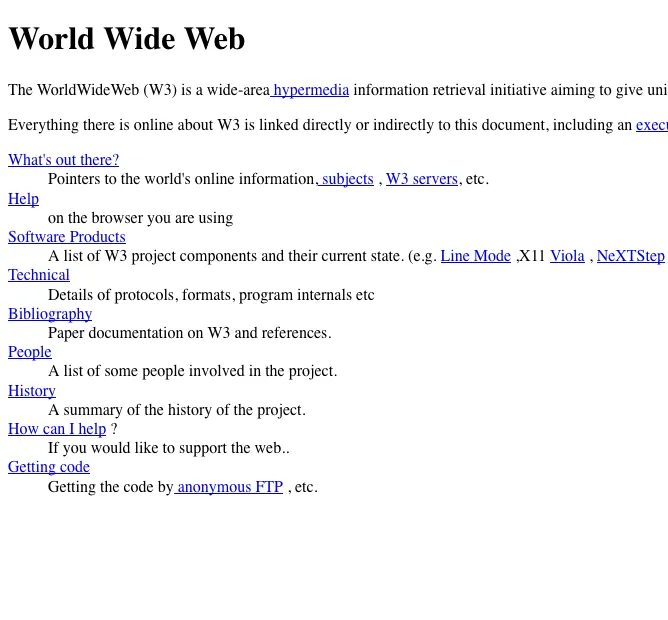
Browse the first website
Discover the World Wide Web’s humble beginnings with this earliest incarnation

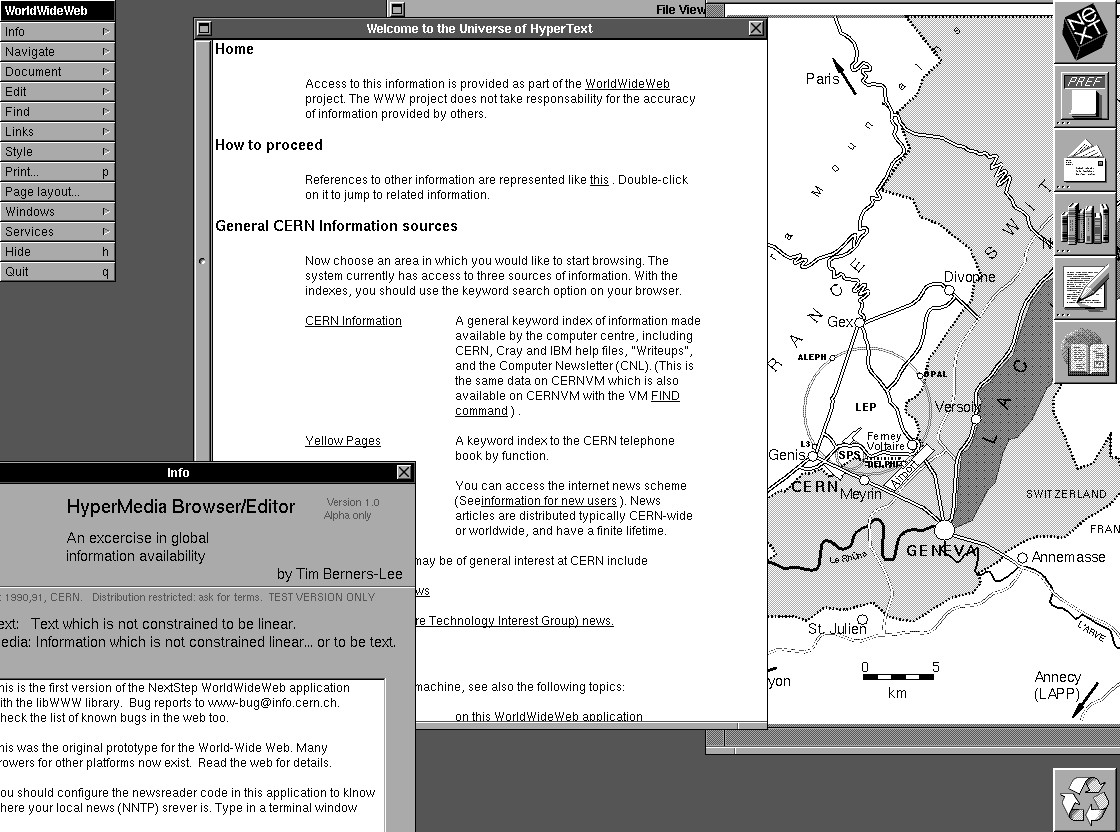
The WorldWideWeb browser
Surf the Web using a recreation the first browser that was written in 1990
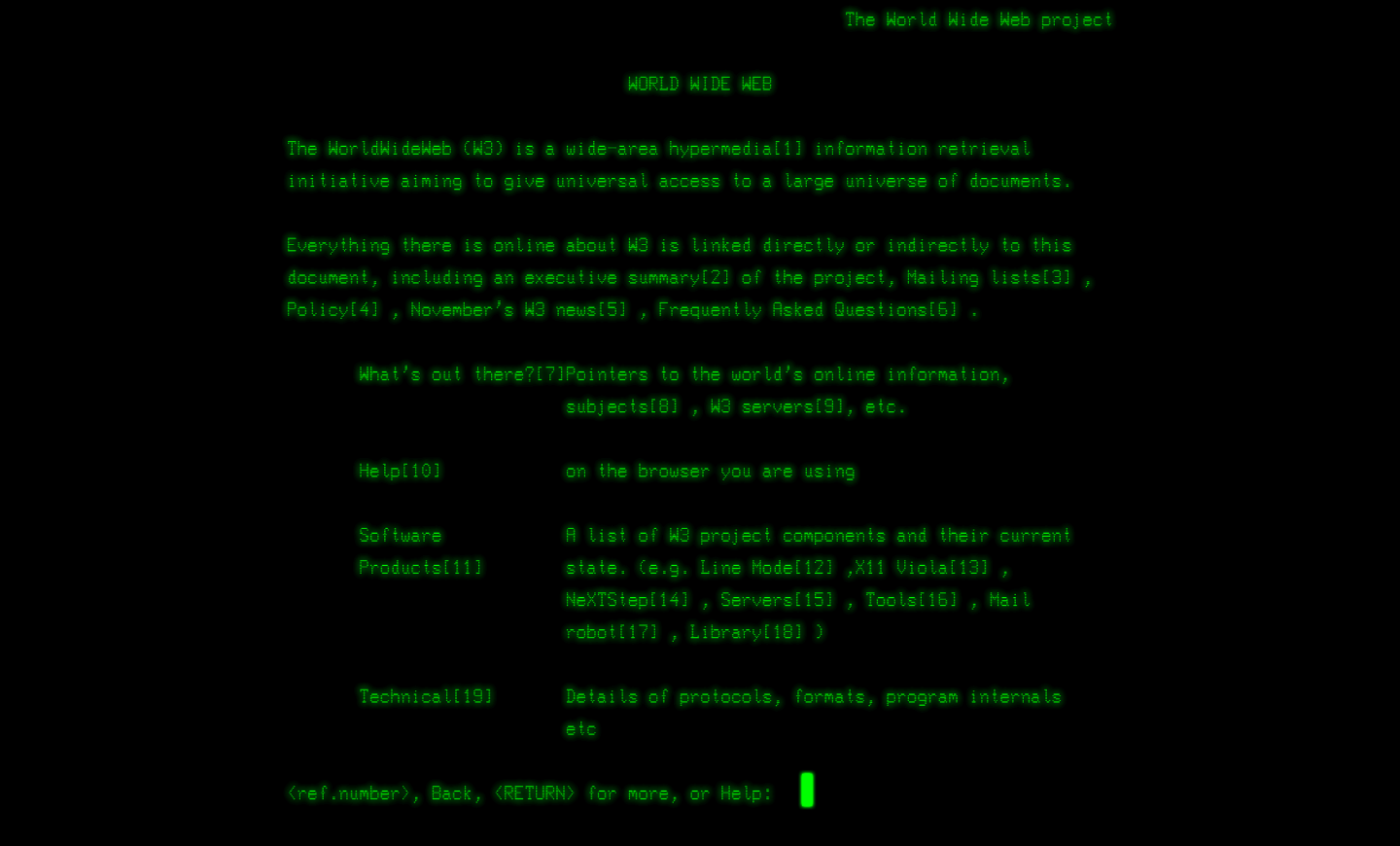
The line-mode browser
The line-mode browser, launched in 1992, was the first readily accessible browser for the Web