European Laboratory for Particle Physics
At CERN, scientists from around the world use unique machines to explore how the Universe works, pushing the limits of technology for the benefit of society.
Read more news
What’s going on at CERN?
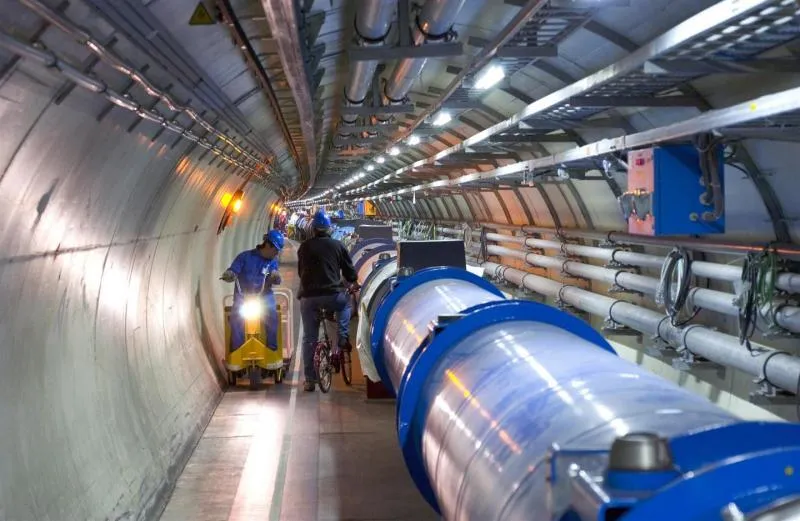
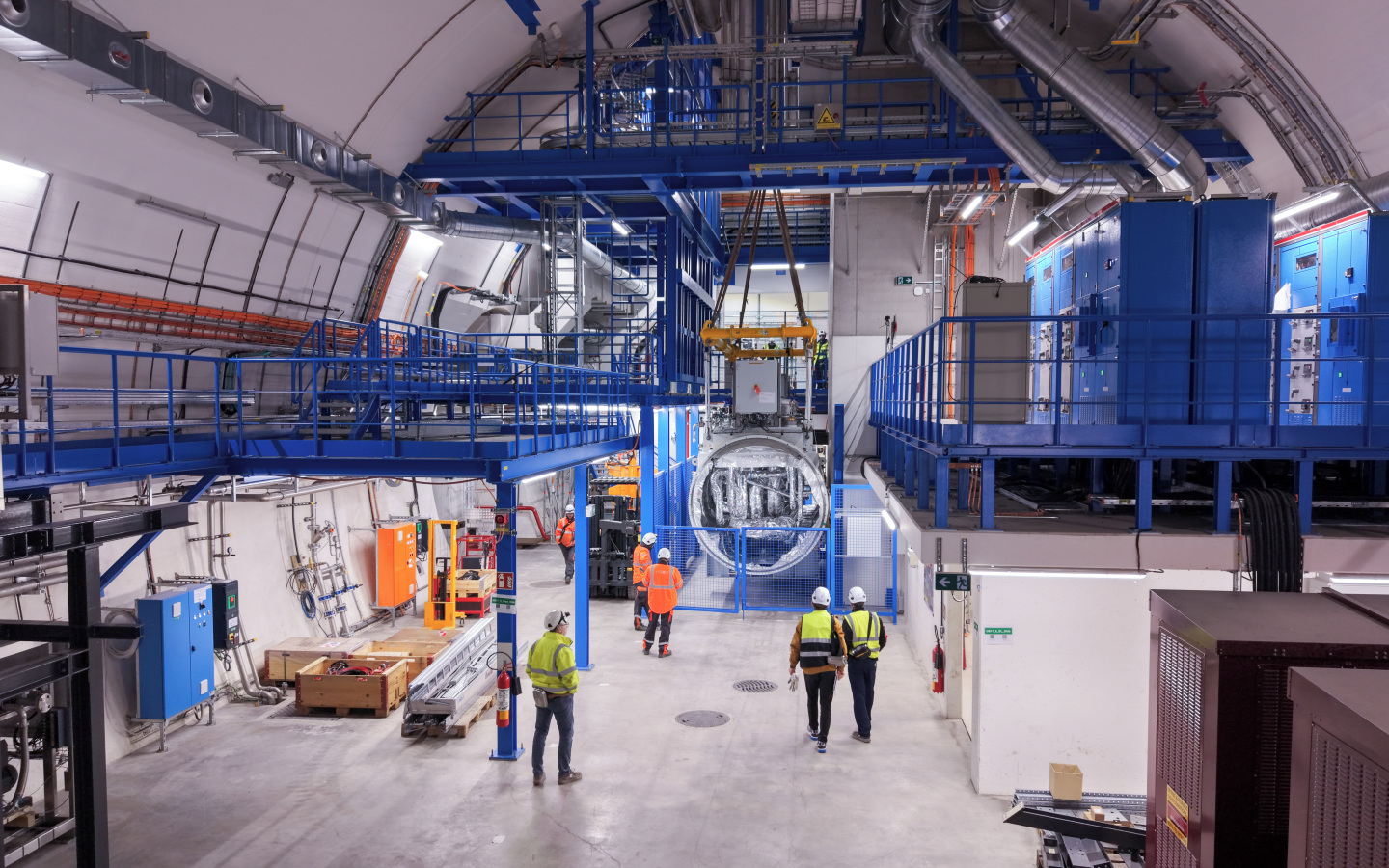
As of mid-2026, CERN’s accelerator complex and experiment facilities are undergoing major maintenance and upgrade work. This phase, known as Long Shutdown 3, involves thousands of experts from many different disciplines.
The work centres on transforming the LHC into a high-luminosity machine, the HiLumi LHC. Most of the other accelerators and experimental facilities are being upgraded as well.
Explore CERN

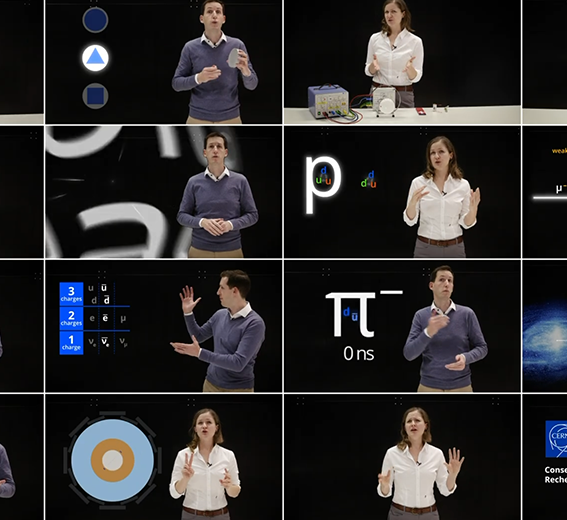
Visit CERN
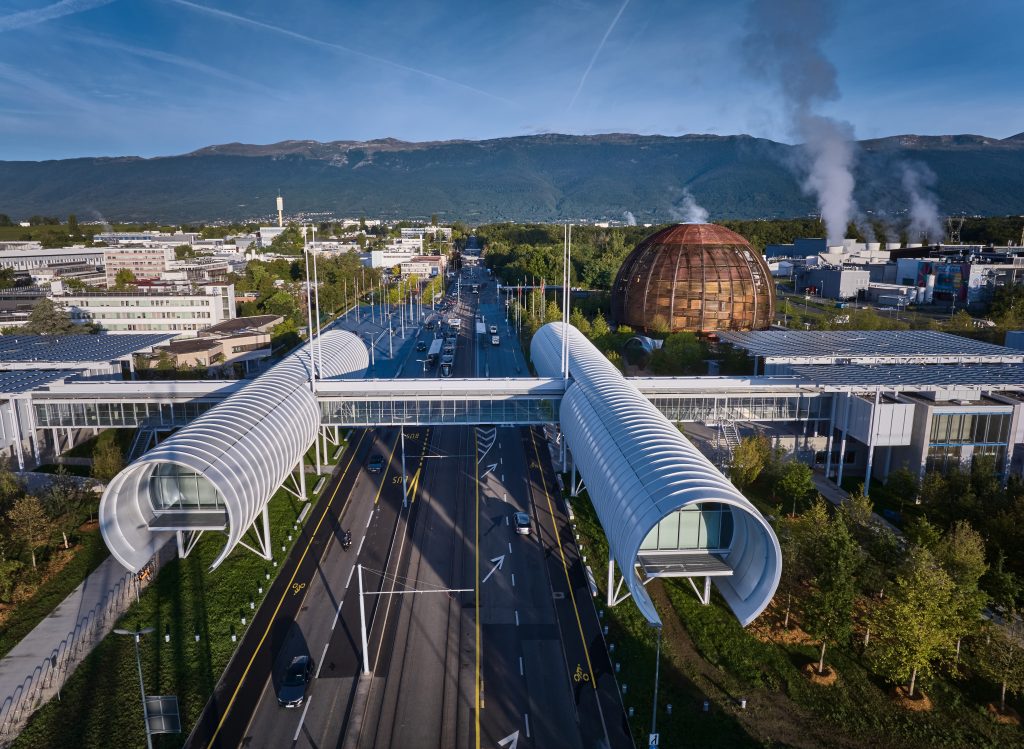
Accelerating science
IN PREPARATION
HiLumi LHC
The High-Luminosity Large Hadron Collider will increase by a factor of ten the number of particle collisions (called “luminosity”), vastly increasing the volume of physics data available for researchers.
This leap forward will allow physicists to explore the behaviour of the Higgs boson and other elementary particles with unprecedented precision, increasing the potential for discoveries after 2030.
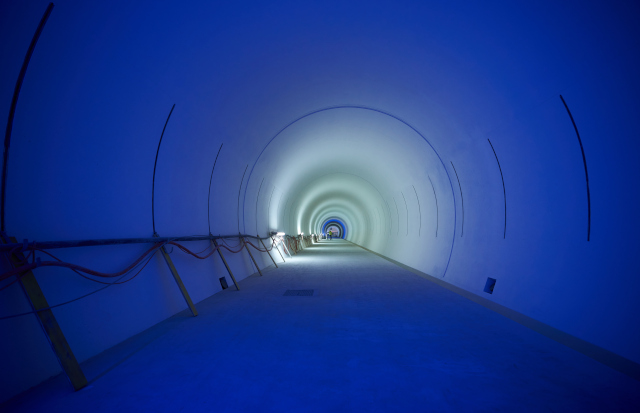
LOOKING TO THE FUTURE
Future Circular Collider
The Future Circular Collider could be Europe’s next-generation particle collider: a unique tool to explore the deepest mysteries of the Universe and to drive technology, innovation and skills for decades to come.
This new collider would help answer many questions about nature’s rulebook that lie beyond the reach of current colliders.