
Tag: CERN community
-

Exceptional transport operations to make way for HiLumi LHC
We often hear about the remarkable components of the accelerators, but transporting this equipment sometimes requires measures that are just as impressive. Over the course of the third long shutdown (LS3), which started this summer, entire sections of the Large Hadron Collider and its detectors will be dismantled in order to make room for the
-
CERN’s radiation protection training programme evolves to better support CERN activities
To be better adapted to the operational needs of CERN’s activities, and to reflect modern learning practices, the radiation protection training programme has been revised by the Safety Training Service in collaboration with HSE and specialists from other CERN departments. What’s new? The revised programme is available in the Safety / Radiation Protection (RP) catalogue
-
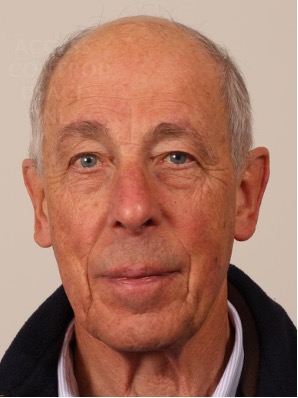
Niels Doble (1938–2026)
Niels Doble (1938–2026) — Niels Doble, born on 2 May 1938, passed away on 8 August 2026 after a short illness. Niels was best known for his pivotal contributions to the initial design and subsequent operation of the North Area at the Super Proton Synchrotron (SPS) complex. Niels studied physics at the University of Bristol.
-
LS3 Safety Spotlight: coordinating activities at CERN: declaring interventions – a key step
As mentioned in our June and July articles, CERN has put in place a structure to meet the need to manage and oversee concurrent activities during Long Shutdown 3 (LS3). One of the key measures is systematically declaring interventions. Why declare your activities? This is a key step in obtaining formal authorisation to carry out
-
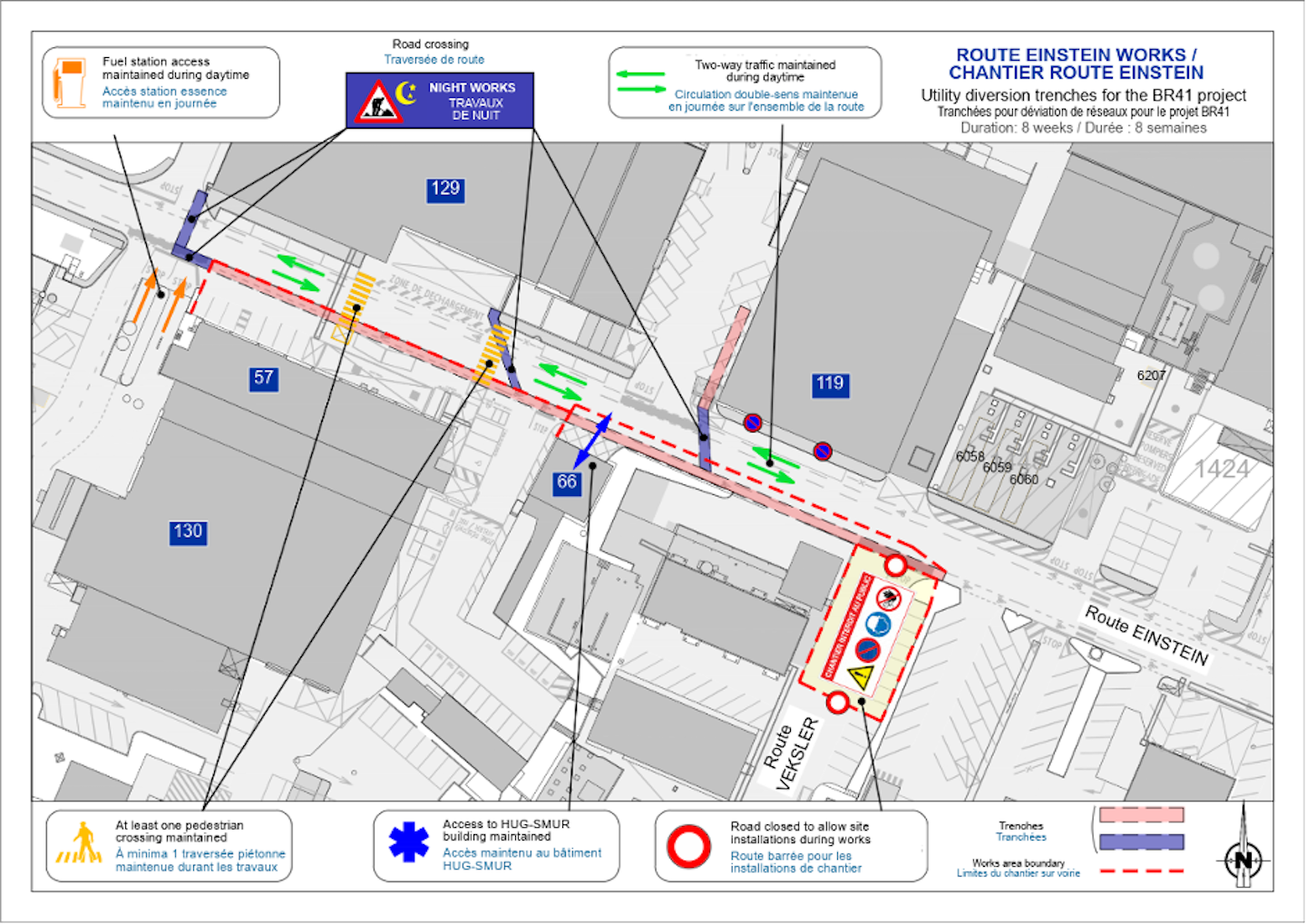
Work on Route Einstein from 14 September: two-way traffic maintained
Work will be carried out on Route Einstein from 14 September to 8 November 2026. To minimise disruption, both lanes of traffic will be kept open during the day for the entire duration of the work. Work that requires parts of Route Einstein to be closed is scheduled to be carried out at night, between
-
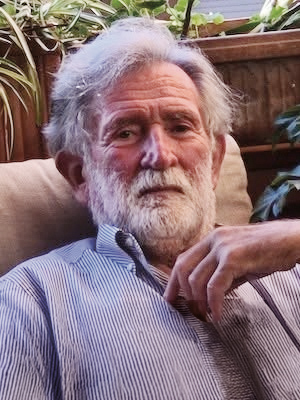
Paolo Emilio Strolin (1939–2026)
Paolo Strolin, Emeritus Professor of Physics at the University of Naples Federico II and significant contributor to many CERN experiments, passed away on 28 June 2026 at the age of 87.
-
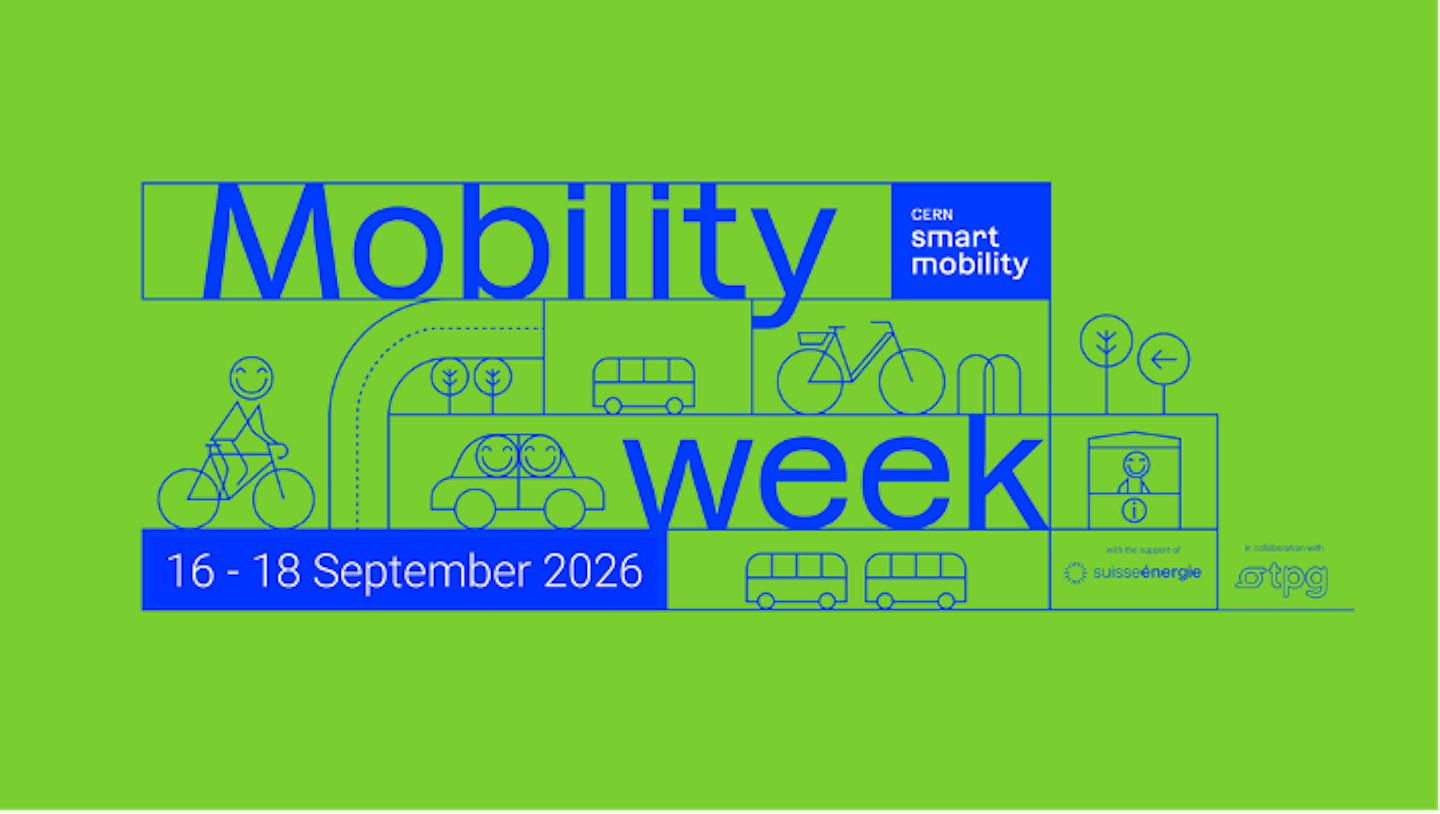
CERN Mobility Week 2026: discover smart and sustainable mobility options
As the CERN community returns from the summer break, Mobility Week 2026 will take place from 16 to 18 September around Restaurant 1 on the Meyrin site. Members of the CERN community are invited to discover services, tools and initiatives that support everyday mobility choices. Mobility Week will also mark the opening of a new