
Tag: World Wide Web
The World Wide Web, invented at CERN in 1989 by Tim Berners-Lee, is a system of interlinked hypertext documents that are accessed via the internet. With a web browser, one can view web pages that may contain text, images, videos, and other multimedia and navigate between them via hyperlinks.
-
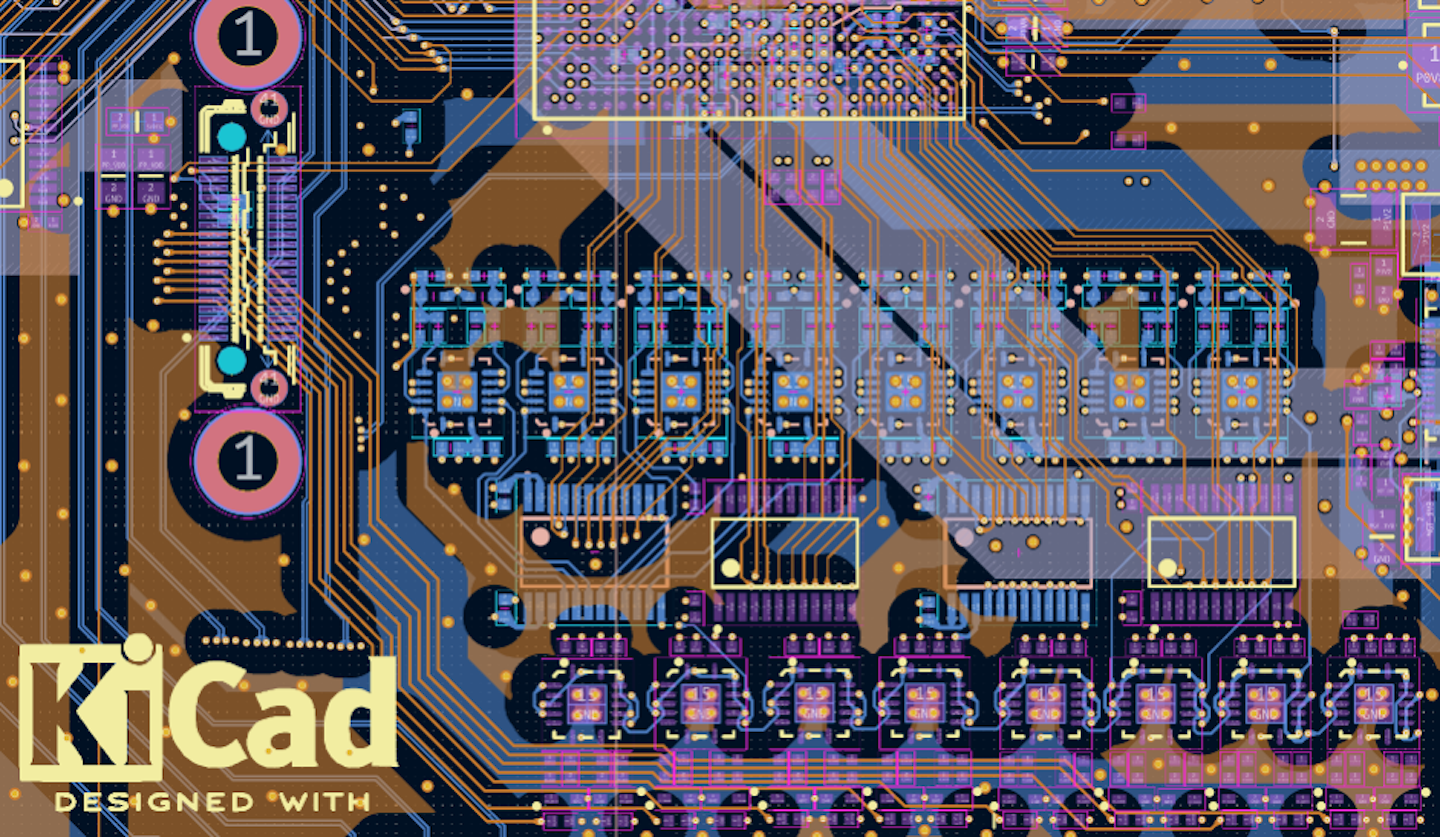
CERN’s KiCad component library now open source
The cornerstone of open source philosophy is that the recipients of technology should have access to all of its building blocks, such as software code, schematics for electronics and mechanical designs. This lets everyone study, modify and redistribute the technology to others. Since releasing the World Wide Web software under an open source licence in
-

European project to make web search more open and ethical
The OpenWebSearch.eu consortium, which includes CERN, has released a pilot of the first federated, pan-European Open Web Index, paving the way for a new generation of unbiased and ethical search engines
-

World Wide Web at 35
From Tim Berners-Lee’s first proposal in March 1989 to today, the World Wide Web’s impact on society has been profound
-

Ethical, open and non-commercial: the Open Web Search project is designed to provide Europe with the right alternative to existing search engines
CERN recently hosted the fifth International Open Search symposium, where over 100 experts discussed how to make searching the web in Europe fairer and safer
-
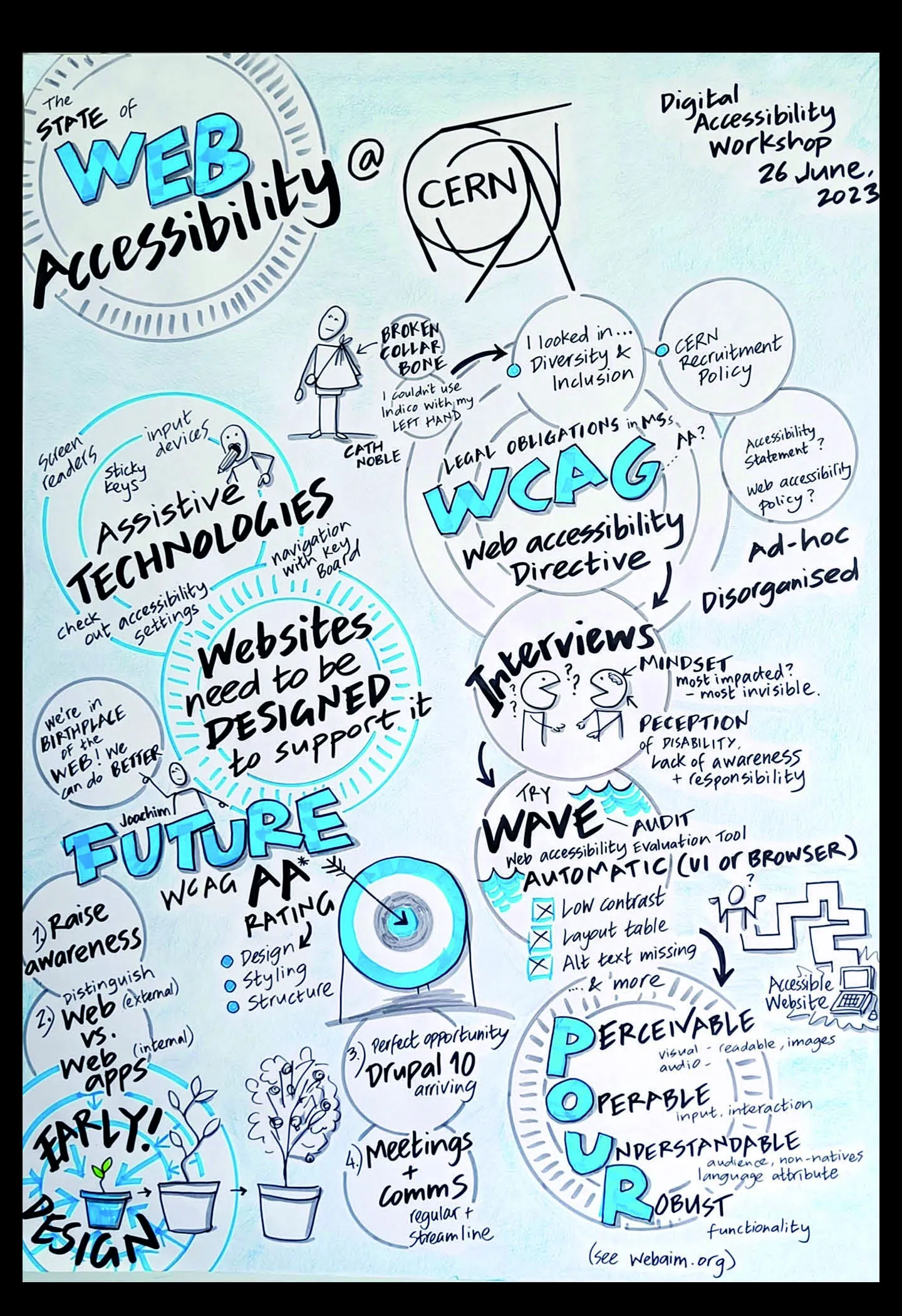
A welcome web accessibility workshop
Find out the tips and guidance given at the introductory workshop to digital accessibility at CERN on 26 June
-

30 years of a free and open Web
30 April 2023 marks 30 years since the release of the World Wide Web software to the public
-

Web@30: The 30-year anniversary of an invention that changed the world
Geneva, 4 March 2019. Thirty years ago, a young computer expert working at CERN combined ideas about accessing information with a desire for broad connectivity and openness. His proposal became the World Wide Web. CERN is celebrating the 30th anniversary of this revolutionary invention with a special day on 12 March. In March 1989, while
-

Save the date: the Web@30 on 12 March 2019
The Web@30 event is happening at CERN and you can join it from anywhere in the world