
Author: CMS collaboration
-
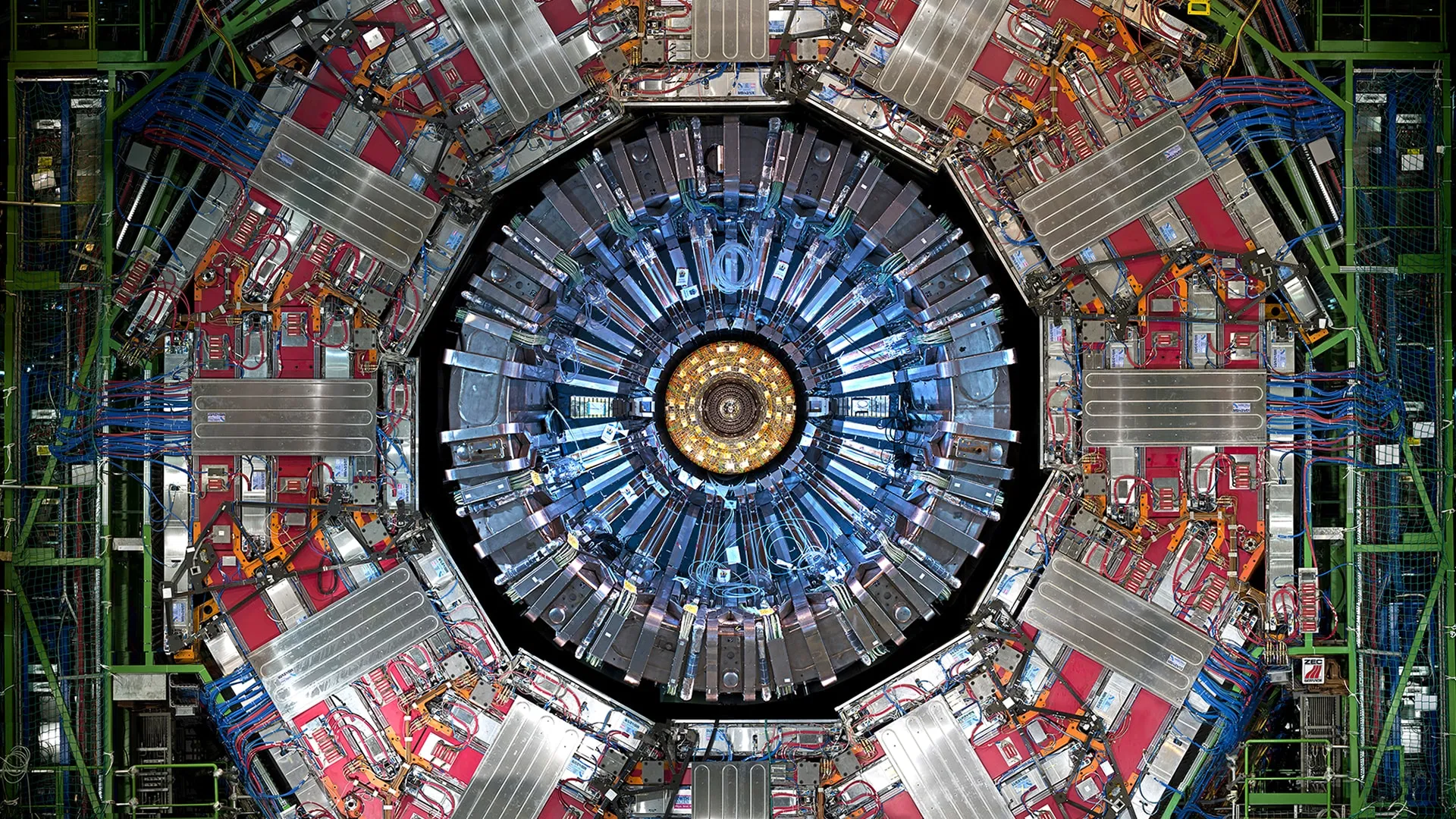
CMS develops new AI algorithm to detect anomalies
During LHC Run 3, researchers at the experiment have deployed an innovative machine learning technique that will improve the data quality of one of the detector’s most crucial components
-
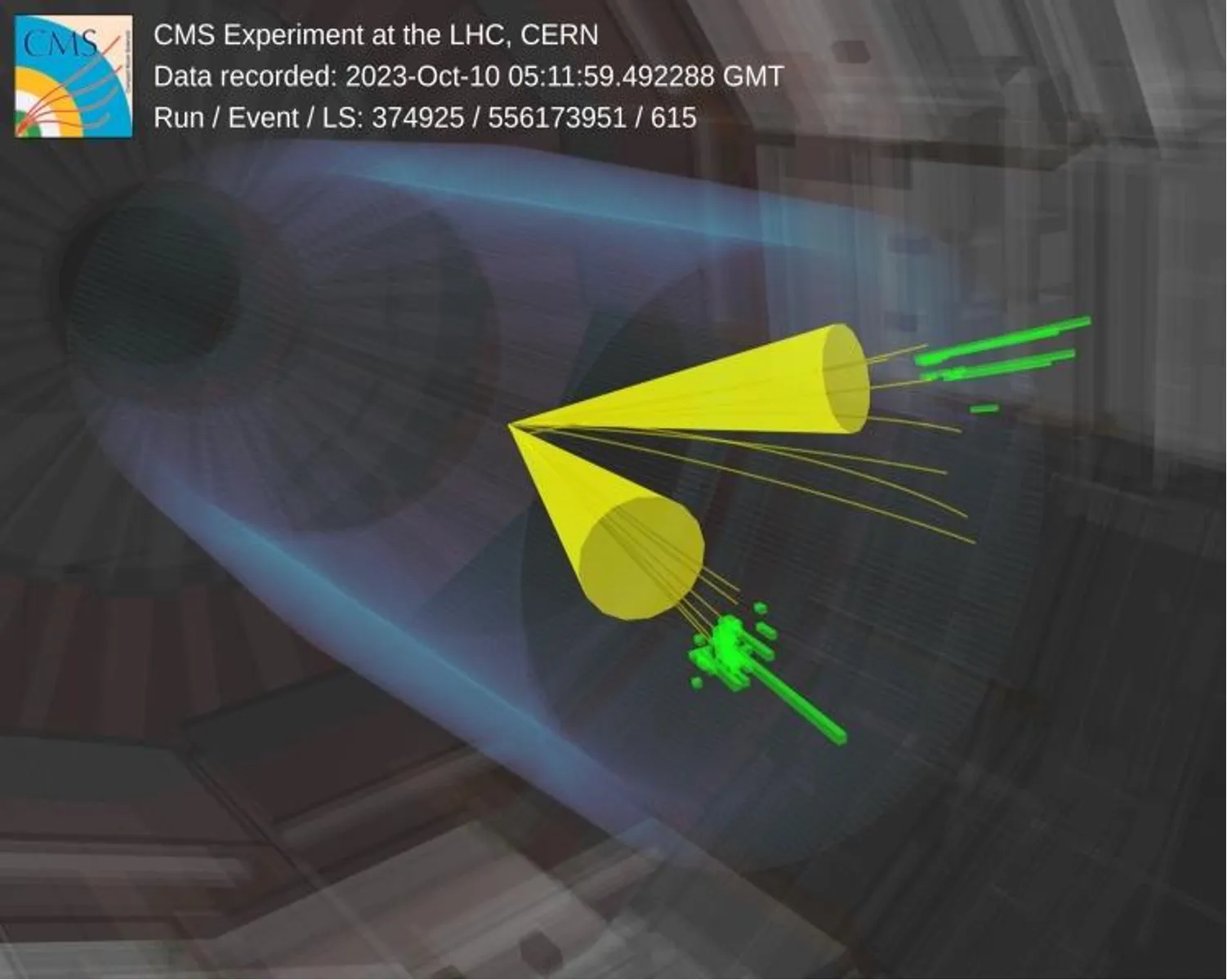
CMS uses photons to probe the structure of nuclei
Using data from the first heavy-ion run of LHC Run 3 in 2023, the experiment presents the first-ever measurement of D0 meson production in photon-lead collisions
-

CMS welcomes its new management
The new spokesperson, Gautier Hamel de Monchenault, and the two deputy spokespersons, Hafeez Hoorani and Anadi Canepa, will be representing CMS over the next two years
-
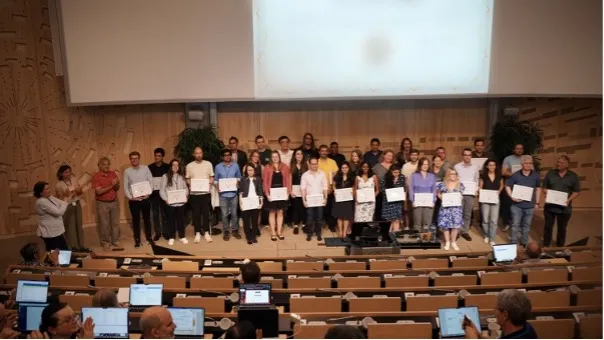
CMS congratulates its 2023 Award and Thesis Award winners
The CMS collaboration presents its 2023 awards for outstanding contributions to three doctoral students and 50 collaboration members
-
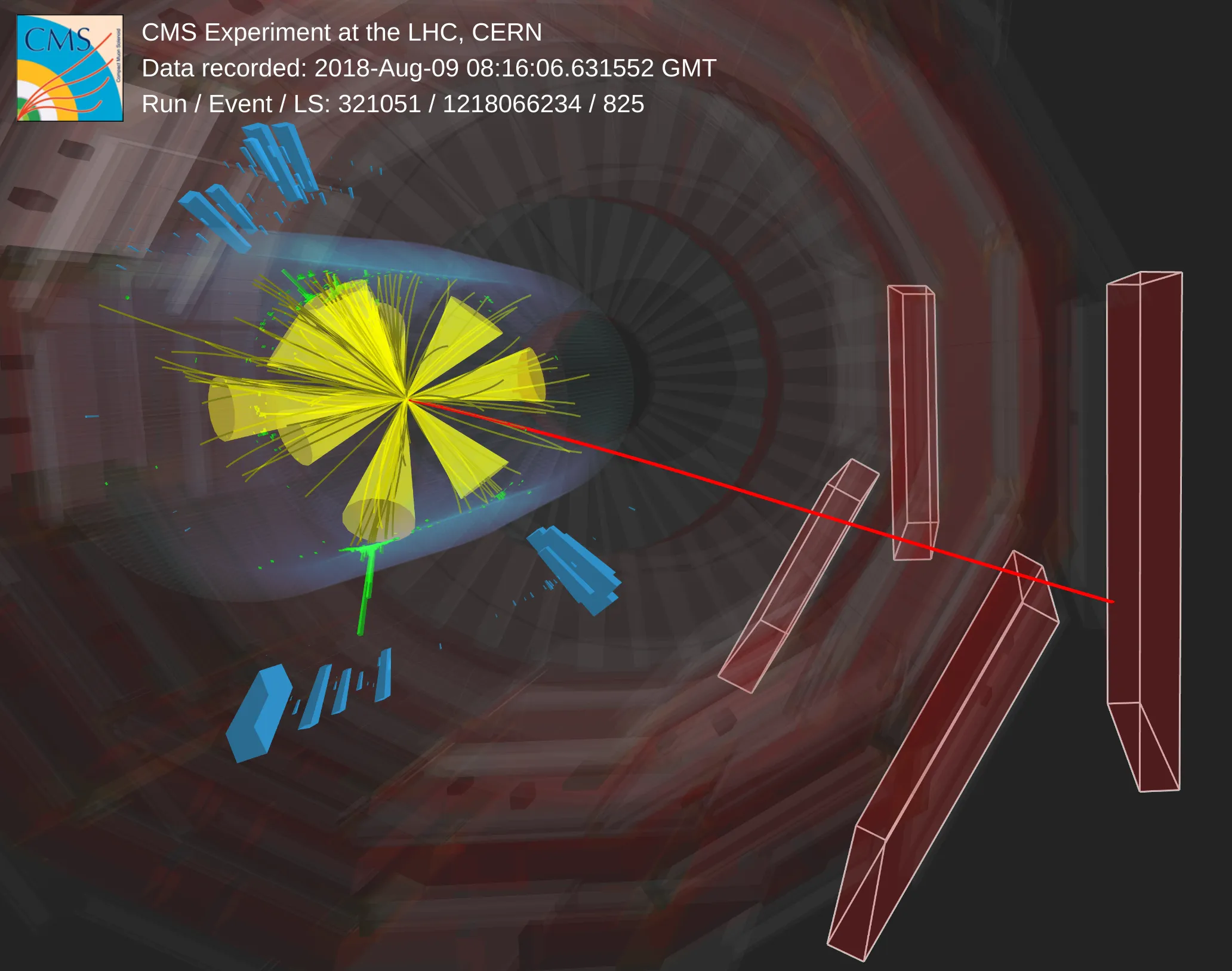
Going the extra mile to squeeze supersymmetry out of CMS data
Re-analysing LHC Run 2 data with cutting-edge analysis techniques allowed CMS physicists to address an old discrepancy
-
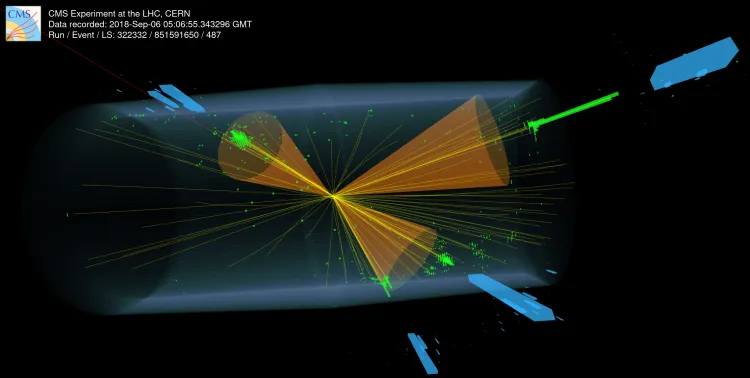
How can AI help physicists search for new particles?
The ATLAS and CMS collaborations are using state-of-the-art machine learning techniques to search for exotic-looking collisions that could indicate new physics
-
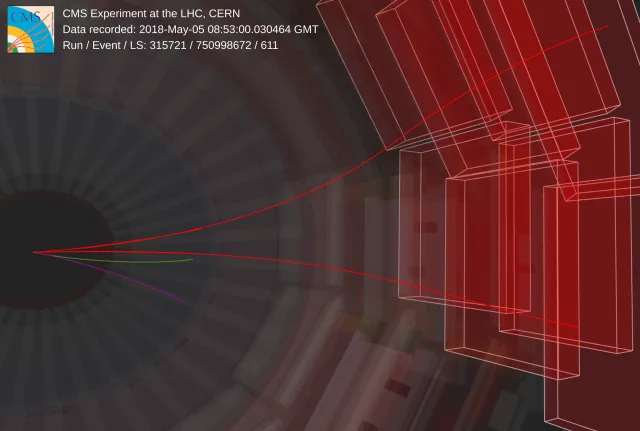
Shaking the box for new physics
The CMS collaboration has searched for new physics in a rare decay of a known particle, using an approach that can be likened to shaking a box containing a birthday present to find a clue about what’s inside
-
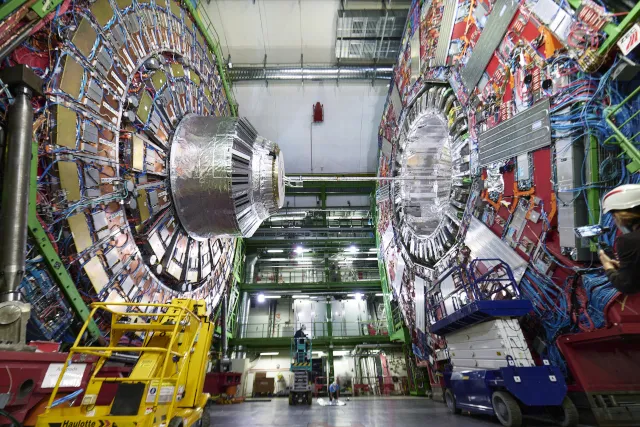
Probing matter–antimatter asymmetry with AI
Using a cutting-edge AI algorithm, the CMS collaboration has obtained the first evidence of CP violation in the decay of the strange beauty meson into a pair of muons and a pair of electrically charged kaons
-
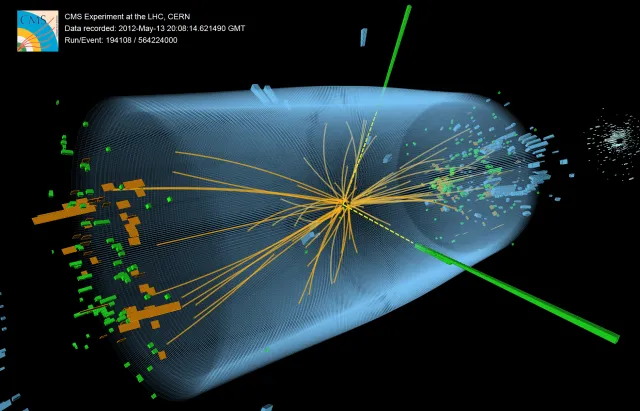
CMS releases Higgs boson discovery data to the public
The collaboration has also made publicly available the software that it developed to search for the unique particle