
Author: LHCb collaboration
-

LHCb announces its 2026 Collaboration Award winners
Congratulations to the 2026 winners of the LHCb Thesis Awards, Early-Career Scientist Awards and Technical Awards. The Awards were presented during LHCb week at CERN on Wednesday, 24 June. “These prizes recognise the excellent work performed by some of our collaborators, but there were also many others who were very deserving,” said the Chairs of
-
Searching for new physics with beauty particles
A new LHCb analysis confirms a previously observed tension with the Standard Model, but more data and improved theoretical calculations are needed to determine whether new physics is at play
-
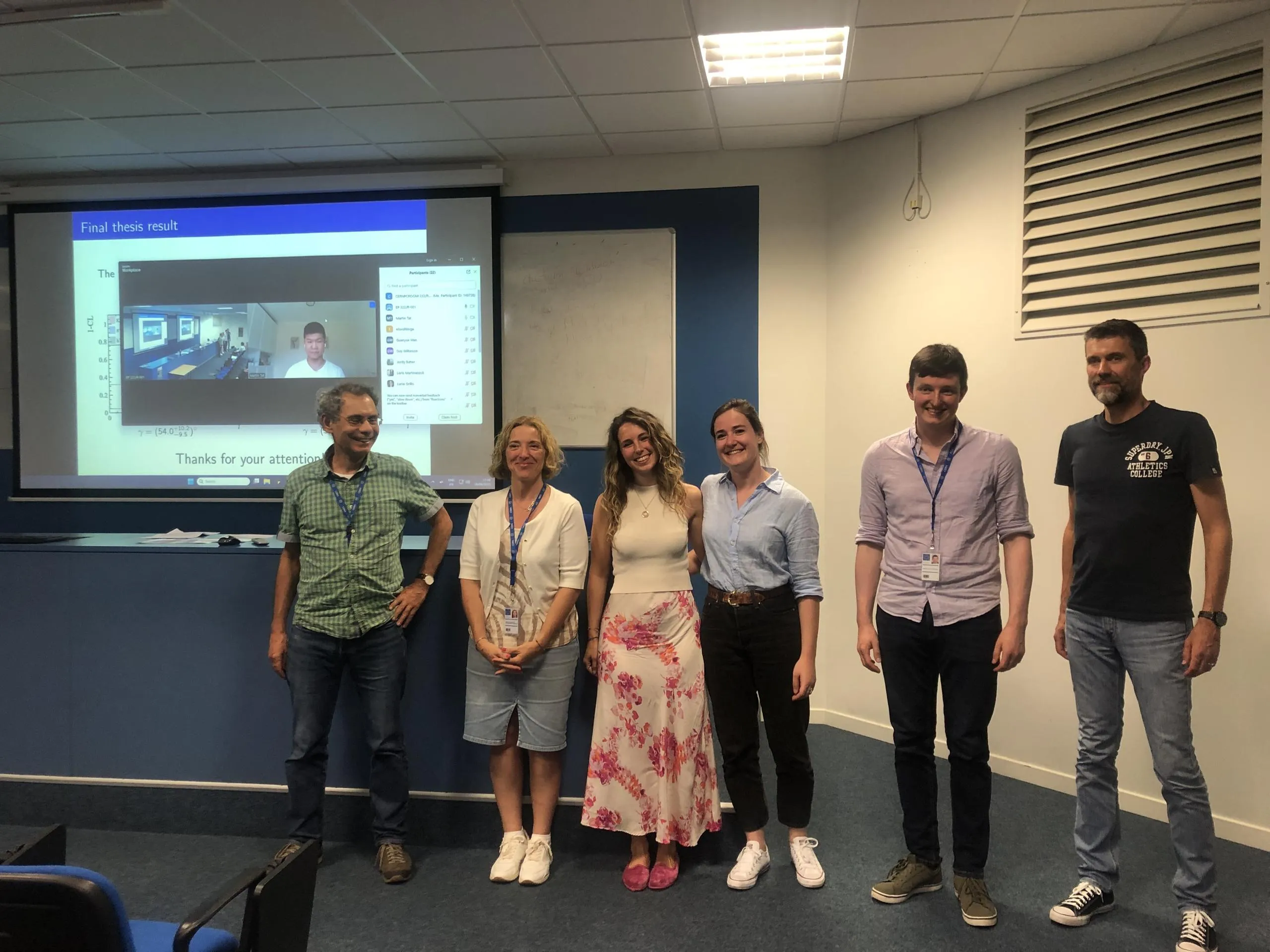
LHCb announces its 2025 collaboration prizes
Congratulations to the 2025 winners of the LHCb Thesis Awards, Early Career Scientist Awards and Technical Awards
-
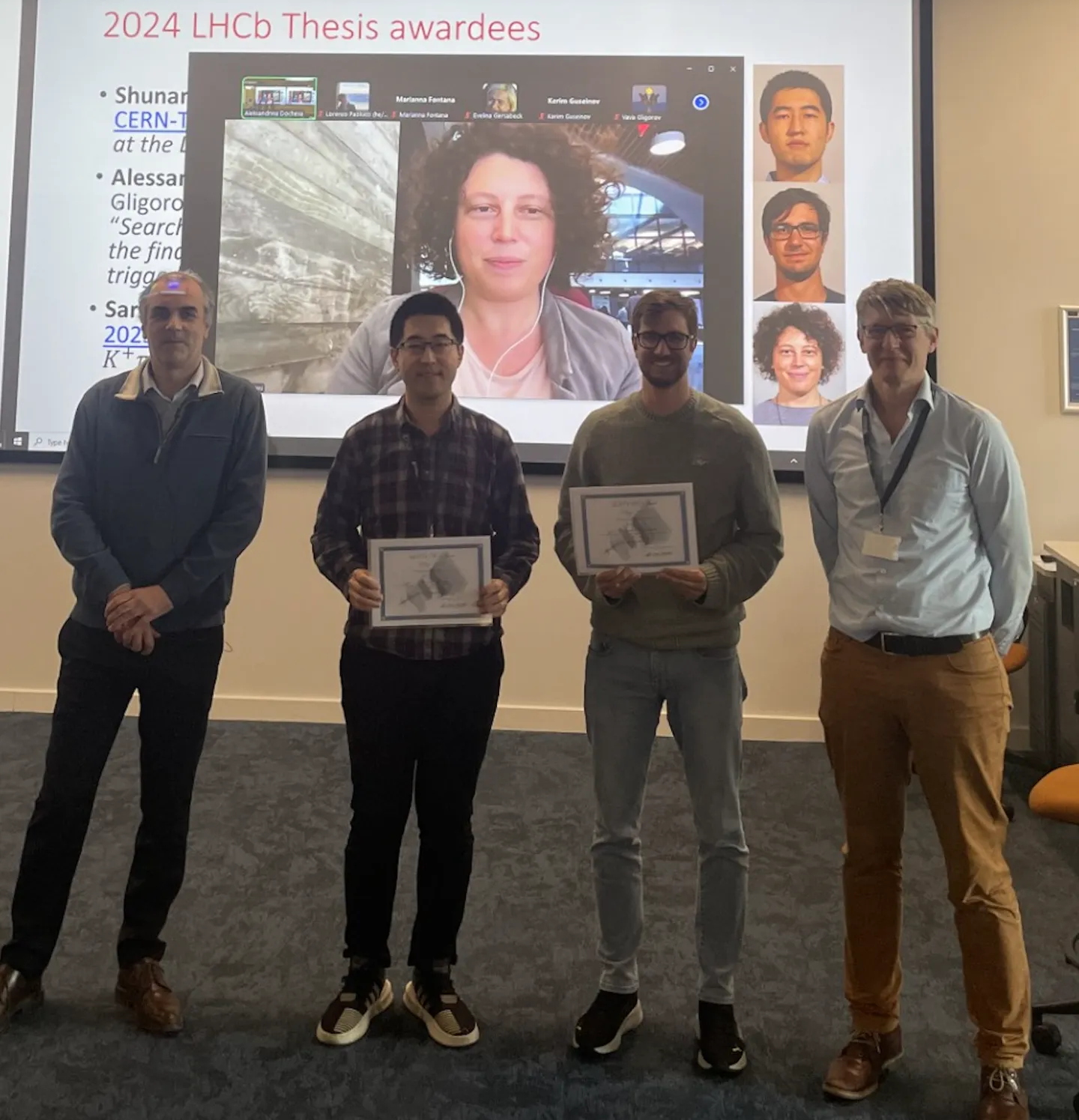
LHCb announces its 2024 collaboration prizes
Congratulations to the 2024 winners of the LHCb Thesis Awards, Early Career Scientist Awards and Technical Awards
-
LHCb investigates the properties of one of physics’ most puzzling particles
The particle, known as χc1(3872), has fascinated physicists for years. Now, the LHCb collaboration is closer to finding out what it is made up of
-
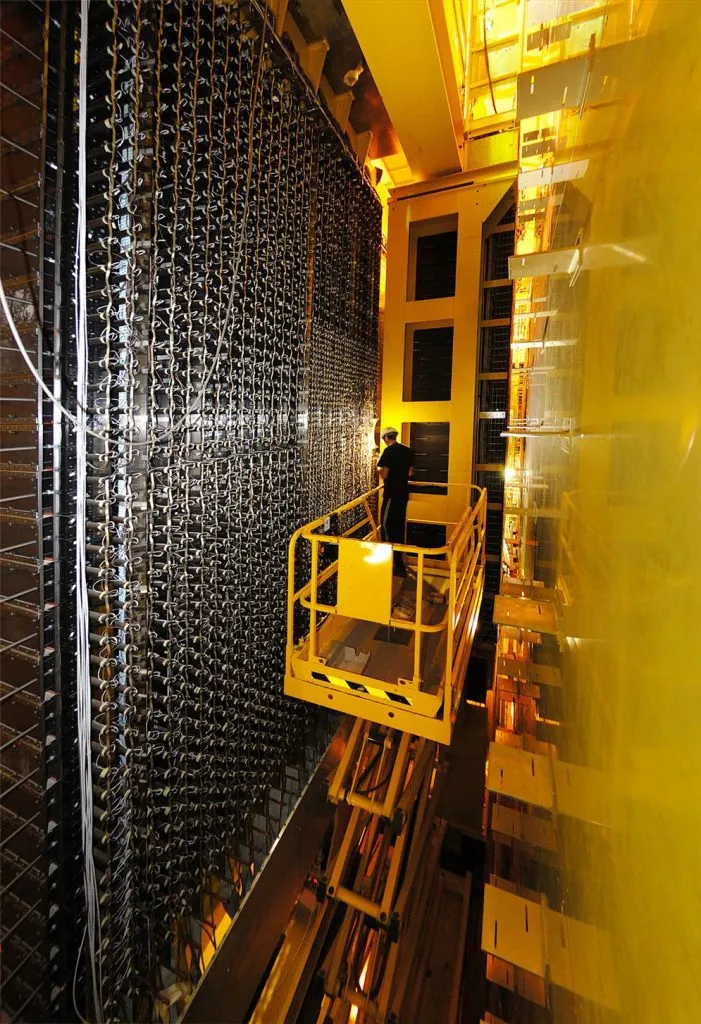
Upgrading the LHCb sub-detectors for the HL-LHC
The LHCb experiment is revamping its electromagnetic calorimeter with new high-performance modules and equipping its ring-imaging Cherenkov detectors with very fast electronics
-
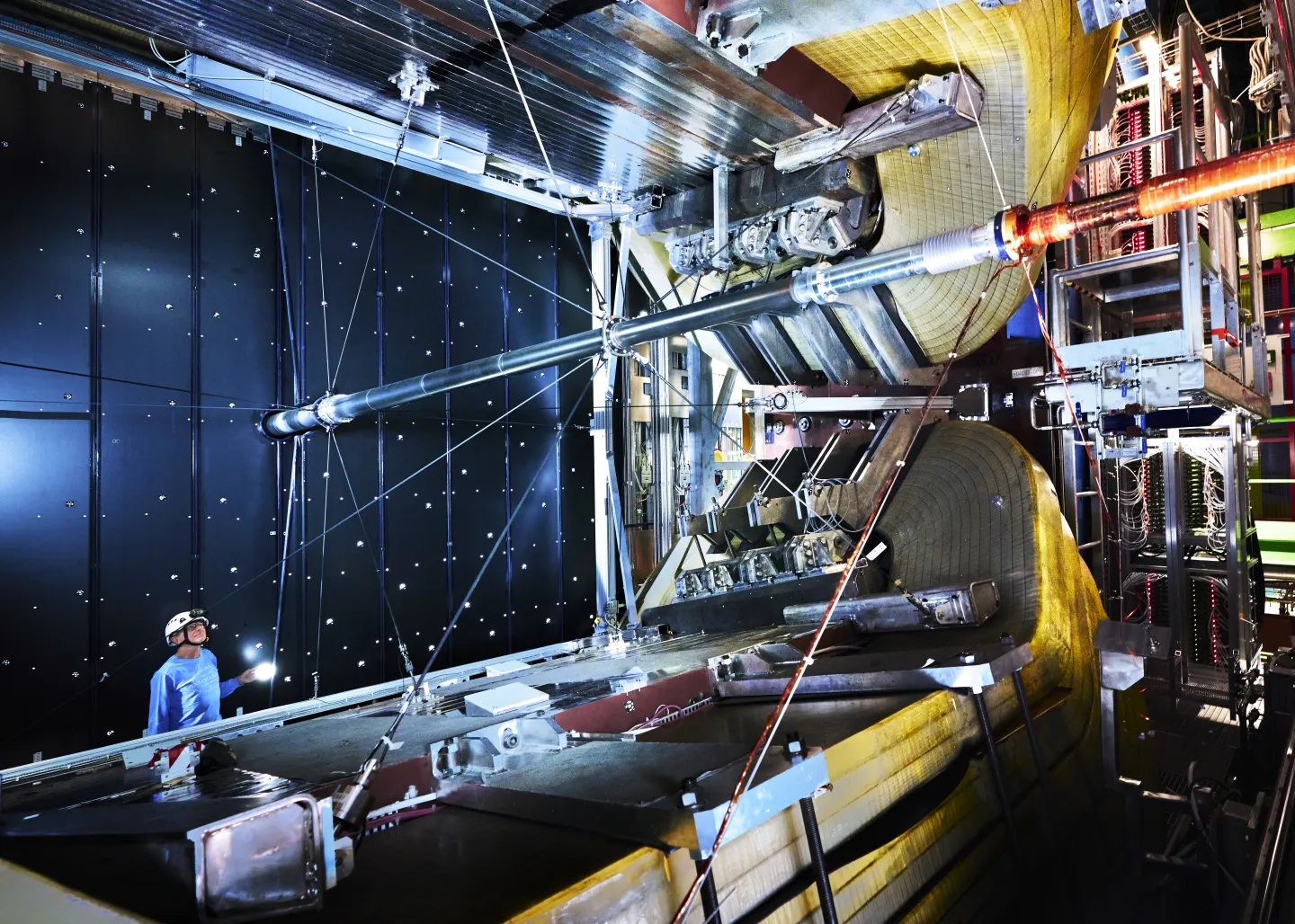
LHCb observes a new decay mode of the charmed beauty meson
The result has implications for future searches for rare beauty meson decays and for the interpretation of results from the Fermilab g-2 experiment
-
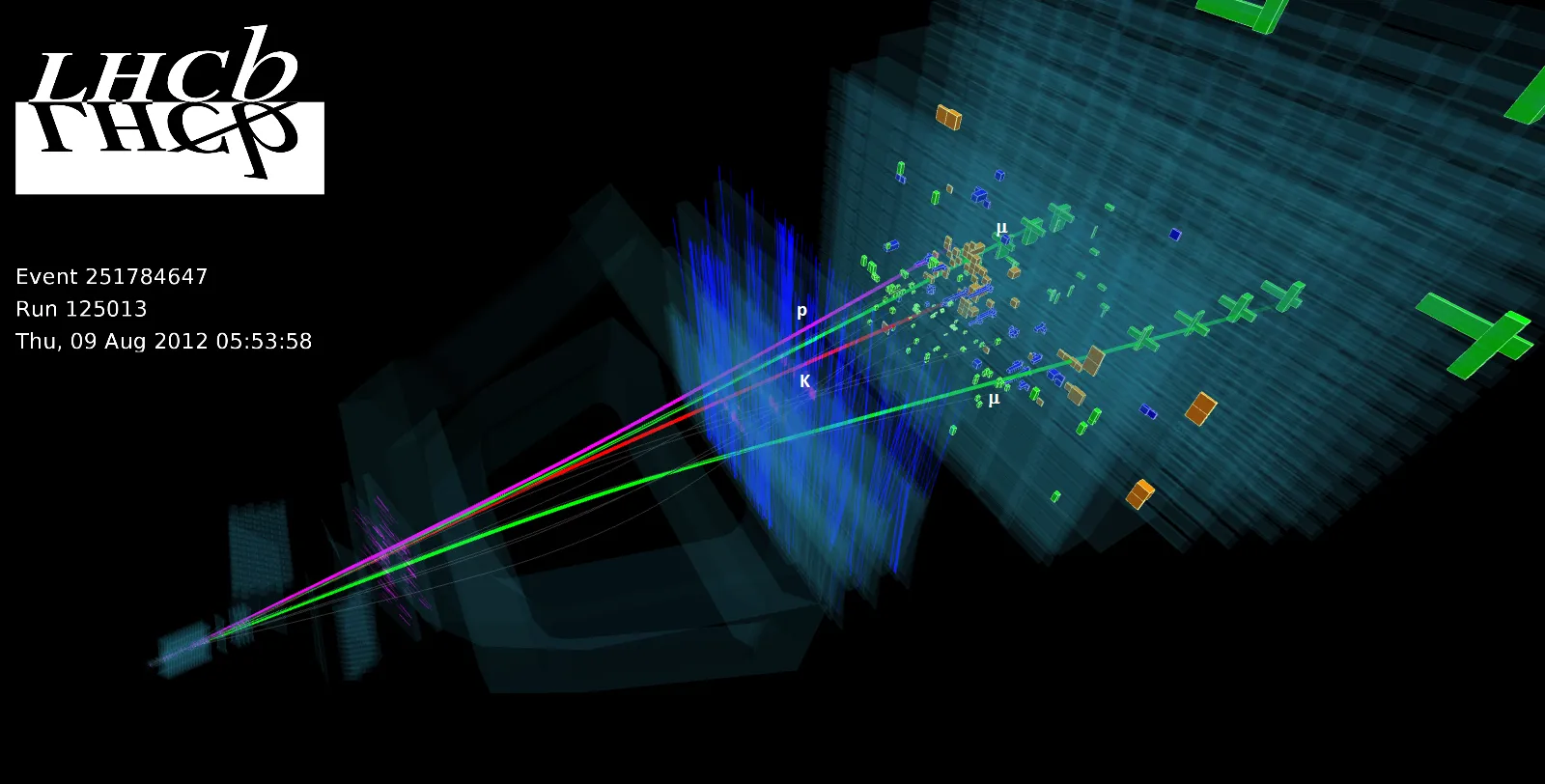
LHCb experiment releases all of its Run 1 proton–proton data
The latest release makes LHCb research data, used by researchers to produce a number of significant results, available to anyone for a wide range of physics studies
-
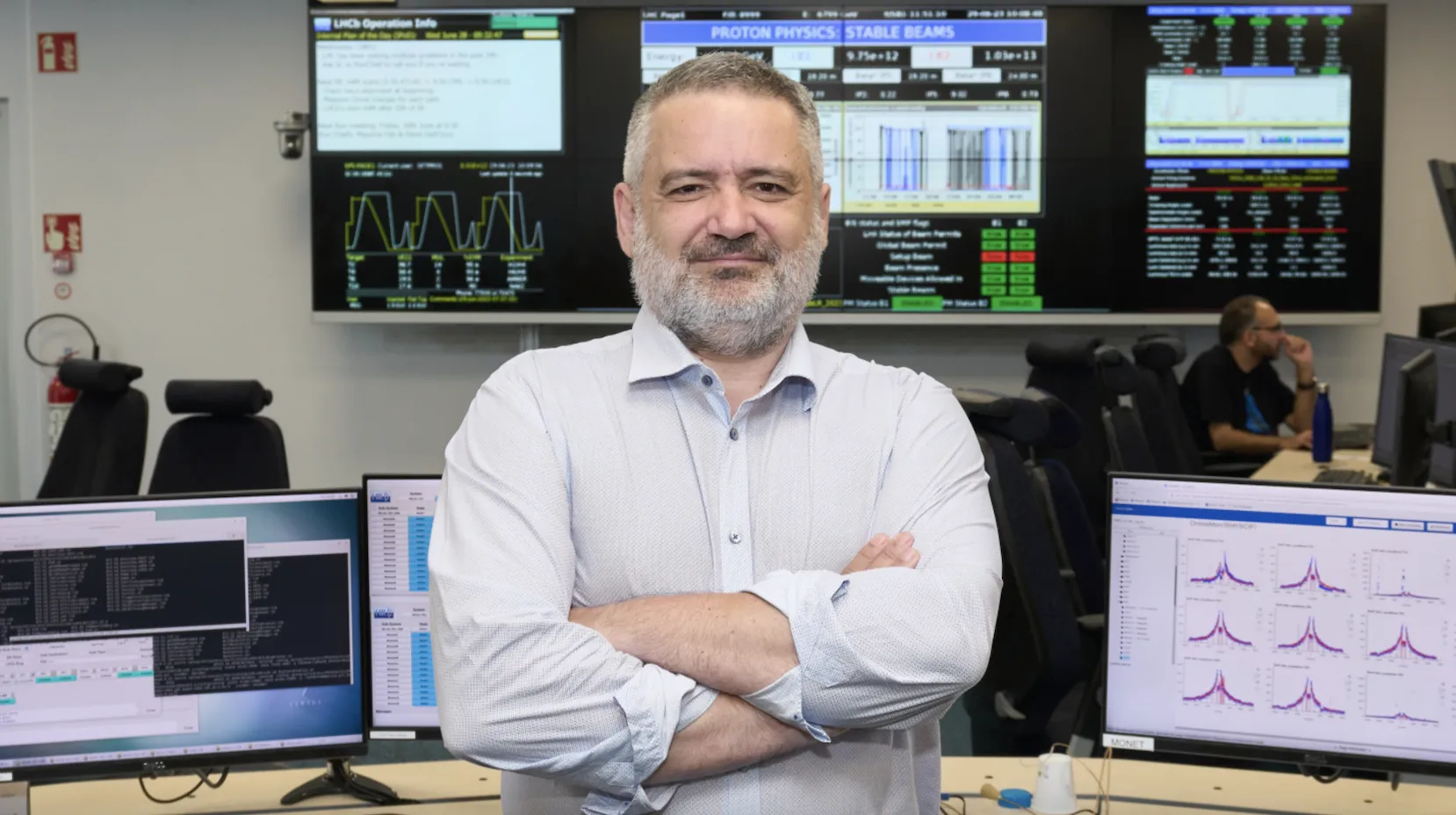
New management for the LHCb collaboration in 2023
On 1 July 2023, a new spokesperson and two deputies took over at the helm of the LHCb experiment