
Author: Rory Harris
-
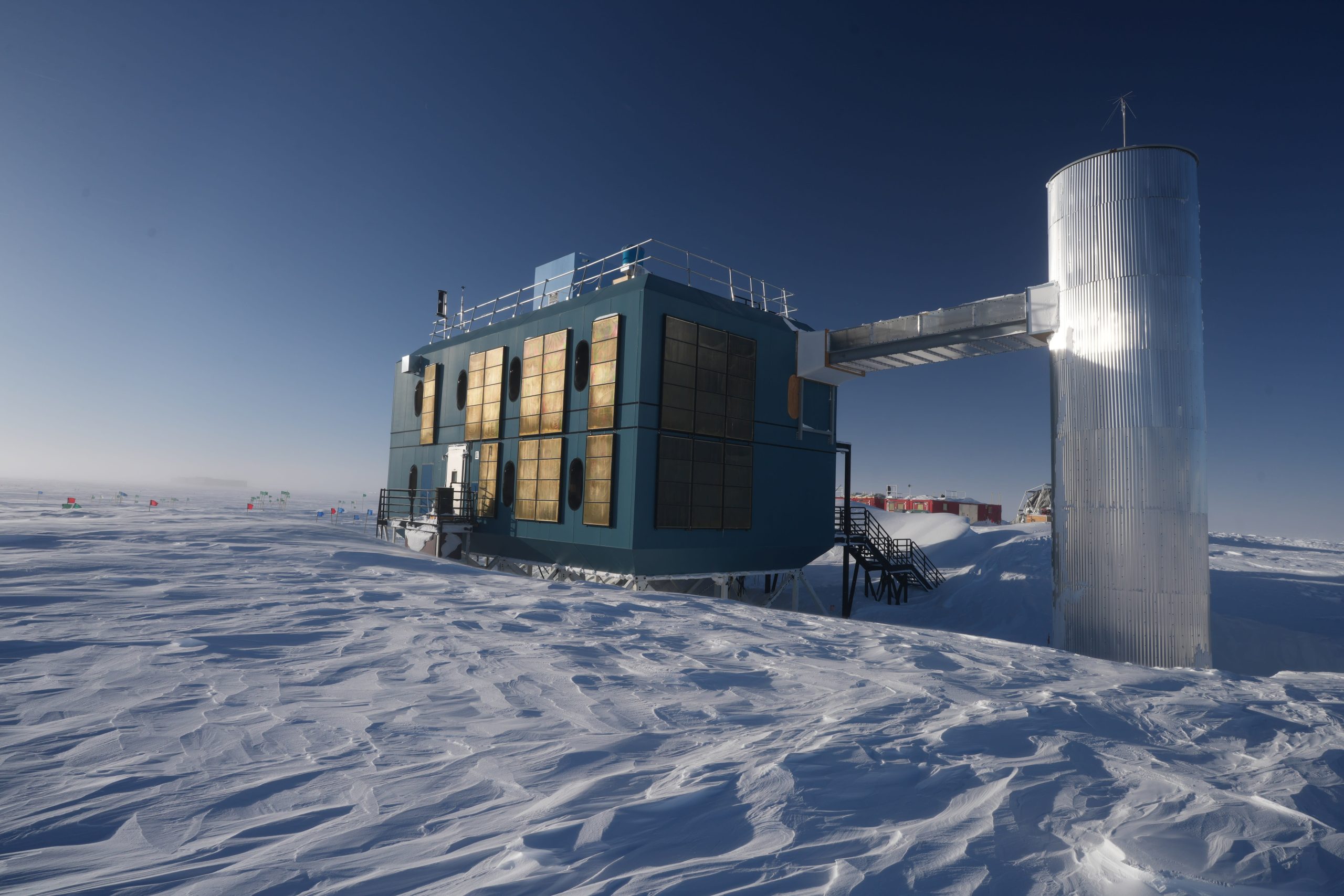
CERN congratulates Nobel Prize winner Francis Halzen
The 2026 Nobel Prize in Physics has been awarded to Francis Halzen for his contributions to the IceCube Neutrino Observatory, which discovered high-energy neutrinos coming from far beyond our Solar System. This work is paving the way for a new generation of observatories to exploit neutrinos as a unique messenger of extreme environments in the
-
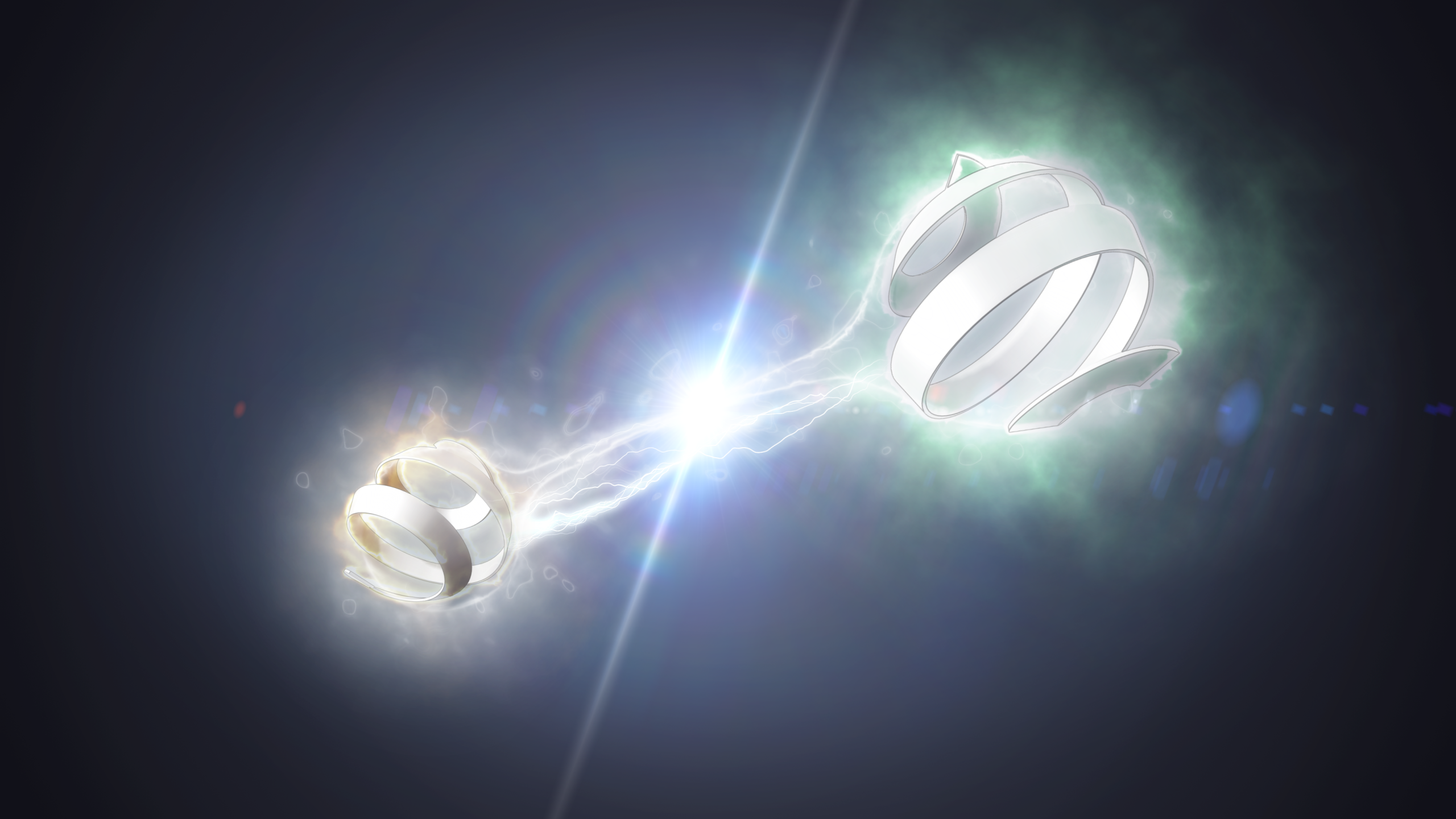
Strong evidence for quantum entanglement between Z bosons found by ATLAS and CMS
Quantum entanglement is certainly one of the stranger concepts to have emerged from the melting pot of 20th-century physics. Many great physicists, including Einstein, struggled to accept that the phenomenon could be real but, for decades now, the number of examples demonstrating it has been increasing. And, recently, the ATLAS and CMS Collaborations have added to these results by
-
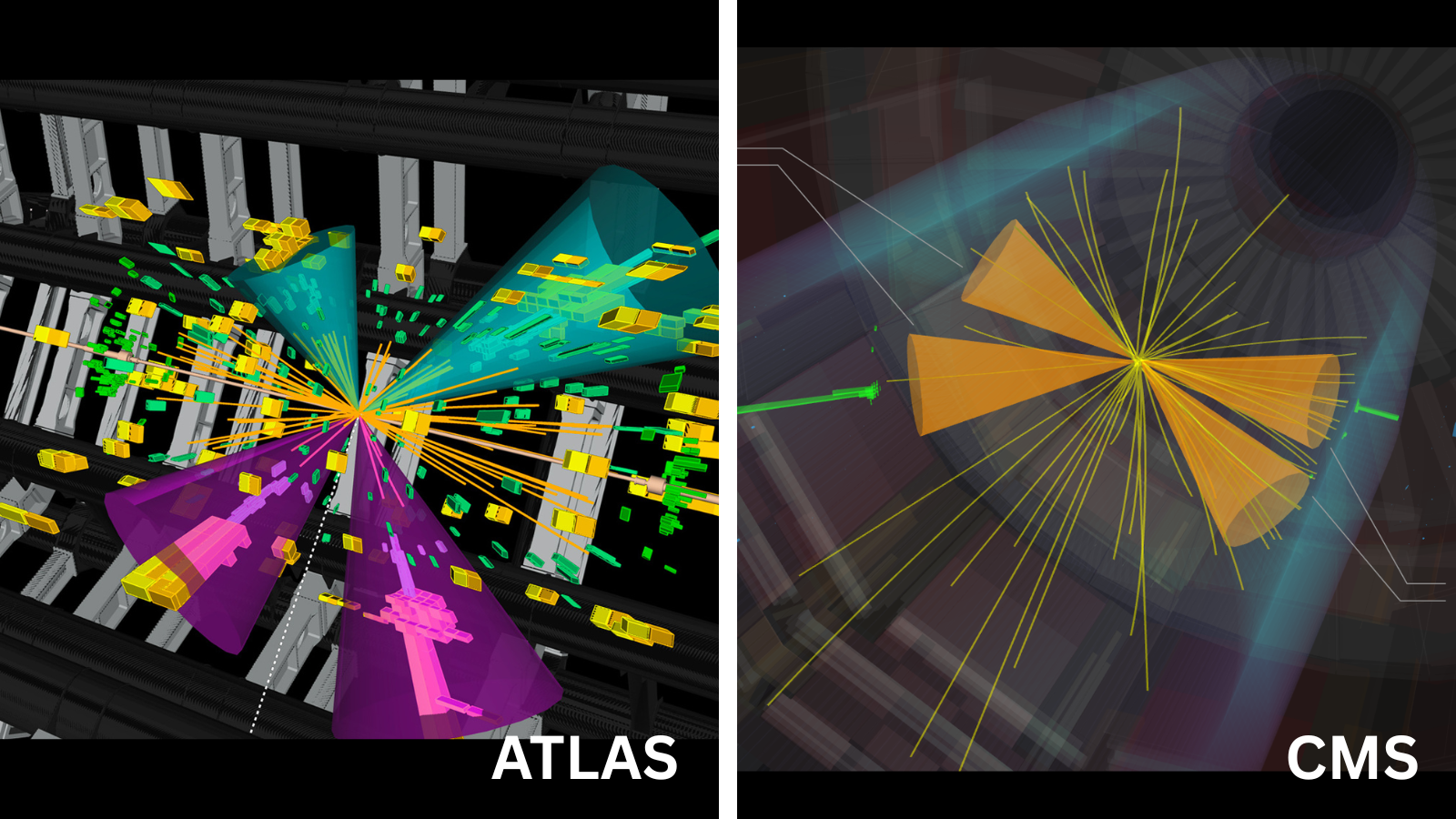
ATLAS and CMS narrow in on double-Higgs production
Finding one Higgs boson was hard enough, but physicists at the Large Hadron Collider (LHC) are hunting for something even more elusive: pairs of Higgs bosons. At the recent International Conference on High Energy Physics 2026, the ATLAS and CMS Collaborations presented new constraints on the double-Higgs production rate, providing insight into how the Higgs
-
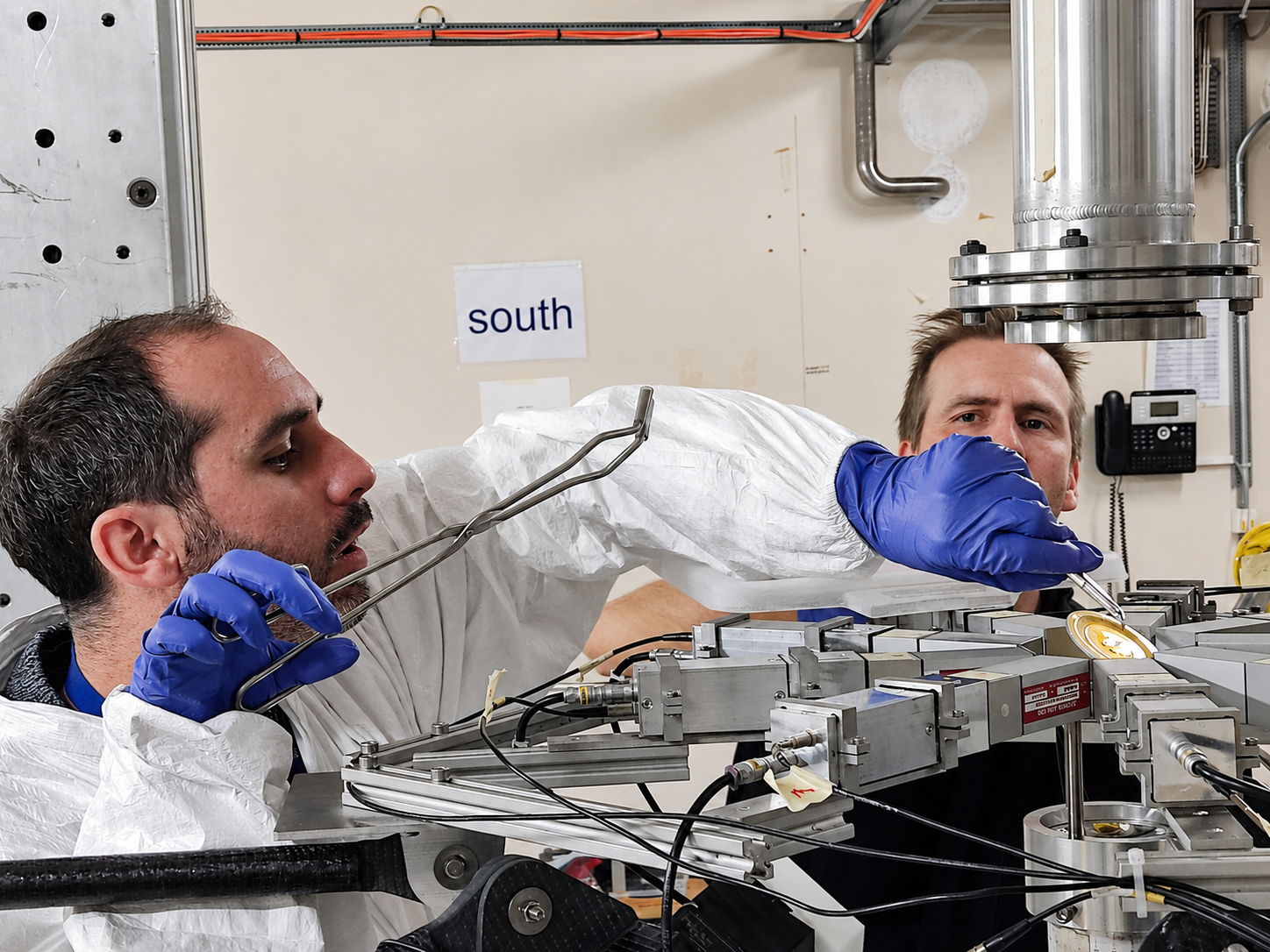
n_TOF experiment sheds light on ancient stardust
Niobium-94, an isotope of niobium with 41 protons and 53 neutrons, is a critical crossroads in the complex nuclear processes that forge heavy elements under the intense pressures and temperatures of dying stars. Writing in Physical Review Letters, the n_TOF Collaboration reports the first ever measurement of the probability of niobium-94 taking one of the
-

Oxygen collisions at the LHC show new indications of extreme state of matter
One year on from the first-ever collisions of oxygen at the Large Hadron Collider (LHC), the main LHC Collaborations – ALICE, ATLAS, CMS and LHCb – have each reported signs of the state of matter known as quark–gluon plasma (QGP) originating from these collisions. QGP is a state of matter that forms under intense pressure
-
LHCb discovers the final missing member of a doubly charmed particle family
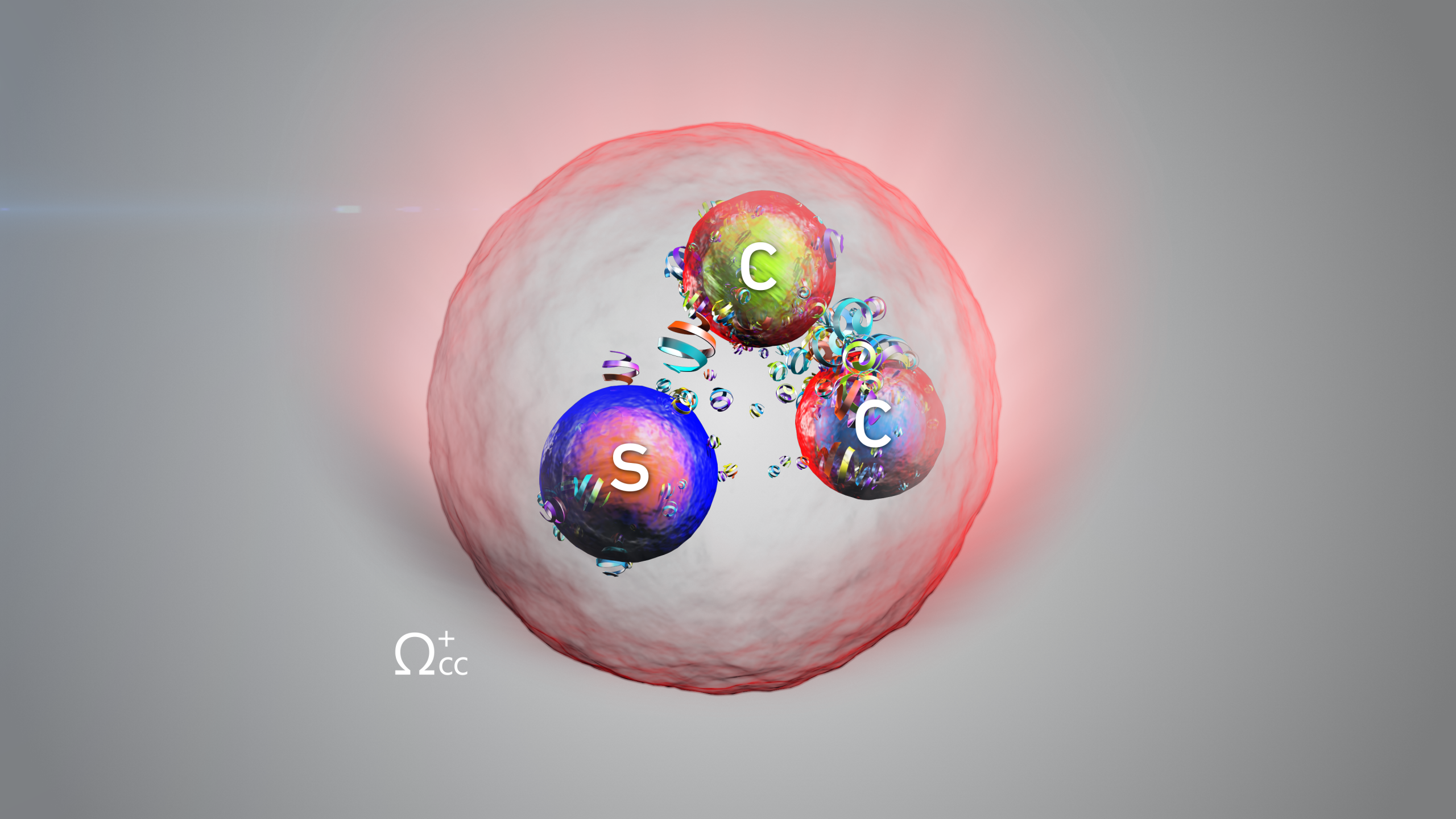
The LHCb Collaboration has found a new particle consisting of one strange quark and two charm quarks. With this finding, the Collaboration has discovered the final member of a family of doubly charmed baryons – particles made up of two charm quarks and one other quark – and closes a chapter of a story that
-
Getting under the skin of atomic nuclei using antimatter
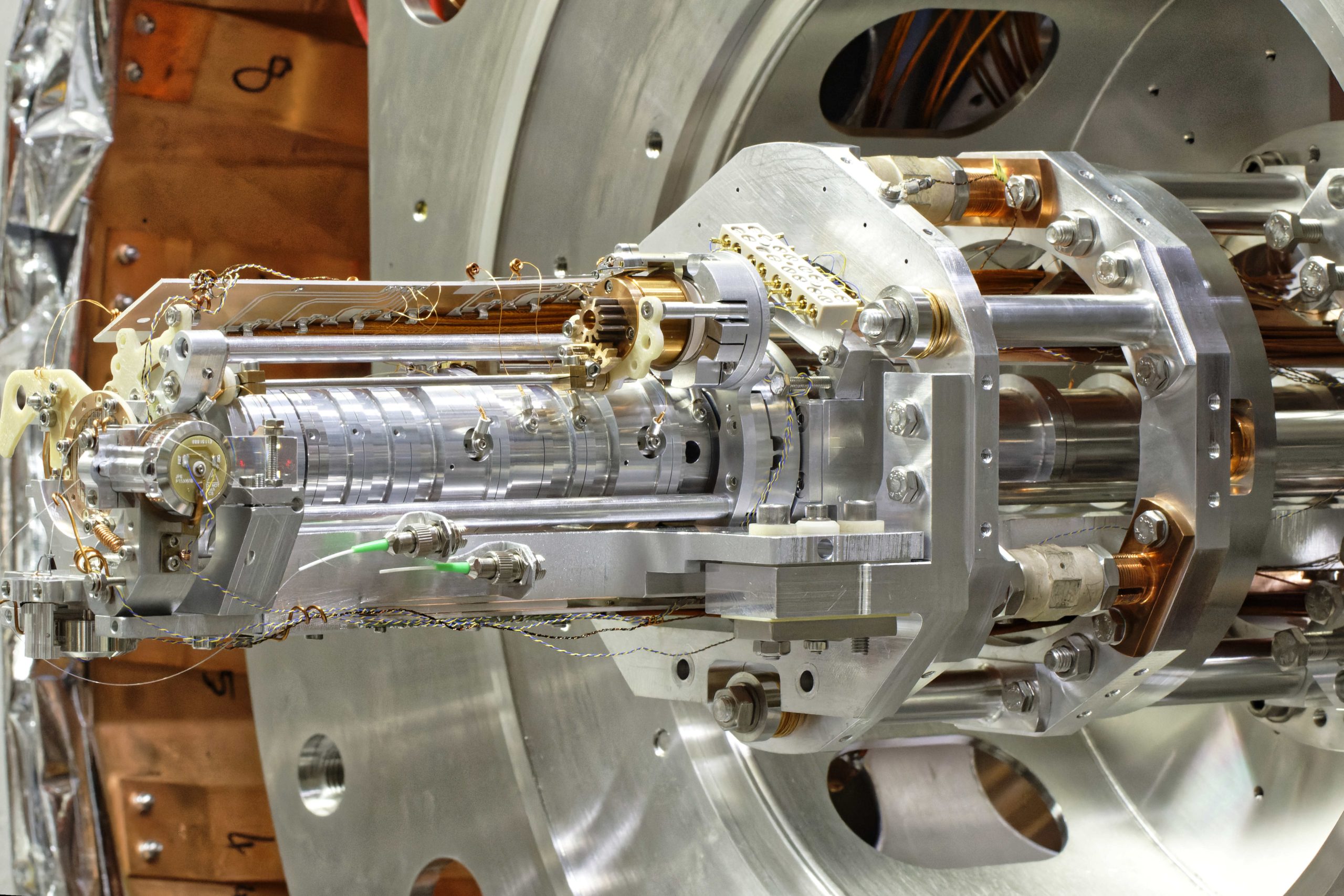
Researchers at the AEgIS experiment have piloted a new method to delve into the heart of atoms. This proof-of-principle study, recently reported in Physical Review Research, shows how antiprotons – the antimatter counterparts of protons – could be used to probe the outer edges of a wider range of atomic nuclei. And with CERN’s recent
-
ALPHA measures tiny energy gap in antimatter with improved precision
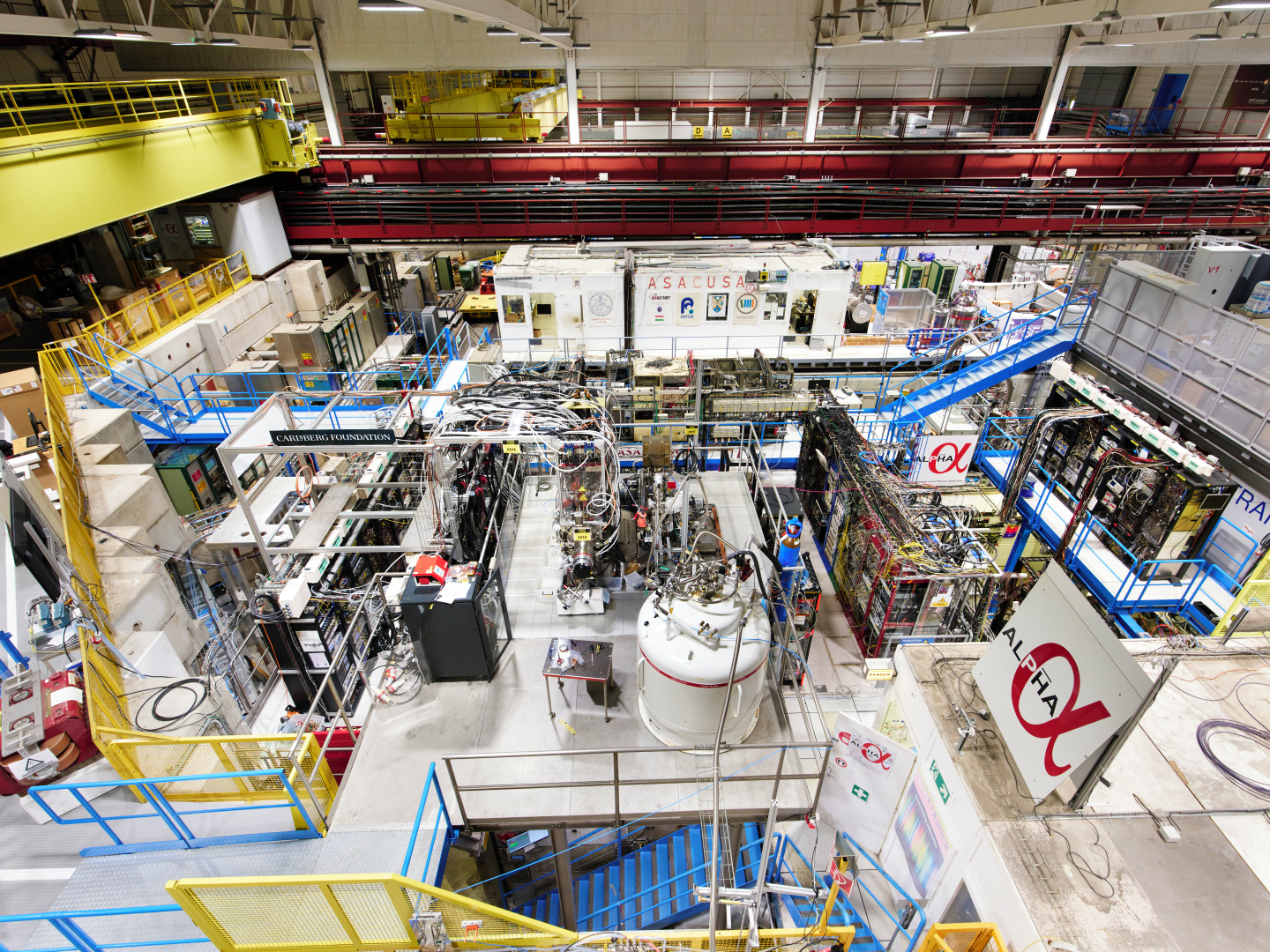
Researchers at the ALPHA experiment have achieved a hundredfold improvement in their measurement of a feature of the antimatter counterpart of the hydrogen atom. The result, published today in Nature, allows a precise comparison of hydrogen and antihydrogen. In this study, the ALPHA Collaboration measured the ground-state hyperfine splitting of the antihydrogen atom, which comprises
-
CERN summer students reunite 50 years later
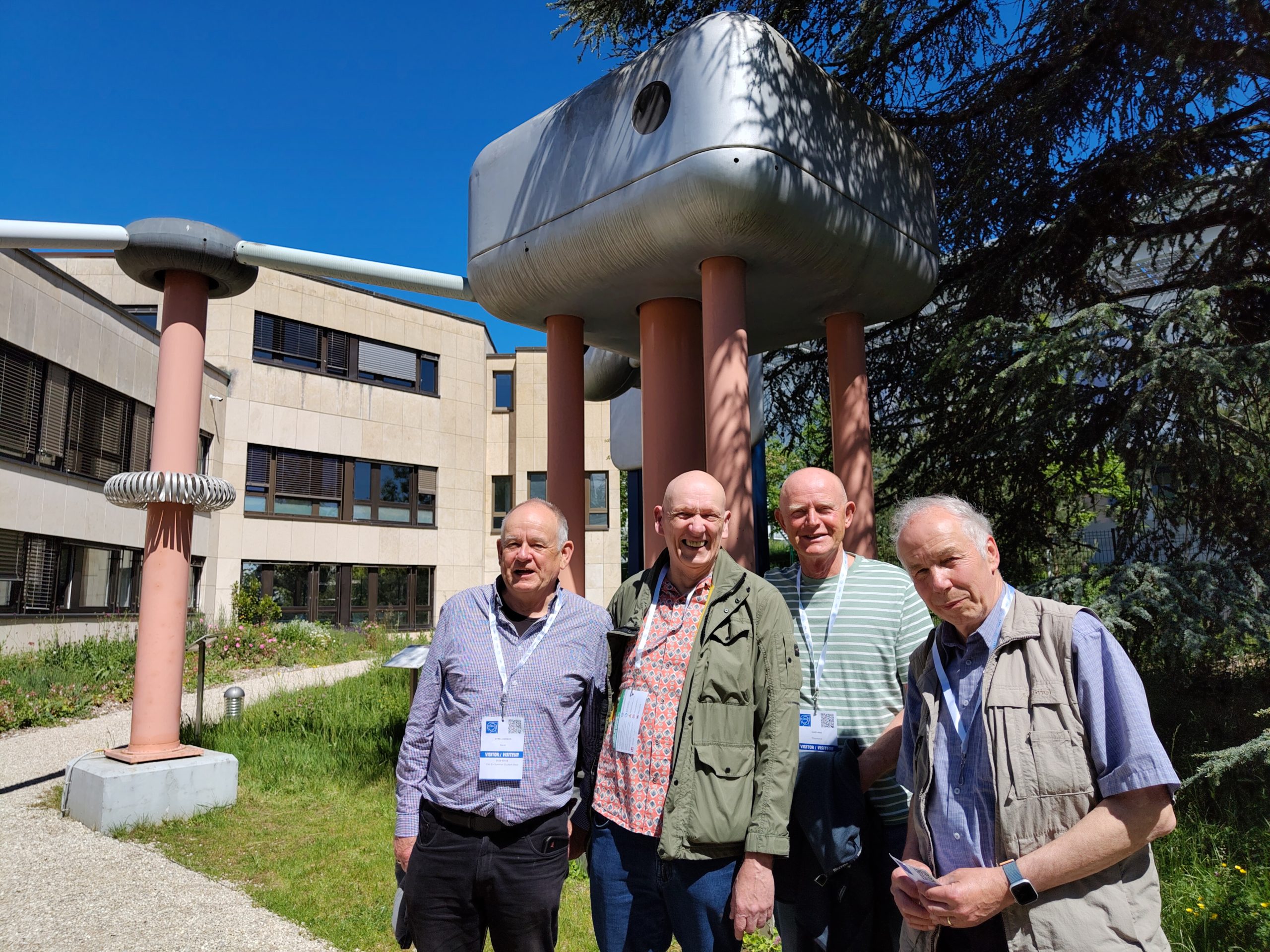
On 8 May 2026 a group of alumni of CERN’s Summer Student Programme reunited at the place where they first met 50 years ago. The group of four (left to right: Dave Eyre, Christian Gerke, Theo Oyevar and Claus Gössling) first came to CERN in 1976, when the Super Proton Synchrotron had just begun operating.
-
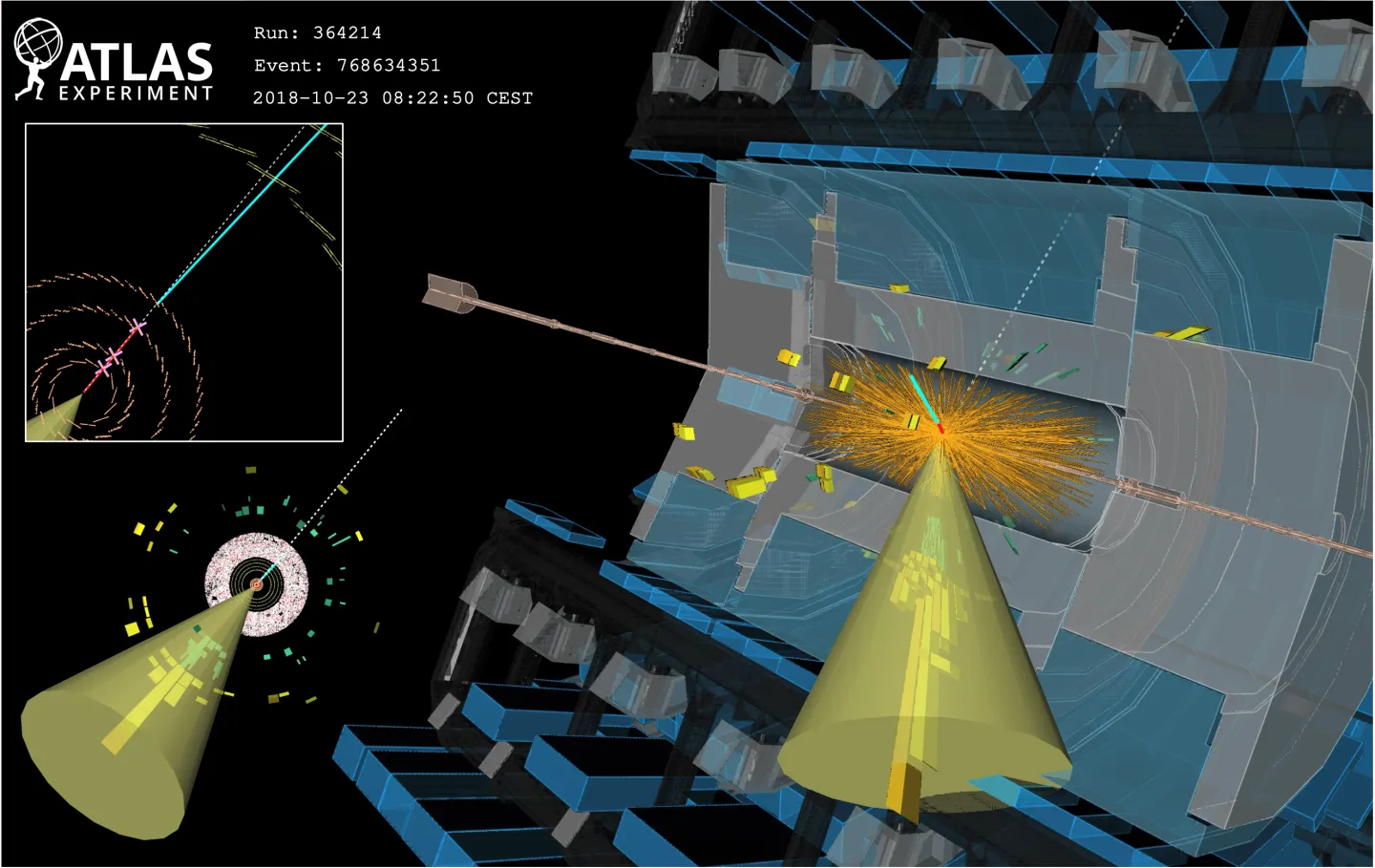
ATLAS sets strong limits on supersymmetry
Using machine-learning techniques, the ATLAS Collaboration has searched deep for signs of particles that could help answer some of the greatest mysteries of physics