
Category: Accelerators
-
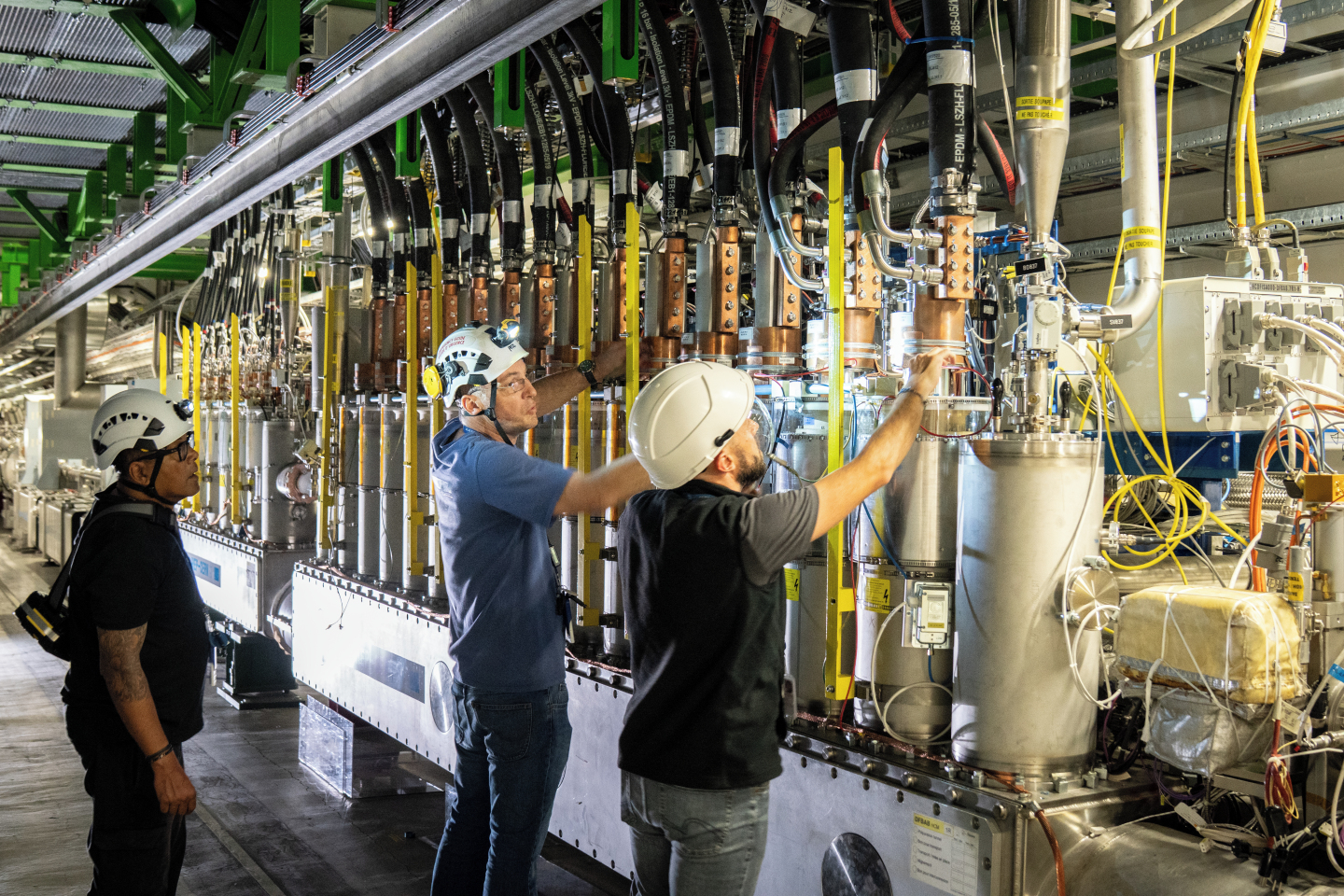
Safety kicks off the LHC’s transformation
-
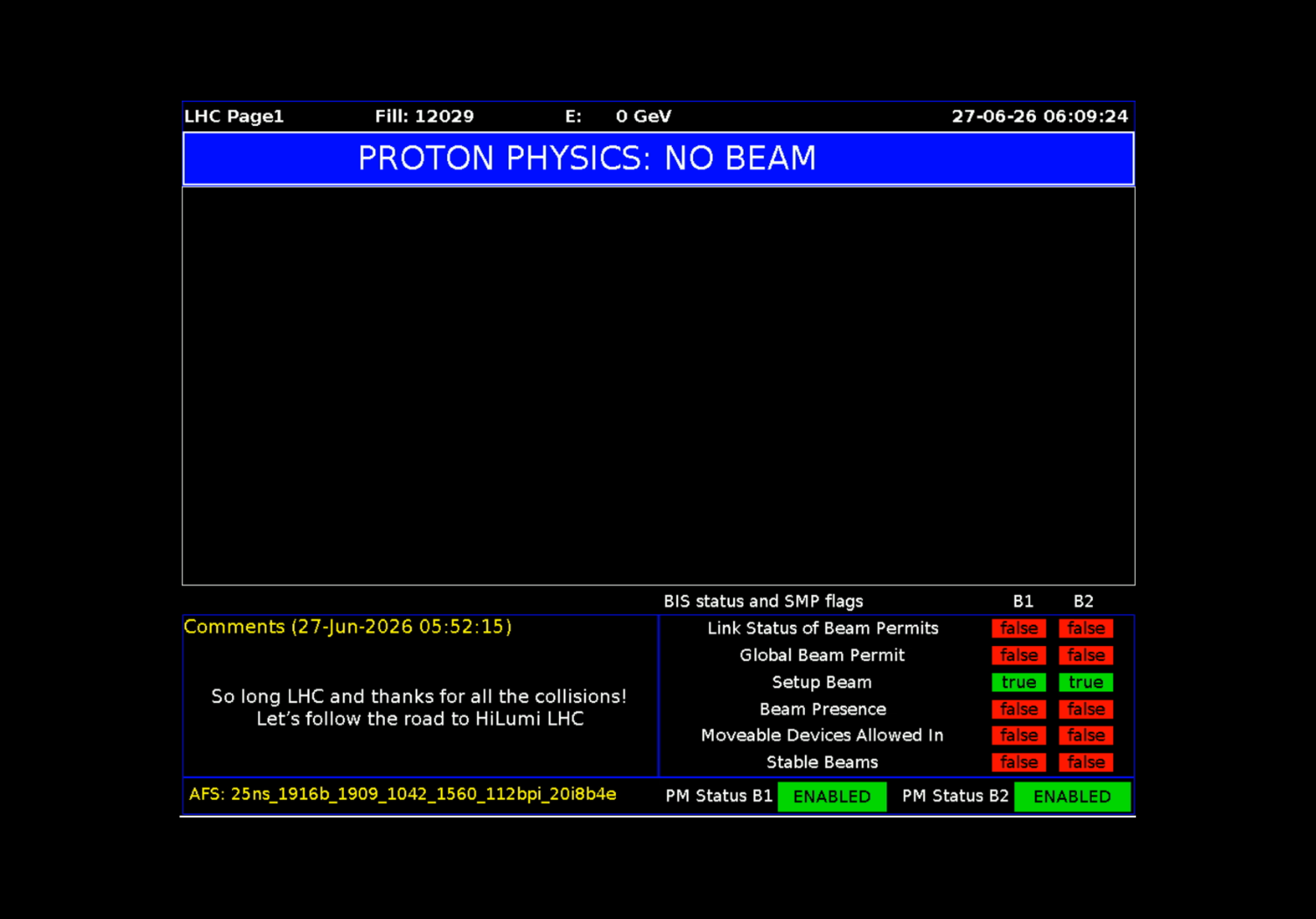
So long and thanks for all the collisions!
-
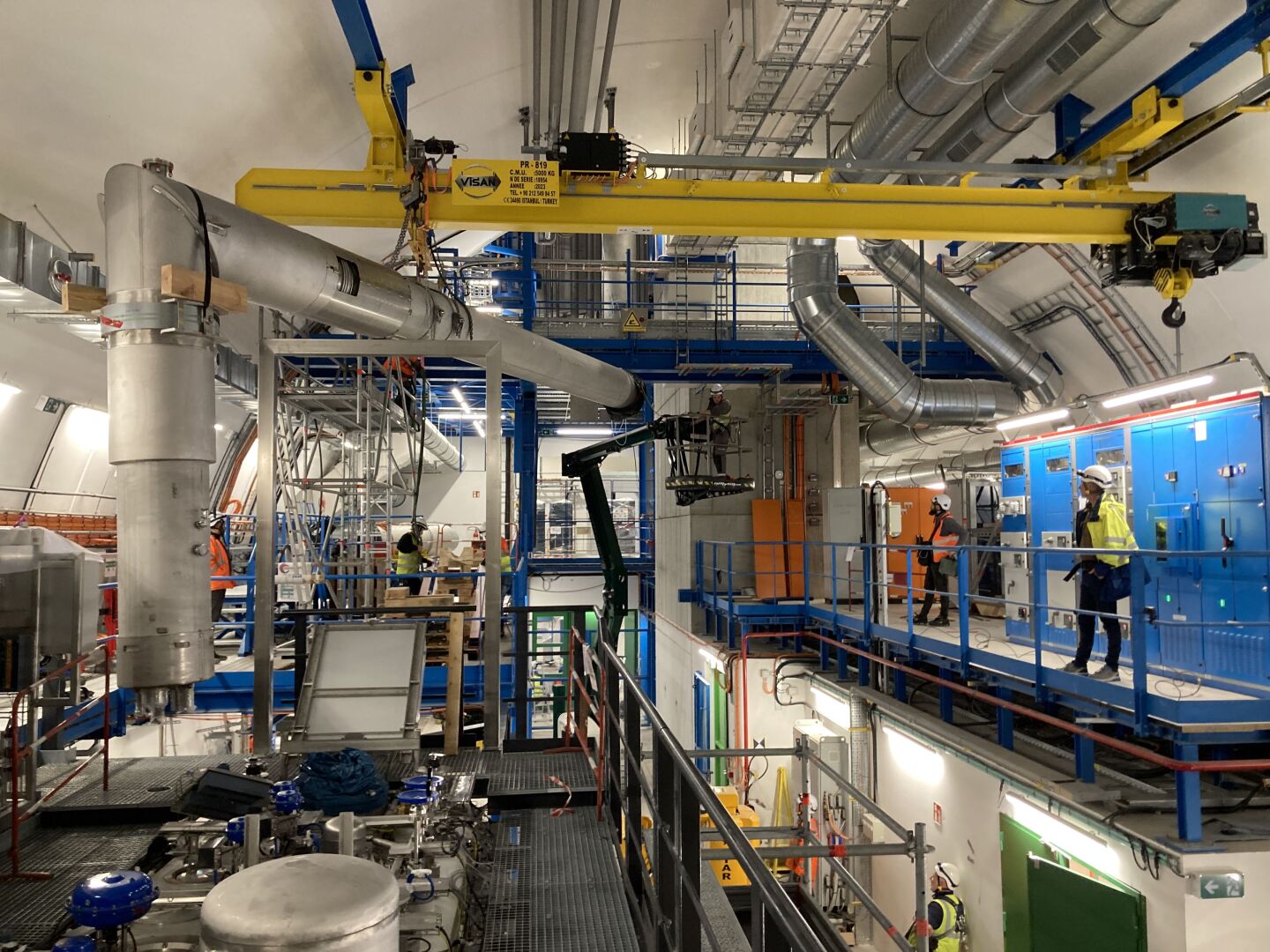
CERN bids farewell to the LHC and enters Long Shutdown 3
Today, the Large Hadron Collider (LHC), the world’s most powerful particle accelerator, comes to the end of an extraordinary chapter in its scientific journey. Following its final physics run, the accelerator has been switched off to begin CERN’s Long Shutdown 3 (LS3), a major programme of maintenance, consolidation, upgrades and installation work that will prepare the
-
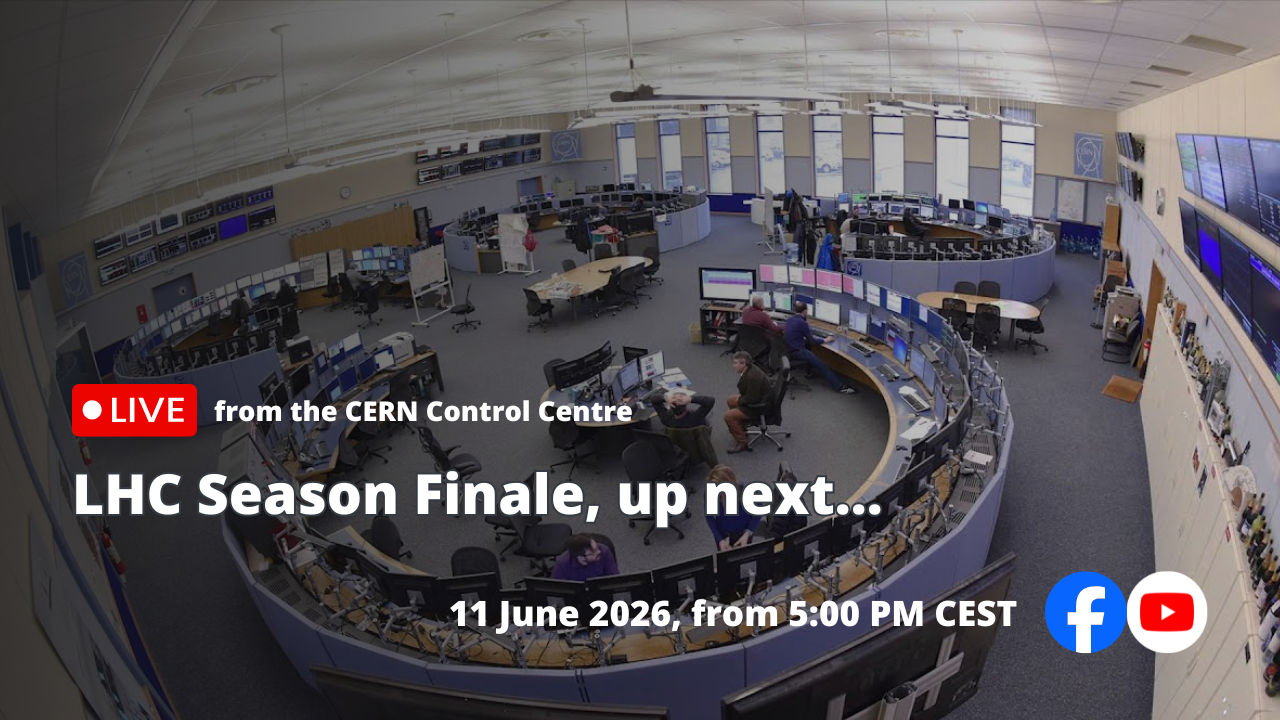
LHC season finale, up next… HiLumi
Join scientists in the CERN Control Centre as the Large Hadron Collider (LHC) delivers its last collisions to its experiments before it is transformed into a high luminosity machine. Host Davide De Biasio will guide you through the journey of the world’s most powerful particle collider through conversations with the Head of LHC Operations, the
-
Accelerator Report: An important upgrade to the PS radiofrequency system and a heavy ion run in full swing
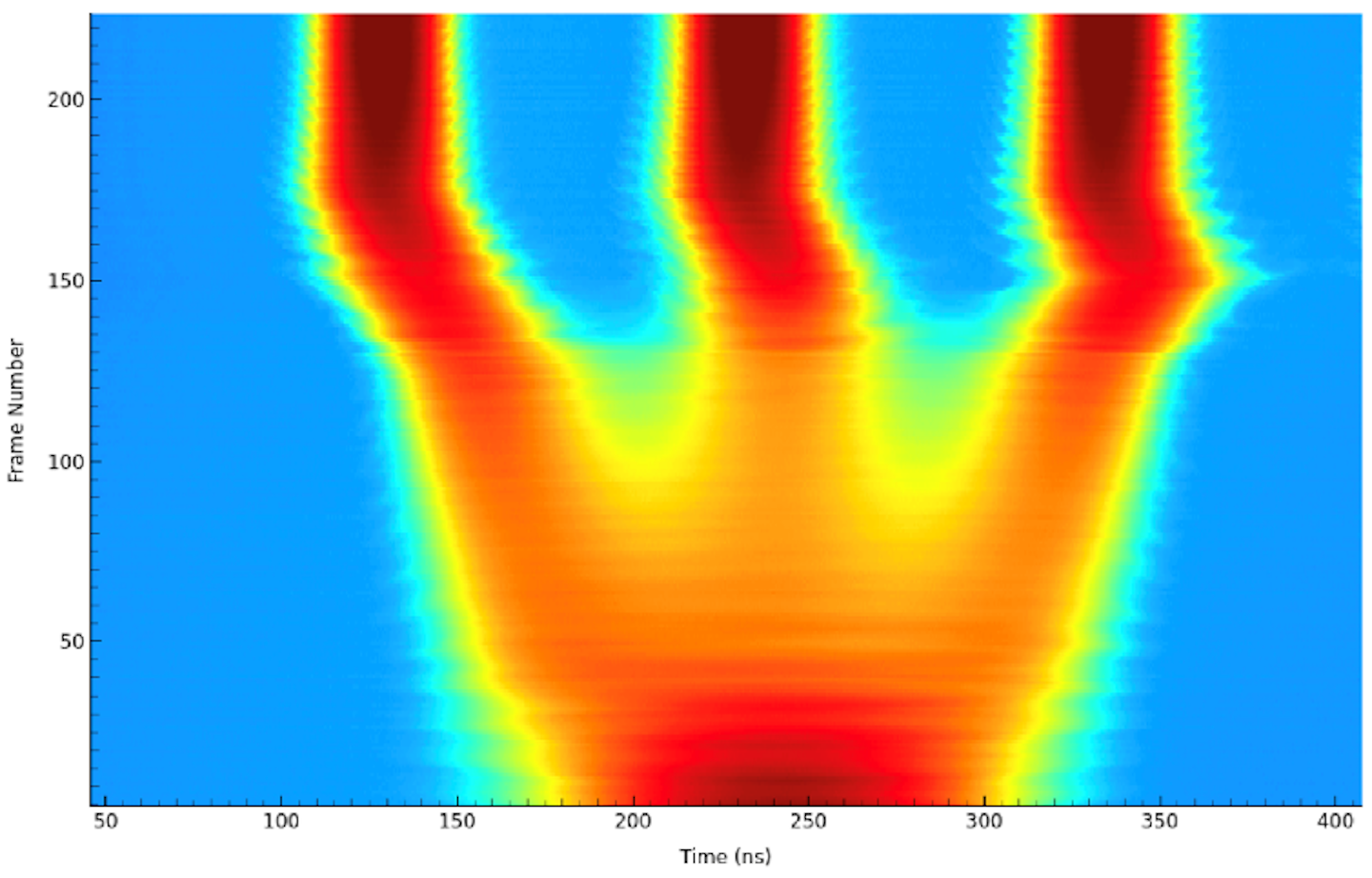
In a particle accelerator, radiofrequency (RF) systems are among the crucial components that make beam production possible. While magnets guide the particles around the ring, RF systems provide the beam with its longitudinal structure: they accelerate it, keep it captured in bunches, shape it, split it, rotate it and ensure synchronisation for transfer to the
-
Accelerator Report: From protons to ions – the LHC and its injectors prepare for the Run 3 finale
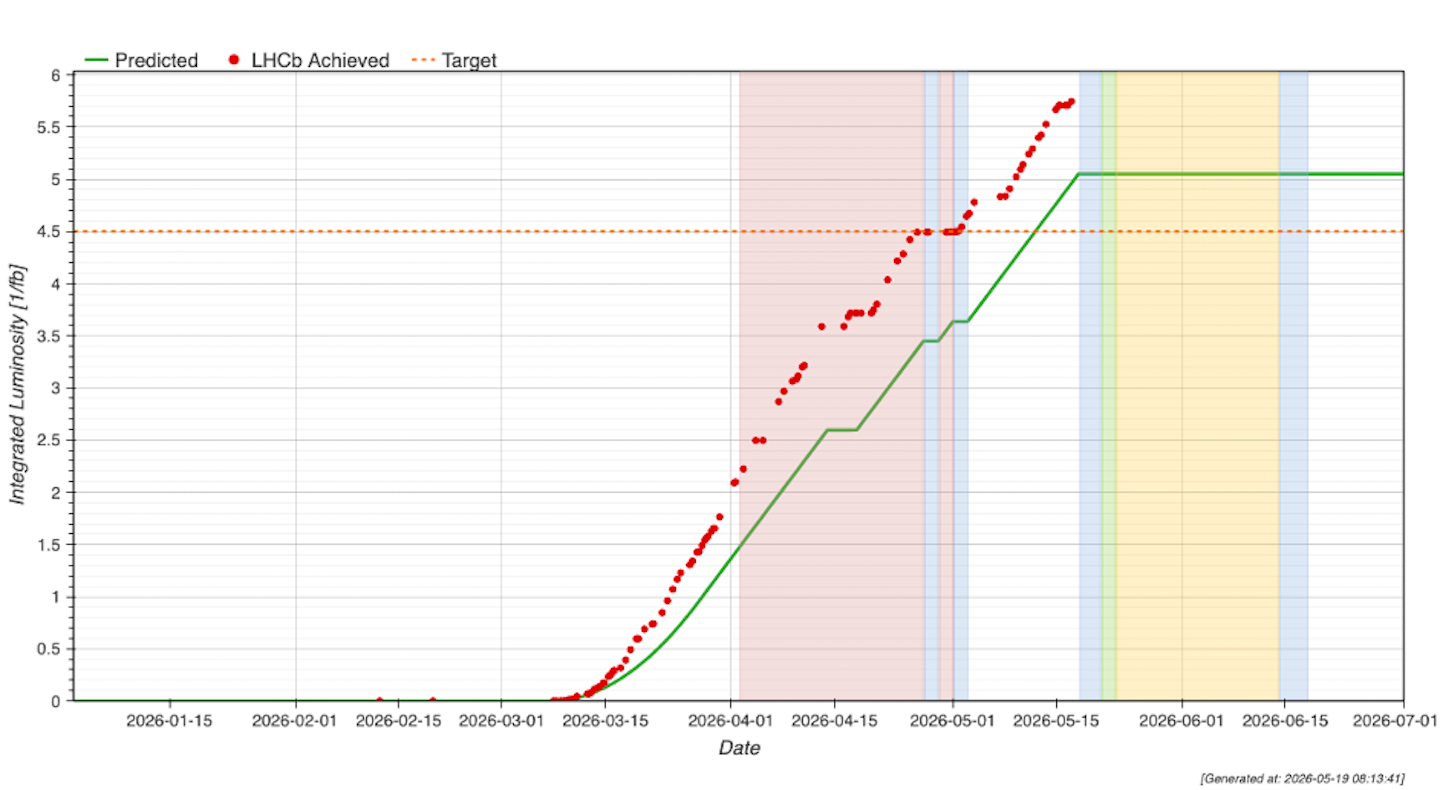
At 6 a.m. on 19 May, the LHC Run 3 proton physics programme officially came to an end. Thanks to the excellent performance and availability of both the LHC and its injector chain, this year’s integrated luminosity surpassed all expectations, with all four main LHC experiments recording values well above the original projections (fig. 1).
-

The public consultation process for the Future Circular Collider (FCC) project begins in Switzerland and France
The public consultation process for the CERN-led Future Circular Collider (FCC) project will soon begin in Switzerland and France. These four months of exchanges and dialogue with the public are part of the preparations for a final decision on the project. As the CERN Council, comprising representatives of all the Organization’s Member States, prepares to update the European Strategy
-
HiLumi LHC: CERN’s full-scale test stand enters the powering phase
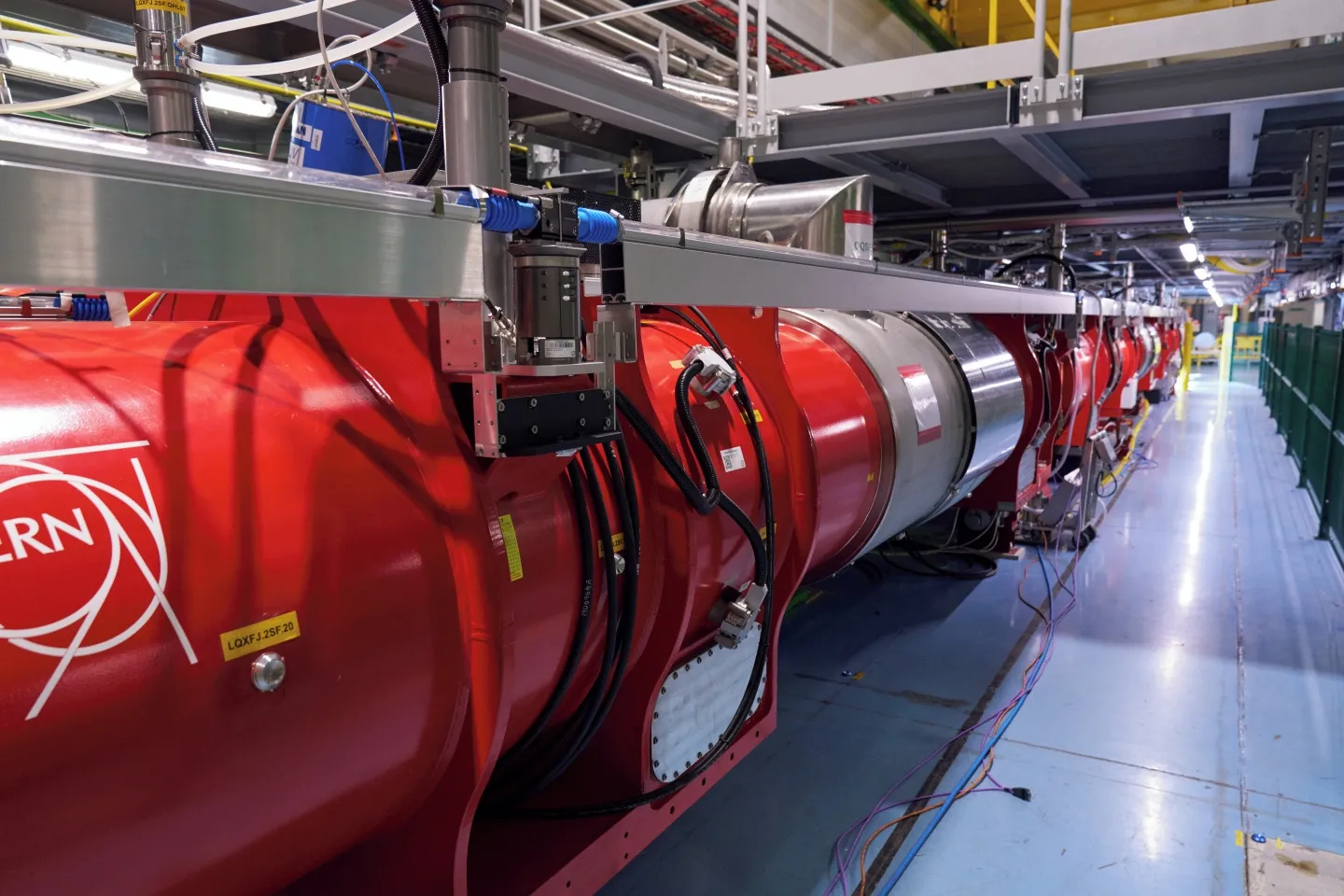
With the start of electrical powering, the Inner Triplet String is now entering a new phase of commissioning. This phase will be carried out progressively and will culminate in the powering of the whole installation this summer
-
Accelerator Report: Excellent performance at the LHC
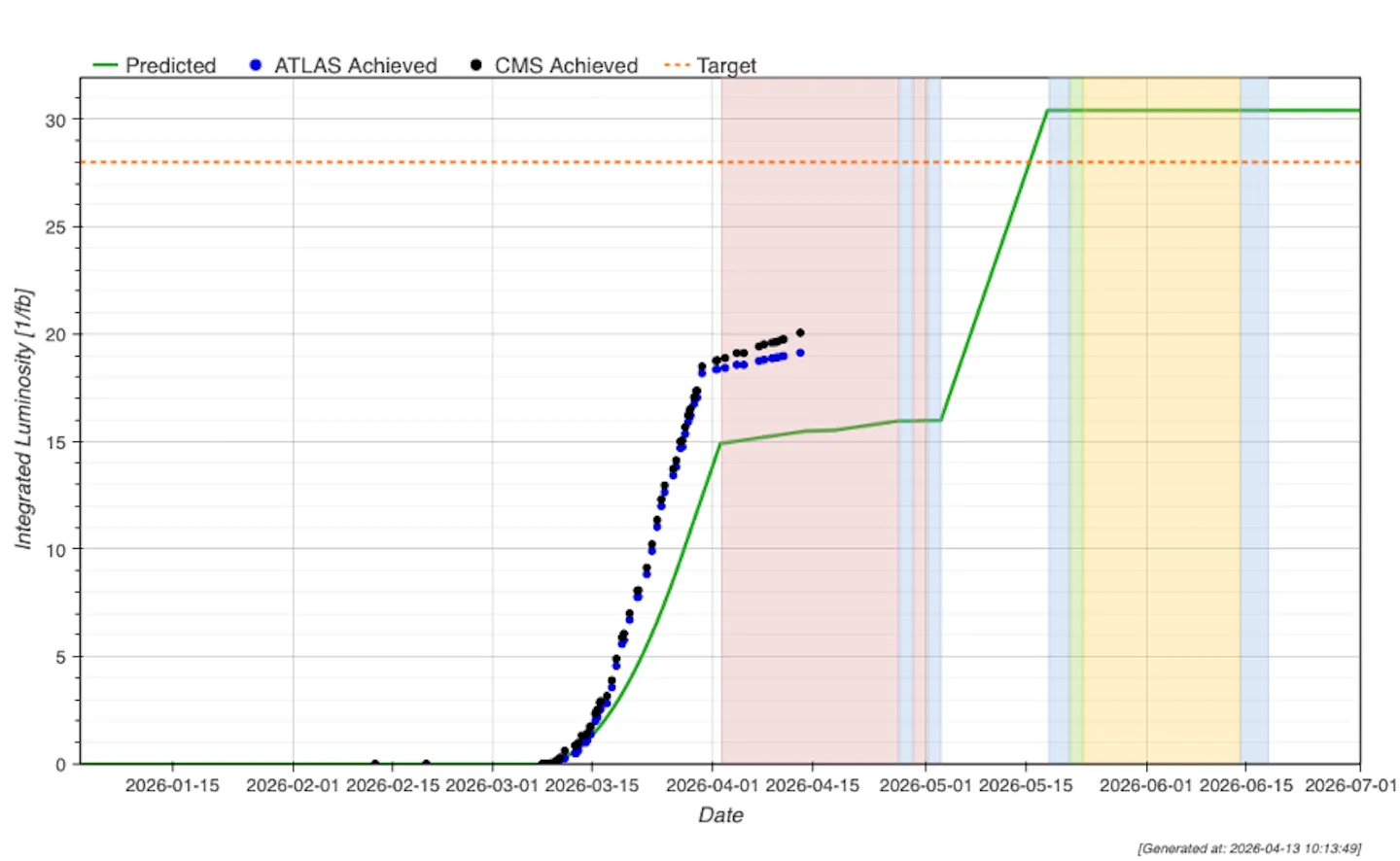
The LHC has successfully reached the nominal performance required for Run 3, marking an important milestone in the 2026 physics programme. It has now entered a special run with a reduced number of collisions per bunch crossing
-
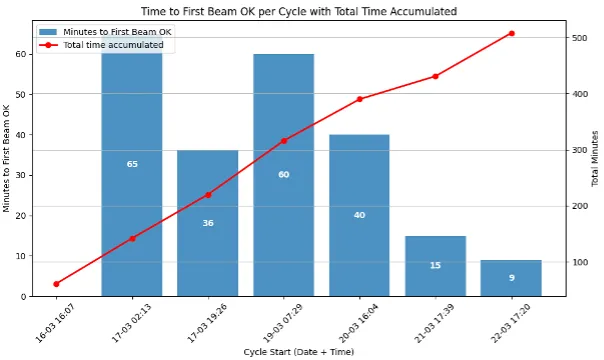
Accelerator Report: HiLumi LHC beam reliability runs pave the way to the future
Dedicated HiLumi LHC beam test runs are currently taking place in the LHC injectors – a crucial step to guarantee that the HiLumi LHC can operate at peak performance from the very start of physics running, in 2030