
Category: Accelerators
-
Journey back to the surface
-
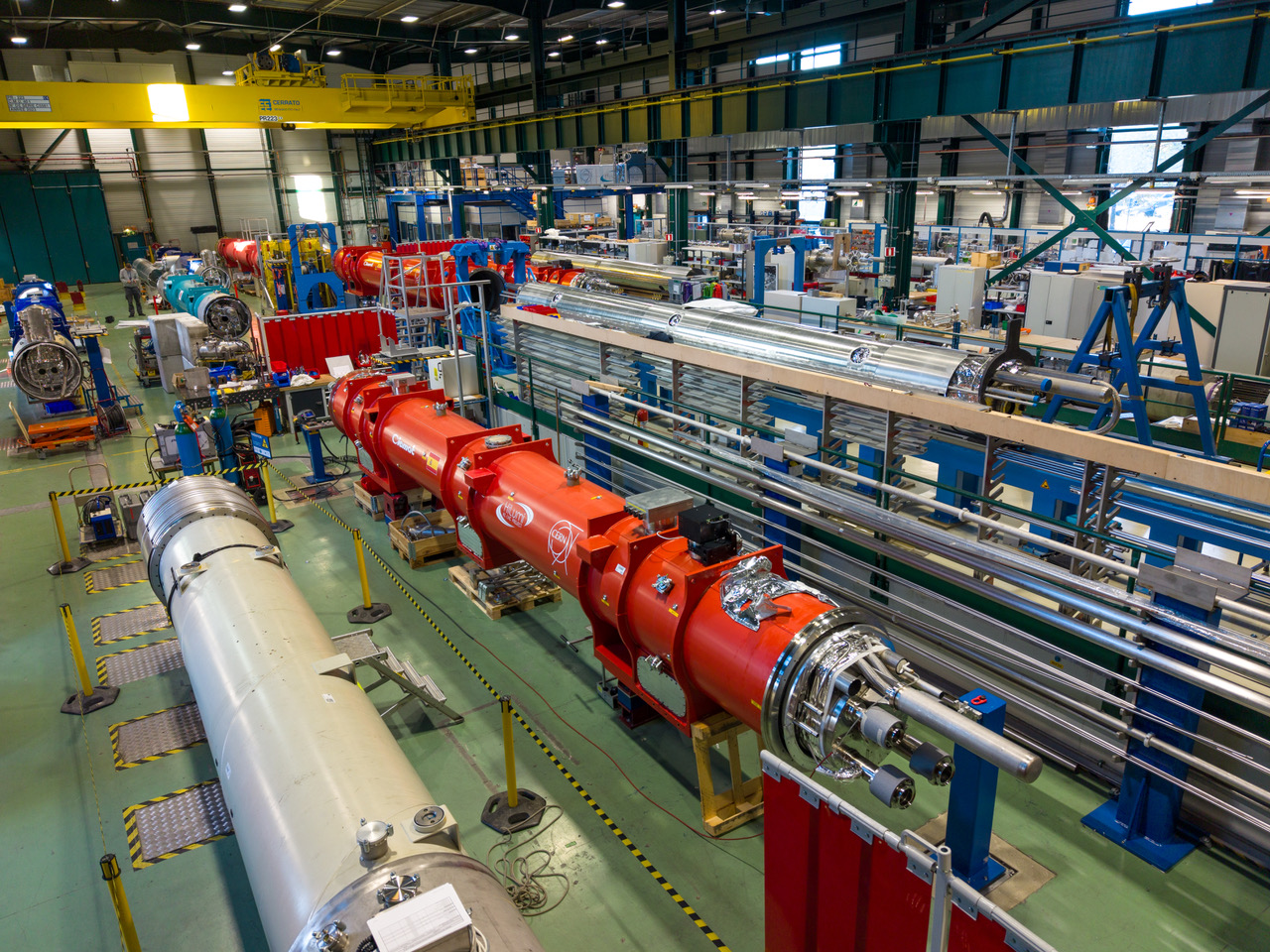
CERN-made HiLumi LHC quadrupoles ready for installation
After years of design, manufacturing and testing, the High-Luminosity (HiLumi) LHC magnet programme has reached a landmark point: all eight new CERN-made quadrupole magnets needed for installation are ready for the tunnel (with two spares produced and entering their final stages). Known as the new inner triplets, these magnets are now complete and have been fully
-
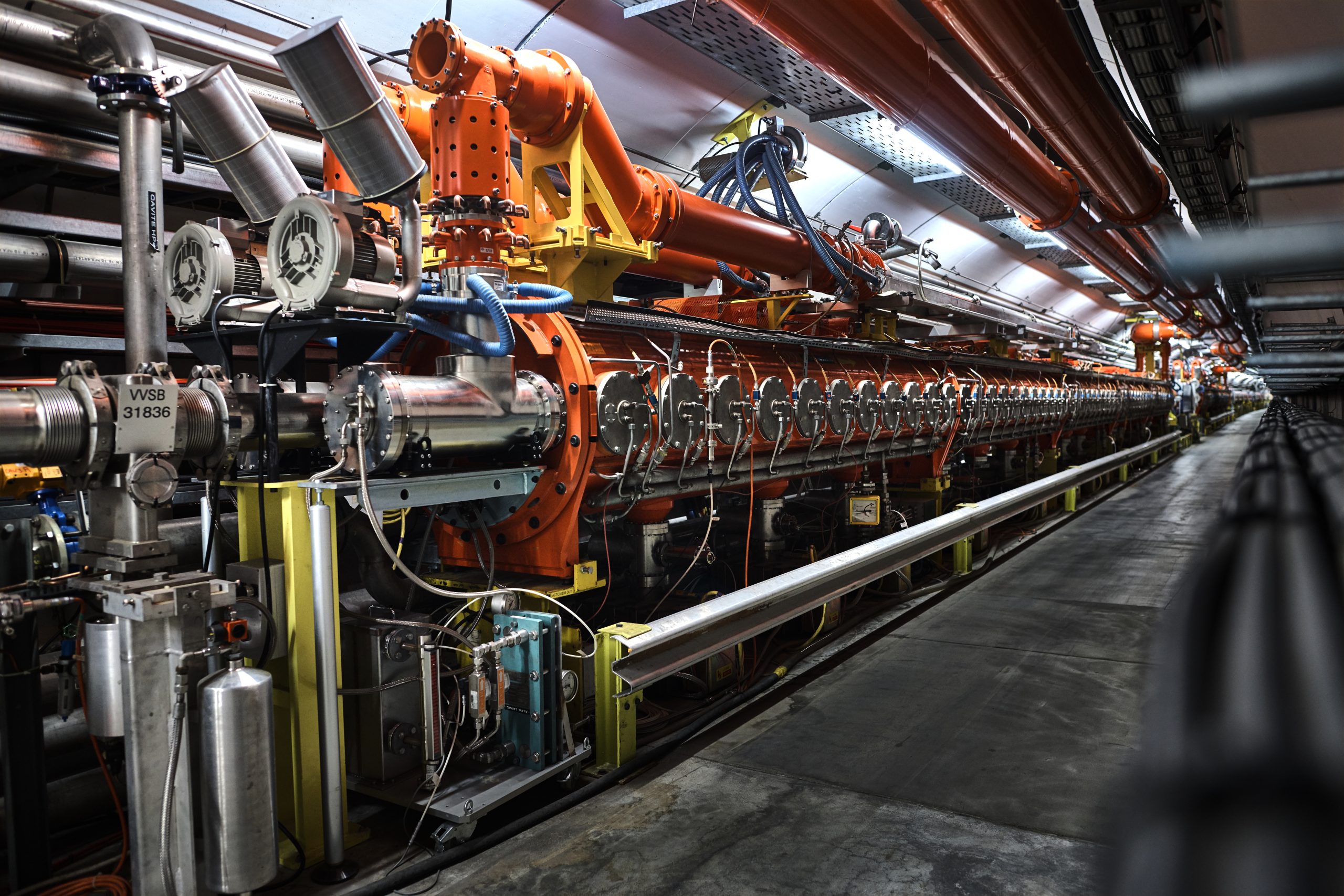
The SPS turns 50
Protons, antiprotons, electrons, positrons, oxygen and lead ions… the Super Proton Synchrotron (SPS) has been juggling particles with ease for the past 50 years. By turns an accelerator, a collider and an injector, this versatile machine has seen generations of scientists pass through its doors, supplied dozens of experiments and given rise to groundbreaking technologies
-
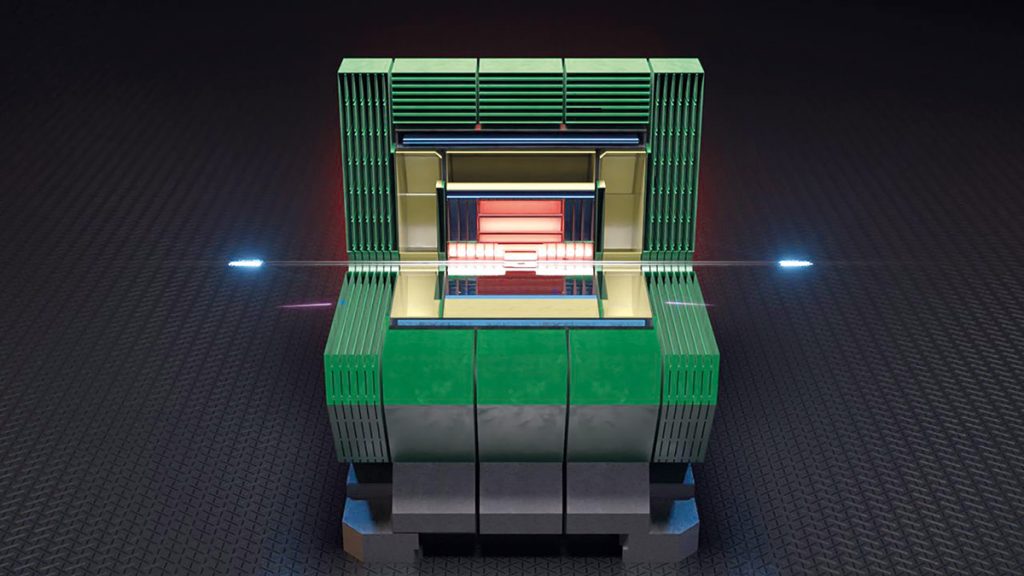
Beam tests boost progress on detector technologies for the Future Circular Collider
The proposed Future Circular Collider (FCC) at CERN would put the Universe under a microscope like never before. By colliding electrons and positrons at four points around a 91 km ring, it would enable scientists to pin down the properties of the Higgs boson and other fundamental particles with a precision beyond the reach of
-
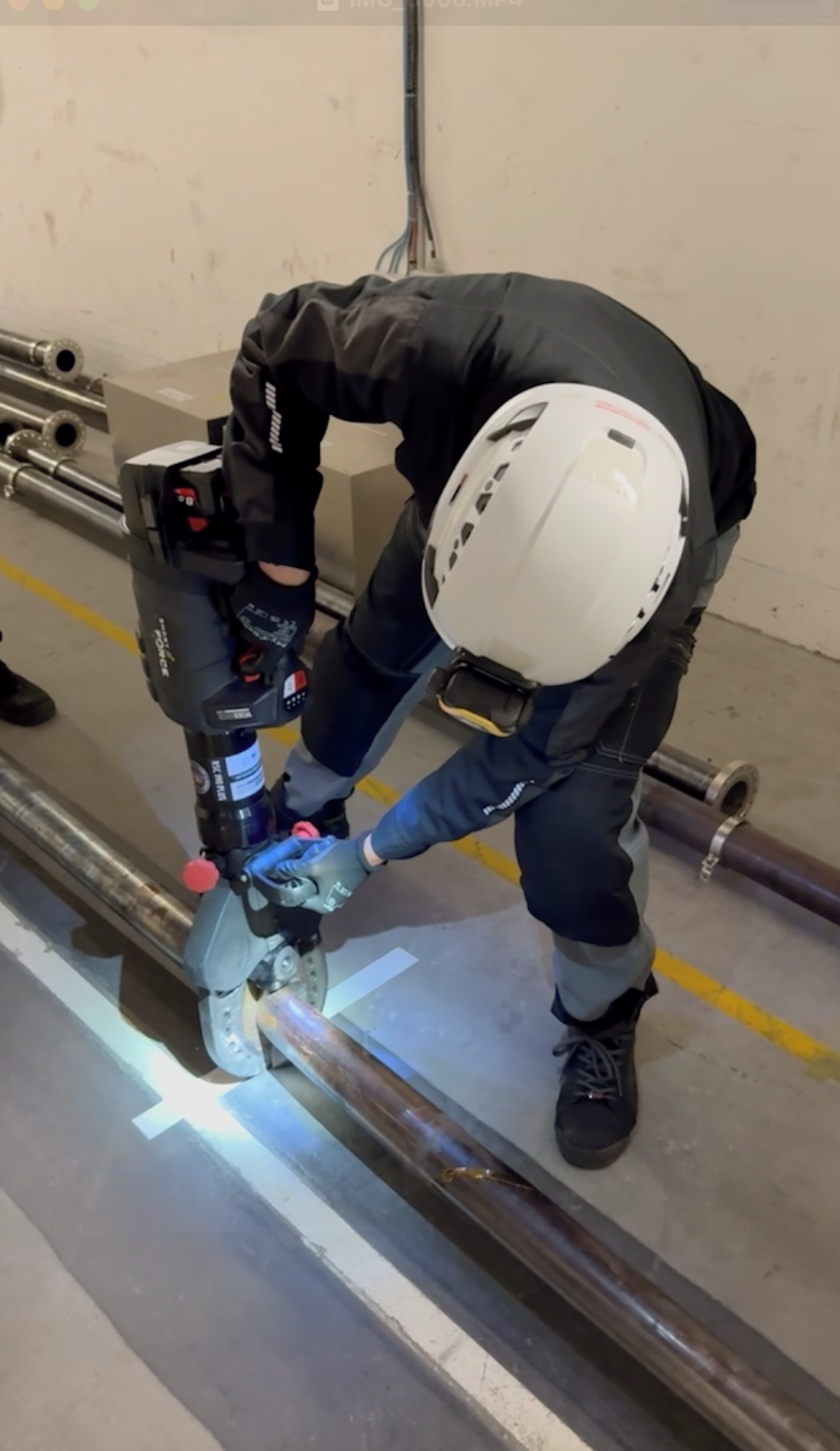
890 metres of beam vacuum piping dismantled for HiLumi LHC
-
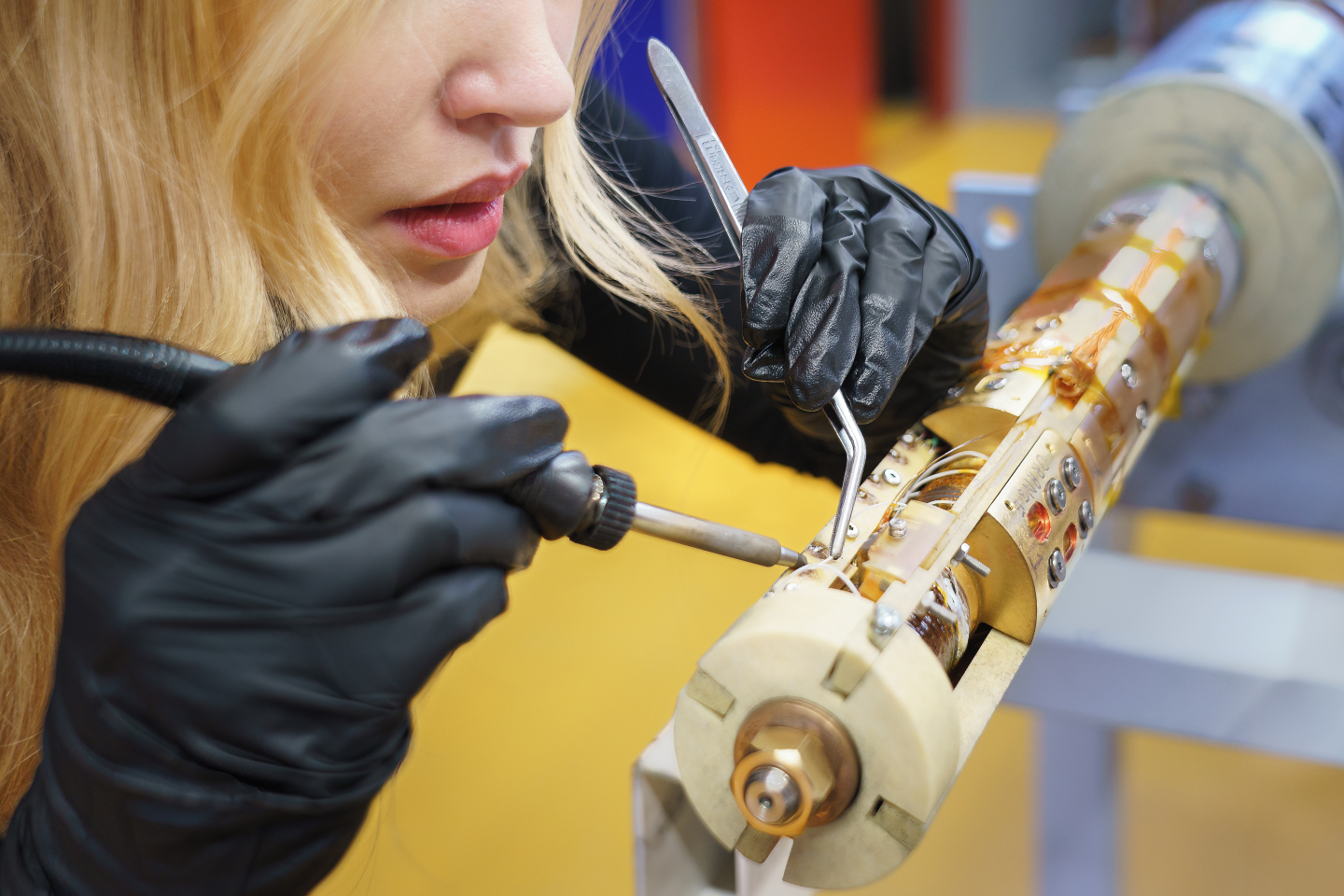
Predicting the socio-economic impact of the High-Luminosity LHC
In 1931, Paul Dirac predicted a particle with the same mass as the electron and the opposite charge. This particle, the “positron”, was observed the following year, in a cloud-chamber photograph taken by Carl Anderson. Of course, neither envisaged any medical applications of the discovery. But, today, PET scanners identify tumours by capturing the gamma
-
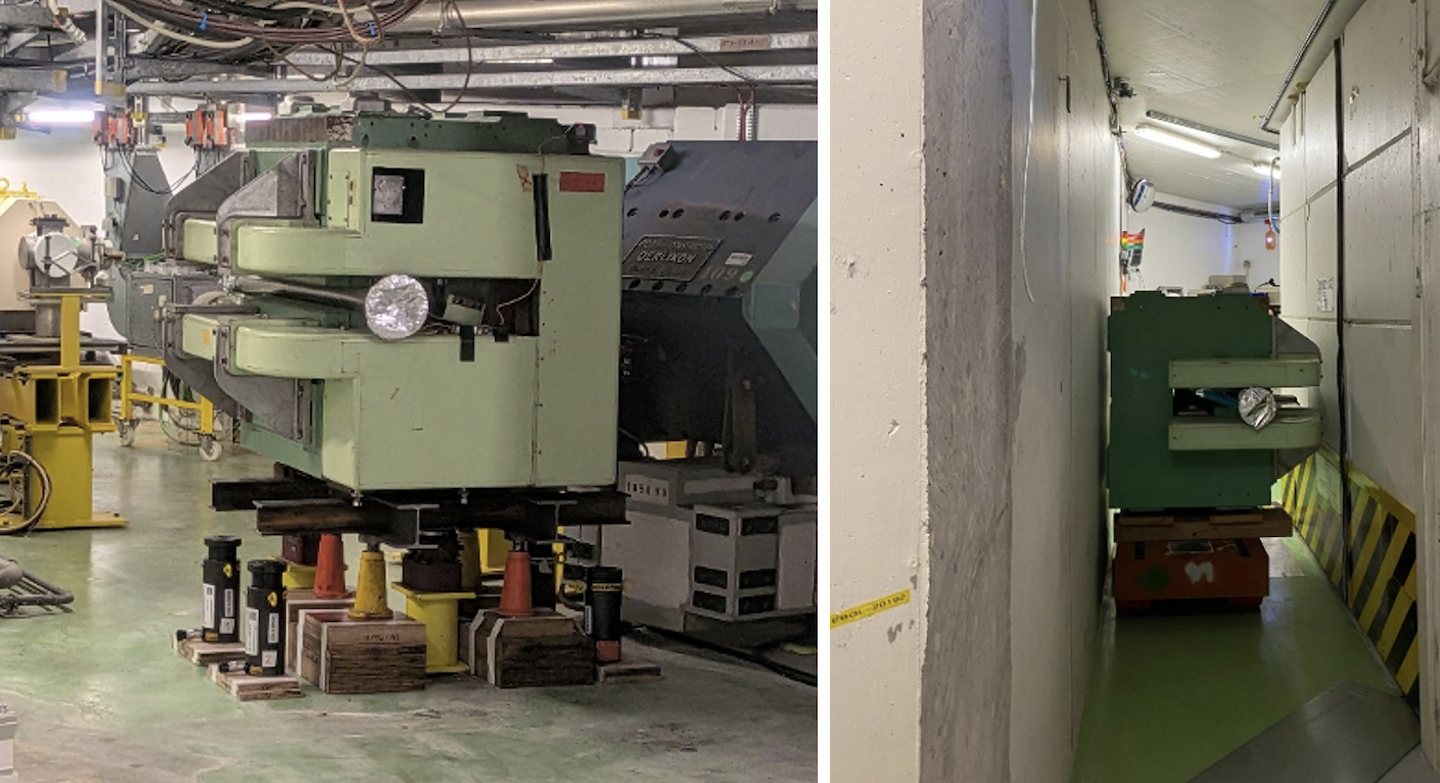
ISOLDE prepares for a higher energy proton beam
-
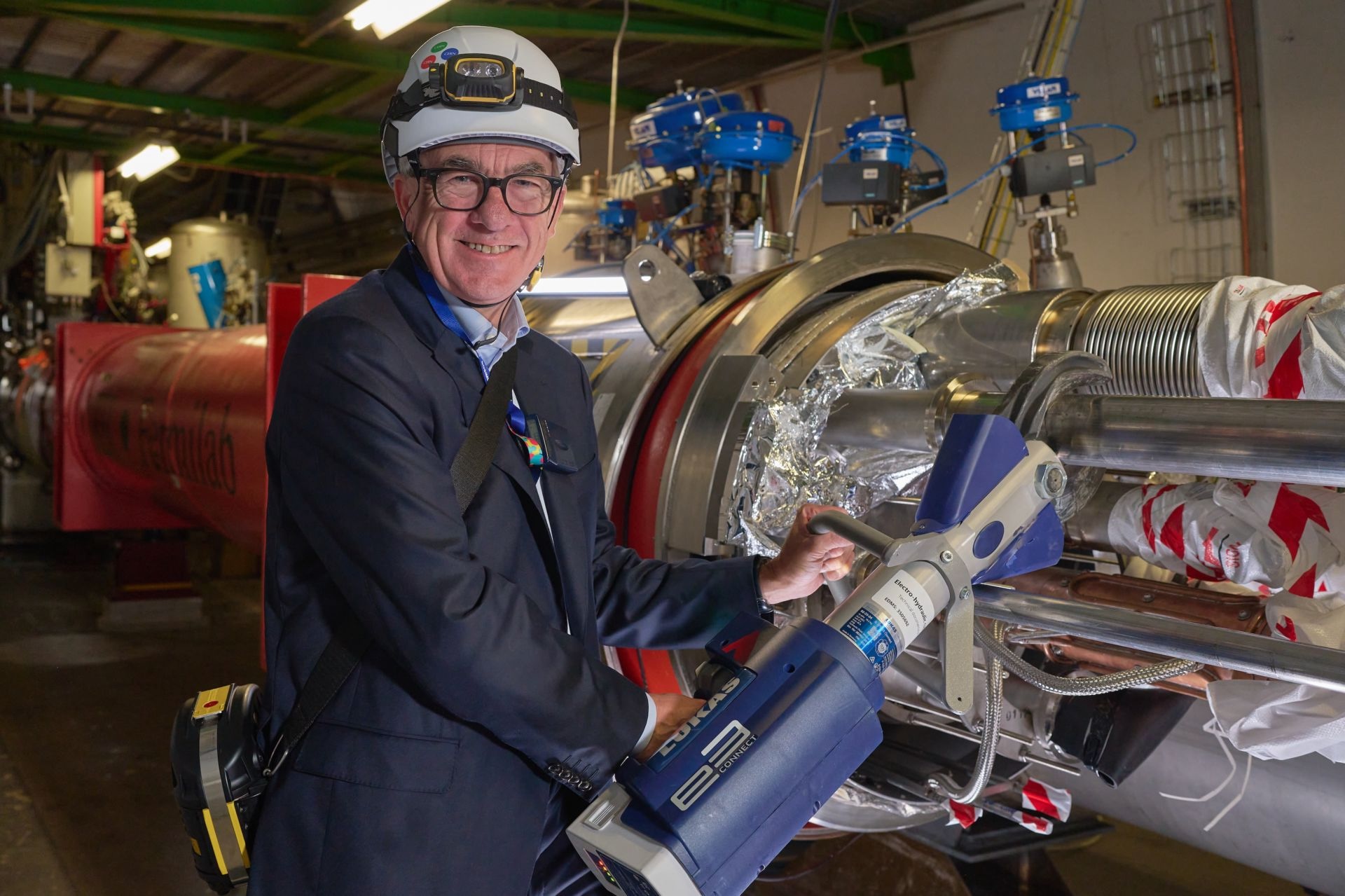
The disconnection of the LHC has begun
The 27 km circumference of the Large Hadron Collider (LHC) contains thousands of magnets of different types – dipoles, quadrupoles, sextupoles, octupoles, decapoles, etc. – which each play a very specific role. Among them are the inner triplets: sets of three quadrupoles (hence the name) located on either side of the four main LHC experiments
-
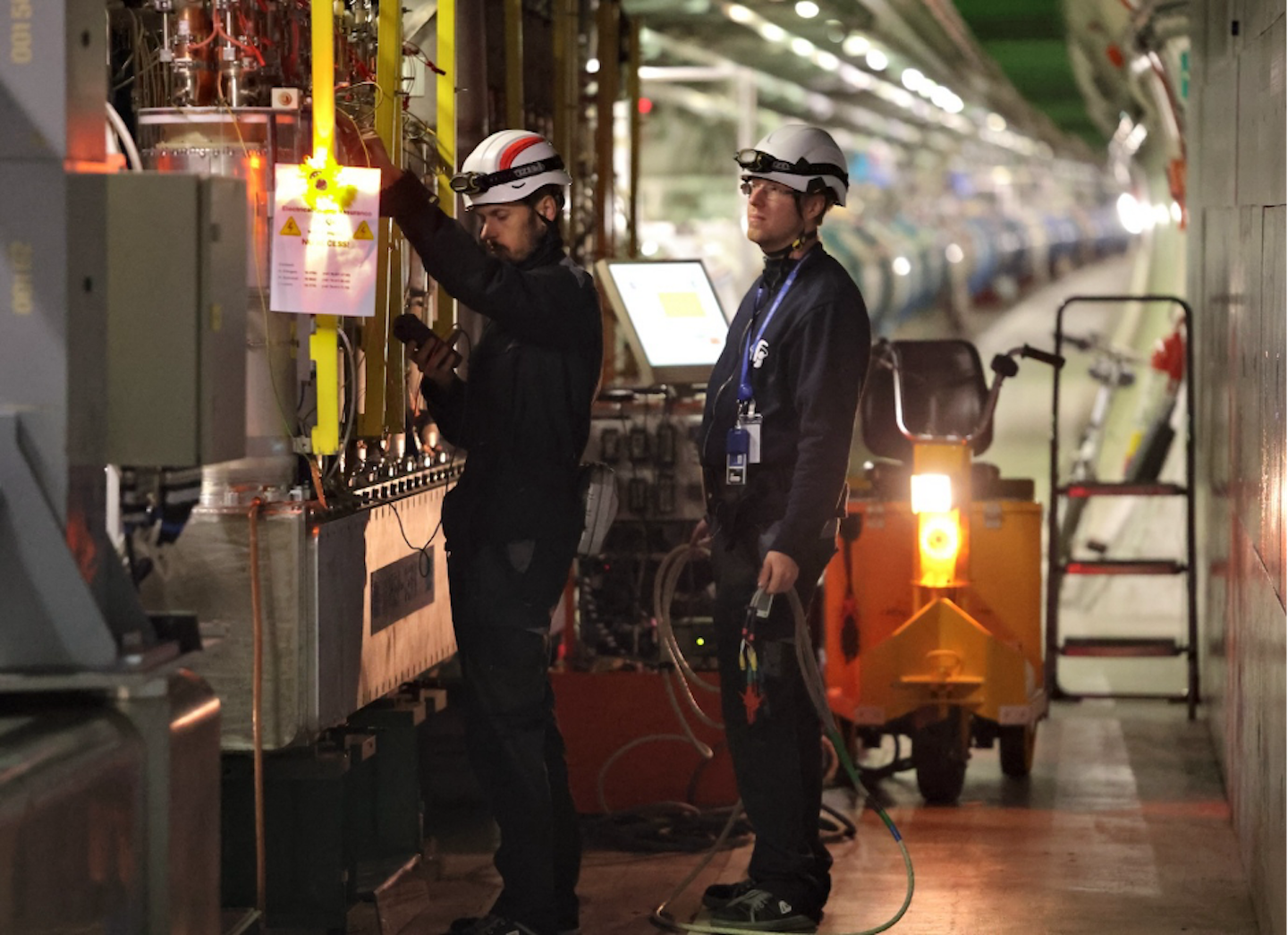
ElQA: ensuring electrical integrity in the LHC
-

Exceptional transport operations to make way for HiLumi LHC
We often hear about the remarkable components of the accelerators, but transporting this equipment sometimes requires measures that are just as impressive. Over the course of the third long shutdown (LS3), which started this summer, entire sections of the Large Hadron Collider and its detectors will be dismantled in order to make room for the