
Category: Engineering
-
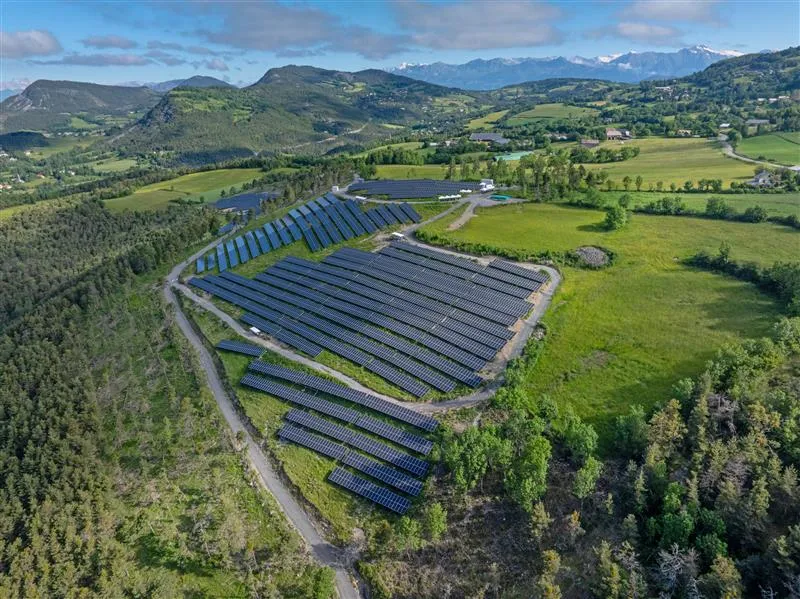
CERN signs long-term solar power agreements
Projects can now begin so that 140 GWh/year – about 10% of CERN’s annual electricity consumption during accelerator operation years – will be provided by renewable sources from 2027
-
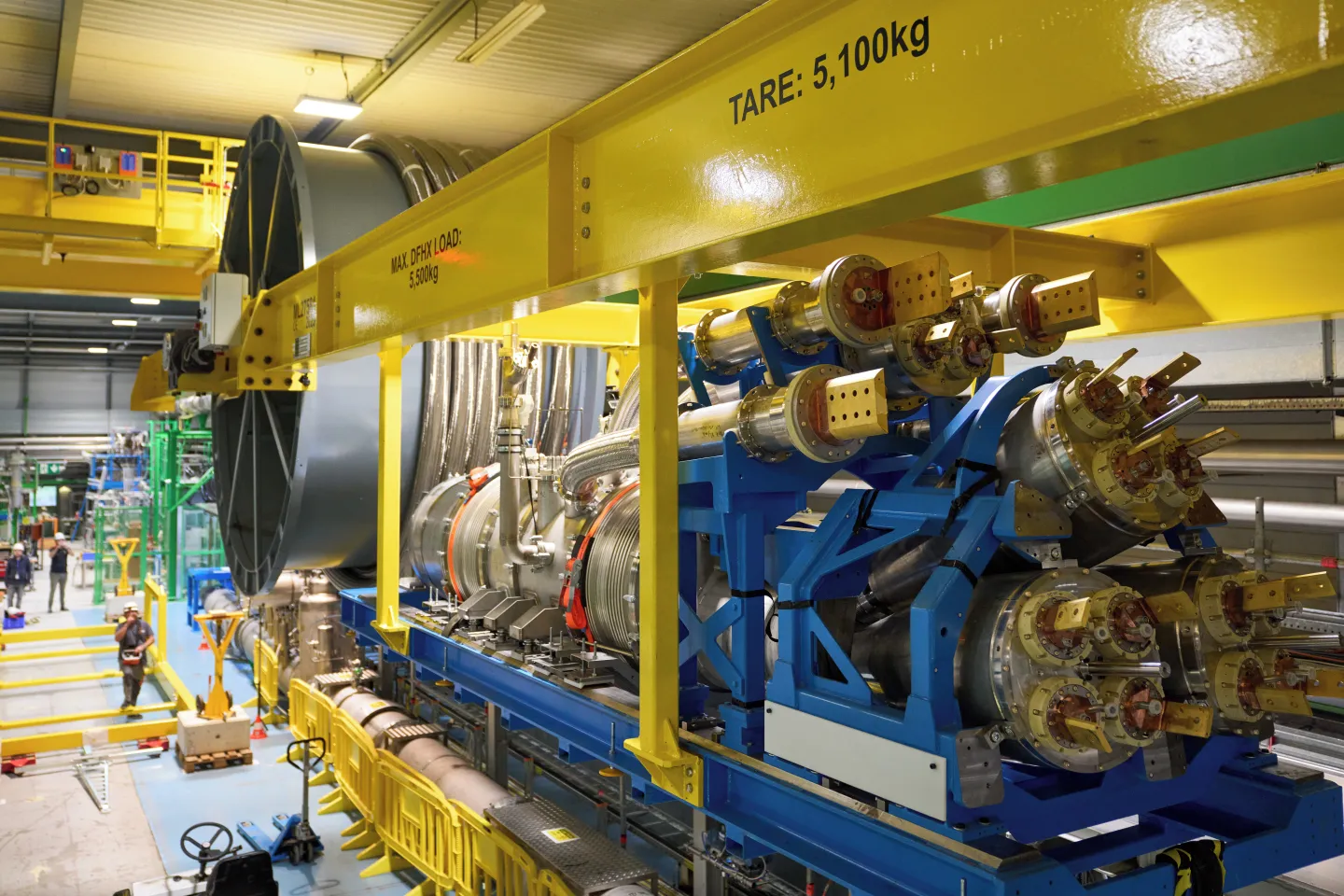
A test stand for the High-Luminosity LHC
The major upgrade of the LHC will be tested in an above-ground facility that has recently had its first superconducting system installed
-
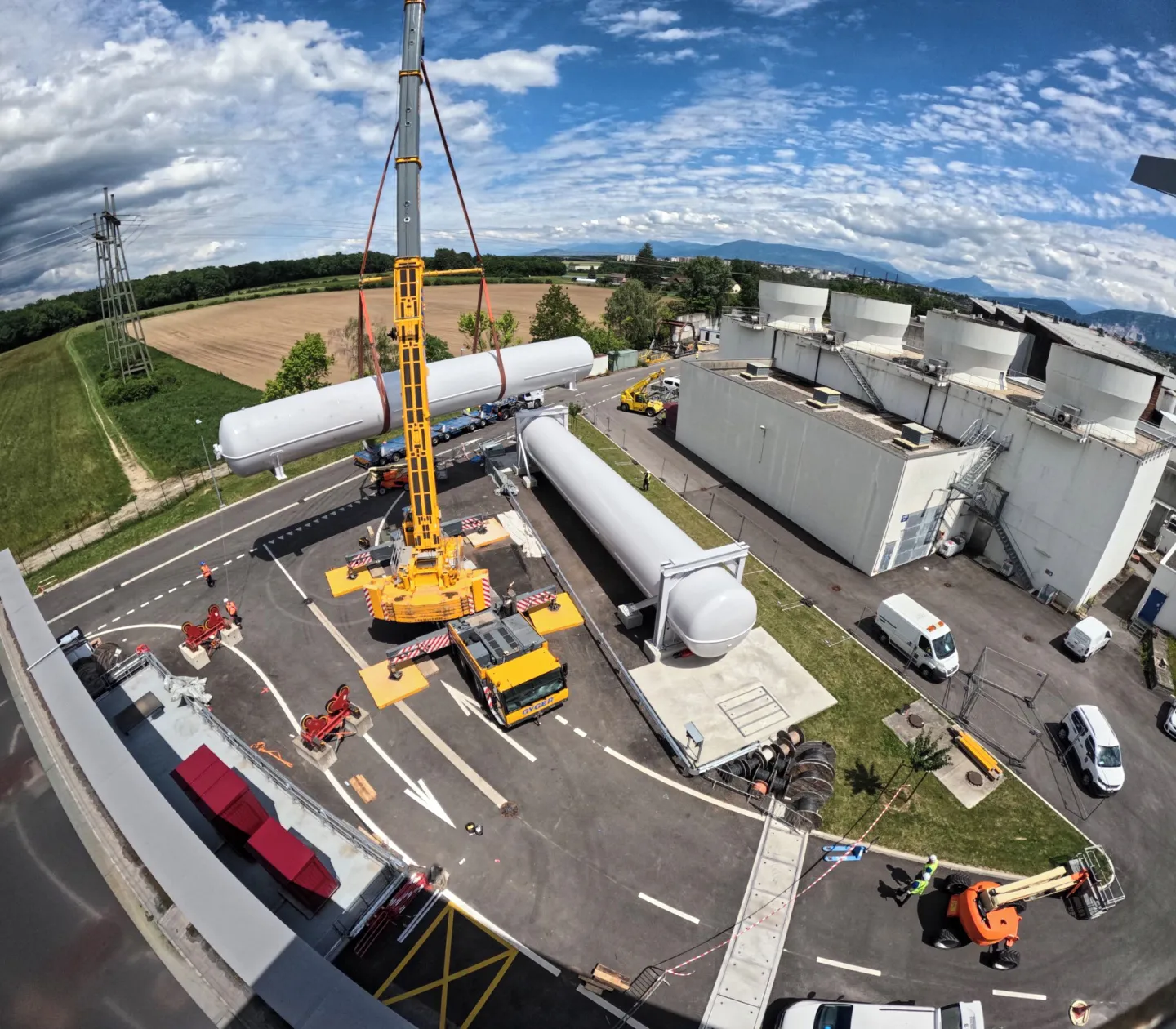
HiLumi News: new large helium tanks
Four large helium tanks will supply the new High-Luminosity LHC refrigerators
-
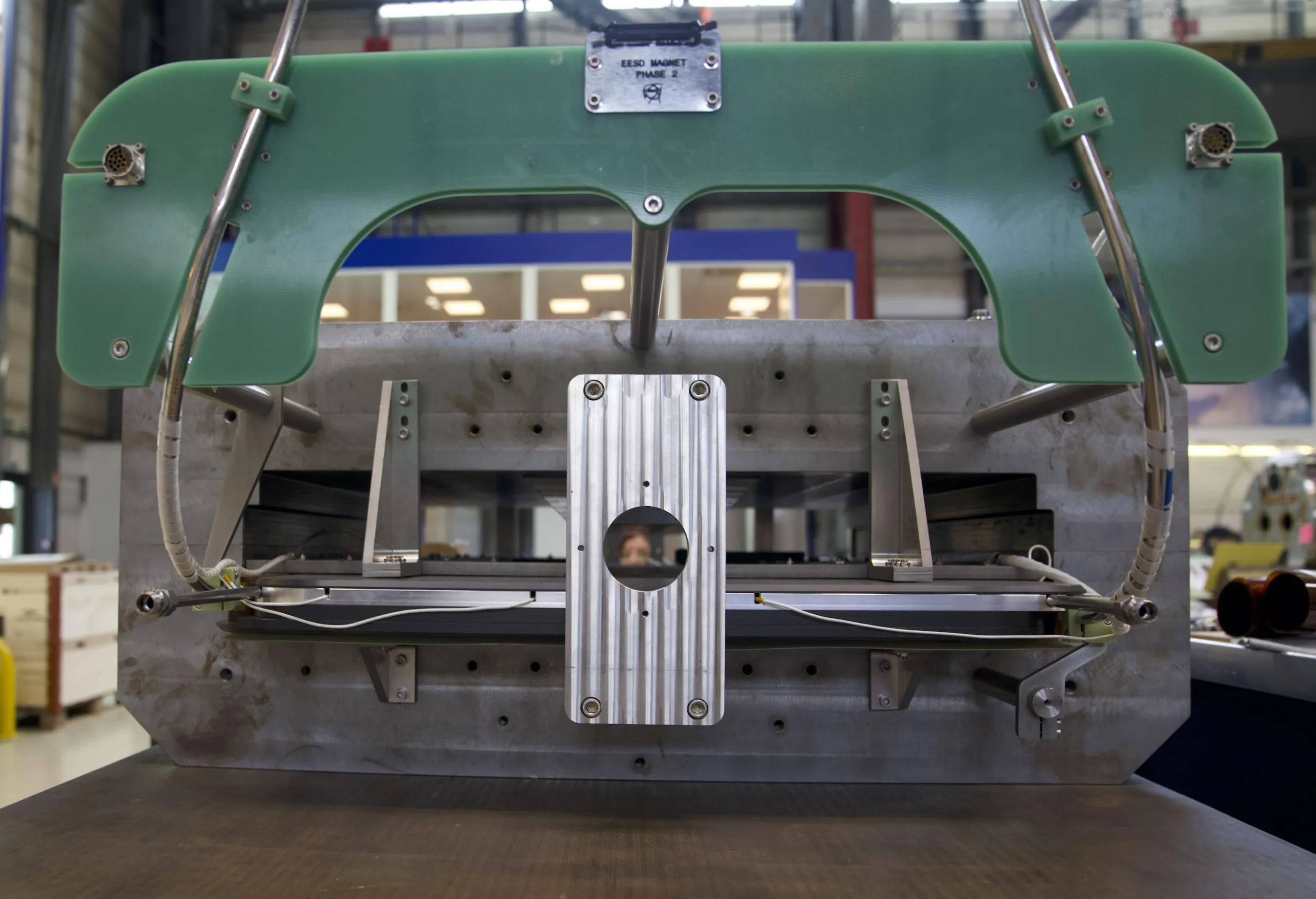
Less hungry magnets for the experiments of the future
A prototype superconducting coil developed for the SHiP experiment opens the way for more energy-efficient electromagnets for certain applications
-
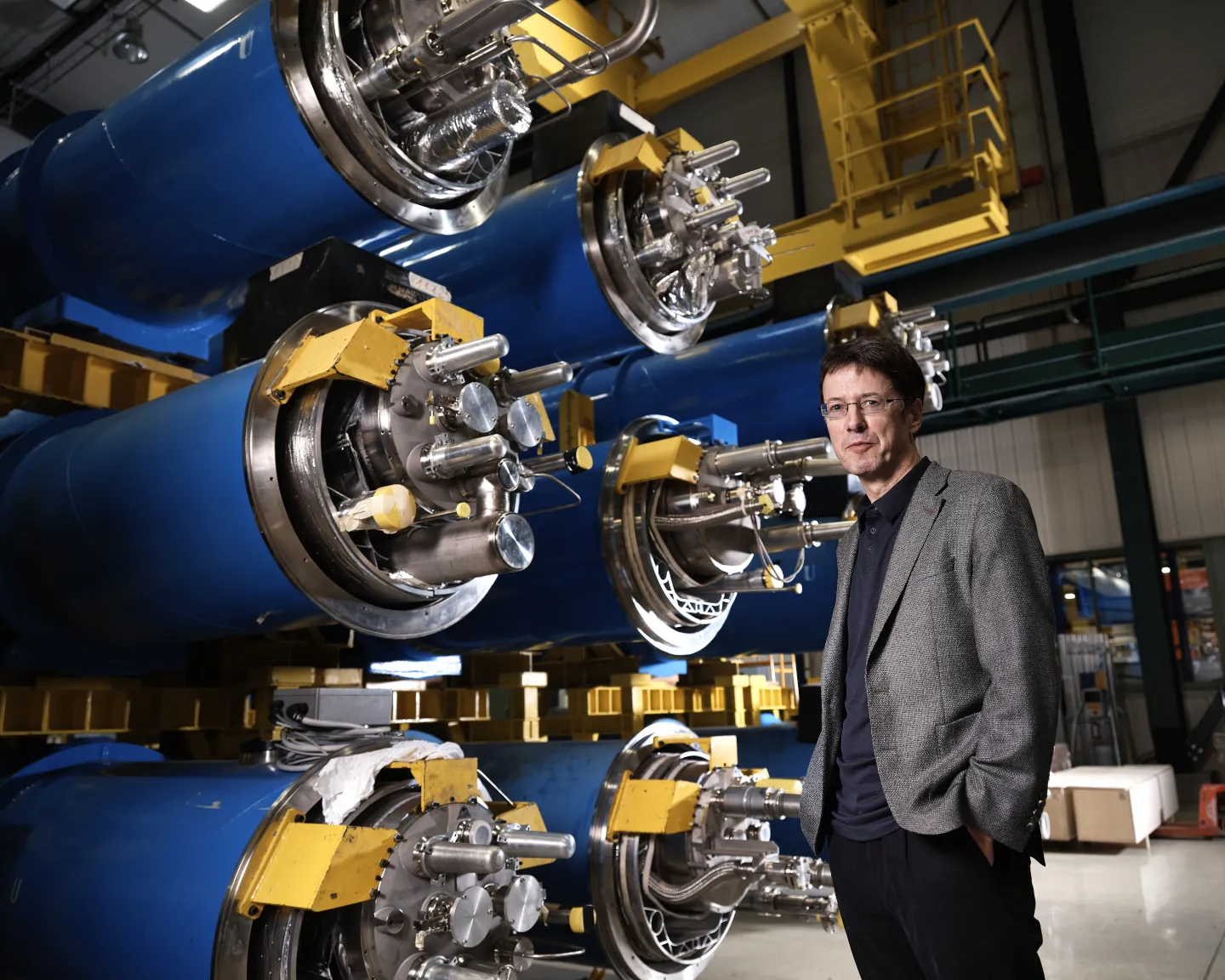
Coming together to prepare for ambitious future projects
The first Accelerators and Technology sector workshop on 25 June will help to share expertise, challenges, methodologies and solutions
-
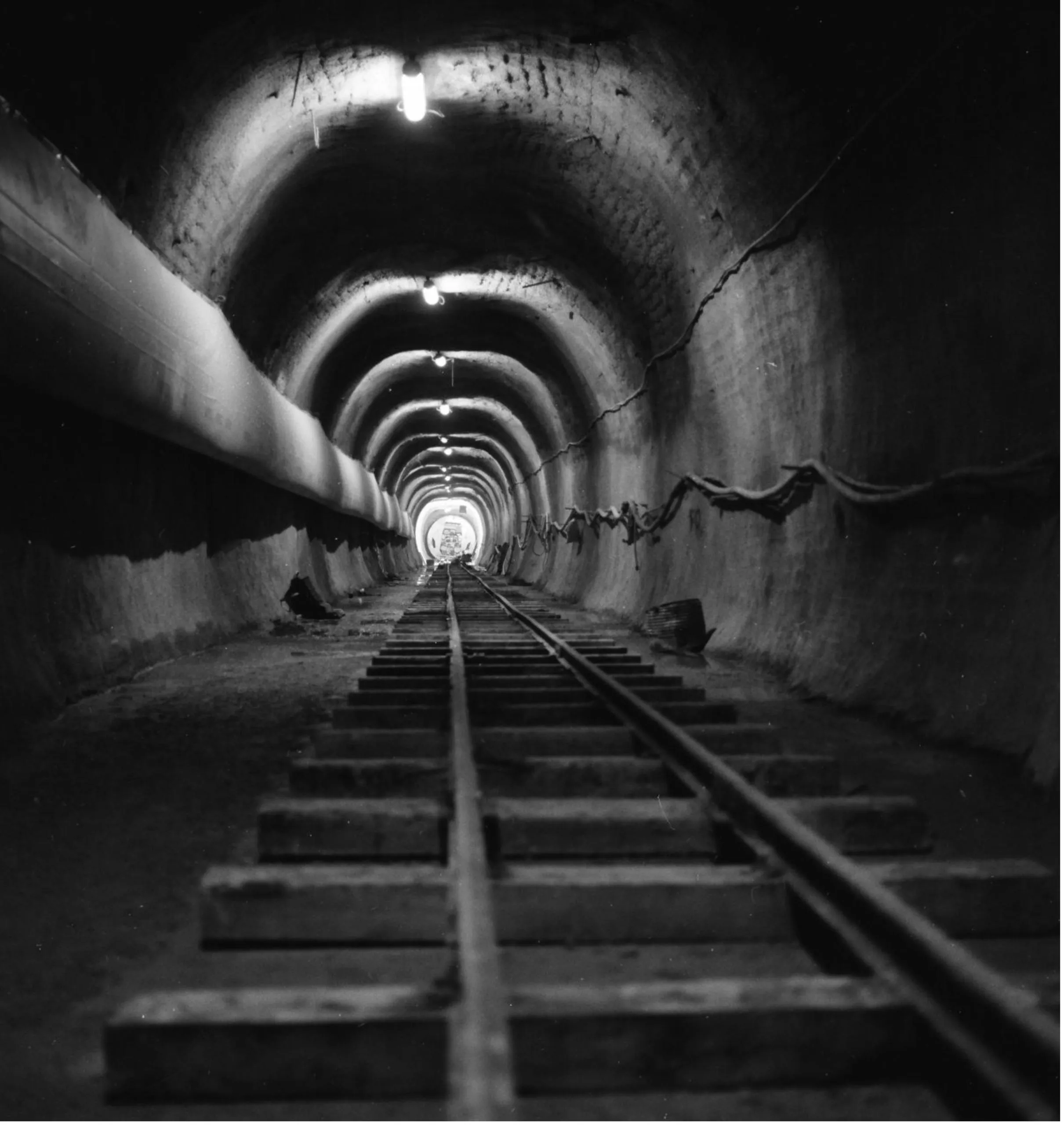
LHC tunnel named as one of the 50 most iconic tunnels in the world
The LHC tunnel is one of the “most remarkable feats of civil engineering” according to the International Tunnelling Association
-
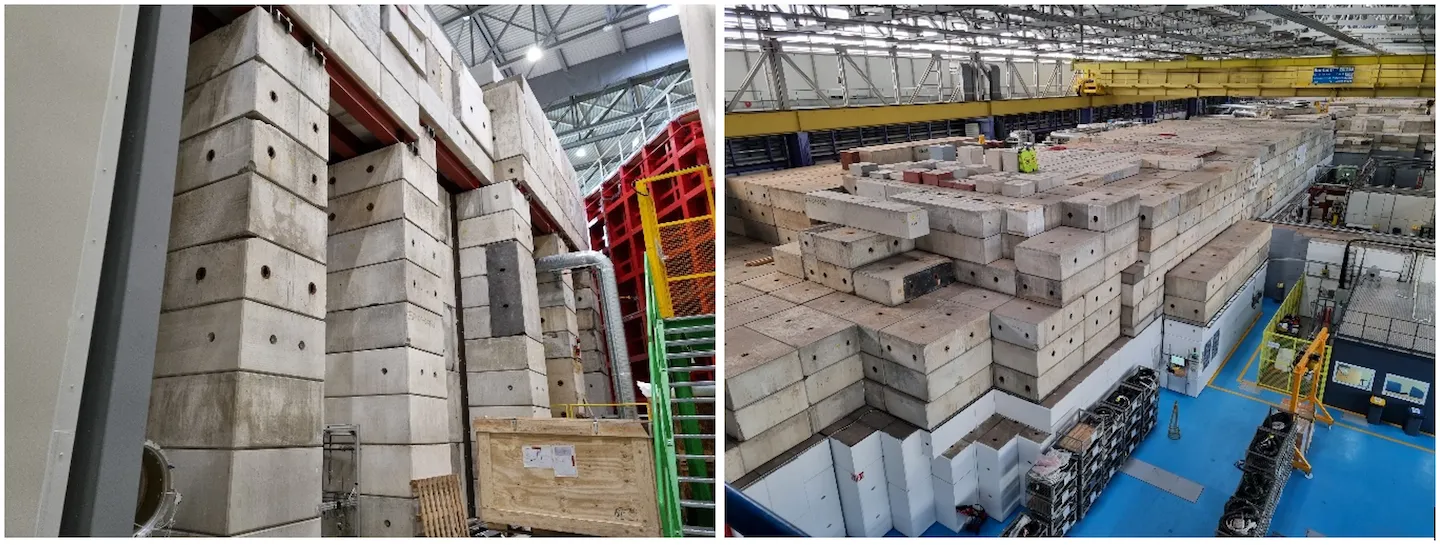
Enhancing safety: improving seismic risk assessments
How a novel methodology helps to improve simulations of the impact of earthquakes on complex research infrastructures
-
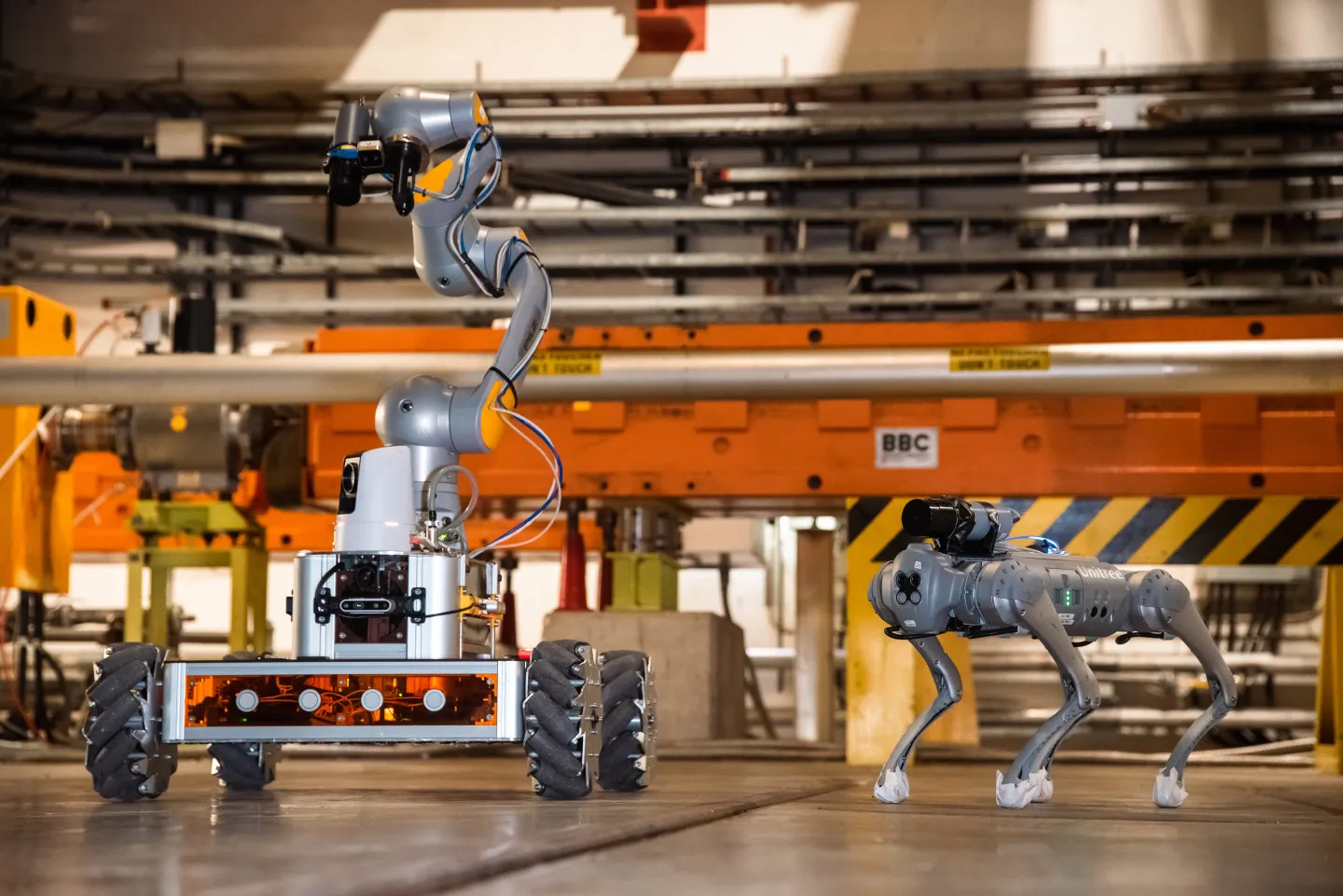
Introducing CERN’s robodog
A four-legged robotic solution has completed its first successful radiation protection test inside CERN’s largest experimental area
-

Philippe Bernard (1935 – 2023)
Philippe Bernard(1935 – 2023) — Born in 1935, Philippe Bernard completed his studies at the prestigious Ecole supérieure d’éléctricité in 1956. He began working at CERN in 1962 as engineer-in-charge of the Proton Synchrotron. He went on to design and develop radiofrequency (RF) separators, making substantial contributions to the improvement of these devices that provide
-
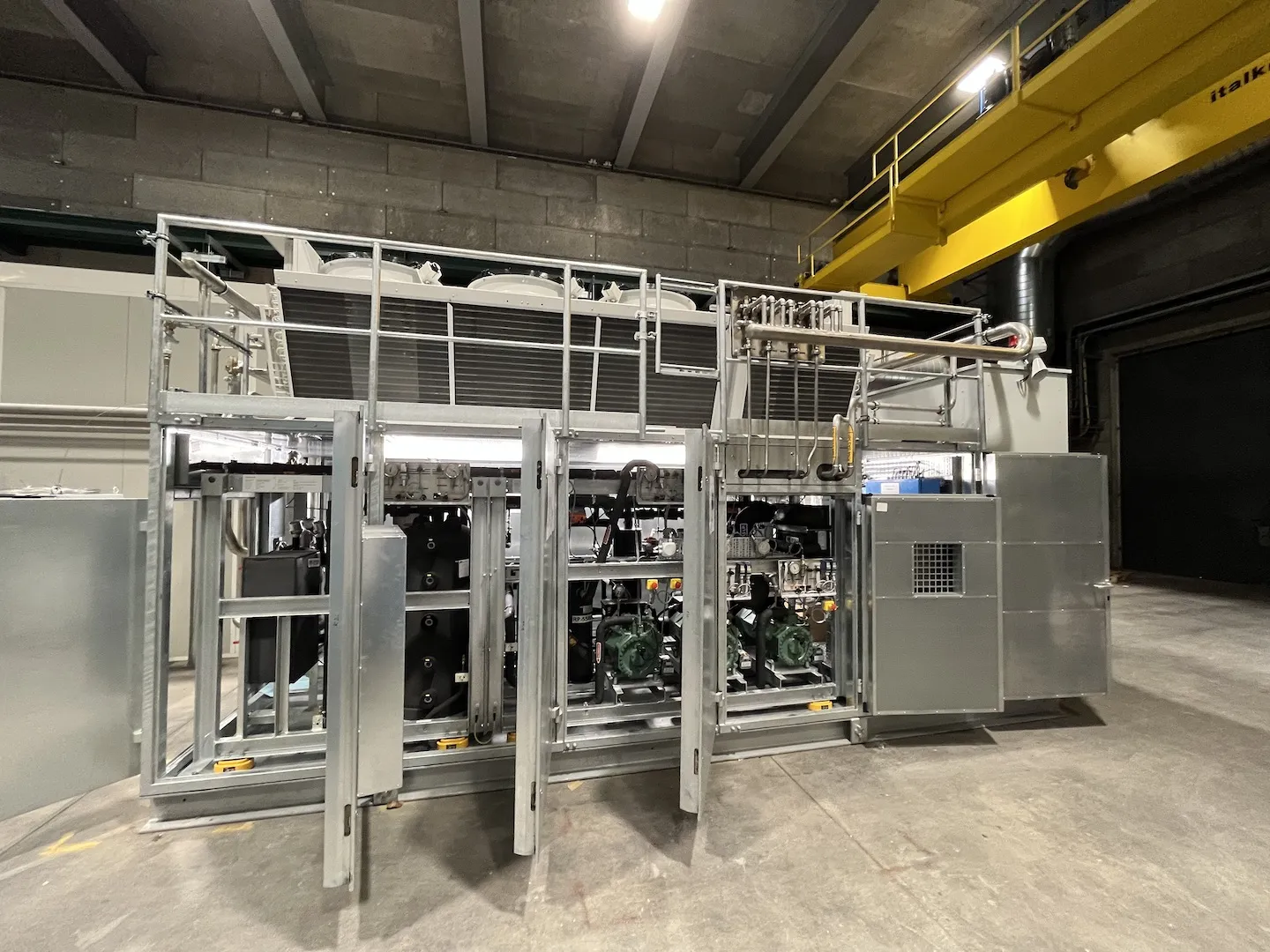
Carbon dioxide for the environment
Following the completion of a successful in-house development phase, CERN is equipping the ATLAS and CMS detectors with new carbon dioxide (CO2) cooling systems that will contribute to the transition towards green and sustainable technology in this area