
Tag: ISOLDE
ISOLDE studies the properties of atomic nuclei, with further applications in fundamental studies, astrophysics, material and life sciences.
-
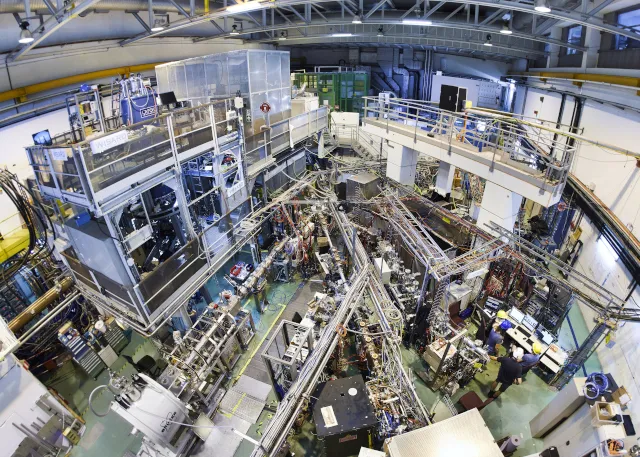
ISOLDE sees shape shifting in gold nuclei
The finding comes a little more than 50 years after the phenomenon was first discovered at the facility in mercury nuclei
-
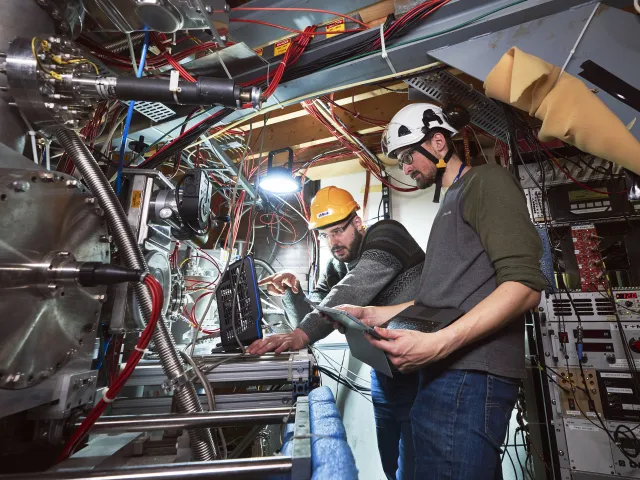
An even closer look at magic tin
A measurement of the indium-99 atomic nucleus in a long-lived excited state offers an even closer look at the special “doubly magic” tin-100 nucleus than a previous measurement in the ground state
-
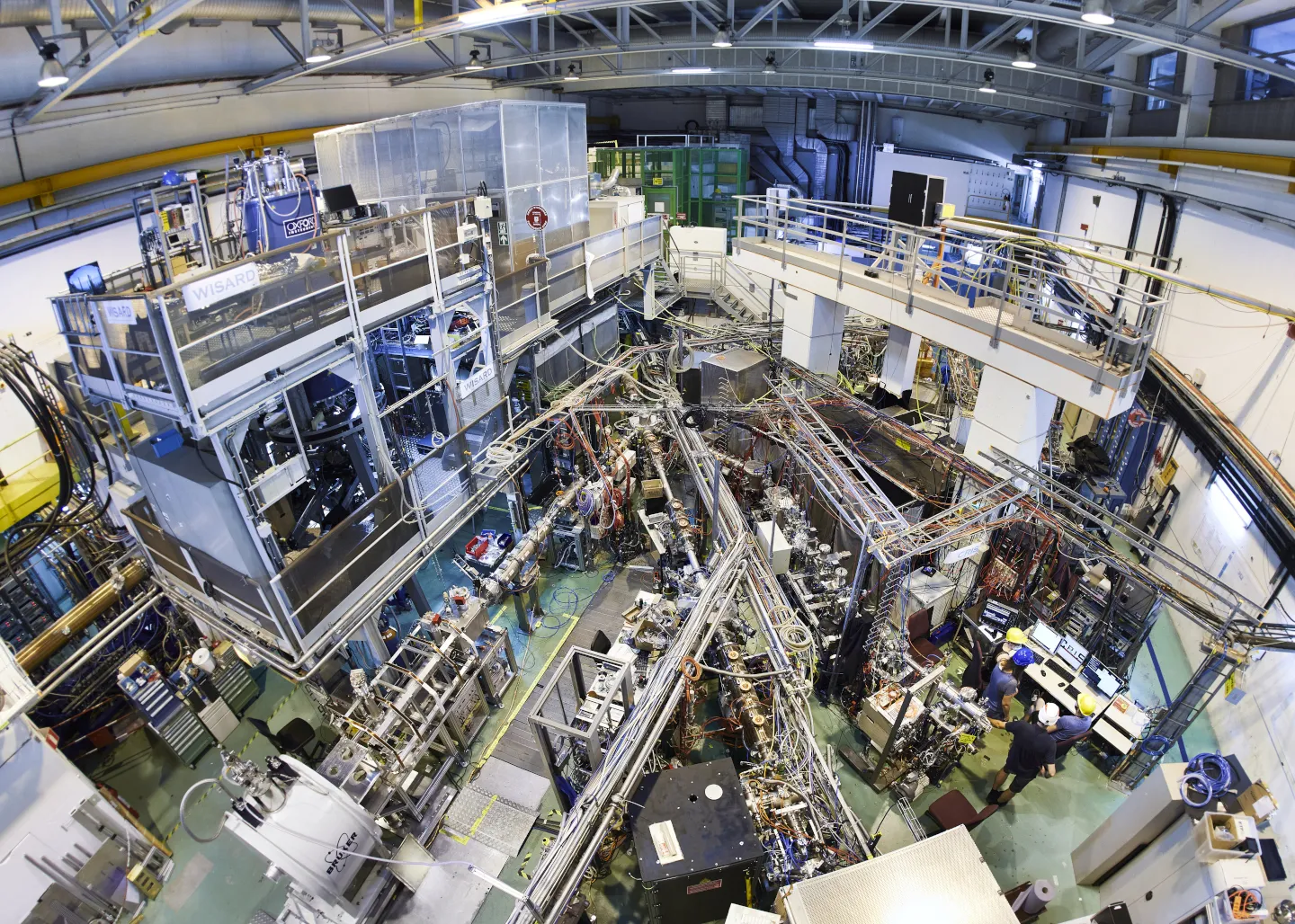
ISOLDE takes a solid tick forward towards a nuclear clock
The observation at CERN’s nuclear physics facility of a long-sought decay of the thorium-229 nucleus in a solid-state system is a key step towards a clock that could outclass today’s most precise atomic clocks
-
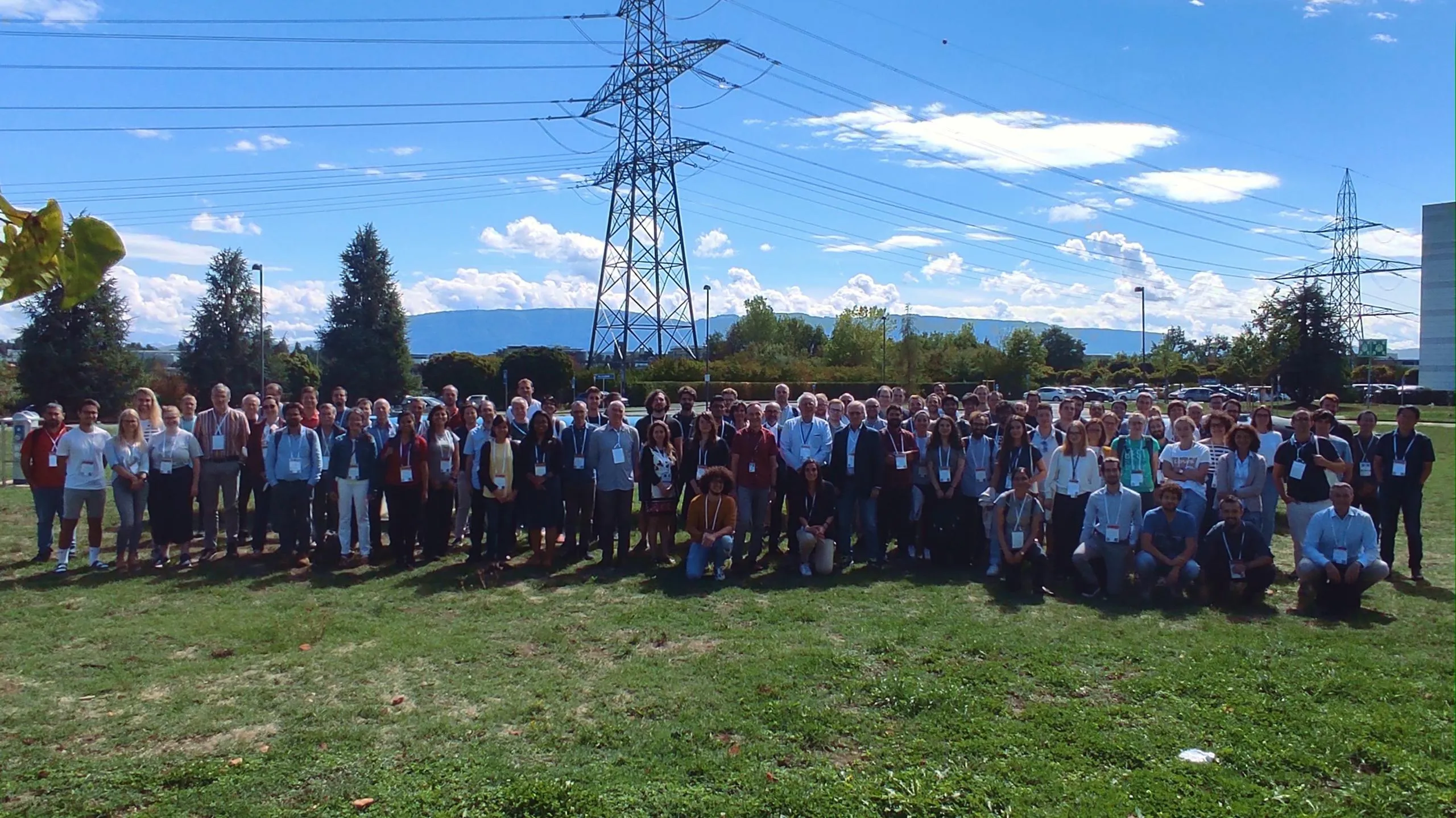
Nuclear physics at CERN: a hub for interdisciplinary research
Fundamental research at the ISOLDE and n_TOF facilities at CERN has applications in a wide variety of areas of astrophysics, medical physics, energy and more
-
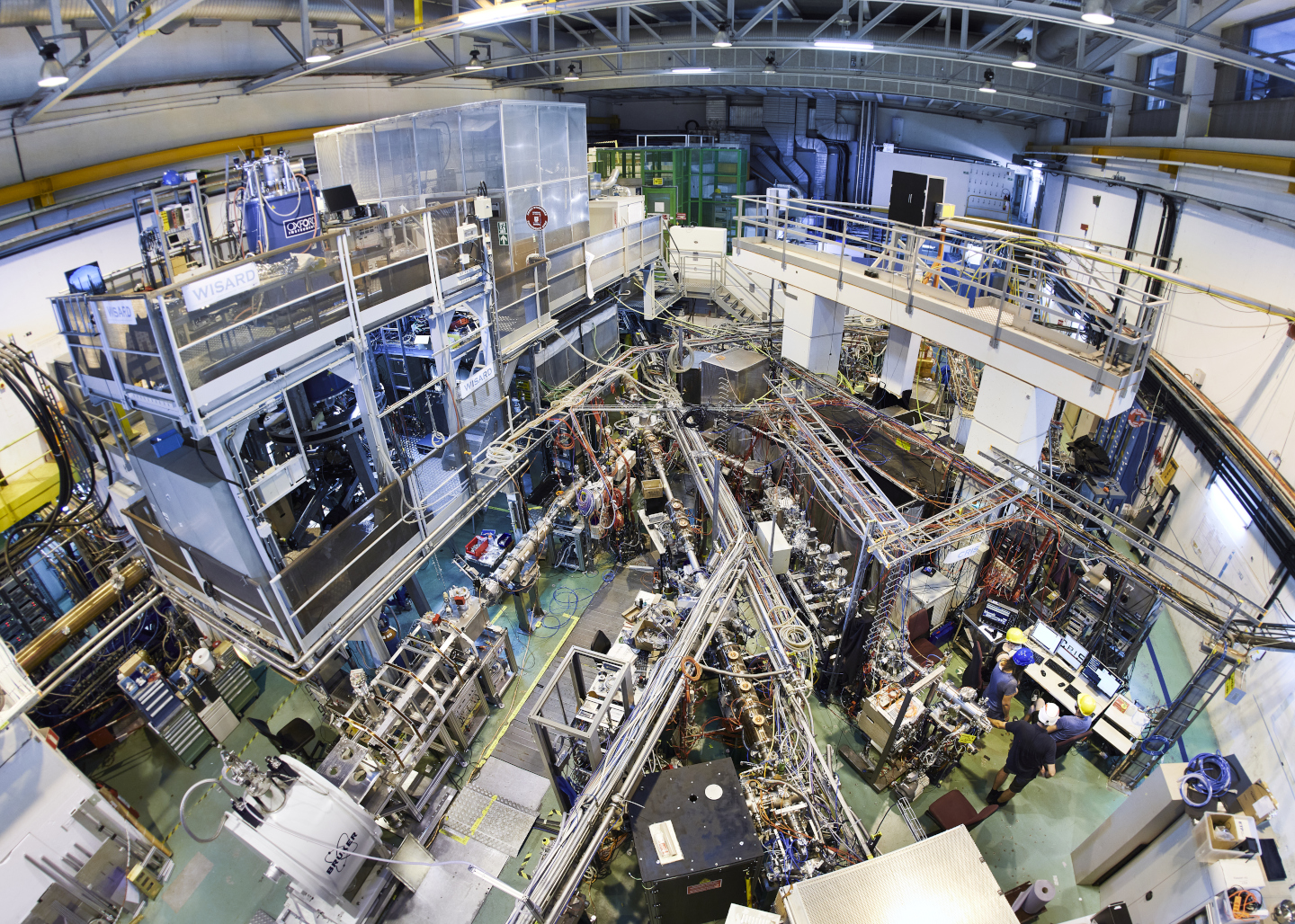
30 years of ISOLDE at the Proton Synchrotron Booster
Since its relocation from the Synchrocyclotron to the Proton Synchrotron Booster in 1992, ISOLDE has consistently reinvented itself to push the frontiers of science with radioactive beams
-
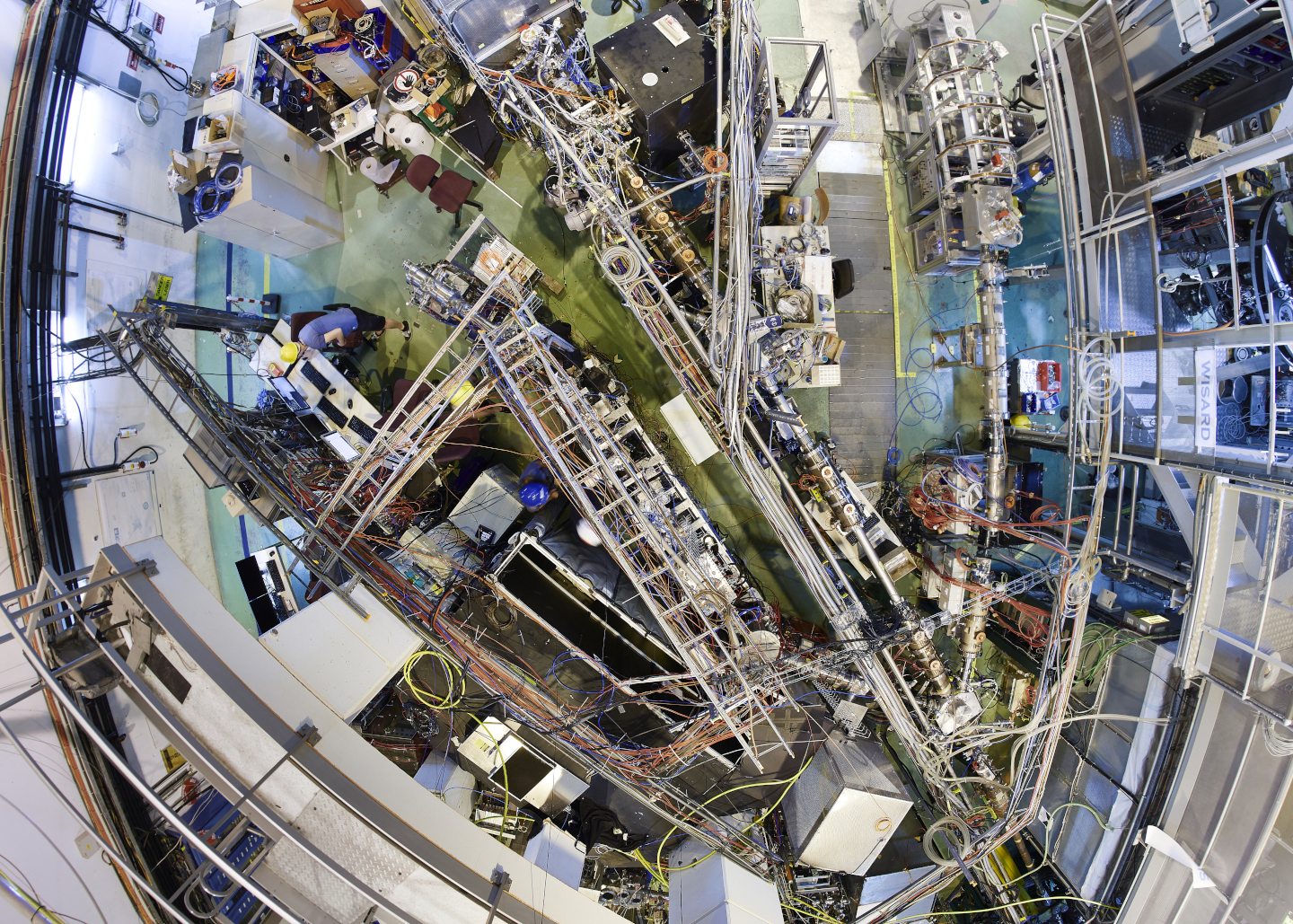
ISOLDE data get deluxe theoretical treatment
A unique combination of high-quality experimental data and several state-of-the-art nuclear-physics models has resulted in an excellent agreement between experiment and theory
-
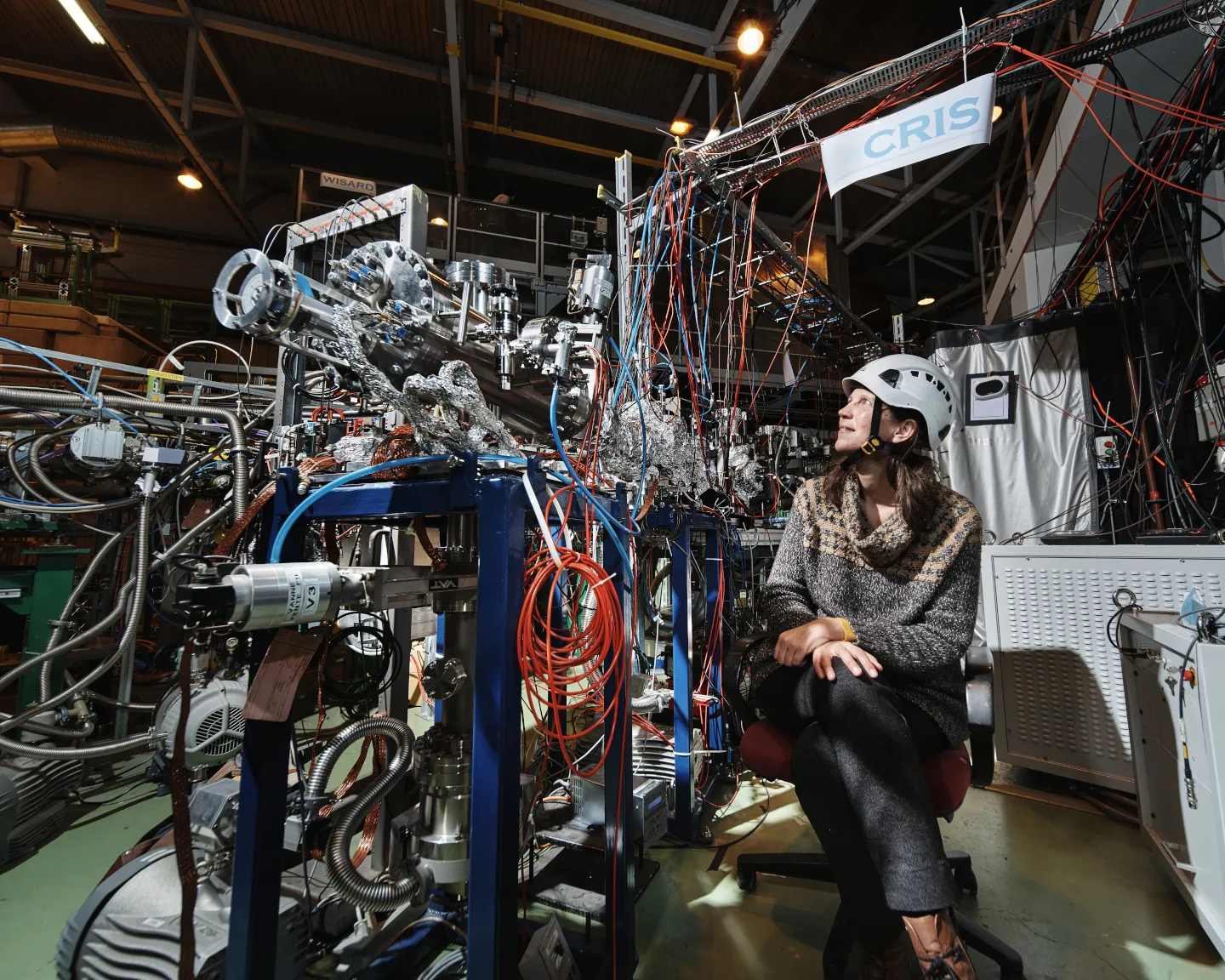
Potassium nucleus loses some of its magic
A new study at ISOLDE finds no signature of a “magic” number of neutrons in potassium-51, challenging the proposed magic nature of nuclei with 32 neutrons
-
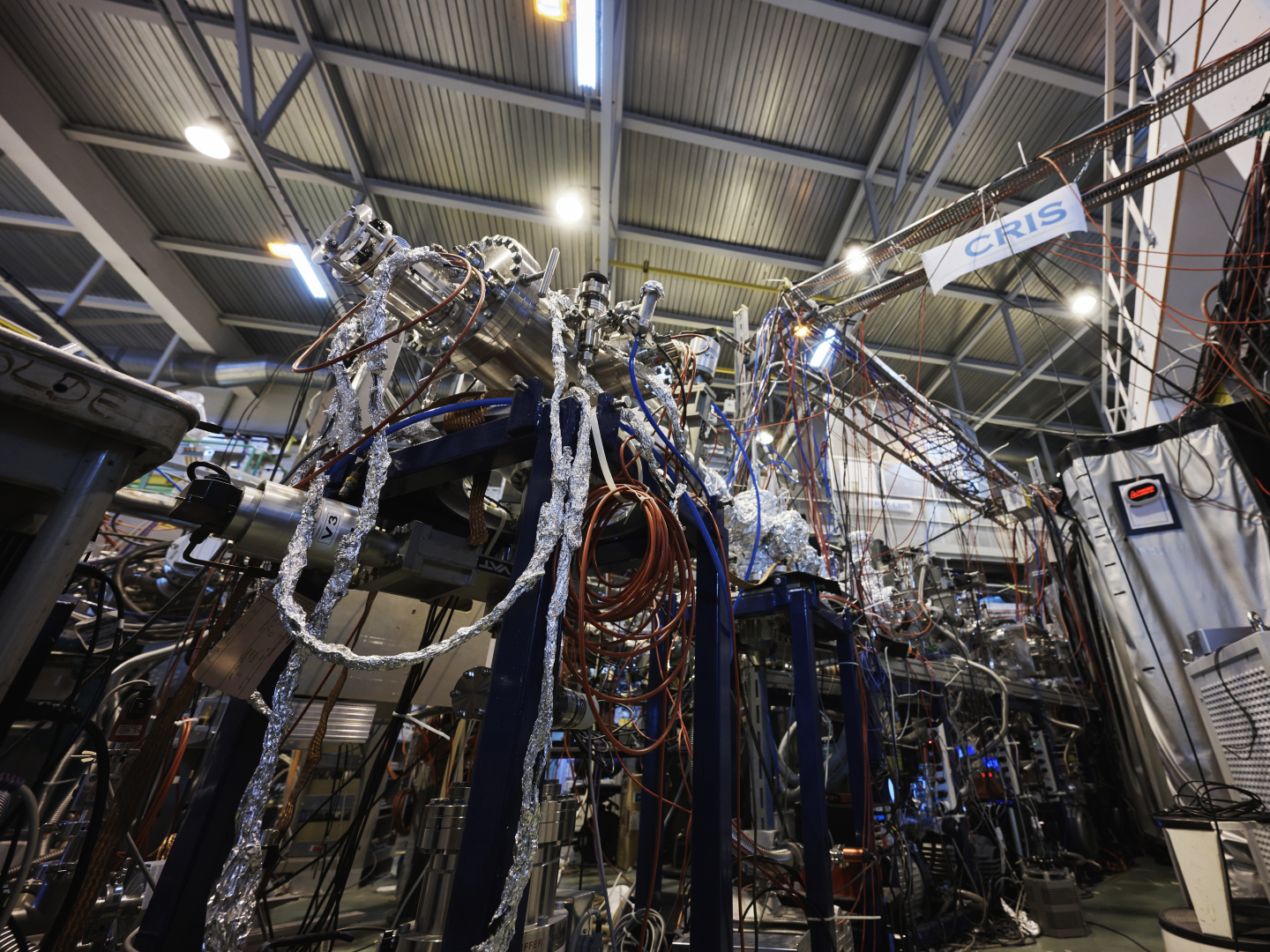
ISOLDE scores a first with laser spectroscopy of short-lived radioactive molecules
The result represents an essential step towards using these molecules for fundamental physics research and beyond
-
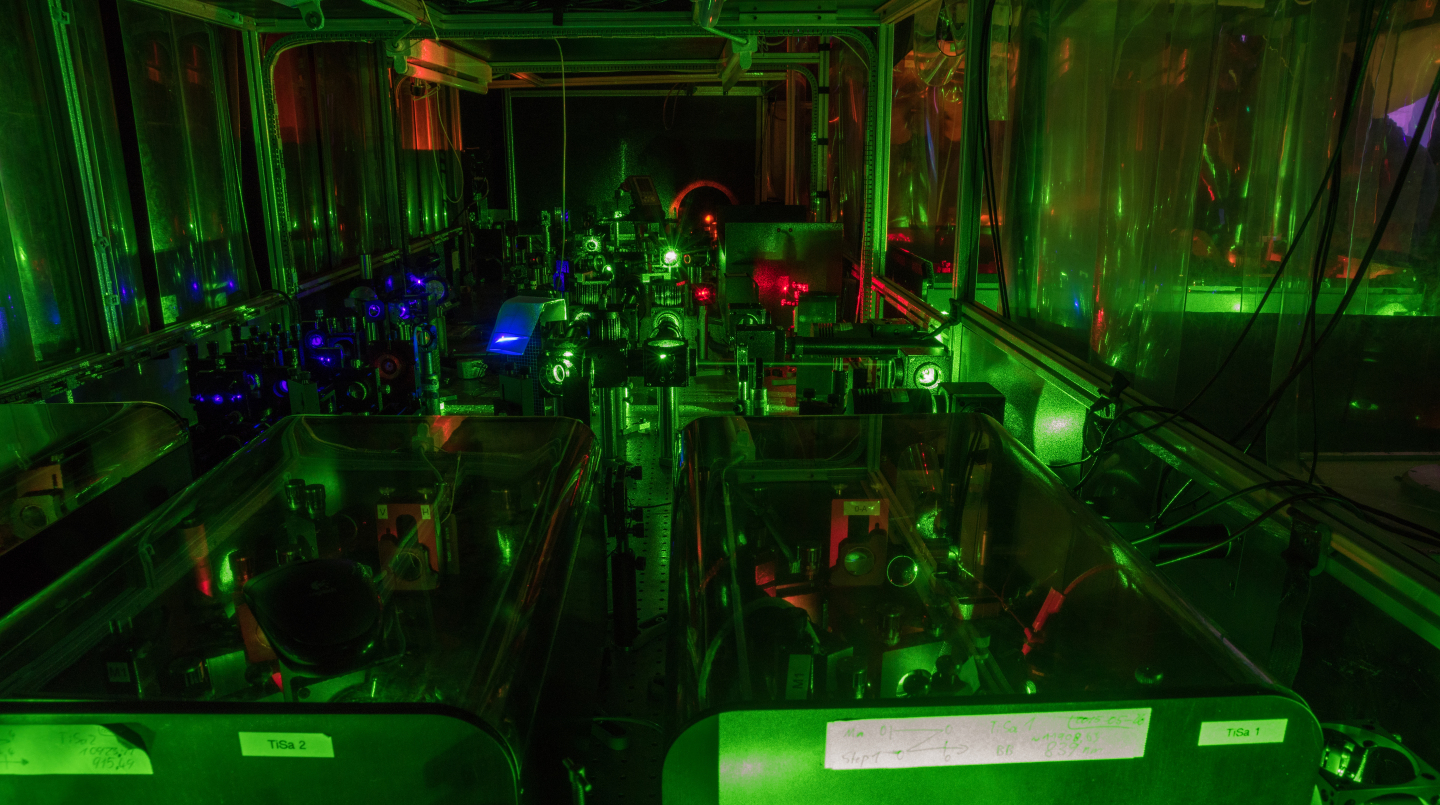
Rugby or football? ISOLDE reveals shape-shifting character of Mercury isotopes
An unprecedented combination of experimental nuclear physics and theoretical and computational modelling techniques has been brought together to reveal the full extent of the odd-even shape staggering of exotic mercury isotopes, and explain how it happens
-
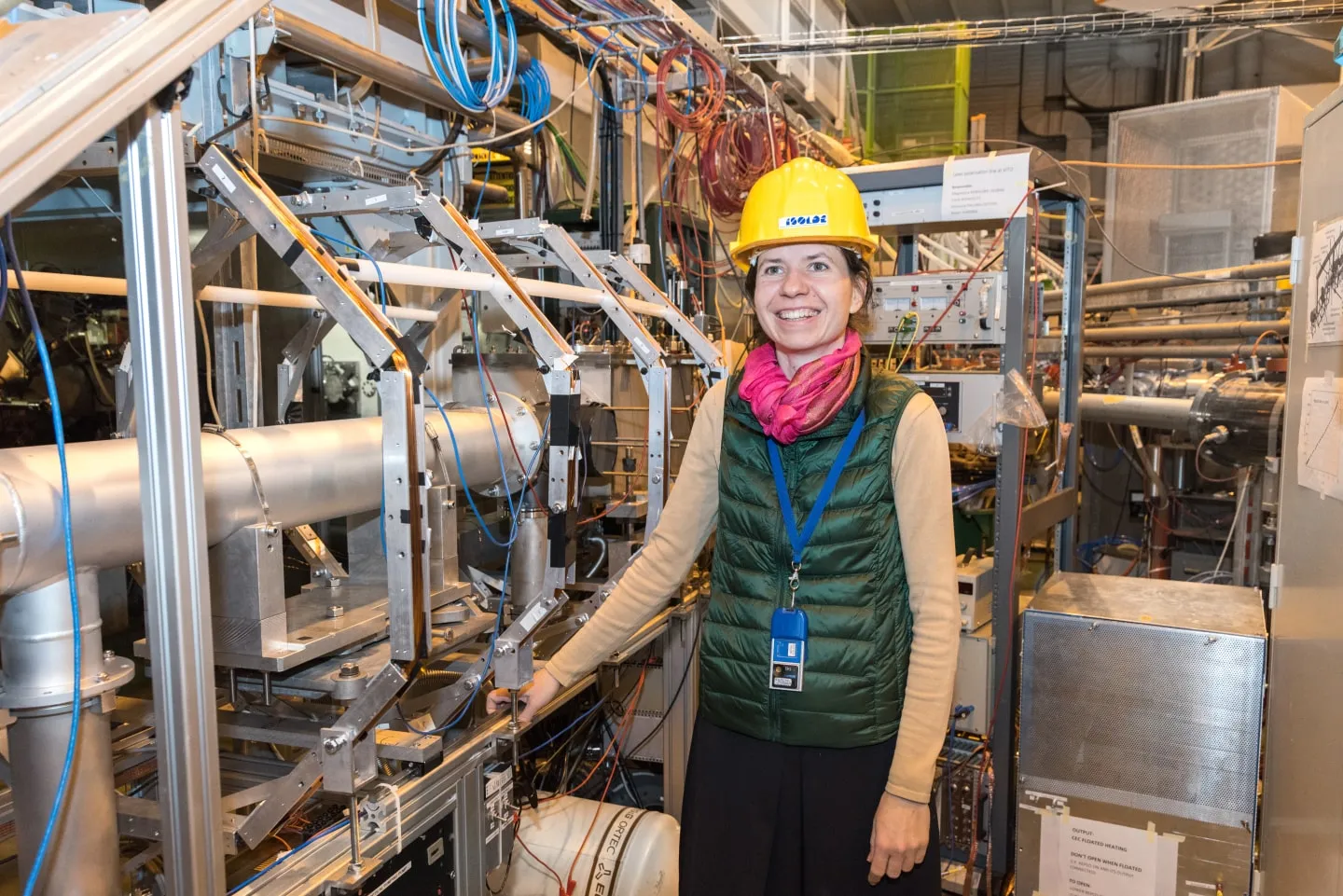
ISOLDE peers into the world of DNA
Researchers at CERN’s ISOLDE facility have used an ultrasensitive variant of NMR spectroscopy to study DNA interactions