
Tag: LHC experiments
-
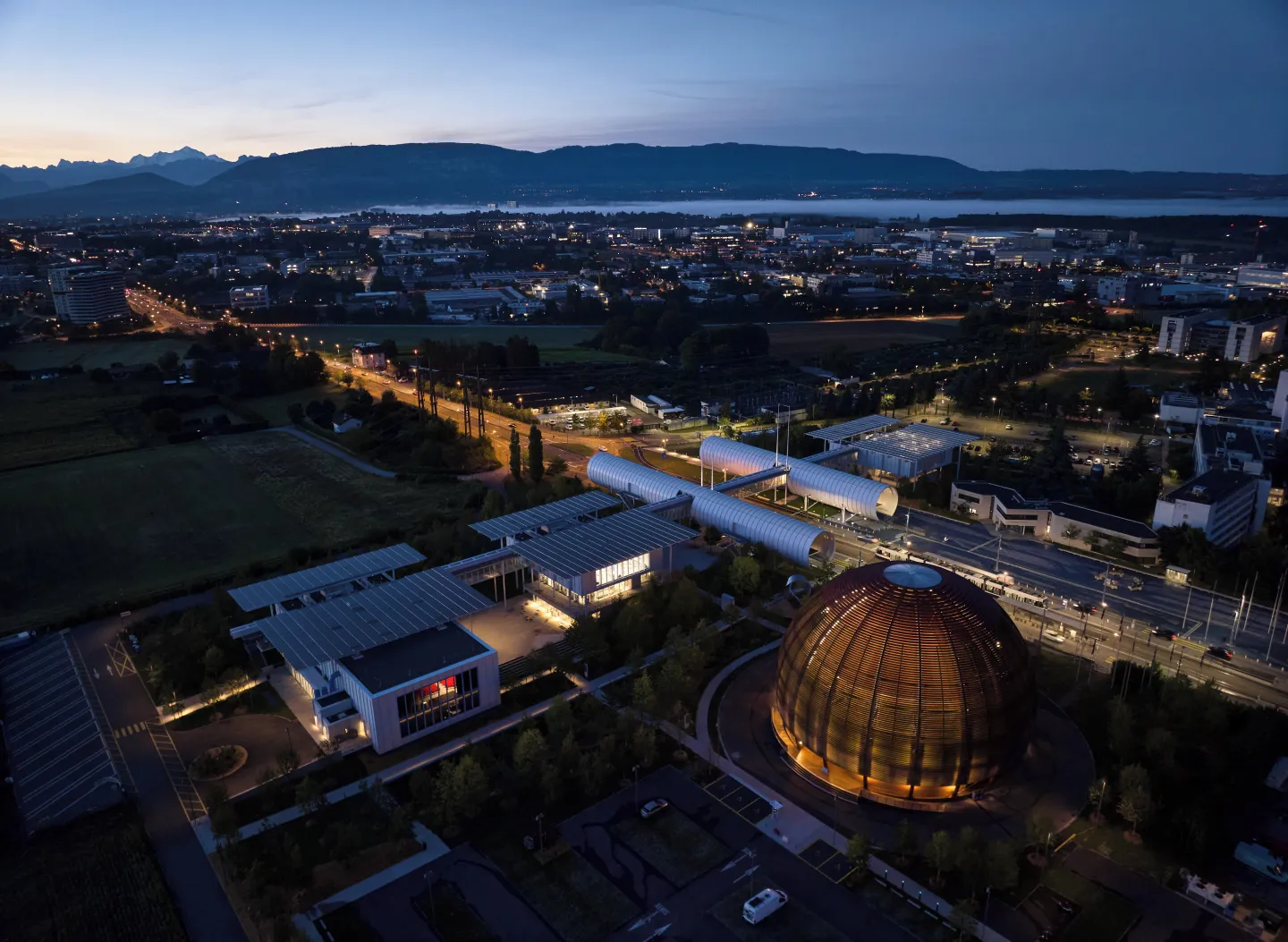
CERN highlights in 2025
A look back at a year of advances in science, technology and benefits to society
-
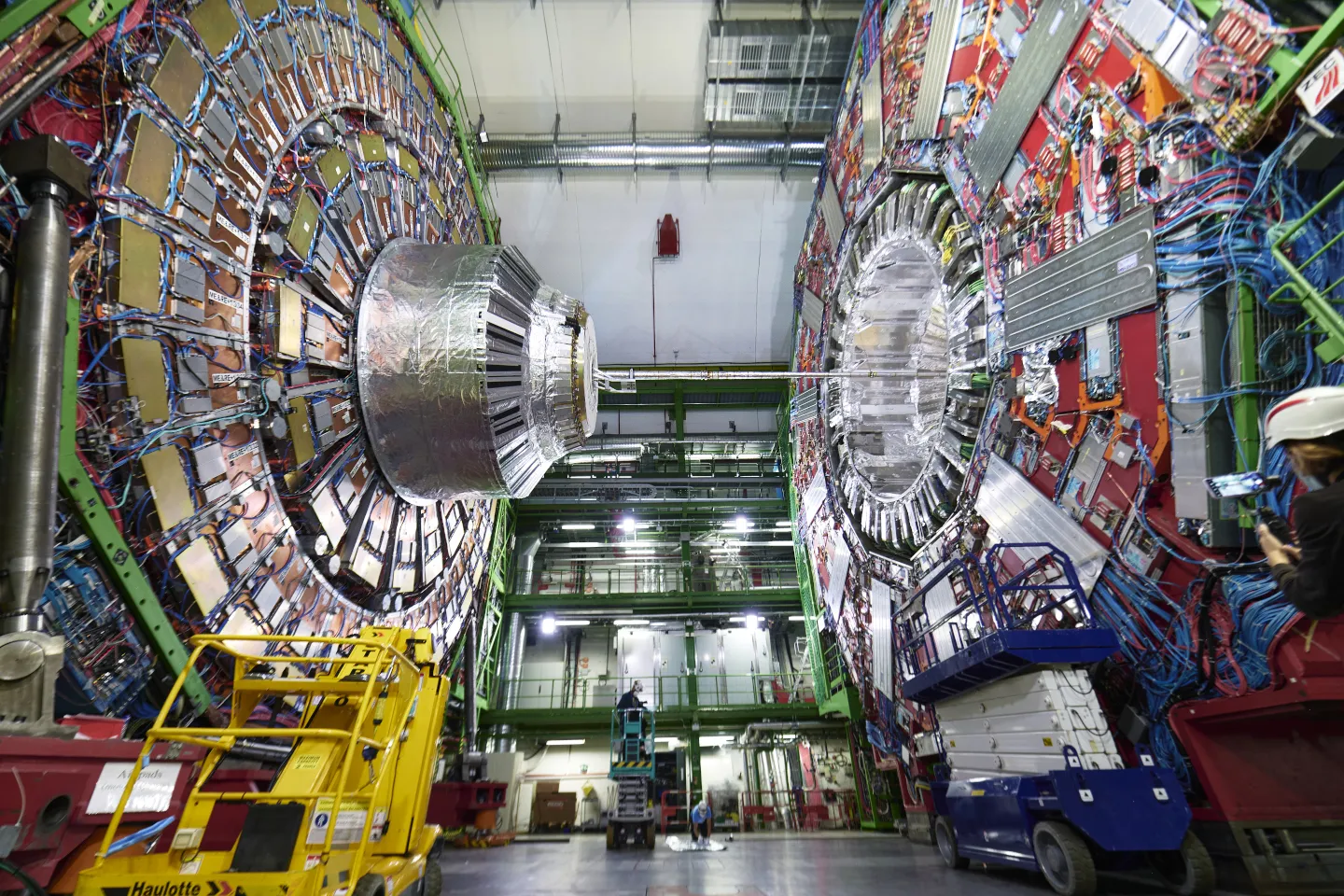
First observation of single top quark production with W and Z bosons
This incredibly rare phenomenon, observed at the CMS experiment, can help probe the fundamental forces of nature
-
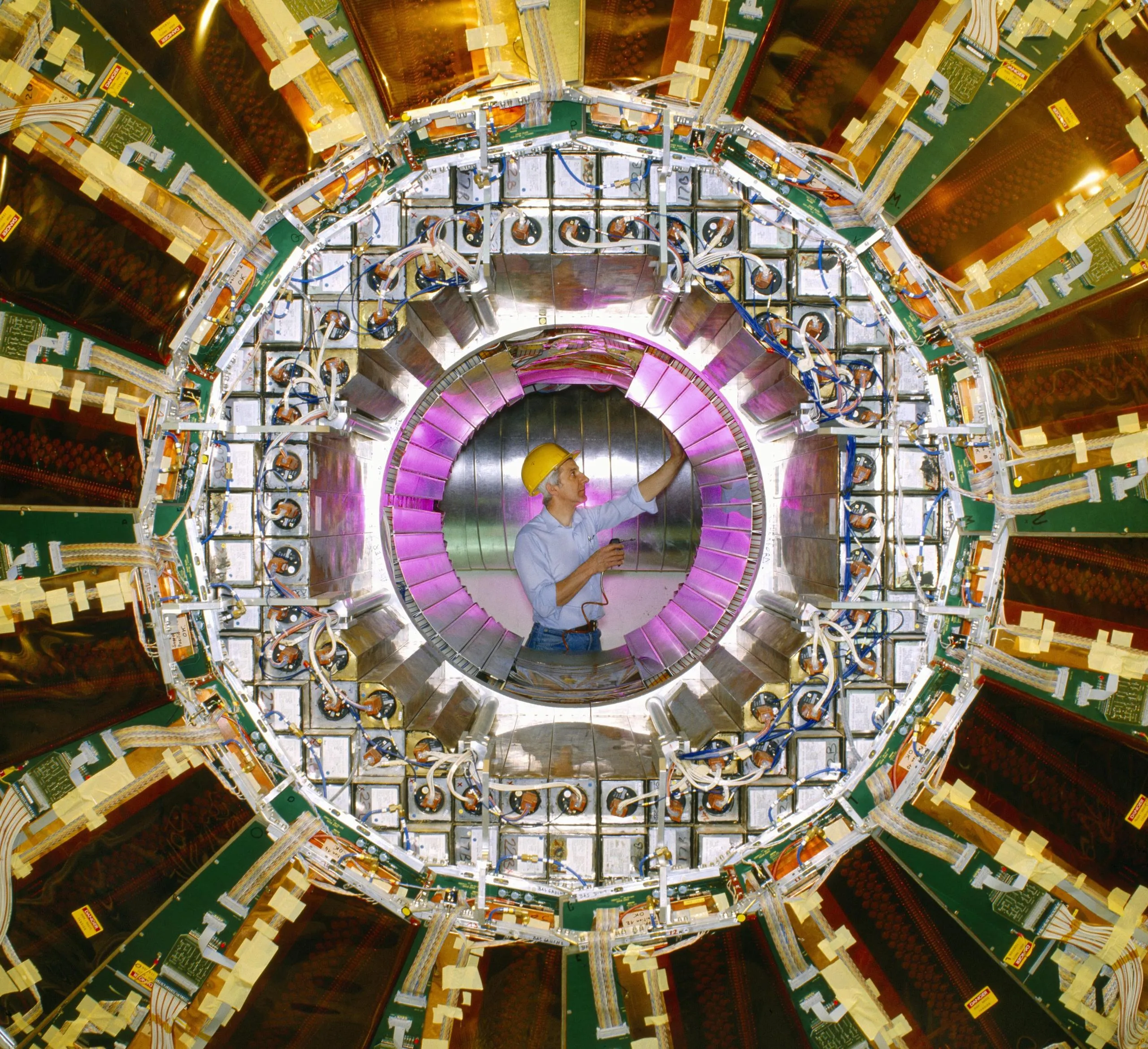
Preserving particle physics data
A lot of the science from our accelerators is published long after collisions end, so storing experimental data for future physicists is crucial
-
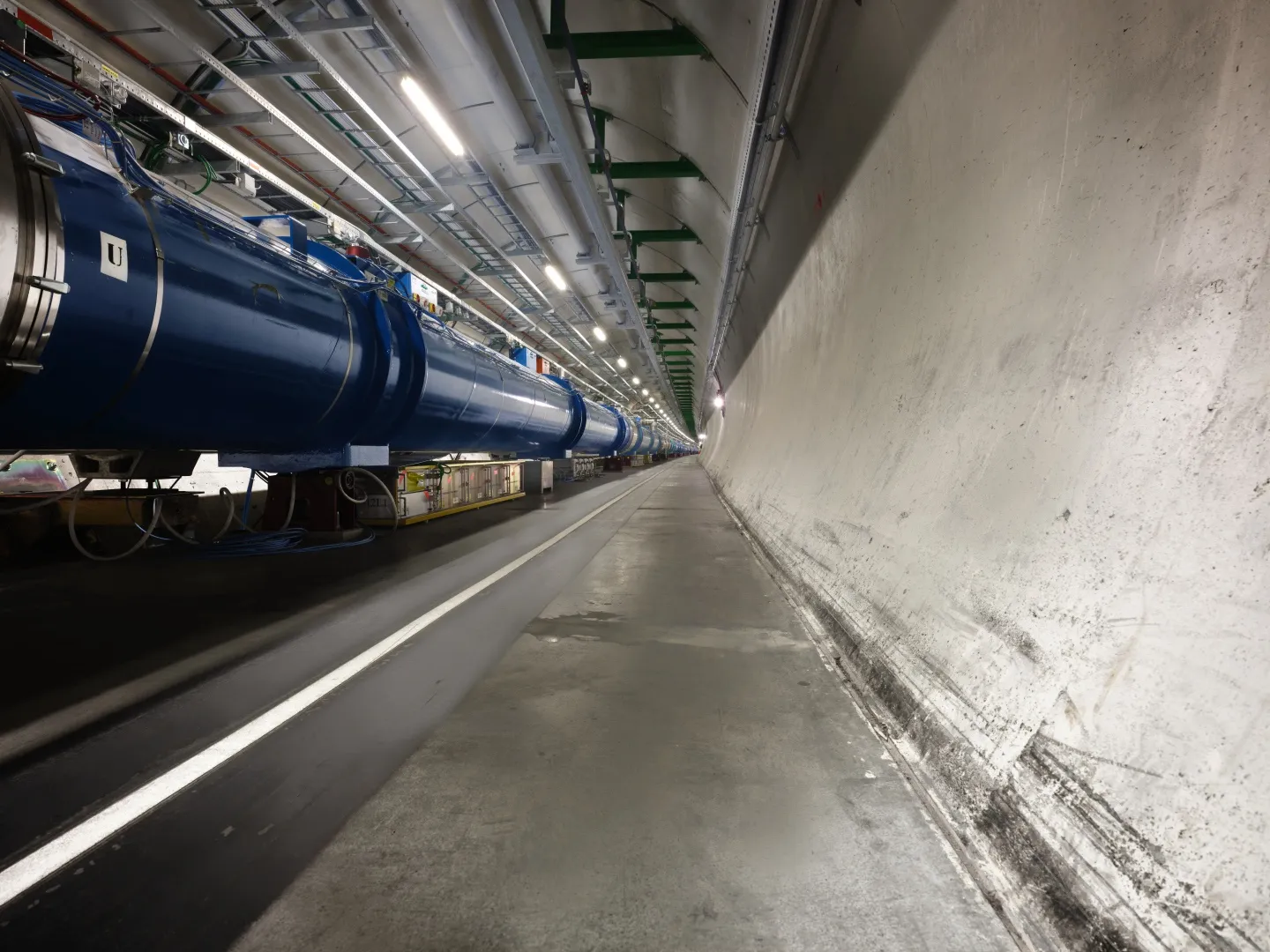
First-ever collisions of oxygen at the LHC
The Large Hadron Collider gets a breath of fresh air as it collides beams of protons and oxygen ions for the very first time. Oxygen–oxygen and neon–neon collisions are also on the menu of the next few days
-
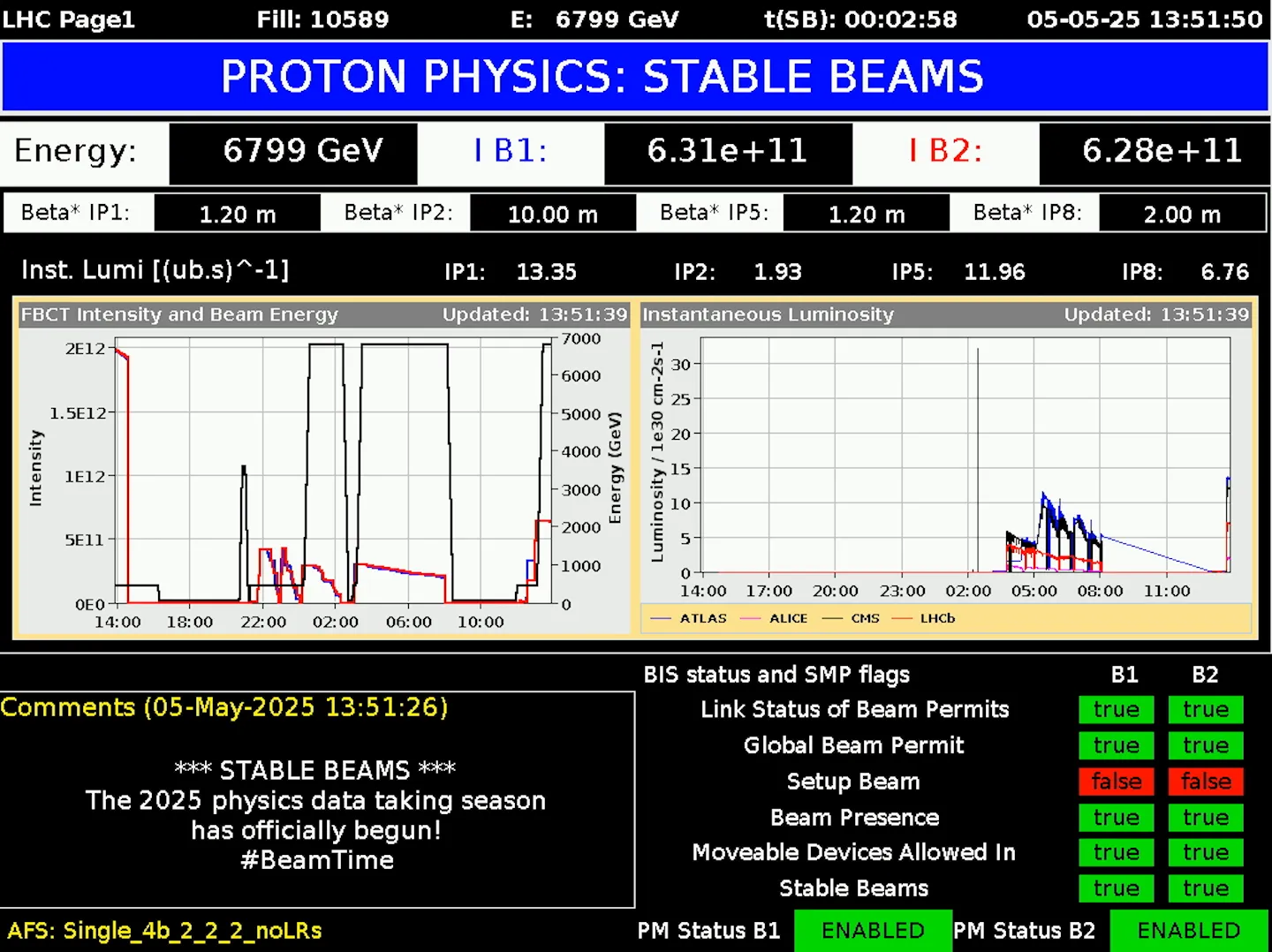
And they’re off! The 2025 LHC physics season gets underway
“Stable” particle beams are back in the LHC machine, marking the start of the 2025 physics data-taking campaign
-

CERN highlights in 2024 celebrating 70 years
For its 70th anniversary year, CERN honours its contributions to fundamental research, innovation and international collaboration.
-
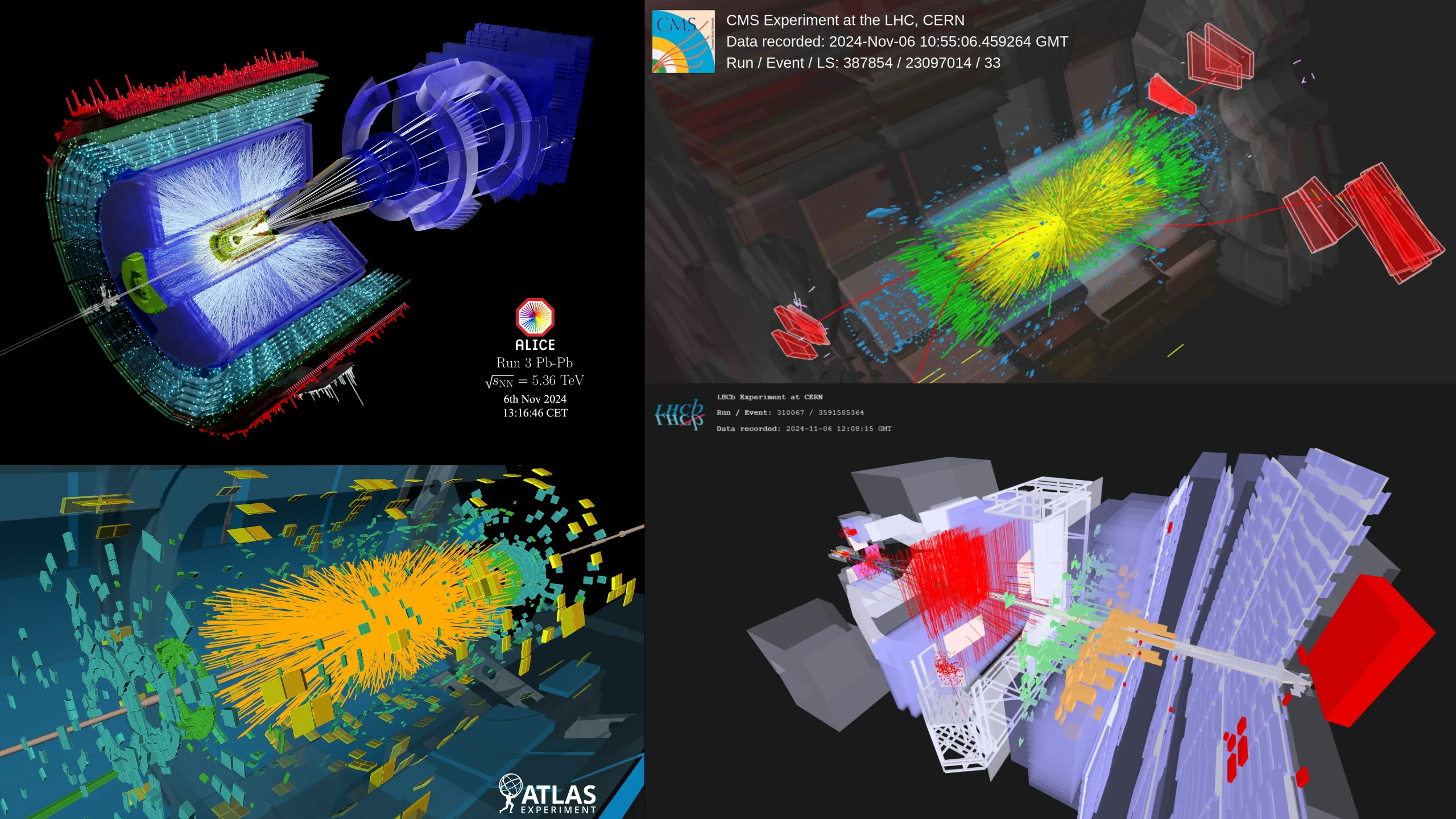
Heavy-ion run at the LHC begins
For the next 17 days, every minute counts when it comes to taking lead–lead collision data
-
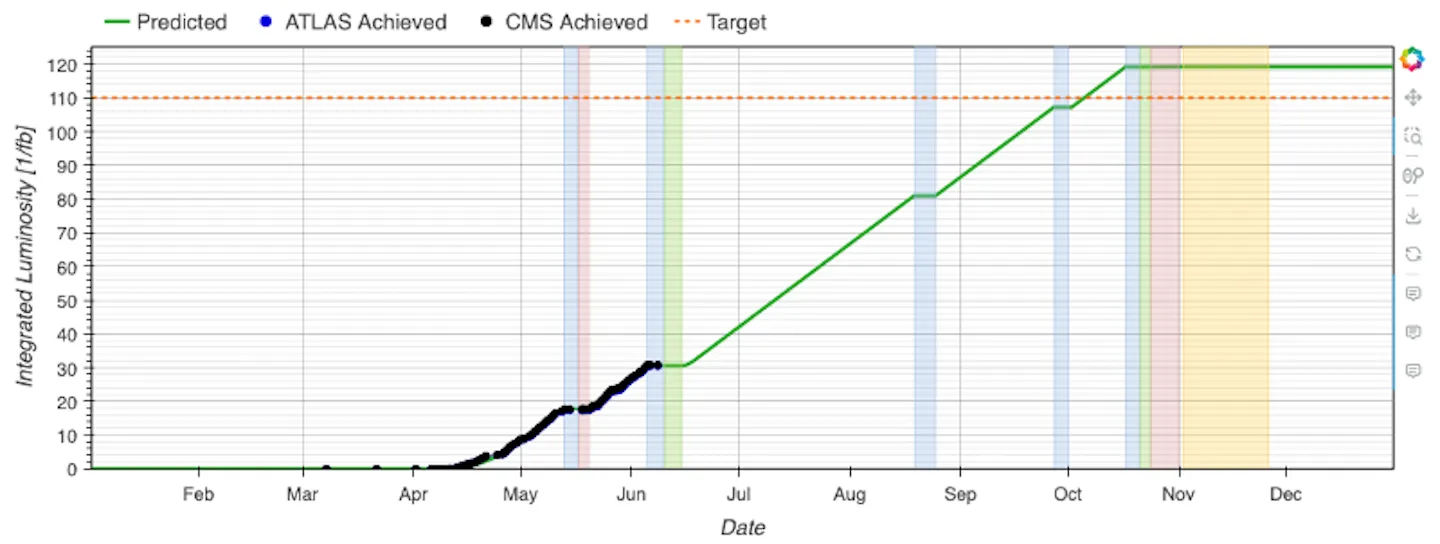
Accelerator Report: Setting the stage for a productive summer
We are optimistic that we will have a successful luminosity production period this summer
-
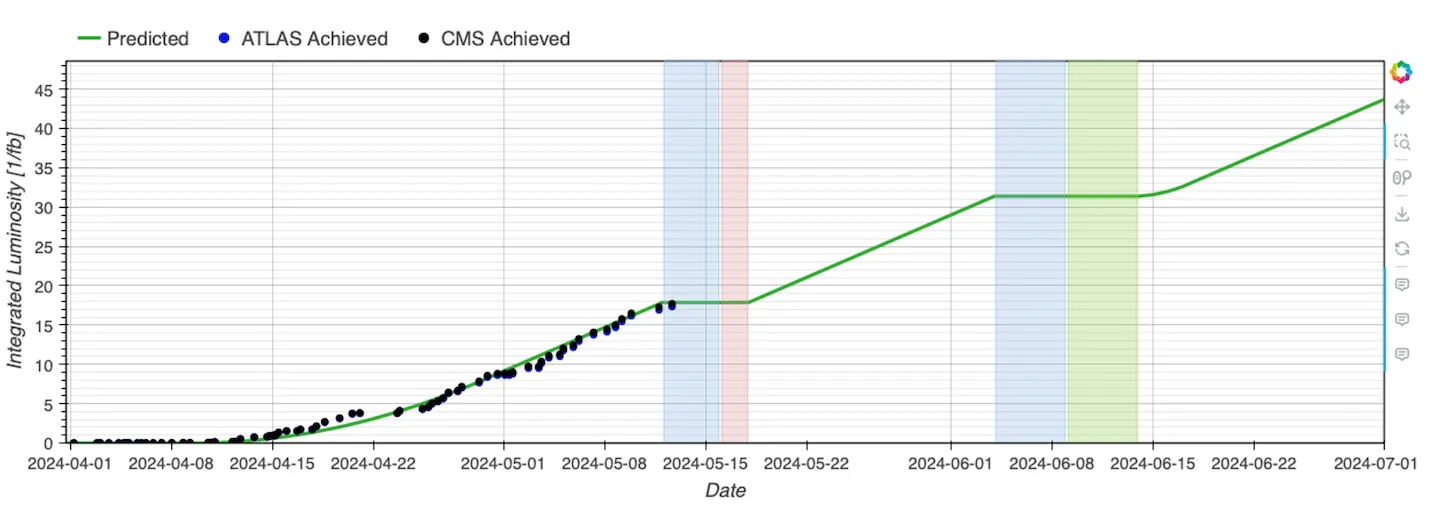
Accelerator Report: Already a fifth of the way there
The LHC is performing well and the injector complex is treating its experimental users to a high level of beam availability
-
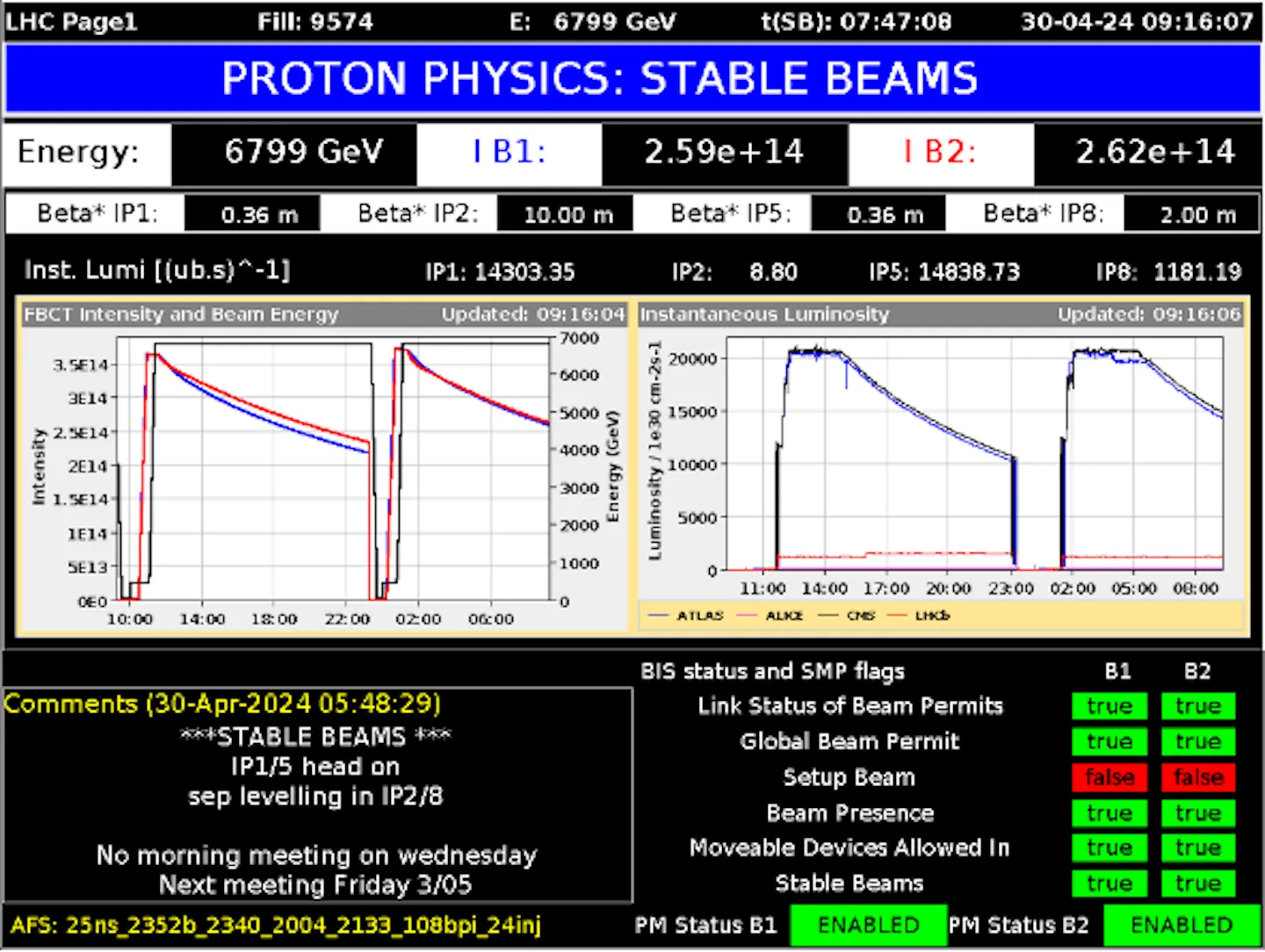
Accelerator Report: Keeping cool and adapting to challenges
In the last two weeks, the LHC teams have encountered two main challenges that have led to some changes to the filling scheme