
Tag: Media
-
For the first time the LHC reaches temperatures colder than outer space
Geneva, 10 April 2007. The first sector of CERN1‘s Large Hadron Collider (LHC) to be cooled down has reached a temperature of 1.9 K (–271°C), colder than deep outer space! Although just one-eighth of the LHC ring, this sector is the world’s largest superconducting installation. The entire 27–kilometre LHC ring needs to be cooled down
-
Giant magnet goes underground at CERN
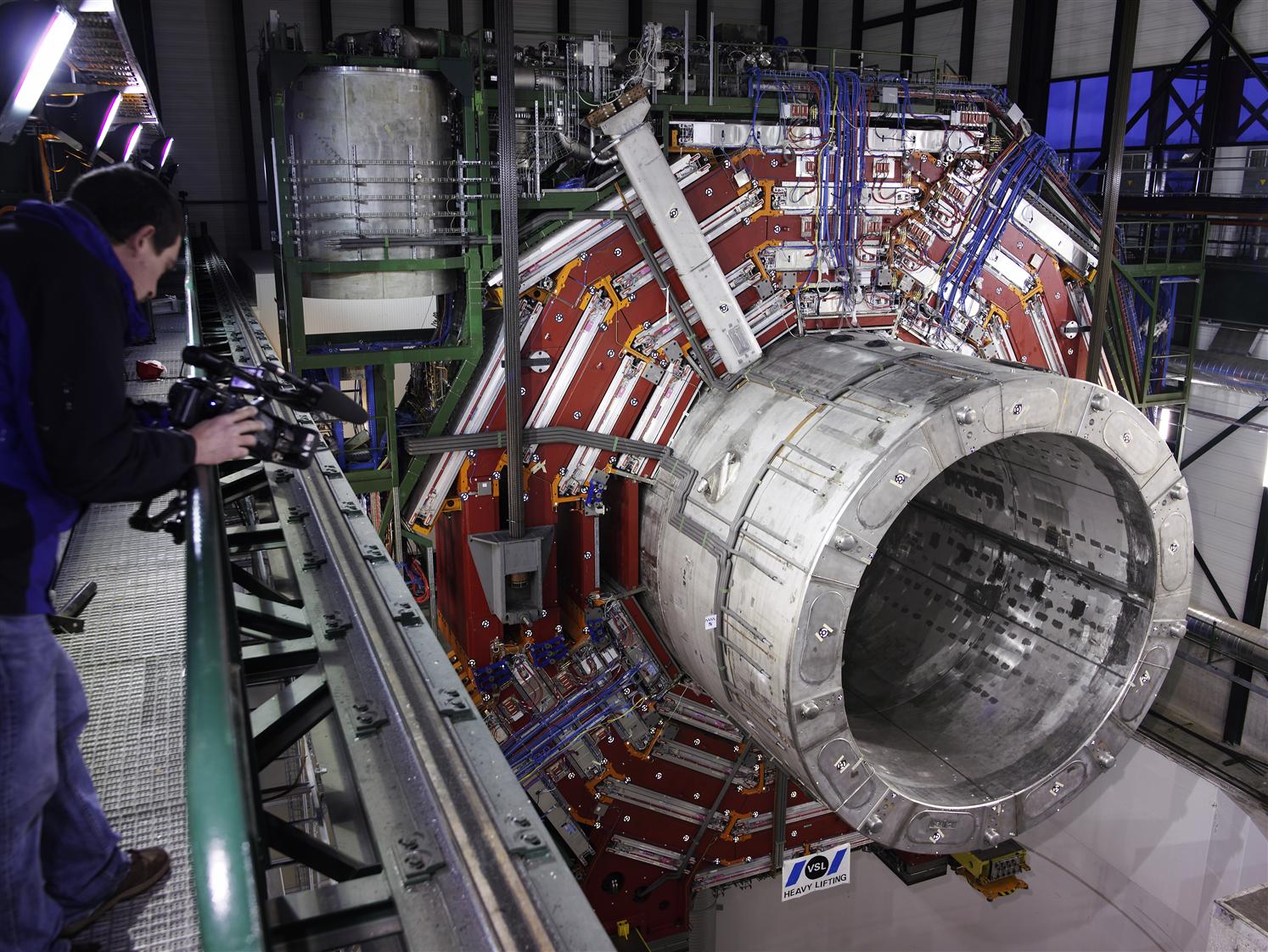
Geneva, 28 February 2007. At 6:00 am this morning the heaviest piece of the Compact Muon Solenoid (CMS) particle detector began a momentous journey into the experiment’s cavern, 100 metres underground at CERN1. Using a huge gantry crane, custom-built by the Vorspann System Losinger Group, the pre-assembled central piece, containing the magnet and weighing as
-
CERN confident of LHC start-up in 2007
Geneva, 15 December 2006. Delegates attending the 140th meeting of CERN1 Council today heard a confident report from the Laboratory about the scheduled start-up of the world’s highest energy particle accelerator, the Large Hadron Collier (LHC), in 2007. Geneva, 15 December 2006. Delegates attending the 140th meeting of CERN1 Council today heard a confident report
-
Magna Carta for researchers – EIROforum supports the EC Charter and Code of Conduct
Geneva, 14 December 2006. Today, Janez Potocnik, European Commissioner for Science and Research received a statement of support for the European Charter for Researchers and the Code of Conduct for the Recruitment of Researchers from EIROforum. “The EIROforum partners warmly welcome this valuable initiative by the European Commission” said Prof. William G. Stirling, Director General
-
Last LHC superconducting main magnet completes the suite at CERN
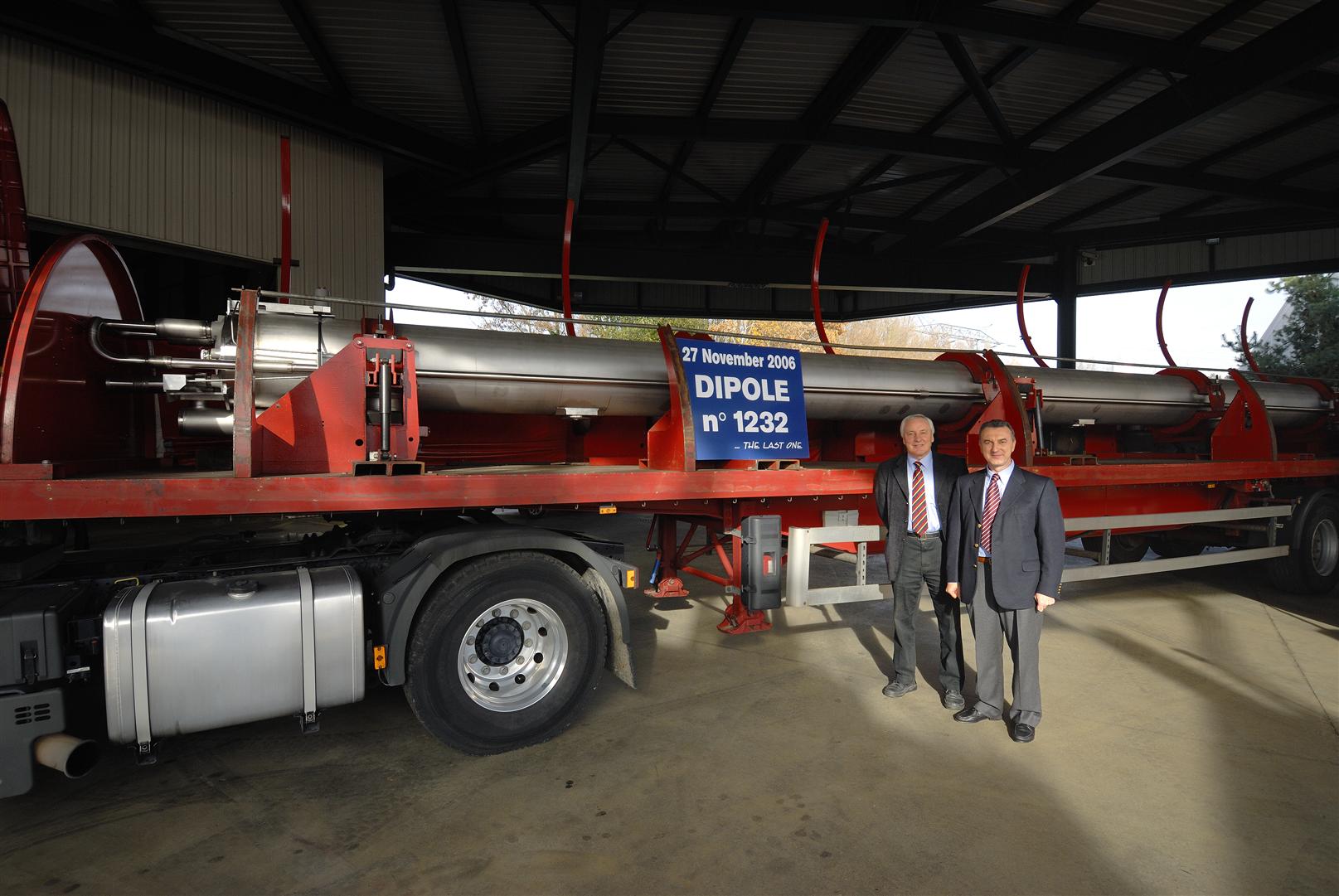
Geneva, 28 November 2006. CERN1 took delivery of the last superconducting main magnet for the Large Hadron Collider (LHC) on 27 November. This completes the full set of 1624 main magnets2 required to build the world’s largest and most powerful particle accelerator. Geneva, 28 November 2006. CERN1 took delivery of the last superconducting main magnet
-
World’s largest superconducting magnet switches on
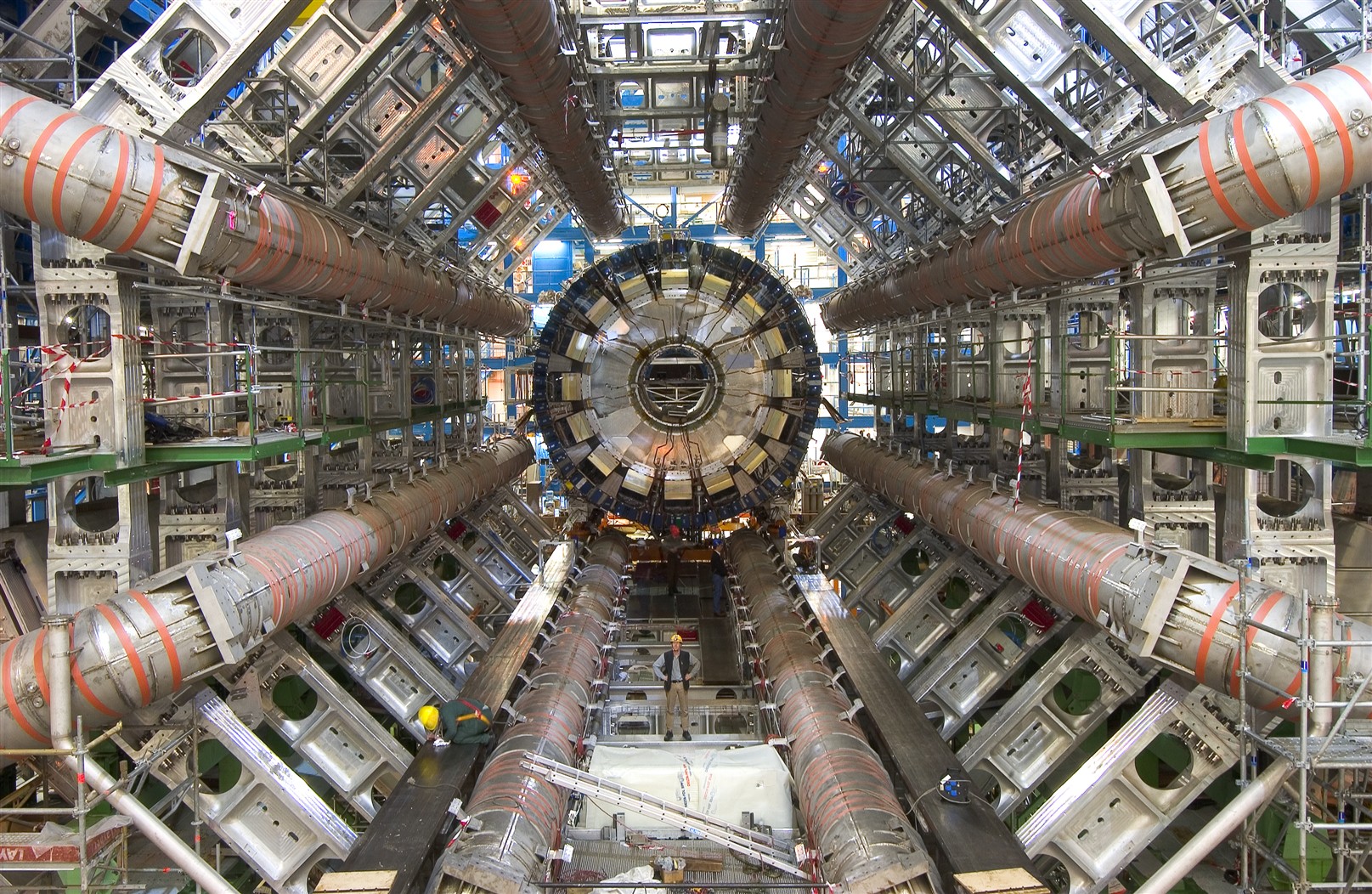
Geneva, 20 November 2006. The largest superconducting magnet ever built has successfully been powered up to its nominal operating conditions at the first attempt. Called the Barrel Toroid because of its shape, this magnet provides a powerful magnetic field for ATLAS, one of the major particle detectors being prepared to take data at CERN1‘s Large
-
Open Access publishing in physics gains momentum
Geneva, 3 November 2006. The first meeting of European particle physics funding agencies took place today at CERN1 to establish a consortium for Open Access publishing in particle physics, SCOAP32. This is the first time an entire scientific field is exploring the conversion of its reader-paid journals into an author-paid Open Access format. Open Access
-
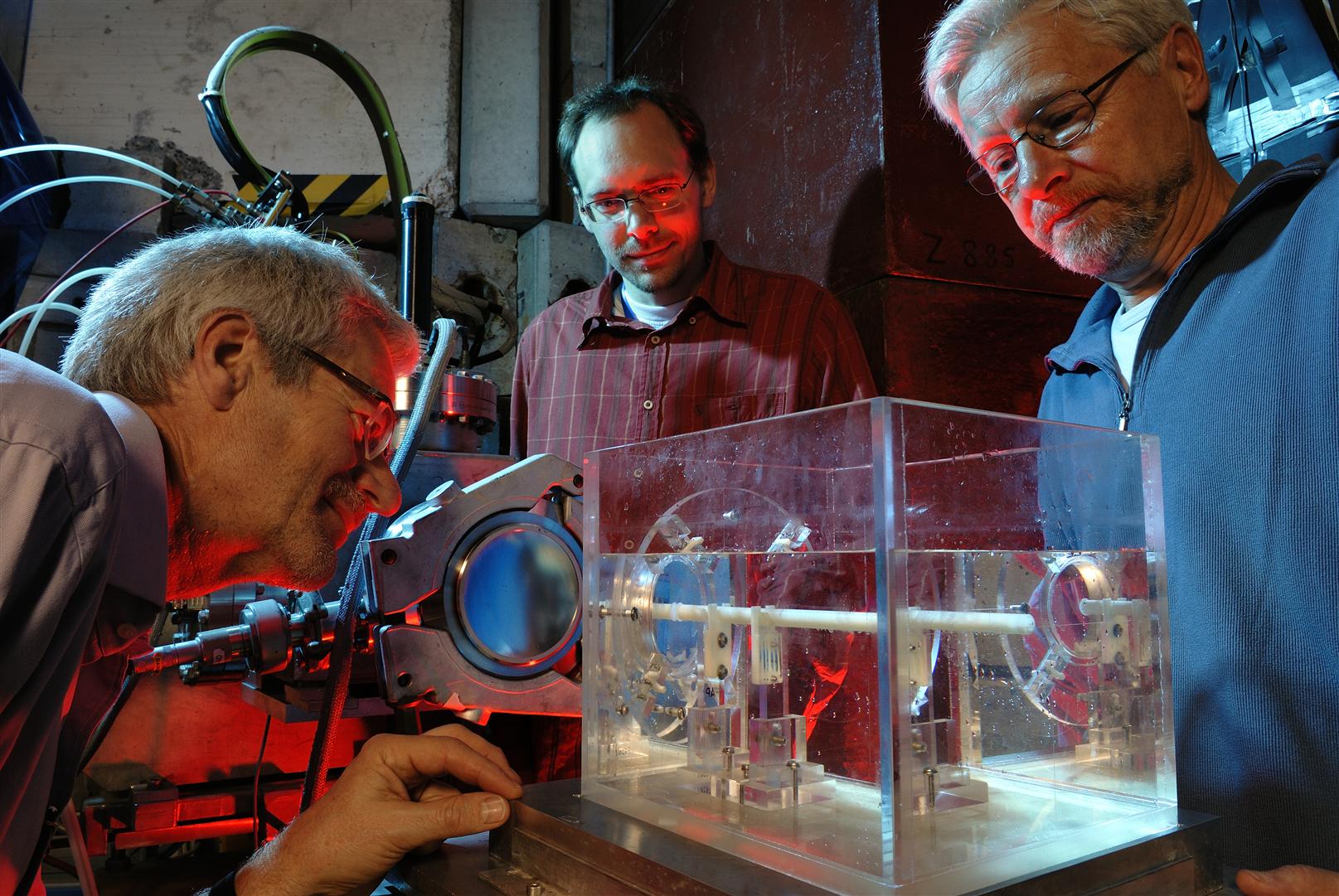
Antiprotons four times more effective than protons for cell irradiation
Geneva, 31 October 2006. A pioneering experiment at CERN1 with potential future application in cancer therapy has produced its first results. Started in 2003, ACE (Antiproton Cell Experiment) is the first investigation of the biological effects of antiprotons. Geneva, 31 October 2006. A pioneering experiment at CERN1 with potential future application in cancer therapy has
-
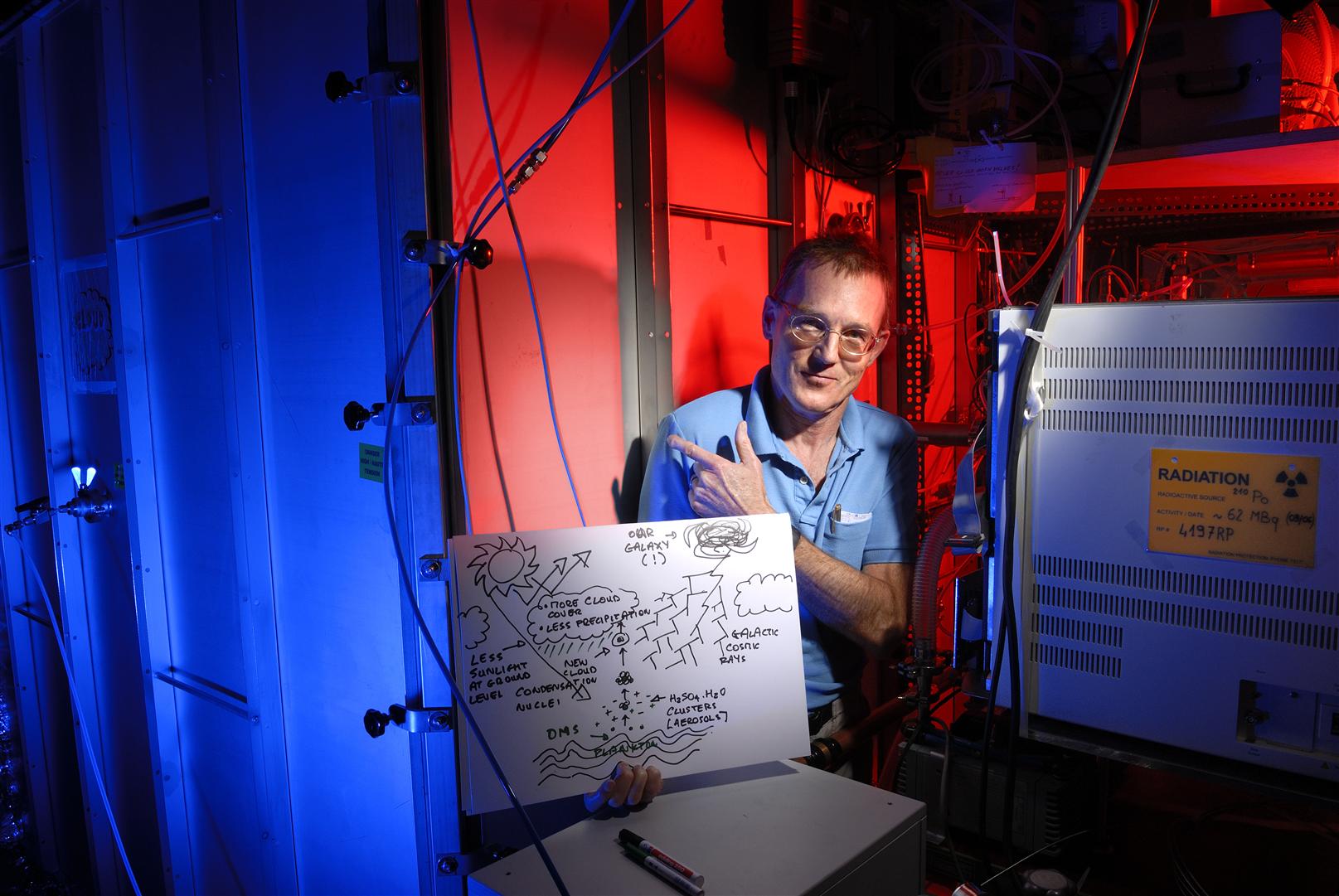
New experiment to investigate the effect of galactic cosmic rays on clouds and climate
Geneva, 19 October 2006. A novel experiment, known as CLOUD (Cosmics Leaving OUtdoor Droplets), begins taking its first data today with a prototype detector in a particle beam at CERN1, the world’s largest laboratory for particle physics. The goal of the experiment is to investigate the possible influence of galactic cosmic rays on Earth’s clouds
-
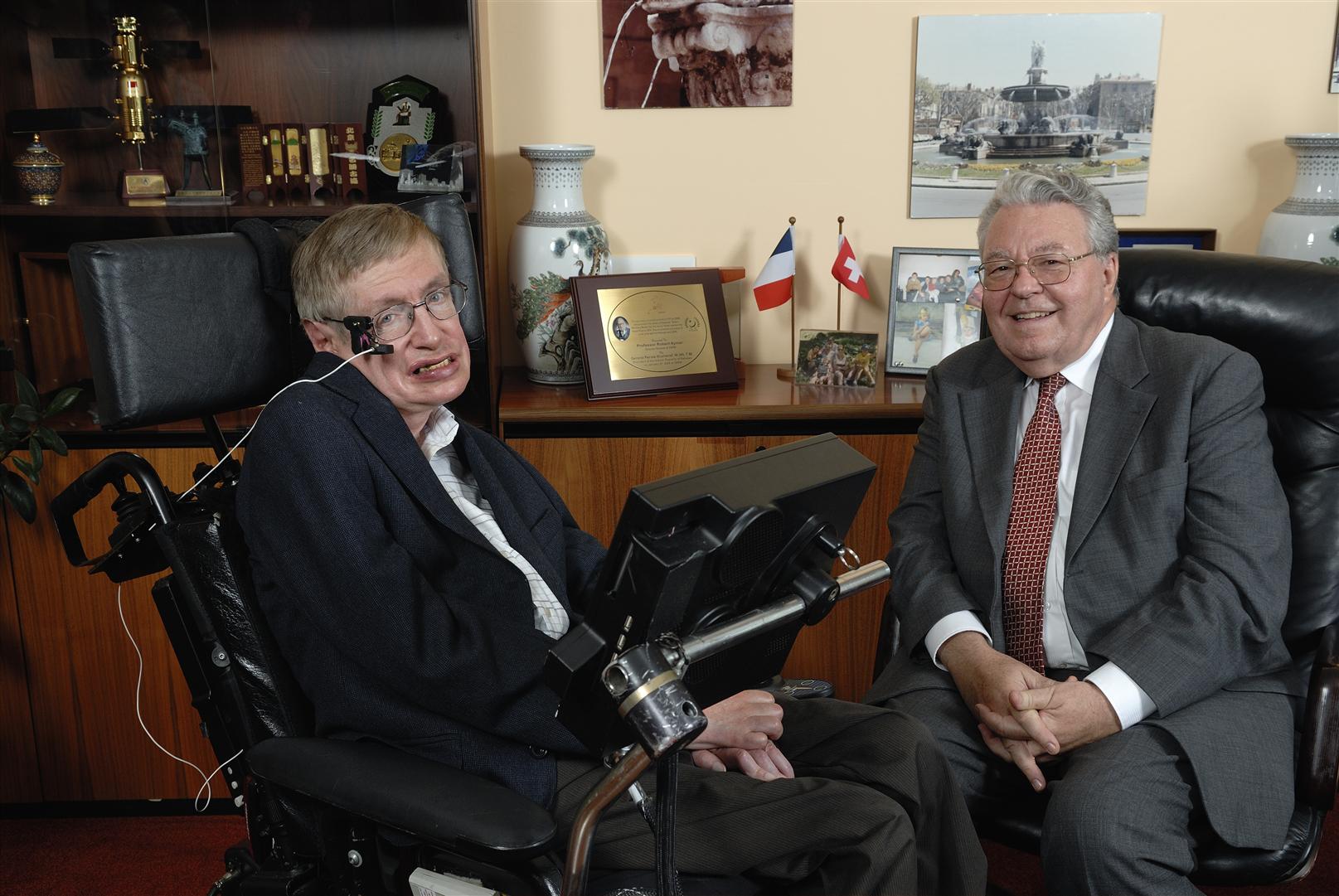
Stephen Hawking tours the future of particle physics at CERN
Geneva, 2 October 2006. Stephen Hawking, Lucasian Professor of Cambridge University and best-selling author of A Brief History of Time, has paid a week long visit to CERN1 in Geneva – the world’s largest centre for particle physics. Geneva, 2 October 2006. Stephen Hawking, Lucasian Professor of Cambridge University and best-selling author of A Brief