
Tag: Scientists
-
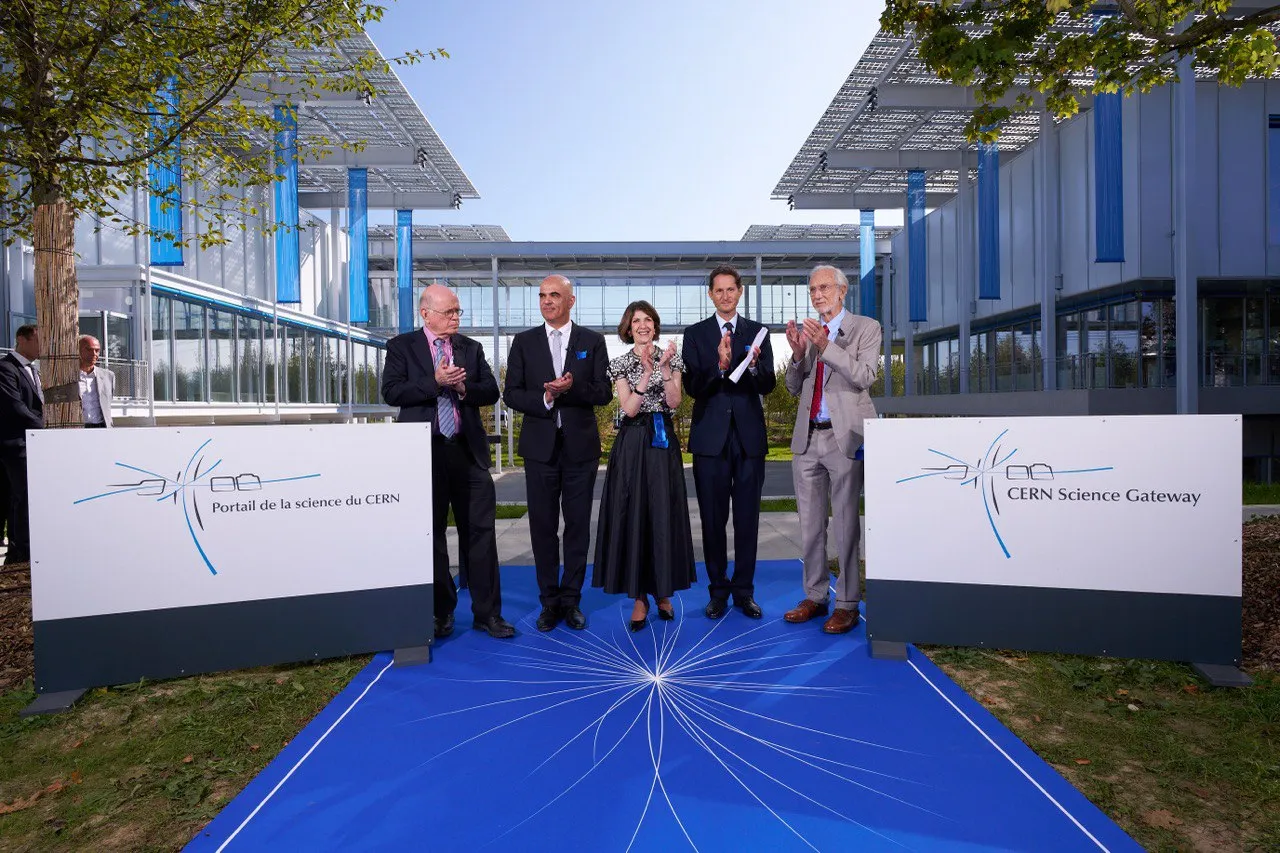
CERN inaugurates Science Gateway, its new outreach centre for science education
CERN has inaugurated its new emblematic centre for science education and outreach targeting a public of all ages. The building was designed by world-renowned architect Renzo Piano and funded by external donations.
-
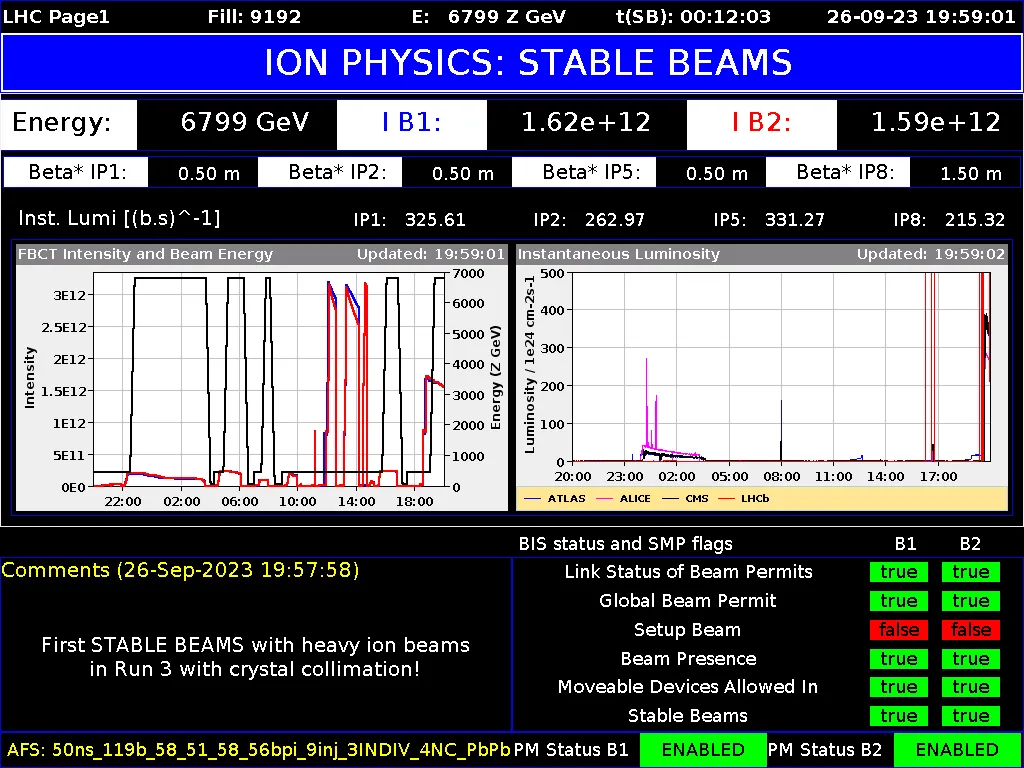
The LHC lead-ion collision run starts
For the coming 5 weeks the LHC experiments will be taking data for their heavy-ion physics programmes
-
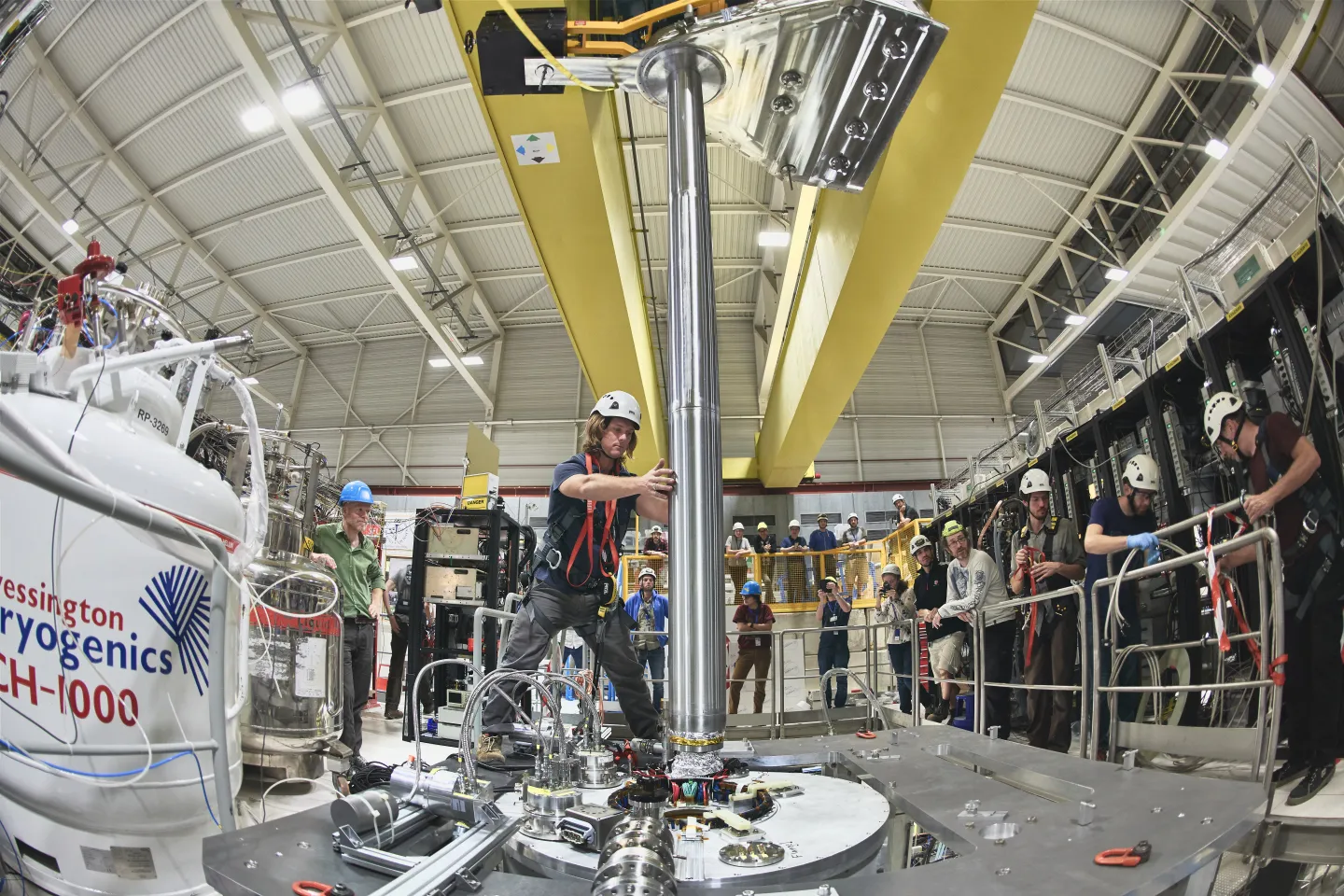
ALPHA experiment at CERN observes the influence of gravity on antimatter
The result is a milestone in the study of the properties and behaviour of antimatter
-
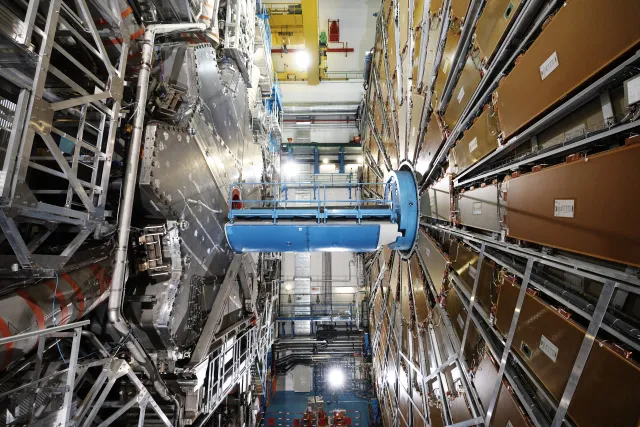
ATLAS measures strength of the strong force with record precision
The result showcases the power of the LHC to push the precision frontier and improve our understanding of nature
-
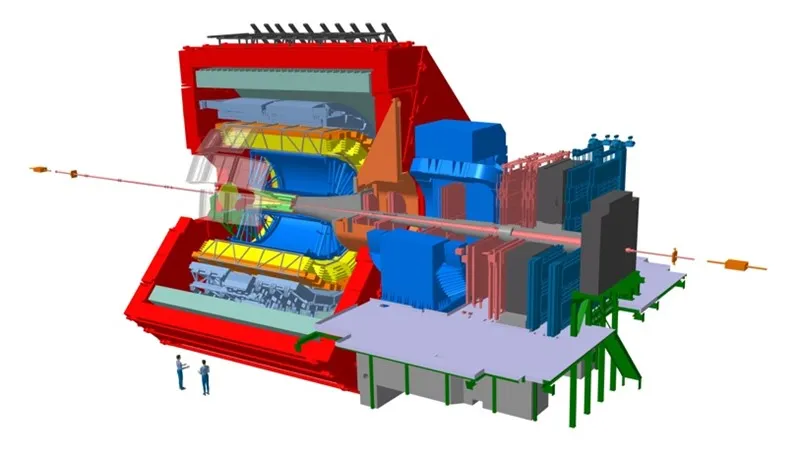
ALICE reports new charmonia measurements in LHC Run 3
The ALICE collaboration presents its first results based on data collected with the upgraded detector in 2022, the first year of Run 3 of the LHC, at the 2023 Quark Matter conference
-
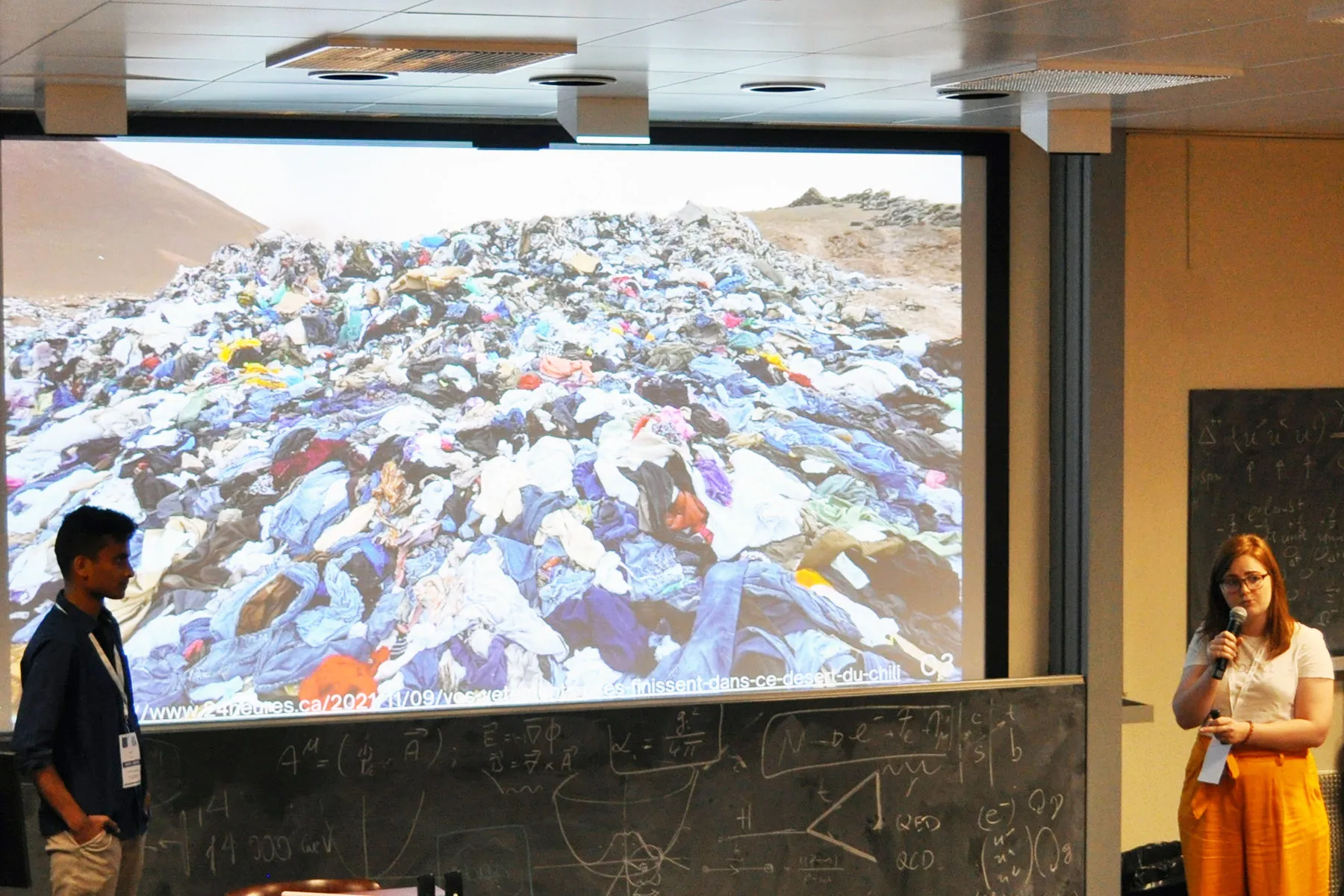
Accelerating circular fashion
What role could particle accelerators play in recycling textile waste?
-
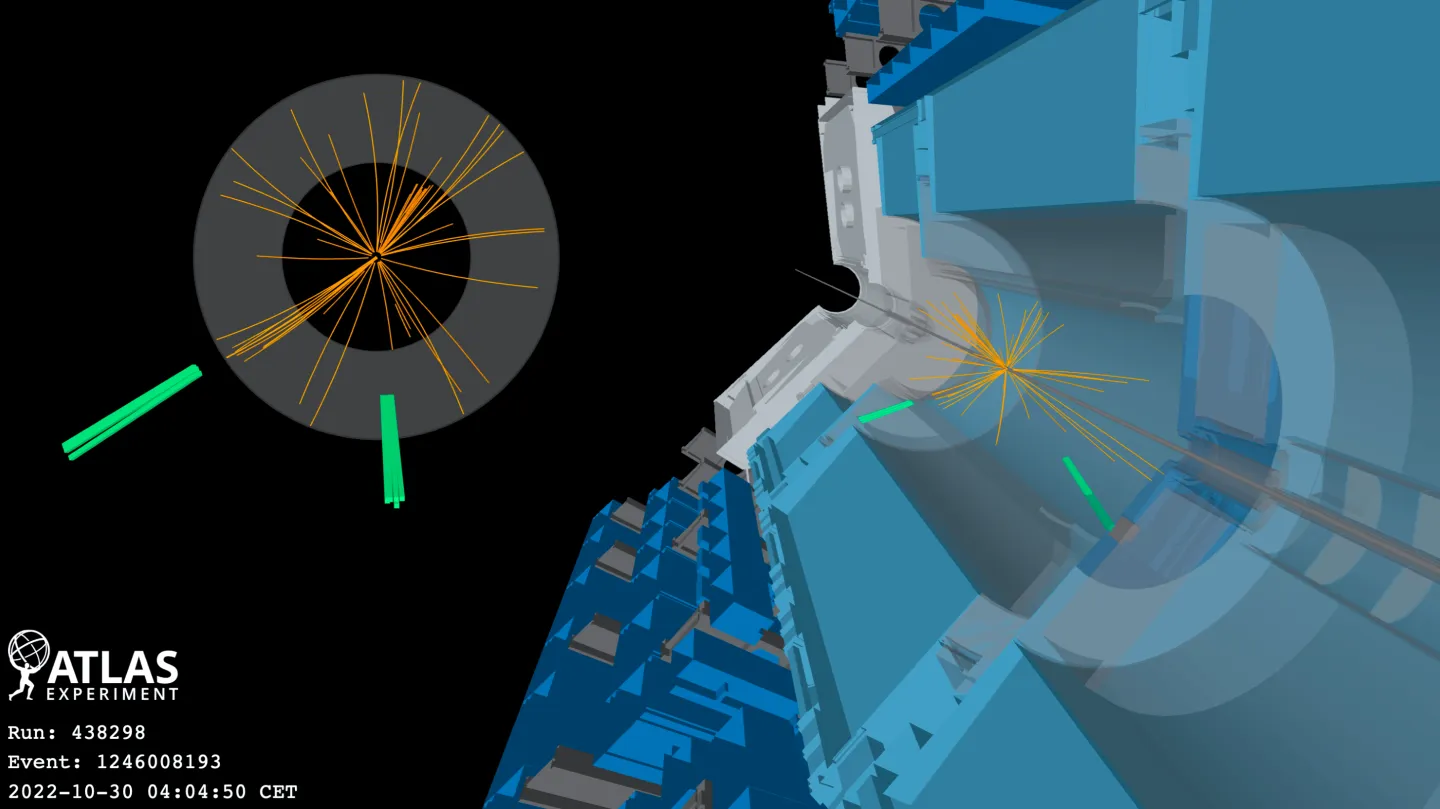
ATLAS sets record precision on Higgs boson’s mass
New result from the ATLAS experiment at CERN reaches the unprecedented precision of 0.09%
-
50 years of giant electroweak discoveries
On 19 July 1973, the Gargamelle bubble chamber at CERN revealed the existence of weak neutral currents and put the nascent Standard Model of particle physics on solid ground
-
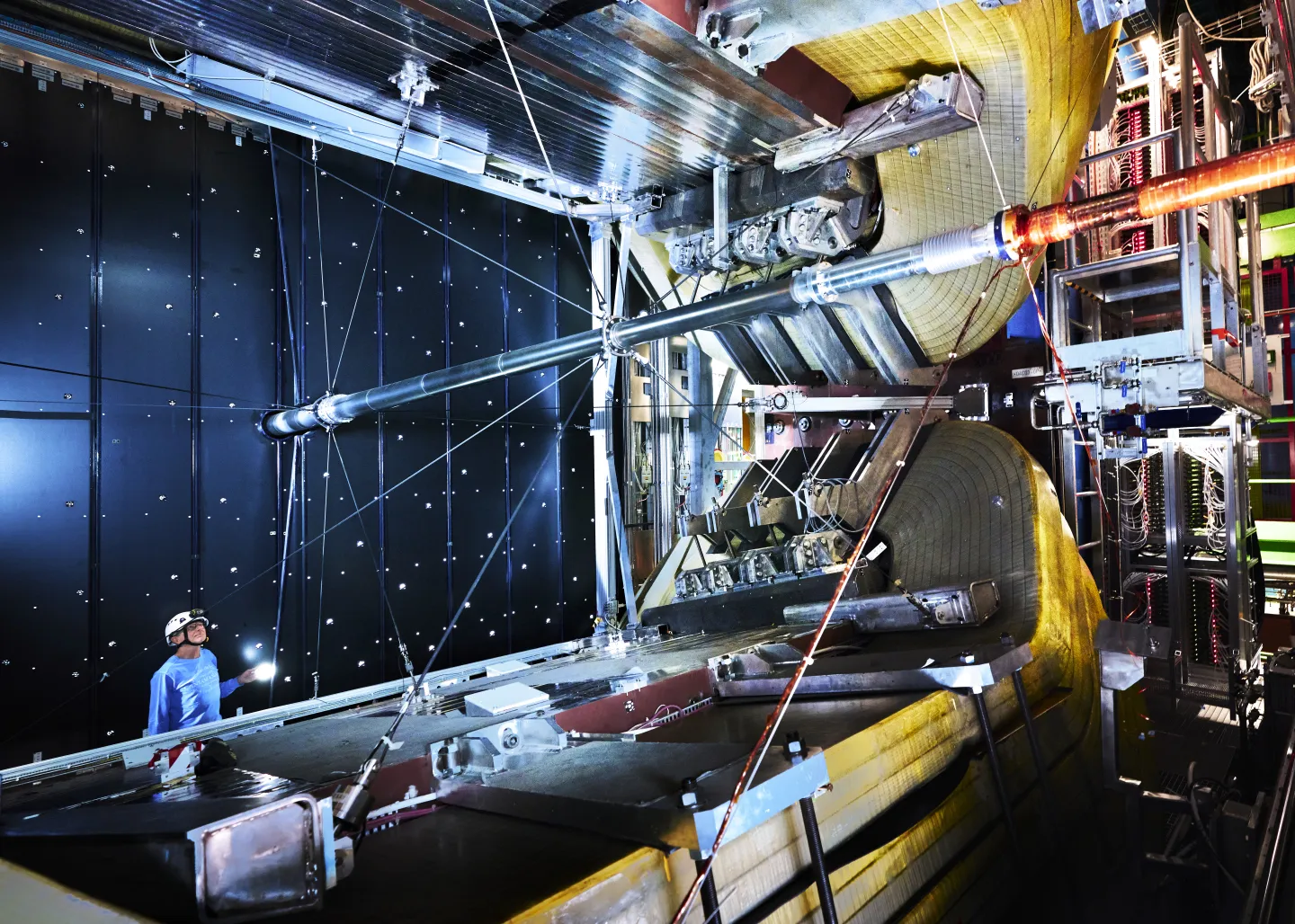
LHCb tightens precision on key measurements of matter–antimatter asymmetry
The LHCb collaboration’s new measurements of matter–antimatter asymmetry in decays of beauty particles are the most precise yet of their kind