
Tag: Scientists
-
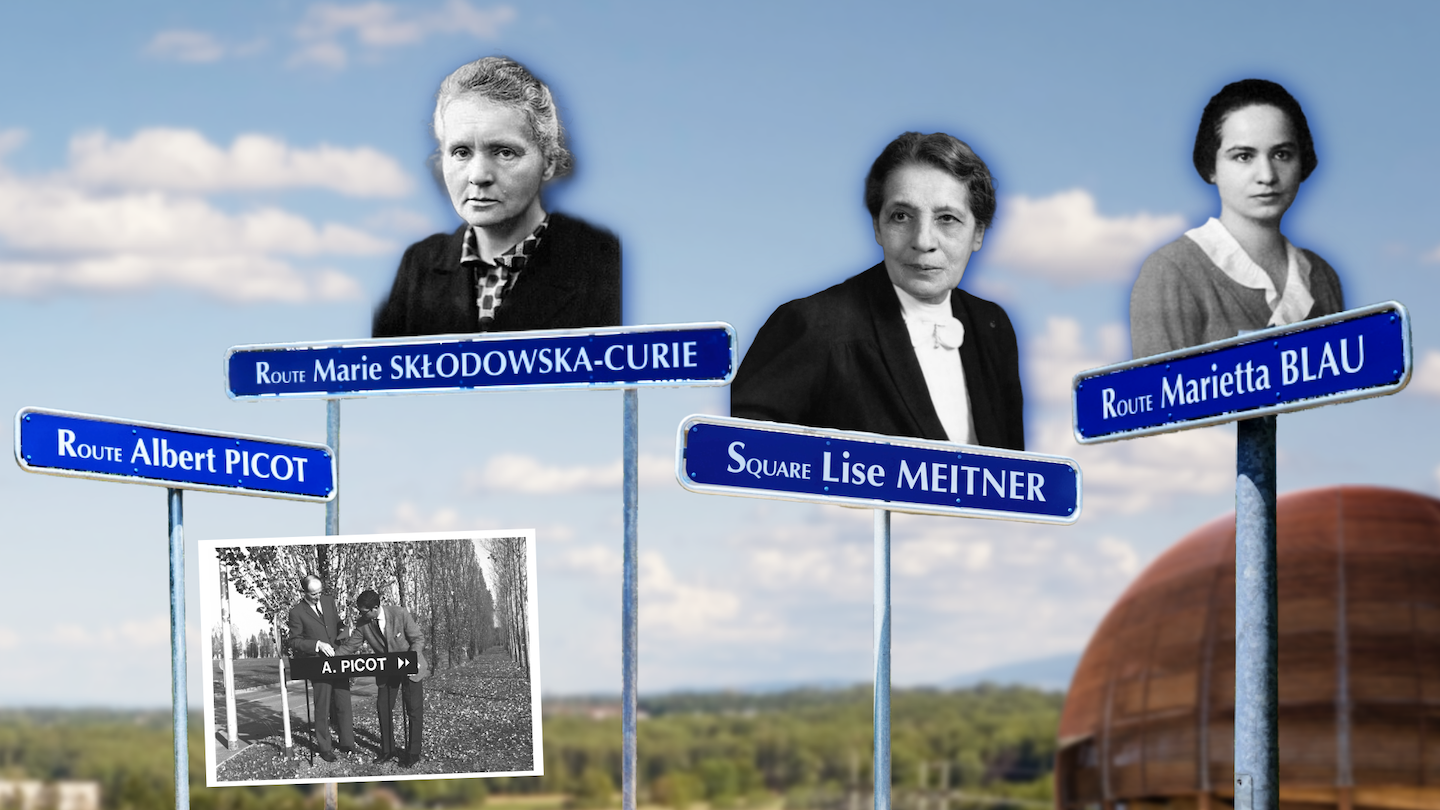
New street names at CERN honour distinguished figures
Streets at CERN have carried names since the mid-1960s. While many have been named after renowned figures – historically, mainly men – in science and related fields, others have retained more generic names such as Route des Physiciens and Route des Services. To better reflect the diversity of the people who have contributed to CERN
-
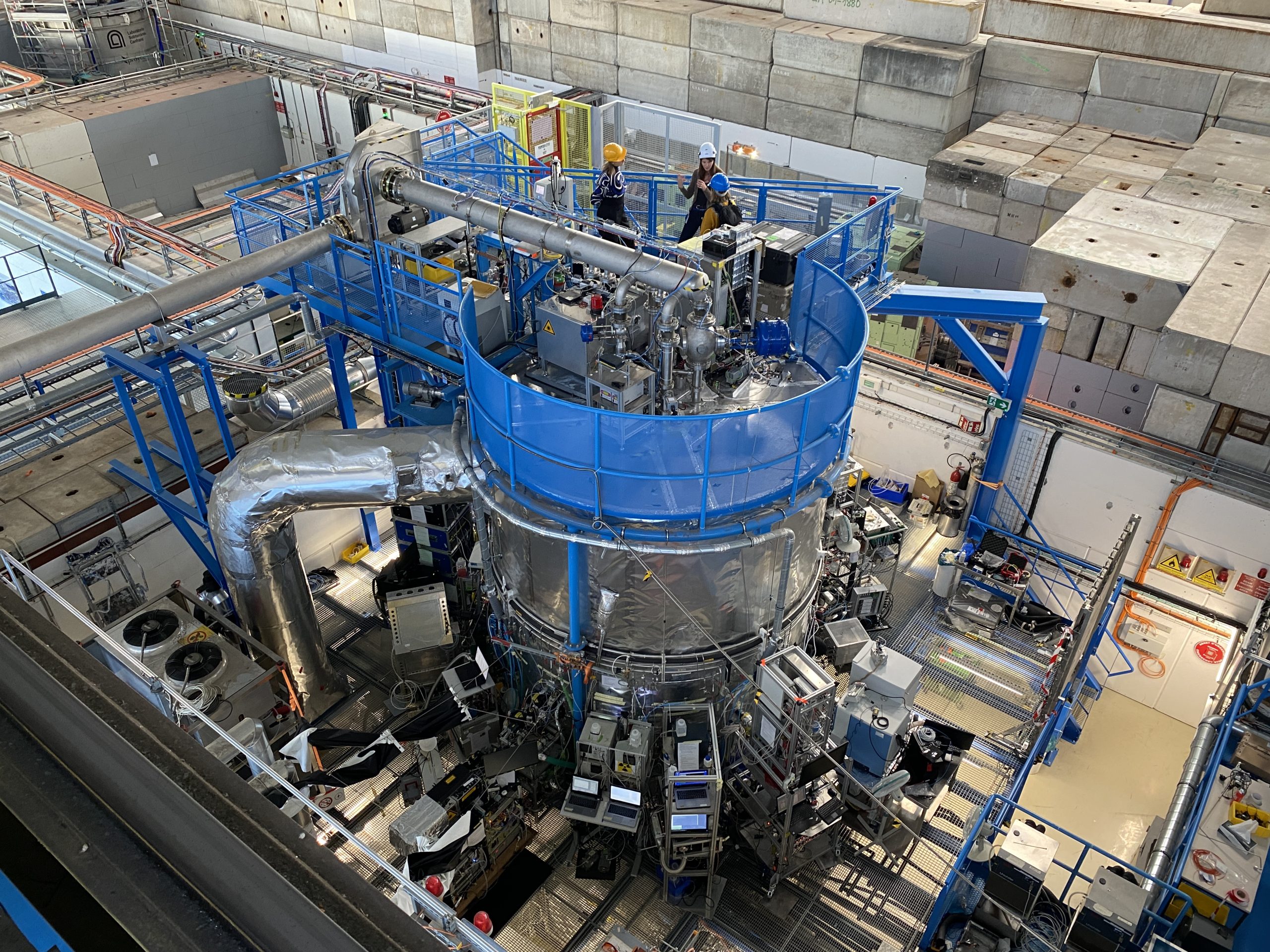
CLOUD experiment uncovers a major new source of marine aerosol particles
In a paper published today in the journal Nature, the CLOUD Collaboration at CERN reports that natural emissions from phytoplankton are producing far more aerosol particles than previously thought, changing our understanding of aerosols and clouds in pristine climates from before the industrial era and after the fossil fuel era. Cloud droplets form on aerosol
-
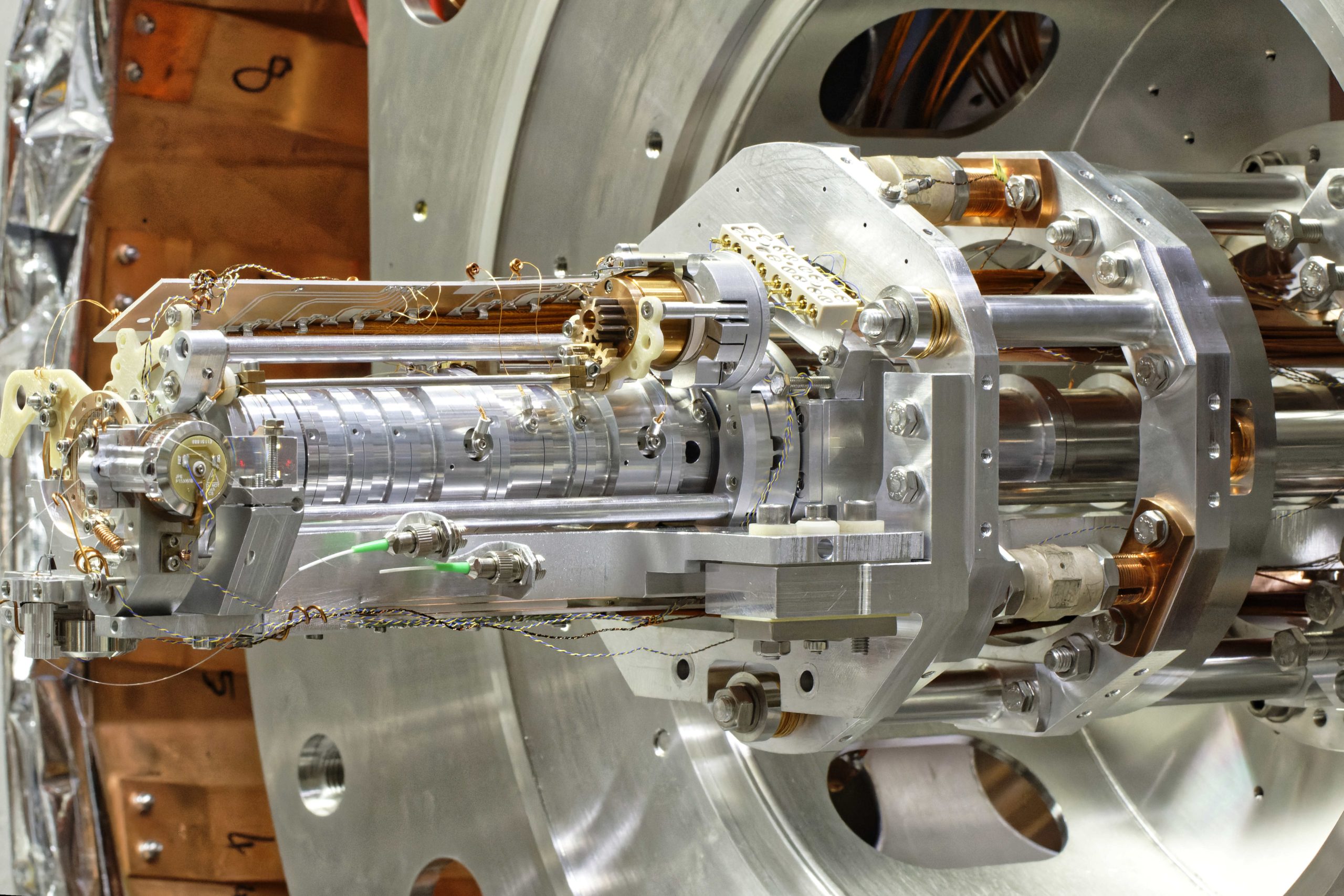
Getting under the skin of atomic nuclei using antimatter
Researchers at the AEgIS experiment have piloted a new method to delve into the heart of atoms. This proof-of-principle study, recently reported in Physical Review Research, shows how antiprotons – the antimatter counterparts of protons – could be used to probe the outer edges of a wider range of atomic nuclei. And with CERN’s recent
-
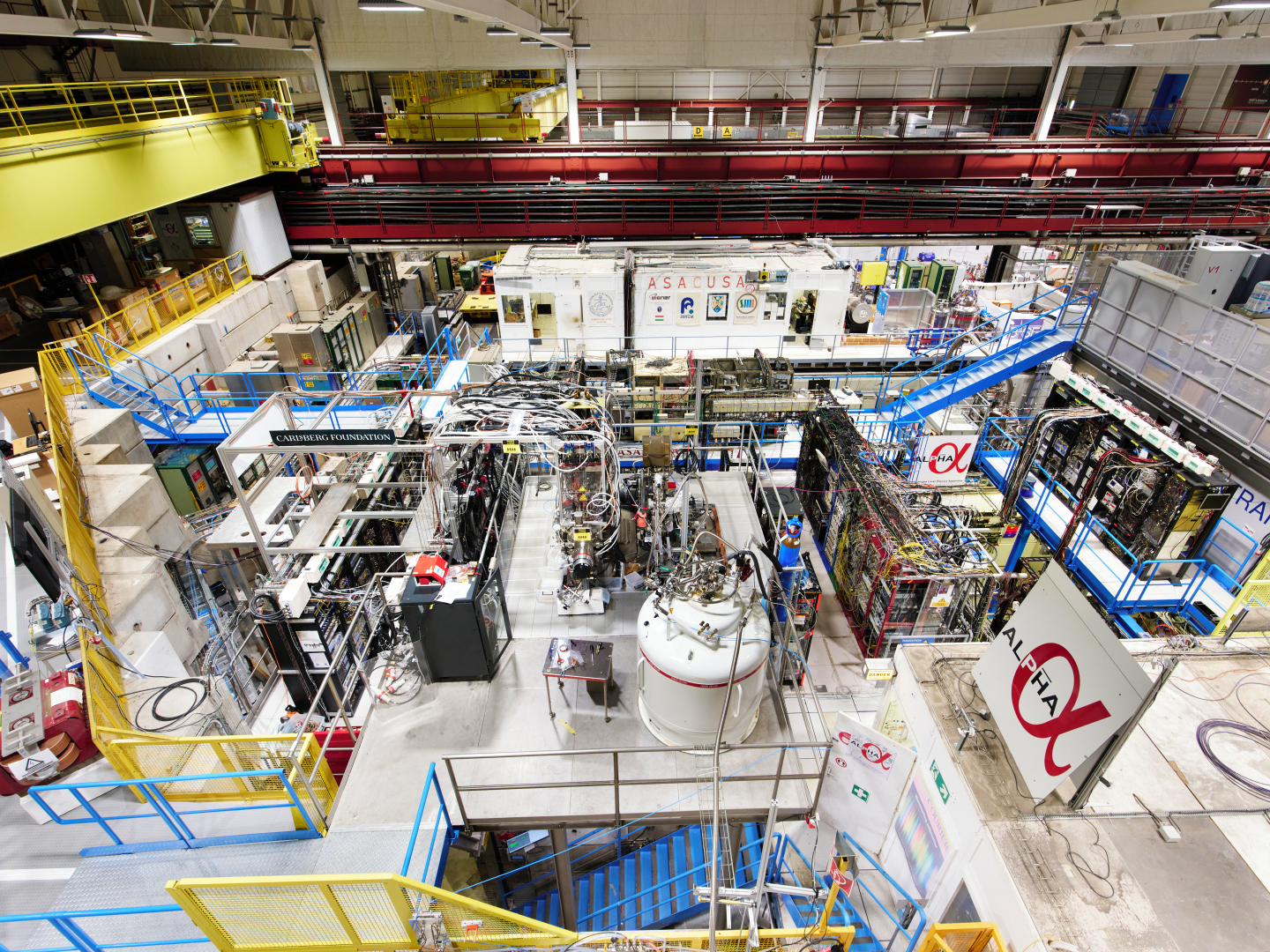
ALPHA measures tiny energy gap in antimatter with improved precision
Researchers at the ALPHA experiment have achieved a hundredfold improvement in their measurement of a feature of the antimatter counterpart of the hydrogen atom. The result, published today in Nature, allows a precise comparison of hydrogen and antihydrogen. In this study, the ALPHA Collaboration measured the ground-state hyperfine splitting of the antihydrogen atom, which comprises
-
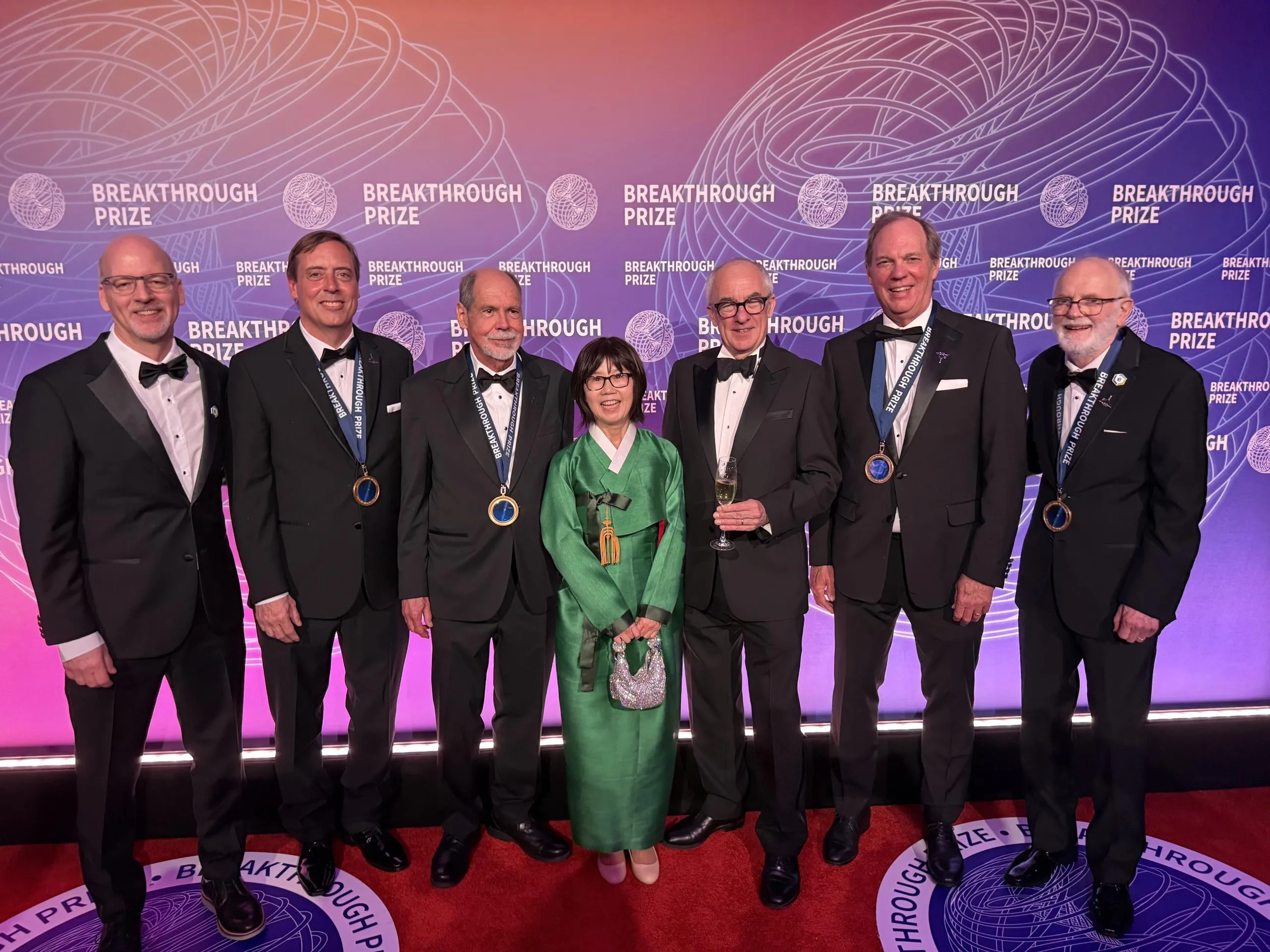
Muon g-2 Experiment Pioneers Win Breakthrough Prize in Fundamental Physics
Recognition honors experiments and scientific collaborations at three institutions that explored the subtle wobble of a subatomic particle
-
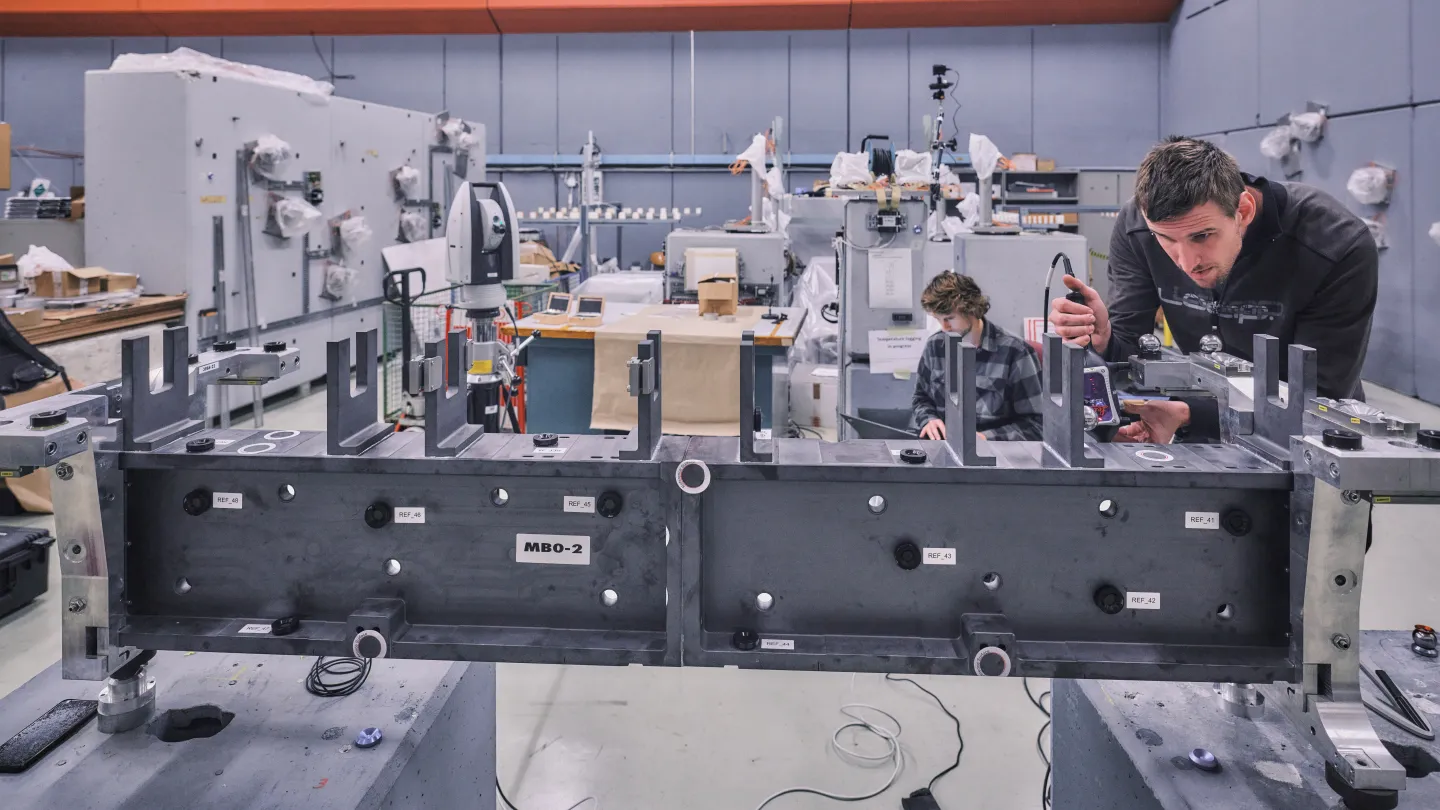
European labs get aligned at CERN
Eleven laboratories have all come to CERN to measure a girder, using their state-of-the-art equipment to establish a common definition of alignment uncertainty
-
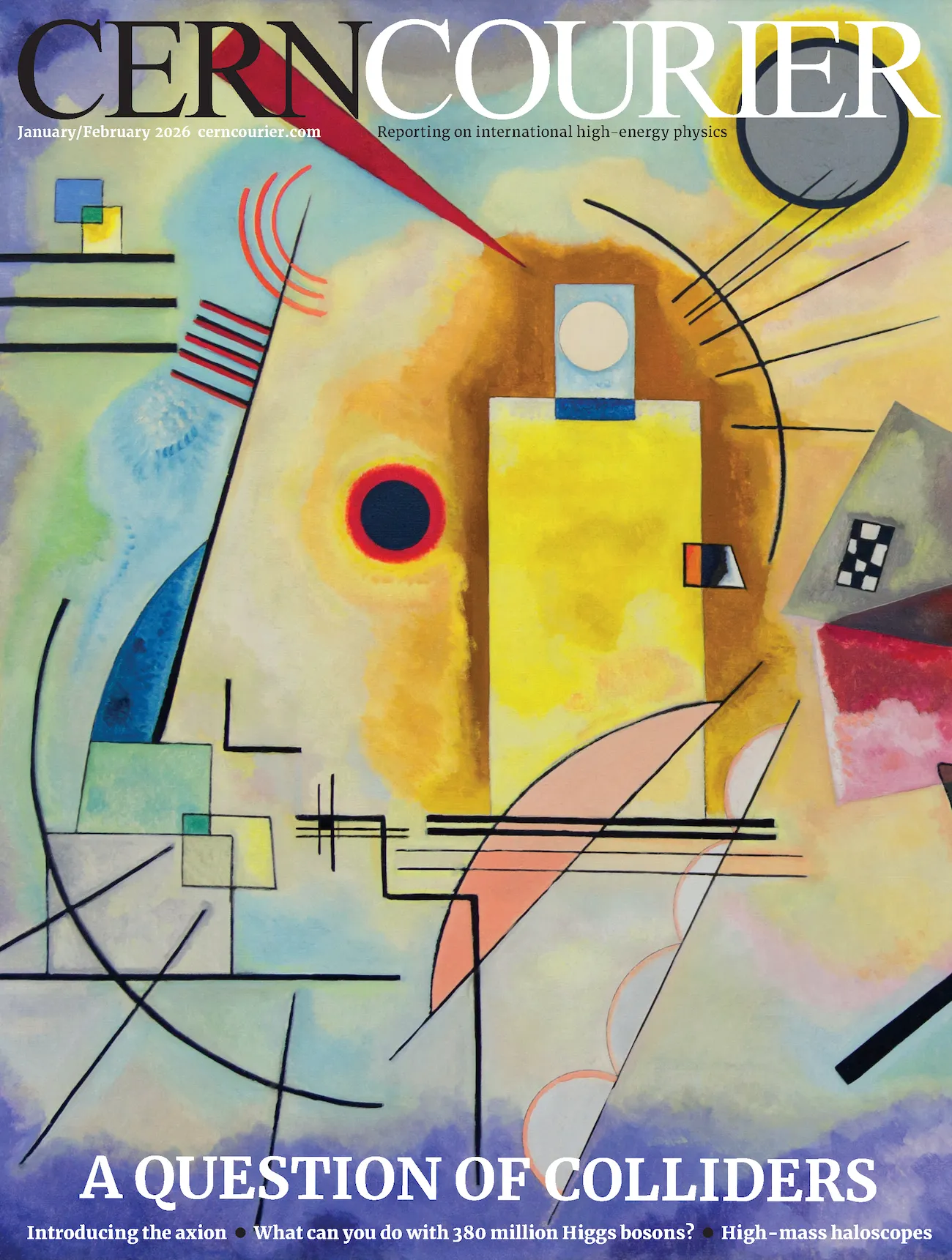
The January/February 2026 issue of the CERN Courier is out
Physicists can be allies, wrote Wassily Kandinsky, “who test matter again and again, who tremble before no problem, and who finally cast doubt on that very matter which was yesterday the foundation of everything, so that the whole universe is shaken.” This edition of CERN Courier offers two examples of physics to shake the universe.
-
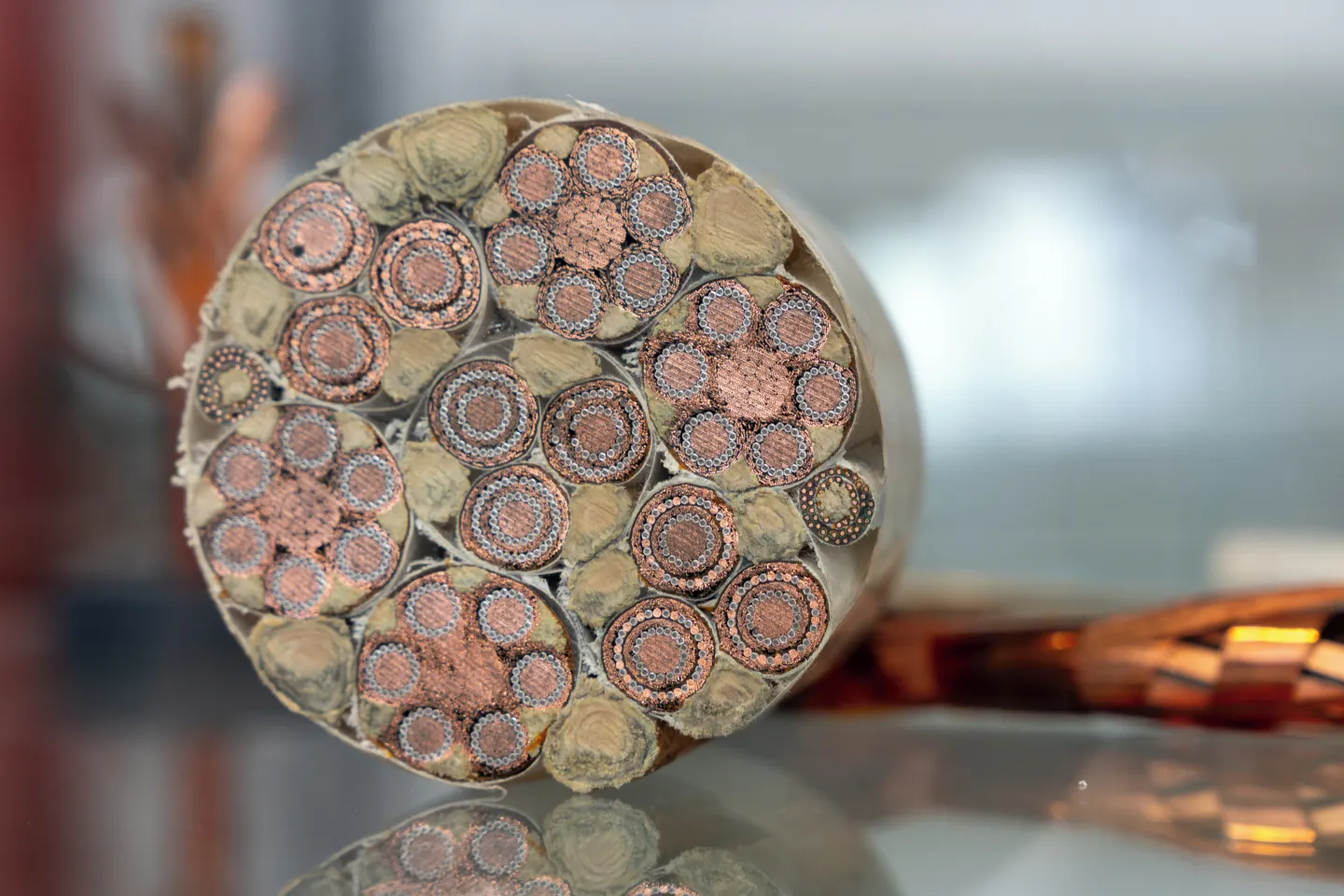
Superconductors, an opportunity for science and society
At the ‘Catalysing impact – Superconductivity for Global Challenges’ event, stakeholders from the fields of research, industry, politics and finance discussed collaboration on superconducting technologies for the benefit of science and society
-
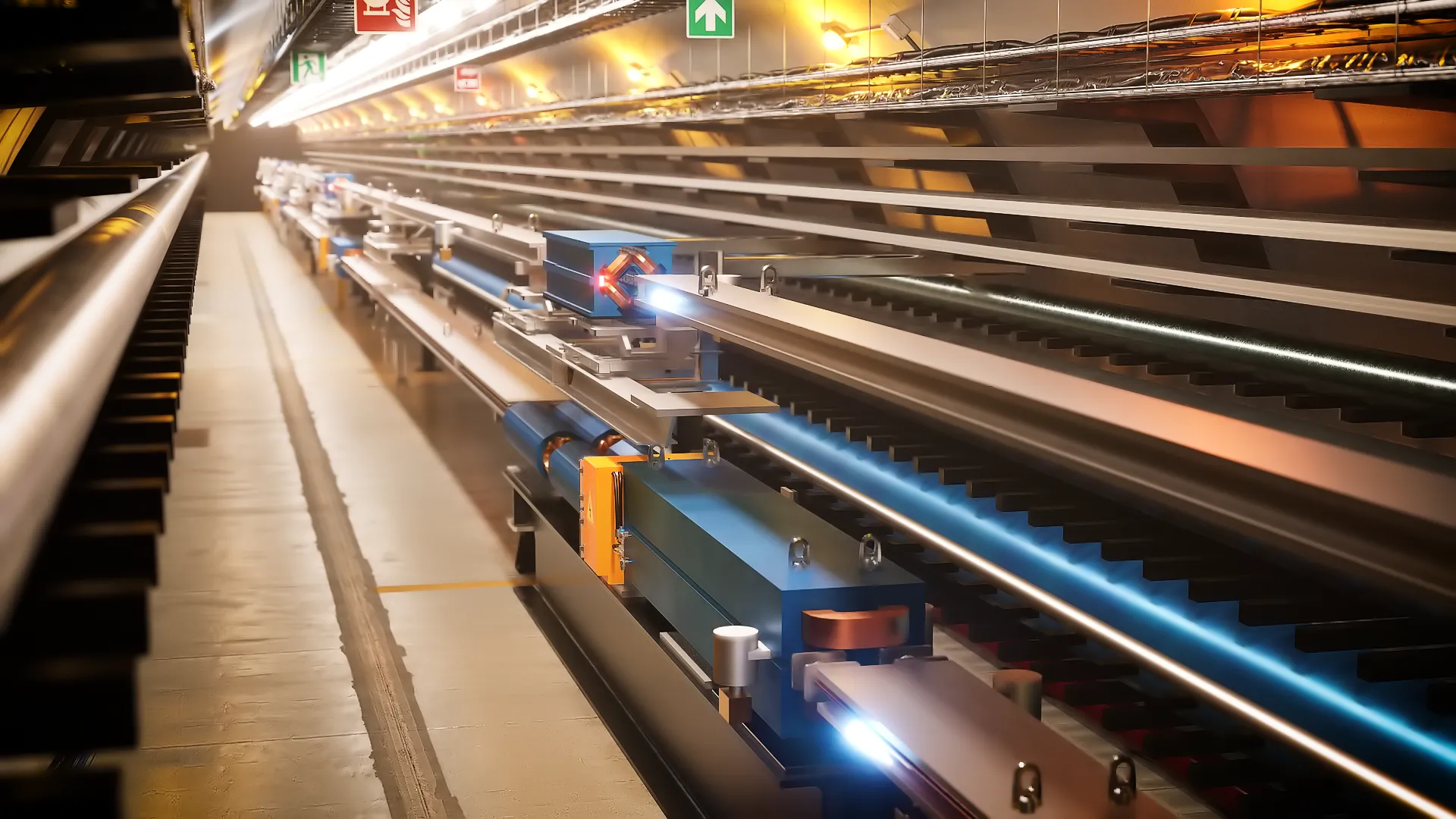
The European Strategy for Particle Physics reaches an important milestone
At its 225th session, the CERN Council received the recommendations for the update of the European Strategy for Particle Physics
-
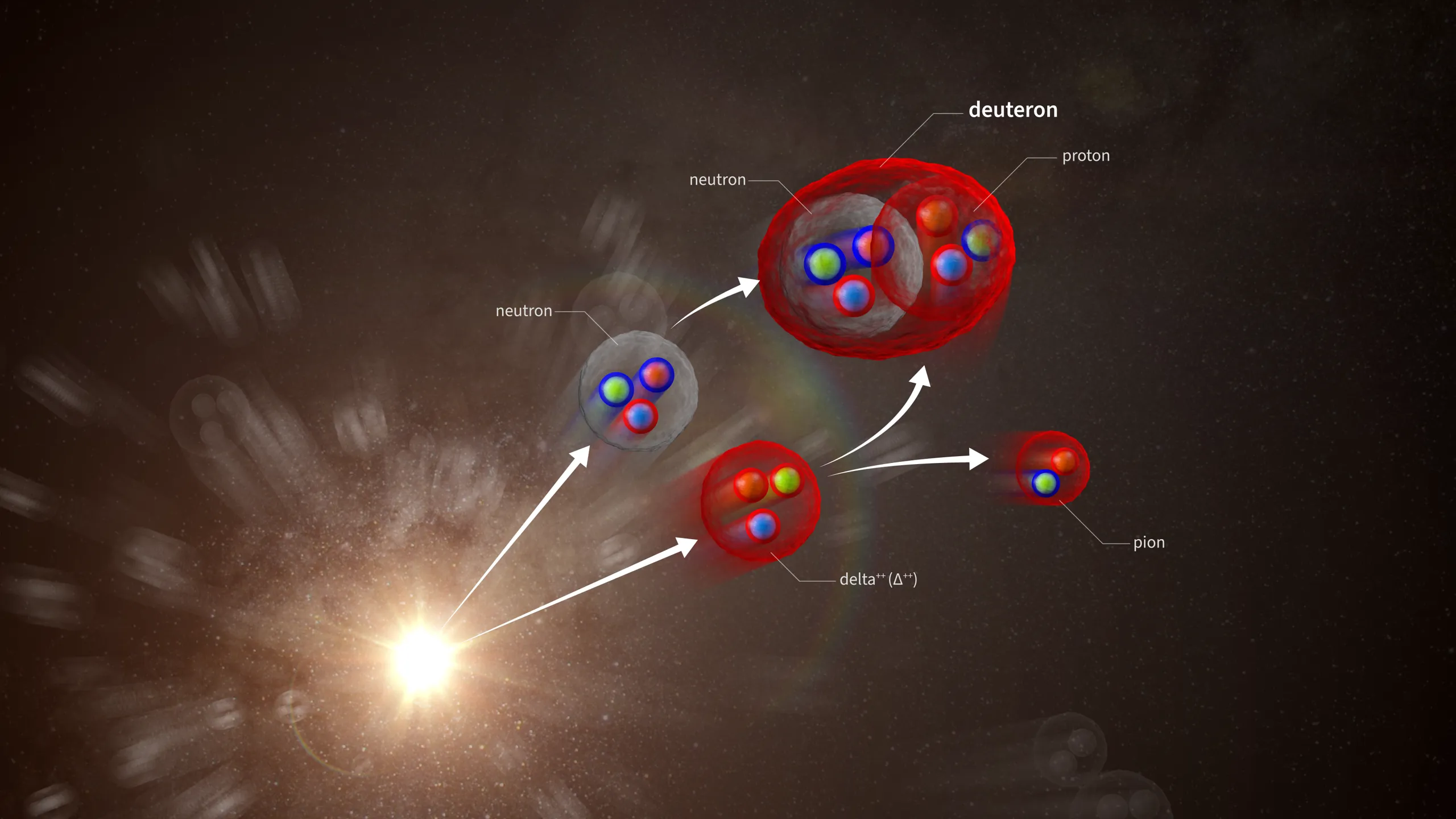
ALICE solves mystery of light-nuclei survival
Observations of the formation of light nuclei from high-energy collisions may help in the hunt for dark matter