
Tag: CERN and the environment
-

“La nuit est belle!” 2026
Starting on the evening of Friday, 9 October, CERN will participate in the sixth edition of “La nuit est belle !”. Thanks to this initiative, turning off or dimming street lighting in the middle of the night has become common practice across the Geneva canton. For this edition, “La nuit est belle !” invites the public
-
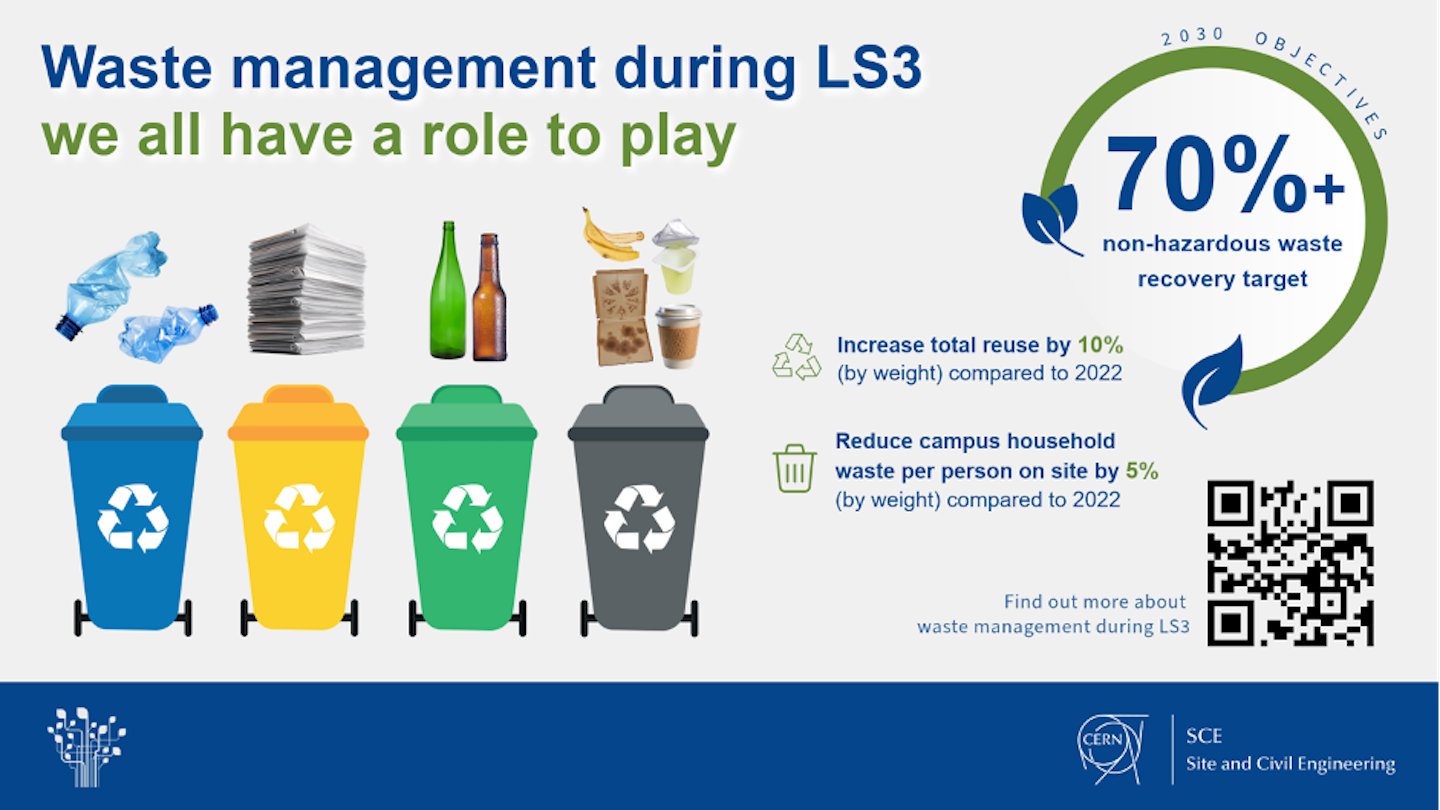
Waste management during LS3: we all have a role to play
Long Shutdown periods generate large volumes of waste across CERN sites. During Long Shutdown 3 (LS3), maintaining good waste management practices is particularly important to ensure safety and minimise environmental impacts and costs. As part of its environmental and sustainable development strategy, CERN has set environmental objectives for 2030, including specific targets related to waste
-
Efficiency meets environmental responsibility: commissioning CERN’s primary CO₂ cooling circuit
The ATLAS and CMS detectors require ultra-low, stable temperatures to protect their sensitive electronics. Traditional cooling systems rely on synthetic refrigerants like hydrofluorocarbons (HFCs), which, while effective, have a global warming potential thousands of times greater than CO₂. Seeking a sustainable alternative, CERN has turned to CO₂ itself – a natural refrigerant with a far
-
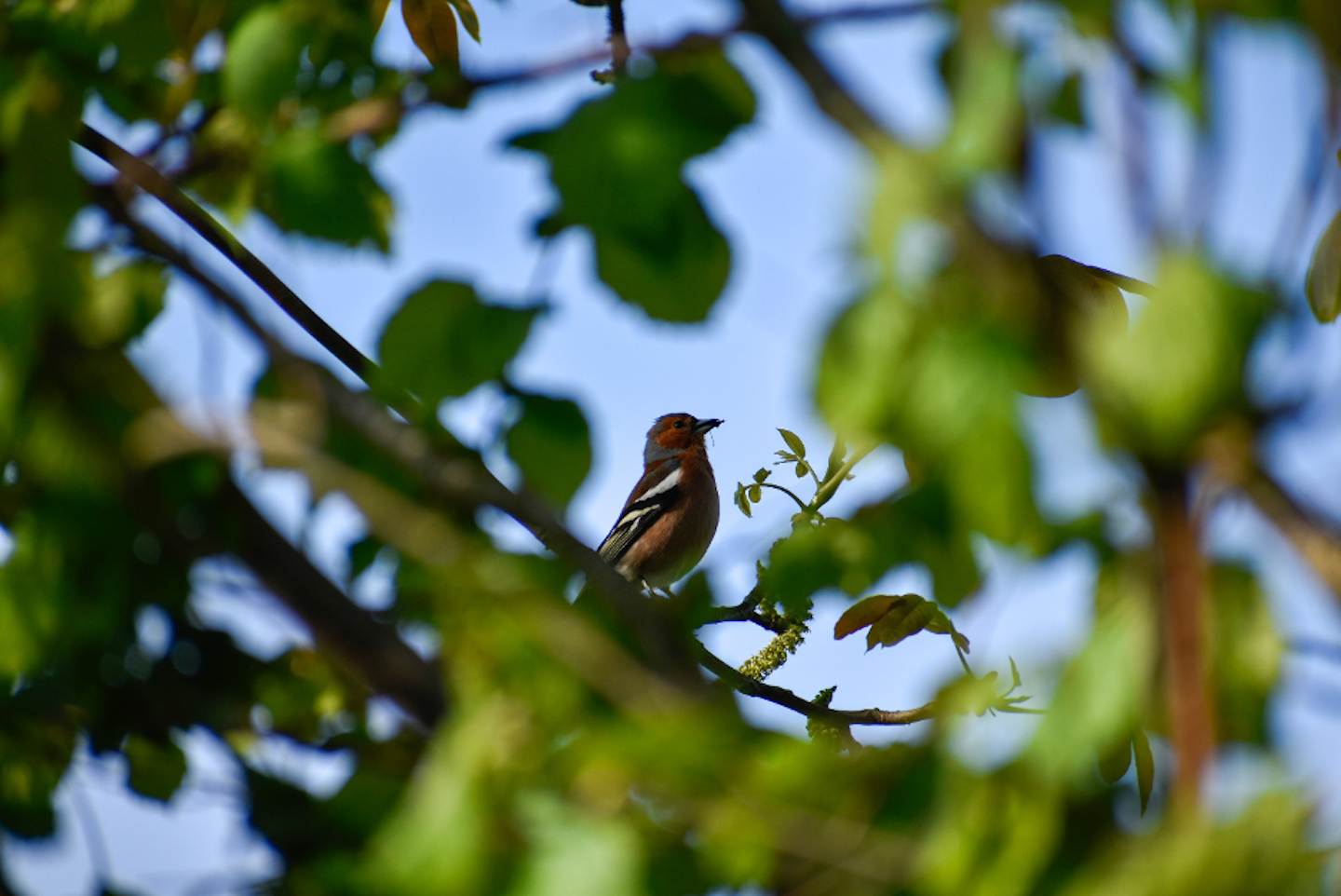
CERN: a haven for birds
CERN is not just a hub for groundbreaking research, it’s also a thriving sanctuary for biodiversity. Spanning 625 hectares, with 415 hectares of non-built environments, CERN’s sites host a remarkable variety of habitats, from forests and meadows to wetlands. These spaces provide a home to over 70 bird species, including the swift, woodpigeon, golden oriole,
-
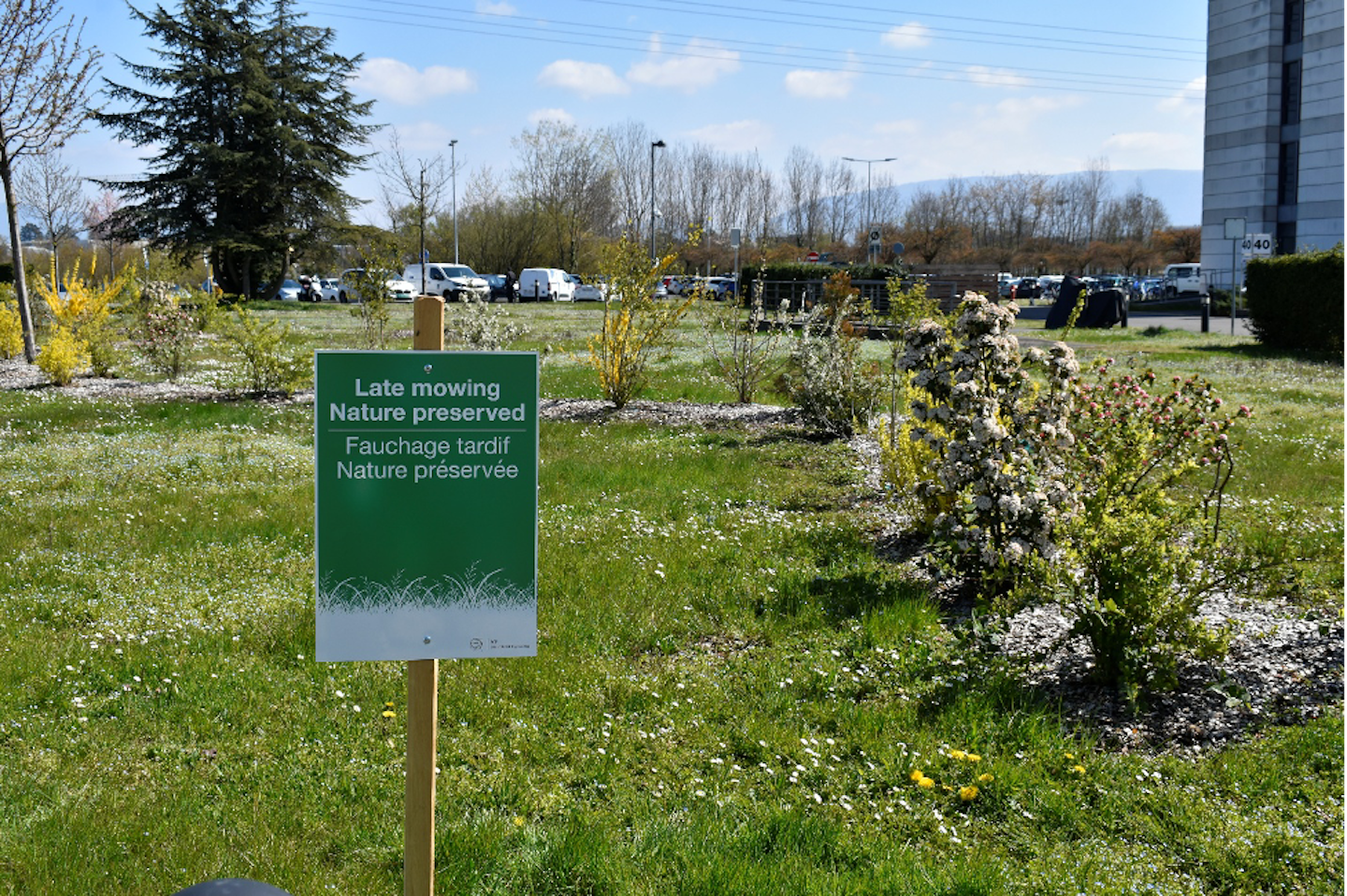
Explore CERN’s biodiversity: new orchid and late-mowing panels installed
CERN’s commitment to biodiversity is now more visible than ever! Nineteen new information panels have been installed around the Meyrin site, offering everyone the chance to learn about the different orchid species that call CERN home. Five of these panels focus on the importance of late mowing, a practice that allows flora to complete its
-
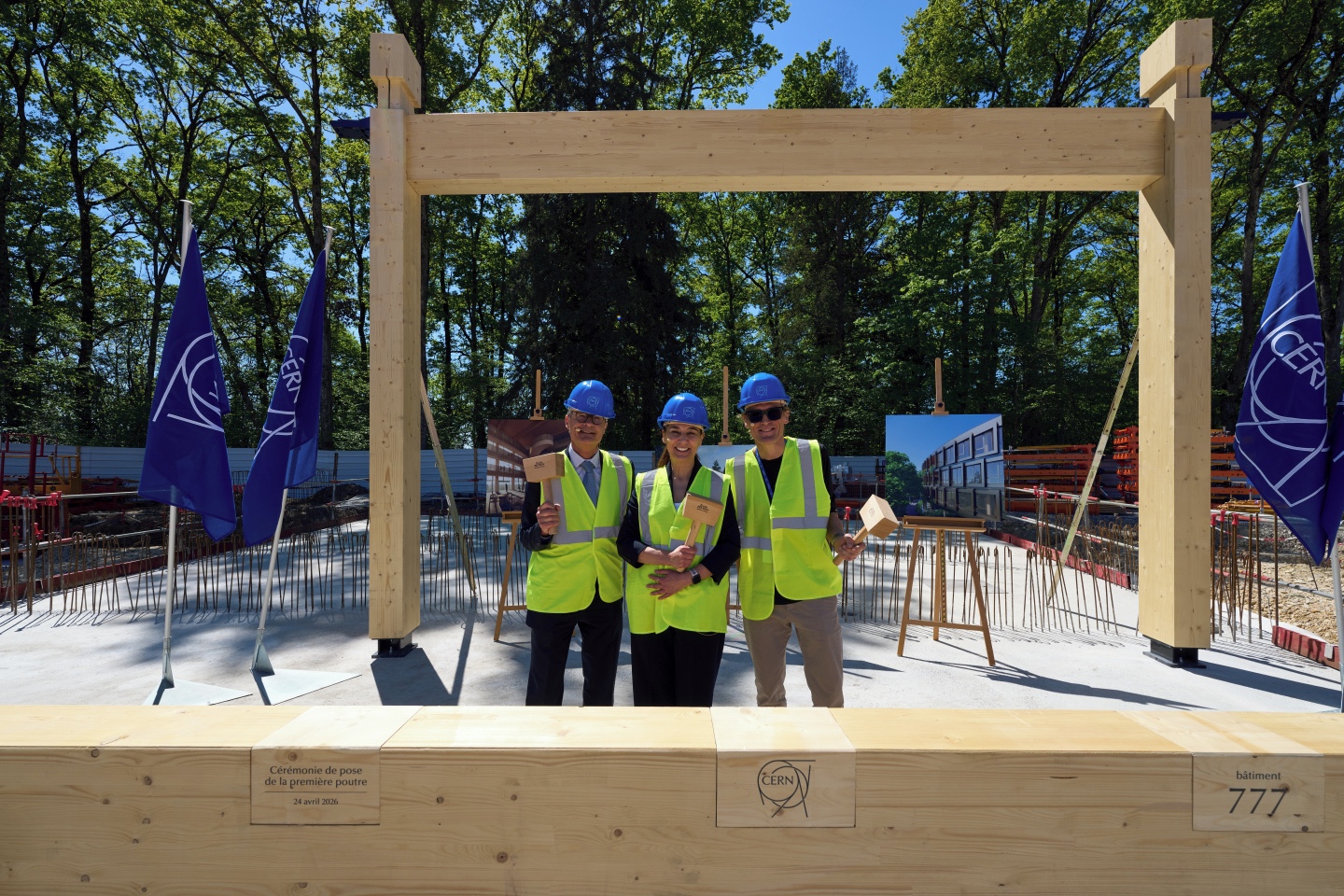
First timber beam installed for CERN’s new Building 777
On Friday, 14 April 2026, CERN celebrated an important milestone in the construction of the future Building 777 on the Prévessin site: instead of laying the traditional foundation stone, the project started with the installation of its very first timber beam (or “la première poutre”), a reflection of the building’s sustainable design. Mar Capeáns, CERN’s
-

CERN’s ISO 50001 certification has been renewed
Following extensive audits by the French national organisation for standardisation (AFNOR) at the end of 2025, CERN’s ISO 50001 certification has been renewed for another three years, until 1 February 2029. This certification, first awarded in February 2023, recognises CERN’s robust systems and processes for monitoring, improving and optimising energy performance, all in alignment with
-
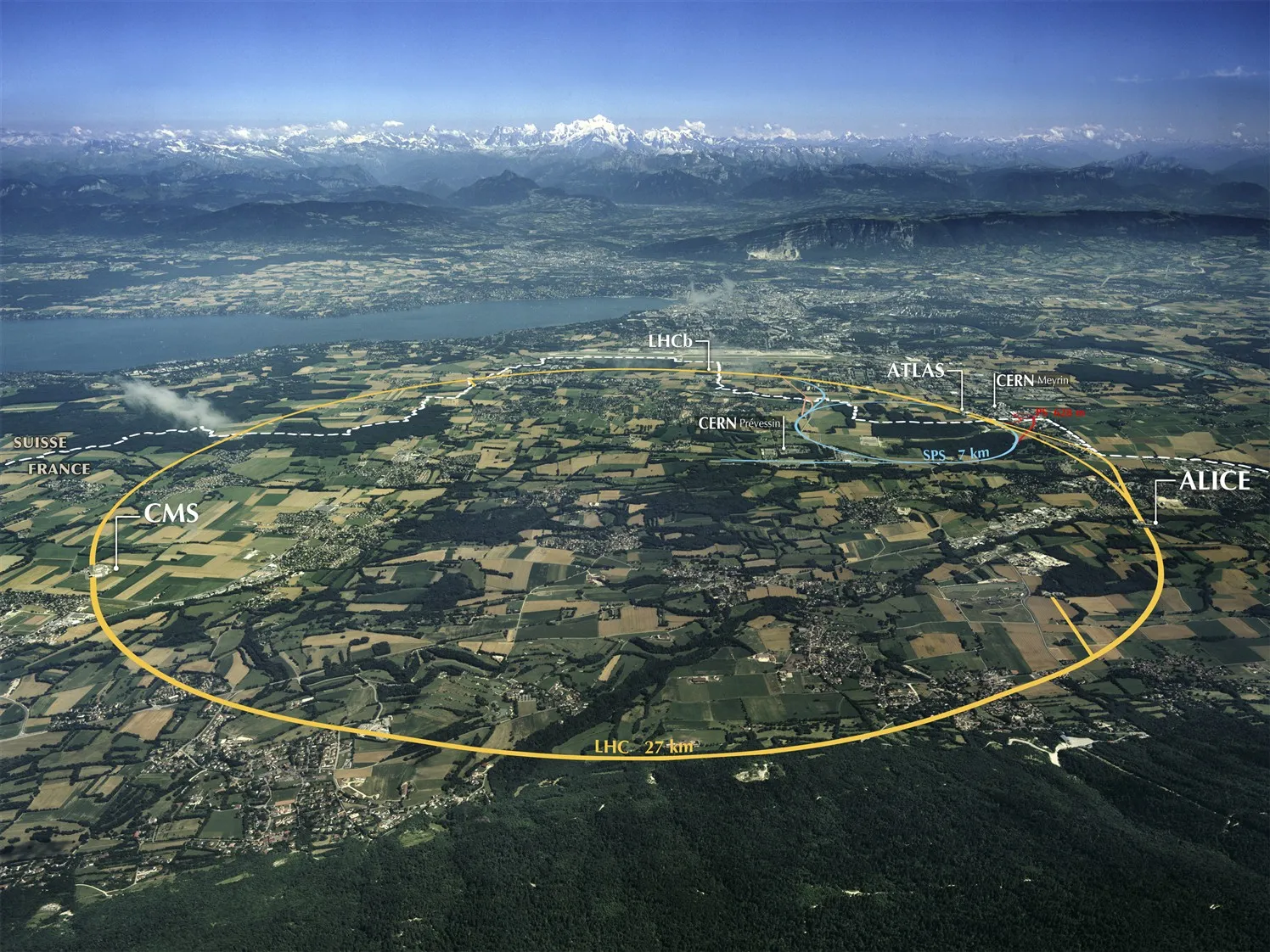
Heating homes with the world’s largest particle accelerator
Now operational, a new heat exchange system is reusing hot water from part of the Large Hadron Collider’s cooling system to heat homes and businesses in the local area