
Author: Davide De Biasio
-
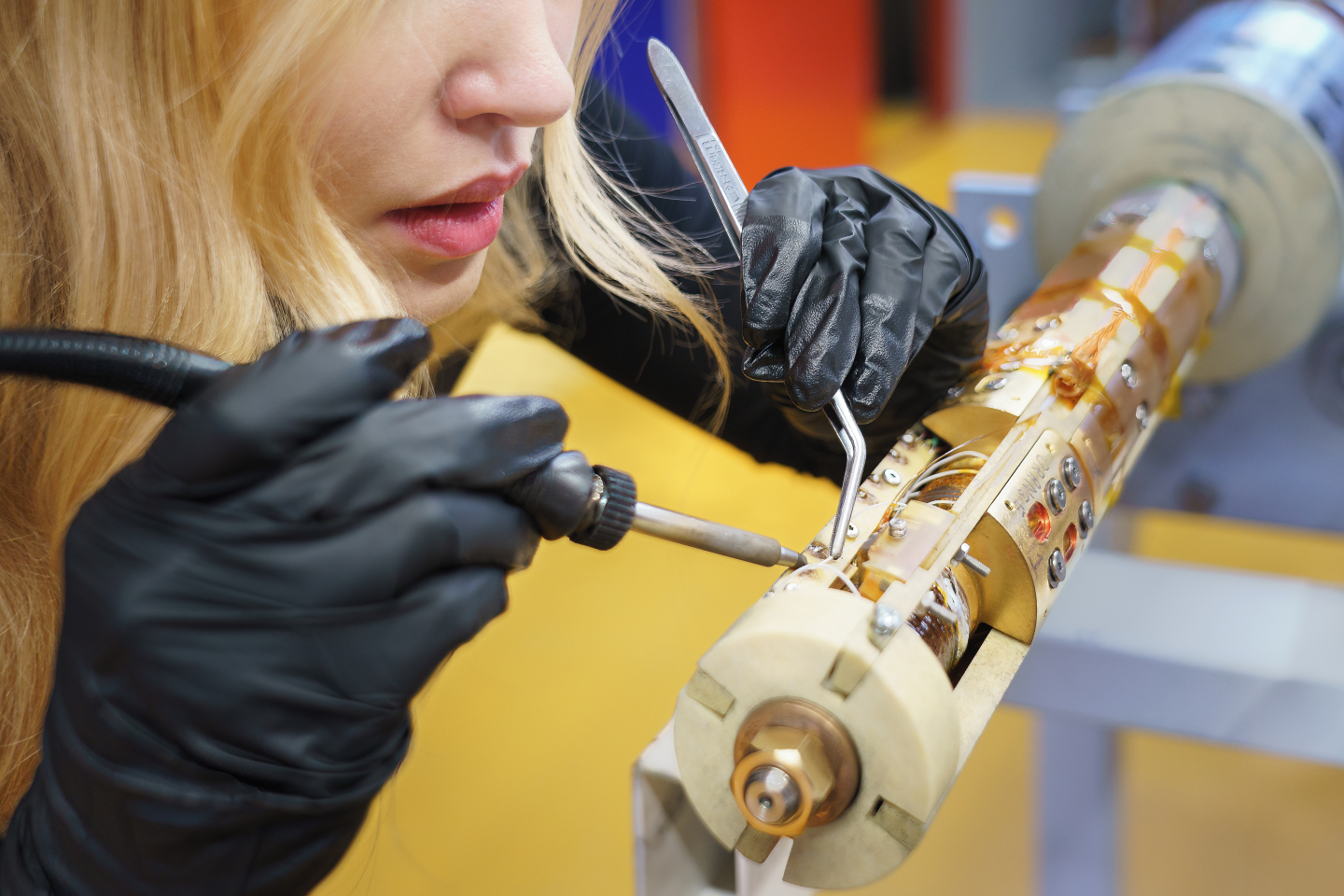
Predicting the socio-economic impact of the High-Luminosity LHC
In 1931, Paul Dirac predicted a particle with the same mass as the electron and the opposite charge. This particle, the “positron”, was observed the following year, in a cloud-chamber photograph taken by Carl Anderson. Of course, neither envisaged any medical applications of the discovery. But, today, PET scanners identify tumours by capturing the gamma
-
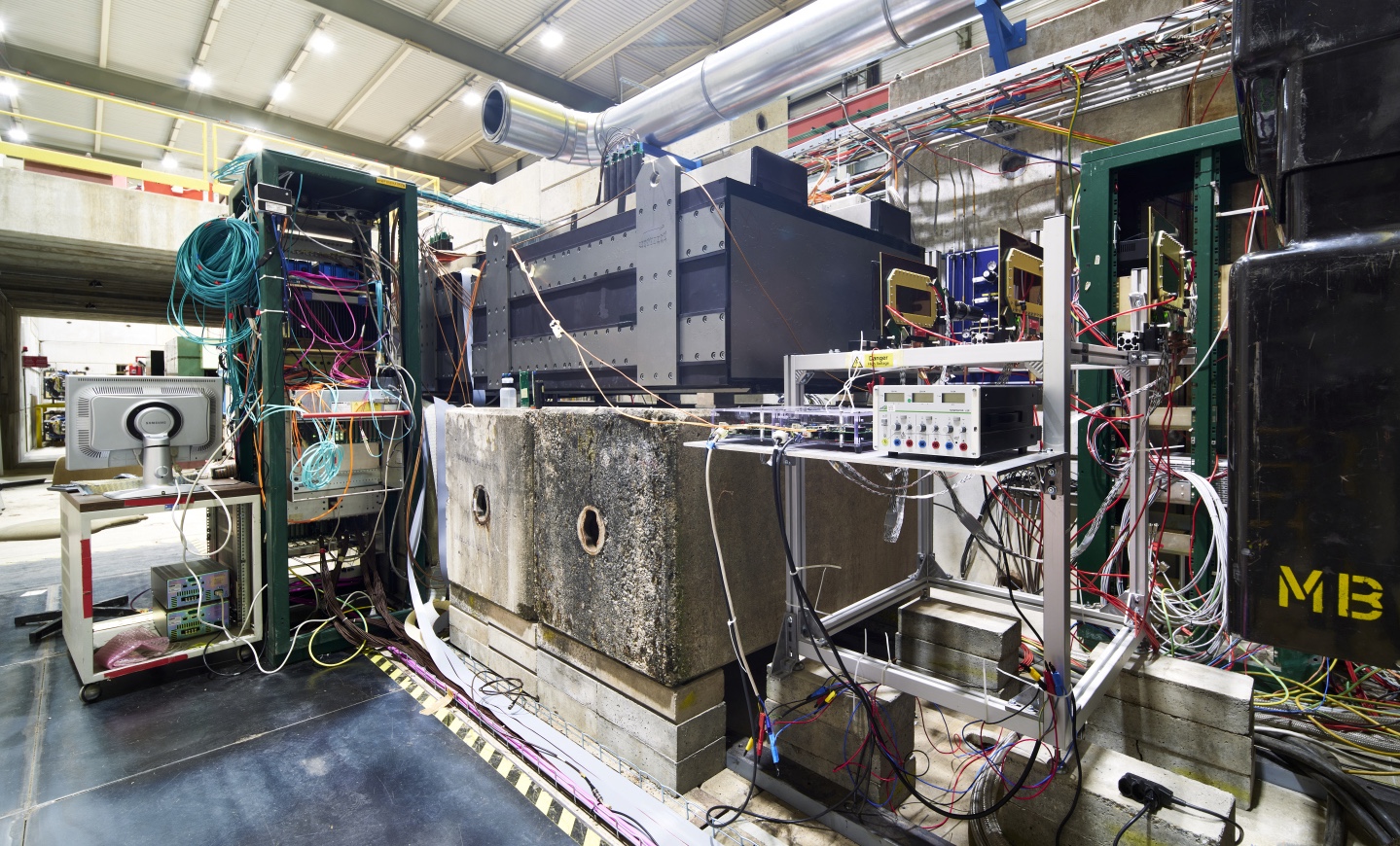
NA64, a decade of hunting dark matter
In particle physics, energy is never lost. When particles collide or decay, all the initial energy they carry must be conserved in the resulting products, and a shortfall signals that something has escaped unseen. It was the energy missing from radioactive decays that led Wolfgang Pauli to propose the neutrino in 1930, a particle so elusive that it evaded detection for
-
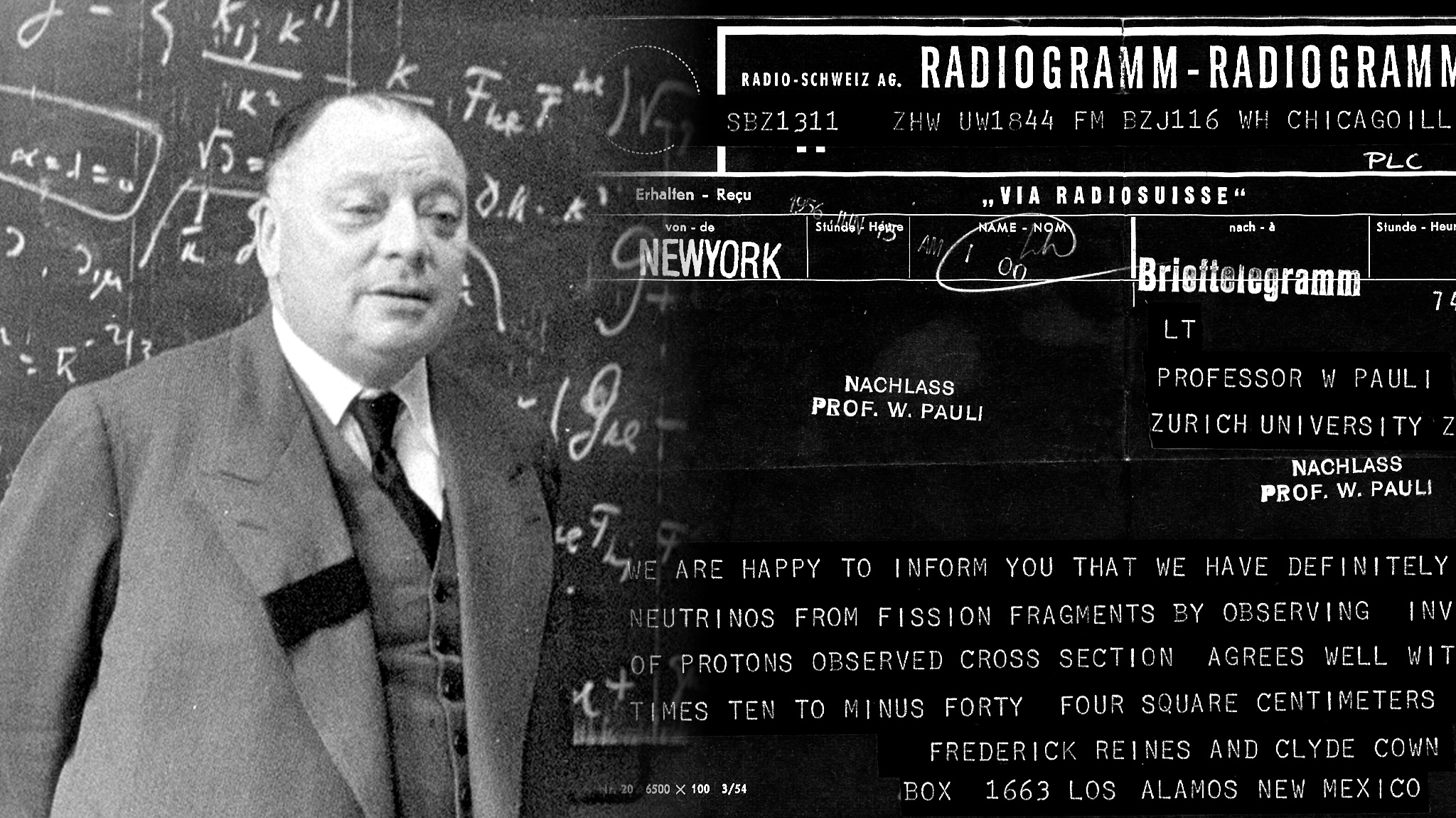
The puzzle of neutrinos, seventy years on
Seventy years ago today, Clyde Cowan, Frederick Reines and their colleagues closed a quarter-century hunt with a paper in Science, having caught neutrinos streaming out of a nuclear reactor in South Carolina. The search had begun in December 1930, when Wolfgang Pauli, in a letter to the “radioactive ladies and gentlemen” gathered at a meeting
-
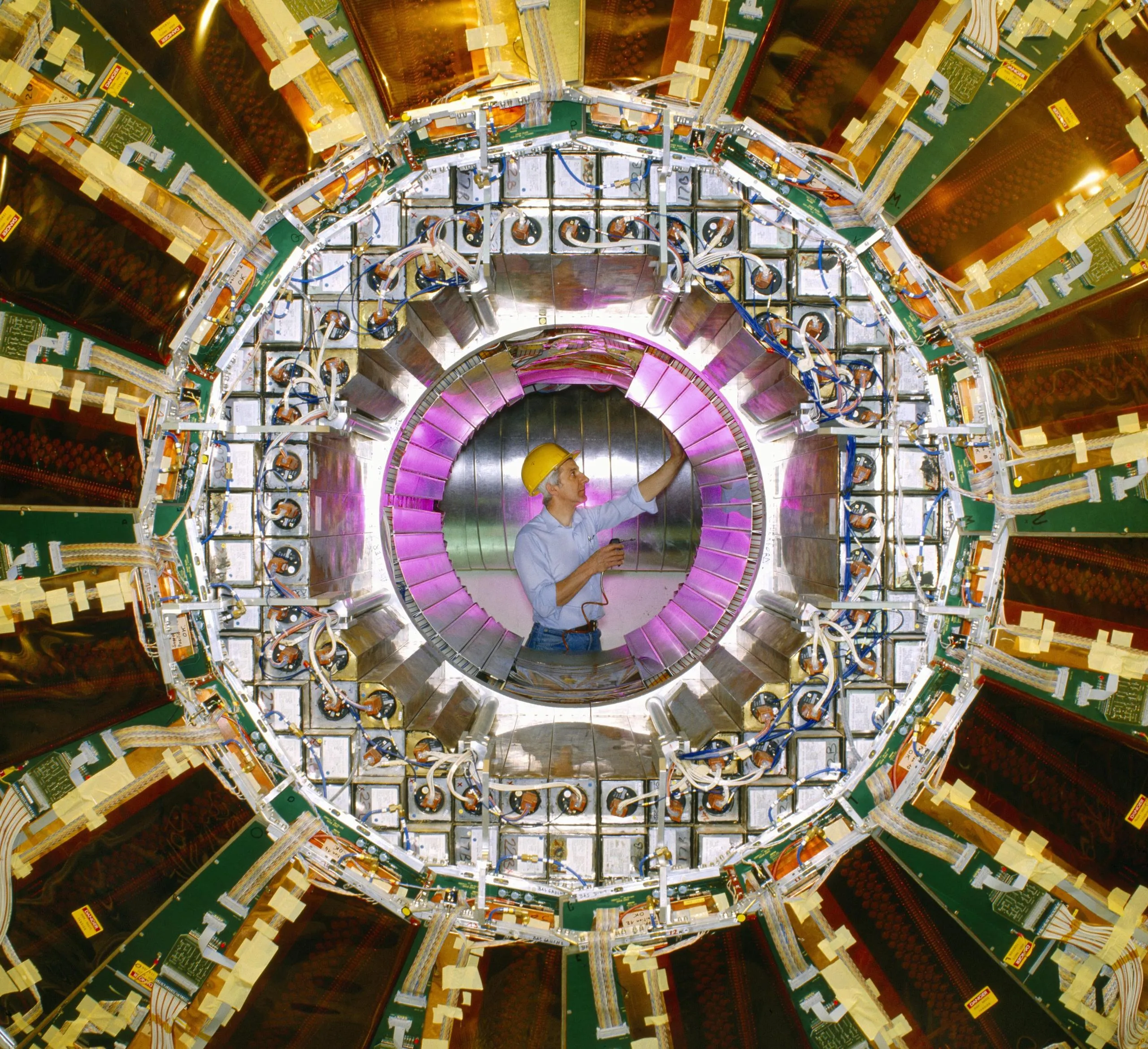
Preserving particle physics data
A lot of the science from our accelerators is published long after collisions end, so storing experimental data for future physicists is crucial
-

A century of quantum mechanics
On 9 July 1925, in a letter to Wolfgang Pauli, Werner Heisenberg revealed his new ideas, which were to revolutionise physics