
Category: Accelerators
-
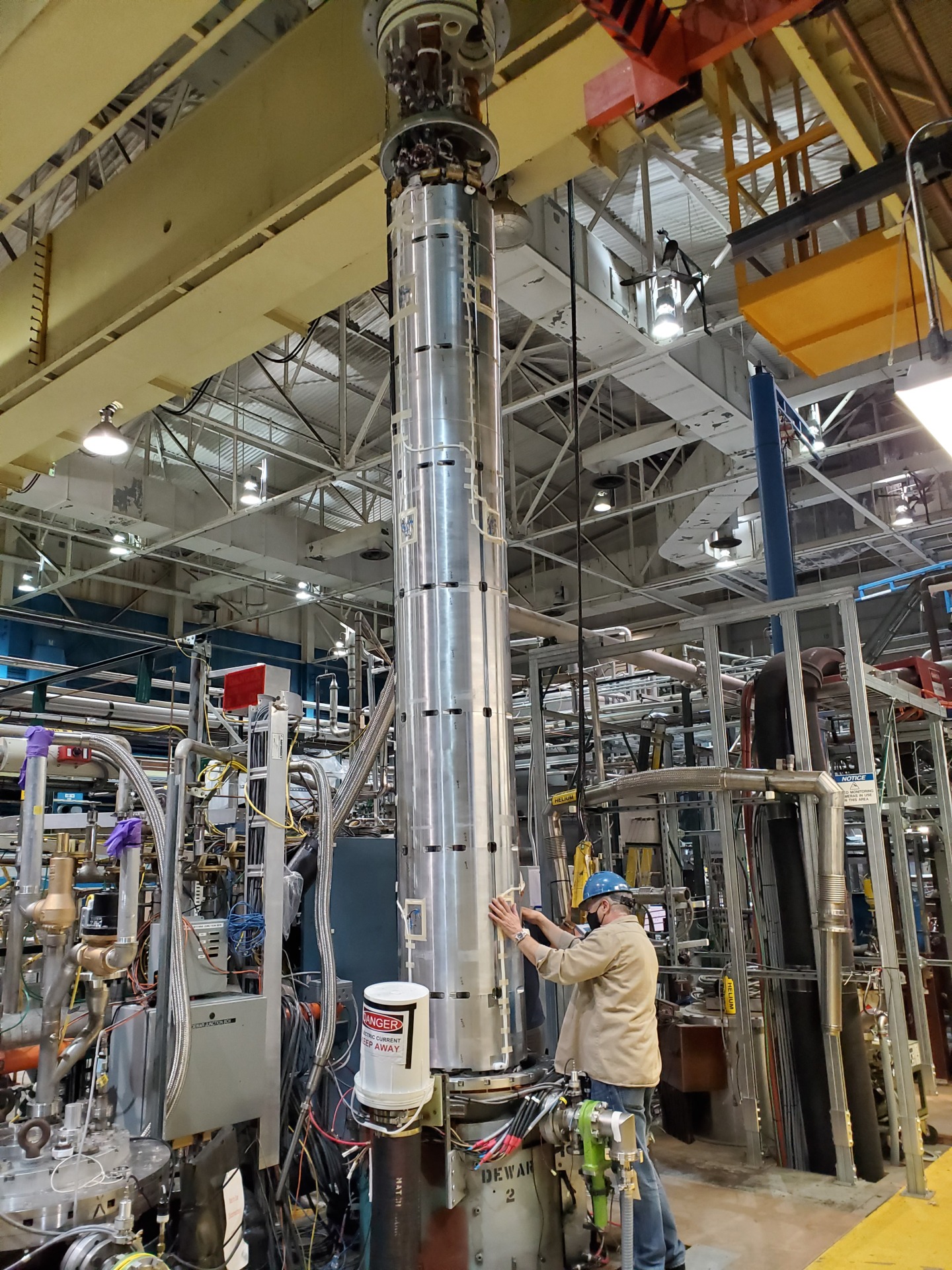
HL-LHC magnet endurance test further confirms niobium–tin’s resilience
A full-size, US-produced HL-LHC quadrupole magnet based on niobium–tin technology has passed a critical endurance test, another step towards confirming the technology’s viability inside accelerators
-
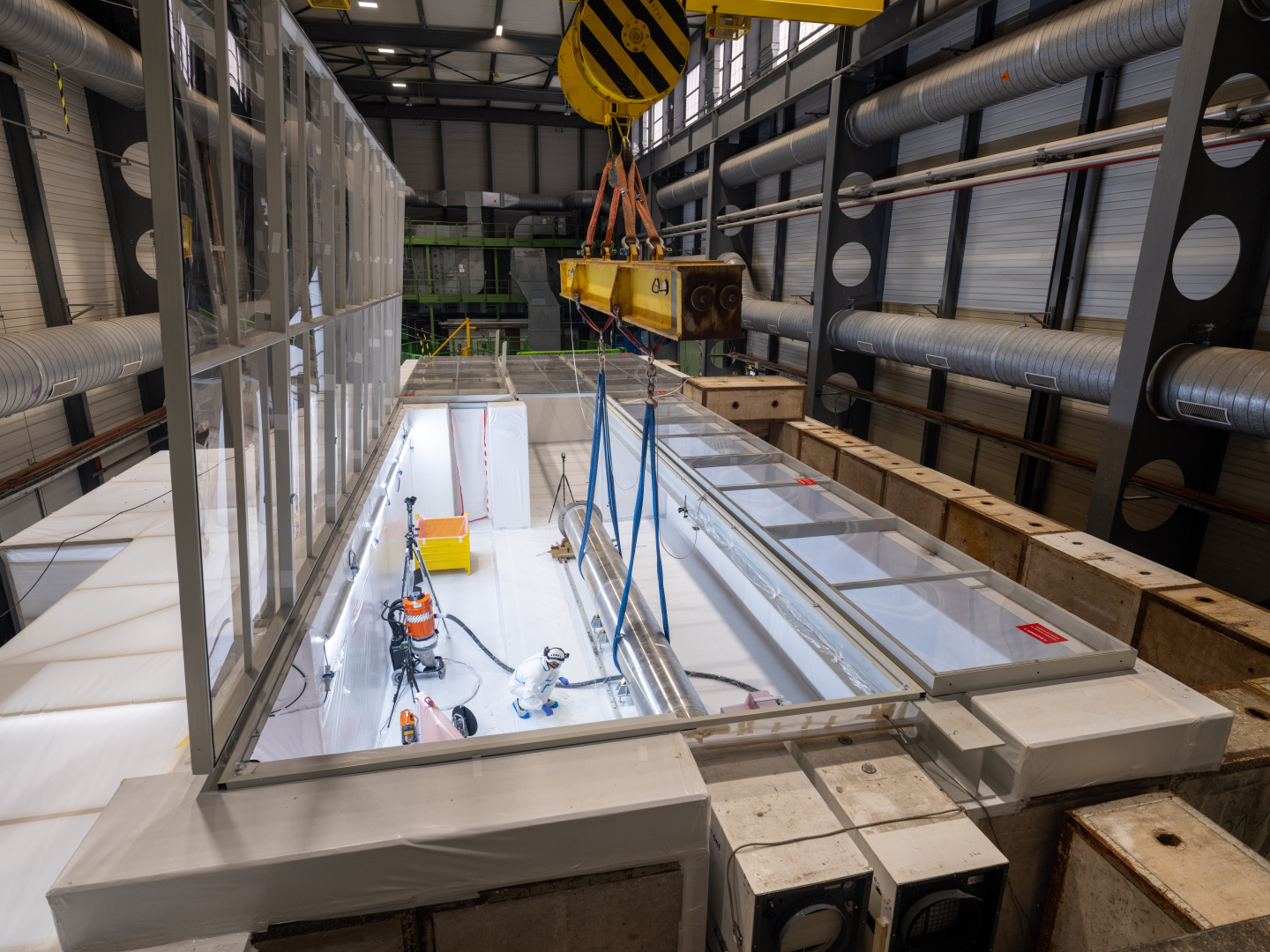
Autopsy of an LHC beam dump
For the first time at CERN, an autopsy has been carried out on a radioactive beam dump. Inspection of the inner workings of the device helped the teams to find out more about how materials behave under the impact of high-energy beams
-
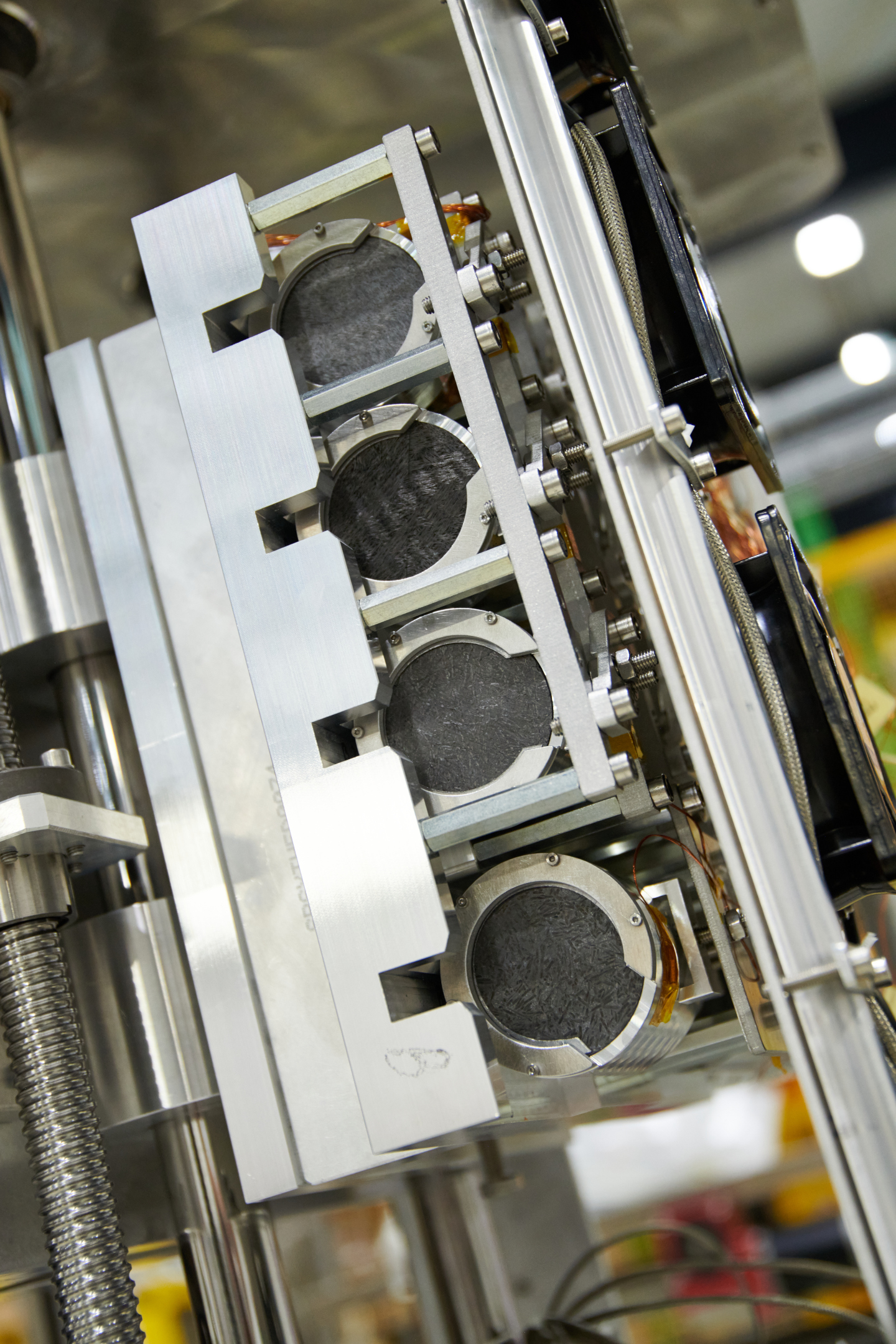
What will the future LHC beam dumps be made of?
A new experiment has been performed at the HiRadMat facility to test various materials that could be used in the LHC and HL-LHC beam dumps
-
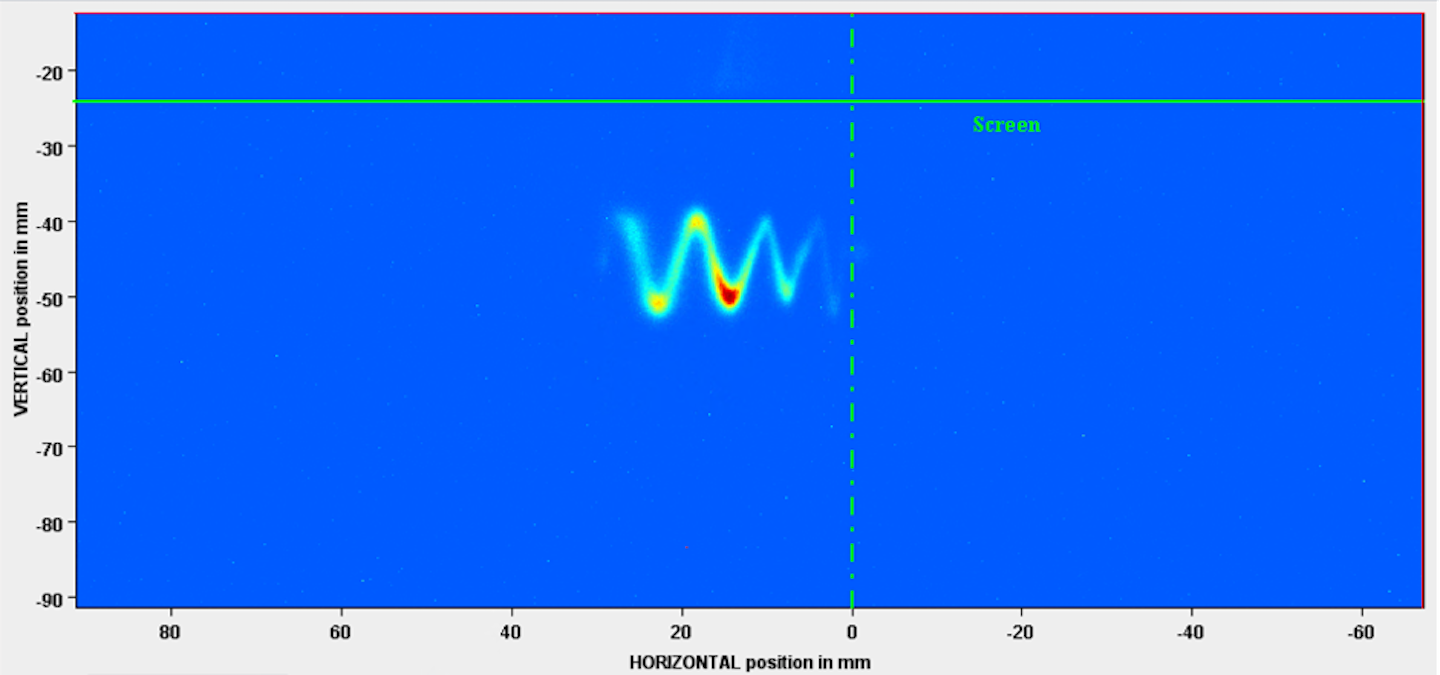
The SPS beam dump
On 7 March, beams were circulated in the SPS for the first time this year. In this article, we reflect on the successful commissioning of the accelerator’s new beam dump
-
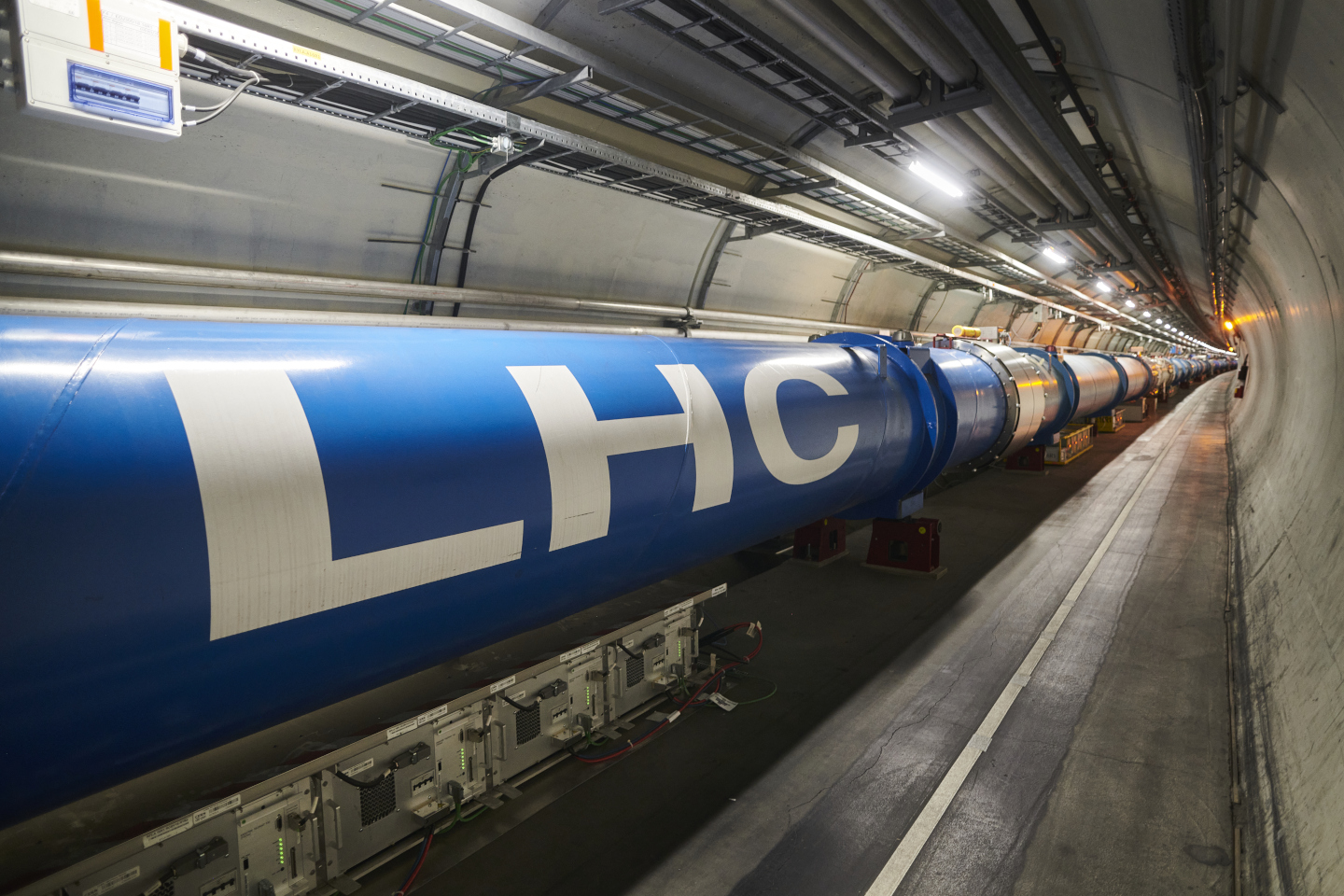
Large Hadron Collider restarts
Beams of protons are again circulating around the collider’s 27-kilometre ring, marking the end of a multiple-year hiatus for upgrade work
-
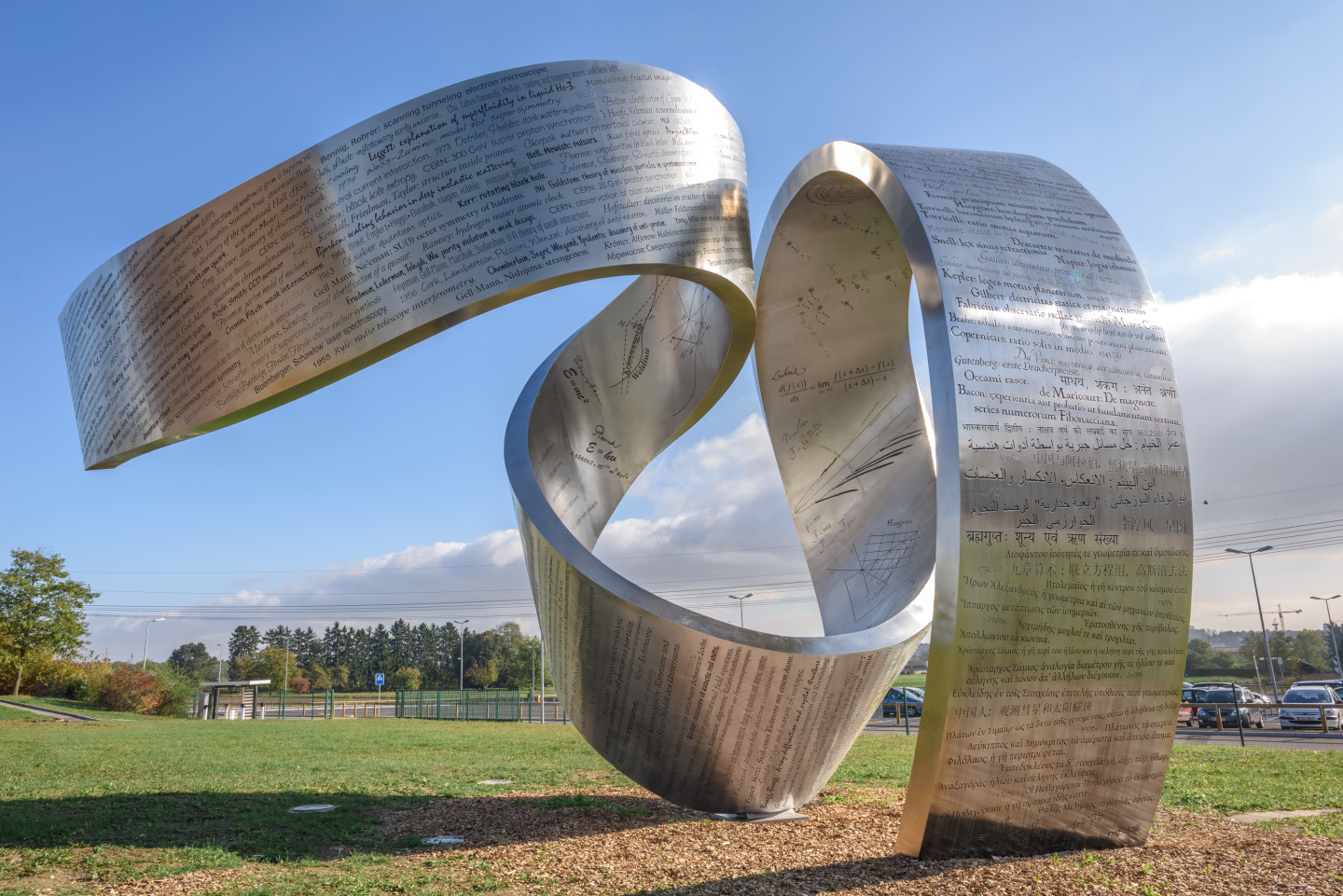
Implementing a vision for CERN’s future
The 2020 update of the European strategy for particle physics forms the basis of CERN’s objectives for the next five years, explains Fabiola Gianotti
-
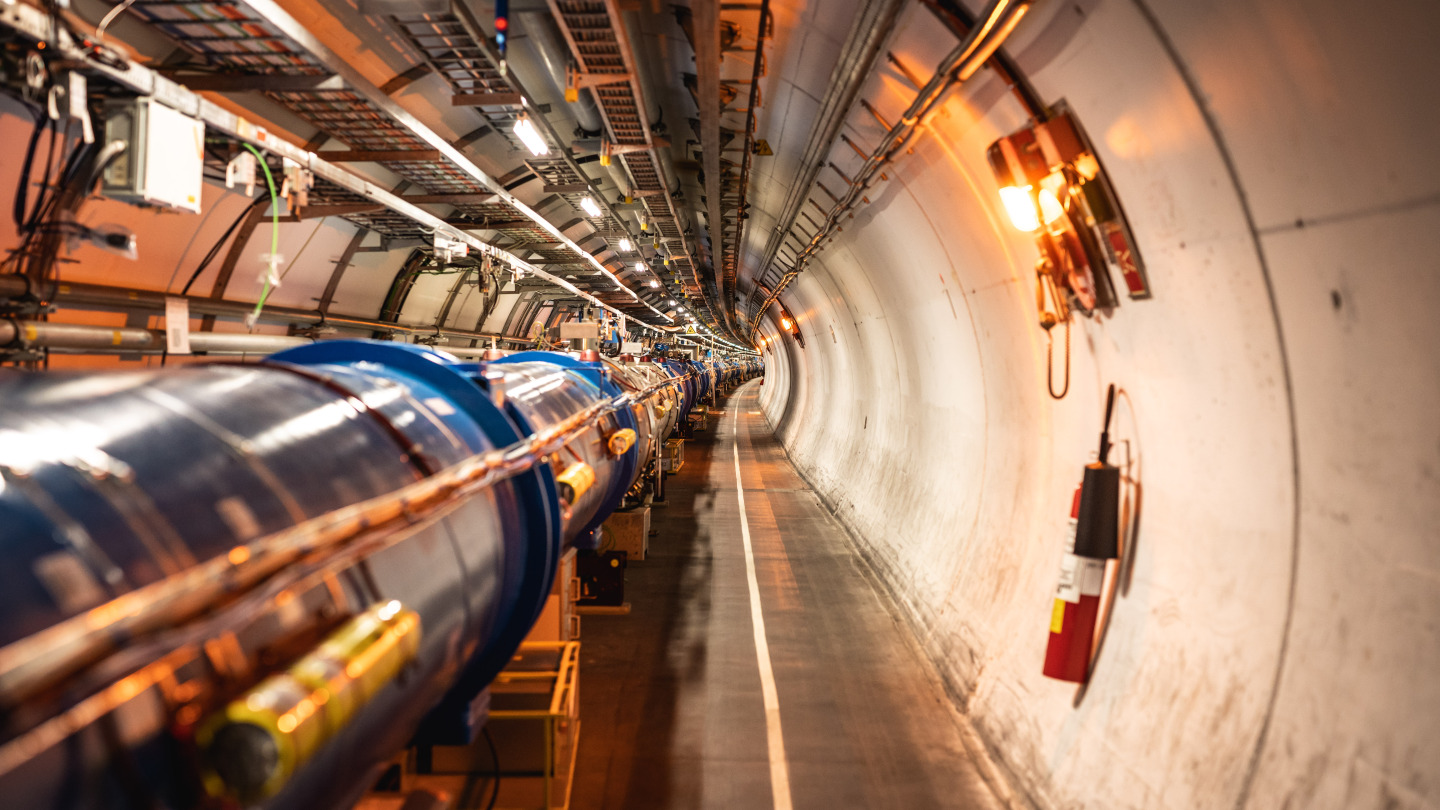
New schedule for CERN’s accelerators and experiments
The schedule for the current long shutdown (LS2) has had to be modified due to the COVID-19 pandemic