
Category: At CERN
-
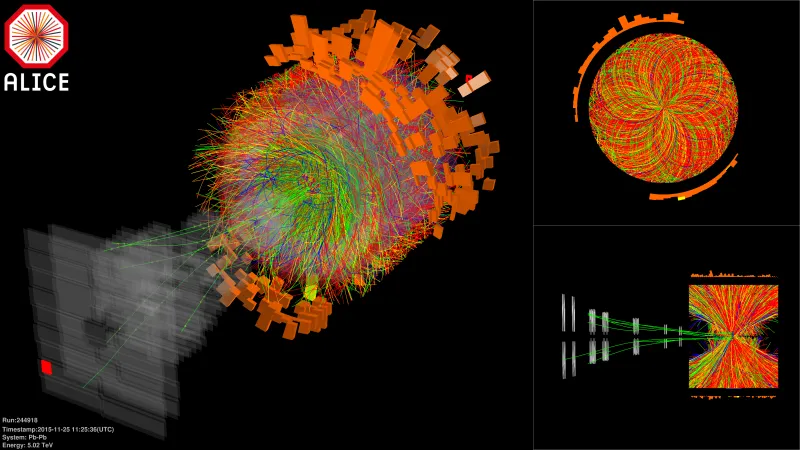
The LHC collides ions at new record energy
Geneva, 25 November 2015. After the successful restart of the Large Hadron Collider and its first months of data taking with proton collisions at a new energy frontier, the LHC is moving to a new phase, with the first lead-ion collisions of season 2 at an energy about twice as high as that of any
-
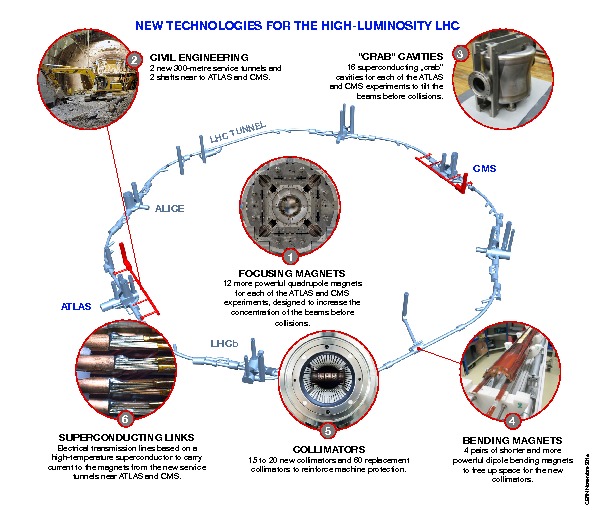
LHC luminosity upgrade project moving to next phase
Geneva, 29 October 2015. This week more than 230 scientists and engineers from around the world met at CERN1 to discuss the High-Luminosity LHC – a major upgrade to the Large Hadron Collider (LHC) that will increase the accelerator’s discovery potential from 2025. Geneva, 29 October 2015. This week more than 230 scientists and engineers
-
Arts@CERN announces three new open calls and the arrival of new artists in residence
Geneva, 12 October 2015. CERN1 has today announced three new open calls giving a chance to artists to immerse themselves in the research of particle physics and its community. Two new international partners have joined the Accelerate @ CERN programme: the Abu Dhabi Music & Arts Foundation (ADMAF) from UAE2 and Rupert, the centre for
-

Professor Sijbrand de Jong elected as next President of CERN Council
CERN Council today announced the election of Professor Sijbrand de Jong as its 22nd President for a period of one year renewable twice, with a mandate starting on 1 January 2016.
-
One month to go until TEDxCERN “breaks the rules”
On Friday, 9 October, CERN will be hosting a TEDx conference for the third year running, this time on the theme of “Breaking the Rules”.
-
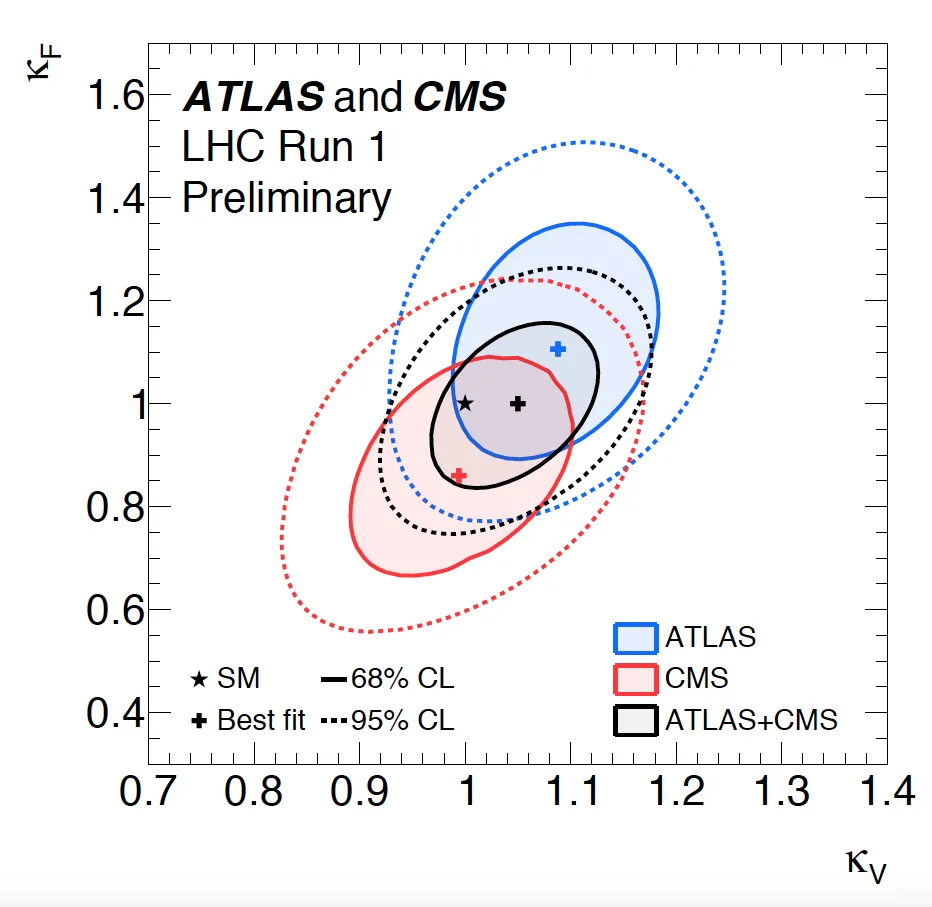
ATLAS and CMS experiments shed light on Higgs properties
ATLAS and CMS Collaborations present for the first time combined measurements of many of its properties, at the third annual Large Hadron Collider Physics Conference (LHCP 2015)
-
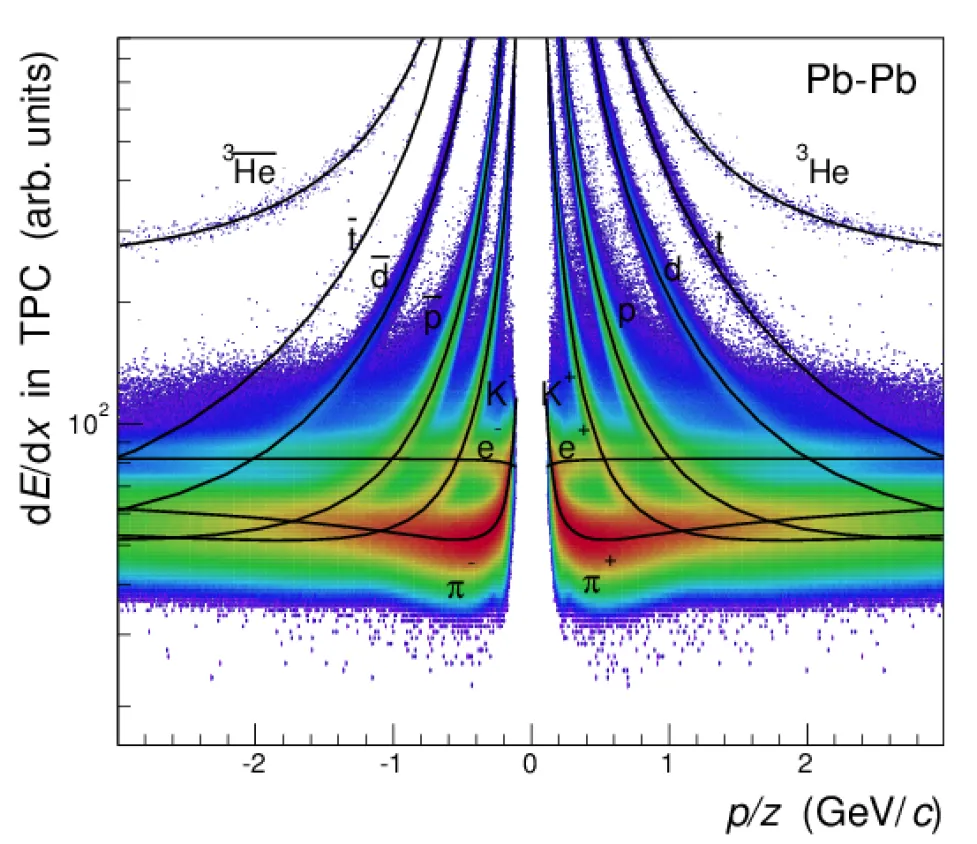
The ALICE experiment at CERN makes precise comparison of light nuclei and antinuclei
The result, published today in Nature Physics, confirms a fundamental symmetry of nature to an unprecedented precision for light nuclei.
-
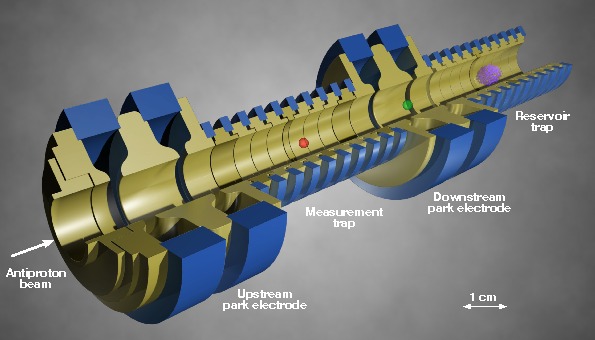
The BASE experiment at CERN compares protons and antiprotons with high precision
The most precise comparison of the charge-to-mass ratio of the proton to that of its antimatter equivalent, the antiproton