
Category: News Page
-
CERN inaugurates the LHC
Geneva, 21 October 2008. Swiss President Pascal Couchepin and French Prime Minister François Fillon were joined at CERN1 today by science ministers from CERN’s Member States and around the world to inaugurate the Large Hadron Collider, the world’s largest and most complex scientific instrument. “Today is a day for CERN to thank its Member States
-
CERN prepares to celebrate completion of the LHC
Geneva, 20 October 2008. Swiss President Pascal Couchepin and French Prime Minister François Fillon will be joined at CERN1 tomorrow by science ministers from CERN’s Member States and around the world to inaugurate the Large Hadron Collider. The world’s largest and most complex scientific instrument, the LHC circulated its first beam on 10 September 2008.
-
CERN releases analysis of LHC incident
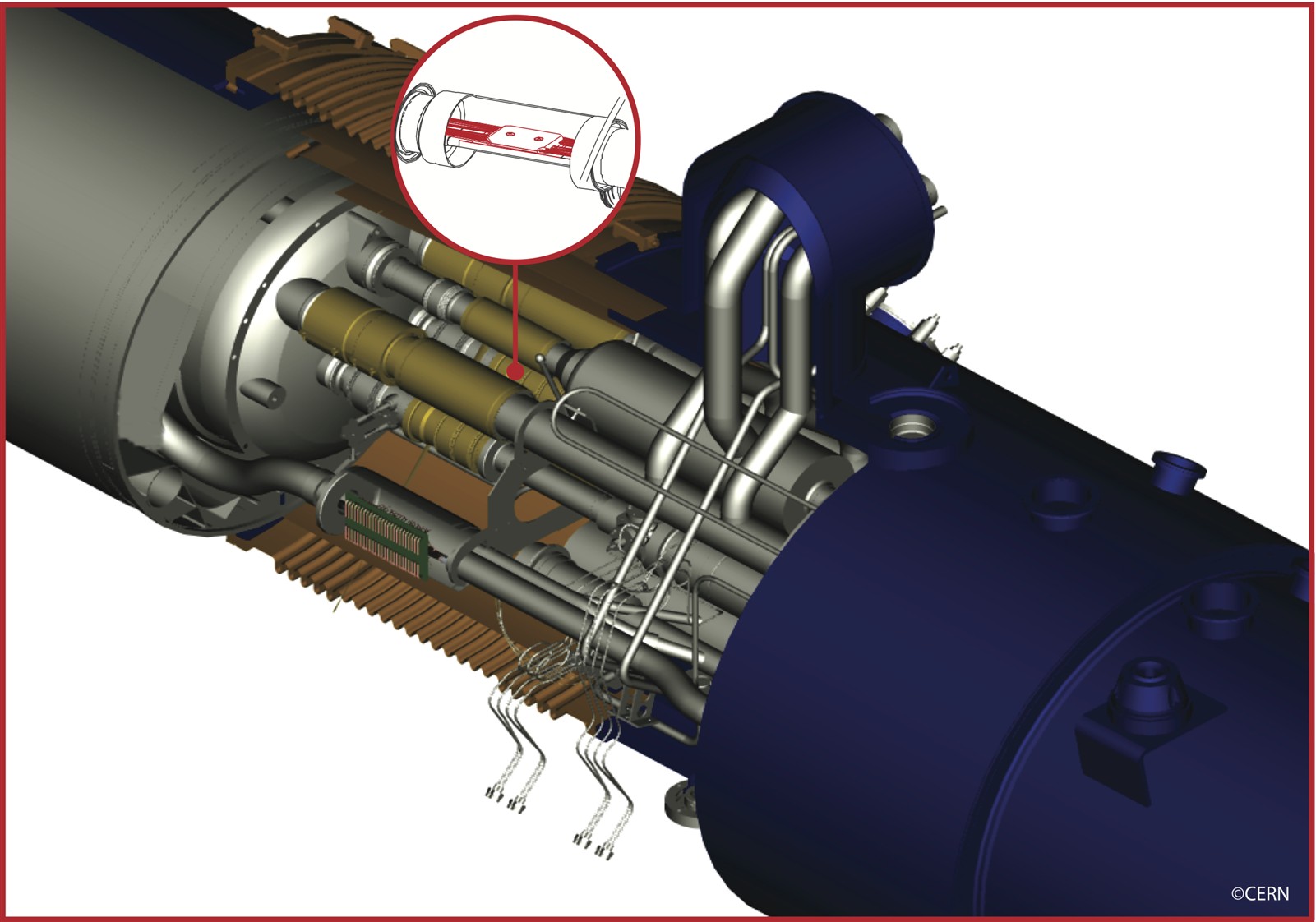
Geneva, 16 October 2008. Investigations at CERN following a large helium leak into sector 3-4 of the Large Hadron Collider (LHC) tunnel have confirmed that cause of the incident was a faulty electrical connection between two of the accelerator’s magnets. This resulted in mechanical damage and release of helium from the magnet cold mass into
-
Let the number-crunching begin: the Worldwide LHC Computing Grid celebrates first data
Geneva, 3 October 2008. Today, three weeks after the first particle beams were injected into the Large Hadron Collider—the world’s largest particle accelerator—the Worldwide LHC Computing Grid celebrates the start of its crucial data challenge: the analysis and management of more than 15 million Gigabytes of data every year, to be produced from the hundreds
-
LHC to be inaugurated on 21 October 2008
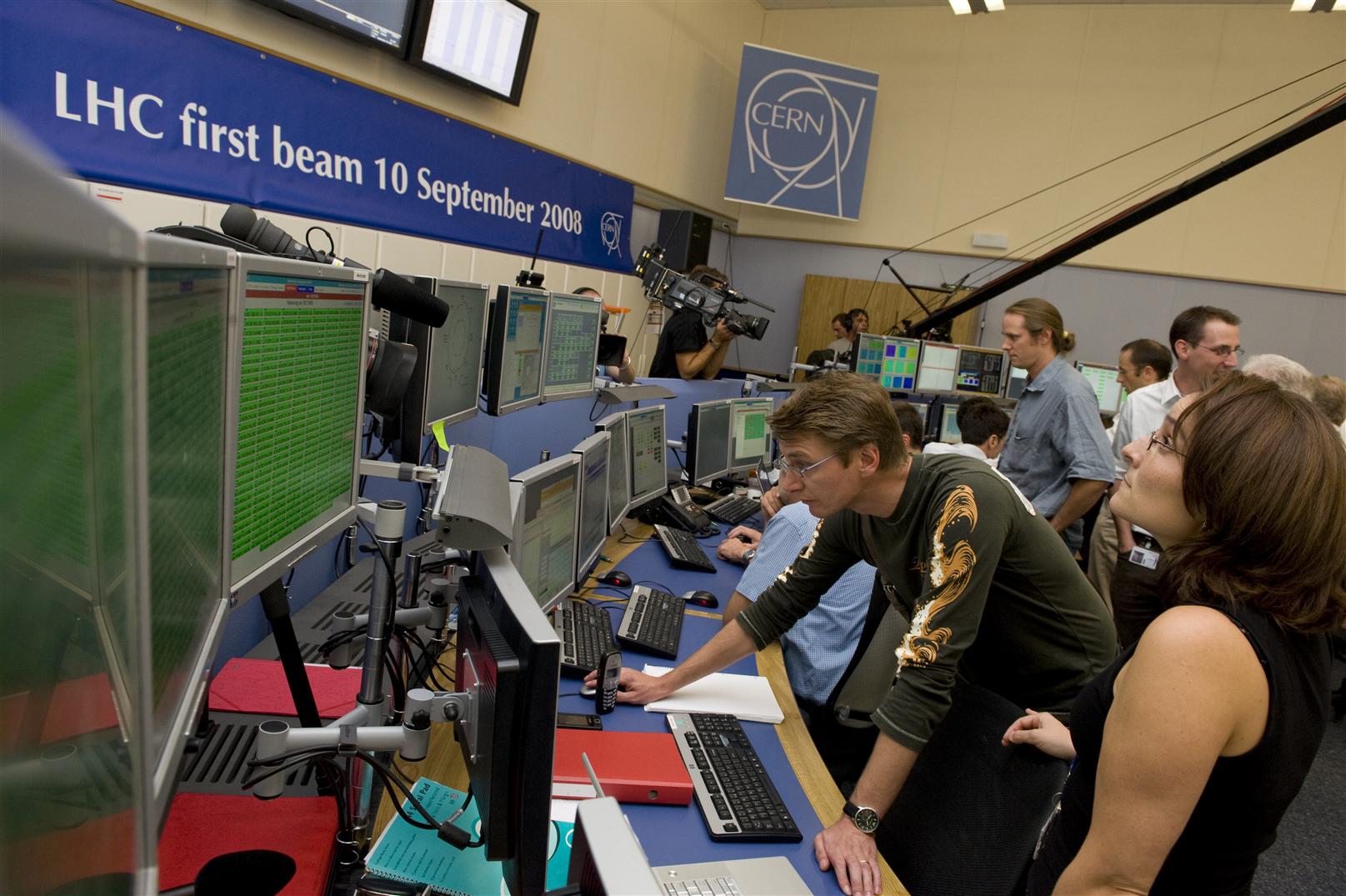
Geneva, 2 October 2008. Following the successful circulation of first beam in the LHC on 10 September, the world’s largest and most complex scientific instrument will be officially inaugurated at CERN on 21 October 2008. Representatives of the governments of CERN’s Member and Observer States and other participating nations have been invited. Geneva, 2 October
-
EPS celebrates 40th Anniversary
Geneva, 26 September 2008. Exactly 40 years ago today, the European Physical Society1 (EPS) was founded at CERN2 to promote physics in Europe. Today, the EPS represents over 100,000 physicists from 40 national member societies, thus reaching well beyond the geographical area covered by the European-Union. Maciej Kolwas, EPS President elect, stated that not only
-
LHC re-start scheduled for 2009
Geneva, 23 September 2008. Investigations at CERN1 following a large helium leak into sector 3-4 of the Large Hadron Collider (LHC) tunnel have indicated that the most likely cause of the incident was a faulty electrical connection between two of the accelerator’s magnets. Before a full understanding of the incident can be established, however, the
-
Incident in LHC sector 3-4
Geneva, 20 September 2008. During commissioning (without beam) of the final LHC sector (sector 3-4) at high current for operation at 5 TeV, an incident occurred at mid-day on Friday 19 September resulting in a large helium leak into the tunnel. Preliminary investigations indicate that the most likely cause of the problem was a faulty
-
First beam in the LHC – accelerating science
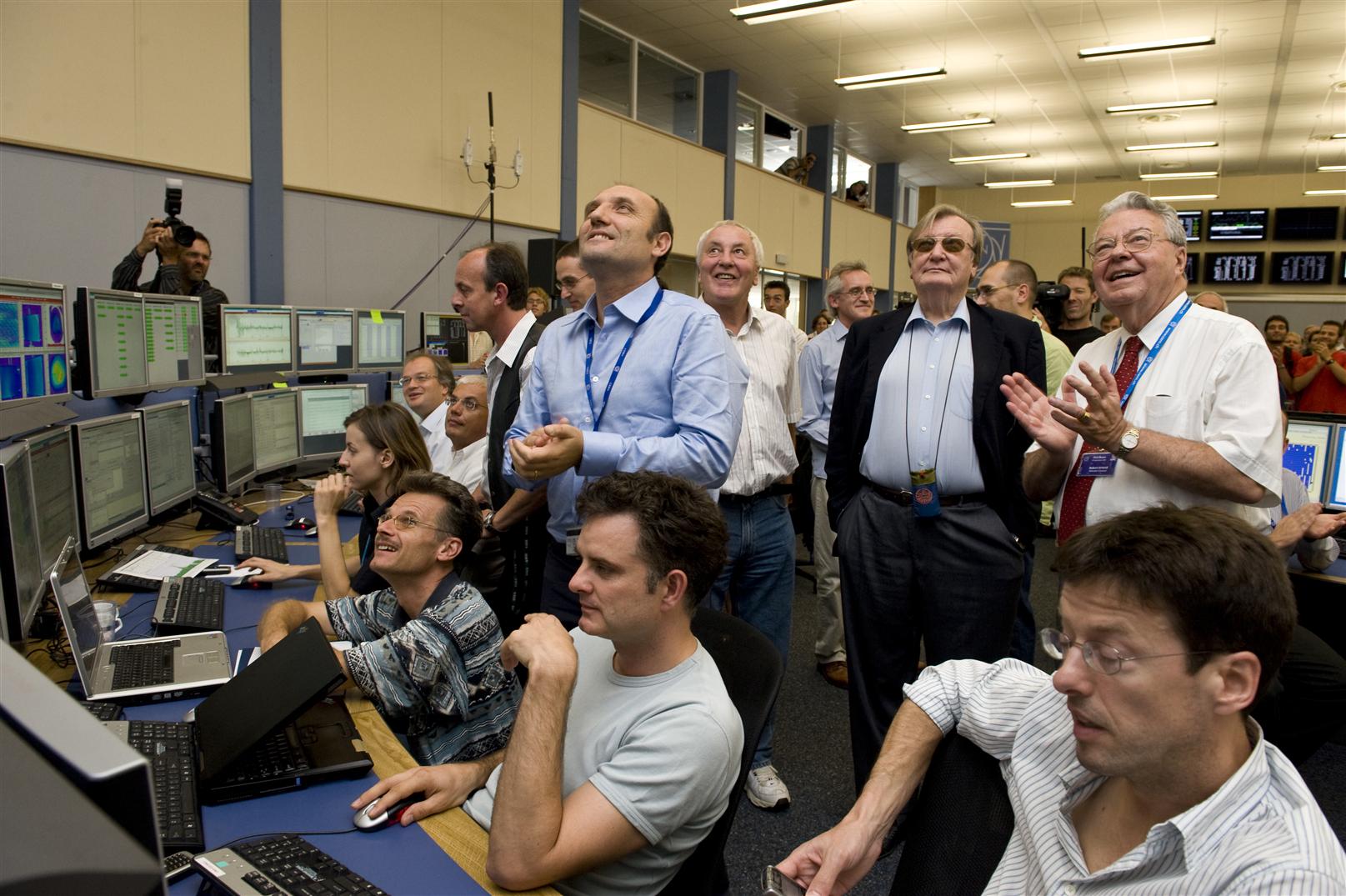
Geneva, 10 September 2008. The first beam in the Large Hadron Collider at CERN was successfully steered around the full 27 kilometres of the world’s most powerful particle accelerator at 10h28 this morning. This historic event marks a key moment in the transition from over two decades of preparation to a new era of scientific
-
CERN reiterates safety of LHC on eve of first beam
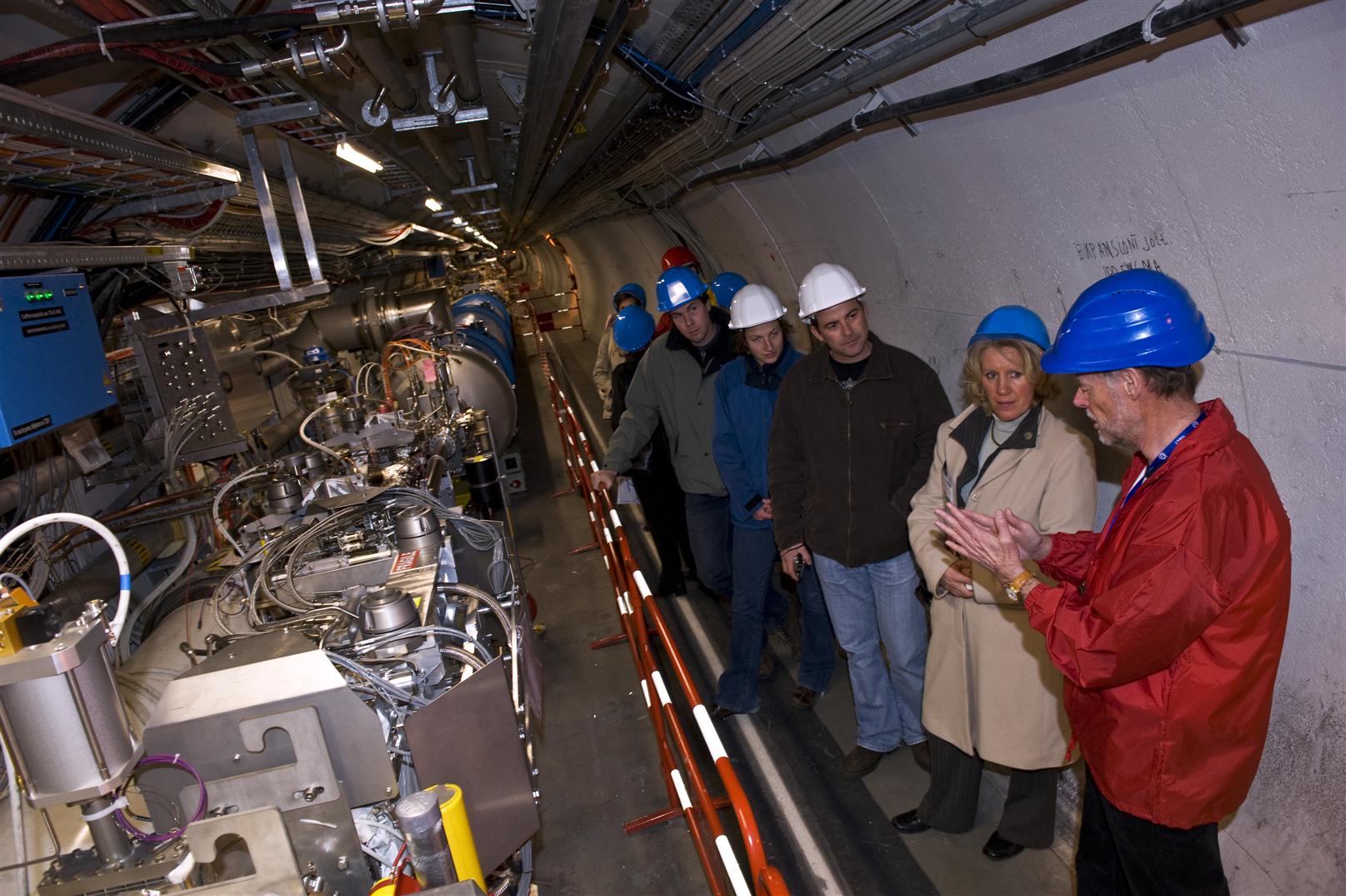
Geneva, 5 September 2008. A report published today in the peer reviewed Journal of Physics G: Nuclear and Particle Physics provides comprehensive evidence that safety fears about the Large Hadron Collider (LHC) are unfounded. The LHC is CERN’s new flagship research facility. As the world’s highest energy particle accelerator, it is poised to provide new