
Category: News Page
-
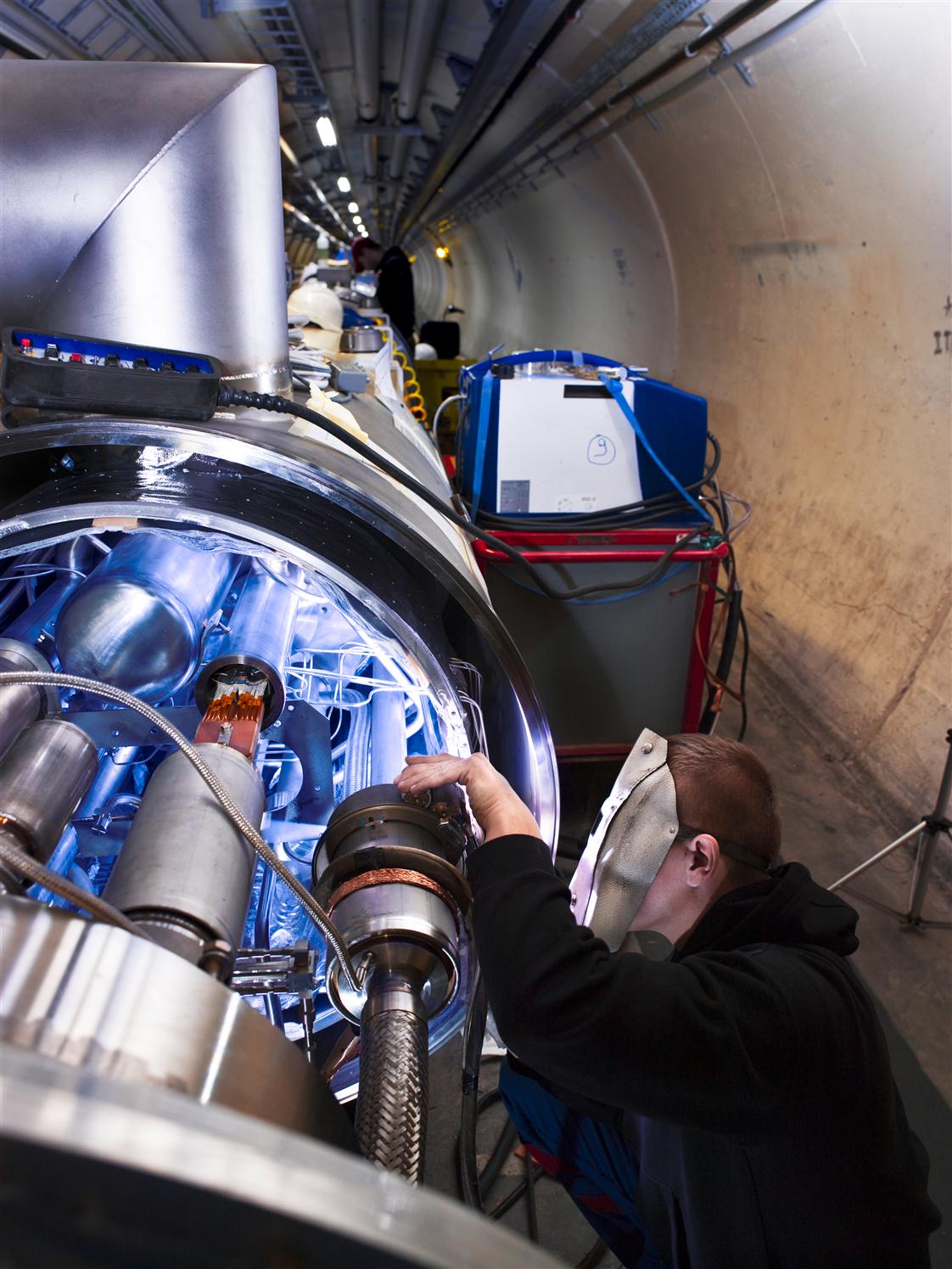
LHC completes the circle
Geneva, 7 November 2007. At a brief ceremony deep under the French countryside today, CERN1 Director General Robert Aymar sealed the last interconnect between the main magnet systems in the Large Hadron Collider (LHC). This is the latest milestone in commissioning the LHC, the world’s most powerful particle accelerator. Geneva, 7 November 2007. At a
-
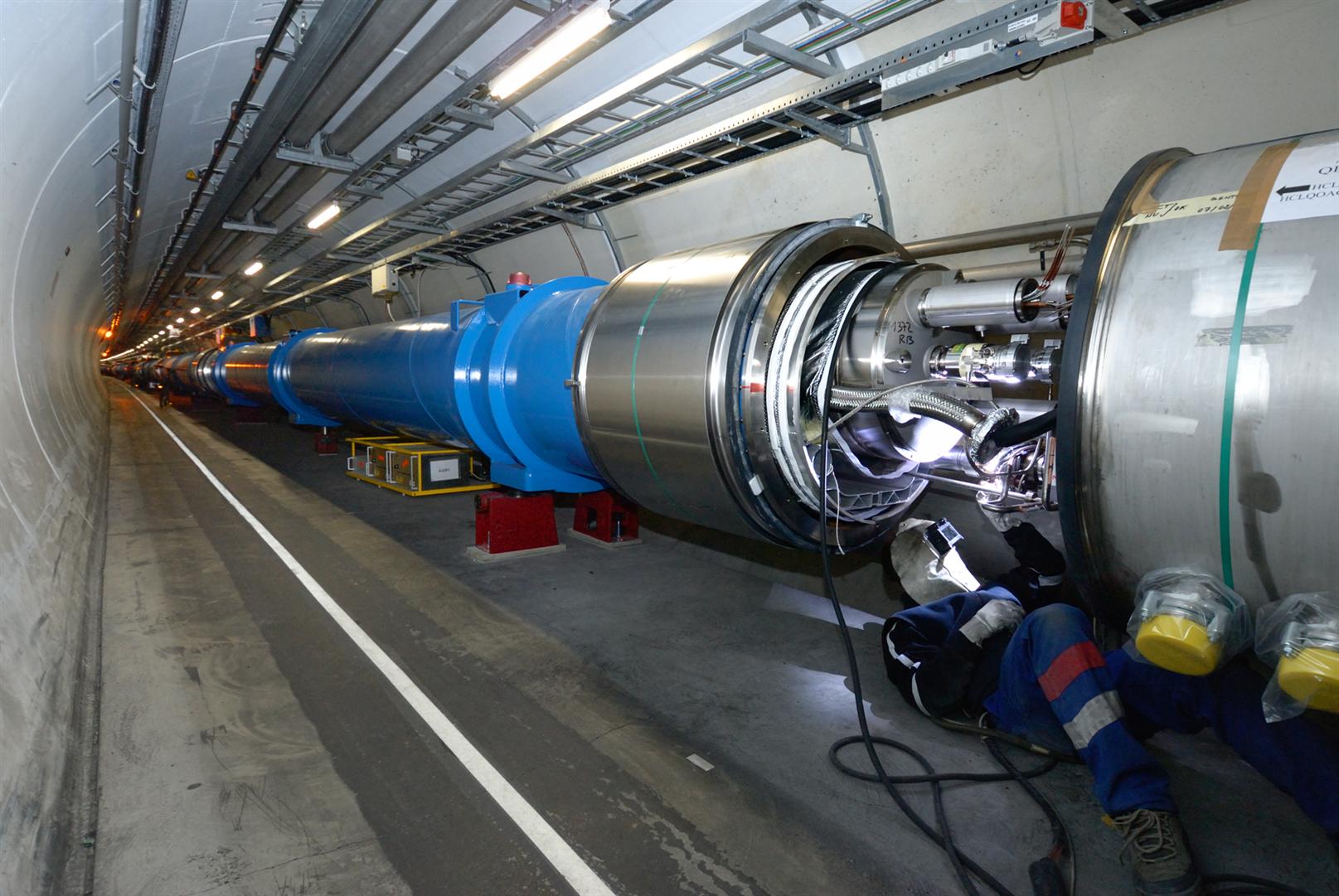
CERN announces new start-up schedule for world’s most powerful particle accelerator
Geneva, 22 June 2007. Speaking at the 142nd session of the CERN1 Council today, the Organization’s Director General Robert Aymar announced that the Large Hadron Collider (LHC) will start up in May 2008, taking the first steps towards studying physics at a new high-energy frontier. A low-energy run originally scheduled for this year has been
-
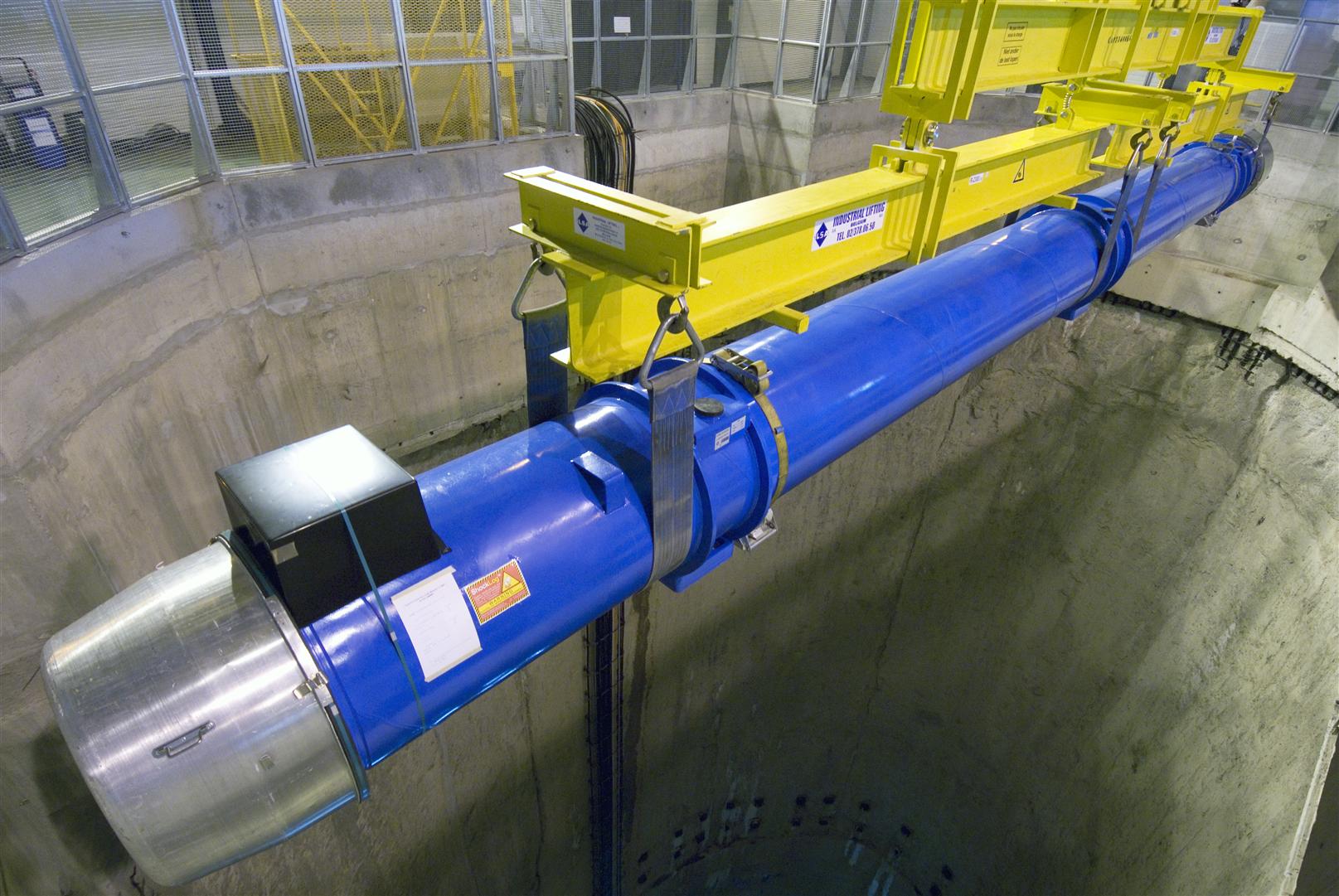
Closing the gap: descent of the last LHC magnet
Geneva, 26 April 2007. A ceremony was held at CERN1 today to mark the end of a crucial phase of installation of the Large Hadron Collider (LHC). A large dipole magnet was symbolically lowered into the tunnel at 12:00. This completes the basic installation of the more than 1700 magnets that make up the collider,
-
CERN is guest of honour at international inventions exhibition
Geneva, 18 April 2007. The world’s largest particle physics laboratory, CERN1, is guest of honour at the annual Salon International des Inventions in Geneva from 18-22 April this year. Better know for its advances in understanding the Universe, CERN is also a hotbed of innovation, giving rise to new technologies in areas ranging from medicine
-
For the first time the LHC reaches temperatures colder than outer space
Geneva, 10 April 2007. The first sector of CERN1‘s Large Hadron Collider (LHC) to be cooled down has reached a temperature of 1.9 K (–271°C), colder than deep outer space! Although just one-eighth of the LHC ring, this sector is the world’s largest superconducting installation. The entire 27–kilometre LHC ring needs to be cooled down
-
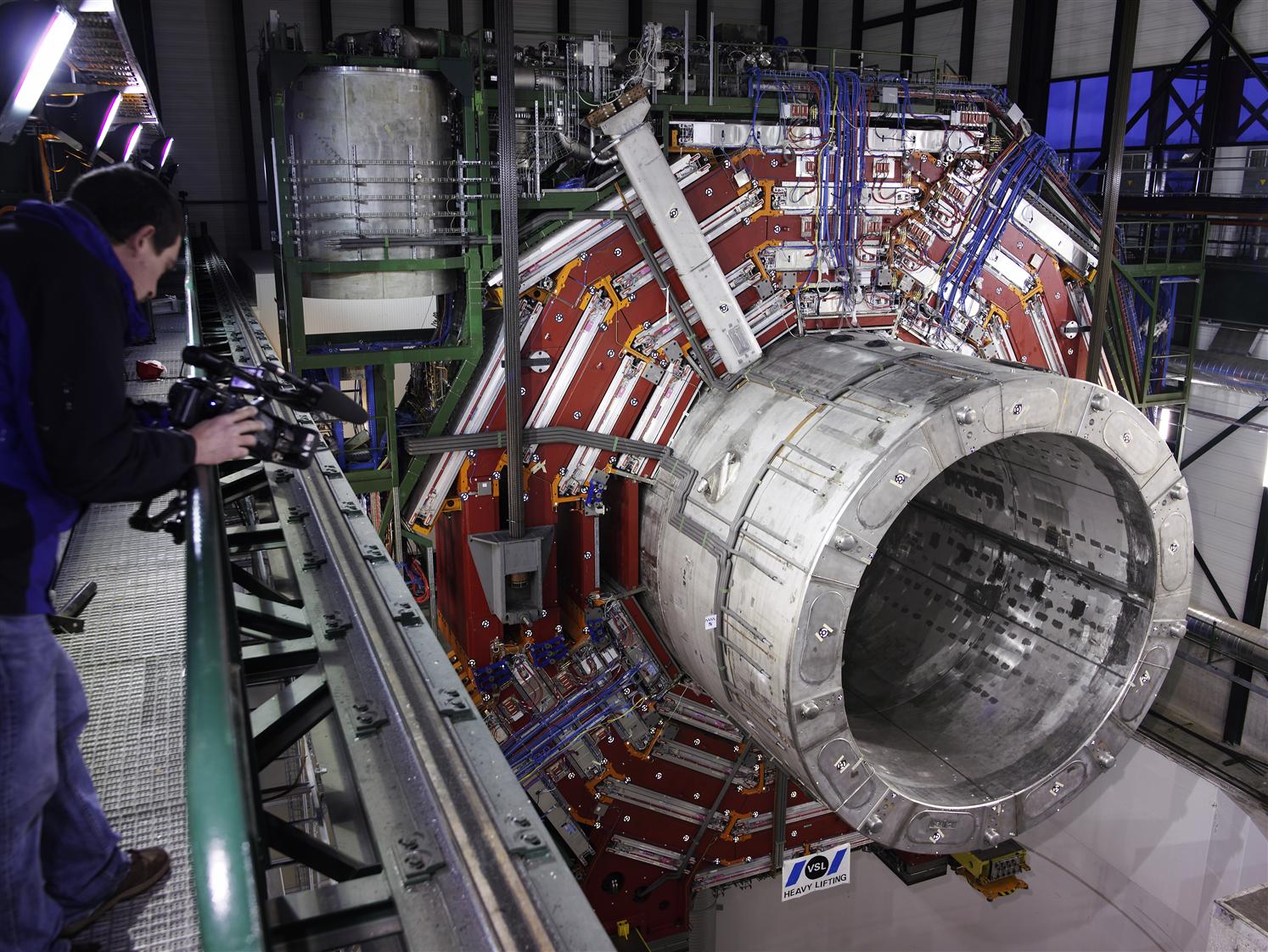
Giant magnet goes underground at CERN
Geneva, 28 February 2007. At 6:00 am this morning the heaviest piece of the Compact Muon Solenoid (CMS) particle detector began a momentous journey into the experiment’s cavern, 100 metres underground at CERN1. Using a huge gantry crane, custom-built by the Vorspann System Losinger Group, the pre-assembled central piece, containing the magnet and weighing as
-
CERN confident of LHC start-up in 2007
Geneva, 15 December 2006. Delegates attending the 140th meeting of CERN1 Council today heard a confident report from the Laboratory about the scheduled start-up of the world’s highest energy particle accelerator, the Large Hadron Collier (LHC), in 2007. Geneva, 15 December 2006. Delegates attending the 140th meeting of CERN1 Council today heard a confident report
-
Magna Carta for researchers – EIROforum supports the EC Charter and Code of Conduct
Geneva, 14 December 2006. Today, Janez Potocnik, European Commissioner for Science and Research received a statement of support for the European Charter for Researchers and the Code of Conduct for the Recruitment of Researchers from EIROforum. “The EIROforum partners warmly welcome this valuable initiative by the European Commission” said Prof. William G. Stirling, Director General
-
Last LHC superconducting main magnet completes the suite at CERN
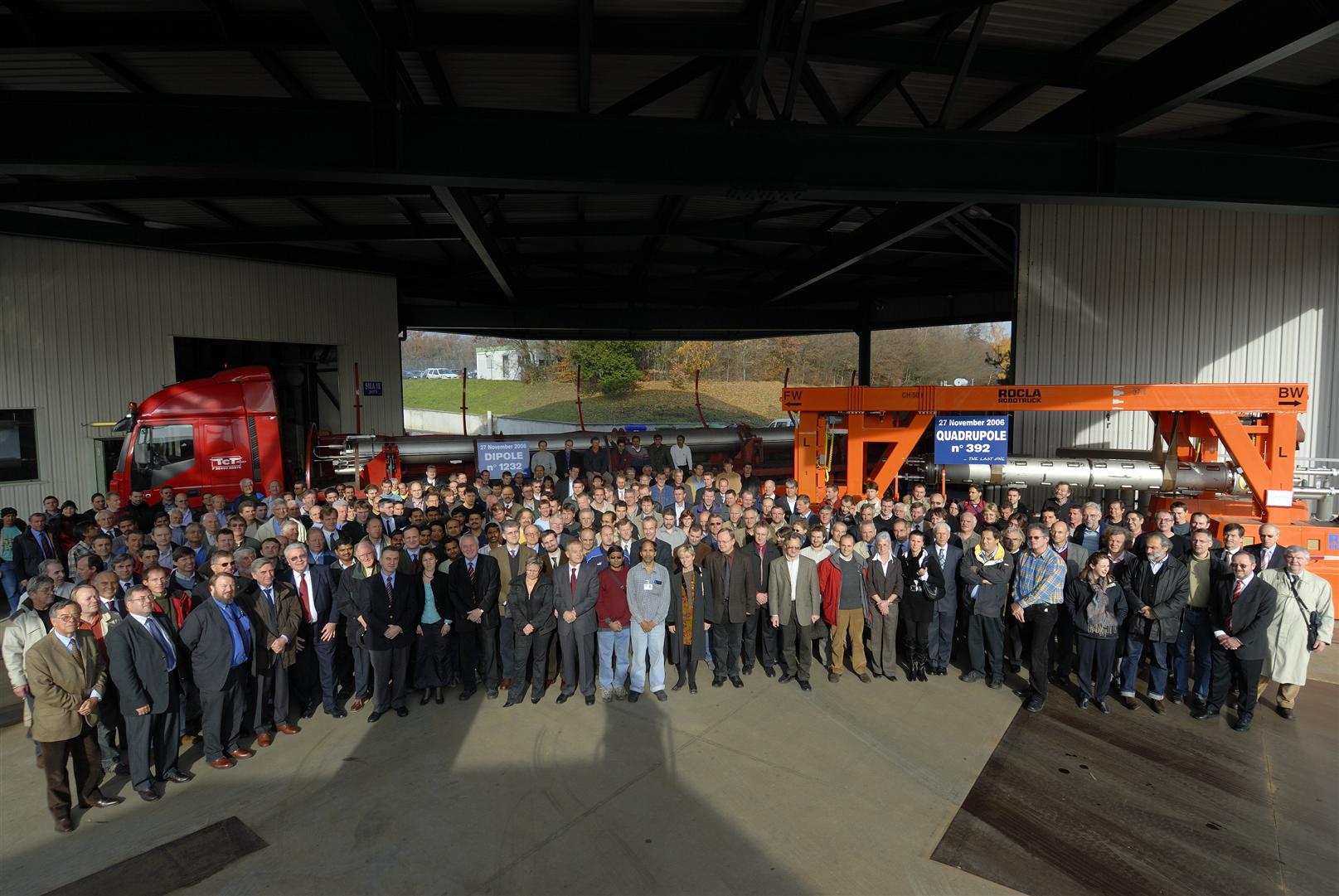
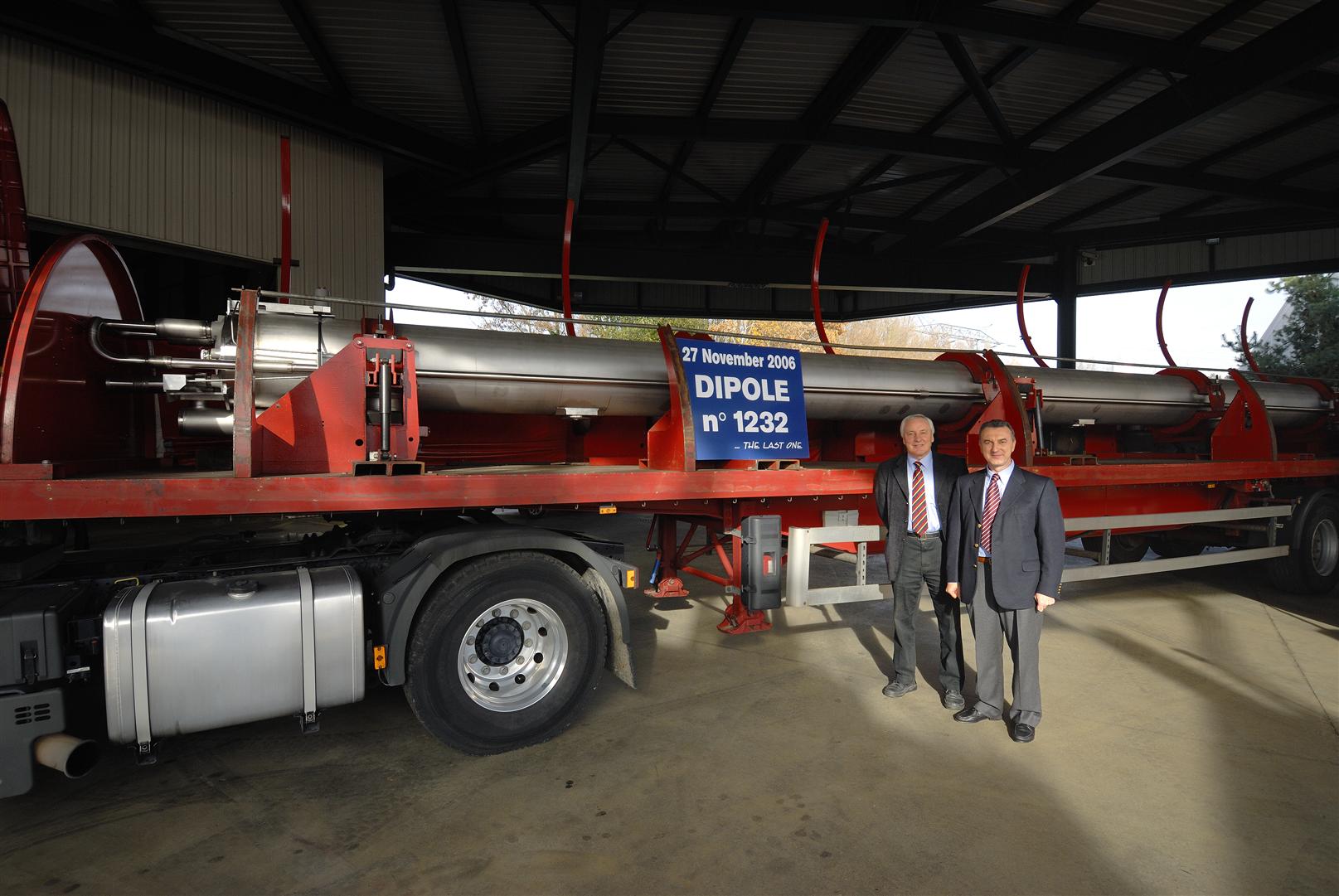
Geneva, 28 November 2006. CERN1 took delivery of the last superconducting main magnet for the Large Hadron Collider (LHC) on 27 November. This completes the full set of 1624 main magnets2 required to build the world’s largest and most powerful particle accelerator. Geneva, 28 November 2006. CERN1 took delivery of the last superconducting main magnet
-
World’s largest superconducting magnet switches on
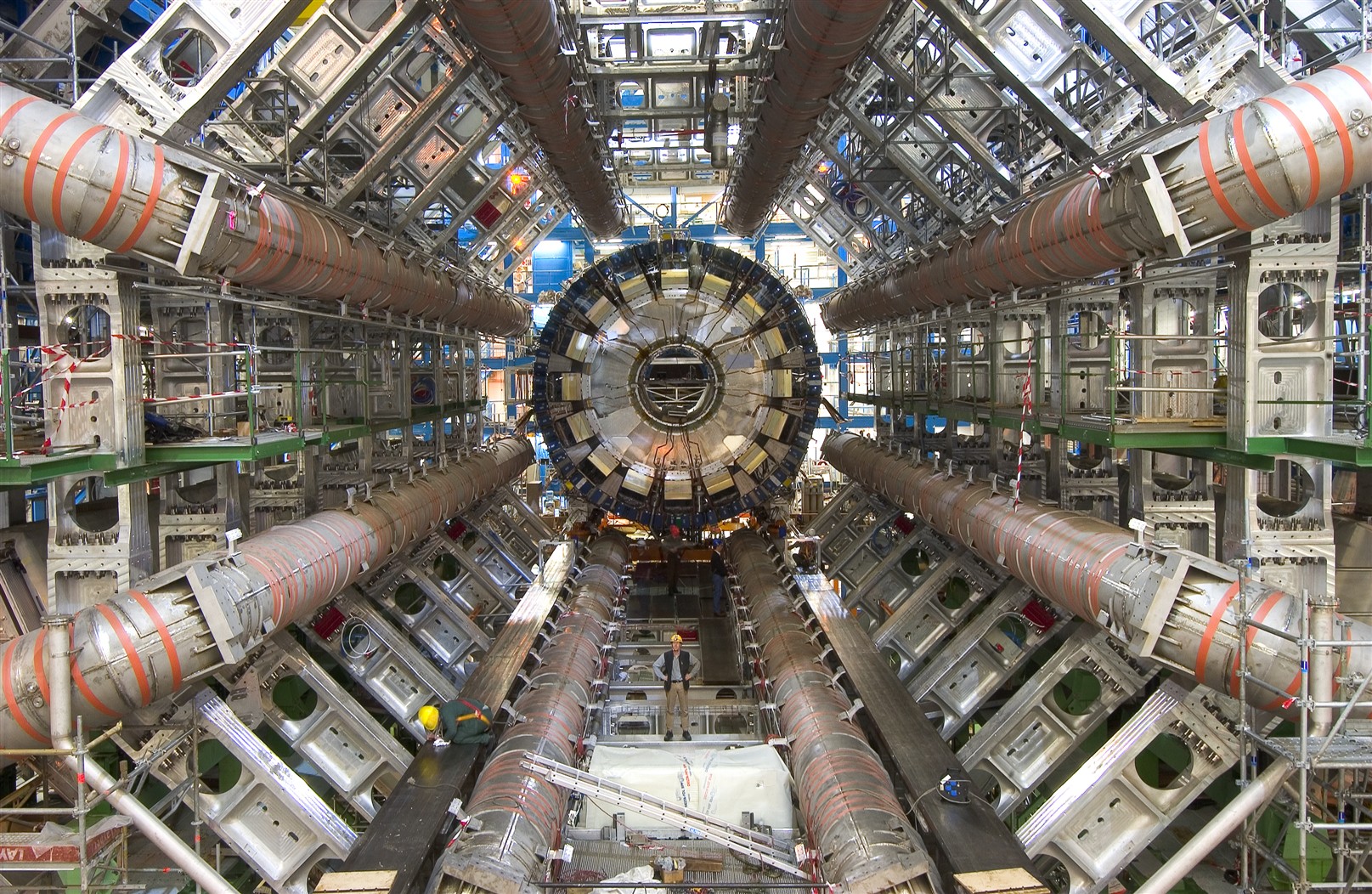
Geneva, 20 November 2006. The largest superconducting magnet ever built has successfully been powered up to its nominal operating conditions at the first attempt. Called the Barrel Toroid because of its shape, this magnet provides a powerful magnetic field for ATLAS, one of the major particle detectors being prepared to take data at CERN1‘s Large