
Category: News Page
-
Open Access publishing in physics gains momentum
Geneva, 3 November 2006. The first meeting of European particle physics funding agencies took place today at CERN1 to establish a consortium for Open Access publishing in particle physics, SCOAP32. This is the first time an entire scientific field is exploring the conversion of its reader-paid journals into an author-paid Open Access format. Open Access
-
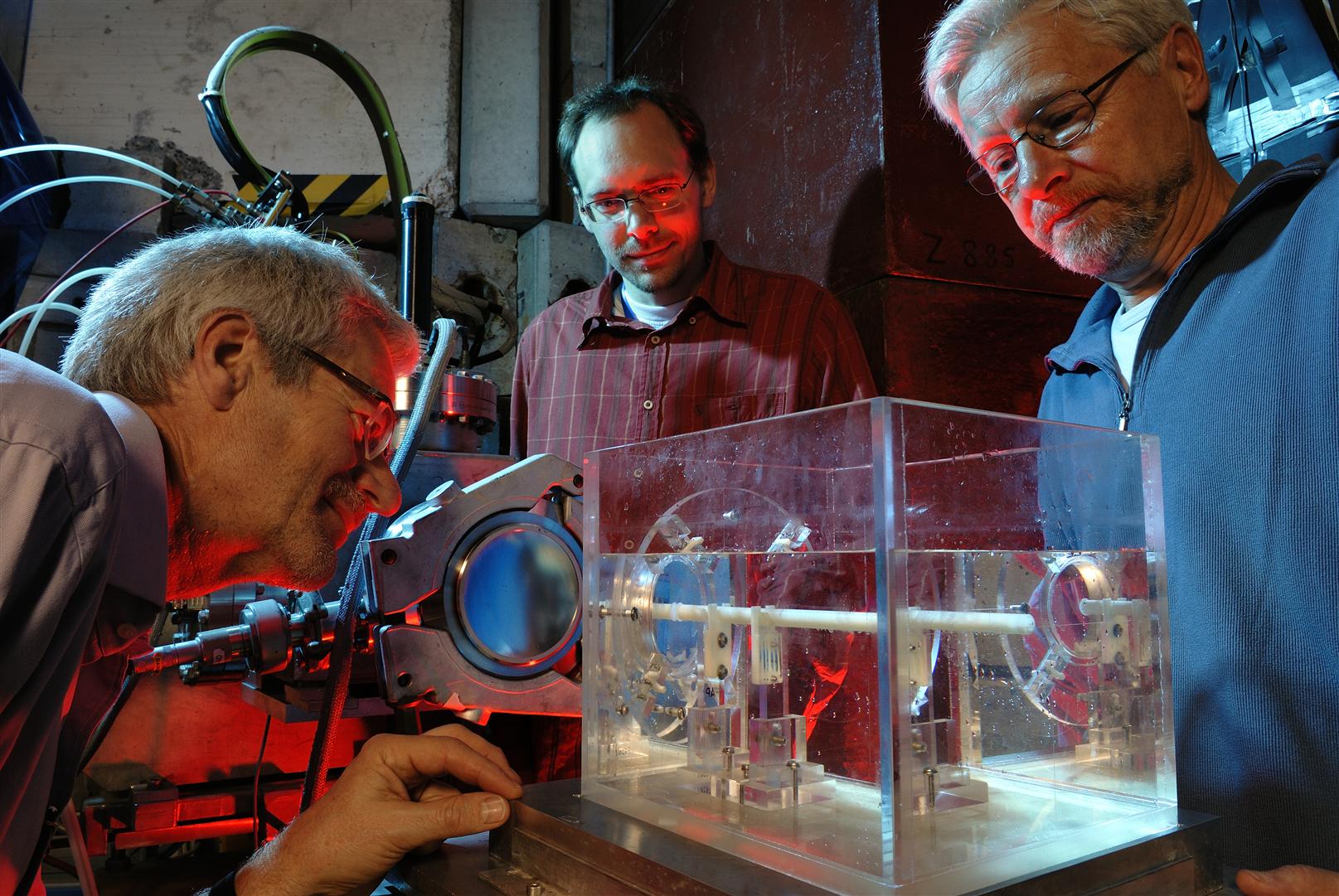
Antiprotons four times more effective than protons for cell irradiation
Geneva, 31 October 2006. A pioneering experiment at CERN1 with potential future application in cancer therapy has produced its first results. Started in 2003, ACE (Antiproton Cell Experiment) is the first investigation of the biological effects of antiprotons. Geneva, 31 October 2006. A pioneering experiment at CERN1 with potential future application in cancer therapy has
-
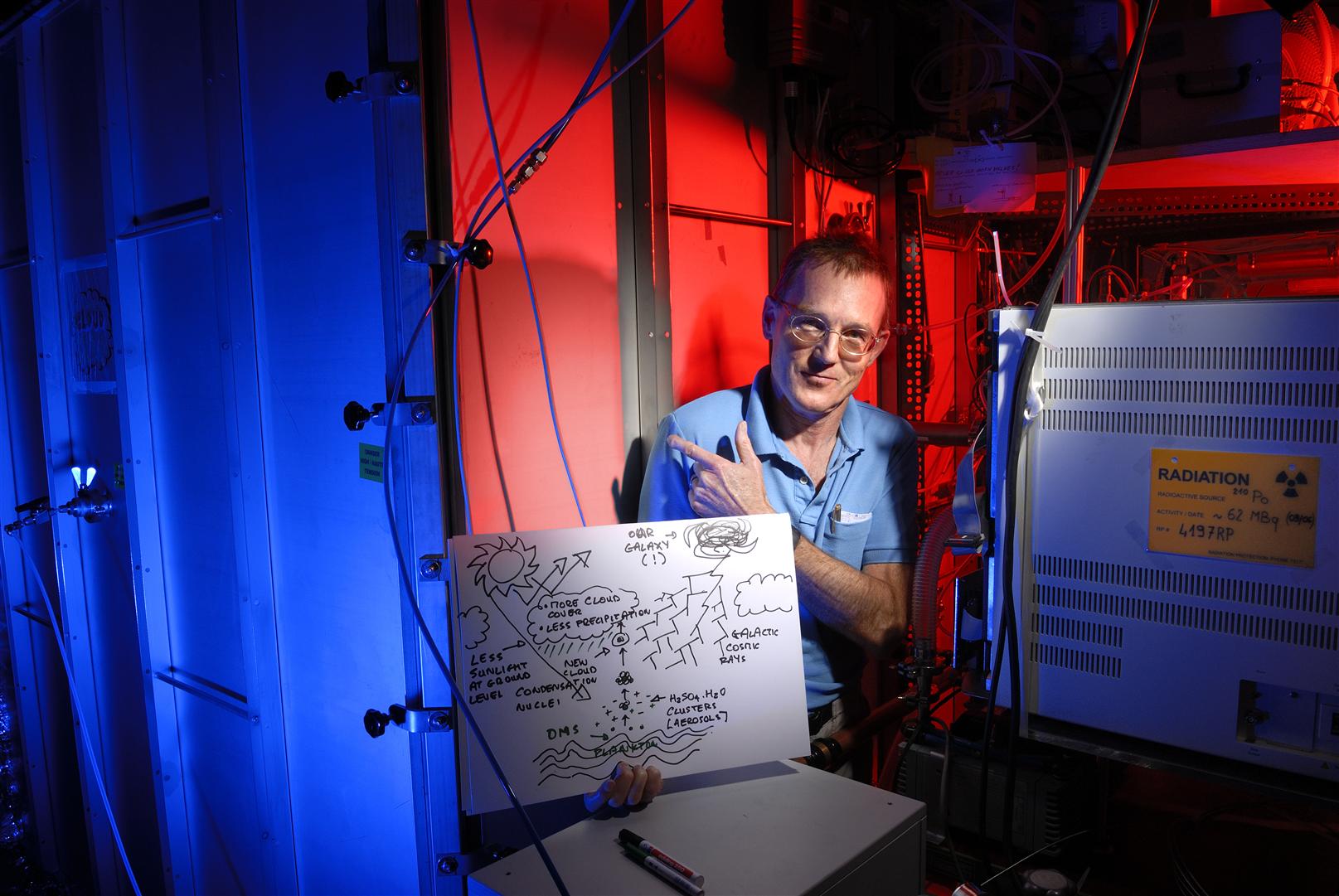
New experiment to investigate the effect of galactic cosmic rays on clouds and climate
Geneva, 19 October 2006. A novel experiment, known as CLOUD (Cosmics Leaving OUtdoor Droplets), begins taking its first data today with a prototype detector in a particle beam at CERN1, the world’s largest laboratory for particle physics. The goal of the experiment is to investigate the possible influence of galactic cosmic rays on Earth’s clouds
-
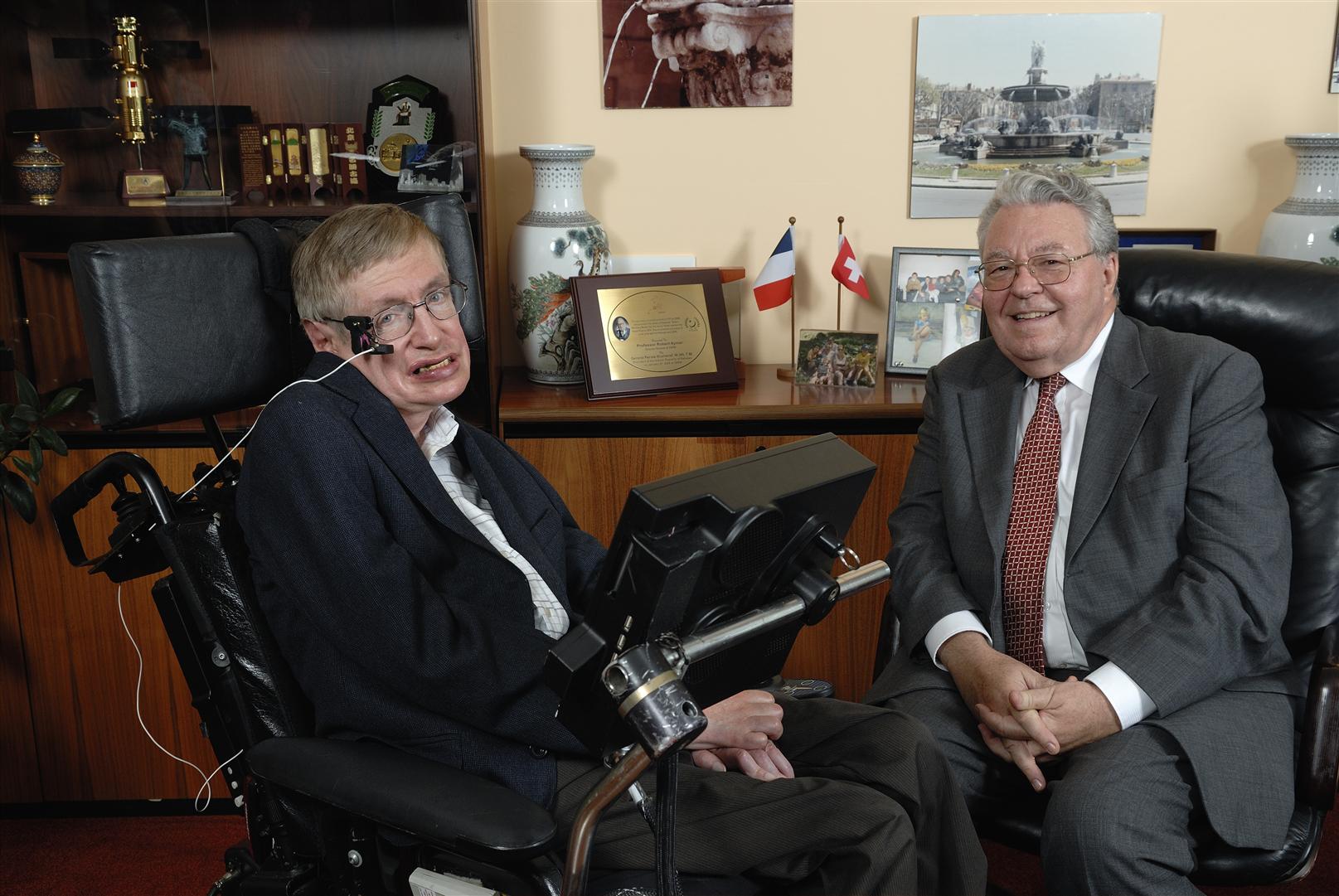
Stephen Hawking tours the future of particle physics at CERN
Geneva, 2 October 2006. Stephen Hawking, Lucasian Professor of Cambridge University and best-selling author of A Brief History of Time, has paid a week long visit to CERN1 in Geneva – the world’s largest centre for particle physics. Geneva, 2 October 2006. Stephen Hawking, Lucasian Professor of Cambridge University and best-selling author of A Brief
-
World’s largest scientific Grid sustains a million jobs per month
Geneva, 25 September 2006. A milestone for scientific Grid computing was announced today at the launch of EGEE’06, a major conference on scientific Grids hosted by CERN1 and held in Geneva this week. The Enabling Grids for E-sciencE (EGEE) project2 maintains a global Grid infrastructure that has been able to sustain more than 30000 jobs
-
CERN Grid leadership recognized by business world
Geneva, 15 September 2006. This week at GridWorld, a major conference for enterprise Grids held in Washington, D.C., CERN1 was honoured with two awards for “Most Innovative Grid Implementation in Public Sector Research” and “Overall Top Research Grid”. The awards were presented by the publishers of GRIDtoday, a leading source of news on Grid technology
-
Mammoth CMS magnet reaches full-field at CERN
Geneva, 13 September 2006. The world’s largest superconducting solenoid magnet has reached full field. Weighing in at over 10,000 tonnes, the CMS experiment’s magnet is built around a 6-metre diameter, 13-metre long superconducting solenoid coil. It generates a field of 4 teslas, some 100,000 times higher than that of the Earth, and stores 2.5 gigajoules
-
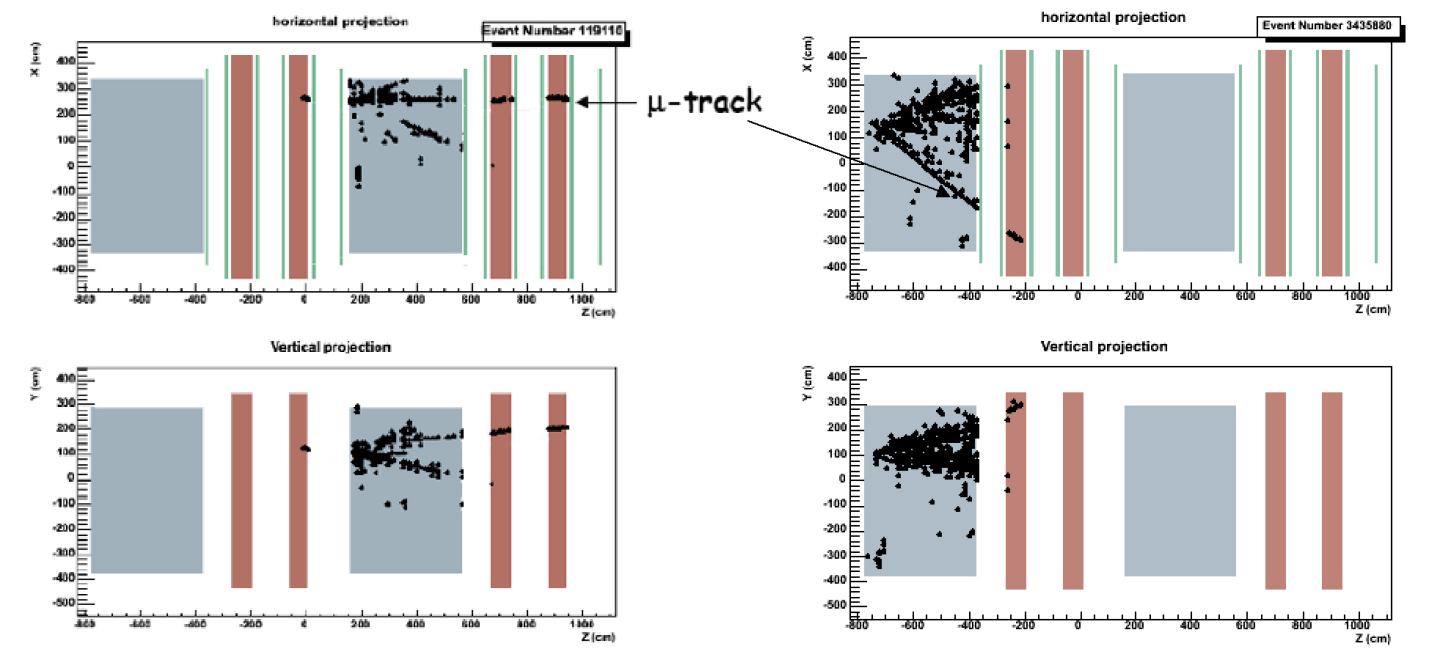
CERN switches on neutrino beam to Gran Sasso
Geneva, 11 September 2006. CERN1 has switched on a new neutrino beam, aimed through the earth to the INFN2 Gran Sasso Laboratories some 730km away near Rome. This is the latest addition to a global endeavour to understand this most elusive of particles and unlock the secrets it carries about the origins and evolution of
-
LHC experiments at CERN on track with cosmic rays
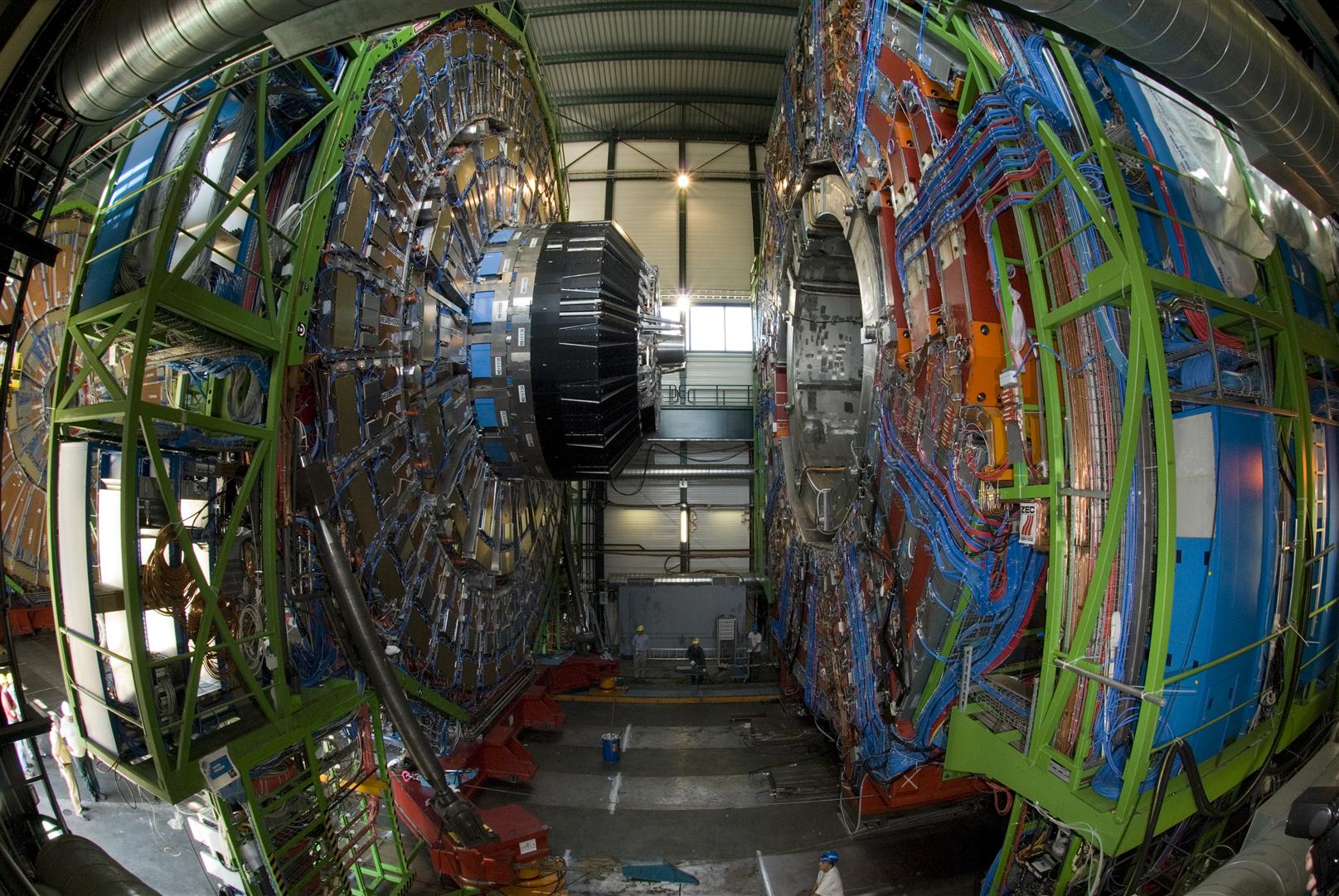
Geneva, 26 July 2006. The giant CMS particle detector at CERN1 has been sealed and switched on to collect data for an important series of tests using cosmic ray particles. The CMS ‘cosmic challenge’ will be carried out with segments of the full set of sub-detectors including a tracking detector composed of 2 m2 of
-
Putting your computer to work to fight against malaria in Africa
Geneva, 13 July 2006. While you are sending an email or surfing the web, your computer could be helping to tackle one of Africa’s major humanitarian challenges, malaria. Africa @ home, a project conceived and coordinated by CERN1, was launched publicly this week. It is recruiting volunteer computers in homes and offices to run a