
Category: Physics
-
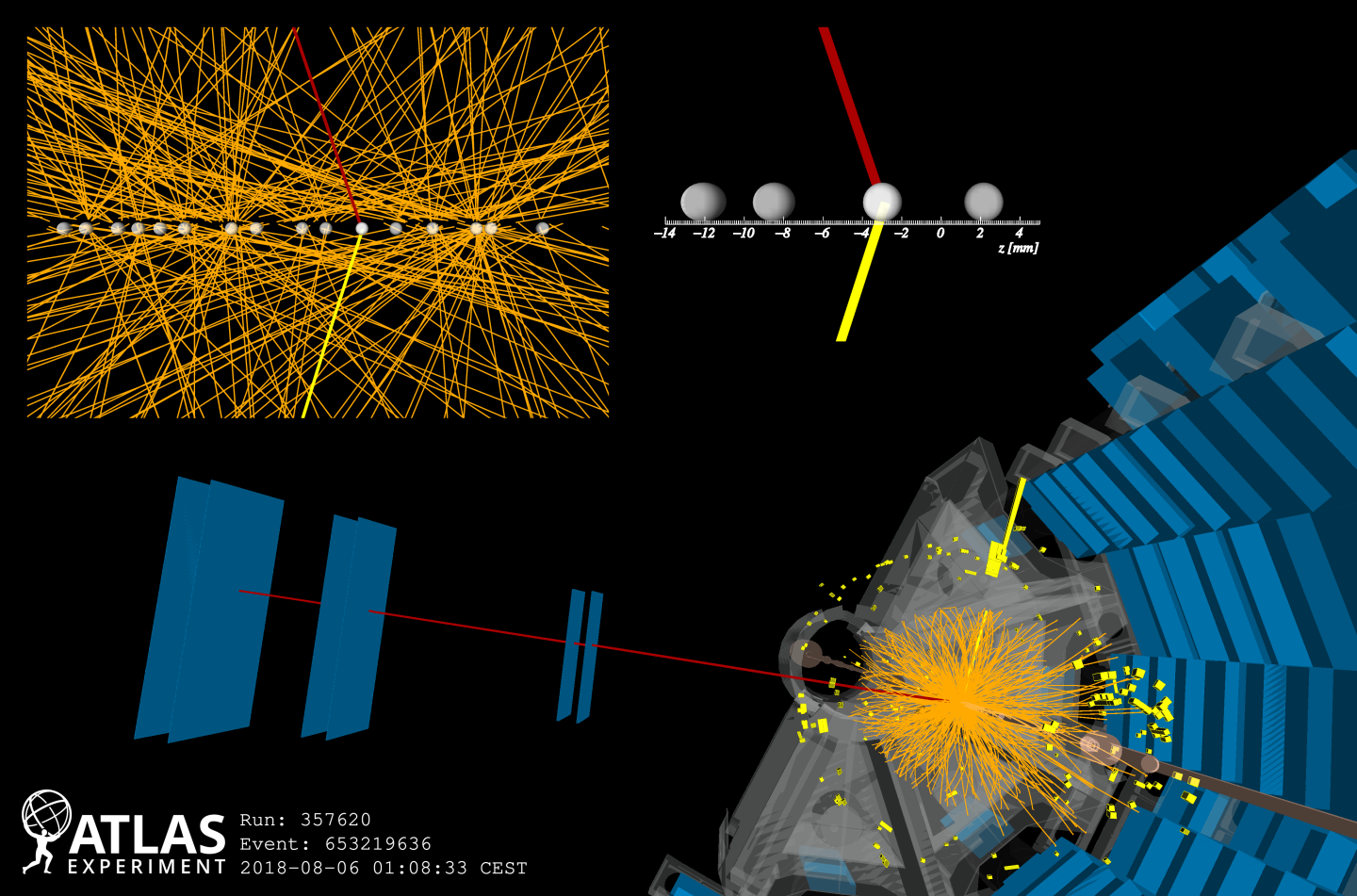
Rare phenomenon observed by ATLAS features the LHC as a high-energy photon collider
The ATLAS experiment reports the observation of photon collisions producing weak-force carriers and provides further insights into their interactions
-
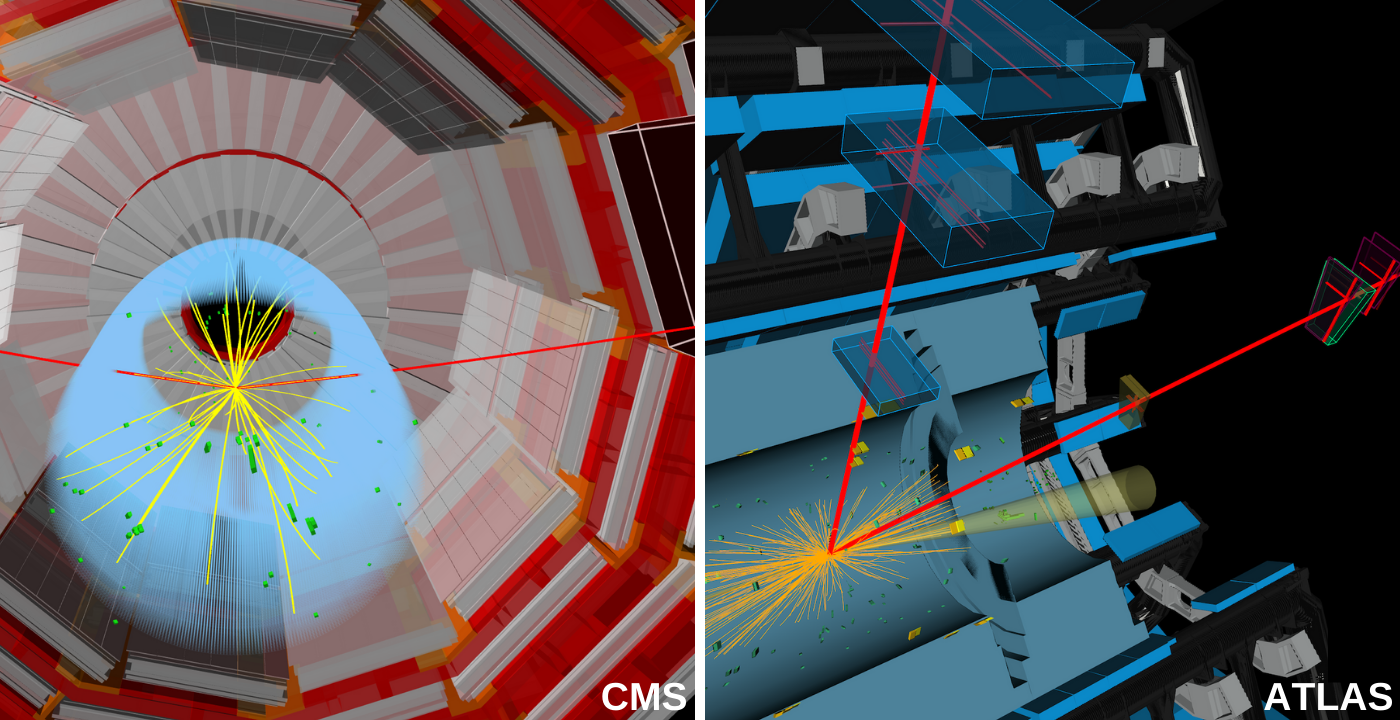
CERN experiments announce first indications of a rare Higgs boson process
The ATLAS and CMS experiments at CERN have announced new results which show that the Higgs boson decays into two muons
-
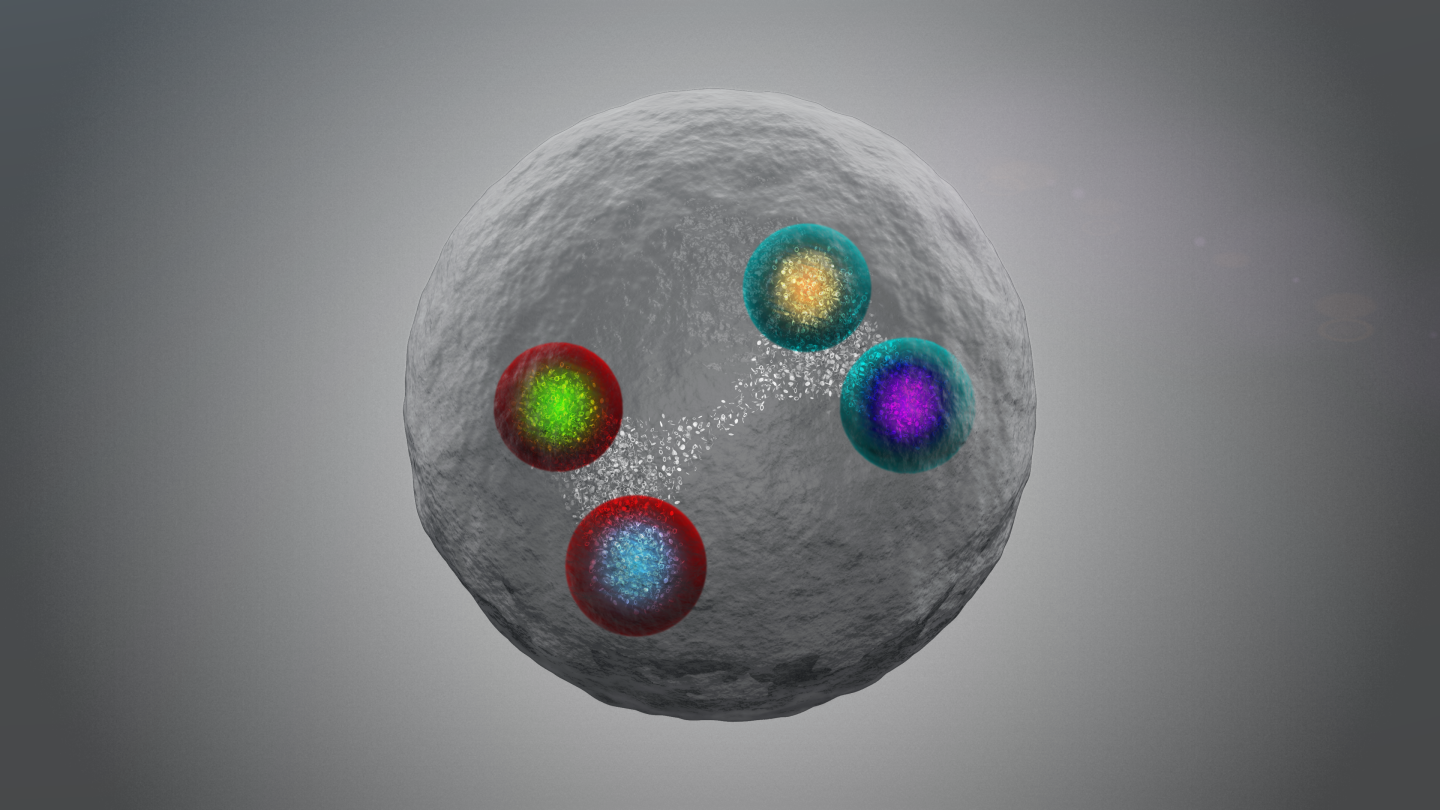
LHCb discovers a new type of tetraquark at CERN
The LHCb collaboration has observed an exotic particle made up of four charm quarks for the first time
-

Particle physicists update strategy for the future of the field in Europe
The CERN Council announced that it had unanimously updated the strategy intended to guide the future of particle physics in Europe within the global landscape
-

Particle physicists update strategy for the future of the field in Europe
The CERN Council today announced that it has updated the strategy that will guide the future of particle physics in Europe
-
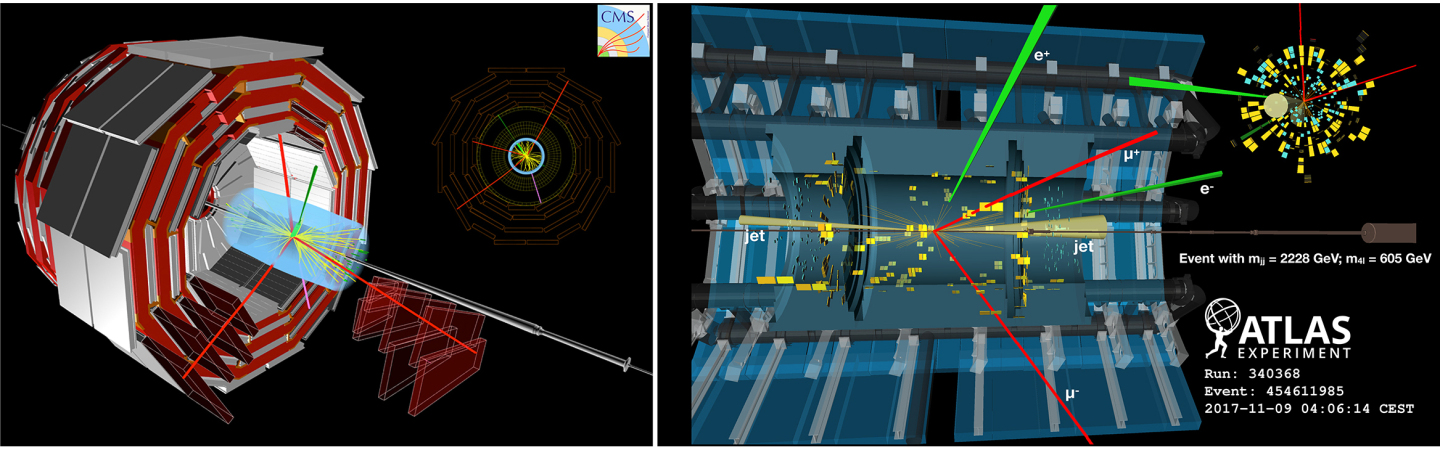
Search for new physics through multiboson production
At the LHCP conference this year, the ATLAS and CMS experiments presented new results relating to a physics process called vector boson scattering
-
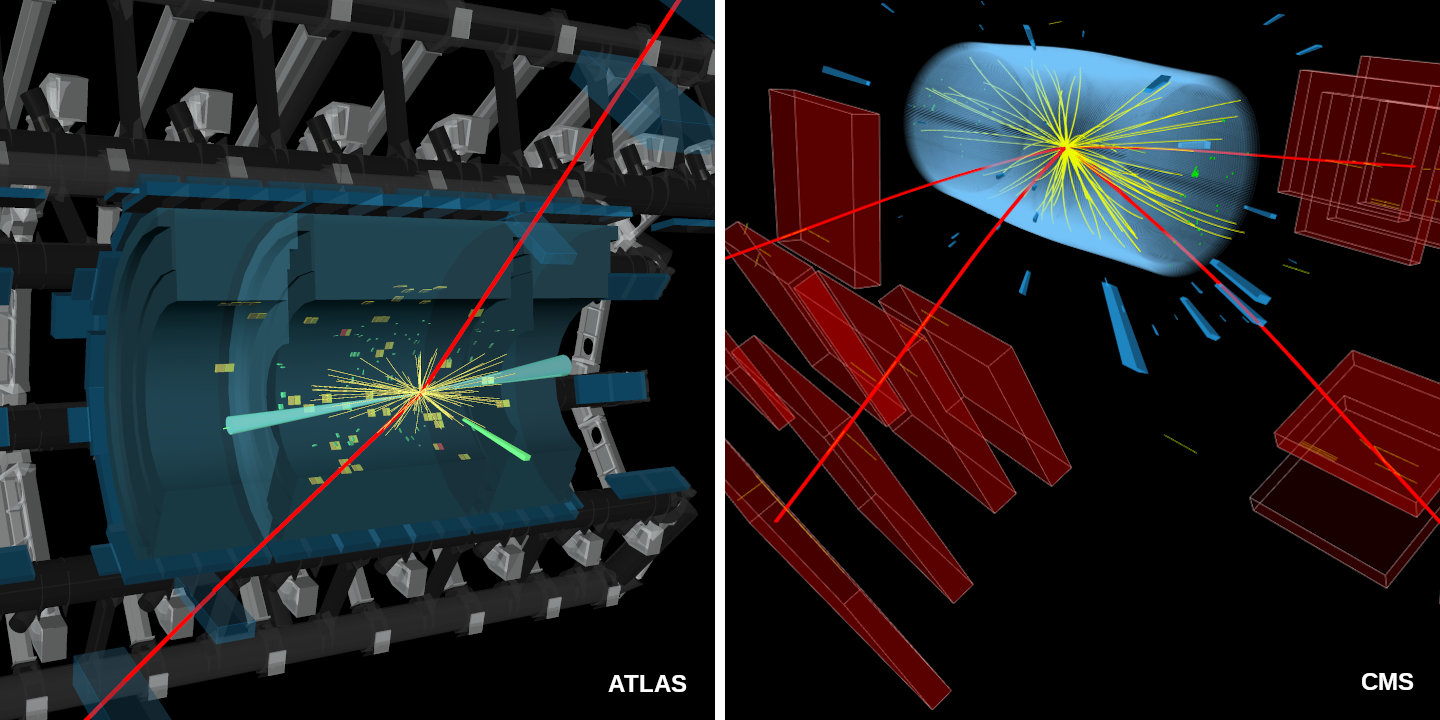
Exploring new ways to see the Higgs boson
The ATLAS and CMS collaborations presented their latest results on new signatures for detecting the Higgs boson at CERN’s Large Hadron Collider
-
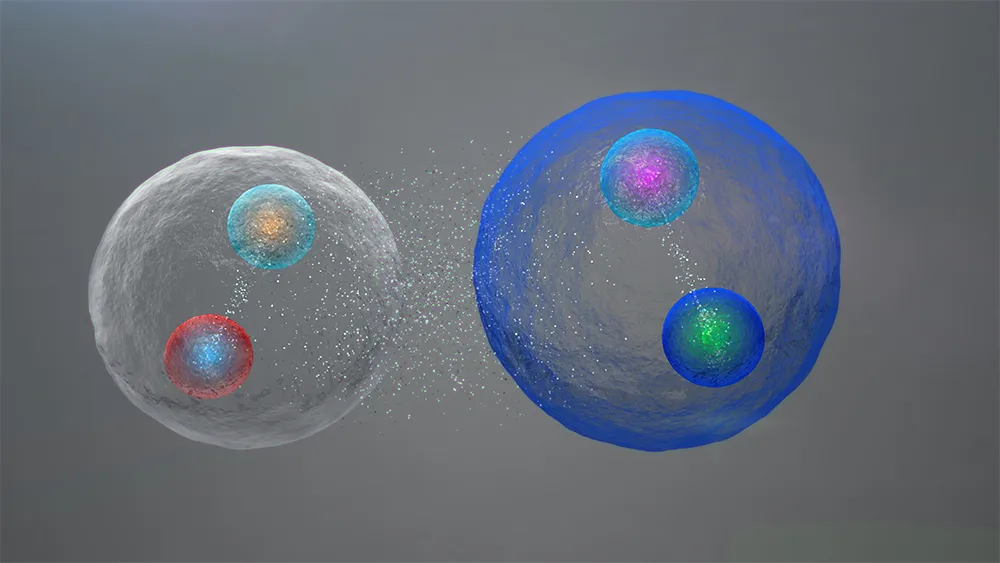
CERN collaborations present new results on particles with charm quarks
The ALICE, CMS and LHCb collaborations present new measurements that show how particles containing charm quarks can serve as “messengers” of hadrons and the quark–gluon plasma, carrying information about these forms of matter
-
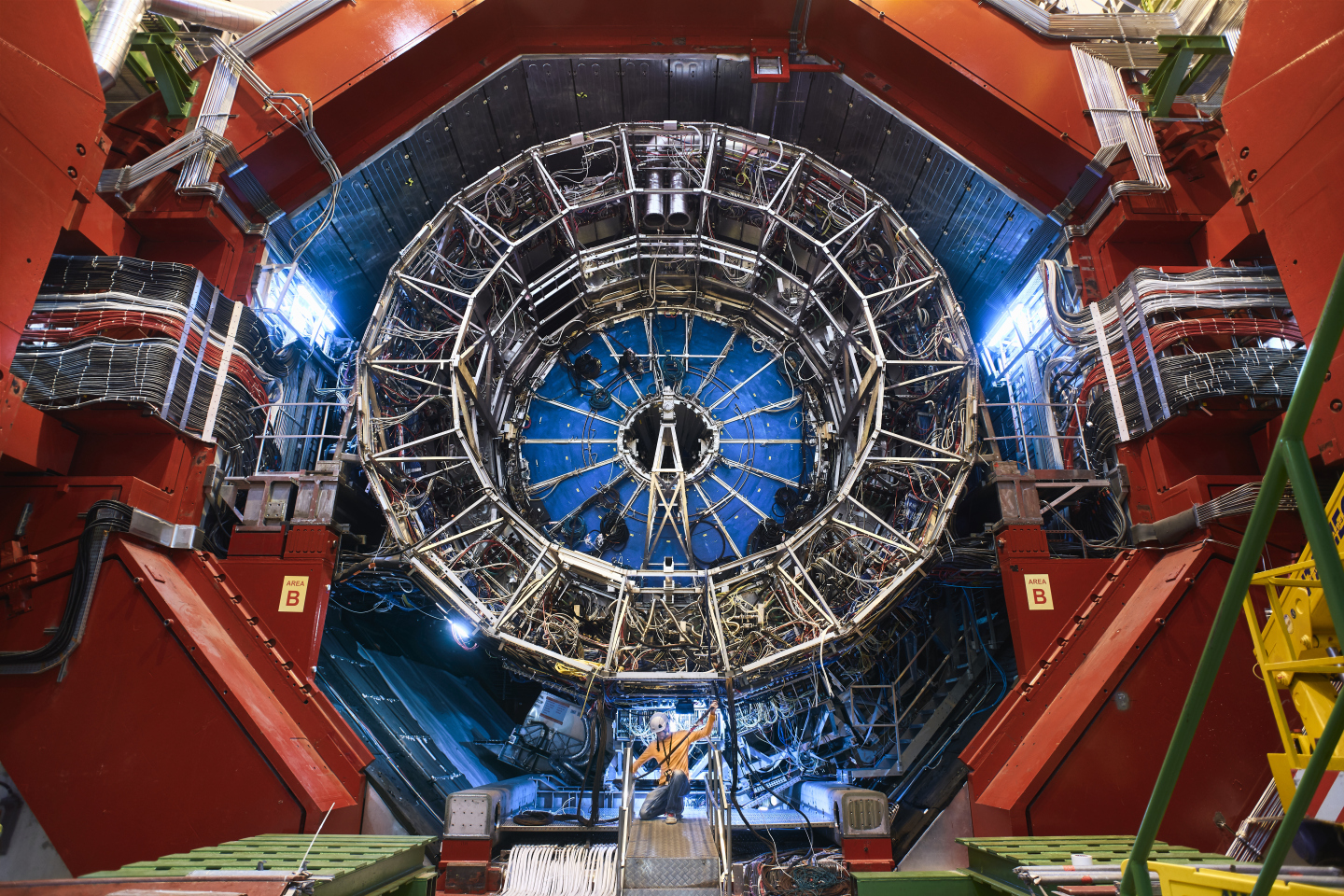
Fresh antimatter study by ALICE will help with search for dark matter
The study of light antinuclei – from creation to annihilation – will bolster future indirect dark matter searches
-
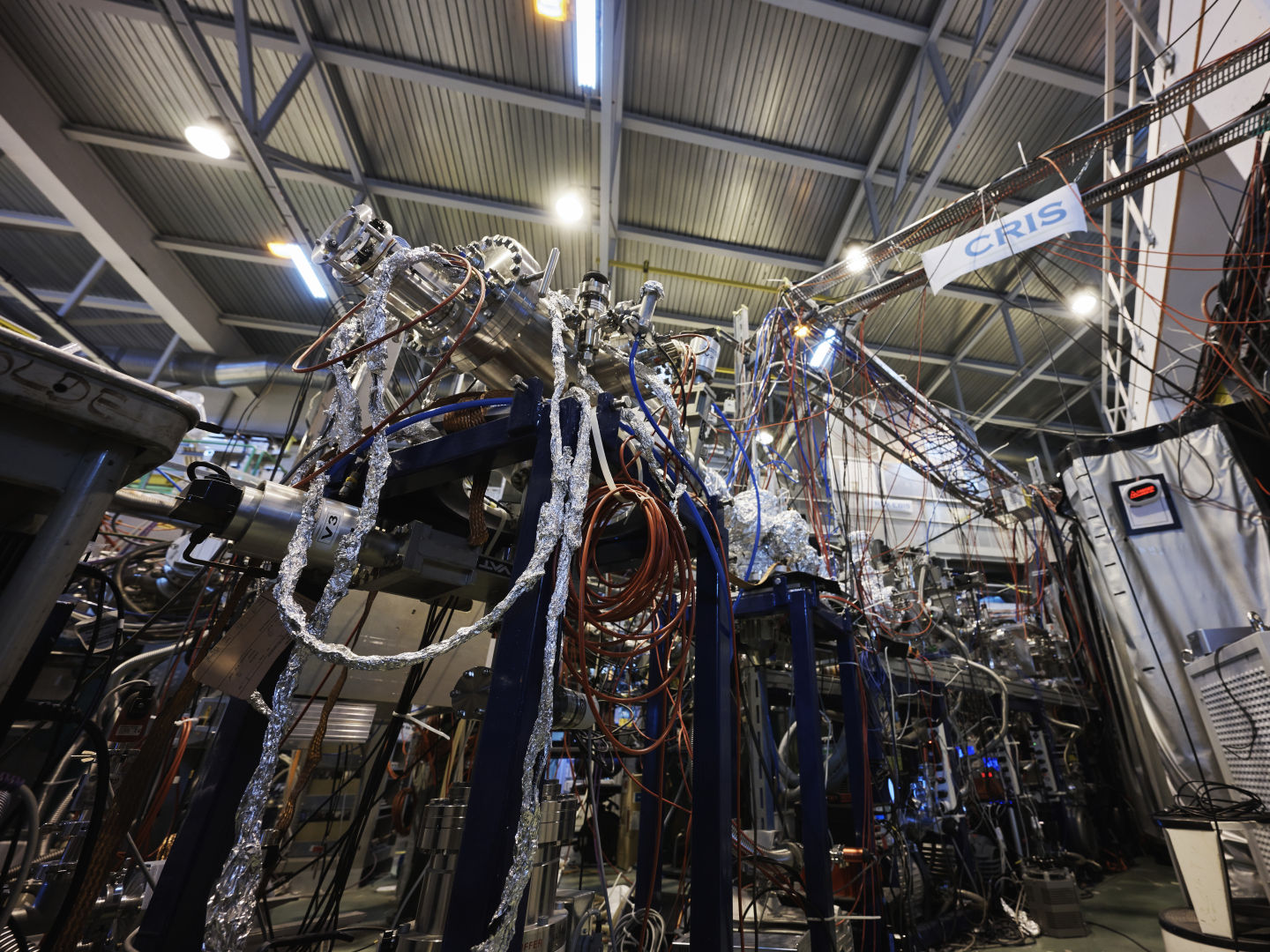
ISOLDE scores a first with laser spectroscopy of short-lived radioactive molecules
The result represents an essential step towards using these molecules for fundamental physics research and beyond