
Category: Physics
-
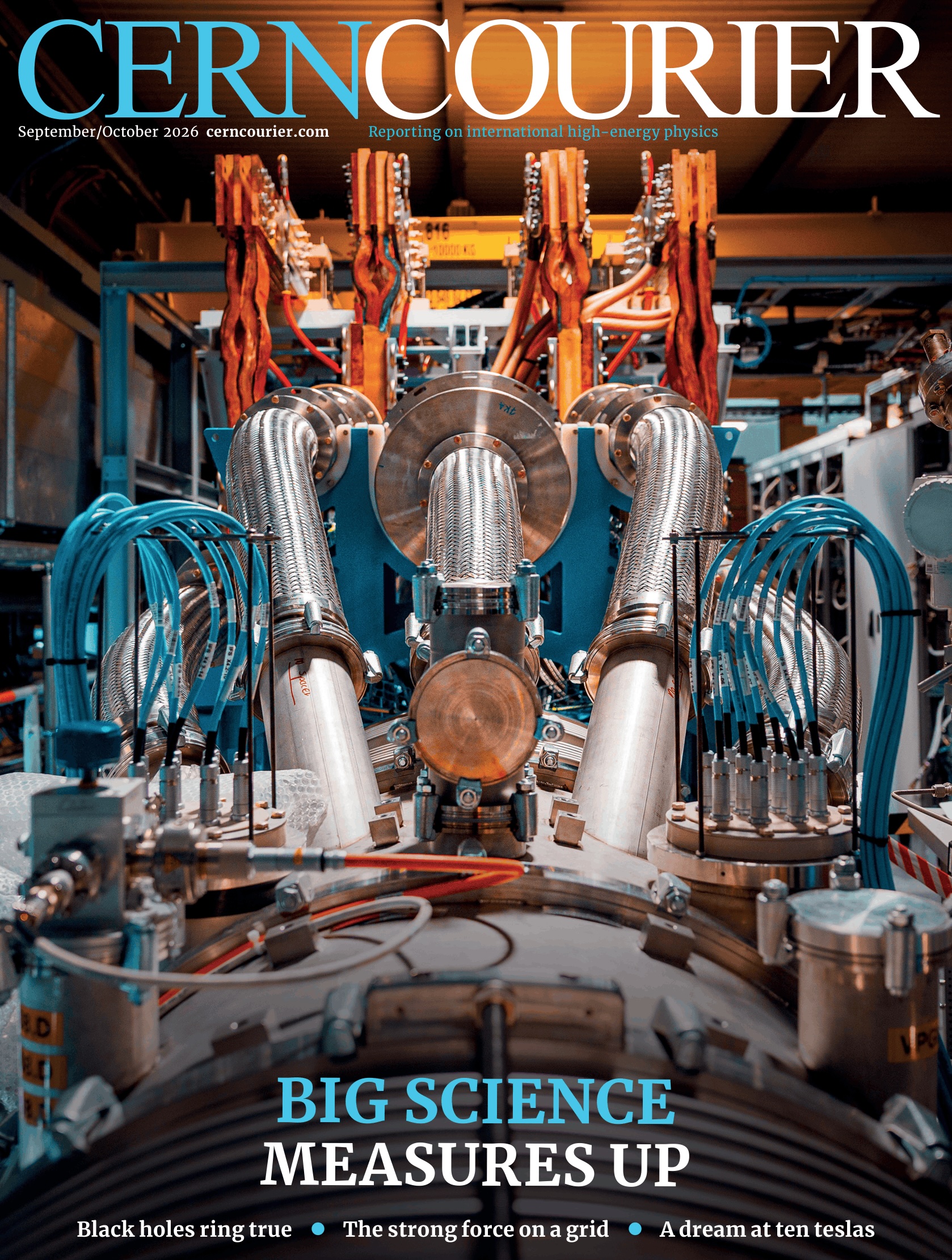
The September/October 2026 issue of the CERN Courier is out
In his landmark 1945 report Science, the Endless Frontier, Vannevar Bush argued that basic research is the fund from which applications, and with them prosperity, are drawn. Eight decades on, the High-Luminosity LHC is expected to return to society nearly twice its cost, before a single discovery is counted. The largest share comes from the skills
-

Strong evidence for quantum entanglement between Z bosons found by ATLAS and CMS
Quantum entanglement is certainly one of the stranger concepts to have emerged from the melting pot of 20th-century physics. Many great physicists, including Einstein, struggled to accept that the phenomenon could be real but, for decades now, the number of examples demonstrating it has been increasing. And, recently, the ATLAS and CMS Collaborations have added to these results by
-
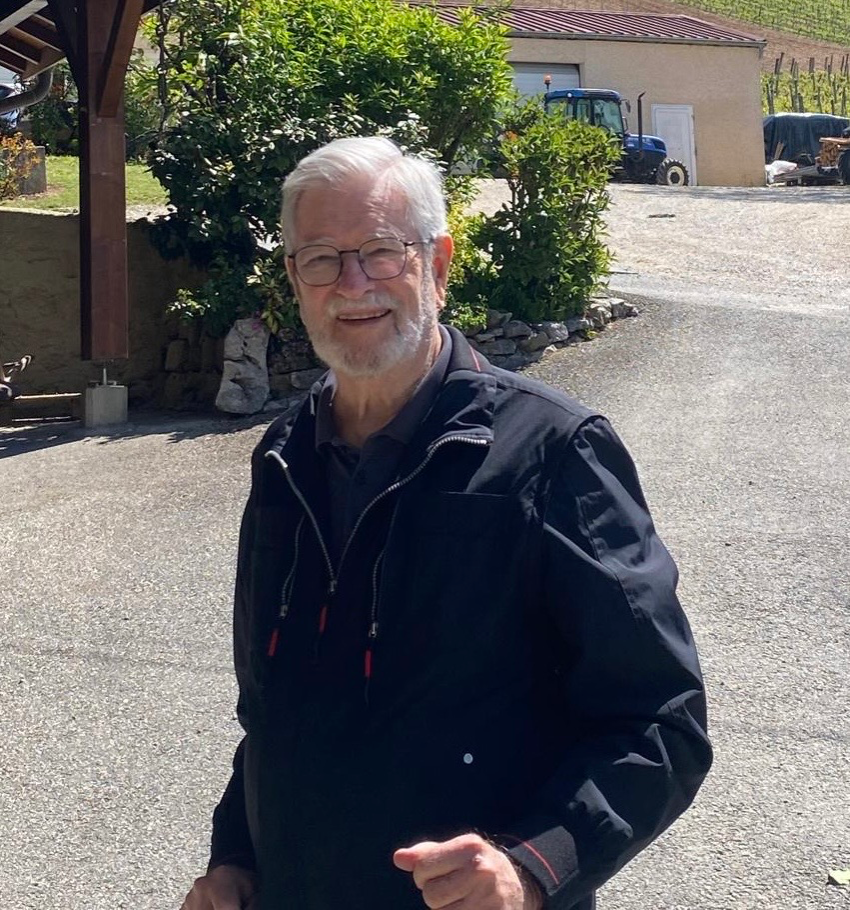
Fred James (1939 – 2026)
Fred James (1939 – 2026) — Fred James, CERN’s renowned expert on data analysis and statistics, pioneer of numerical methods, and co-author of the popular book Statistical Methods in Experimental Physics, sadly passed away on 31 July. Fred was born in Detroit, USA, on 28 May 1939, and graduated in 1960 from Princeton University with a degree in physics.
-
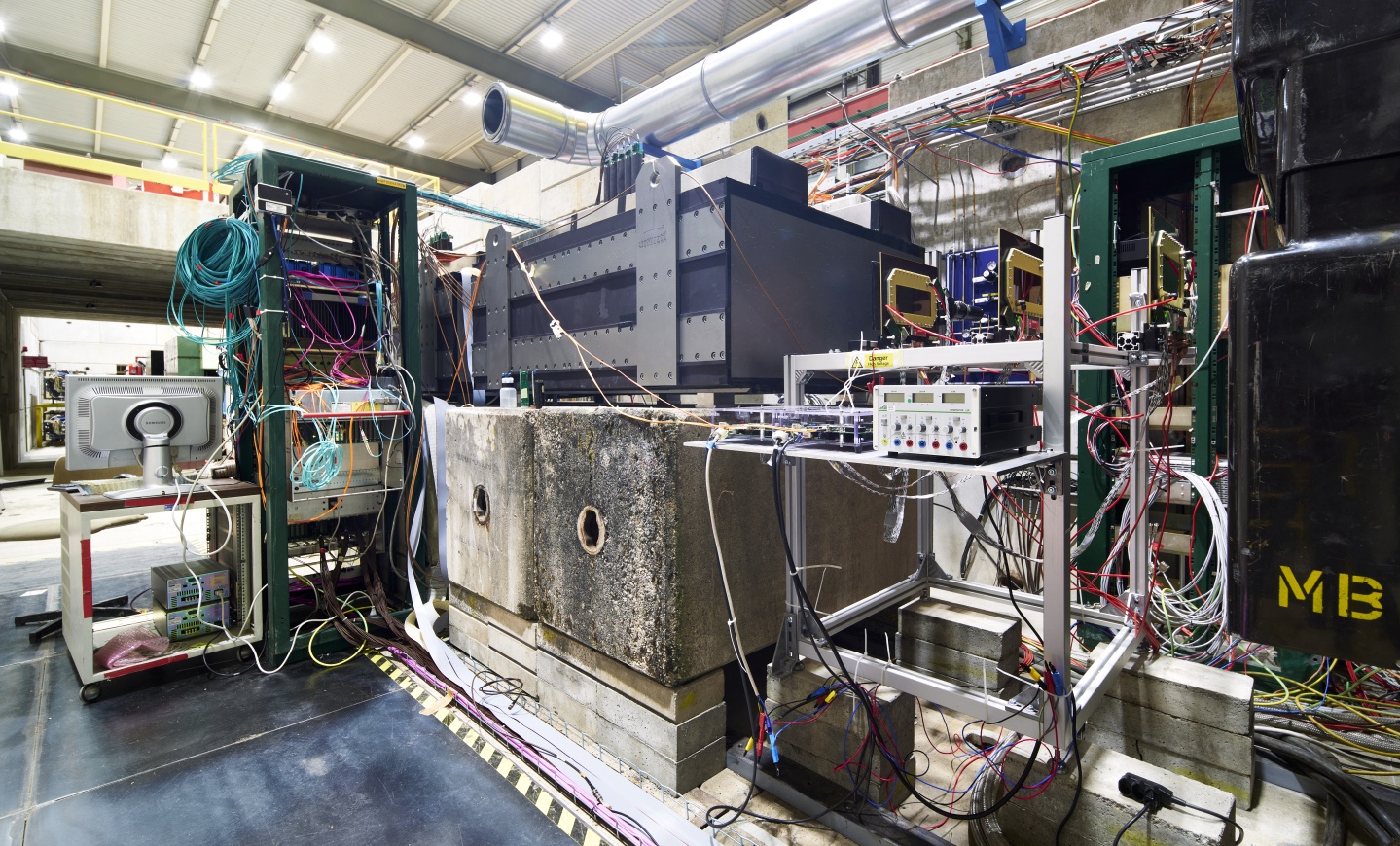
NA64, a decade of hunting dark matter
In particle physics, energy is never lost. When particles collide or decay, all the initial energy they carry must be conserved in the resulting products, and a shortfall signals that something has escaped unseen. It was the energy missing from radioactive decays that led Wolfgang Pauli to propose the neutrino in 1930, a particle so elusive that it evaded detection for
-
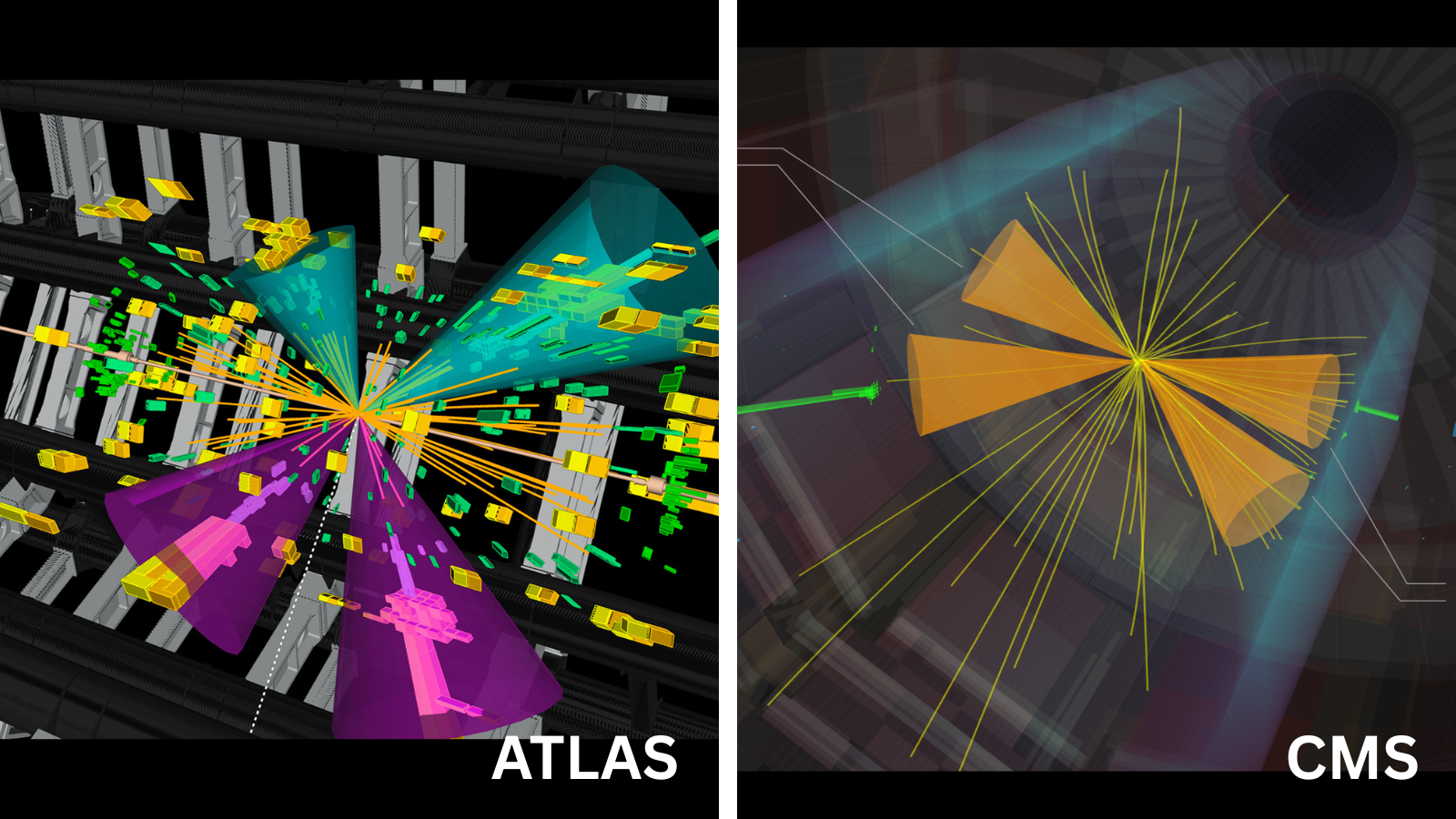
ATLAS and CMS narrow in on double-Higgs production
Finding one Higgs boson was hard enough, but physicists at the Large Hadron Collider (LHC) are hunting for something even more elusive: pairs of Higgs bosons. At the recent International Conference on High Energy Physics 2026, the ATLAS and CMS Collaborations presented new constraints on the double-Higgs production rate, providing insight into how the Higgs
-
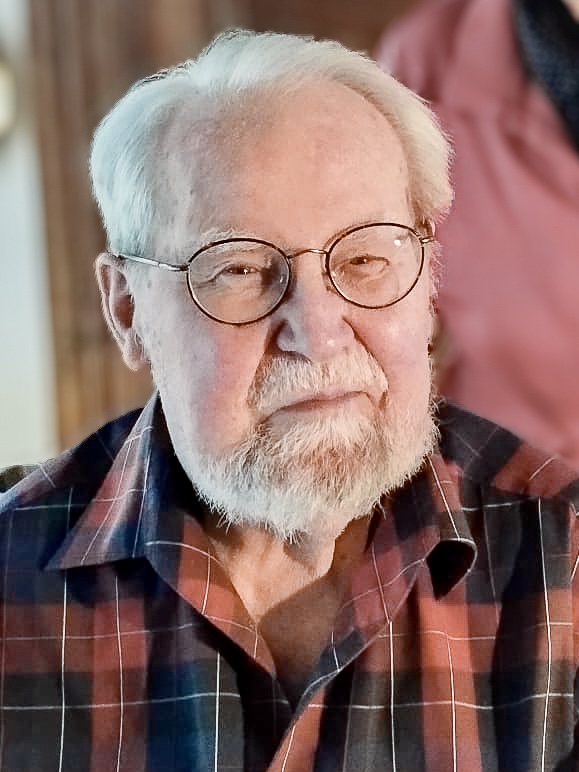
Jens Bisplinghoff (1944 – 2026)
Jens Bisplinghoff (1944 – 2026) — The AMBER Collaboration is deeply saddened by the passing of our dear colleague Jens Bisplinghoff at the age of 81. Jens devoted more than four decades to experimental nuclear and particle physics. He began his scientific career in nuclear physics, conducting research at the University of Bonn, the Nuclear
-
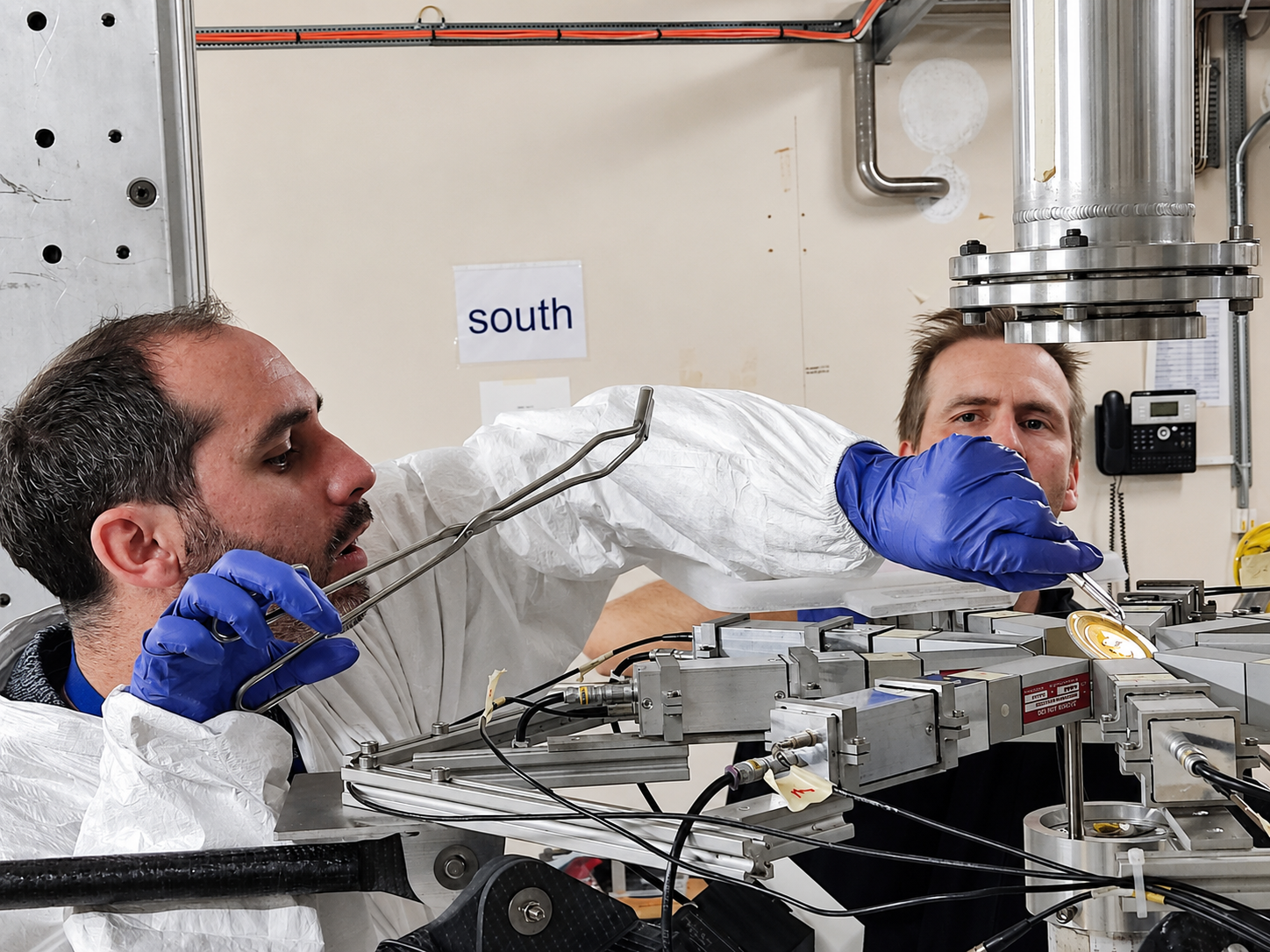
n_TOF experiment sheds light on ancient stardust
Niobium-94, an isotope of niobium with 41 protons and 53 neutrons, is a critical crossroads in the complex nuclear processes that forge heavy elements under the intense pressures and temperatures of dying stars. Writing in Physical Review Letters, the n_TOF Collaboration reports the first ever measurement of the probability of niobium-94 taking one of the
-
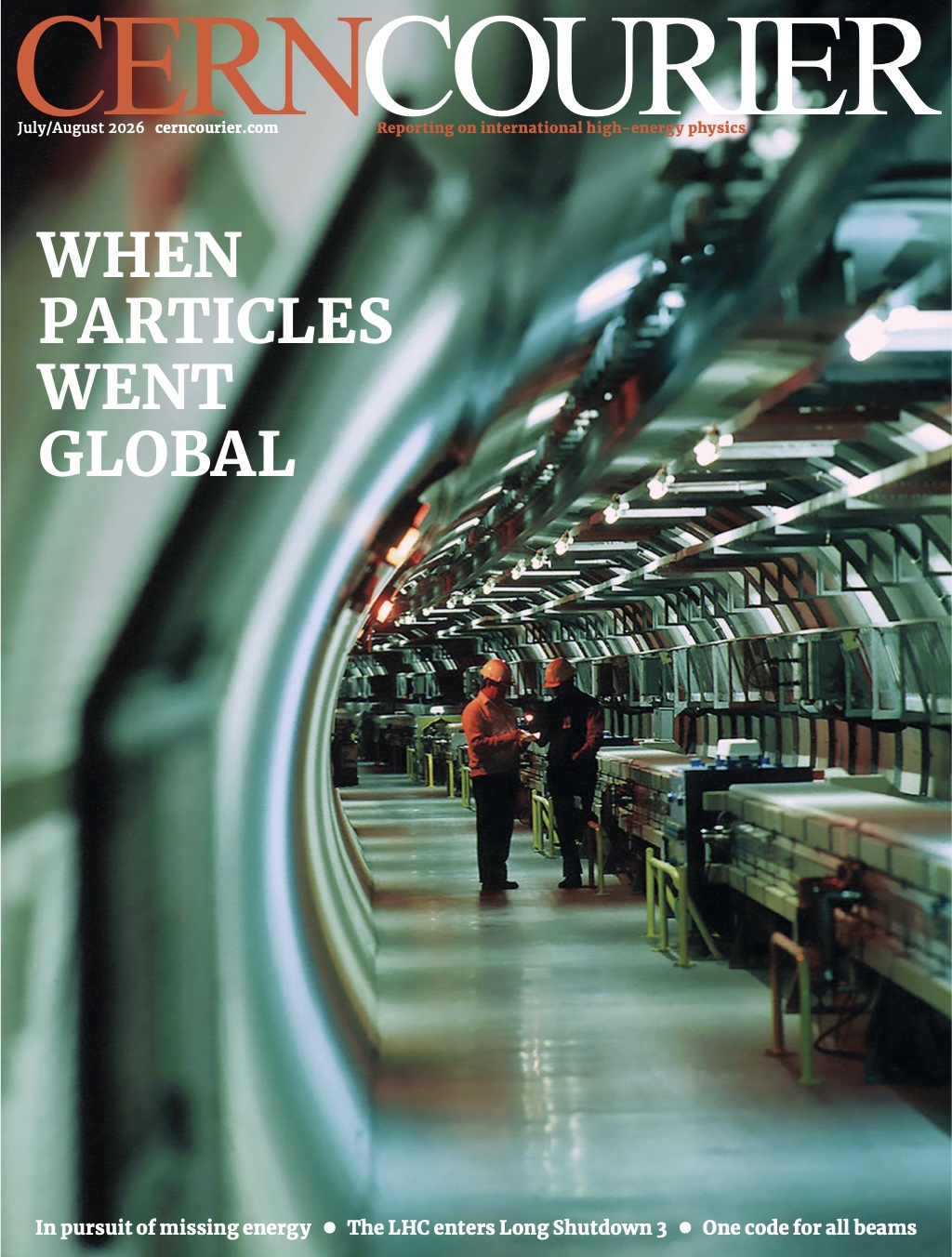
The July/August 2026 issue of the CERN Courier is out
When the Large Electron–Positron collider (LEP) switched on, in 1989, the field had never worked at such a scale. Approved eight years earlier, it collided electrons and positrons until the turn of the century, marking two decades in which discovery truly turned global. Last November, some 200 physicists and historians gathered at CERN to take stock
-

Oxygen collisions at the LHC show new indications of extreme state of matter
One year on from the first-ever collisions of oxygen at the Large Hadron Collider (LHC), the main LHC Collaborations – ALICE, ATLAS, CMS and LHCb – have each reported signs of the state of matter known as quark–gluon plasma (QGP) originating from these collisions. QGP is a state of matter that forms under intense pressure
-
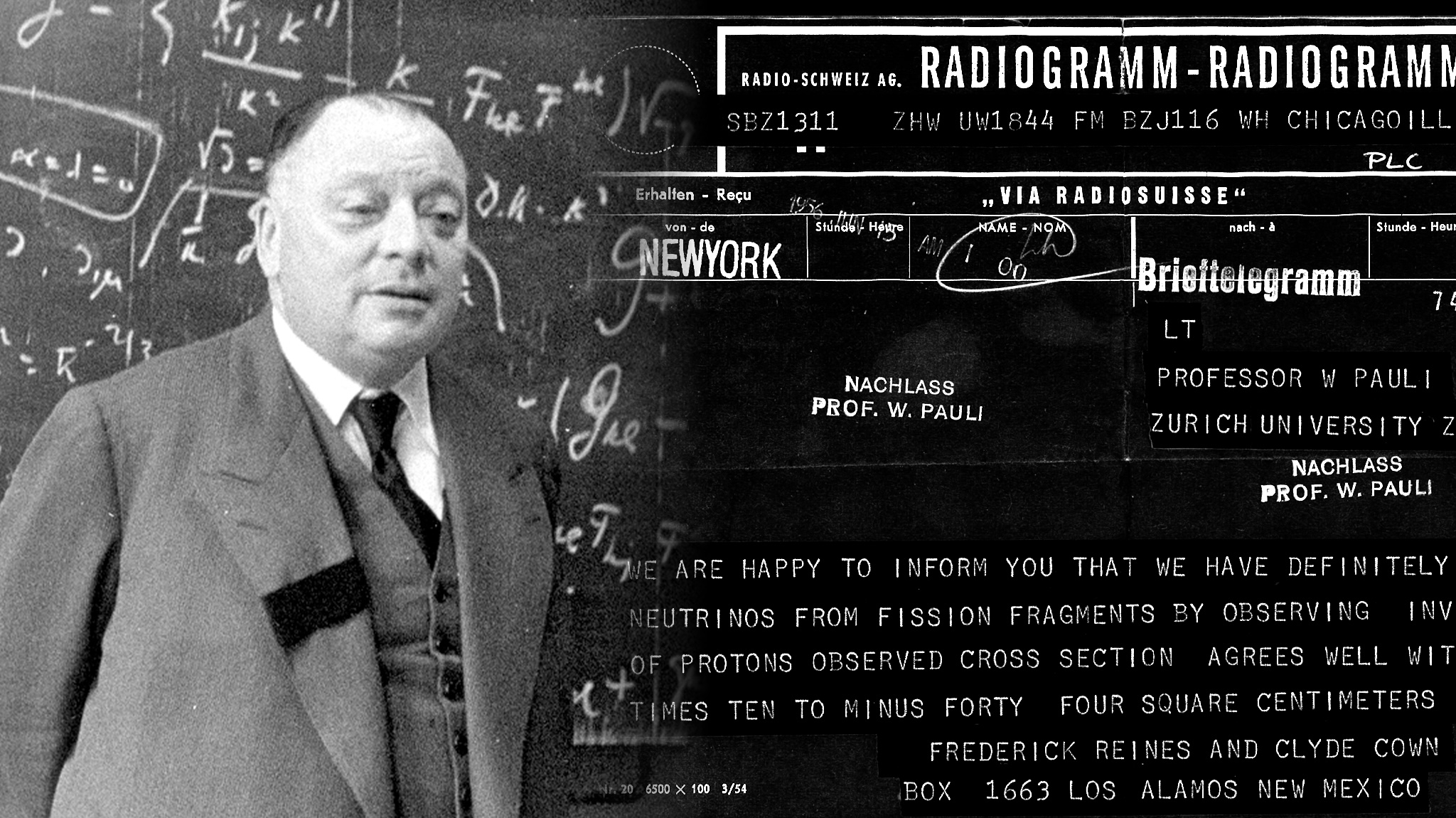
The puzzle of neutrinos, seventy years on
Seventy years ago today, Clyde Cowan, Frederick Reines and their colleagues closed a quarter-century hunt with a paper in Science, having caught neutrinos streaming out of a nuclear reactor in South Carolina. The search had begun in December 1930, when Wolfgang Pauli, in a letter to the “radioactive ladies and gentlemen” gathered at a meeting