
Category: Physics
-
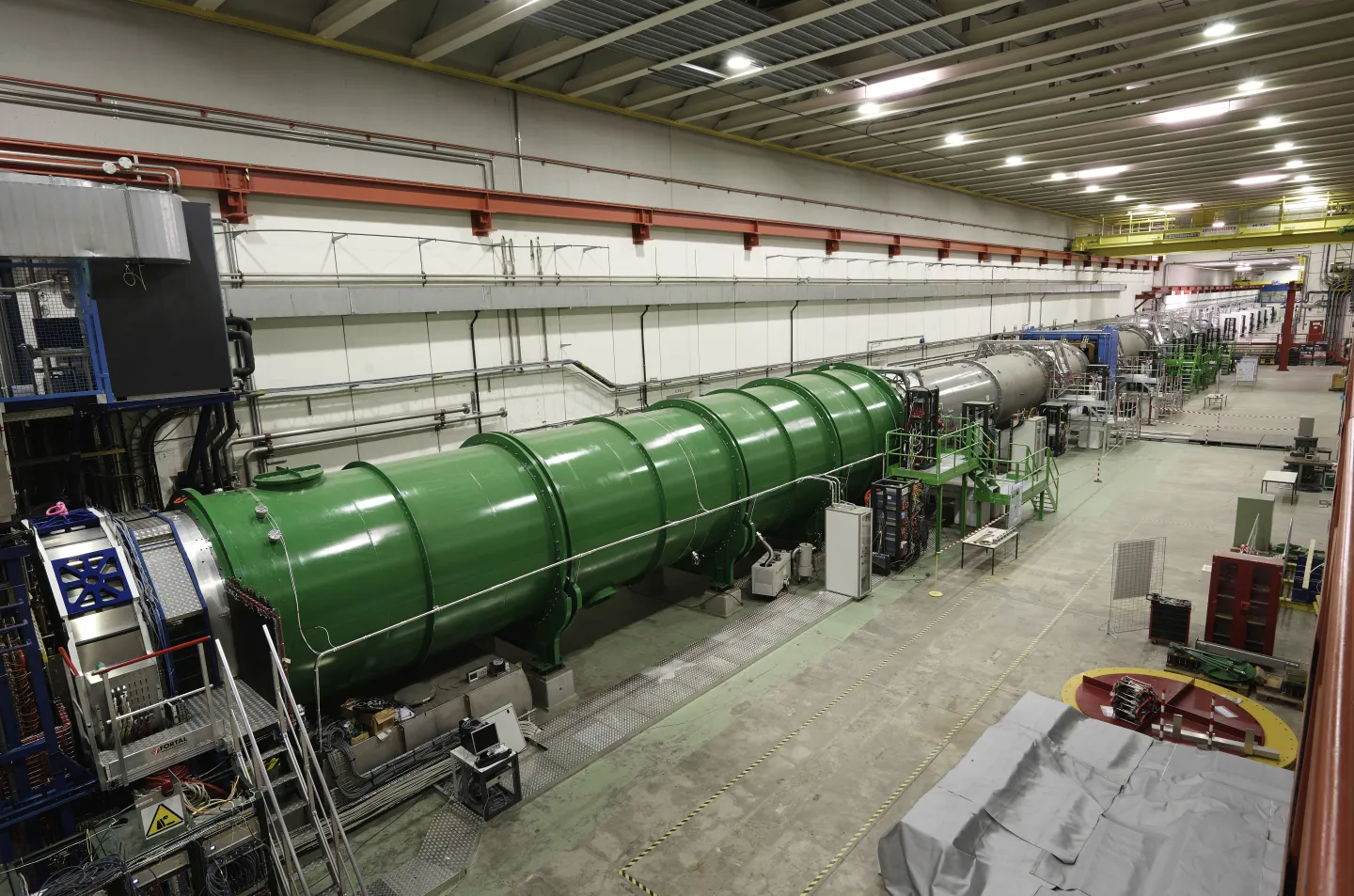
NA62 experiment at CERN observes ultra-rare particle decay
In the Standard Model of particle physics, the odds of this decay occurring are less than one in 10 billion
-
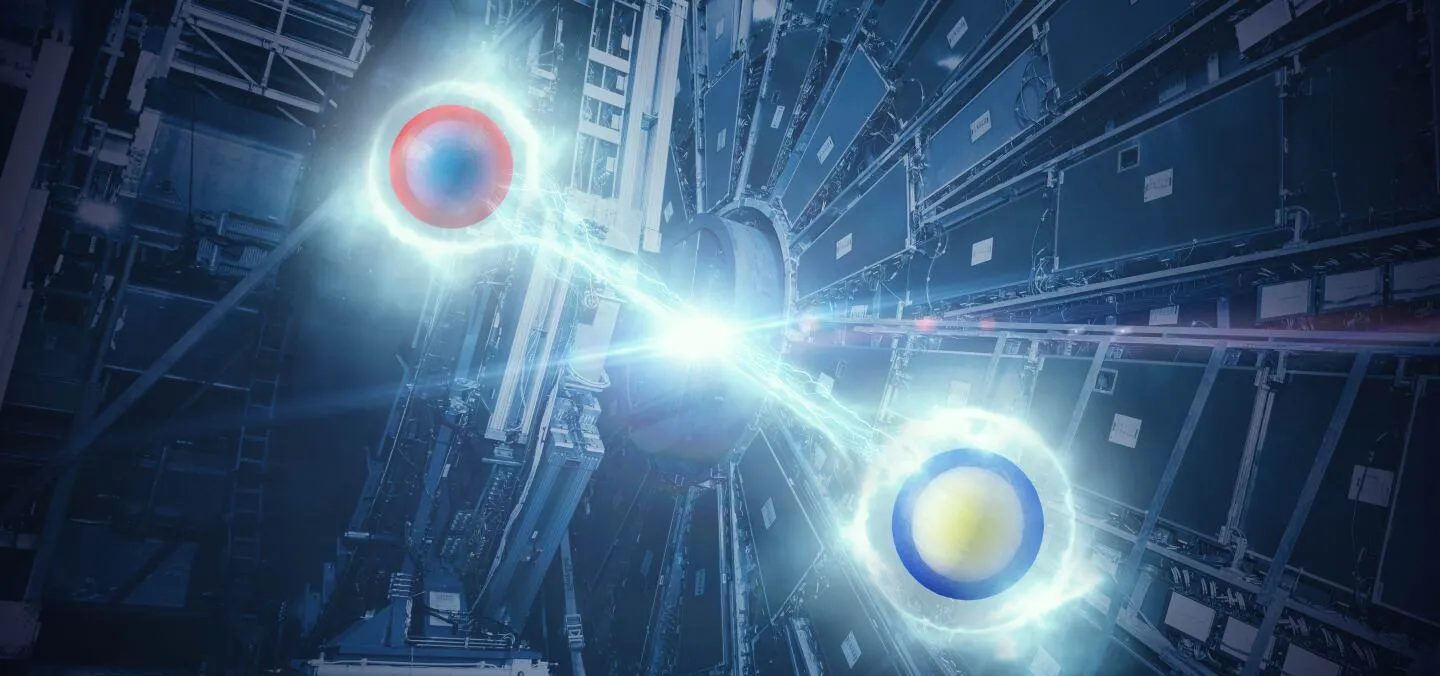
LHC experiments at CERN observe quantum entanglement at the highest energy yet
The results open up a new perspective on the complex world of quantum physics
-
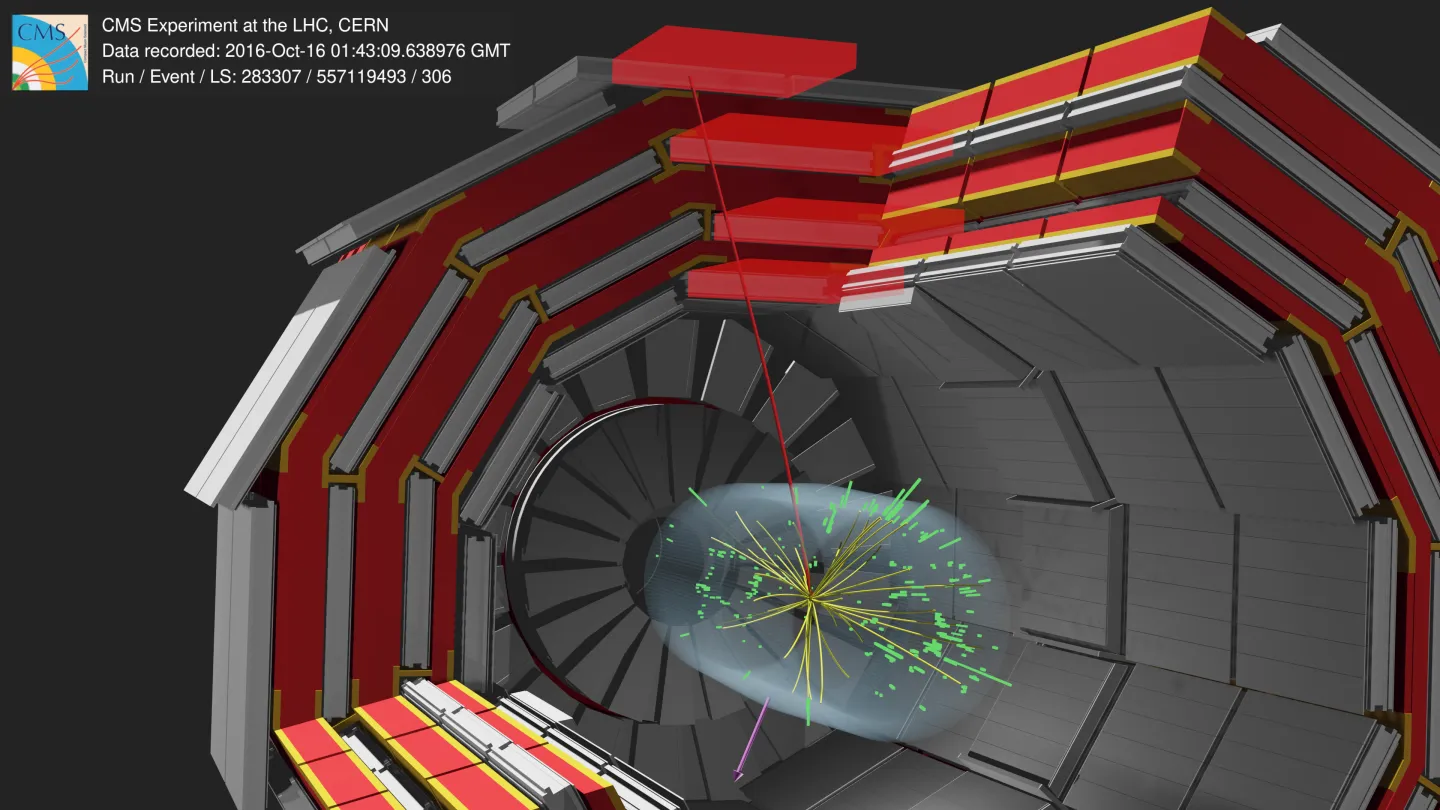
CMS experiment at CERN weighs in on the W boson mass
The eagerly awaited result is the most precise measurement of the W mass made at the LHC so far, and is in line with the prediction from the Standard Model of particle physics
-
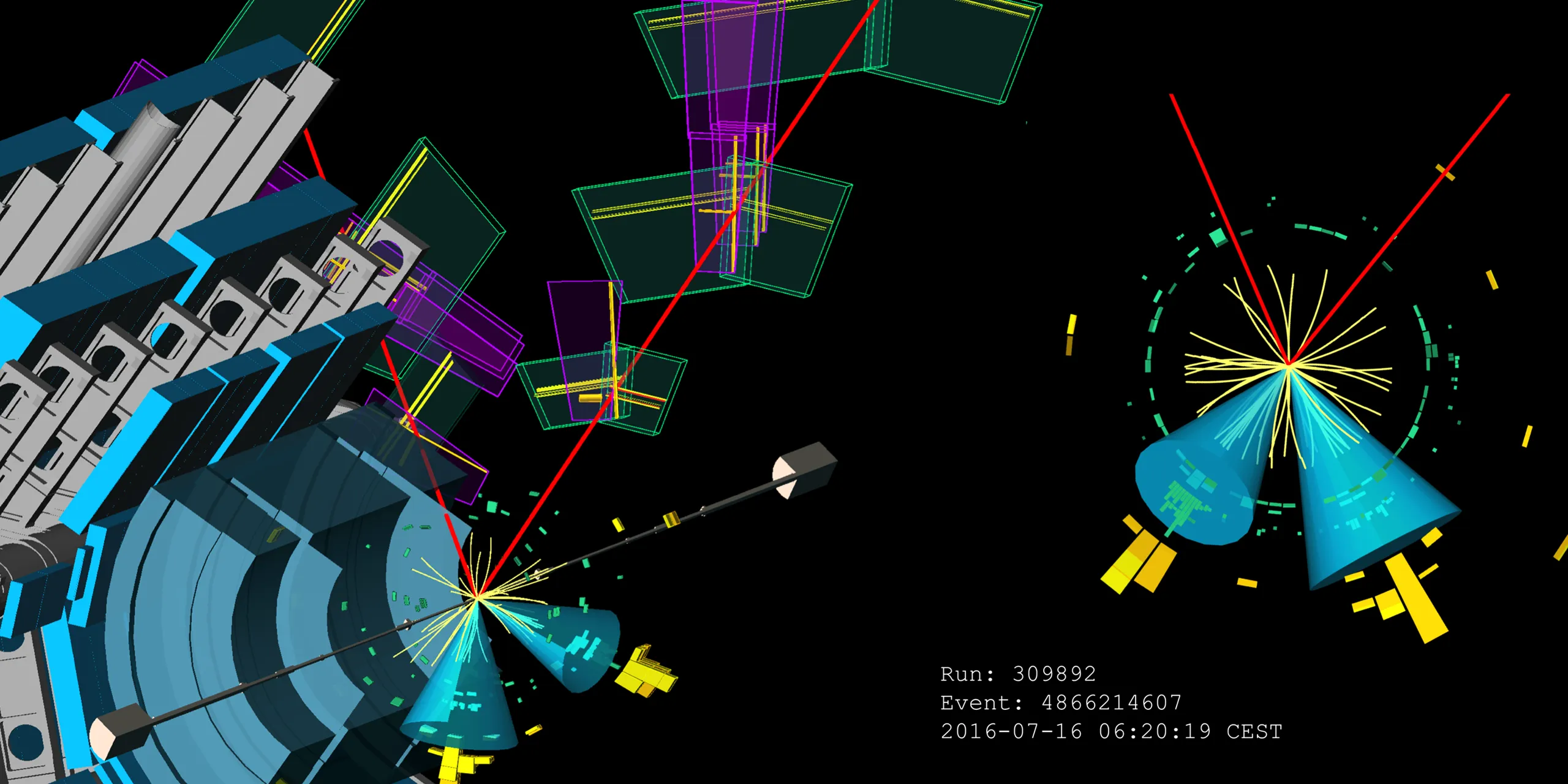
ATLAS probes Higgs interaction with the heaviest quarks
With its updated analysis methods, the ATLAS collaboration has significantly improved the precision of its measurements of Higgs boson interactions
-
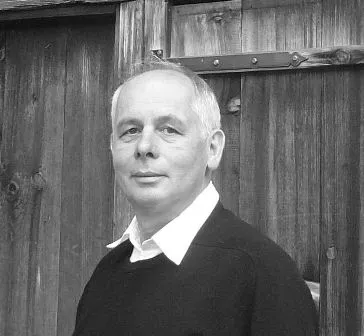
Max Klein (1951 – 2024)
Max Klein(1951 – 2024) — Born in Berlin, Max earned his Diploma in Physics in 1973 from Humboldt University of Berlin (HUB, East Germany, GDR), with a thesis on low-energy heavy-ion physics. He received his PhD in 1977 from the Institute for High Energy Physics (IHEP) of the Academy of Sciences of the GDR in
-
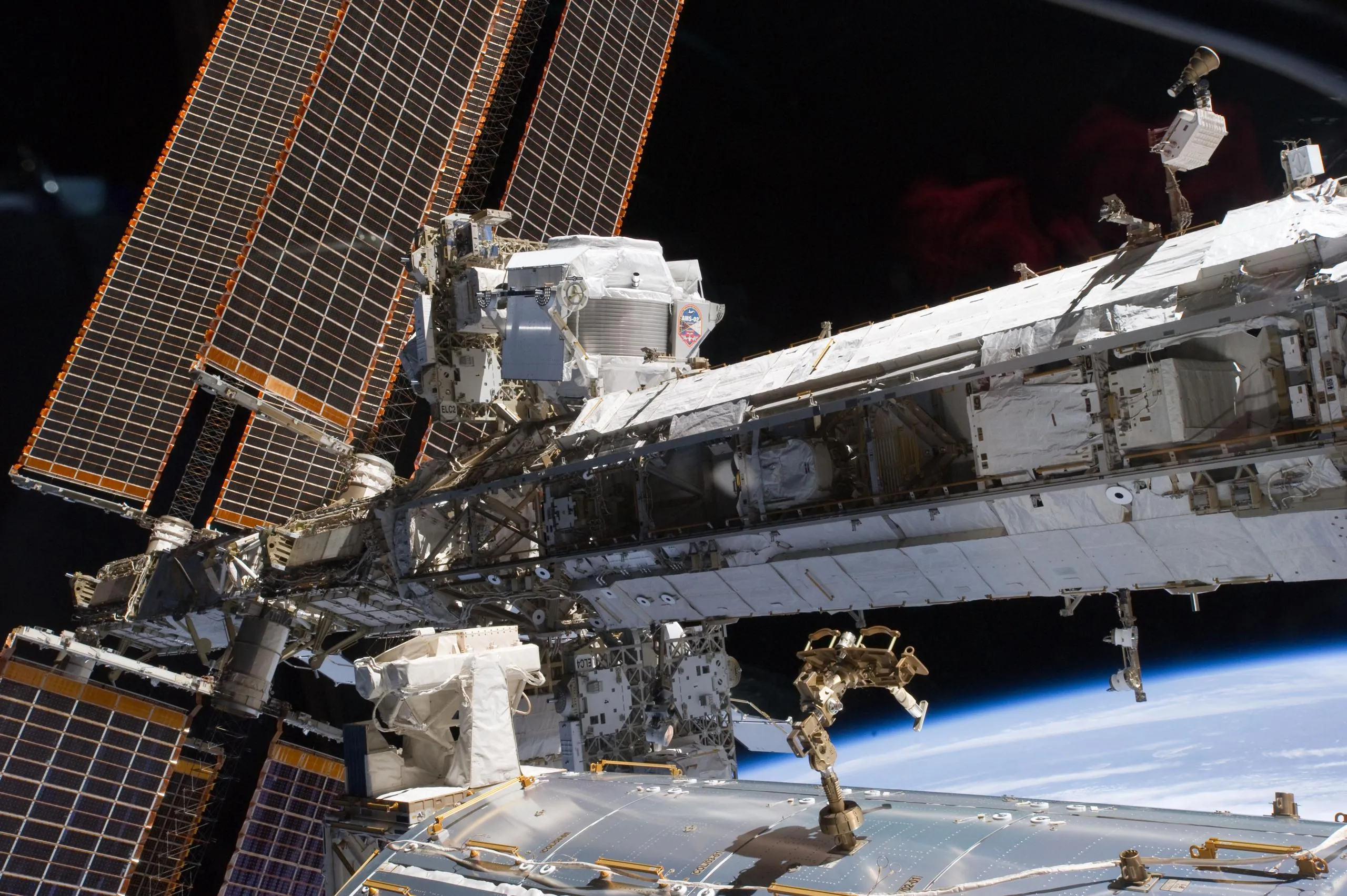
Cosmic count exceeds expectation
The AMS detector on board the International Space Station has found more cosmic rays made of deuterons than expected
-
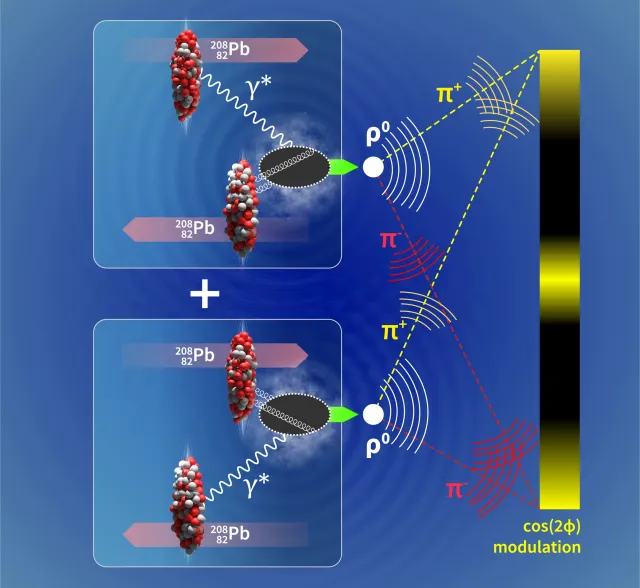
ALICE does the double slit
Using collisions between lead nuclei at the LHC, the ALICE collaboration has measured an interference pattern akin to that of the famous double-slit experiment
-
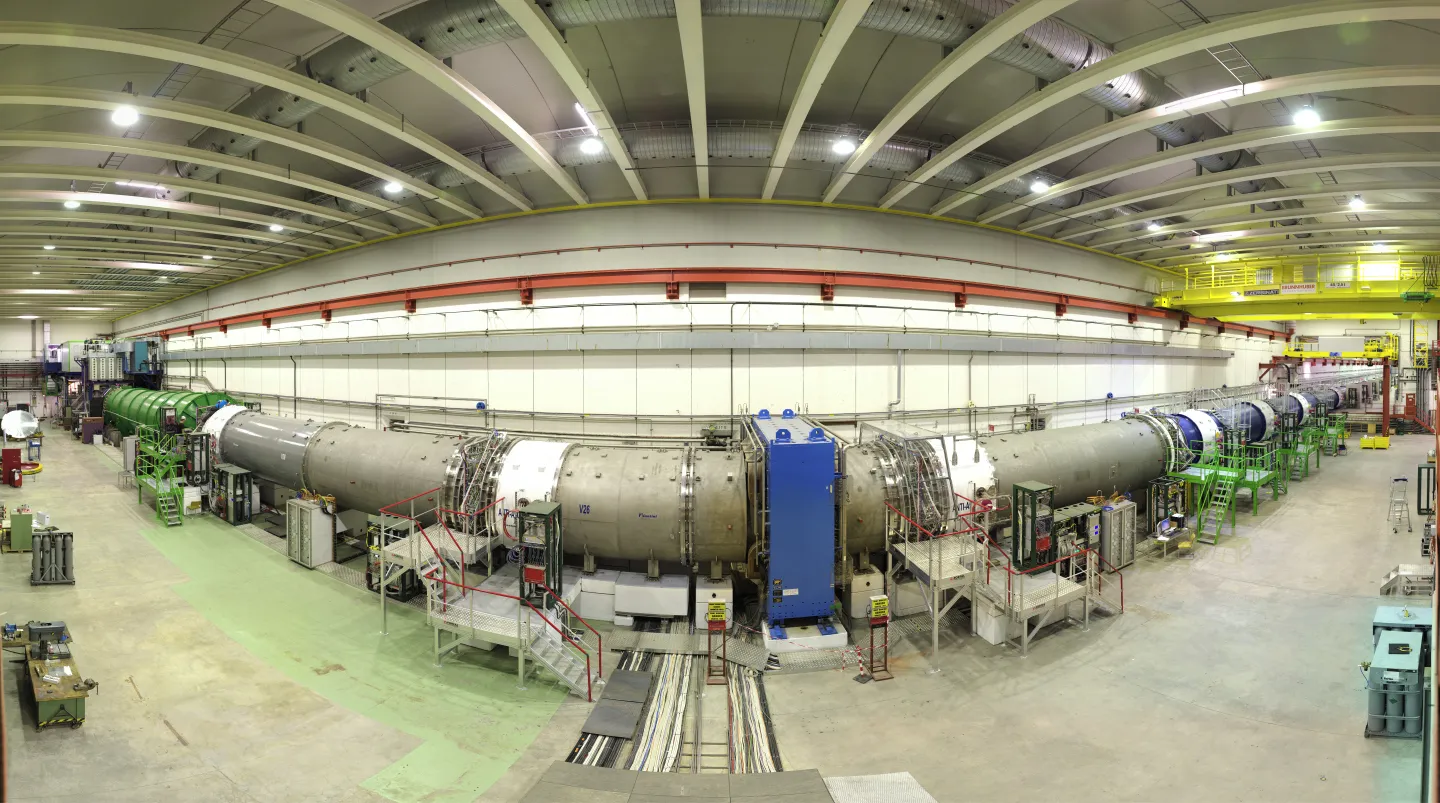
NA62 announces its first search for long-lived particles
CERN’s kaon factory pushes the energy frontier to probe uncharted territories of many beyond-the-Standard-Model theories
-
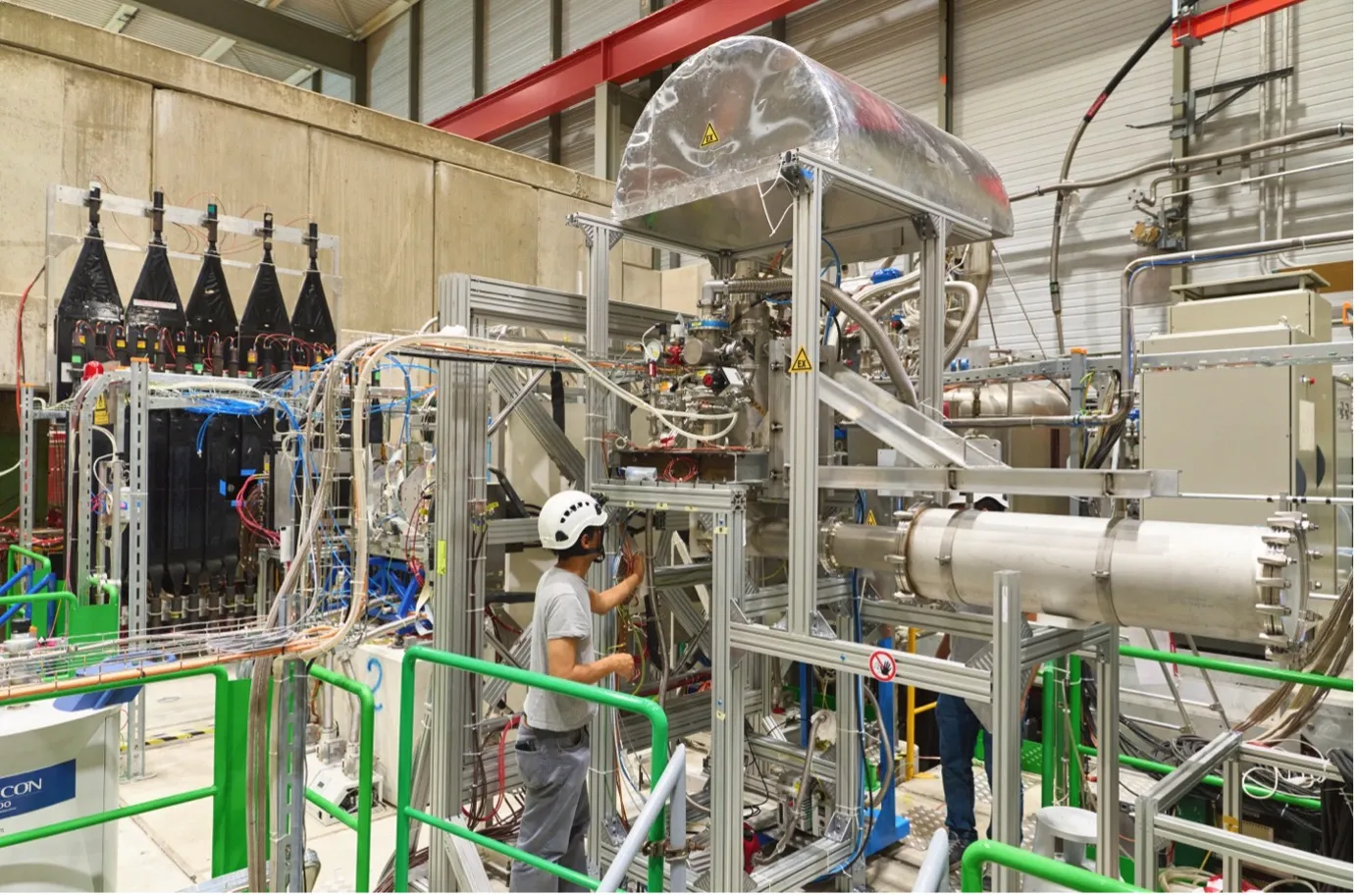
AMBER releases its first results
The experiment’s preliminary results explore the production cross section of the antiproton, which may provide physicists with clues in the search for dark matter
-
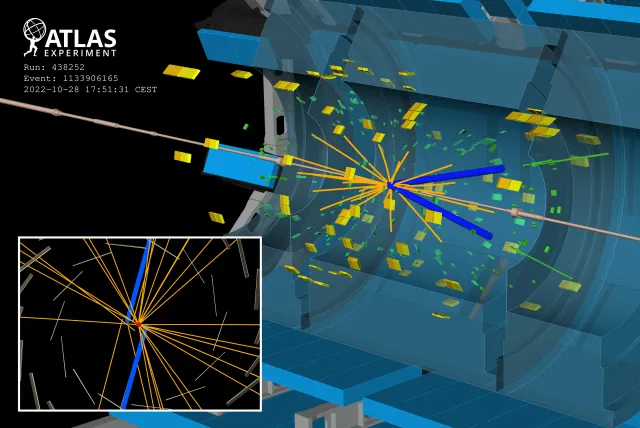
ATLAS probes uncharted territory with LHC Run 3 data
The ATLAS collaboration has released its first results from searches for new physics phenomena conducted with data from Run 3 of the LHC