
Category: Physics
-
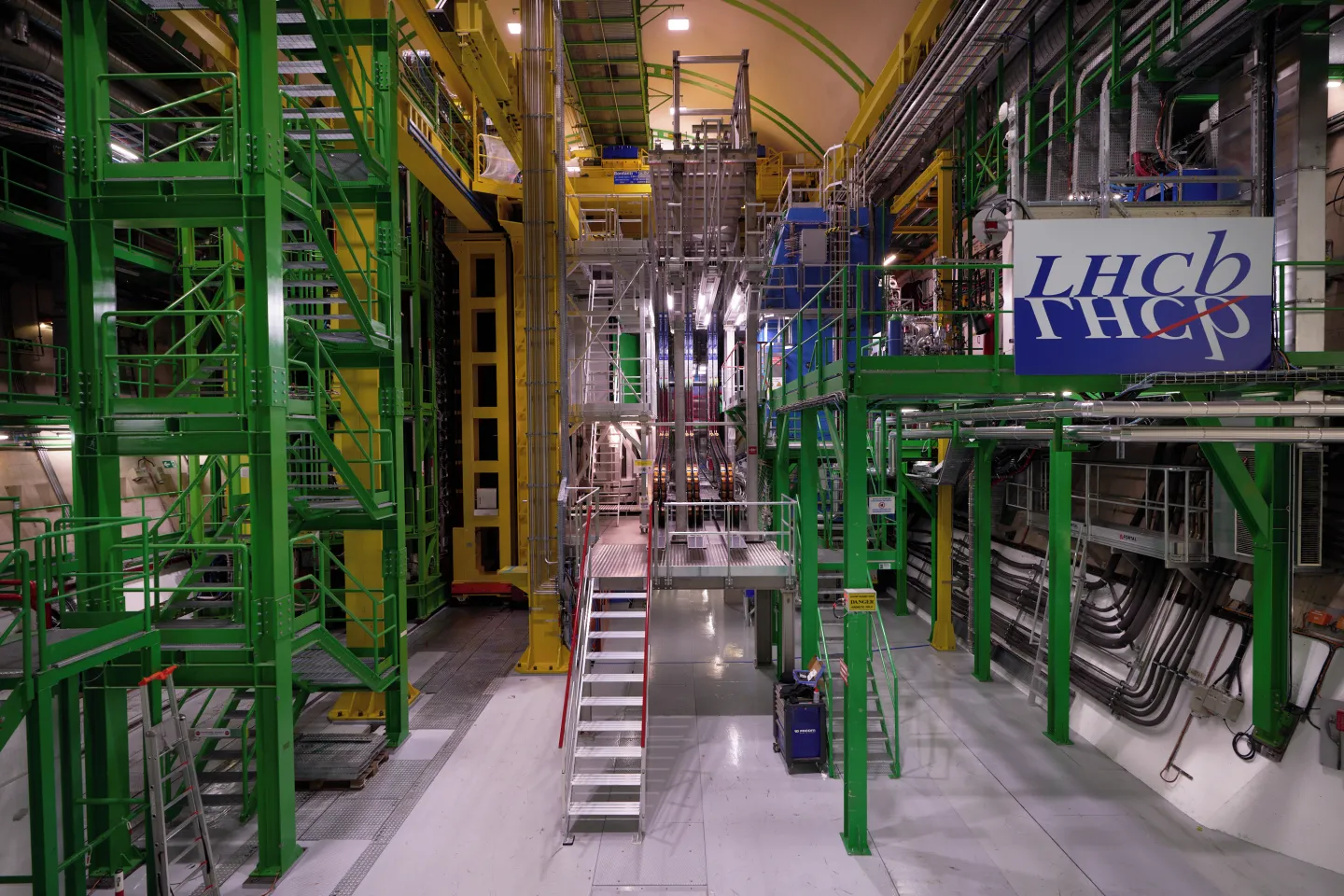
LHCb investigates the properties of one of physics’ most puzzling particles
The particle, known as χc1(3872), has fascinated physicists for years. Now, the LHCb collaboration is closer to finding out what it is made up of
-
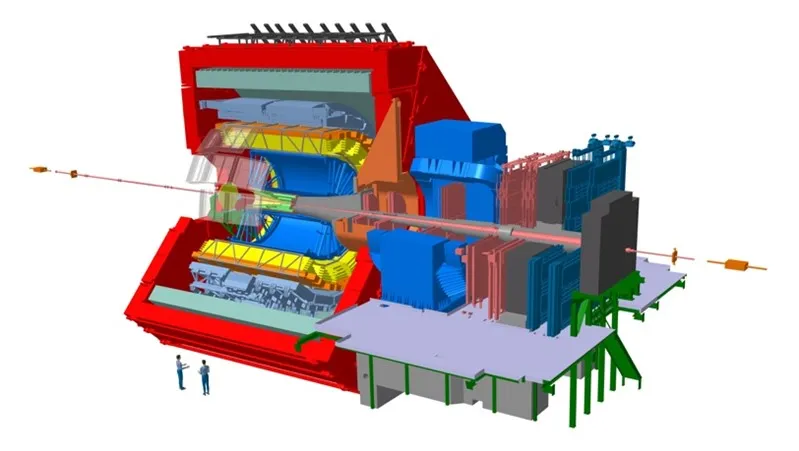
LHCb investigates the rare Σ+→pμ+μ- decay
The rarest hyperon decay ever observed
-
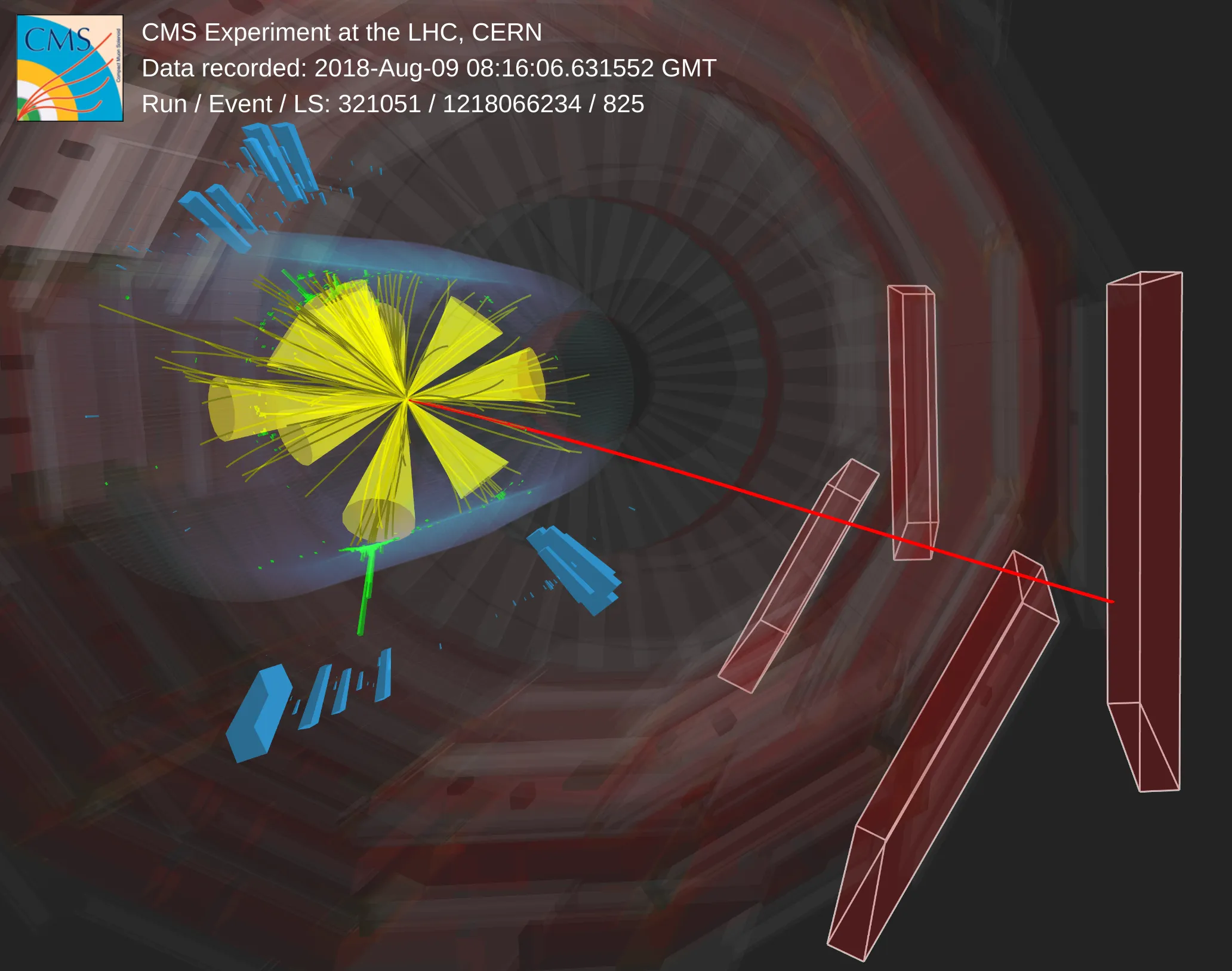
Going the extra mile to squeeze supersymmetry out of CMS data
Re-analysing LHC Run 2 data with cutting-edge analysis techniques allowed CMS physicists to address an old discrepancy
-
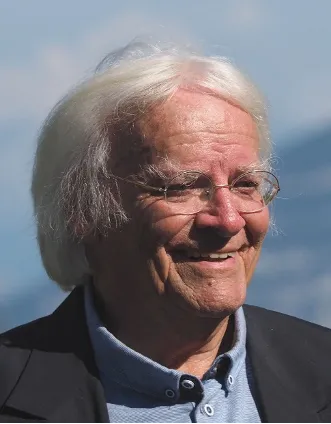
Hans Joachim Specht (1936 – 2024)
Hans Joachim Specht(1936 – 2024) — Hans Joachim Specht, one of the founders of ultra-relativistic heavy-ion physics and a pioneering figure in hadron cancer therapy, passed away on 20 May 2024, at the age of 87. A graduate of the University of Munich and ETH Zurich, and full Professor at the University of Heidelberg for
-
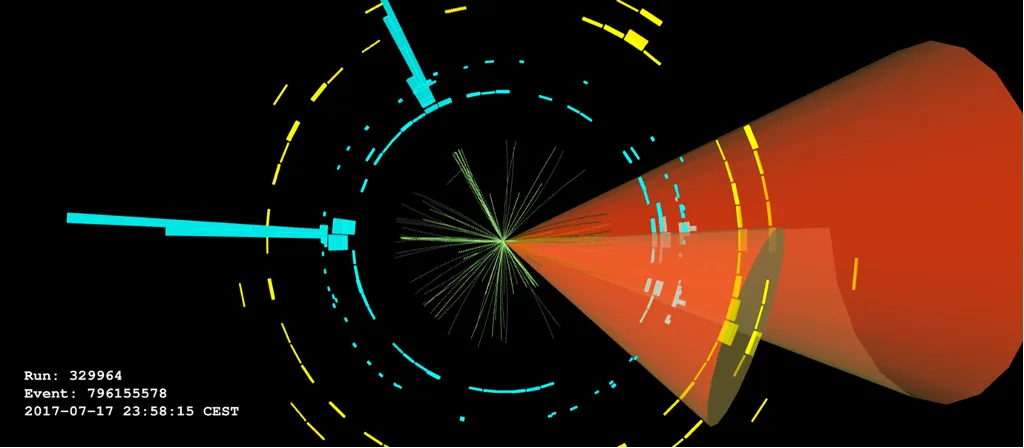
ATLAS dives deeper into di-Higgs
By combining multiple Higgs boson pair studies, physicists are closer to finding out how the particle interacts with itself, providing clues to the stability of the Universe
-
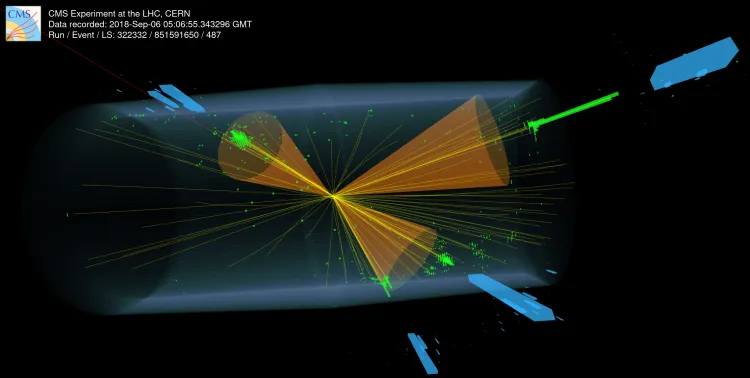
How can AI help physicists search for new particles?
The ATLAS and CMS collaborations are using state-of-the-art machine learning techniques to search for exotic-looking collisions that could indicate new physics
-
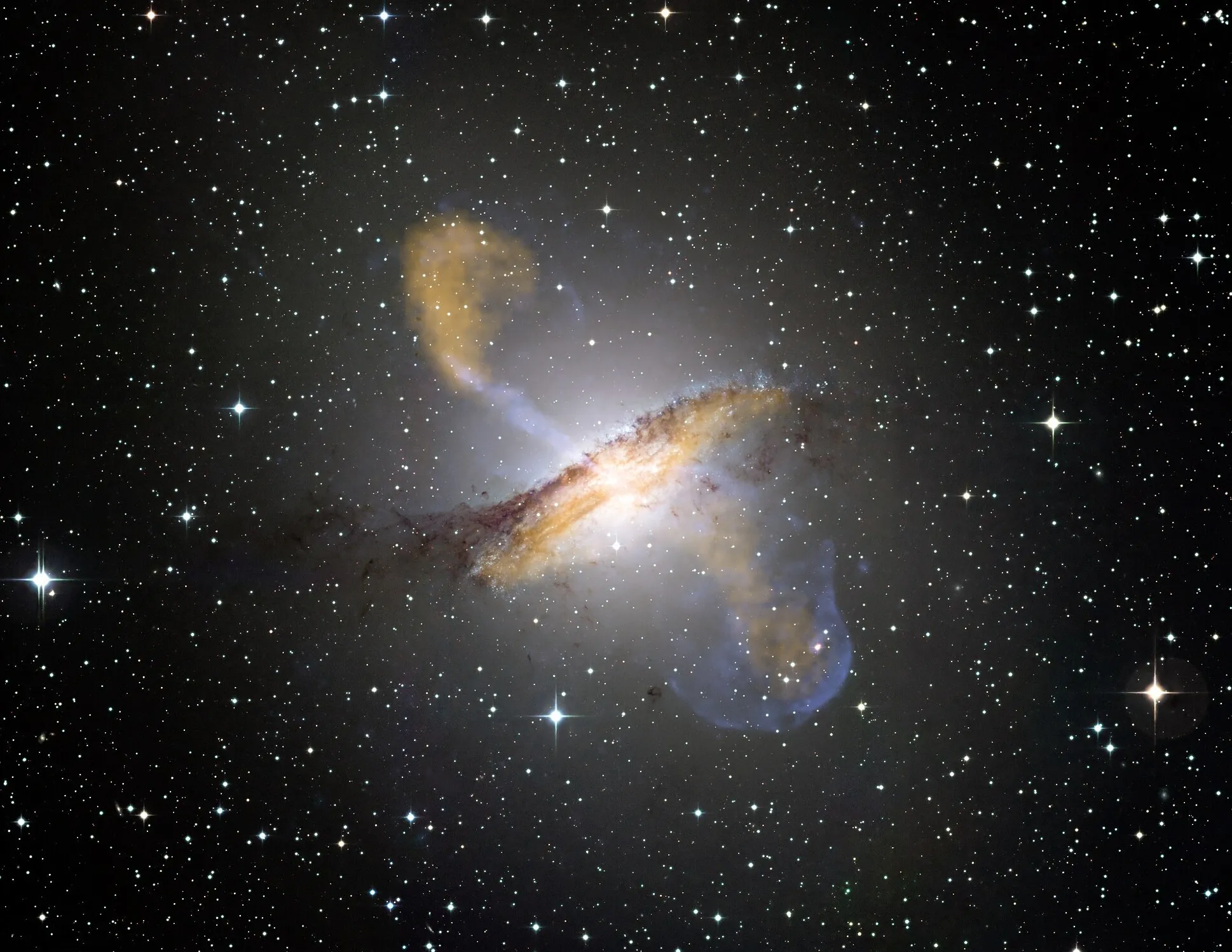
Bringing black hole jets down to Earth
The Fireball collaboration has used CERN’s HiRadMat facility to produce an analogue of the jets of matter and antimatter that stream out of some black holes and neutron stars
-
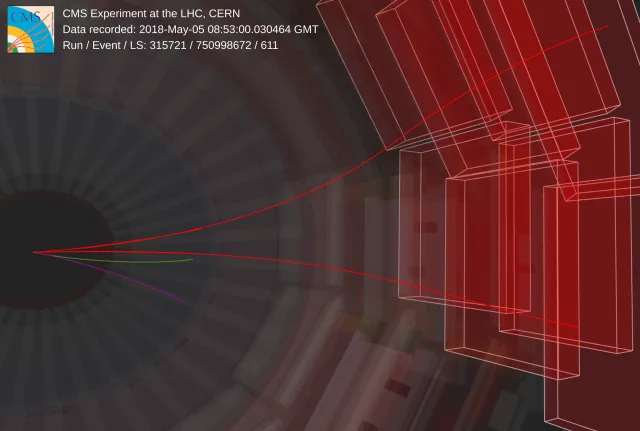
Shaking the box for new physics
The CMS collaboration has searched for new physics in a rare decay of a known particle, using an approach that can be likened to shaking a box containing a birthday present to find a clue about what’s inside
-
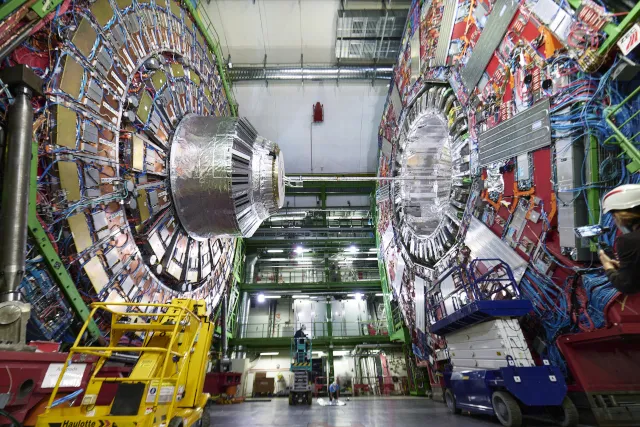
Probing matter–antimatter asymmetry with AI
Using a cutting-edge AI algorithm, the CMS collaboration has obtained the first evidence of CP violation in the decay of the strange beauty meson into a pair of muons and a pair of electrically charged kaons
-
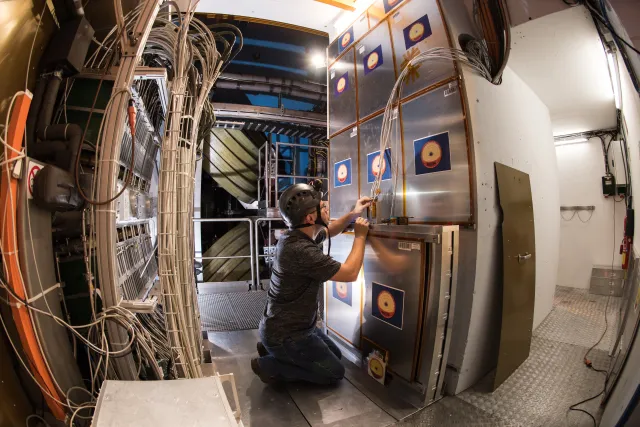
MoEDAL zeroes in on magnetic monopoles
The latest searches conducted by the MoEDAL experiment at the Large Hadron Collider considerably shrink the theoretical arenas in which the hunt for magnetic monopoles can continue