
Tag: CERN community
-
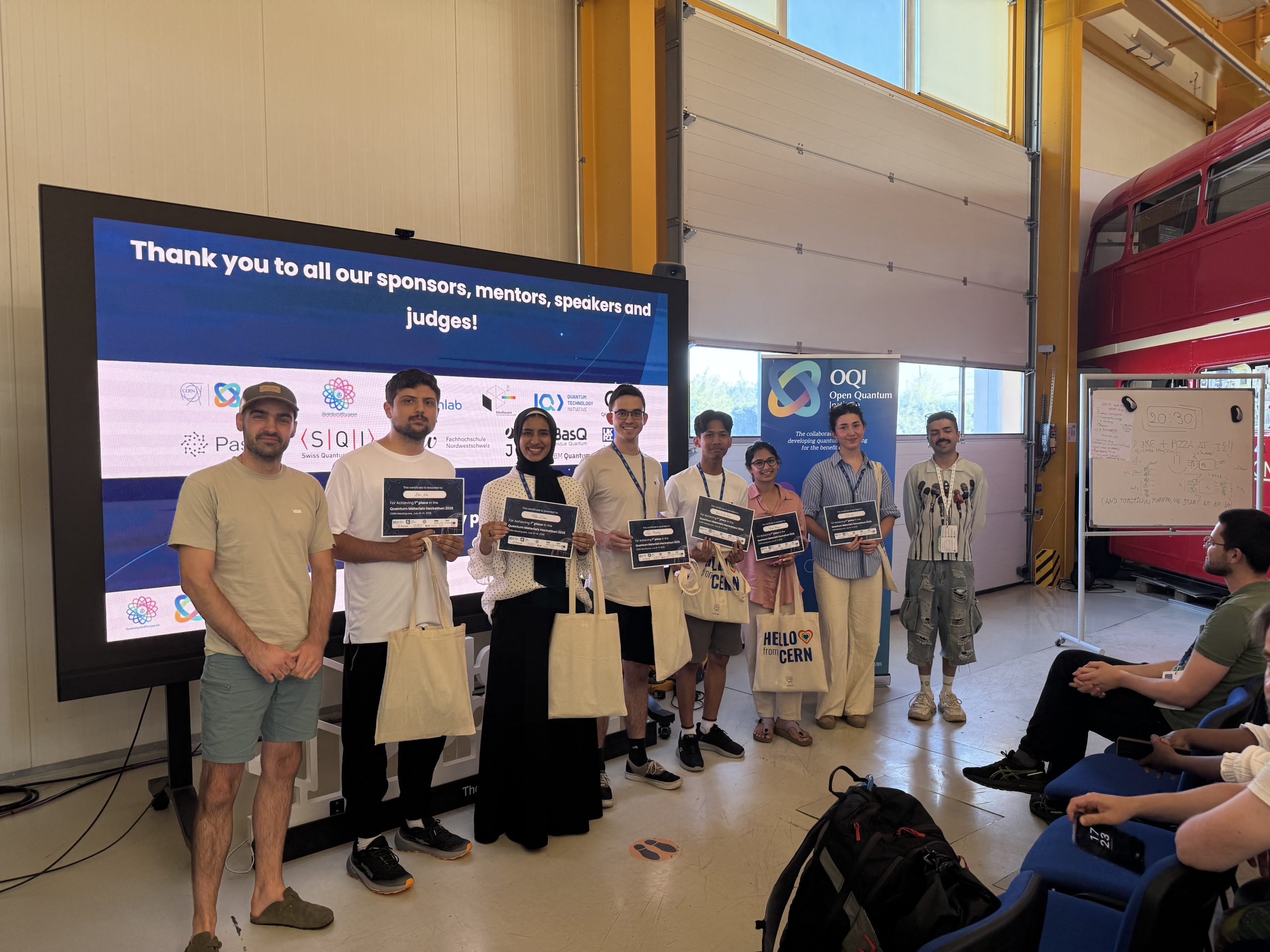
Training the world’s future quantum experts
From 10 to 12 July 2026, CERN hosted the second edition of the Quantum Materials Hackathon at CERN’s IdeaSquare, which brought together 34 students of over 30 nationalities. The students used quantum computing hardware and simulators to tackle real-world problems, guided by mentors from industry and the research community. Quantum materials are particularly important at CERN, as many of the
-

Eyes on the sky: a rare solar eclipse will be visible from CERN on 12 August
Find out how to watch the 2026 eclipse safely
-
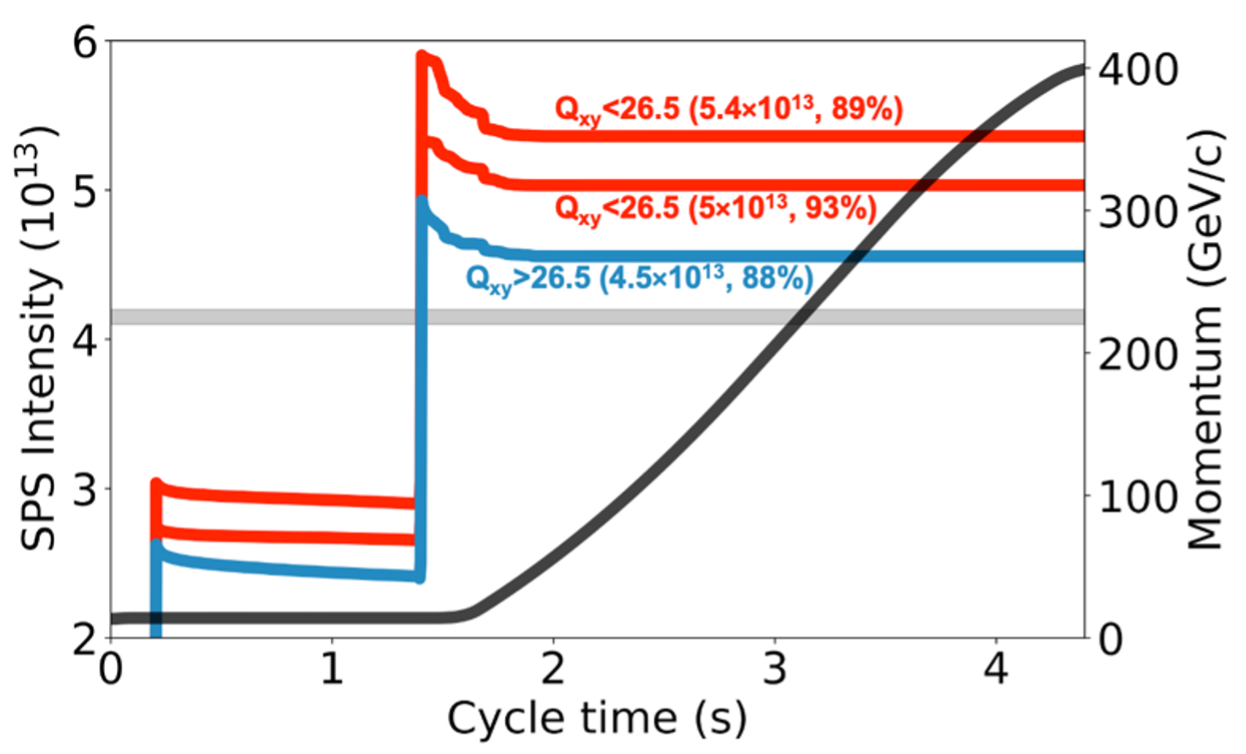
Accelerator Report: Beyond the LHC – CERN’s Beams Keep Science Moving
The Large Hadron Collider (LHC) may have entered Long Shutdown 3 (LS3), but across the rest of CERN’s accelerator complex operations remain as busy as ever. The LHC injector chain continues to provide proton beams for a broad range of users, including the ELENA antiproton community, the East and North Area experiments and the n_TOF
-

Upcoming events
Check out this curated selection of upcoming events for the CERN community
-
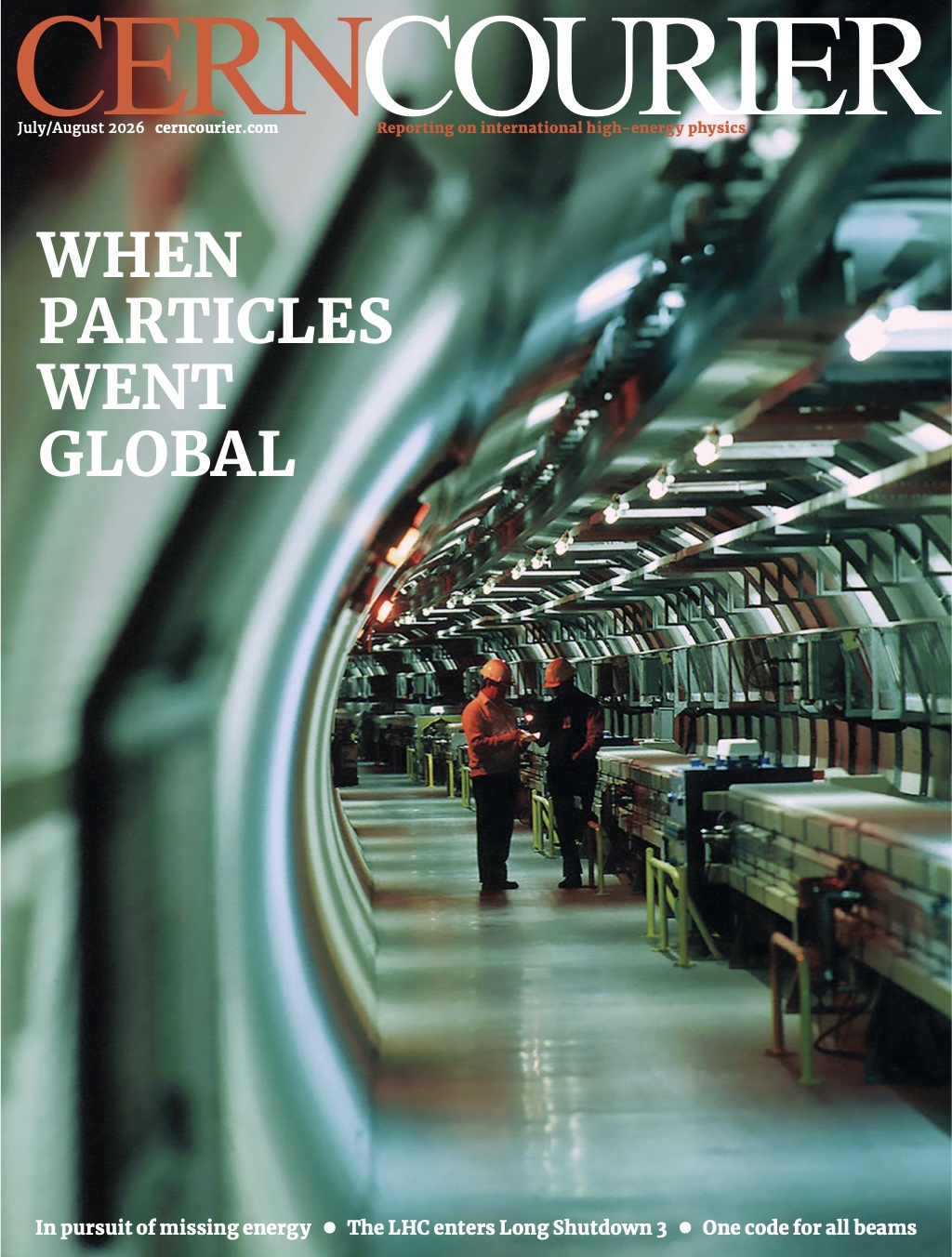
The July/August 2026 issue of the CERN Courier is out
When the Large Electron–Positron collider (LEP) switched on, in 1989, the field had never worked at such a scale. Approved eight years earlier, it collided electrons and positrons until the turn of the century, marking two decades in which discovery truly turned global. Last November, some 200 physicists and historians gathered at CERN to take stock
-
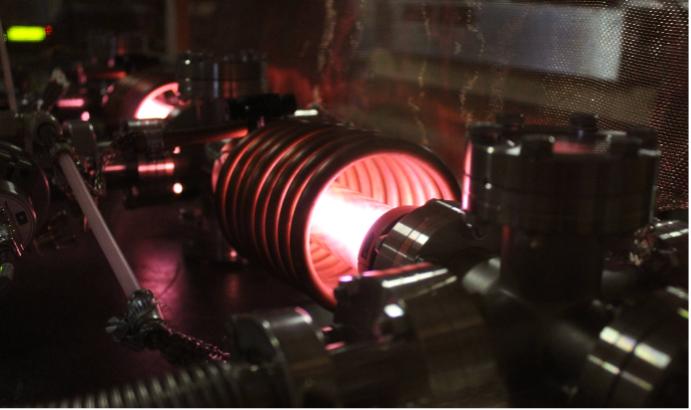
HiRadMat celebrates 15 years of research
2026 marks the 15th anniversary of the High Radiation to Materials facility at CERN
-
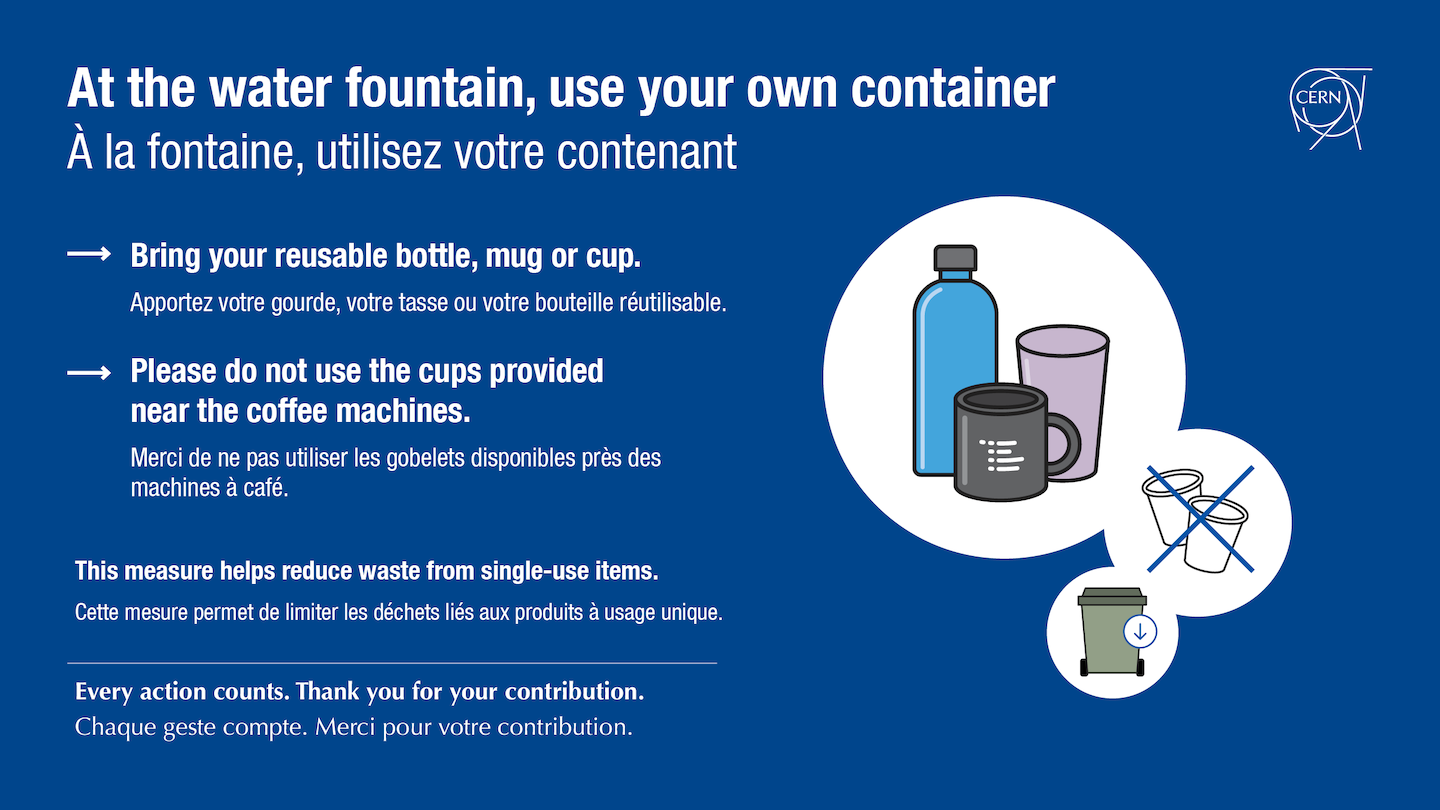
Bring your own cup, and help keep seats free at lunchtime
Use reusable cups, mugs and bottles Members of the CERN community are encouraged to use reusable containers at water fountains and coffee machines. As part of CERN’s efforts to reduce waste, disposable cups were removed from water fountains and other facilities several years ago, with the exception of the Nespresso coffee stations. Please bring your
-
Administrative Circular No. 26 (Rev. 13) – Recognition of merit
A revised version of Administrative Circular No. 26 (Rev. 13), entitled “Recognition of merit”, has been approved by the Director-General and is available at the following link. The circular has been updated to reflect the new rules on salary increases following probation. Under the revised provisions, staff members will receive a salary increase equivalent to
-
Administrative Circular No. 11 (Rev. 9) – Categories of members of the personnel
A revised version of Administrative Circular No. 11 (Rev. 9), entitled “Categories of members of the personnel“, has been approved by the Director-General and is available at the following link. This circular has been updated to clarify the legal links between associated members of the personnel (MPAs) and their home institutions. It also provides further