
Tag: CERN community
-
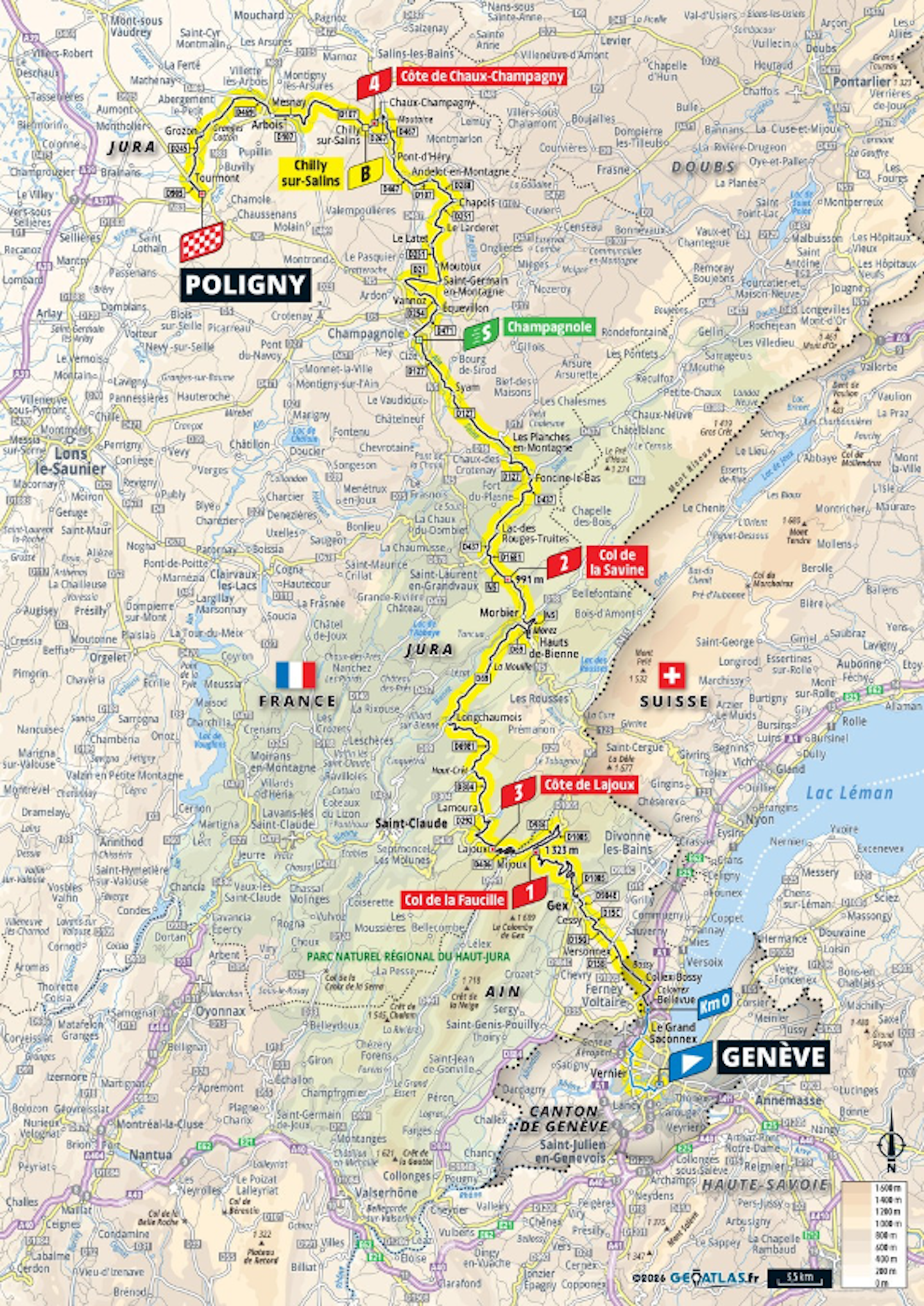
Tour de France Femmes: traffic disruptions expected near LHC Points 5 and 6 on 3 August
On Monday, 3 August 2026, the Tour de France Femmes will pass through the Pays de Gex and the Geneva area. The route will affect several roads providing access to CERN sites, particularly LHC Point 5 (CMS) and Point 6, and may also impact traffic more generally in the Geneva region. Personnel working at or
-
Extension of COLA payments and EXAS contract duration to 11 years
The maximum duration for receiving a cost-of-living allowance (COLA) processed by CERN on behalf of a third party has been extended to 11 years (132 months). This change will help the experiment collaborations to maintain a stable presence at CERN during Long Shutdown 3. In line with this change, the maximum duration for experiment associate
-
Staff Rules and Regulations – 11th edition | Modification No. 27
In accordance with recommendations made by the Finance Committee and decisions taken by Council in December 2025 (CERN/FC/6964-CERN/3952) and in June 2026 (CERN/FC/7024-CERN/4012), please find below the pages of the Staff Rules and Regulations which have been updated further to the modifications which came into force on 1 July 2026: Section 1 – Employment and
-
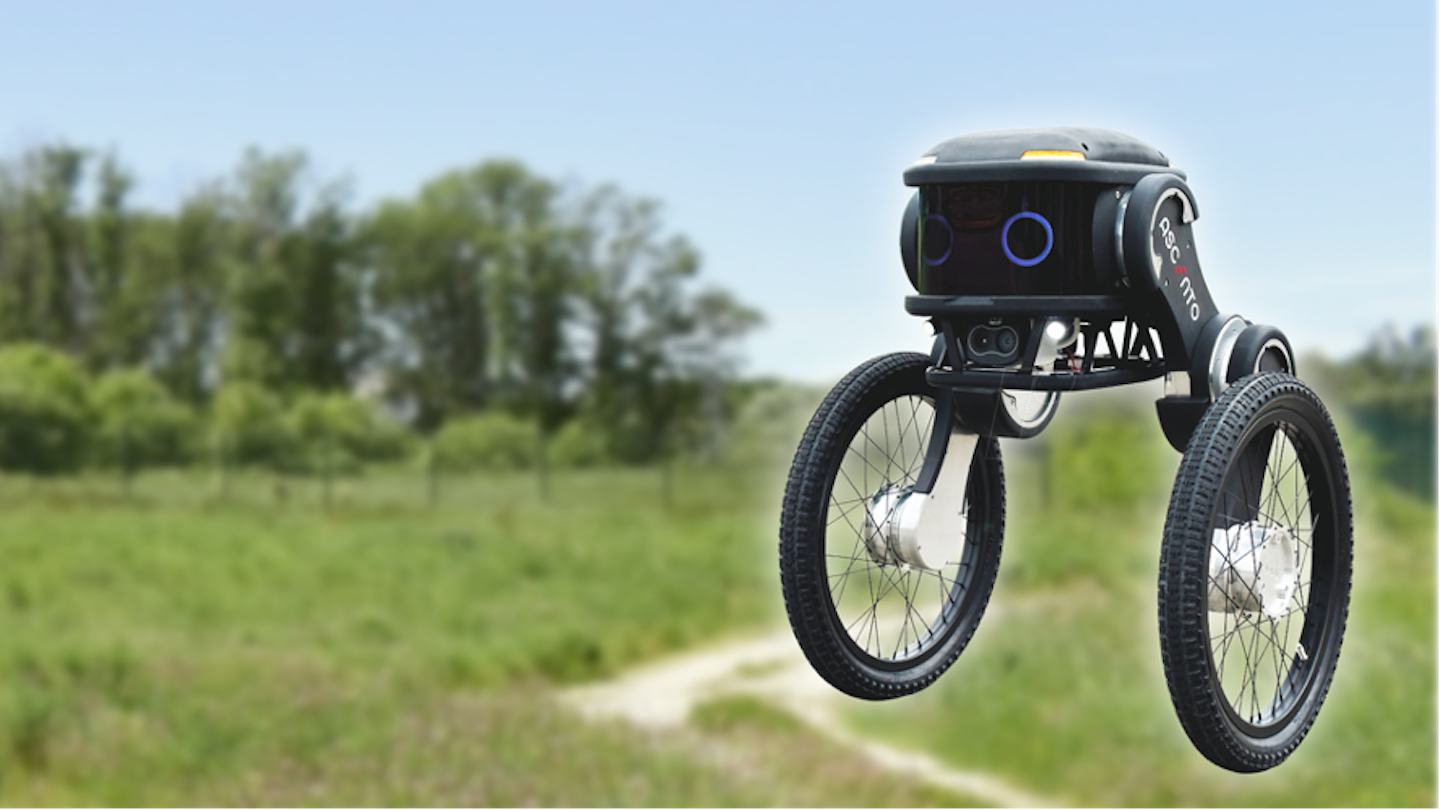
A robot is tested with a view to enhancing security on CERN’s sites
Since 22 July 2026, CERN’s Security Service has been testing an autonomous robot designed to reinforce security monitoring on the Meyrin and Prévessin sites. The two-wheeled mobile robot is equipped with 360° cameras, a thermal imaging camera and acoustic sensors. It travels at speeds of up to 5 km/h and can operate for about eight hours
-

Computer Security: One click to many
More senior colleagues might still recall the regular “clicking” campaigns that were intended to raise security awareness within the Organization among staff and users. With the roll-out of two-factor authentication, such campaigns were dropped. However, the world continues to turn and novel functionality and novel attack vectors try to circumvent our protections. And they have
-
Works at Gate B: closures and access changes on the CERN Meyrin site from August 2026
Works at Gate B will result in several periods of full and partial closure between August 2026 and March 2027. Traffic diversions and adjusted opening hours at other entrances to the Meyrin site will be introduced to ensure uninterrupted access to the site throughout the works. The works will be carried out in several phases.
-

Oxygen collisions at the LHC show new indications of extreme state of matter
One year on from the first-ever collisions of oxygen at the Large Hadron Collider (LHC), the main LHC Collaborations – ALICE, ATLAS, CMS and LHCb – have each reported signs of the state of matter known as quark–gluon plasma (QGP) originating from these collisions. QGP is a state of matter that forms under intense pressure
-
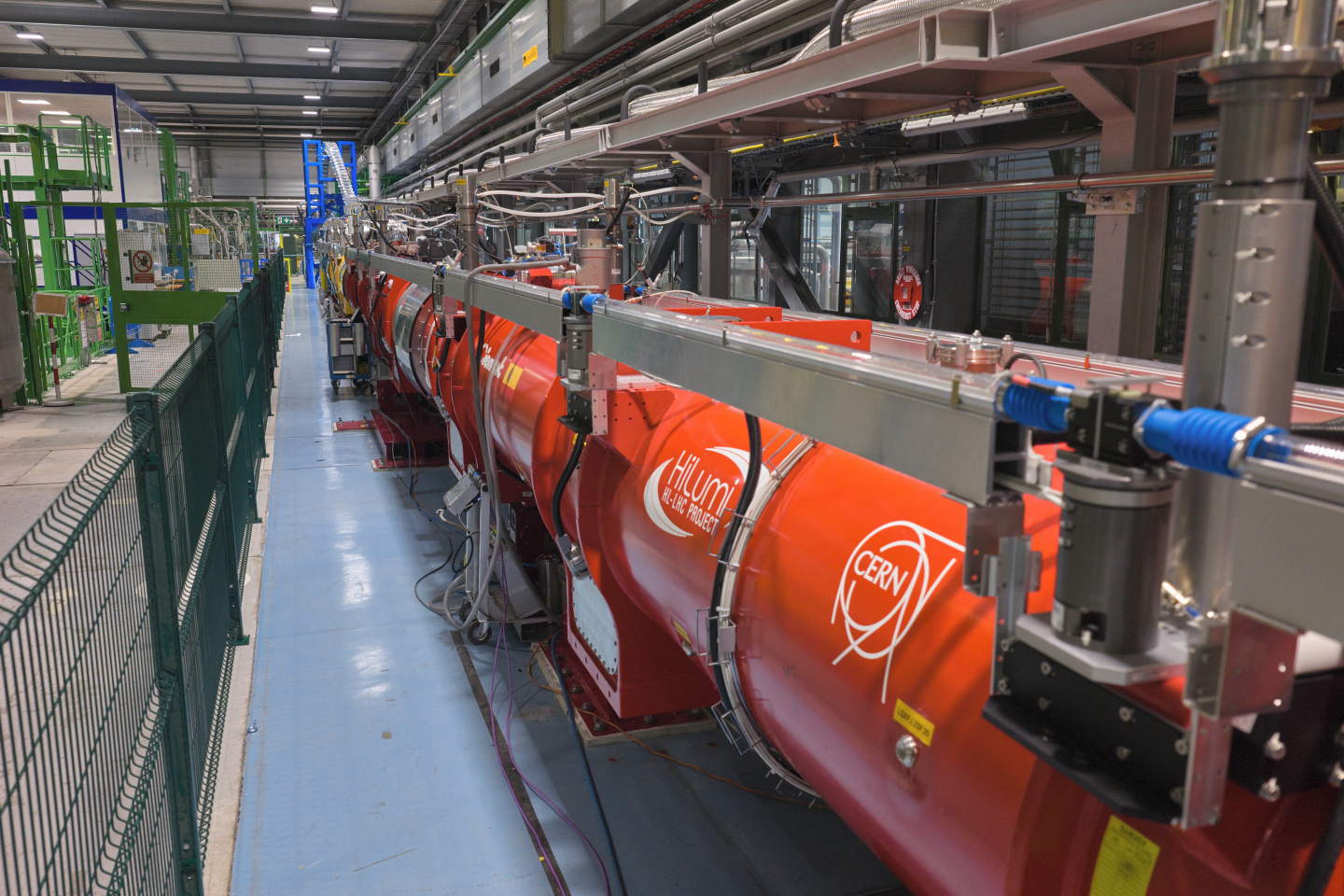
HiLumi LHC: new magnets reach full power
The test bench for the High-Luminosity LHC, the IT (Inner Triplet) String facility, has reached a major milestone. On 8 July, its new quadrupole magnets – known as the inner triplet magnets – successfully reached their nominal operating current of 16 230 amperes. Designed to focus the beams more tightly than ever before, thereby increasing the
-
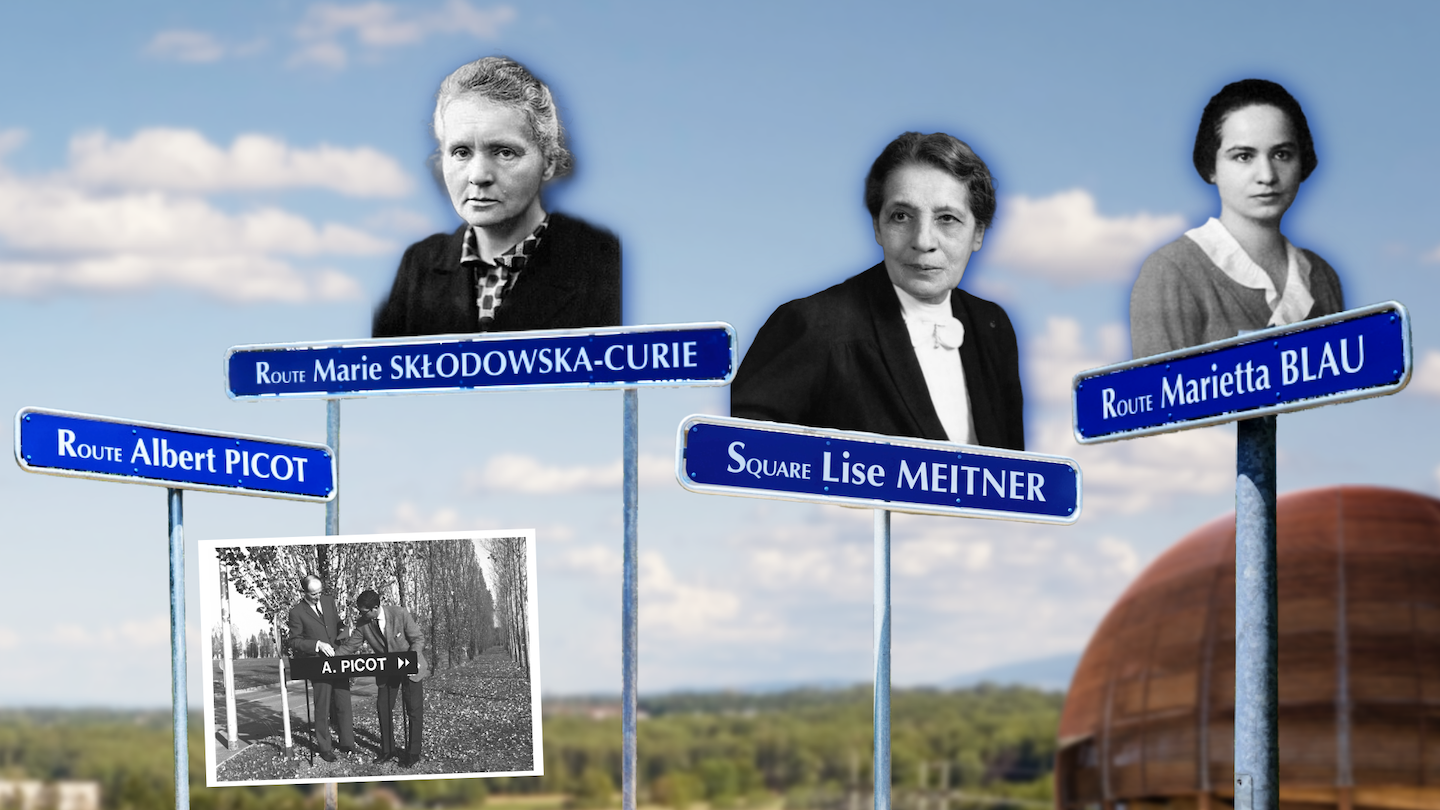
New street names at CERN honour distinguished figures
Streets at CERN have carried names since the mid-1960s. While many have been named after renowned figures – historically, mainly men – in science and related fields, others have retained more generic names such as Route des Physiciens and Route des Services. To better reflect the diversity of the people who have contributed to CERN
-
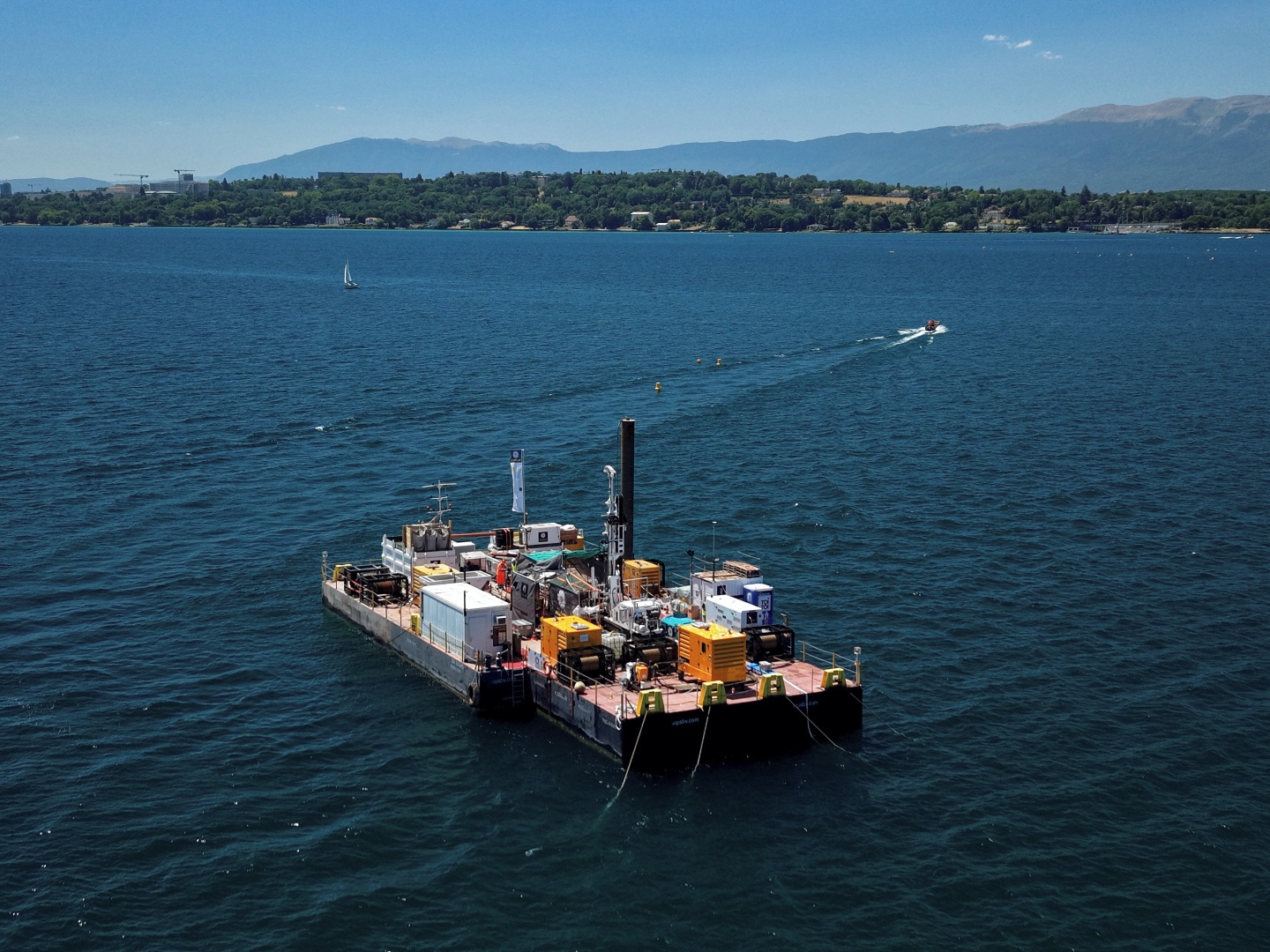
Reading the layers beneath Lake Geneva
Understanding what lies beneath the surface is essential to assessing any major underground infrastructure project. For the placement studies for the proposed Future Circular Collider (FCC), this means developing the most accurate possible picture of the geological formations along the proposed tunnel route, including beneath Lake Geneva. Investigations on the lake began in 2025 with