
Tag: CMS
The Compact Muon Solenoid (CMS) is a general-purpose detector at the Large Hadron Collider (LHC). It is designed to investigate a wide range of physics, including the search for the Higgs boson, extra dimensions, and particles that could make up dark matter. Although it has the same scientific goals as the ATLAS experiment, it uses different technical solutions and a different magnet-system design.
-
The Higgs boson, ten years after its discovery
The discovery of the Higgs boson at the Large Hadron Collider and the progress made since then, have allowed physicists to make tremendous steps forward in our understanding of the universe
-
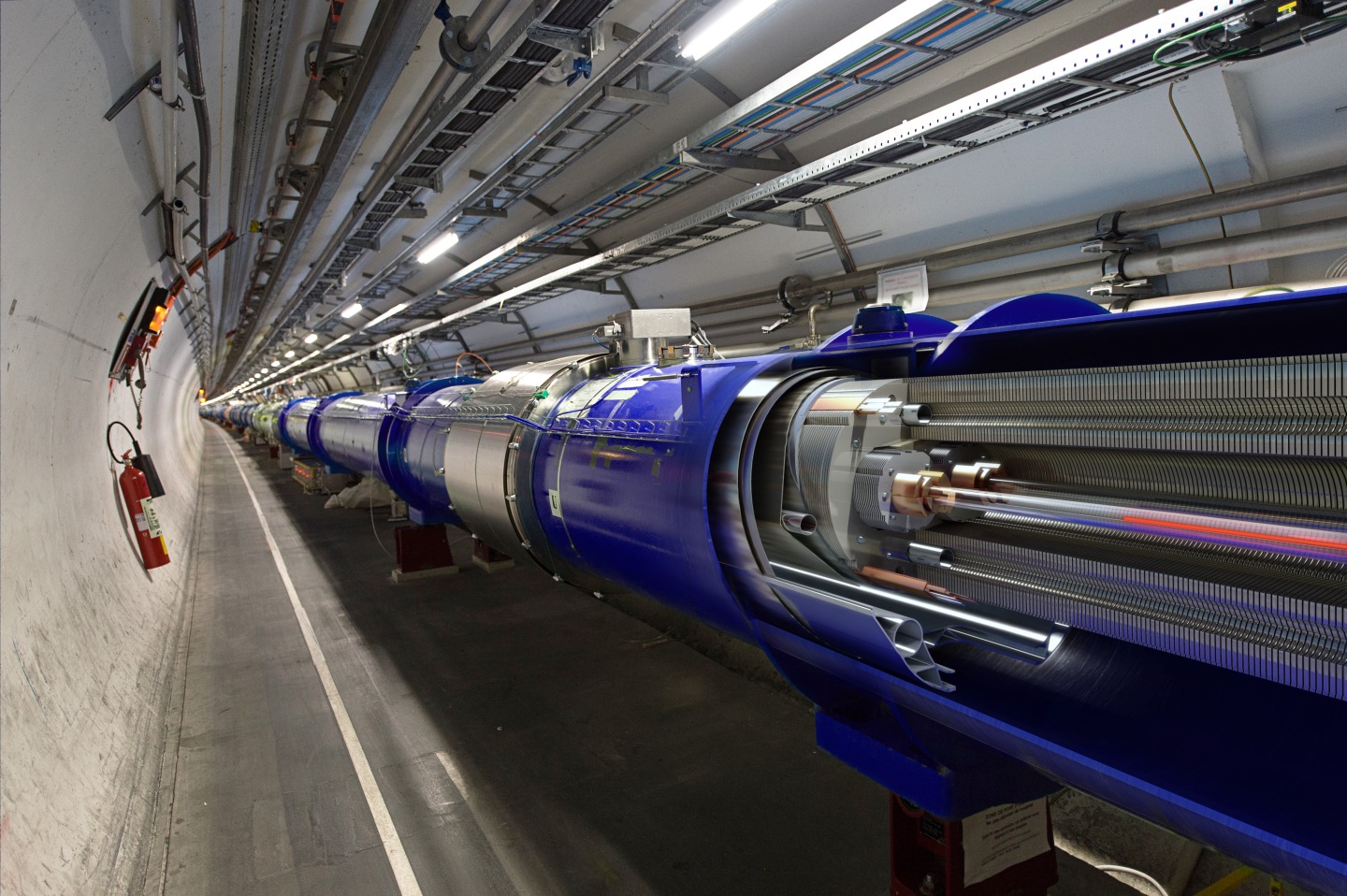
LHC Run 3: physics at record energy starts tomorrow
The Large Hadron Collider is ready to once again start delivering proton collisions to experiments, this time at an unprecedented energy of 13.6 TeV, marking the start of the accelerator’s third run of data taking for physics
-
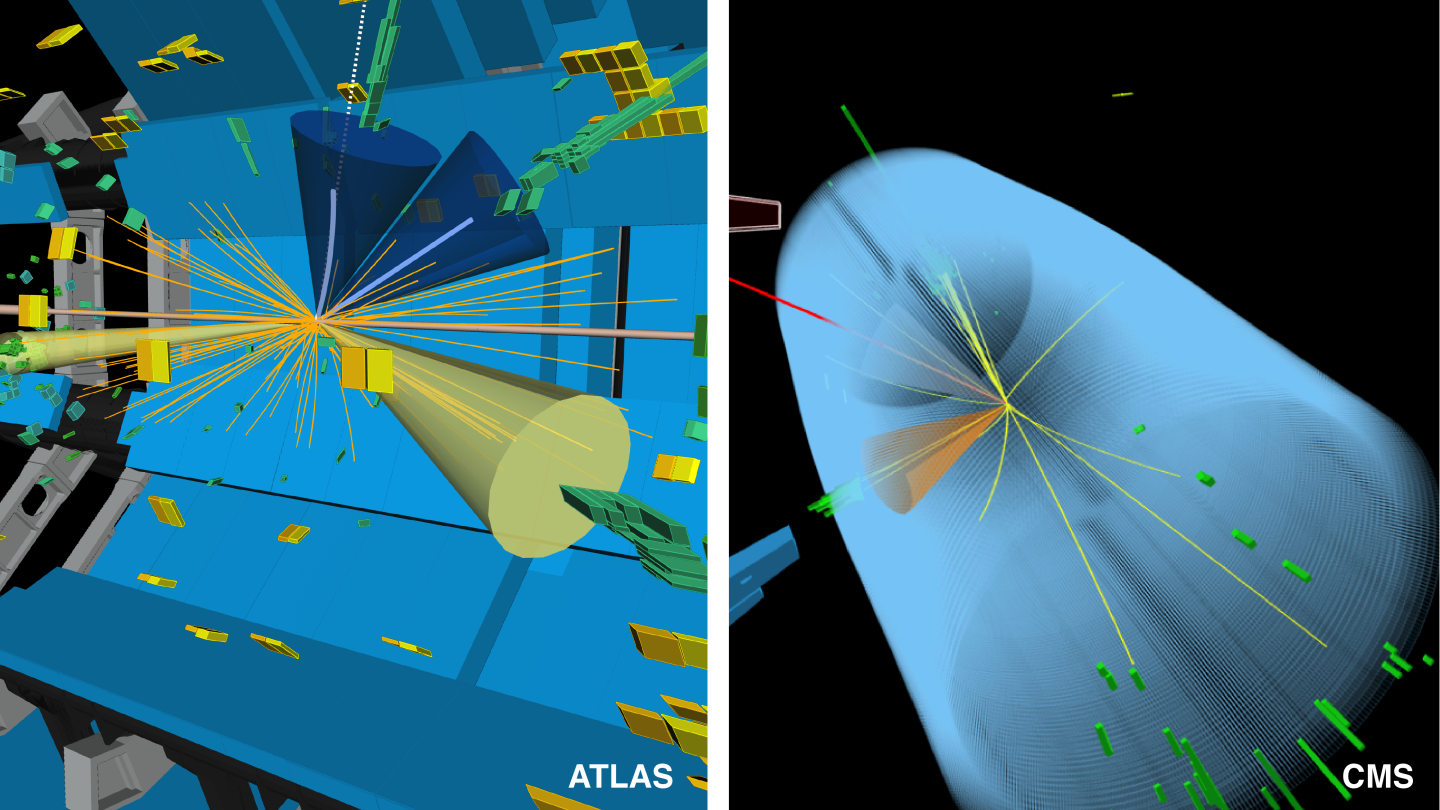
Searching for matter–antimatter asymmetry with the Higgs boson
The ATLAS and CMS collaborations have searched for matter–antimatter asymmetry in the interaction between the Higgs boson and the tau lepton
-
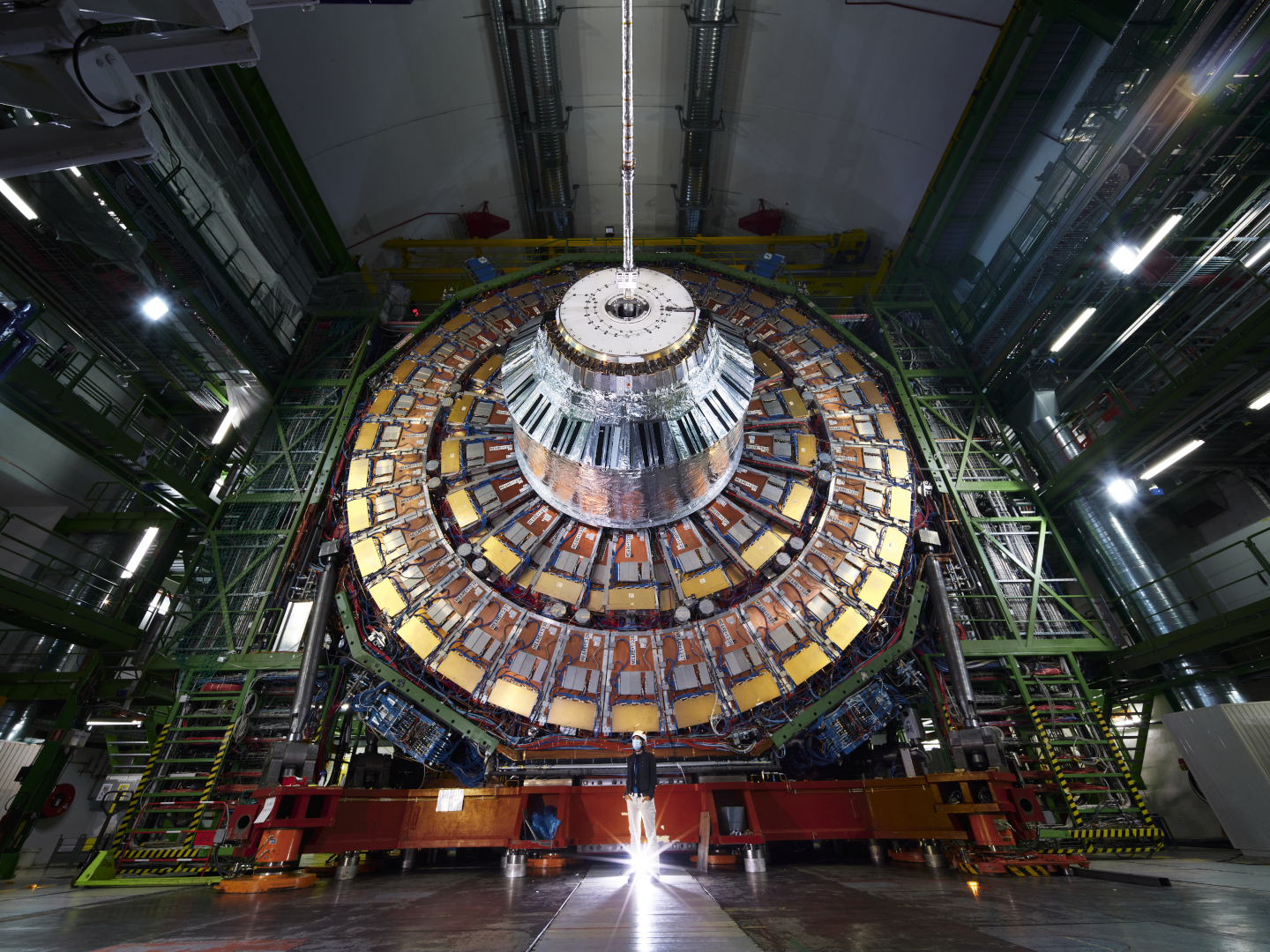
CMS on the lookout for new physics
The CMS experiment awaits LHC Run 3 to explore several analyses showing small disagreements with theory expectations
-
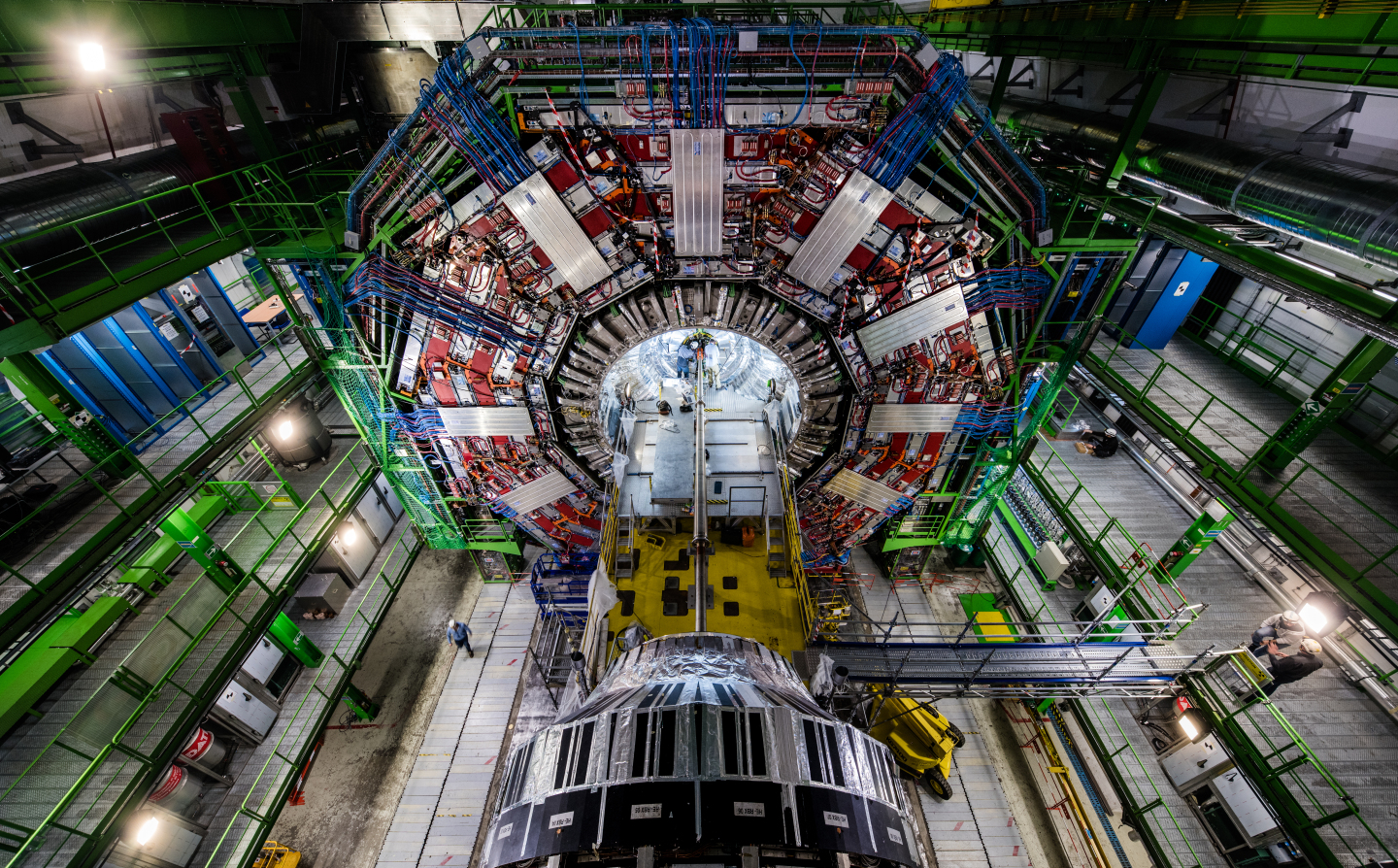
CMS tries out the seesaw
The collaboration has put the seesaw model of neutrino mass to a new test
-
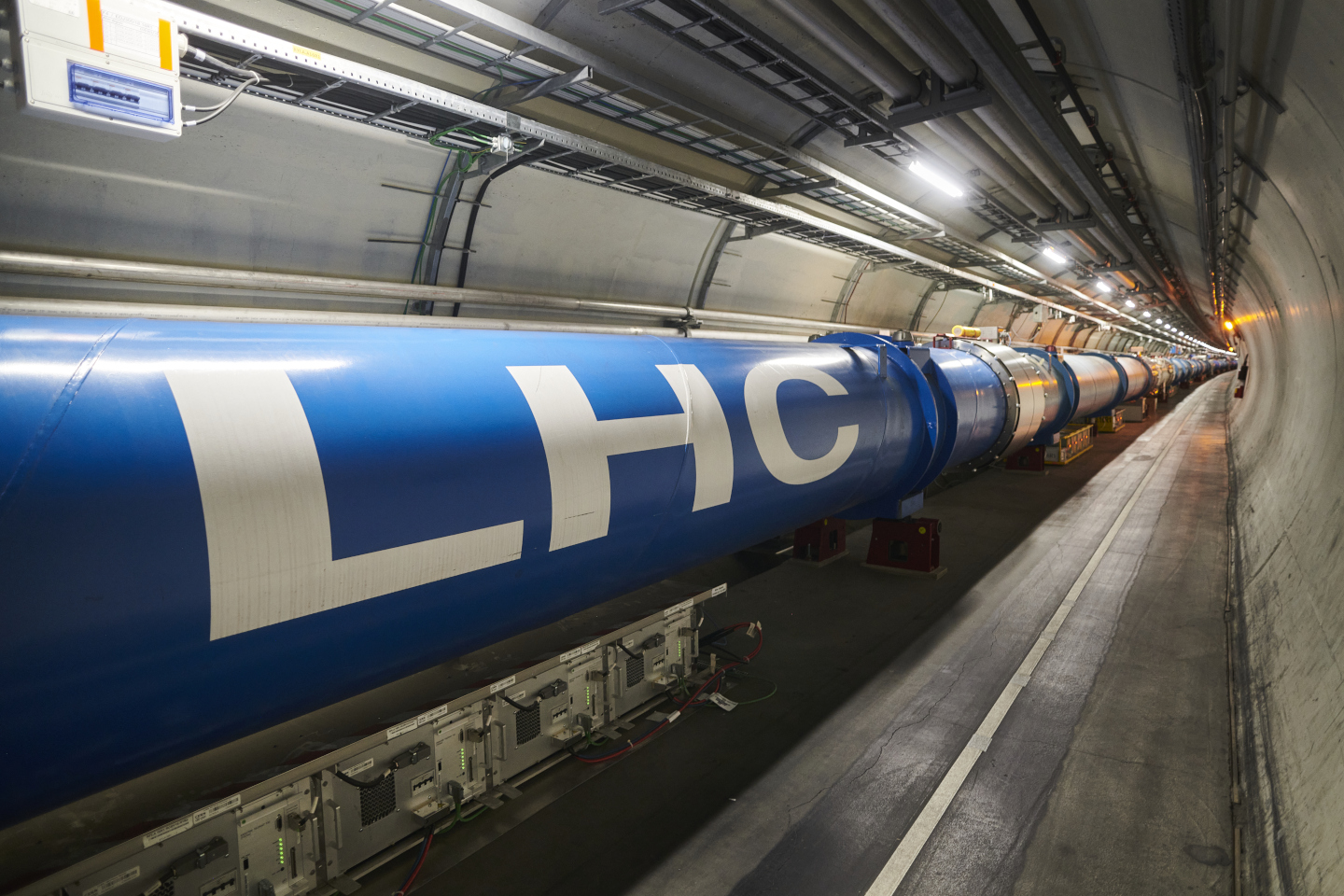
Large Hadron Collider restarts
Beams of protons are again circulating around the collider’s 27-kilometre ring, marking the end of a multiple-year hiatus for upgrade work
-
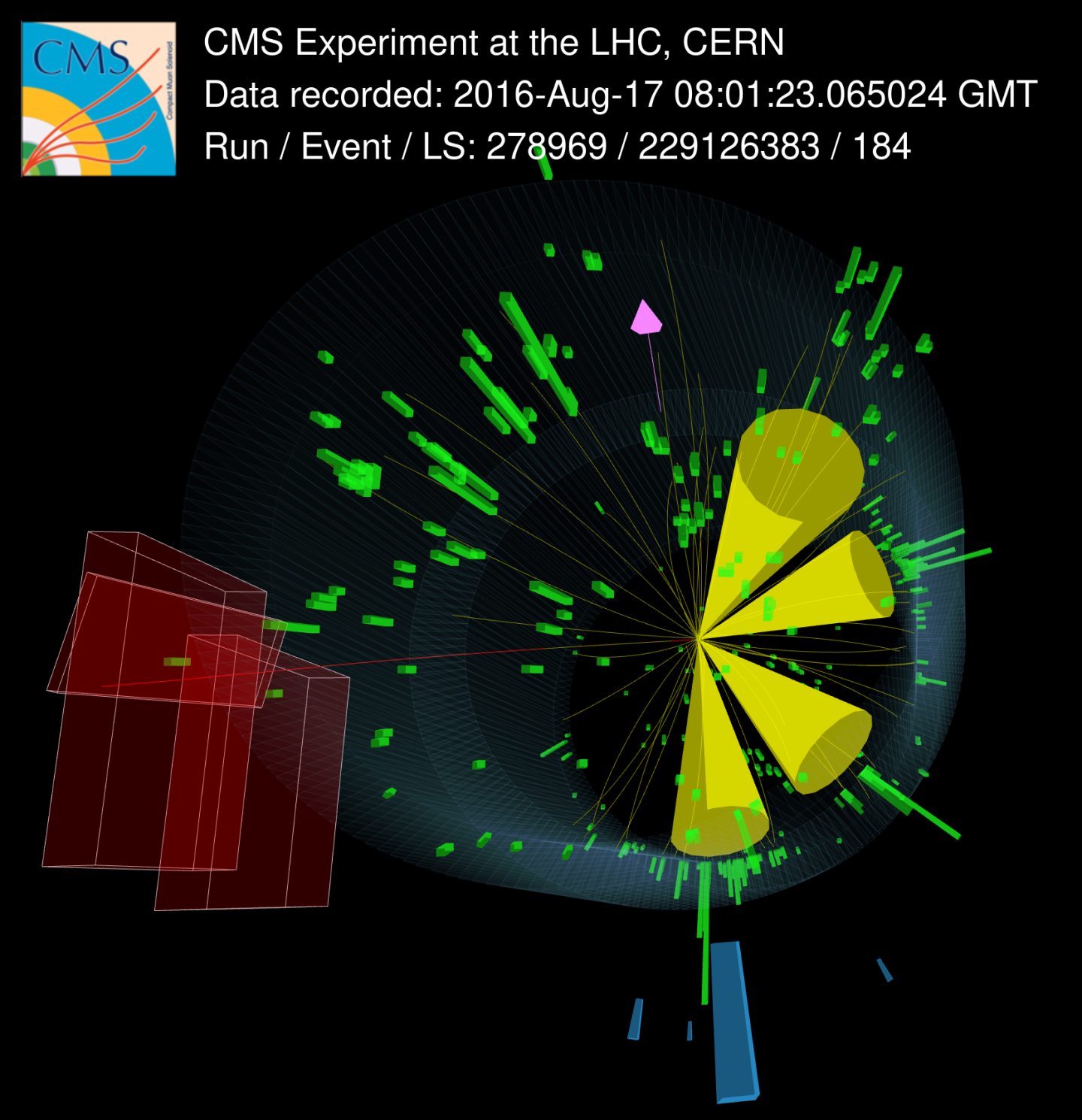
CMS measures the mass of the top quark with unparalleled accuracy
Precise knowledge of the top-quark mass is of paramount importance to understand our world at the smallest scale
-
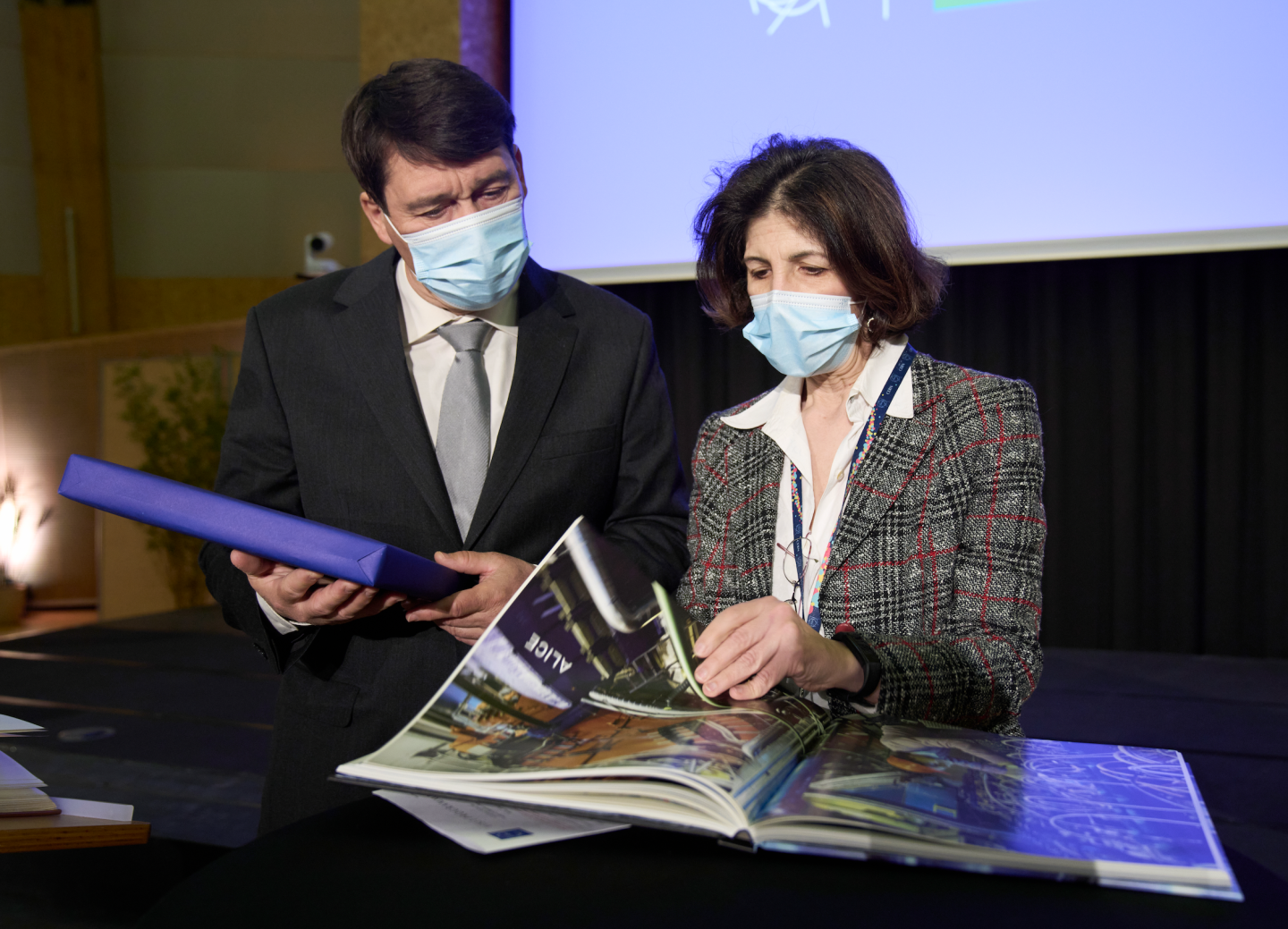
Thirty years of Hungarian membership of CERN: the President of the Republic visits the Organization
President Áder visited the CMS cavern and the Globe of Science and Innovation to mark the anniversary of his country joining CERN
-
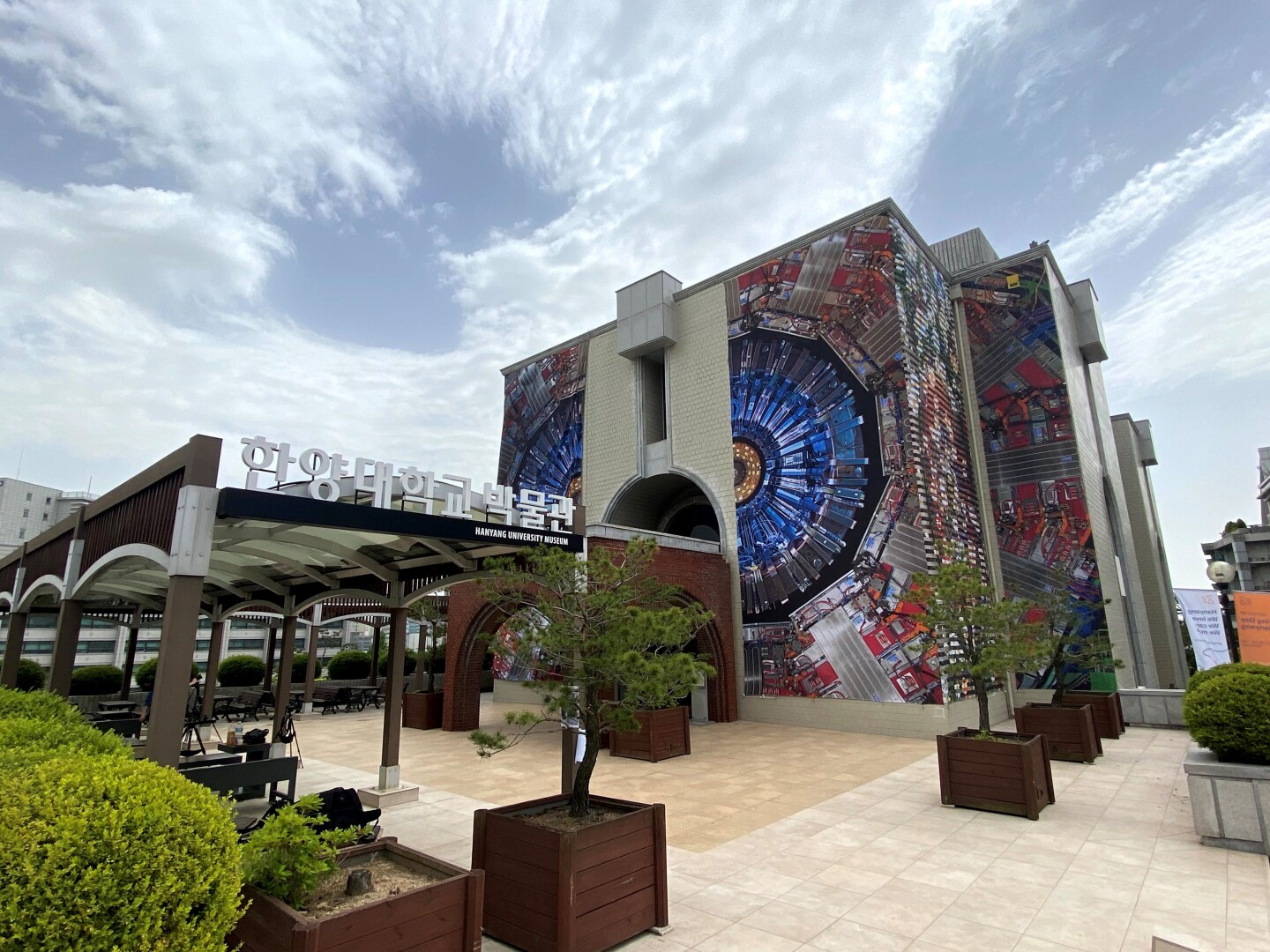
ORIGIN-CMS exhibition in Seoul – it’s a wrap!
An exhibition centre in South Korea was “wrapped” in CMS for six months last year. The innovative science, art and education exhibition is still accessible online.
-
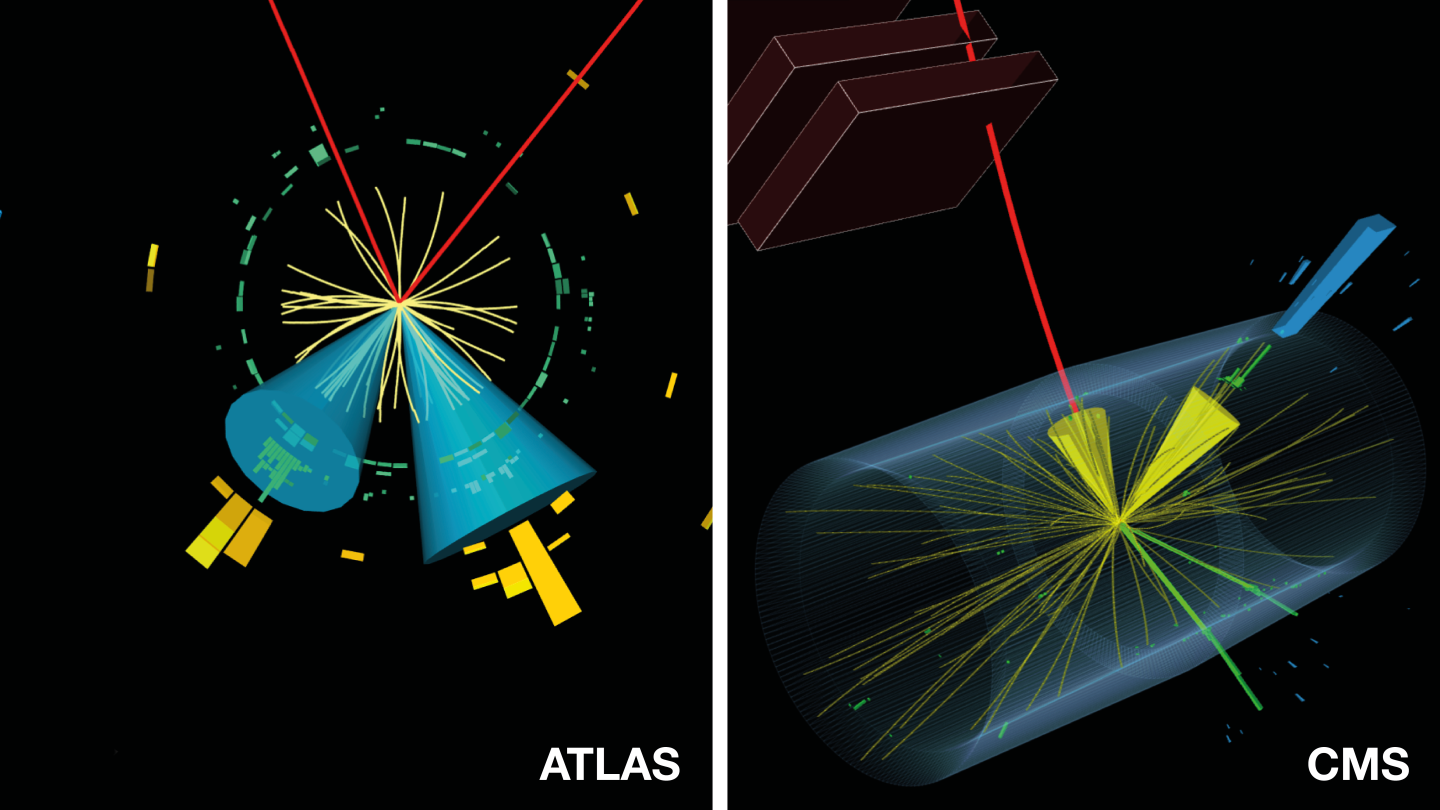
Homing in on the Higgs boson’s interaction with the charm quark
New ATLAS and CMS analyses place tight limits on the strength of the Higgs boson’s interaction with the charm quark