
Tag: General public
-
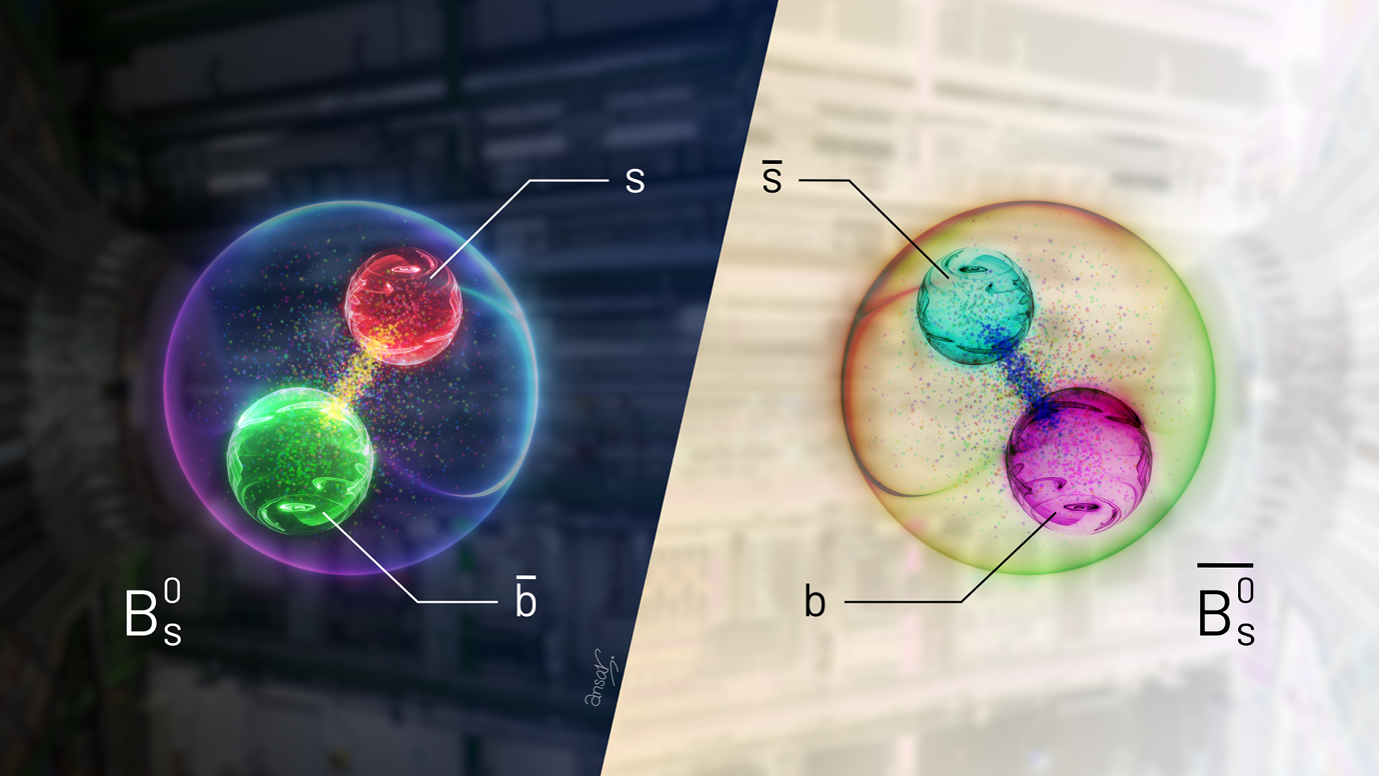
CMS explores subtle matter–antimatter difference using beauty mesons
The CMS experiment uses its largest sample of beauty mesons to date to perform a high-precision test of subtle differences between matter and antimatter
-
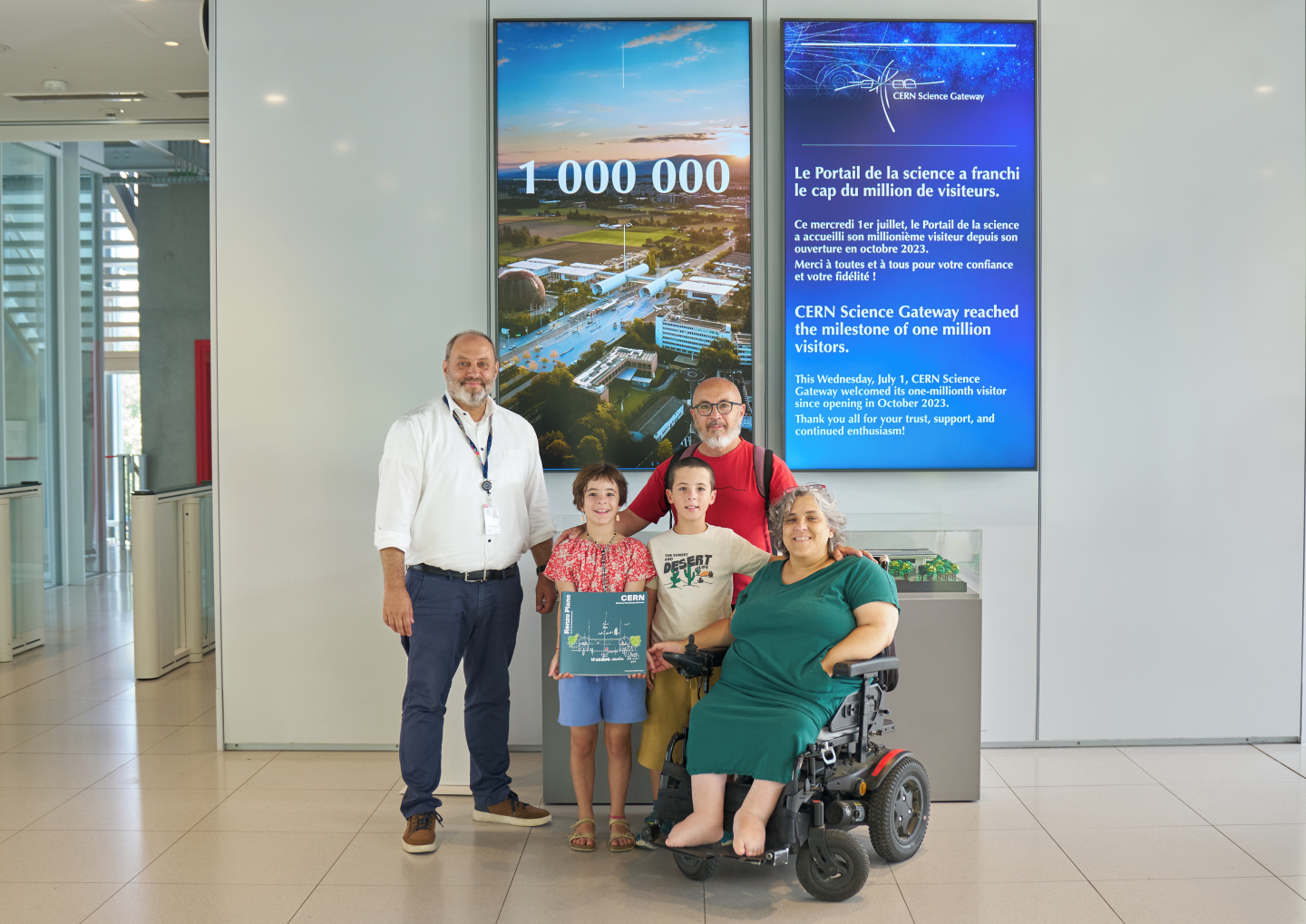
The Science Gateway passes the million mark
At 11.00 a.m. on Wednesday, 1 July, the Science Gateway passed the symbolic mark of one million visitors thanks to Elna, Antoni and their 10-year-old twins, who were visiting from Barcelona. Since opening in October 2023, the Science Gateway has established itself as a beacon of science tourism. With its five exhibitions, lab workshops, science
-
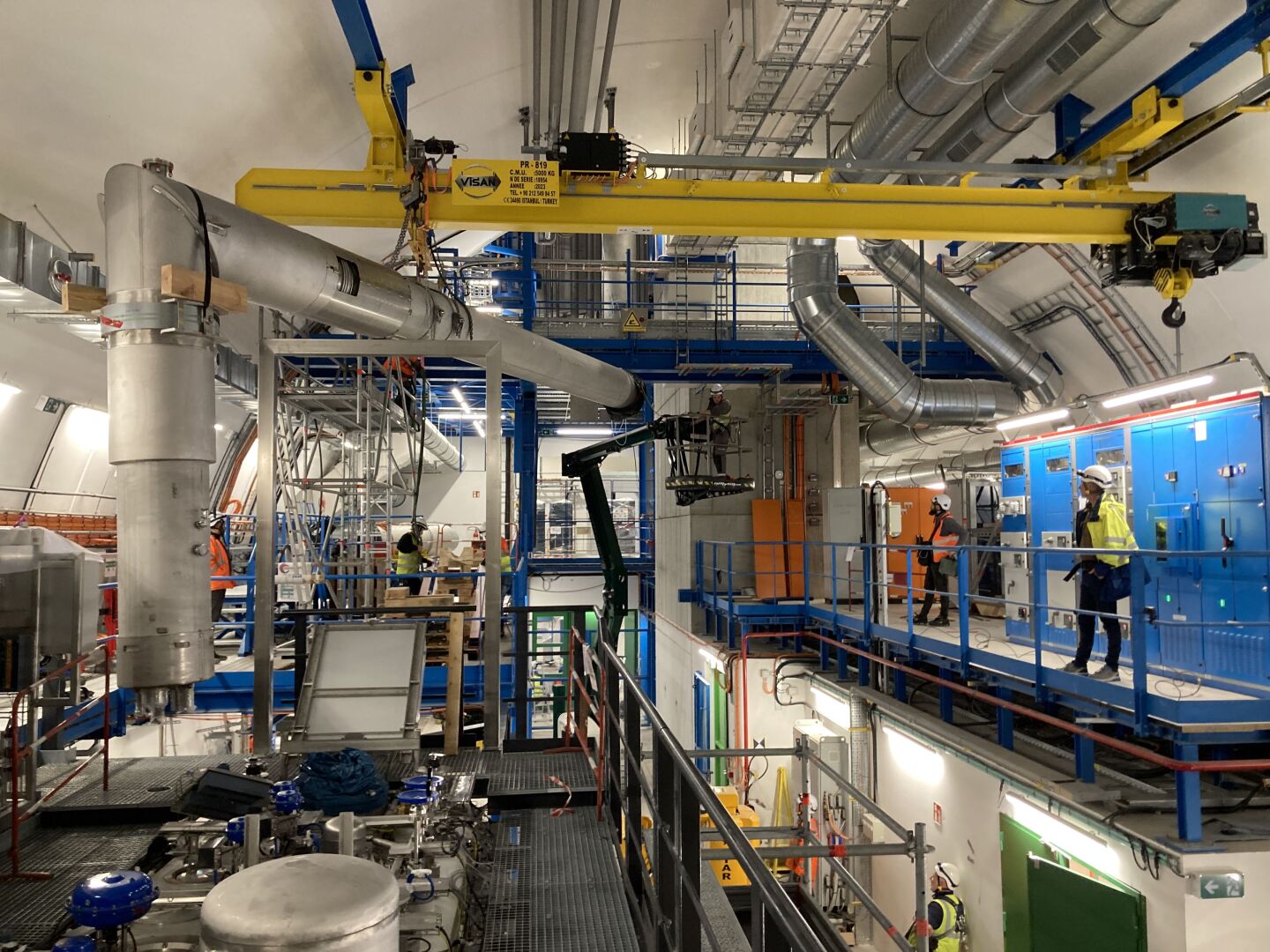
CERN bids farewell to the LHC and enters Long Shutdown 3
Today, the Large Hadron Collider (LHC), the world’s most powerful particle accelerator, comes to the end of an extraordinary chapter in its scientific journey. Following its final physics run, the accelerator has been switched off to begin CERN’s Long Shutdown 3 (LS3), a major programme of maintenance, consolidation, upgrades and installation work that will prepare the
-
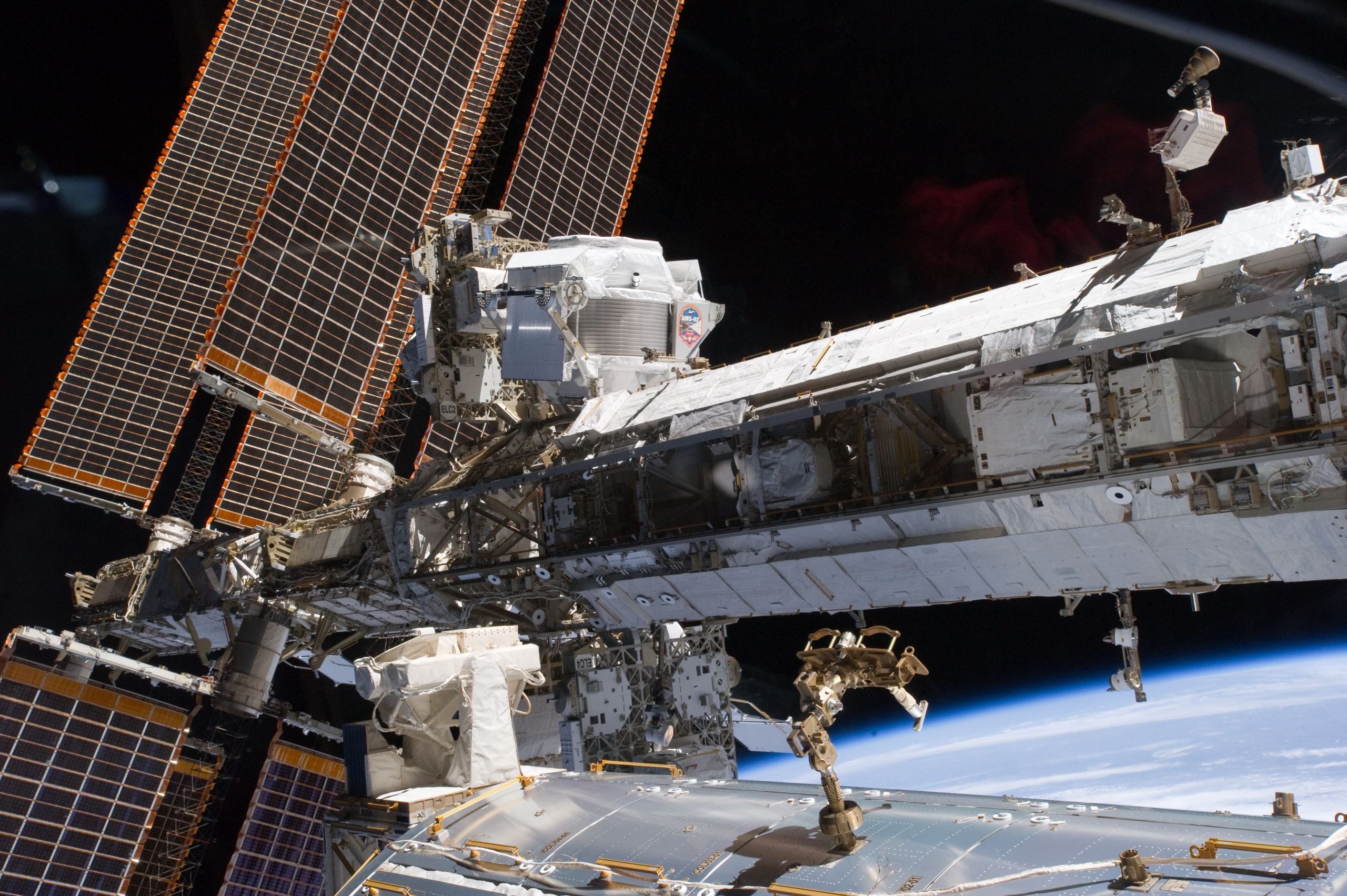
AMS releases new cosmic-ray measurements
Fixed to the International Space Station (ISS) as it speeds around Earth, the Alpha Magnetic Spectrometer (AMS) is constantly measuring high-energy particles that stream from across the Universe, known as cosmic rays. In a recent paper published in Physical Review Letters, the AMS Collaboration reports its first measurements of five heavy elements found amongst these particles. Since it was installed on
-
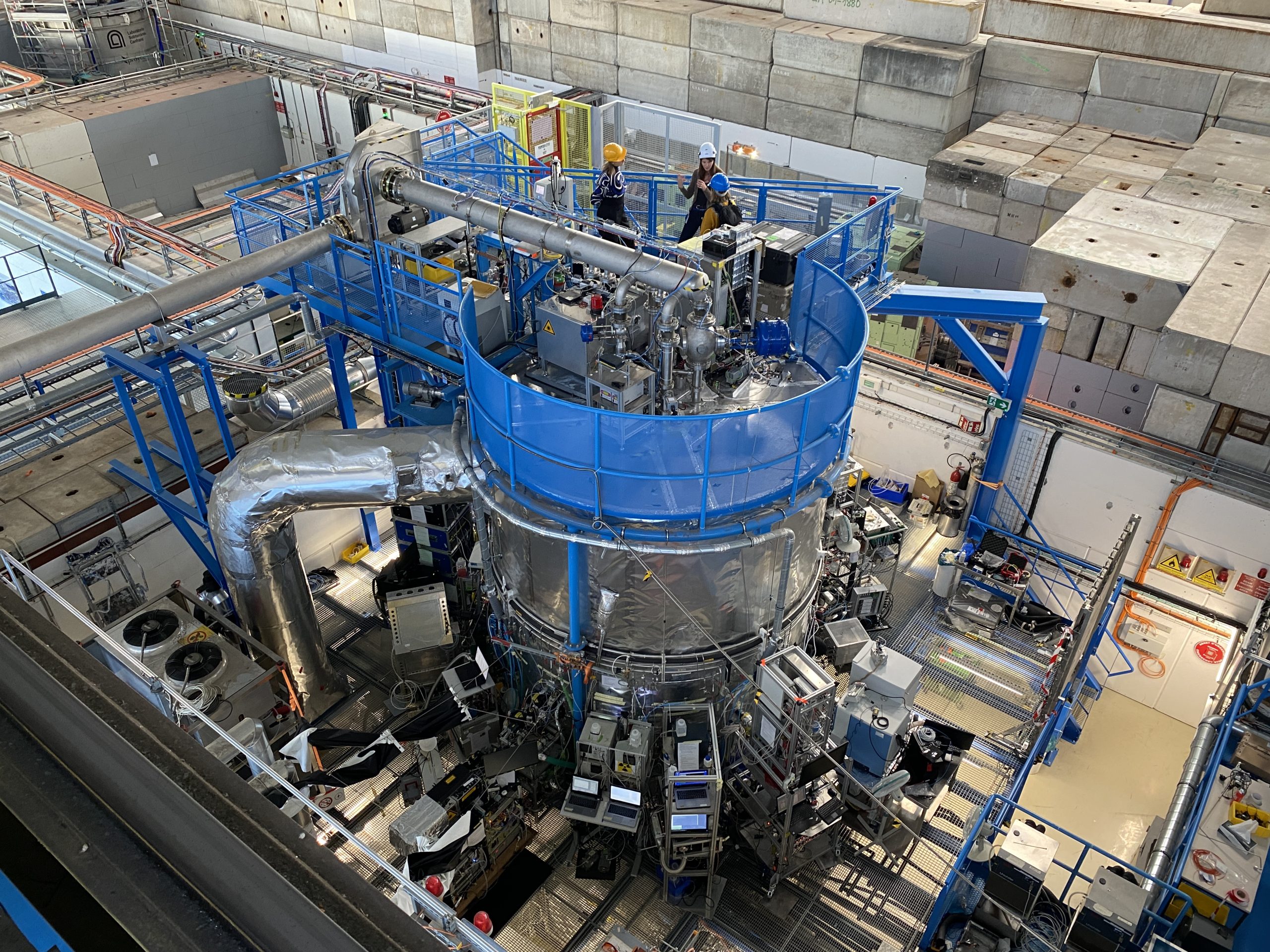
CLOUD experiment uncovers a major new source of marine aerosol particles
In a paper published today in the journal Nature, the CLOUD Collaboration at CERN reports that natural emissions from phytoplankton are producing far more aerosol particles than previously thought, changing our understanding of aerosols and clouds in pristine climates from before the industrial era and after the fossil fuel era. Cloud droplets form on aerosol
-
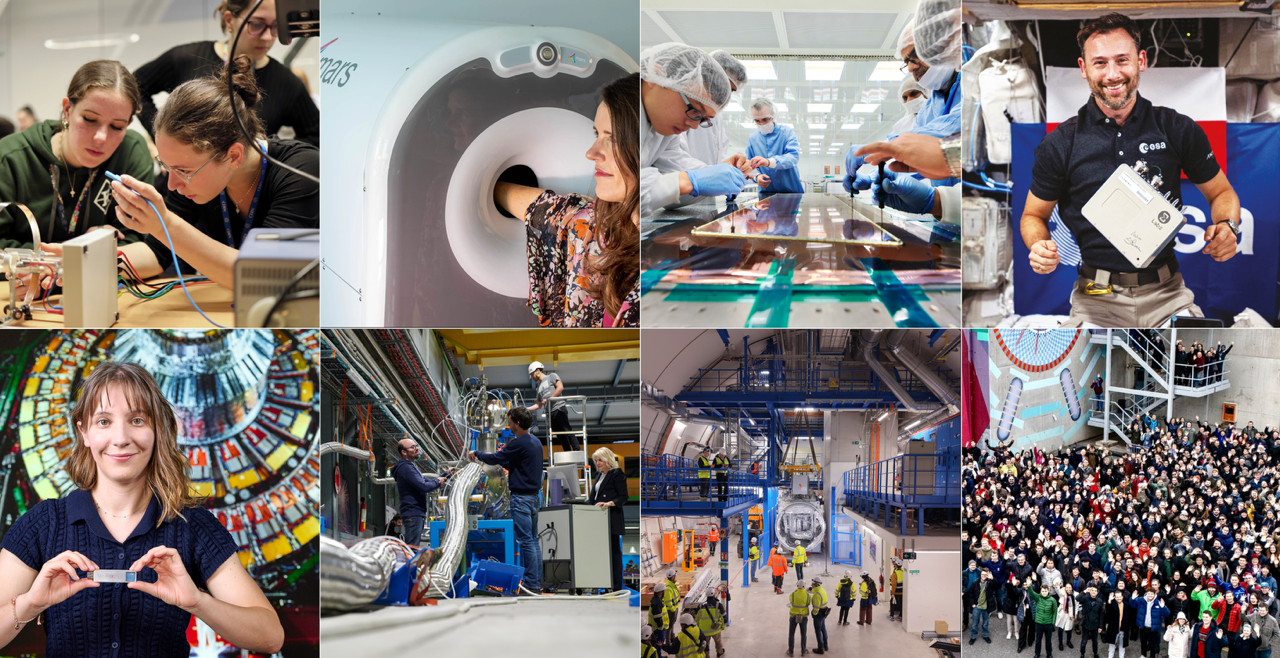
New study highlights CERN’s socio-economic contributions as a global research hub
The newly published study Assessment of the socio-economic benefits of CERN activities reports on CERN’s activities over the past 25 years and highlights a range of socio-economic benefits generated by the Laboratory’s role as a global hub for science, technology and collaboration. The study examines how CERN contributes to scientific, technological, economic and societal outcomes
-
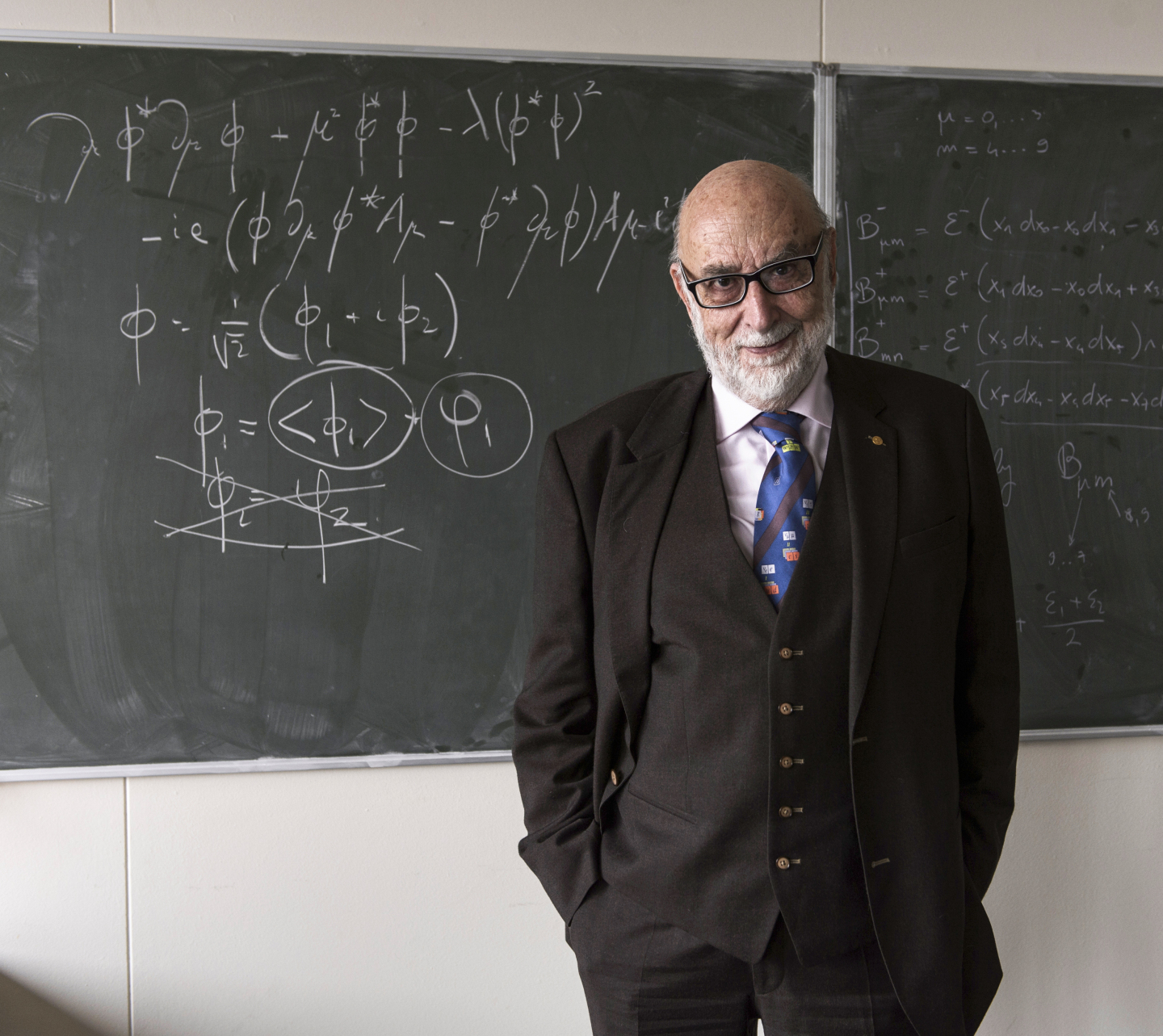
François Englert (1932 – 2026)
François Englert, a Belgian theoretical physicist, passed away on 18 June at the age of 93 in Uccle (Brussels, Belgium). With his associate, Robert Brout, he demonstrated that fundamental particles could acquire mass by interacting with a fundamental field that exists throughout the universe. At the same time, British physicist Peter Higgs had independently hypothesised the existence
-
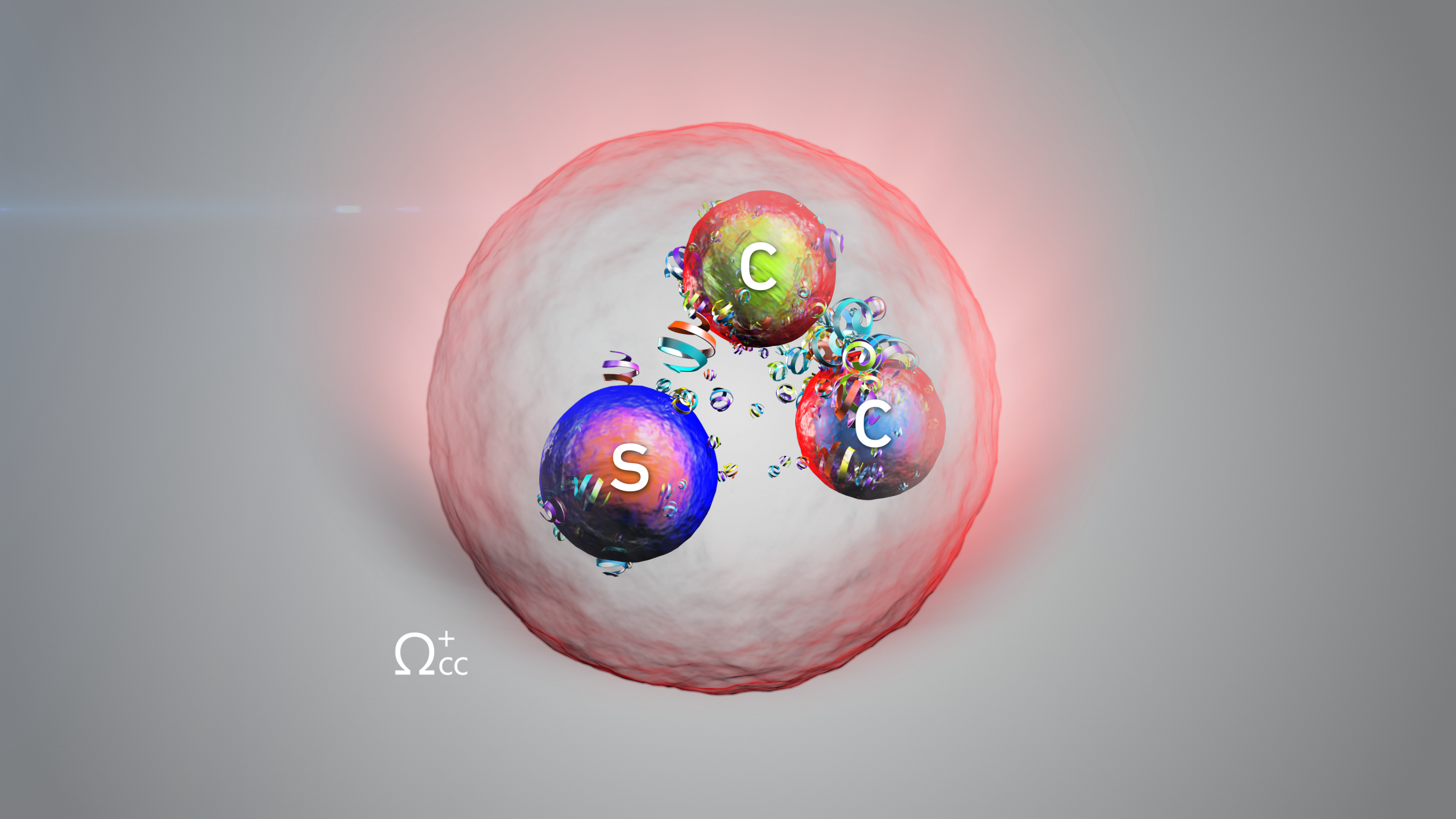
LHCb discovers the final missing member of a doubly charmed particle family
The LHCb Collaboration has found a new particle consisting of one strange quark and two charm quarks. With this finding, the Collaboration has discovered the final member of a family of doubly charmed baryons – particles made up of two charm quarks and one other quark – and closes a chapter of a story that
-
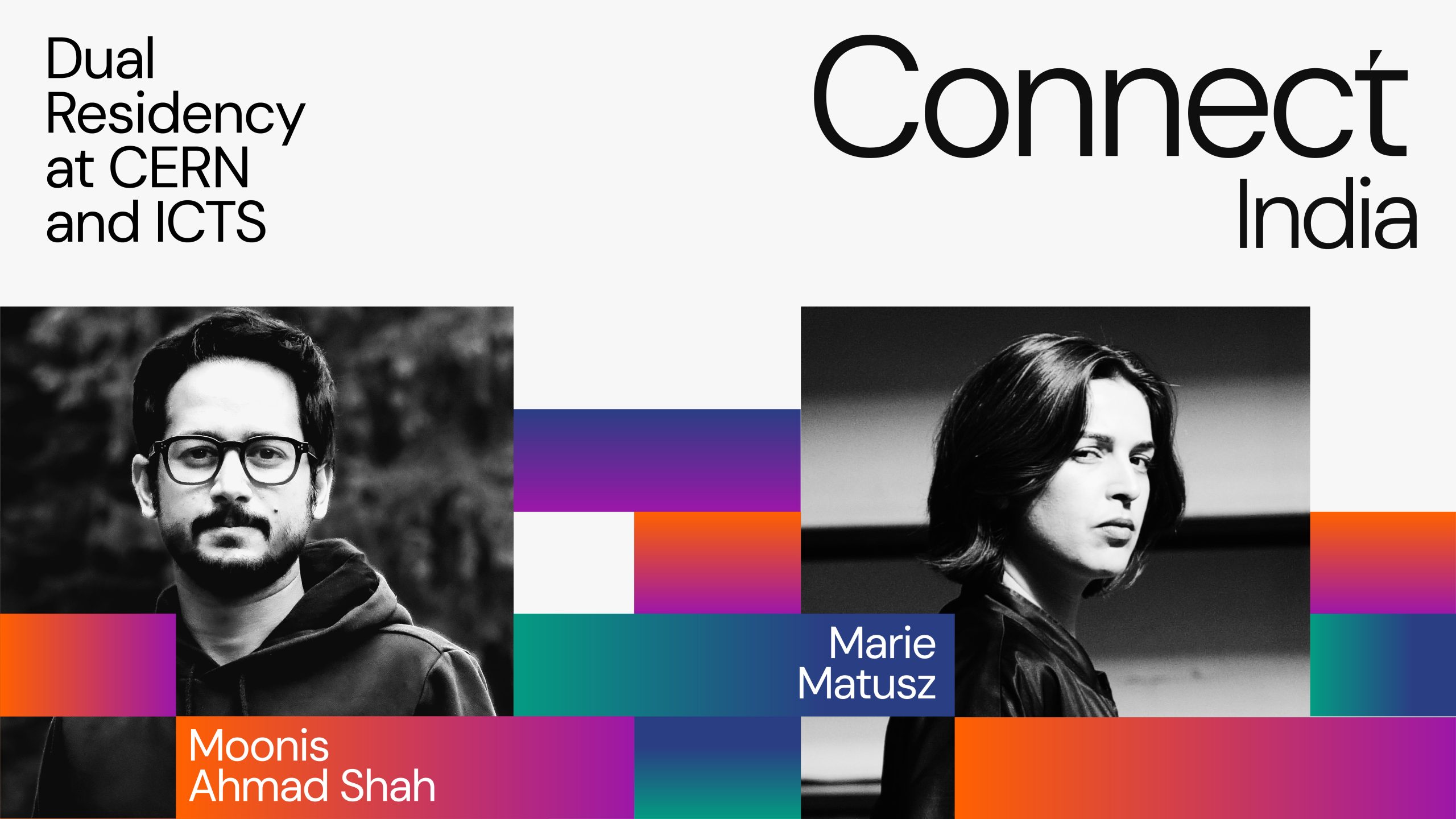
Arts at CERN and Pro Helvetia announce the artists selected for the 2026 Connect India residency
Launched in 2021 by Arts at CERN and the Swiss Arts Council Pro Helvetia, Connect has established itself as a key platform for artistic experimentation in connection with fundamental science. The programme continues its mission of fostering meaningful dialogue between artists and scientists through residencies at CERN and partner scientific institutions around the world. Connect
-
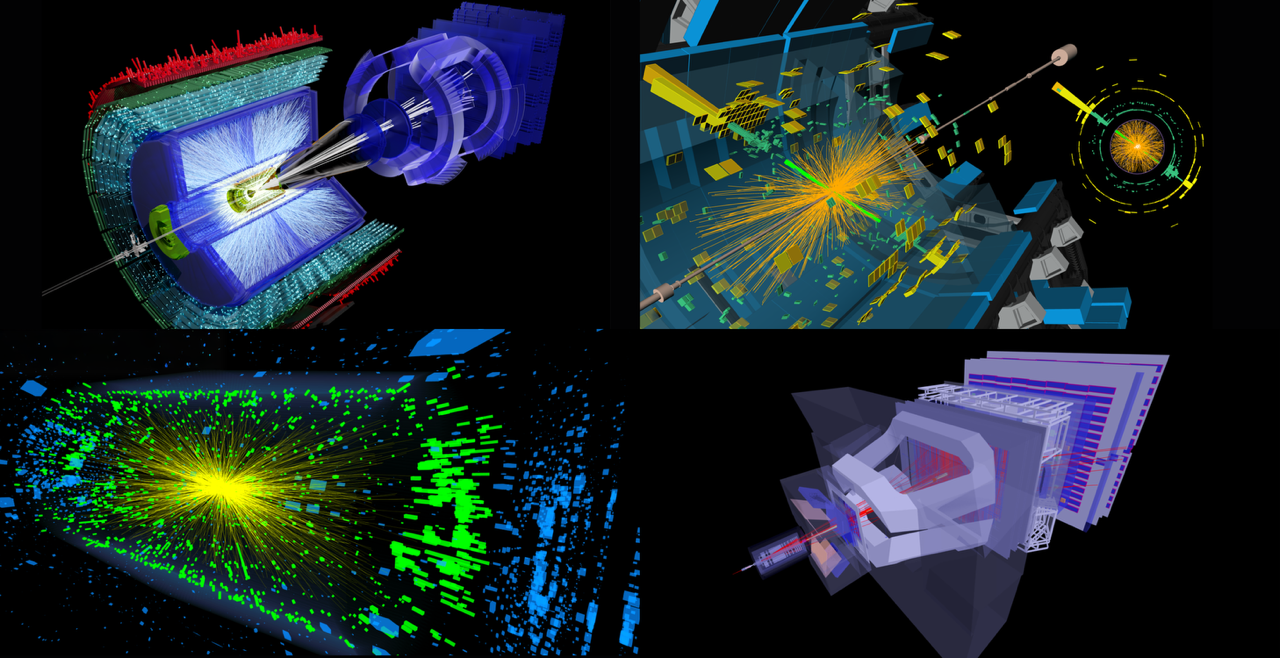
Final collisions, new horizons
In the early hours of Sunday, 14 June, the experiments at the Large Hadron Collider (LHC) had their last hurrah. In the control rooms of ALICE, ATLAS, CMS and LHCb – the four major experiments at the accelerator – scientists watched the final collisions burst across their screens like colourful fireworks. The collisions for physics