
Tag: General public
-
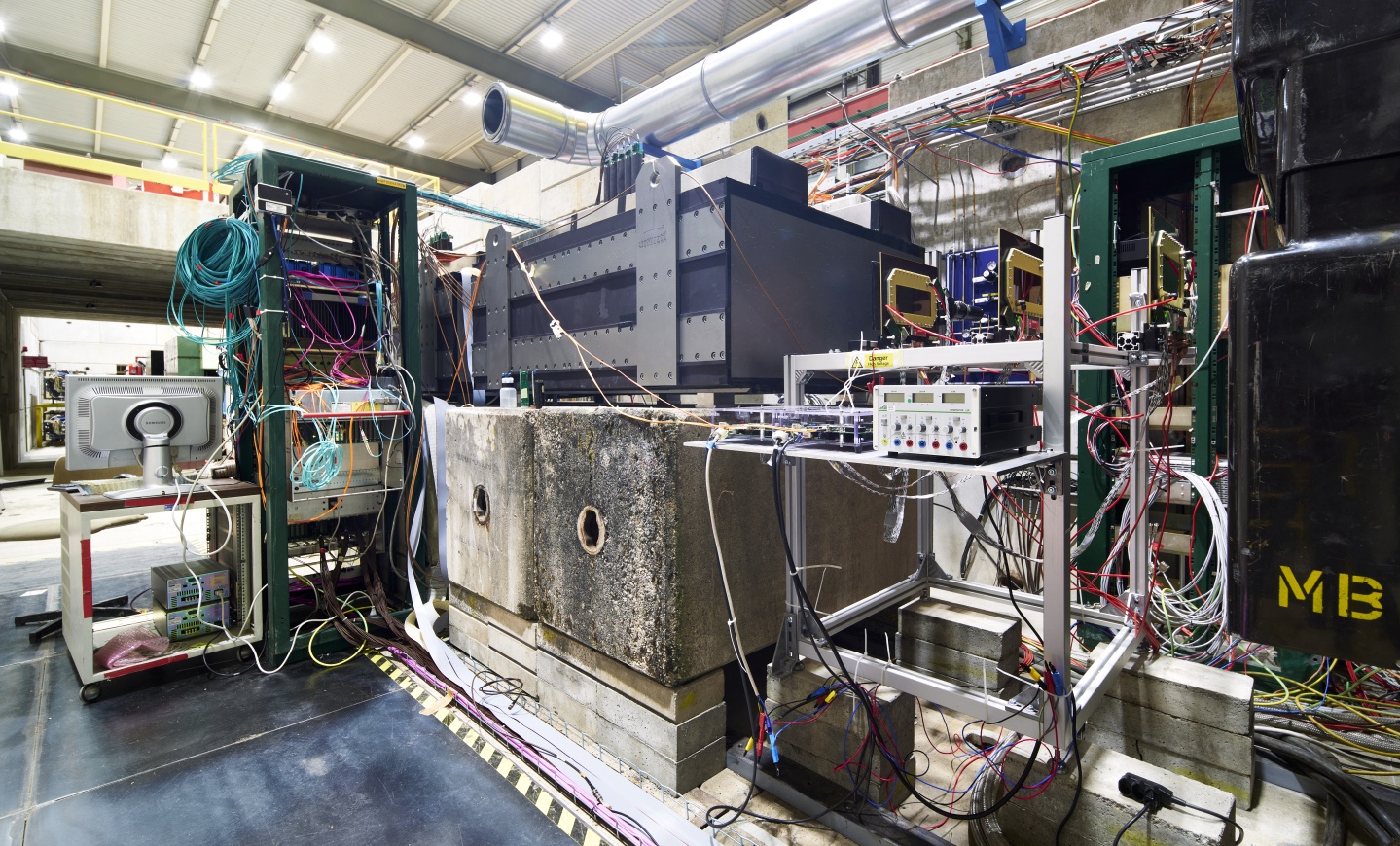
NA64, a decade of hunting dark matter
In particle physics, energy is never lost. When particles collide or decay, all the initial energy they carry must be conserved in the resulting products, and a shortfall signals that something has escaped unseen. It was the energy missing from radioactive decays that led Wolfgang Pauli to propose the neutrino in 1930, a particle so elusive that it evaded detection for
-

Exceptional transport operations to make way for HiLumi LHC
We often hear about the remarkable components of the accelerators, but transporting this equipment sometimes requires measures that are just as impressive. Over the course of the third long shutdown (LS3), which started this summer, entire sections of the Large Hadron Collider and its detectors will be dismantled in order to make room for the
-
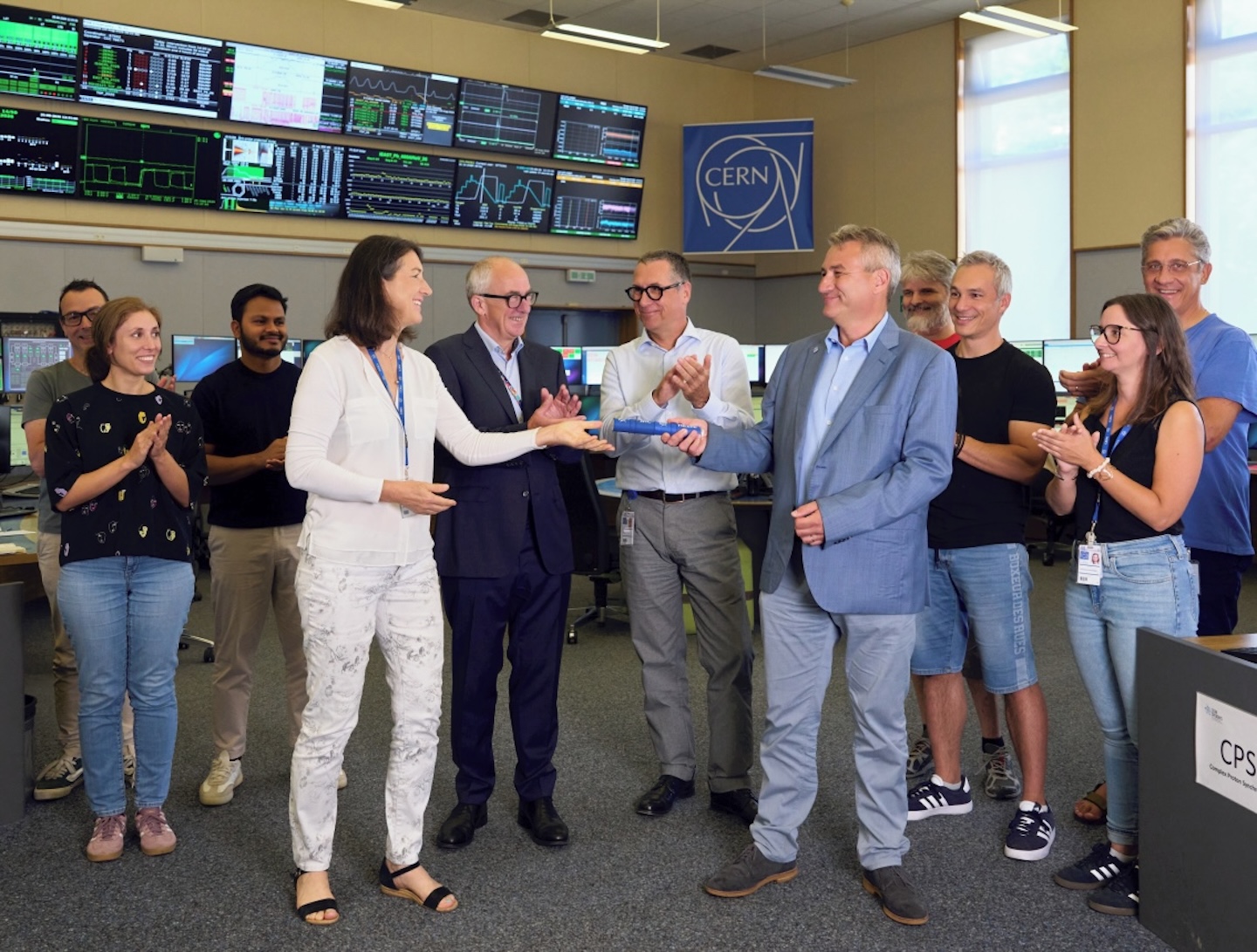
All CERN accelerators now on the road to HiLumi
CERN’s injector complex and Antimatter Factory took their final steps towards Long Shutdown 3 (LS3) this morning, as the last particle beams were extracted and the machines fell silent. This milestone follows the shutdown of the Large Hadron Collider (LHC) in June, which marked the beginning of LS3 for the Laboratory’s flagship accelerator. While the
-
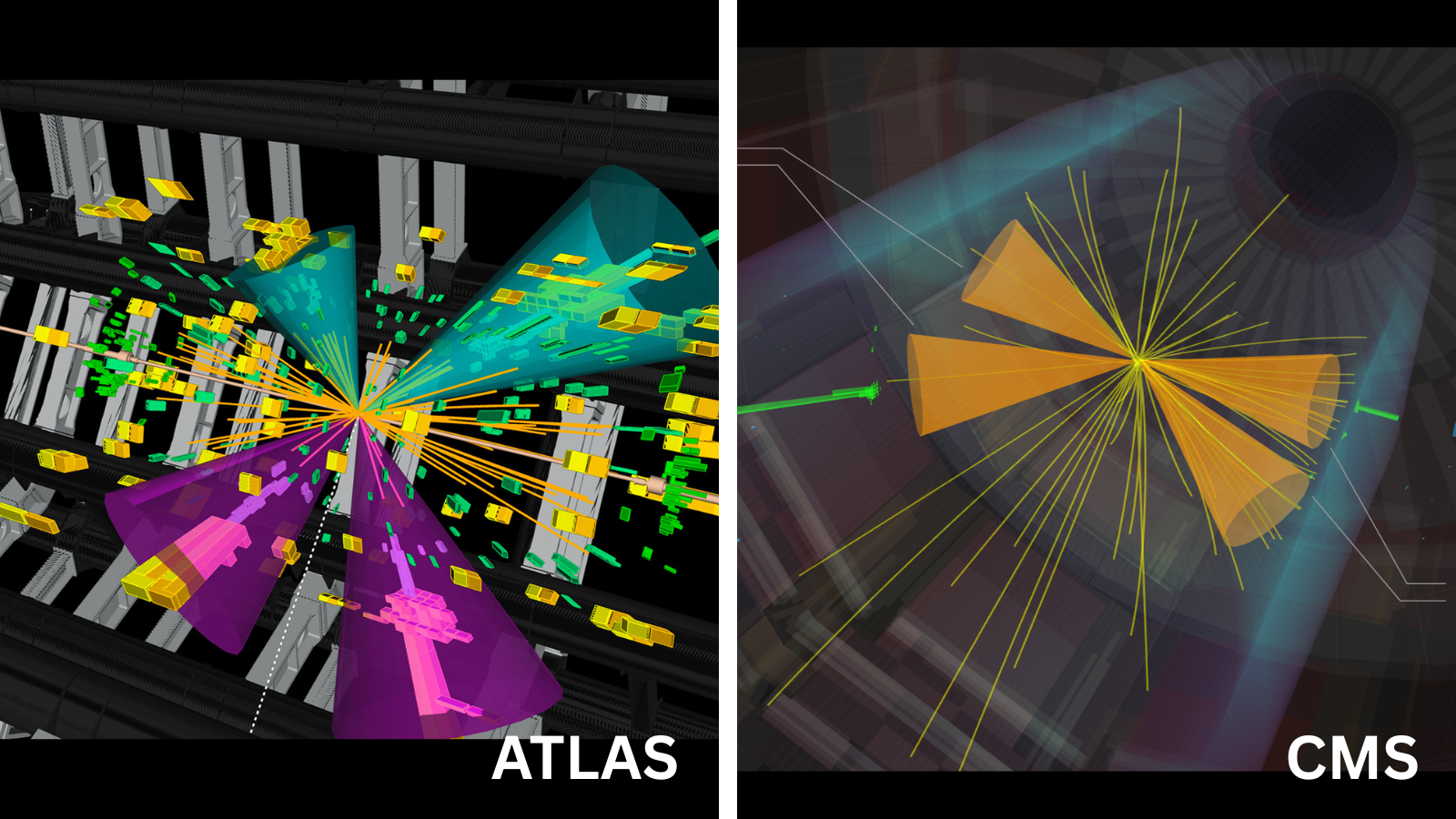
ATLAS and CMS narrow in on double-Higgs production
Finding one Higgs boson was hard enough, but physicists at the Large Hadron Collider (LHC) are hunting for something even more elusive: pairs of Higgs bosons. At the recent International Conference on High Energy Physics 2026, the ATLAS and CMS Collaborations presented new constraints on the double-Higgs production rate, providing insight into how the Higgs
-
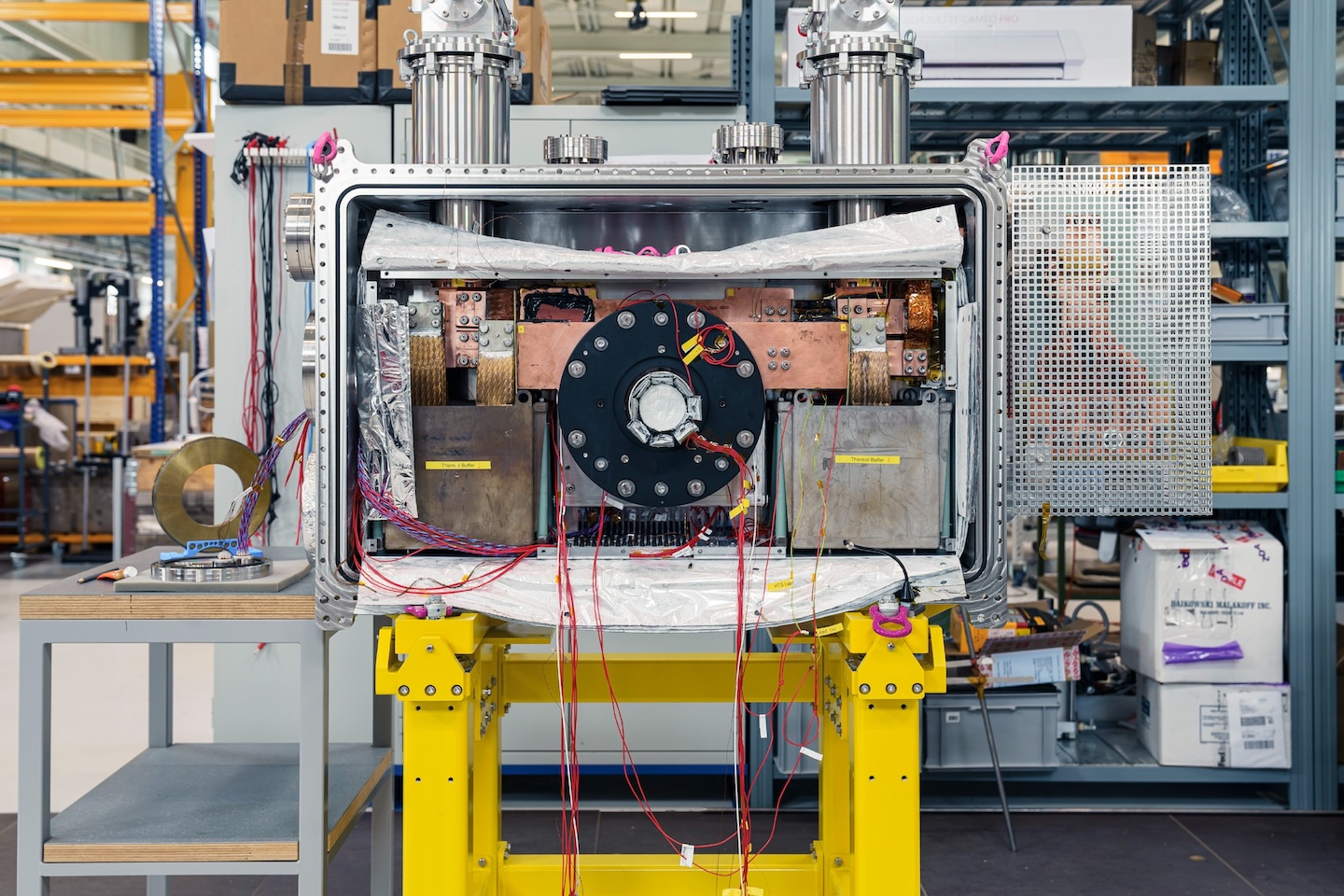
Positrons pass test for the Future Circular Collider
An experiment at the Paul Scherrer Institute (PSI) in Switzerland has successfully produced, captured and transported positrons using a novel system developed for CERN’s proposed Future Circular Collider (FCC). The results show that the key elements of the FCC positron-source concept can operate together, representing an important advance for this technically demanding aspect of the
-
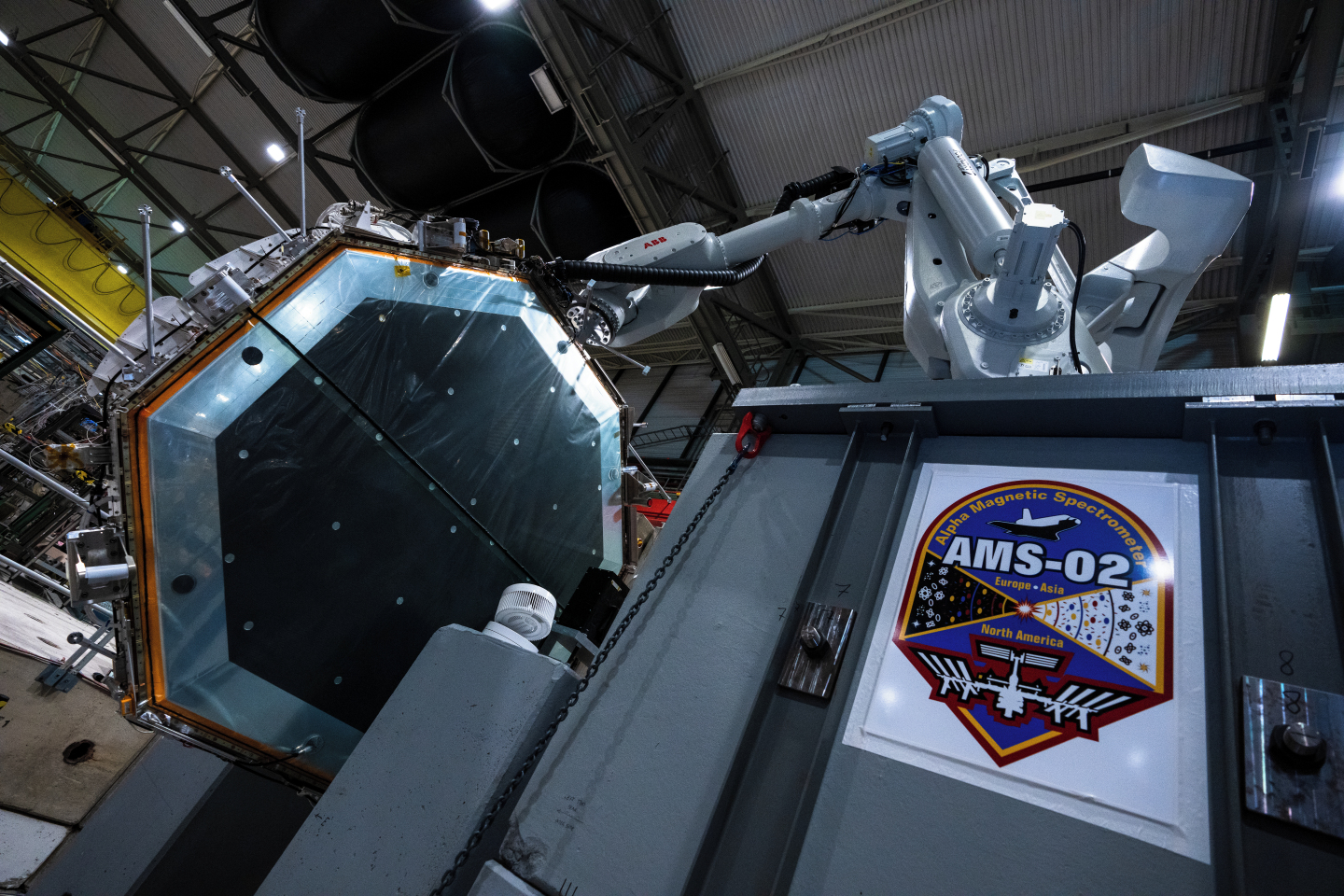
Final tests for the AMS upgrade before spaceflight
A new layer of silicon sensors is being tested at CERN before being sent to the International Space Station
-
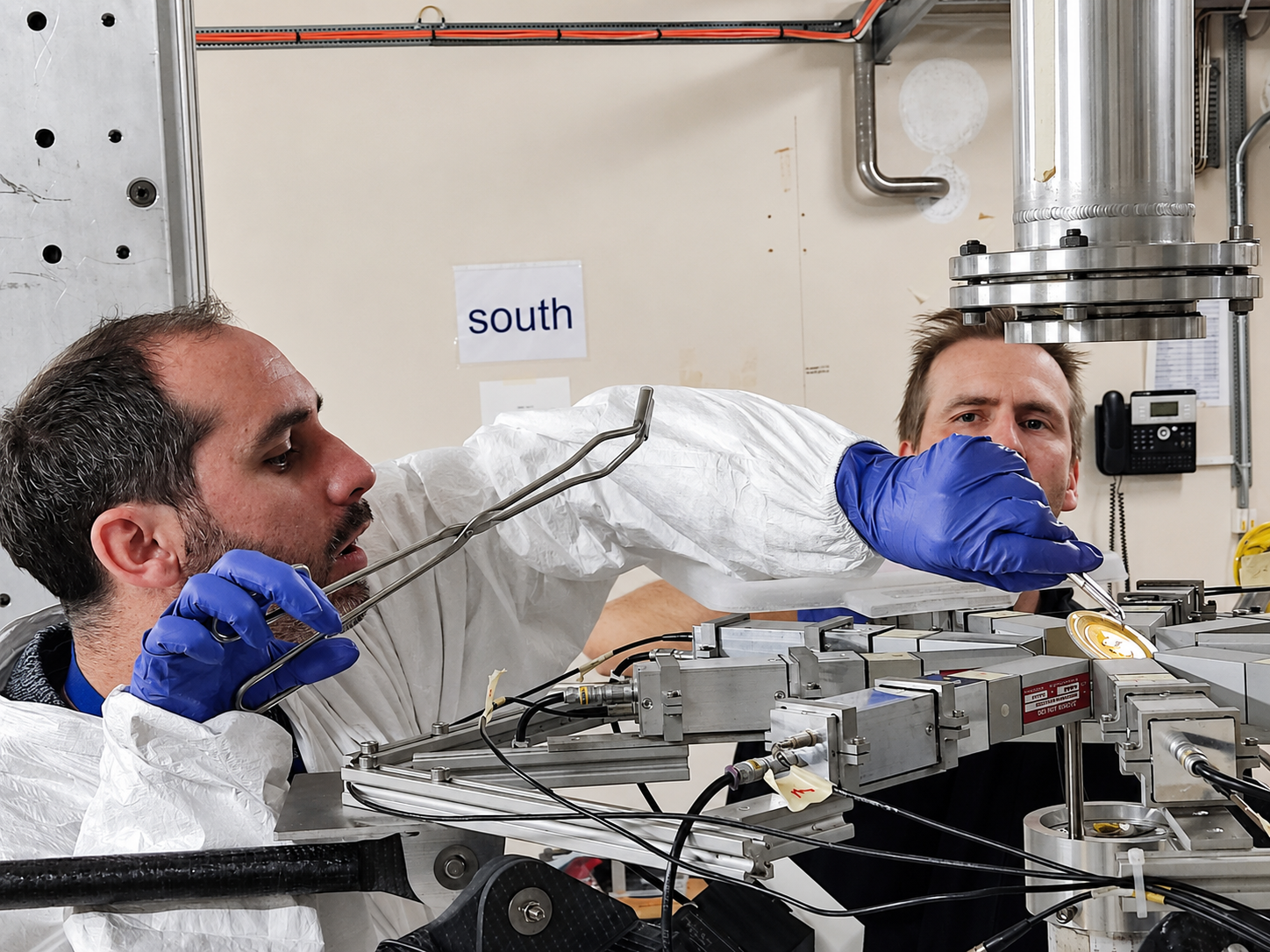
n_TOF experiment sheds light on ancient stardust
Niobium-94, an isotope of niobium with 41 protons and 53 neutrons, is a critical crossroads in the complex nuclear processes that forge heavy elements under the intense pressures and temperatures of dying stars. Writing in Physical Review Letters, the n_TOF Collaboration reports the first ever measurement of the probability of niobium-94 taking one of the
-

Oxygen collisions at the LHC show new indications of extreme state of matter
One year on from the first-ever collisions of oxygen at the Large Hadron Collider (LHC), the main LHC Collaborations – ALICE, ATLAS, CMS and LHCb – have each reported signs of the state of matter known as quark–gluon plasma (QGP) originating from these collisions. QGP is a state of matter that forms under intense pressure
-
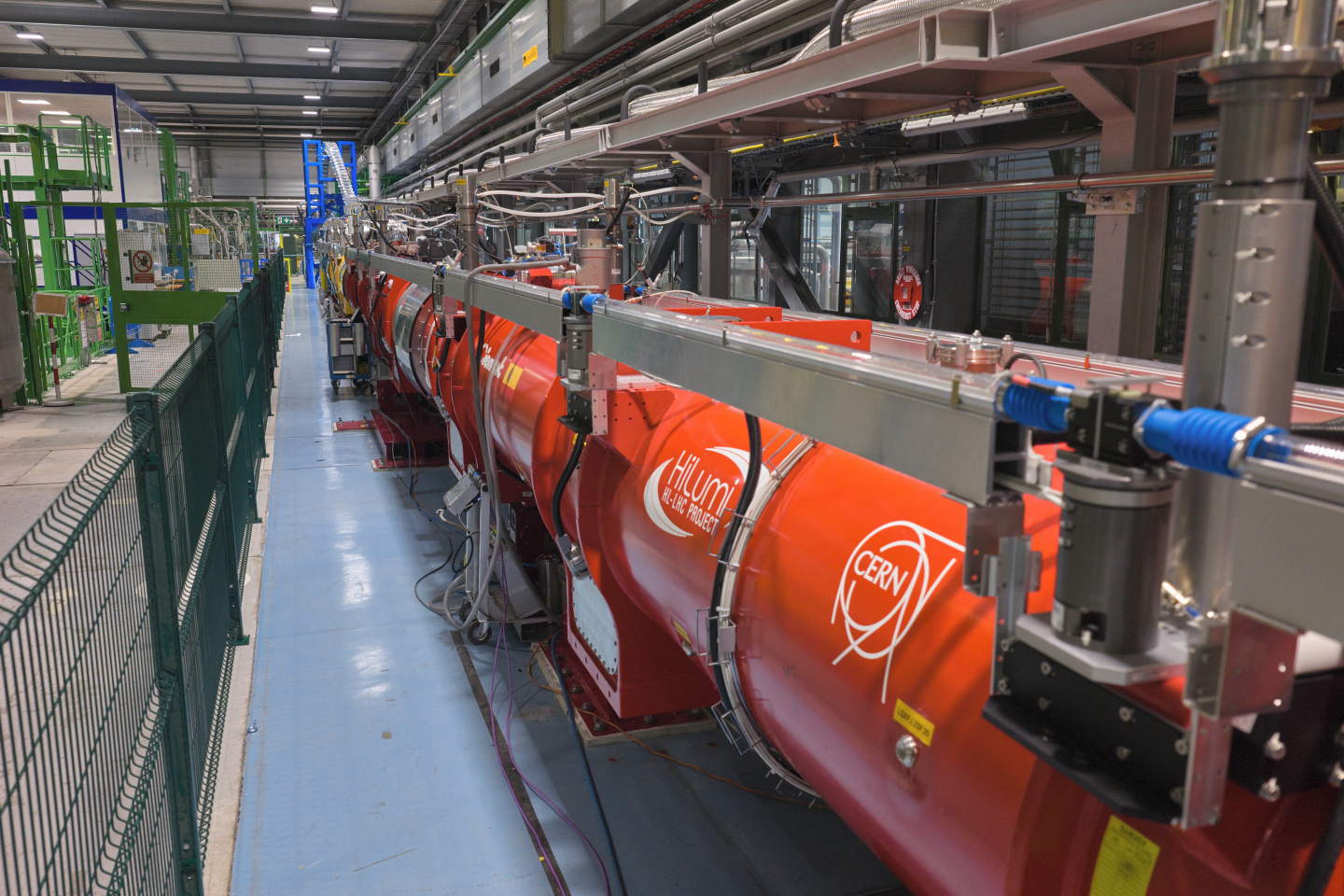
HiLumi LHC: new magnets reach full power
The test bench for the High-Luminosity LHC, the IT (Inner Triplet) String facility, has reached a major milestone. On 8 July, its new quadrupole magnets – known as the inner triplet magnets – successfully reached their nominal operating current of 16 230 amperes. Designed to focus the beams more tightly than ever before, thereby increasing the
-
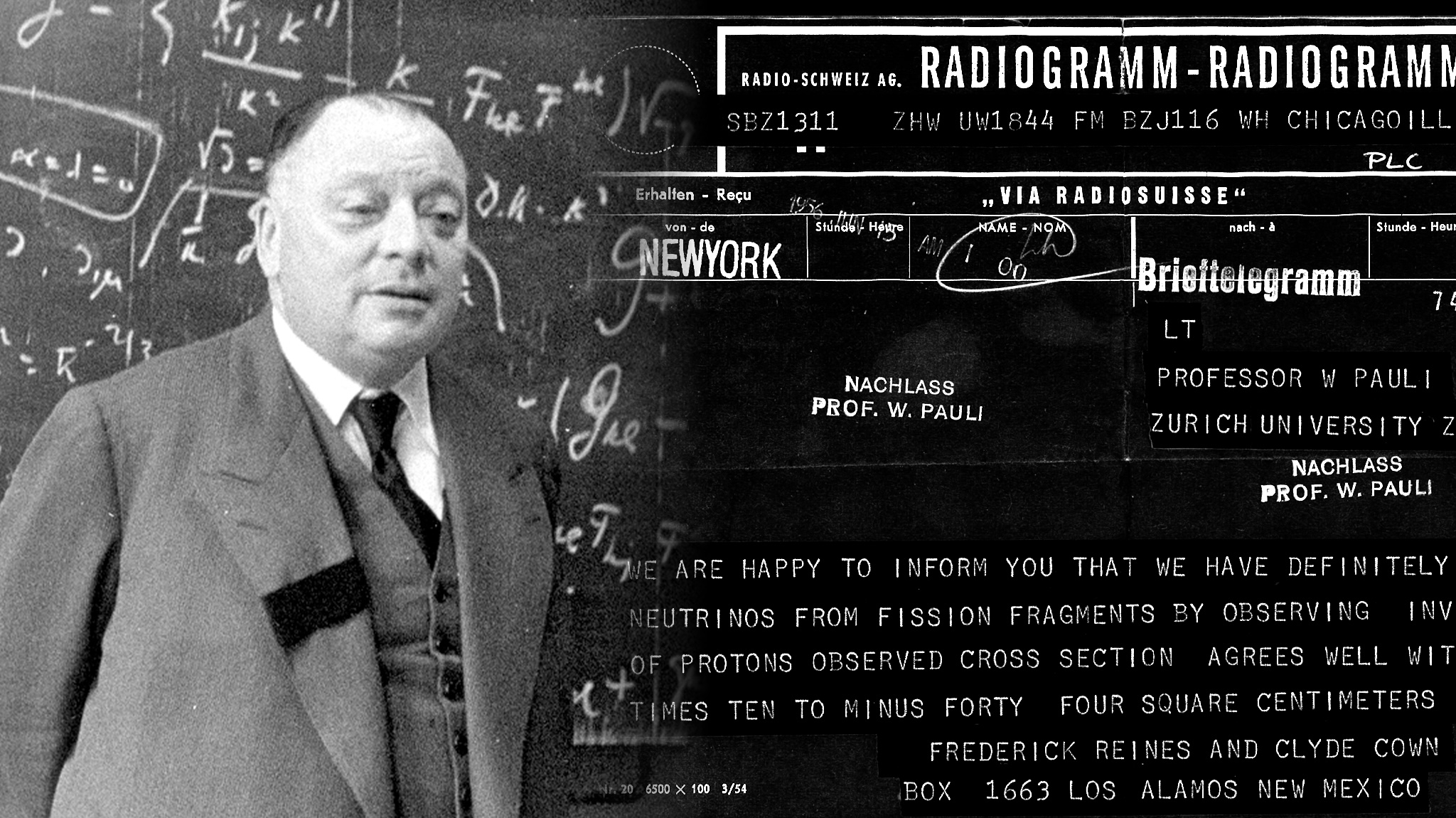
The puzzle of neutrinos, seventy years on
Seventy years ago today, Clyde Cowan, Frederick Reines and their colleagues closed a quarter-century hunt with a paper in Science, having caught neutrinos streaming out of a nuclear reactor in South Carolina. The search had begun in December 1930, when Wolfgang Pauli, in a letter to the “radioactive ladies and gentlemen” gathered at a meeting