
Tag: General public
-
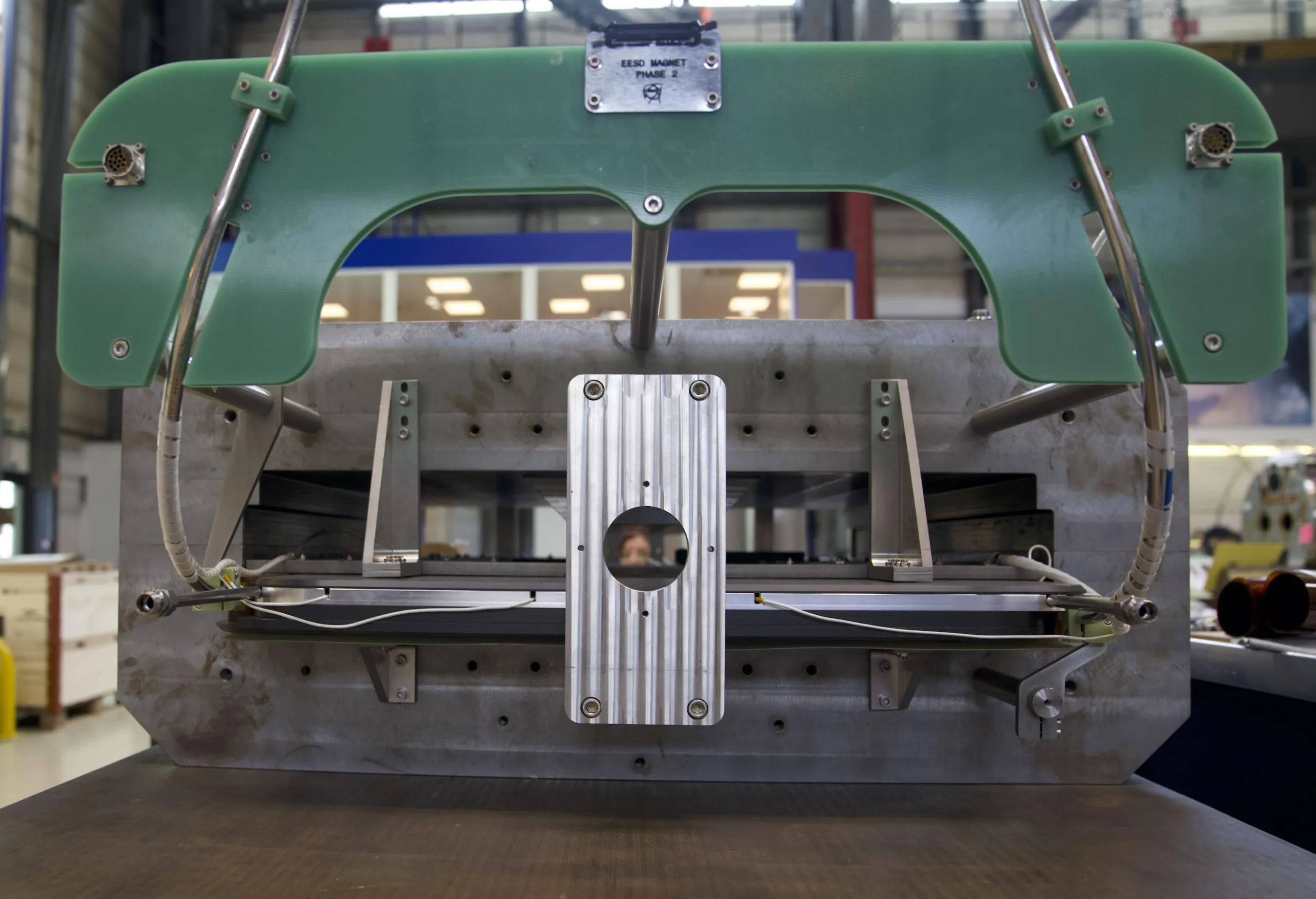
Less hungry magnets for the experiments of the future
A prototype superconducting coil developed for the SHiP experiment opens the way for more energy-efficient electromagnets for certain applications
-
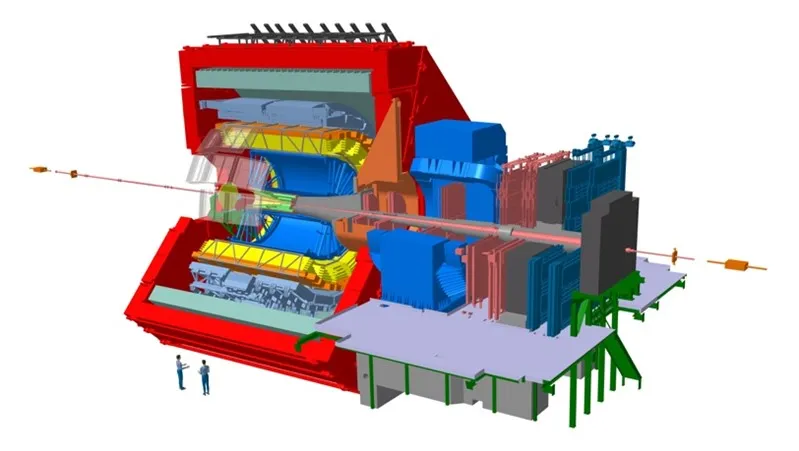
LHCb investigates the rare Σ+→pμ+μ- decay
The rarest hyperon decay ever observed
-
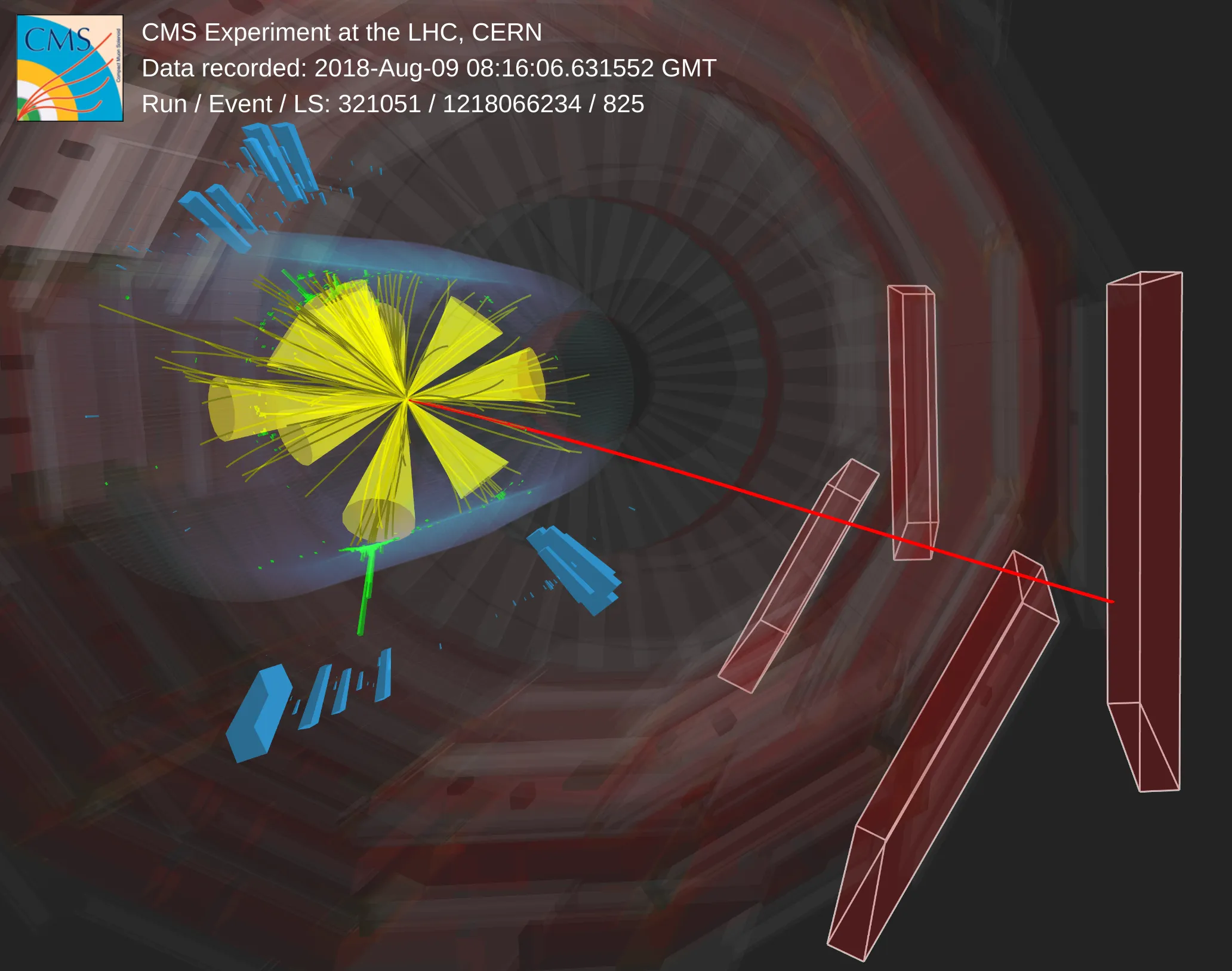
Going the extra mile to squeeze supersymmetry out of CMS data
Re-analysing LHC Run 2 data with cutting-edge analysis techniques allowed CMS physicists to address an old discrepancy
-
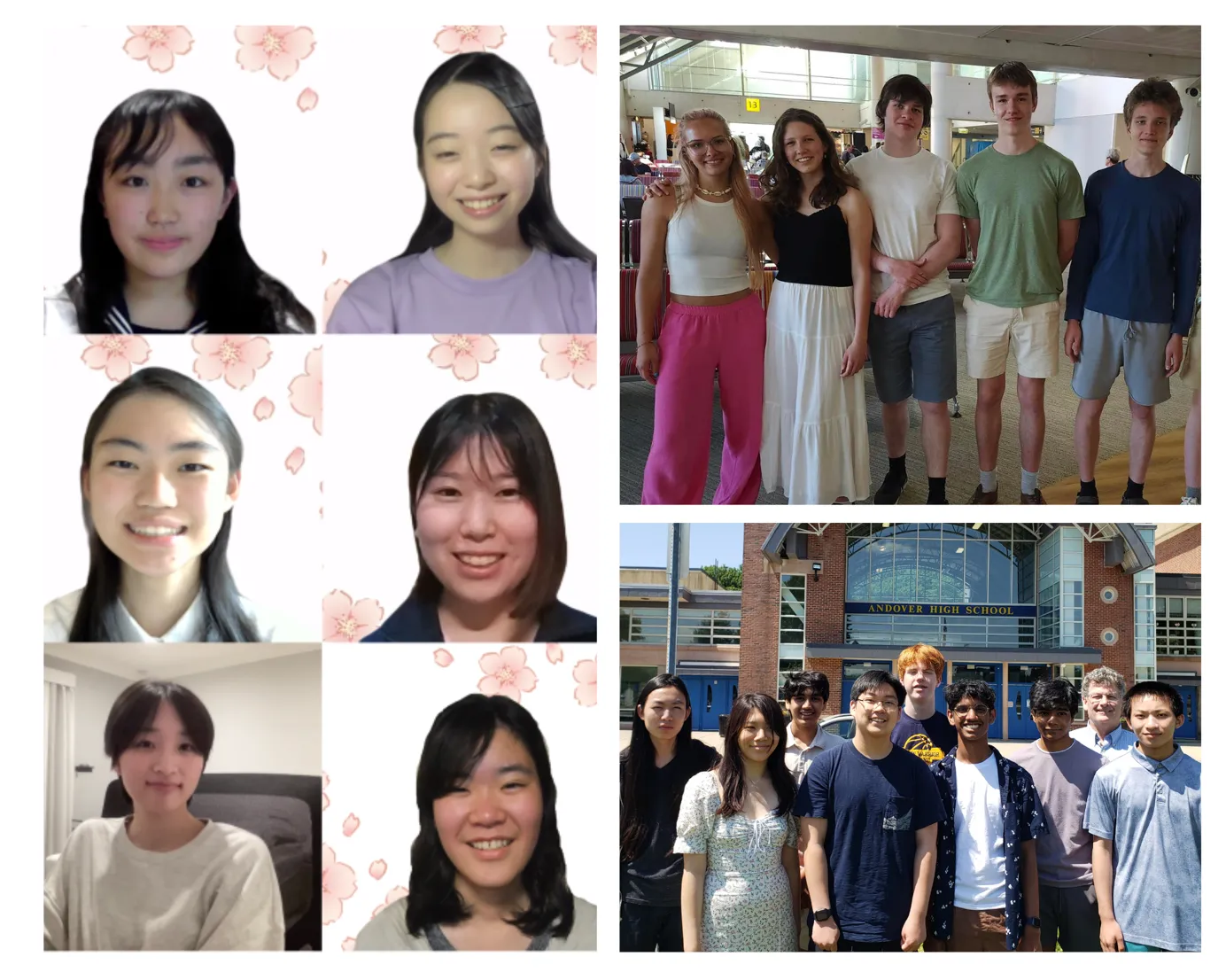
Students from Estonia, Japan and the USA win the 11th edition of Beamline for Schools
Three teams of secondary school pupils from Estonia, Japan and the United States have been selected to carry out their own experiments using accelerator beams at CERN and DESY
-
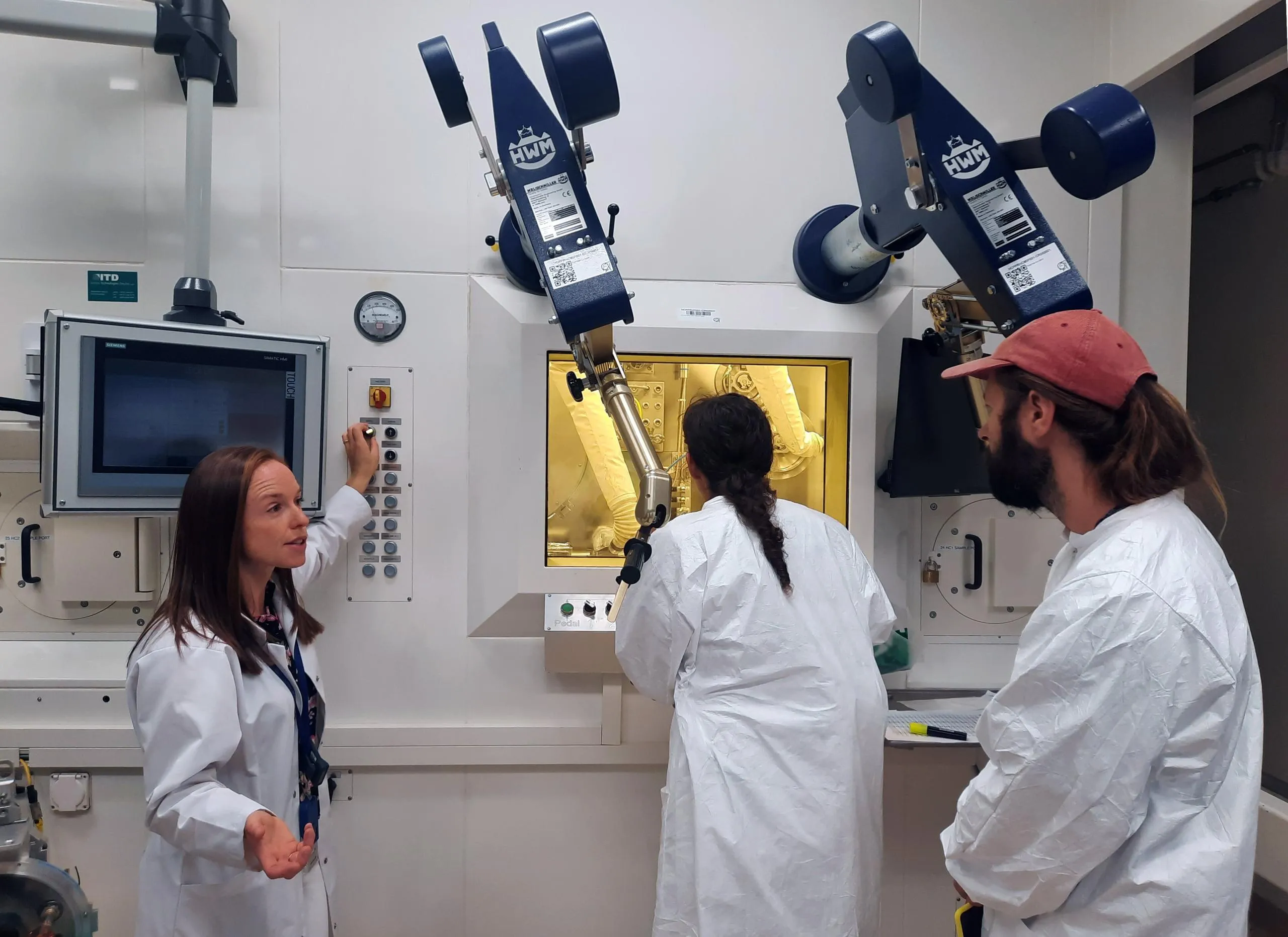
Arts at CERN awarded European Commission’s S+T+ARTS Grand Prize for Innovative Collaboration
Arts at CERN wins the Grand Prize for groundbreaking initiatives at the nexus of science, technology and the arts
-
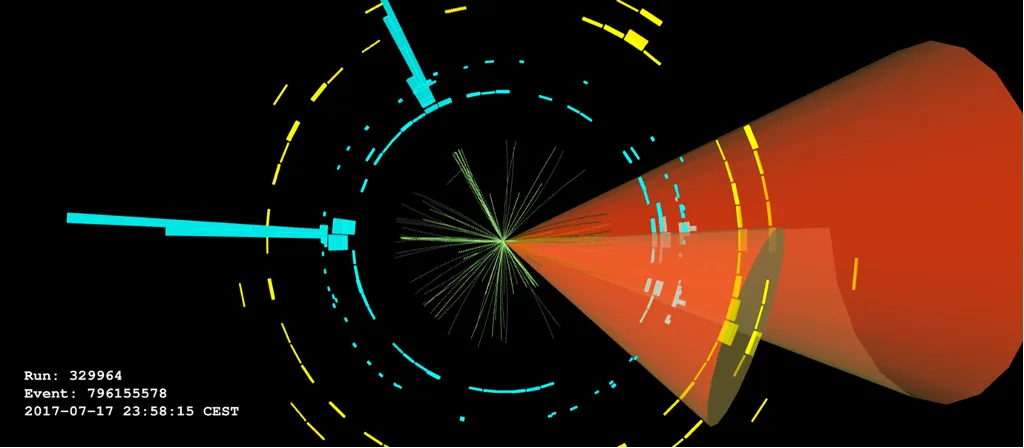
ATLAS dives deeper into di-Higgs
By combining multiple Higgs boson pair studies, physicists are closer to finding out how the particle interacts with itself, providing clues to the stability of the Universe
-
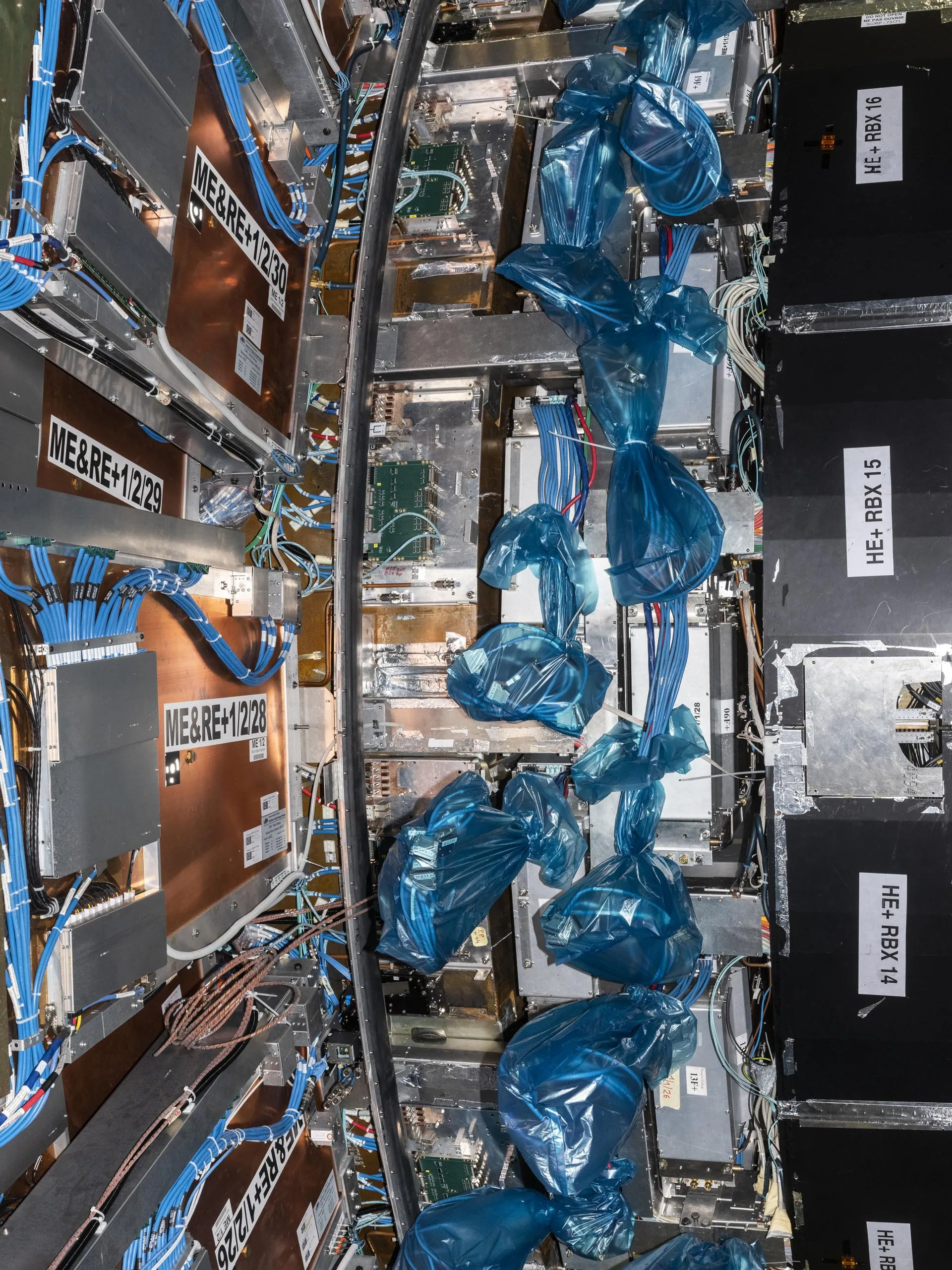
Instruments of Vision opens in Santiago de Compostela as a collaboration between Arts at CERN and IGFAE
In this exhibition, Armin Linke, former artist in residence at CERN, explores the research environments at the laboratories
-
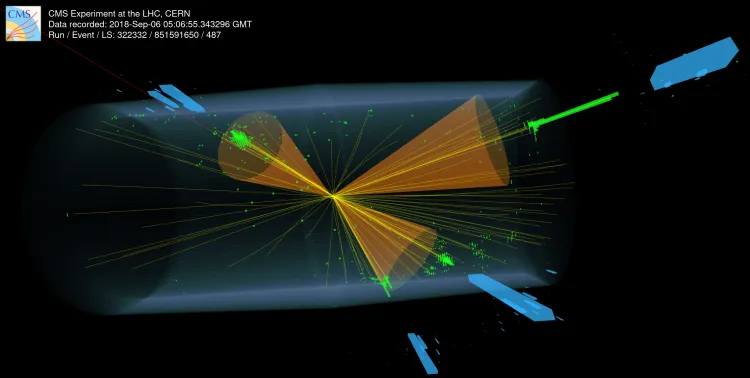
How can AI help physicists search for new particles?
The ATLAS and CMS collaborations are using state-of-the-art machine learning techniques to search for exotic-looking collisions that could indicate new physics
-

Bringing black hole jets down to Earth
The Fireball collaboration has used CERN’s HiRadMat facility to produce an analogue of the jets of matter and antimatter that stream out of some black holes and neutron stars
-
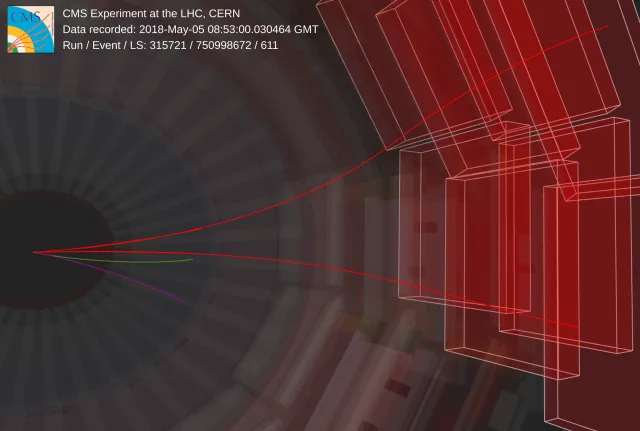
Shaking the box for new physics
The CMS collaboration has searched for new physics in a rare decay of a known particle, using an approach that can be likened to shaking a box containing a birthday present to find a clue about what’s inside