
Tag: Media
-
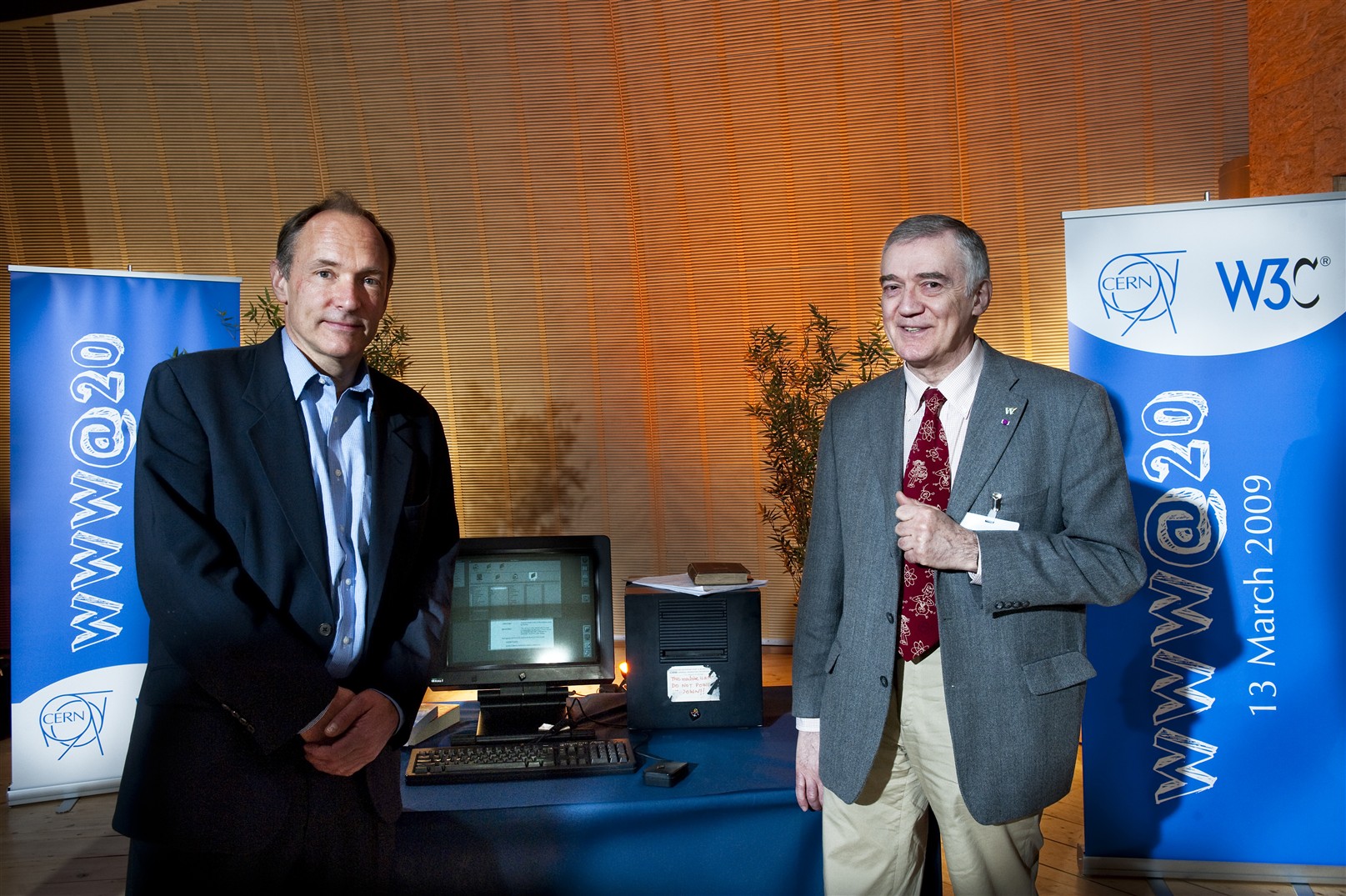
CERN celebrates 20th anniversary of World Wide Web
Geneva, 13 March 2009. Web inventor Tim Berners-Lee returned to the birthplace of his invention today, 20 years after submitting his paper ‘Information Management: A Proposal’ to his boss Mike Sendall. By writing the words ‘Vague, but exciting’ on the document’s cover, and giving Berners-Lee the go-ahead to continue, Sendall was signing into existence the
-

Hollywood comes to CERN
Geneva, 12 February 2009. CERN1 today hosted a visit from actors Tom Hanks and Ayelet Zurer and director Ron Howard as they unveiled exclusively some select footage from their new film adaptation of Dan Brown’s novel Angels & Demons, set for worldwide release by Sony Pictures on 15 May 2009. Geneva, 12 February 2009. CERN1
-
CERN management confirms new LHC restart schedule
Geneva, 9 February 2009. CERN1 management today confirmed the restart schedule for the Large Hadron Collider (LHC) resulting from the recommendations from last week’s Chamonix workshop. The new schedule foresees first beams in the LHC at the end of September this year, with collisions following in late October. A short technical stop has also been
-
CERN to set goals for first LHC physics
Geneva, 6 February 2009. At the conclusion of a workshop held in Chamonix this week, recommendations have been made to the CERN1 management for the restart schedule of the Large Hadron Collider (LHC). If accepted in a management meeting on Monday, these recommendations will ensure that the LHC starts to produce physics data in late
-
CERN council rings the changes
Geneva 12 December 2008. The CERN1 council today thanked the organization’s outgoing management, and welcomed in the new. It was an occasion to take stock of the achievements of the past five years and to look forward to the next. Outgoing Director-General Robert Aymar, looked back on his five years at the helm, while new
-
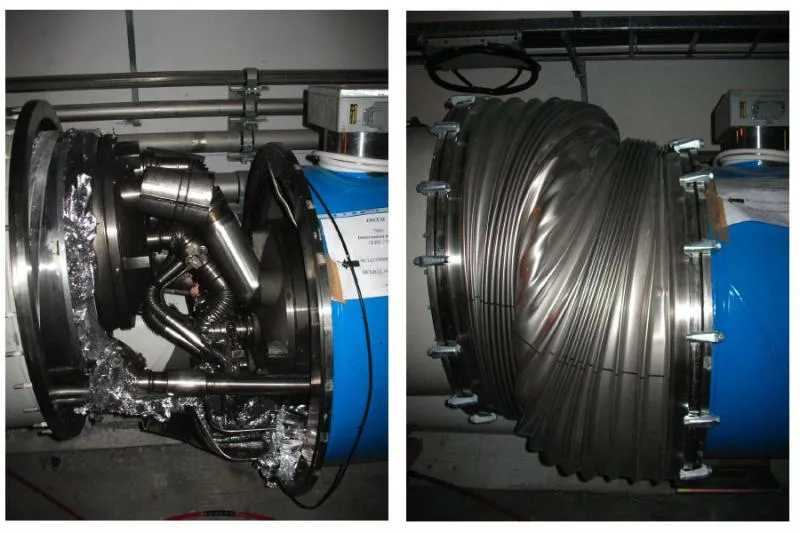
LHC to restart in 2009
Geneva, 5 December 2008. CERN1 today confirmed that the Large Hadron Collider (LHC) will restart in 2009. This news forms part of an updated report, published today, on the status of the LHC following a malfunction on 19 September. BROKEN IMAGE NOT MOVED (drupal url : https://home.cern/news/press-release/cern/lhc-restart-2009) Geneva, 5 December 2008. CERN1 today confirmed that
-
CERN inaugurates the LHC
Geneva, 21 October 2008. Swiss President Pascal Couchepin and French Prime Minister François Fillon were joined at CERN1 today by science ministers from CERN’s Member States and around the world to inaugurate the Large Hadron Collider, the world’s largest and most complex scientific instrument. “Today is a day for CERN to thank its Member States
-
CERN prepares to celebrate completion of the LHC
Geneva, 20 October 2008. Swiss President Pascal Couchepin and French Prime Minister François Fillon will be joined at CERN1 tomorrow by science ministers from CERN’s Member States and around the world to inaugurate the Large Hadron Collider. The world’s largest and most complex scientific instrument, the LHC circulated its first beam on 10 September 2008.
-
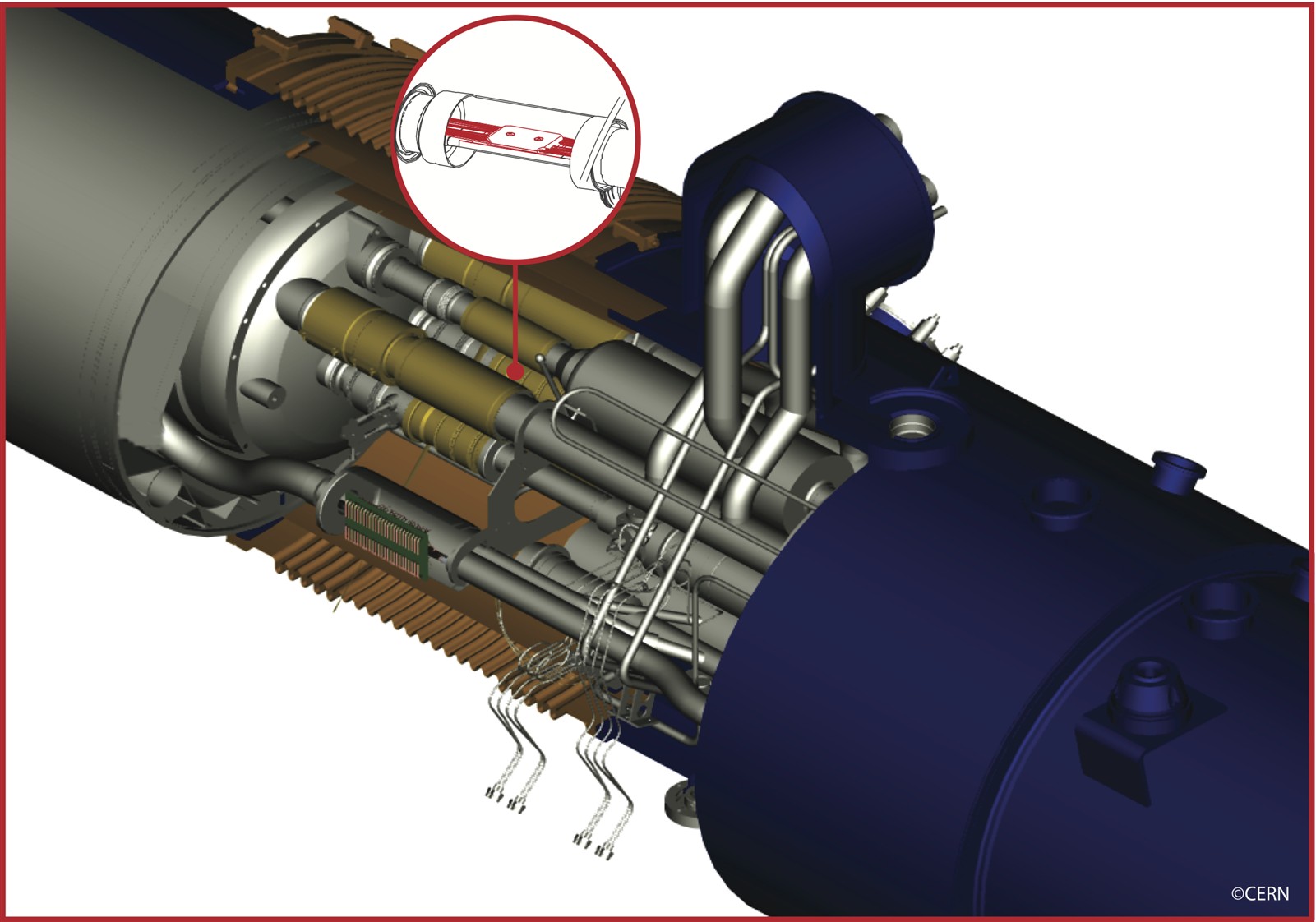
CERN releases analysis of LHC incident
Geneva, 16 October 2008. Investigations at CERN following a large helium leak into sector 3-4 of the Large Hadron Collider (LHC) tunnel have confirmed that cause of the incident was a faulty electrical connection between two of the accelerator’s magnets. This resulted in mechanical damage and release of helium from the magnet cold mass into
-
Let the number-crunching begin: the Worldwide LHC Computing Grid celebrates first data
Geneva, 3 October 2008. Today, three weeks after the first particle beams were injected into the Large Hadron Collider—the world’s largest particle accelerator—the Worldwide LHC Computing Grid celebrates the start of its crucial data challenge: the analysis and management of more than 15 million Gigabytes of data every year, to be produced from the hundreds