
Tag: nuclear physics
-
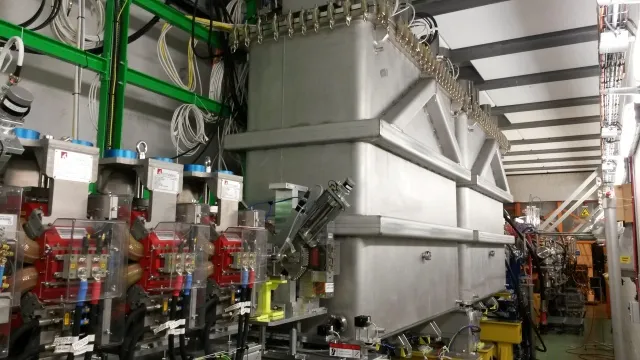
HIE-ISOLDE: 10 years, 10 highlights
Since its first experiment in 2015, the HIE-ISOLDE accelerator has been pushing back the boundaries of nuclear physics
-
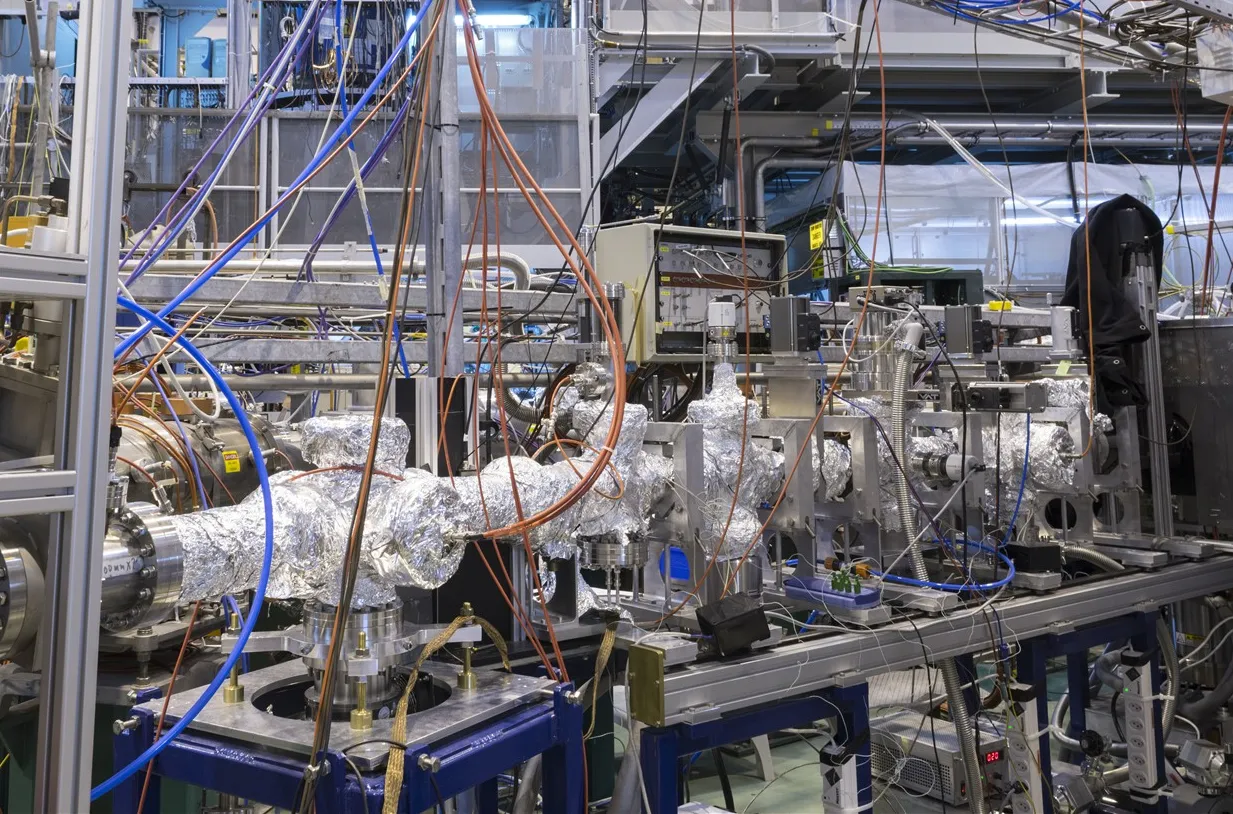
Molecules of pear-shaped atomic nuclei bear fruit
A new ISOLDE study of molecules containing pear-shaped atomic nuclei helps shape future research aimed at testing fundamental symmetries of nature
-
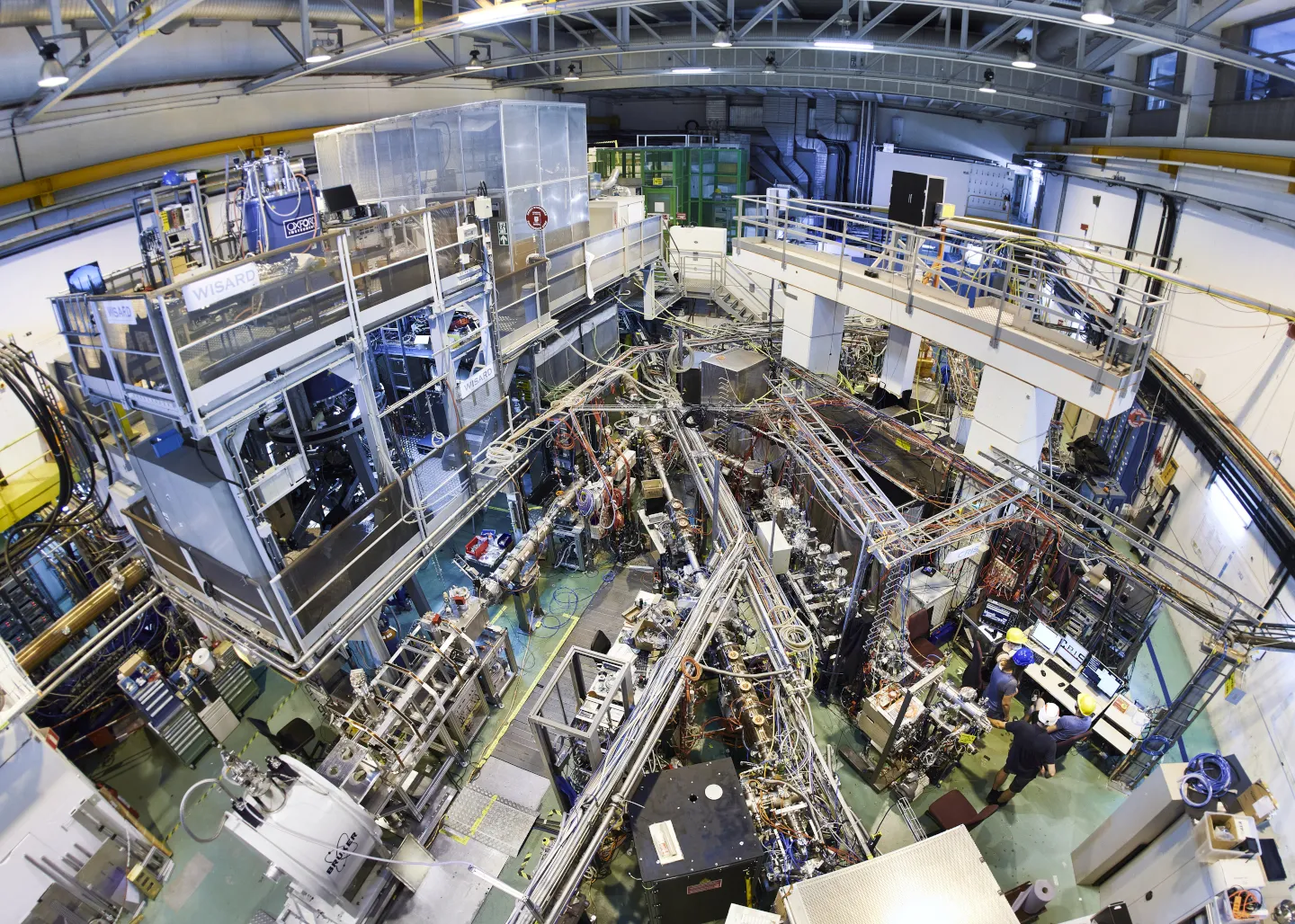
ISOLDE investigates island of inversion
An experiment carried out at CERN’s ISOLDE facility has determined the western shore of a small island of atomic nuclei, where conventional nuclear rules break down
-
ISOLDE sees shape shifting in gold nuclei
The finding comes a little more than 50 years after the phenomenon was first discovered at the facility in mercury nuclei
-
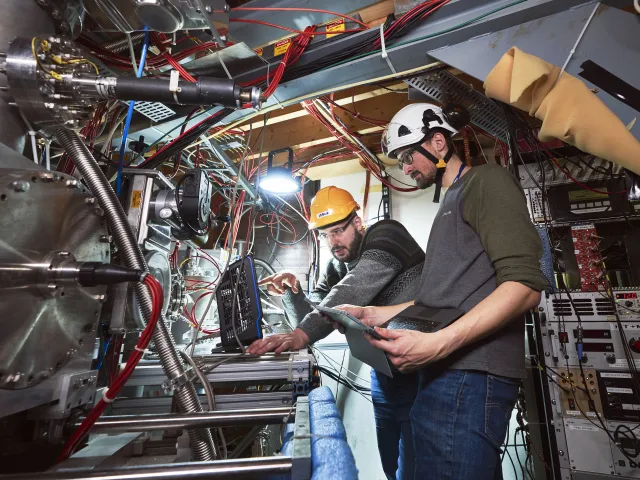
An even closer look at magic tin
A measurement of the indium-99 atomic nucleus in a long-lived excited state offers an even closer look at the special “doubly magic” tin-100 nucleus than a previous measurement in the ground state
-
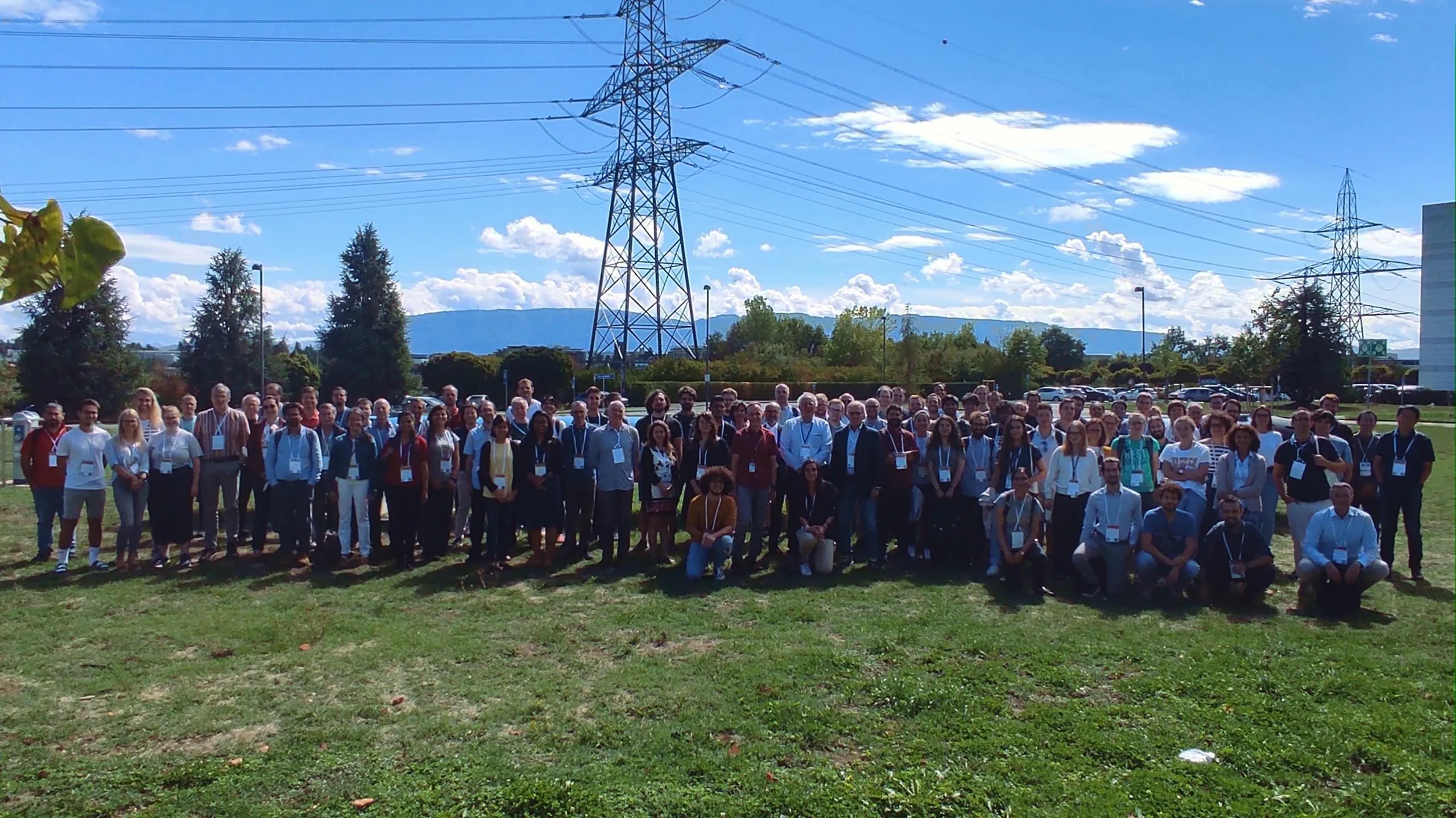
Nuclear physics at CERN: a hub for interdisciplinary research
Fundamental research at the ISOLDE and n_TOF facilities at CERN has applications in a wide variety of areas of astrophysics, medical physics, energy and more
-
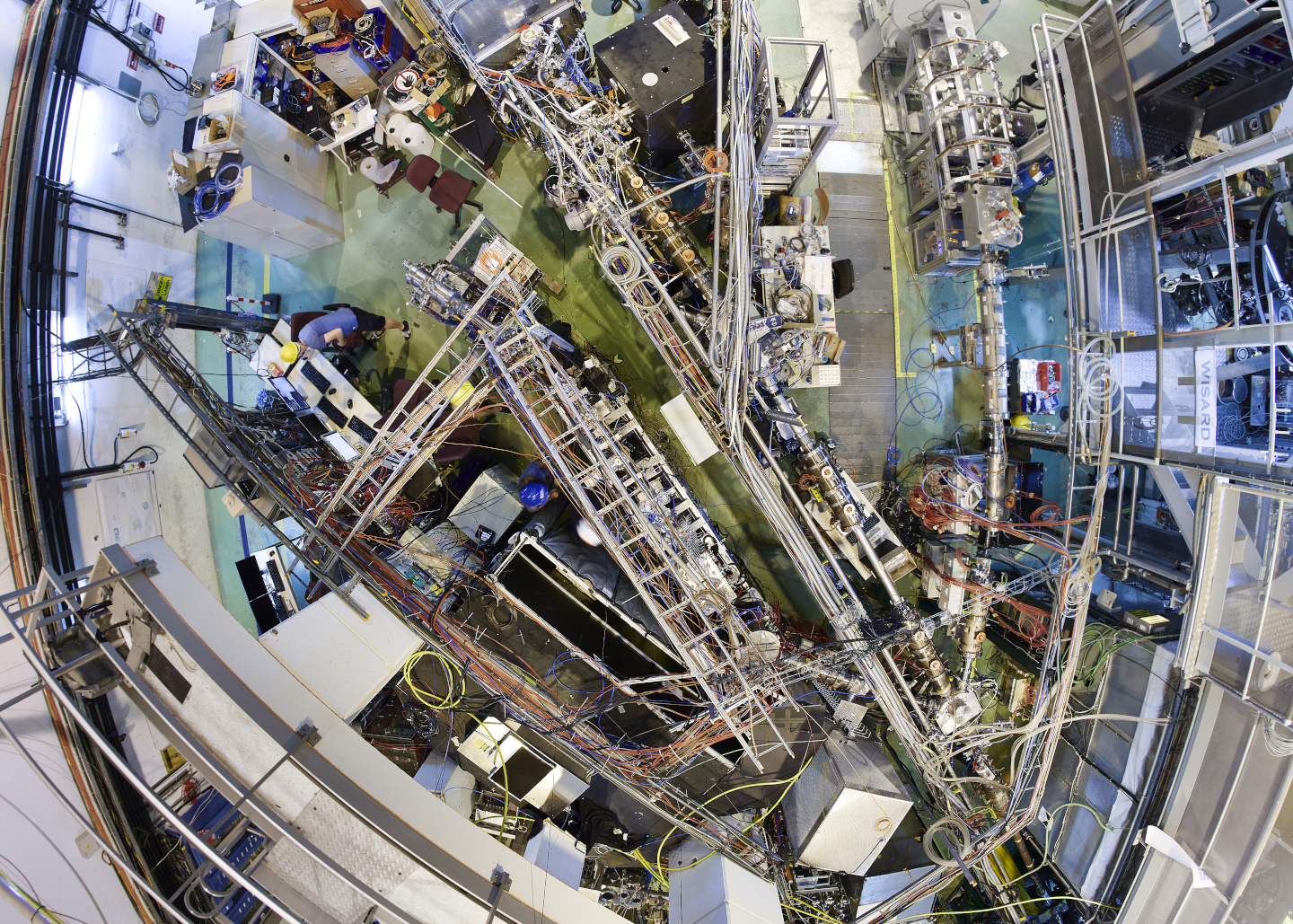
ISOLDE data get deluxe theoretical treatment
A unique combination of high-quality experimental data and several state-of-the-art nuclear-physics models has resulted in an excellent agreement between experiment and theory
-
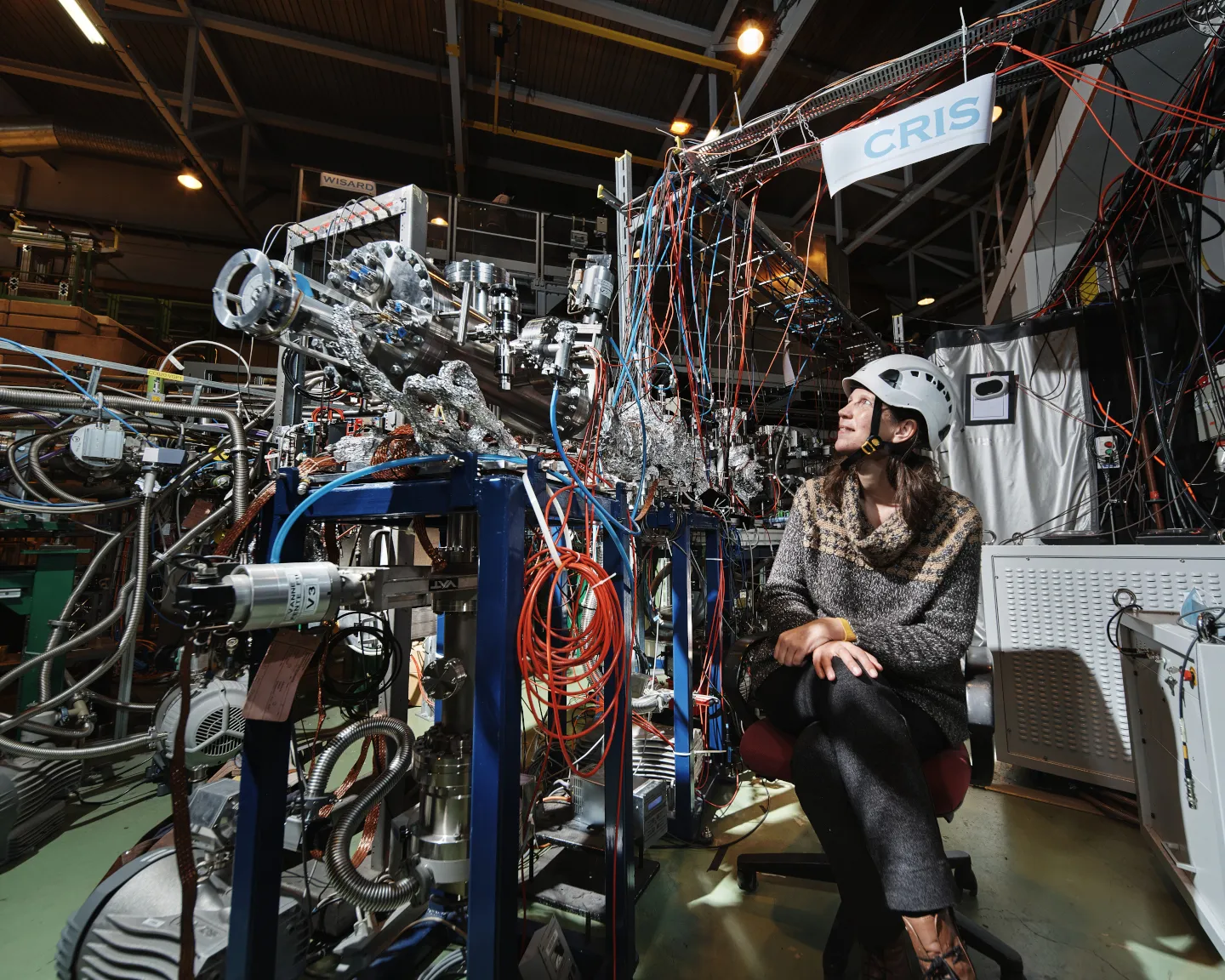
Potassium nucleus loses some of its magic
A new study at ISOLDE finds no signature of a “magic” number of neutrons in potassium-51, challenging the proposed magic nature of nuclei with 32 neutrons