
Tag: superconductivity
Superconductivity is a phenomenon of exactly zero electrical resistance and expulsion of magnetic fields occurring in certain materials when cooled below a characteristic critical temperature.
-
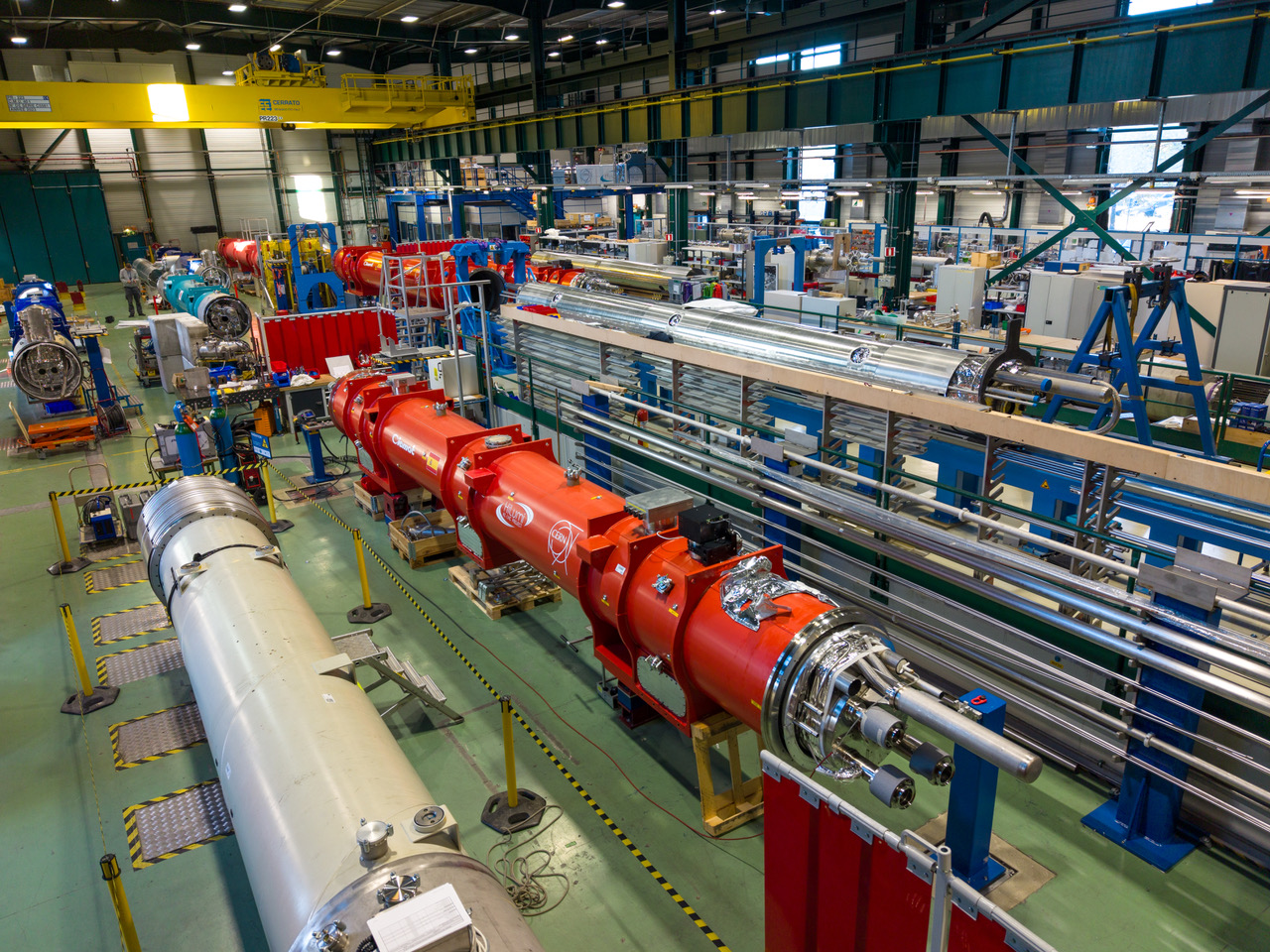
CERN-made HiLumi LHC quadrupoles ready for installation
After years of design, manufacturing and testing, the High-Luminosity (HiLumi) LHC magnet programme has reached a landmark point: all eight new CERN-made quadrupole magnets needed for installation are ready for the tunnel (with two spares produced and entering their final stages). Known as the new inner triplets, these magnets are now complete and have been fully
-
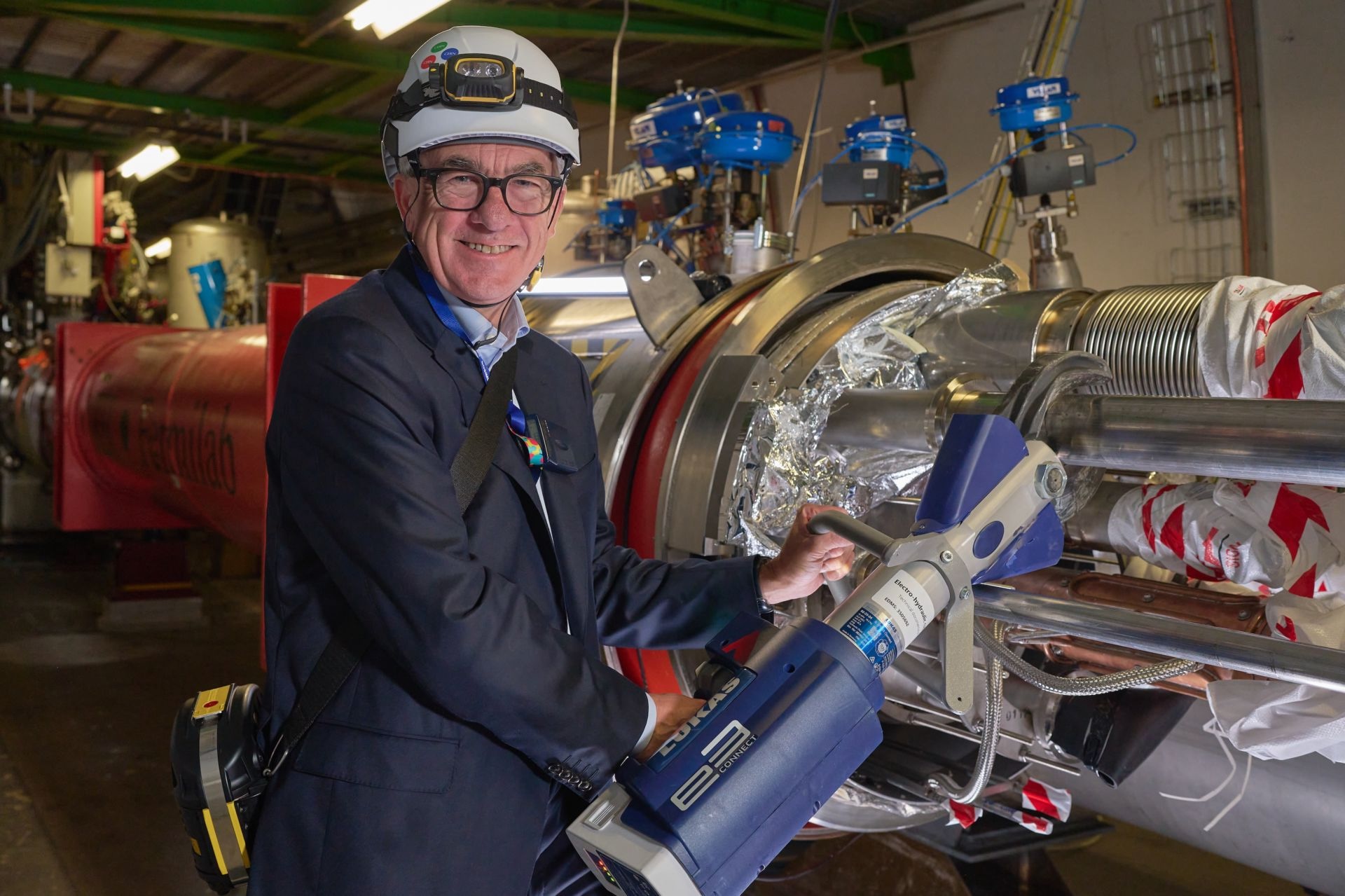
The disconnection of the LHC has begun
The 27 km circumference of the Large Hadron Collider (LHC) contains thousands of magnets of different types – dipoles, quadrupoles, sextupoles, octupoles, decapoles, etc. – which each play a very specific role. Among them are the inner triplets: sets of three quadrupoles (hence the name) located on either side of the four main LHC experiments
-
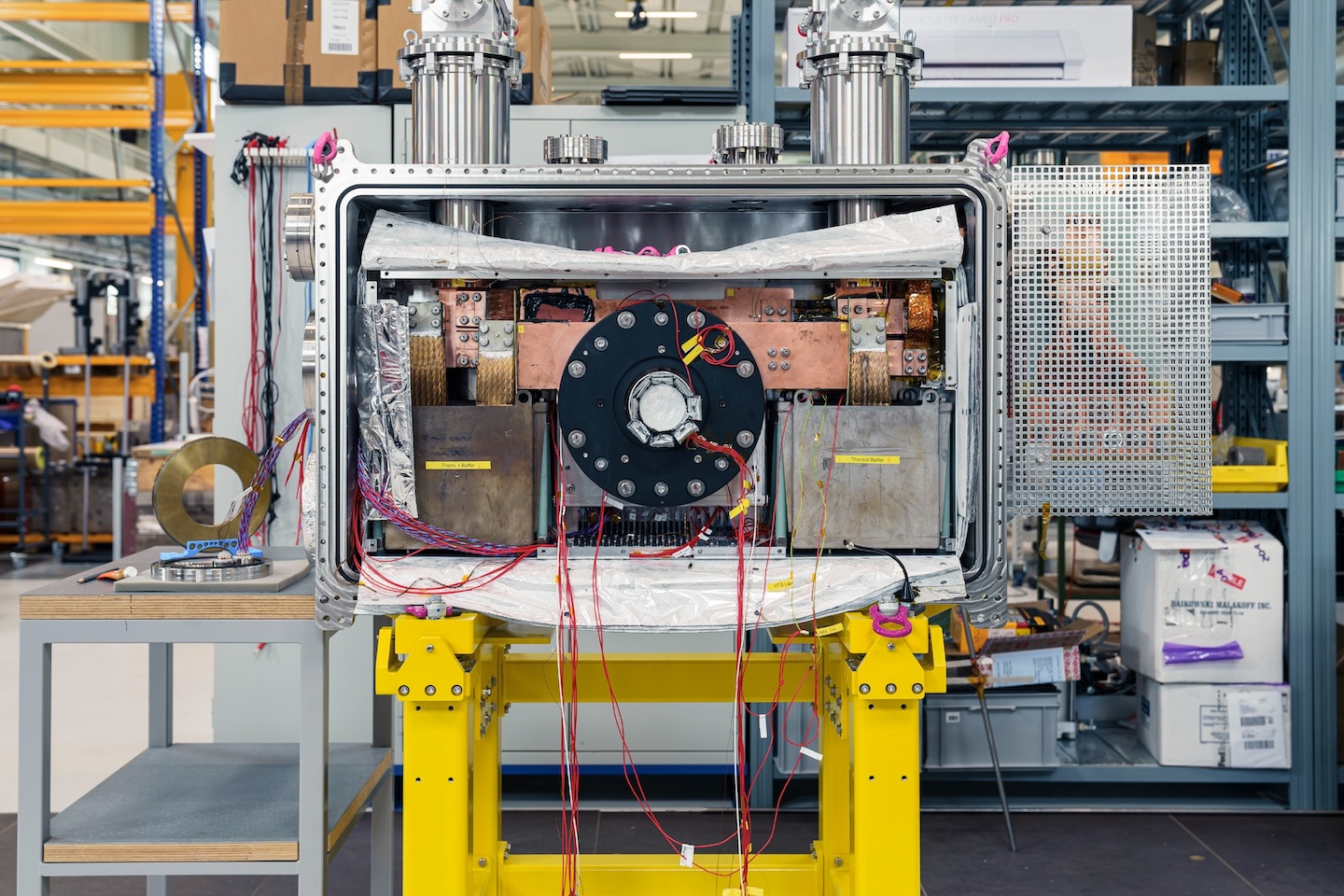
Positrons pass test for the Future Circular Collider
An experiment at the Paul Scherrer Institute (PSI) in Switzerland has successfully produced, captured and transported positrons using a novel system developed for CERN’s proposed Future Circular Collider (FCC). The results show that the key elements of the FCC positron-source concept can operate together, representing an important advance for this technically demanding aspect of the
-
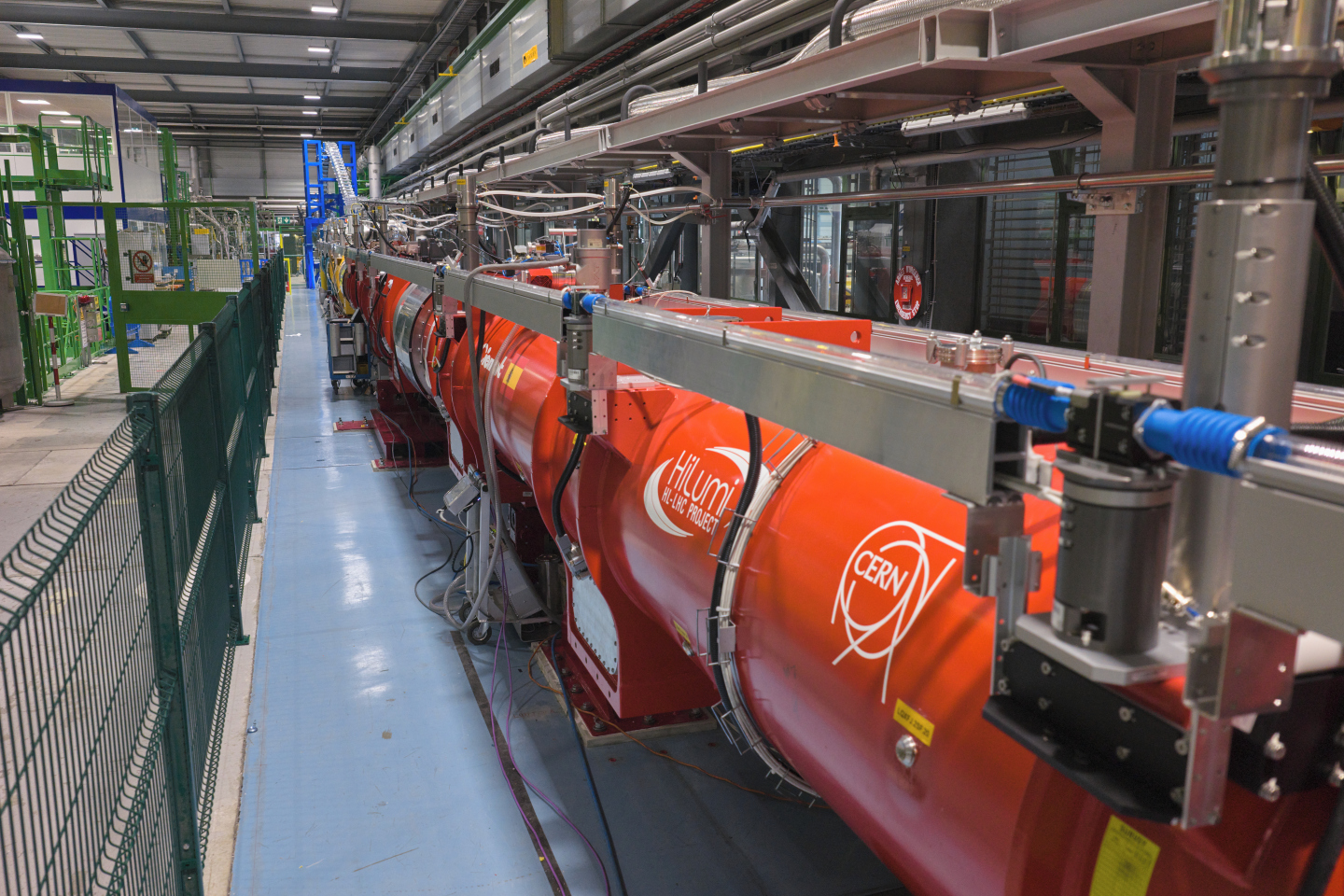
HiLumi LHC: new magnets reach full power
The test bench for the High-Luminosity LHC, the IT (Inner Triplet) String facility, has reached a major milestone. On 8 July, its new quadrupole magnets – known as the inner triplet magnets – successfully reached their nominal operating current of 16 230 amperes. Designed to focus the beams more tightly than ever before, thereby increasing the
-
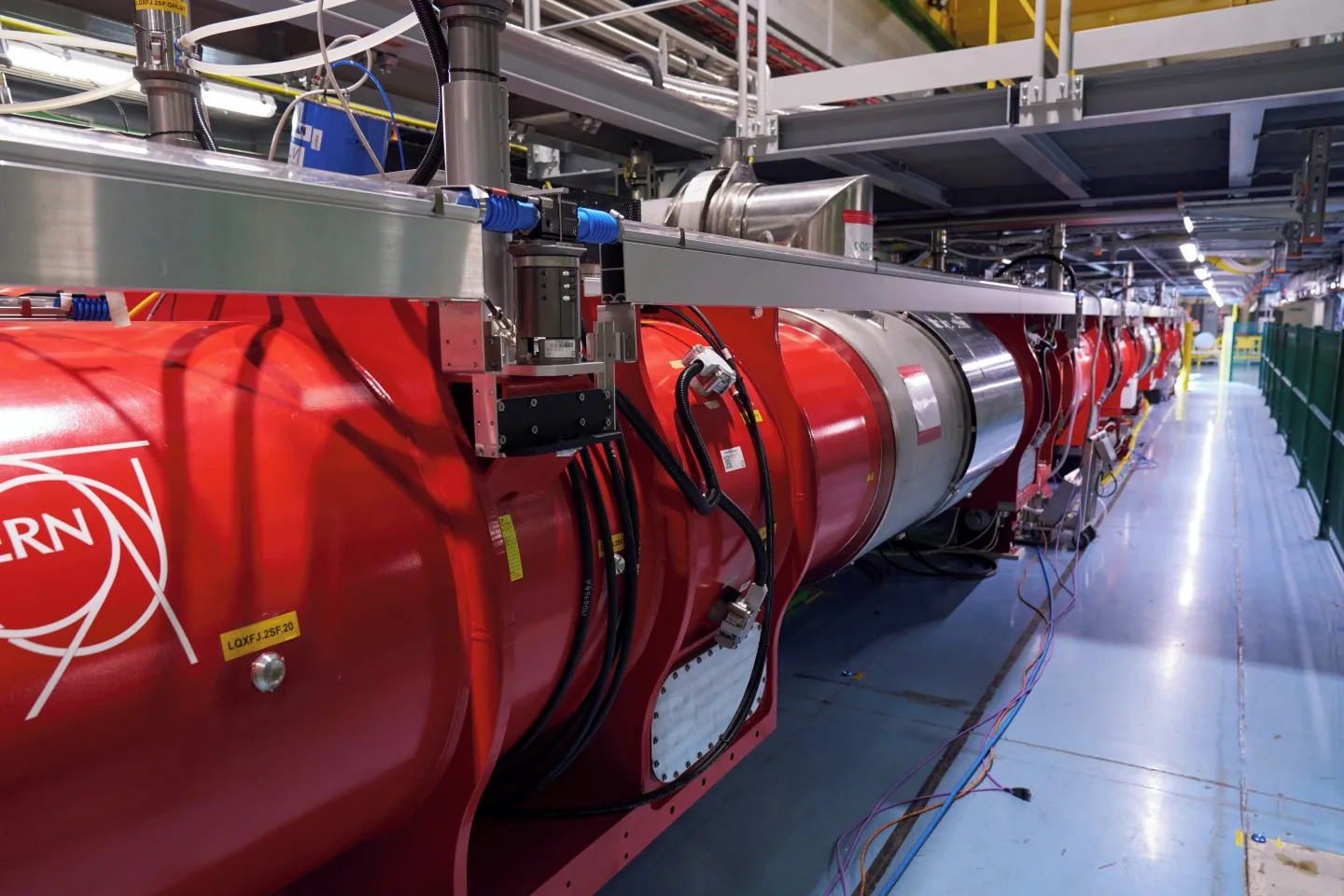
HiLumi LHC: CERN’s full-scale test stand enters the powering phase
With the start of electrical powering, the Inner Triplet String is now entering a new phase of commissioning. This phase will be carried out progressively and will culminate in the powering of the whole installation this summer
-
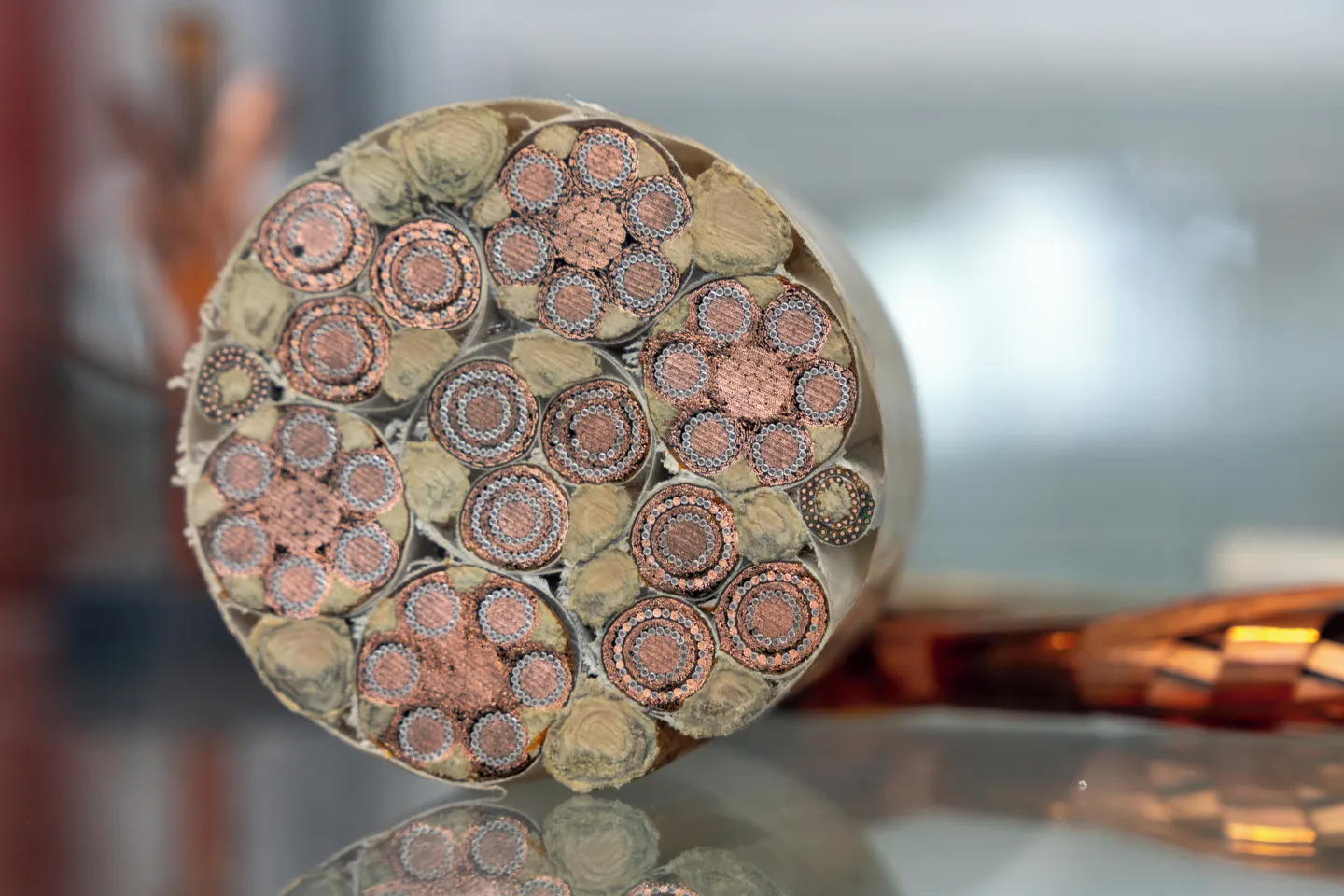
Superconductors, an opportunity for science and society
At the ‘Catalysing impact – Superconductivity for Global Challenges’ event, stakeholders from the fields of research, industry, politics and finance discussed collaboration on superconducting technologies for the benefit of science and society
-

Superconductivity for addressing global challenges
A CERN event brings together researchers, industry leaders and decision makers to accelerate the use of superconducting technologies for societal applications
-

The High-Luminosity LHC test stand is taking shape
The teams are making the final interconnections in the chain of magnets that will be used to test the components of the LHC’s successor
-

A curved magnet with much potential
Rope winding and giant pasta shapes meet particle physics in Fusillo, a new magnet prototype with possible medical applications in hadron therapy
-

GaToroid – getting closer to affordable cancer therapy
CERN has been contributing to developing technologies to improve hadron therapy for the past 30 years. Now, a team at CERN is working on new design concepts that would make the machines delivering hadron therapy much more compact and economically viable