
Category: Experiments
-
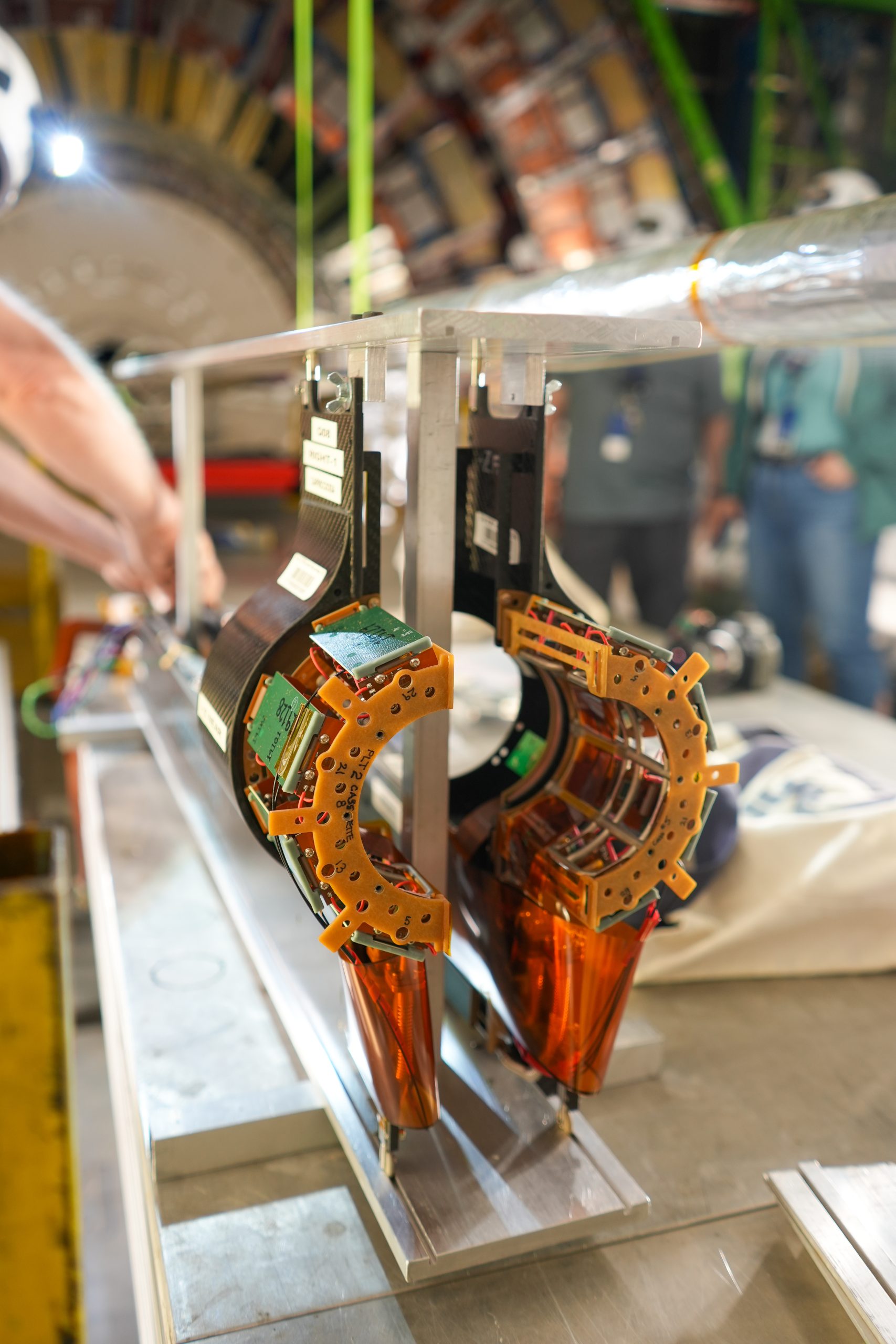
CMS BRIL subsystems successfully removed
-

Niels Doble (1938–2026)
Niels Doble (1938–2026) — Niels Doble, born on 2 May 1938, passed away on 8 August 2026 after a short illness. Niels was best known for his pivotal contributions to the initial design and subsequent operation of the North Area at the Super Proton Synchrotron (SPS) complex. Niels studied physics at the University of Bristol.
-
Paolo Emilio Strolin (1939–2026)
Paolo Strolin, Emeritus Professor of Physics at the University of Naples Federico II and significant contributor to many CERN experiments, passed away on 28 June 2026 at the age of 87.
-
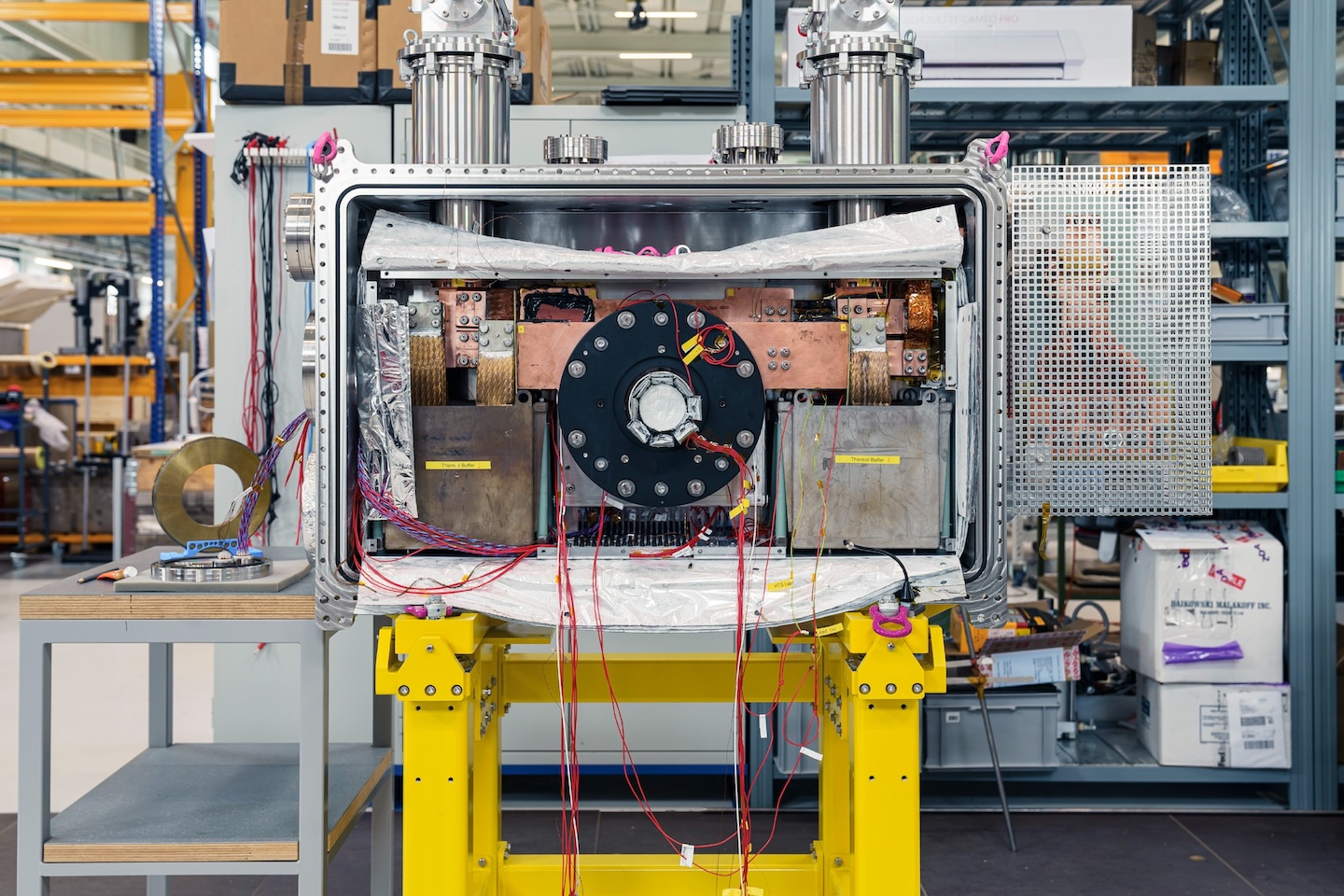
Positrons pass test for the Future Circular Collider
An experiment at the Paul Scherrer Institute (PSI) in Switzerland has successfully produced, captured and transported positrons using a novel system developed for CERN’s proposed Future Circular Collider (FCC). The results show that the key elements of the FCC positron-source concept can operate together, representing an important advance for this technically demanding aspect of the
-
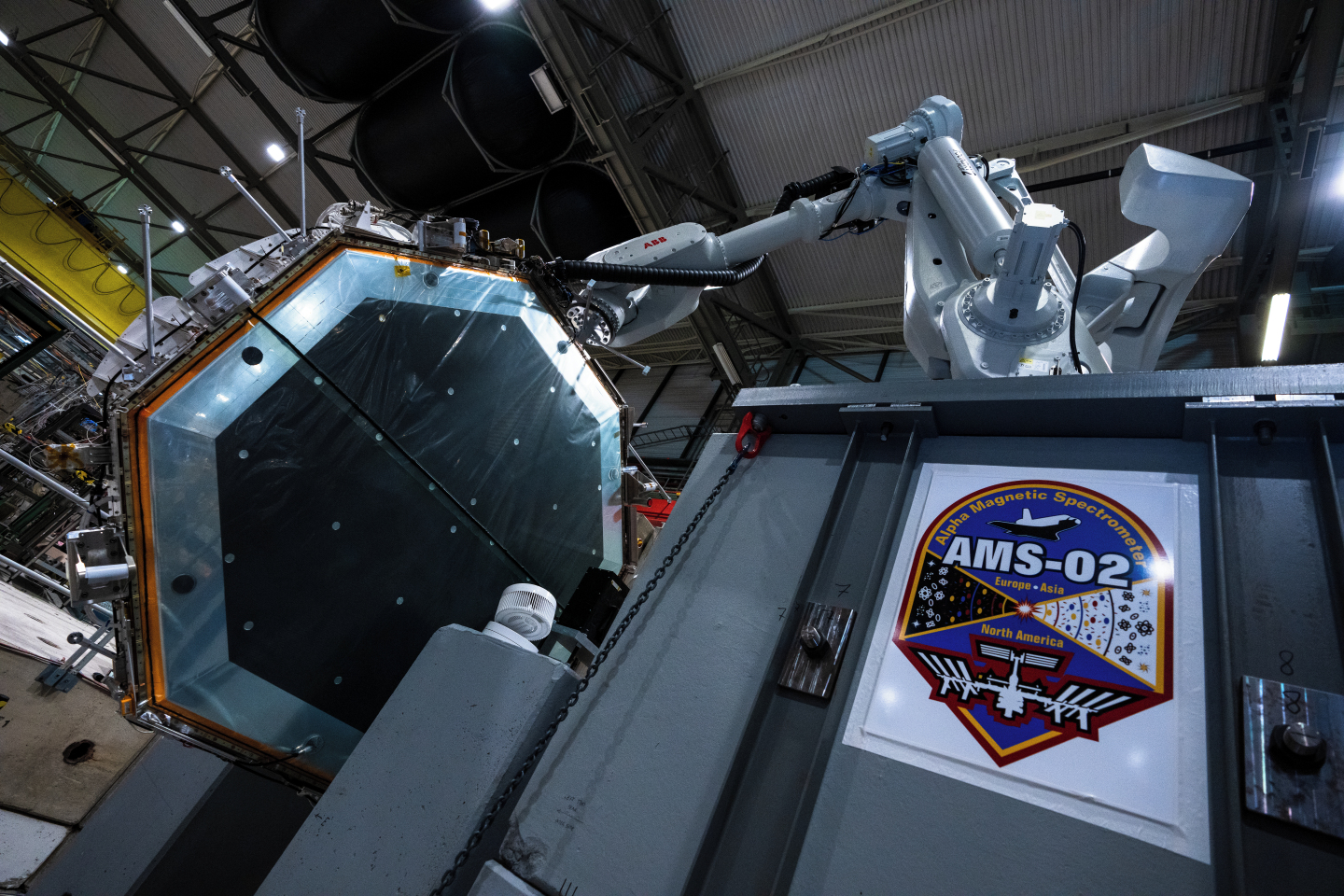
Final tests for the AMS upgrade before spaceflight
A new layer of silicon sensors is being tested at CERN before being sent to the International Space Station
-
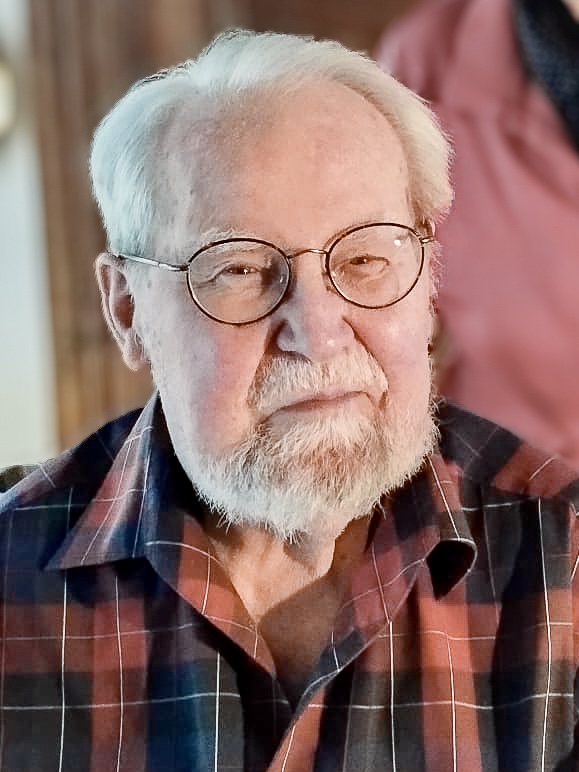
Jens Bisplinghoff (1944 – 2026)
Jens Bisplinghoff (1944 – 2026) — The AMBER Collaboration is deeply saddened by the passing of our dear colleague Jens Bisplinghoff at the age of 81. Jens devoted more than four decades to experimental nuclear and particle physics. He began his scientific career in nuclear physics, conducting research at the University of Bonn, the Nuclear
-

ALICE honours its 2026 PhD Thesis Award winners
On 22 July 2026, the ALICE Collaboration honoured the winners of its PhD Thesis Award during a special ceremony held as part of its meeting at CERN. The ALICE PhD Thesis Award is dedicated to the memory of Karel Šafařík (1953–2024). Since 2008, ALICE has recognised the most outstanding PhD theses based on the excellence of
-
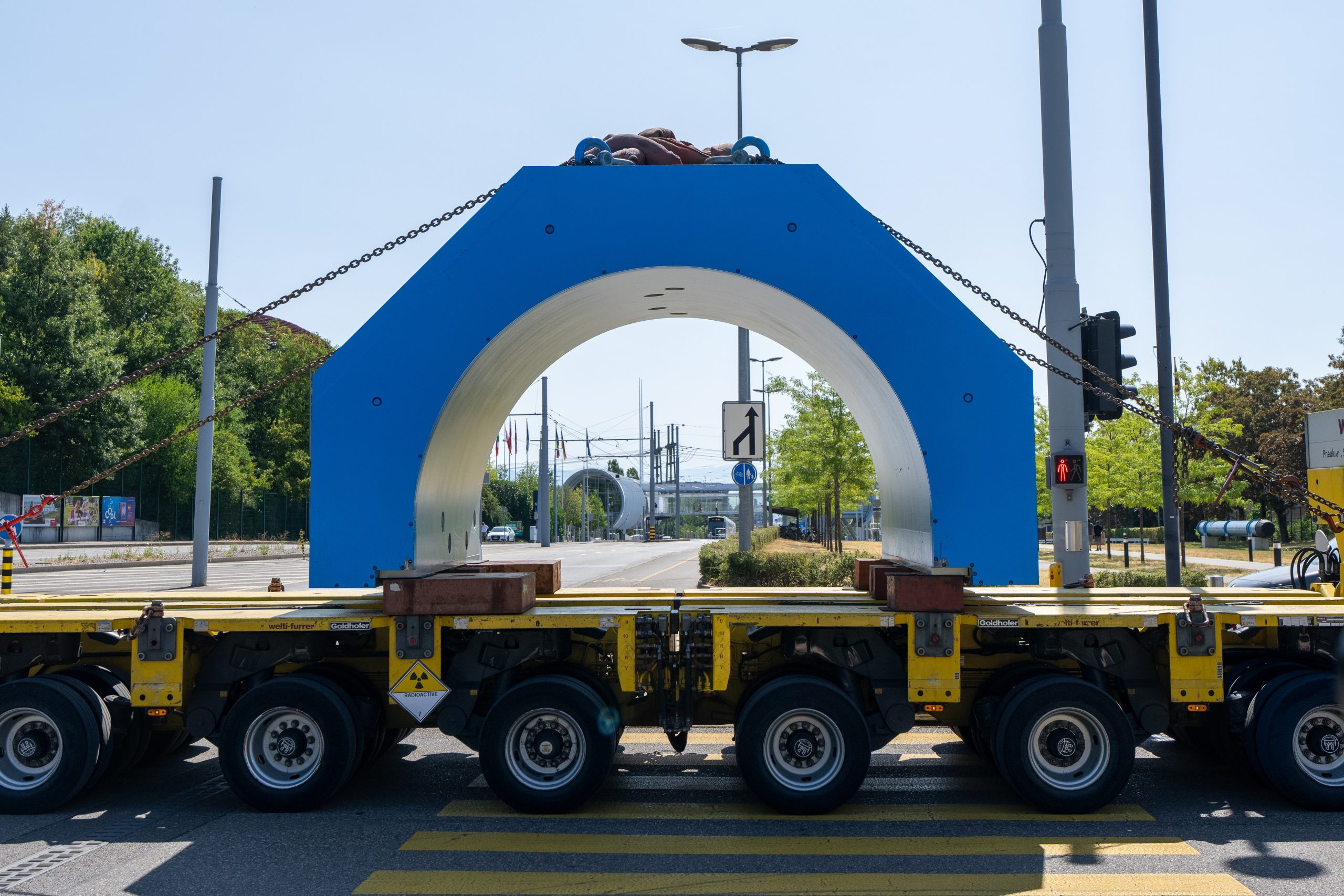
77 Tonnes of ATLAS Shielding on the Move
-
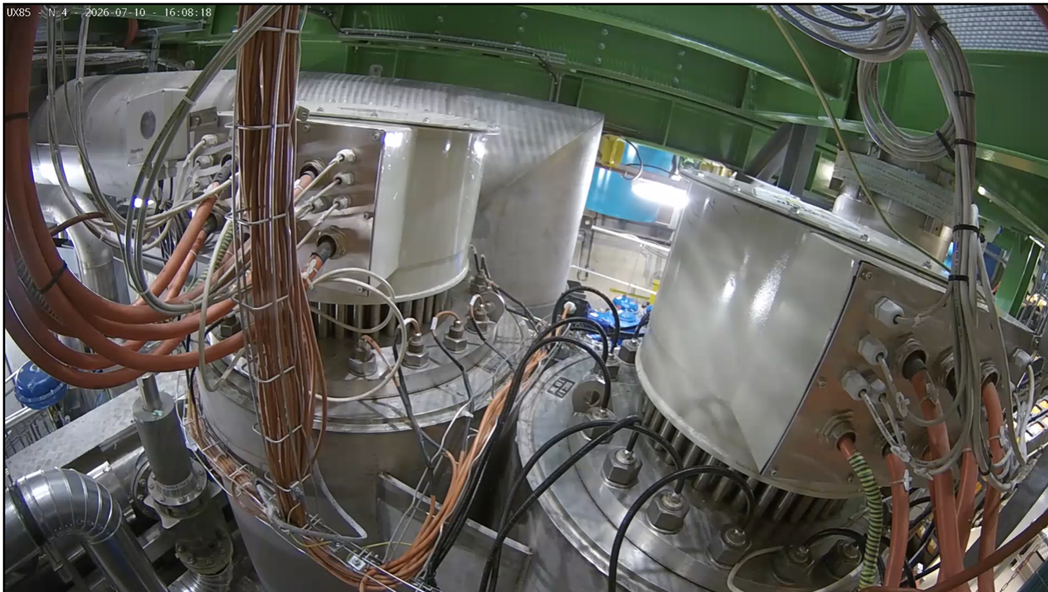
The LHC is being warmed up from near absolute zero to room temperature
-
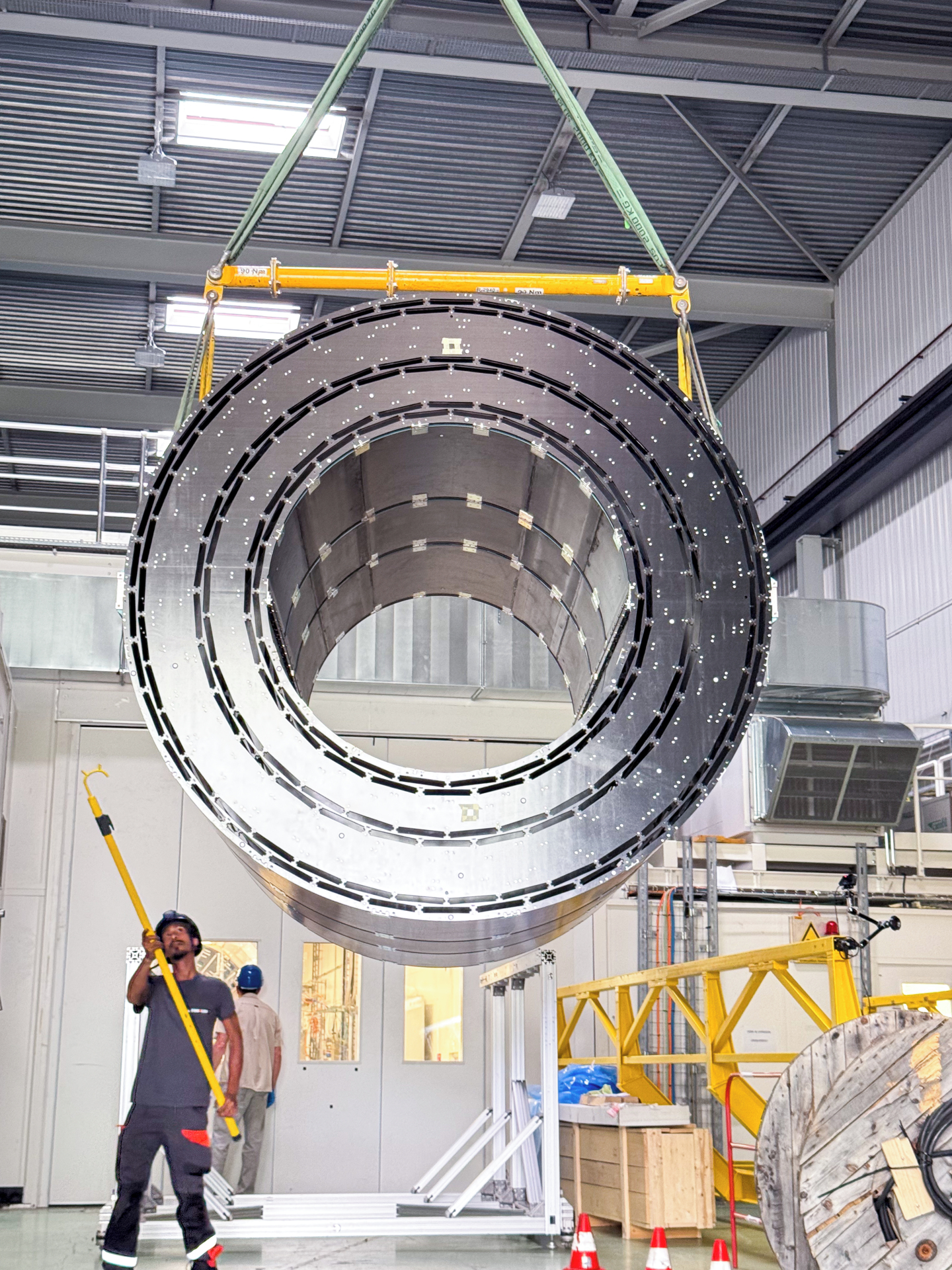
First major structure of the future CMS tracker arrives at CERN