
Tag: AD
-

All CERN accelerators now on the road to HiLumi
CERN’s injector complex and Antimatter Factory took their final steps towards Long Shutdown 3 (LS3) this morning, as the last particle beams were extracted and the machines fell silent. This milestone follows the shutdown of the Large Hadron Collider (LHC) in June, which marked the beginning of LS3 for the Laboratory’s flagship accelerator. While the
-
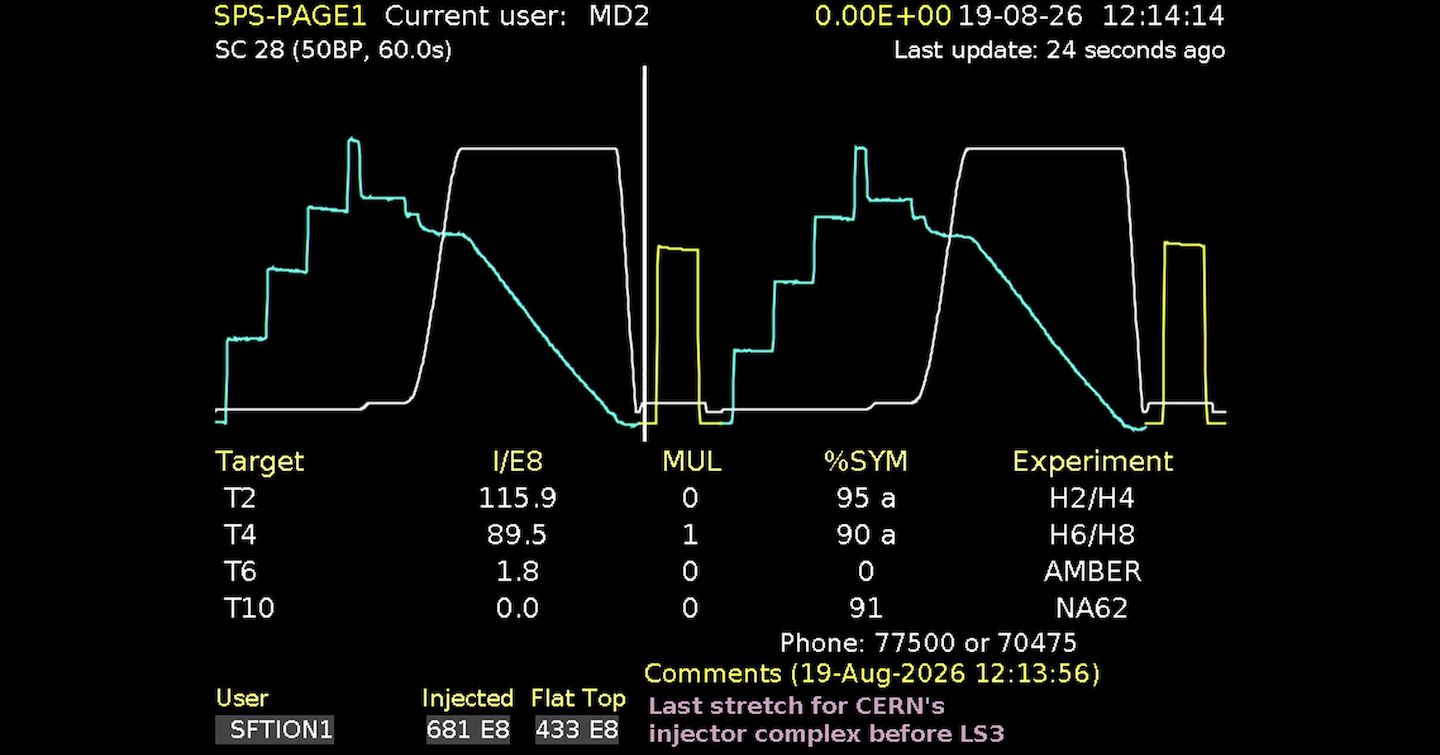
Accelerator Report: Final countdown – CERN’s injector complex enters its last stretch before LS3
The LHC has already fallen silent for Long Shutdown 3 (LS3), but elsewhere across CERN’s accelerator complex the pace remains intense. With just a week and a half of beam operation remaining, the countdown has begun for all the machines, which will switch off their beams at 6.00 a.m. on Monday, 31 August, marking the
-
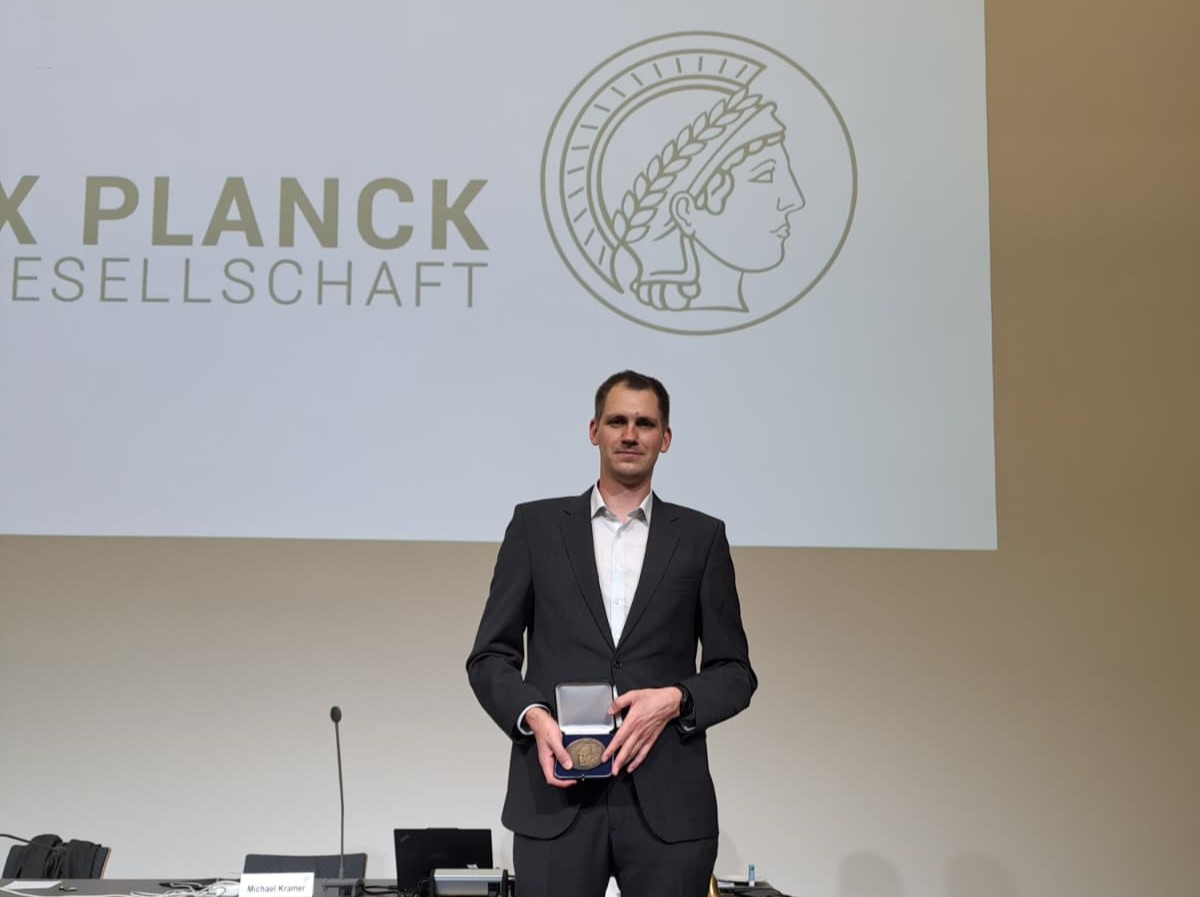
Members of BASE Collaboration receive awards for their research
Jonathan Morgner, a researcher at CERN’s BASE experiment, was awarded the Otto Hahn Medal on 17 June 2026. The Otto Hahn Medal is awarded by the Max Planck Society, in Germany, to early-career researchers across a variety of disciplines in recognition of outstanding scientific achievement with the aim of encouraging these researchers to continue pursuing
-
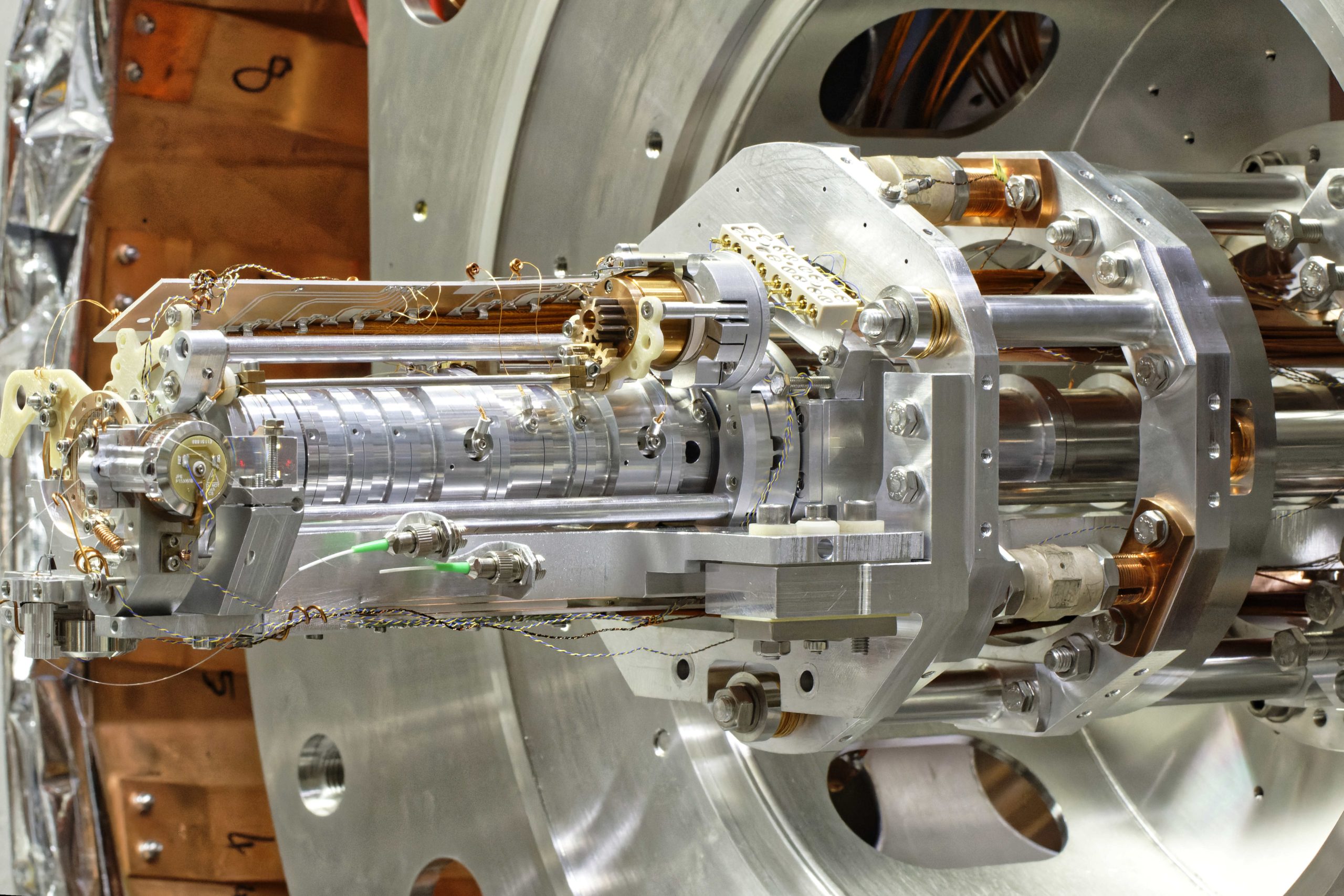
Getting under the skin of atomic nuclei using antimatter
Researchers at the AEgIS experiment have piloted a new method to delve into the heart of atoms. This proof-of-principle study, recently reported in Physical Review Research, shows how antiprotons – the antimatter counterparts of protons – could be used to probe the outer edges of a wider range of atomic nuclei. And with CERN’s recent
-
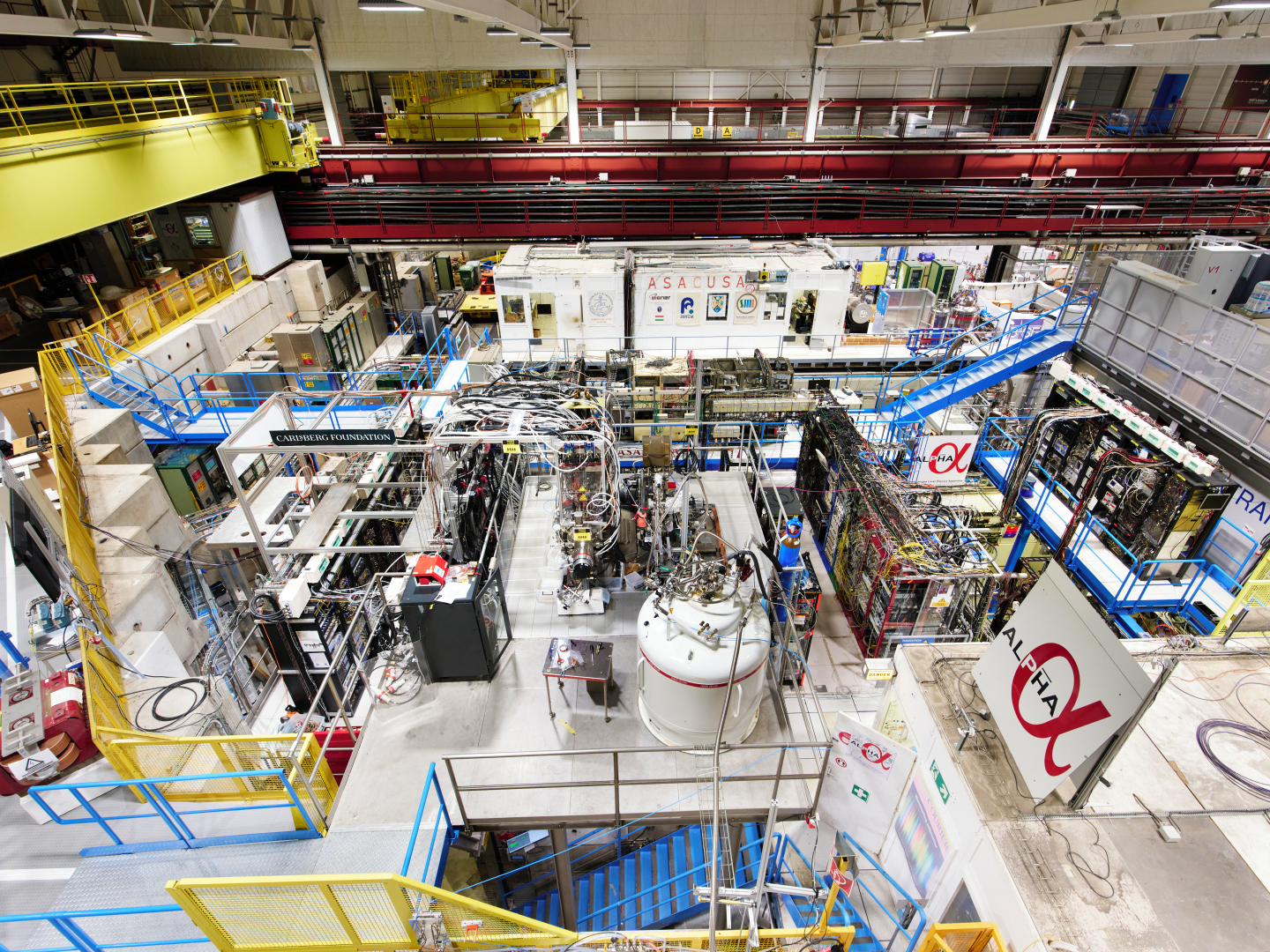
ALPHA measures tiny energy gap in antimatter with improved precision
Researchers at the ALPHA experiment have achieved a hundredfold improvement in their measurement of a feature of the antimatter counterpart of the hydrogen atom. The result, published today in Nature, allows a precise comparison of hydrogen and antihydrogen. In this study, the ALPHA Collaboration measured the ground-state hyperfine splitting of the antihydrogen atom, which comprises
-

Accelerator Report: The 2026 run will be short but intense
Every day counts, so the LHC operations teams have mapped out a precise sequence of running phases to maximise the physics output during the machine’s final months
-
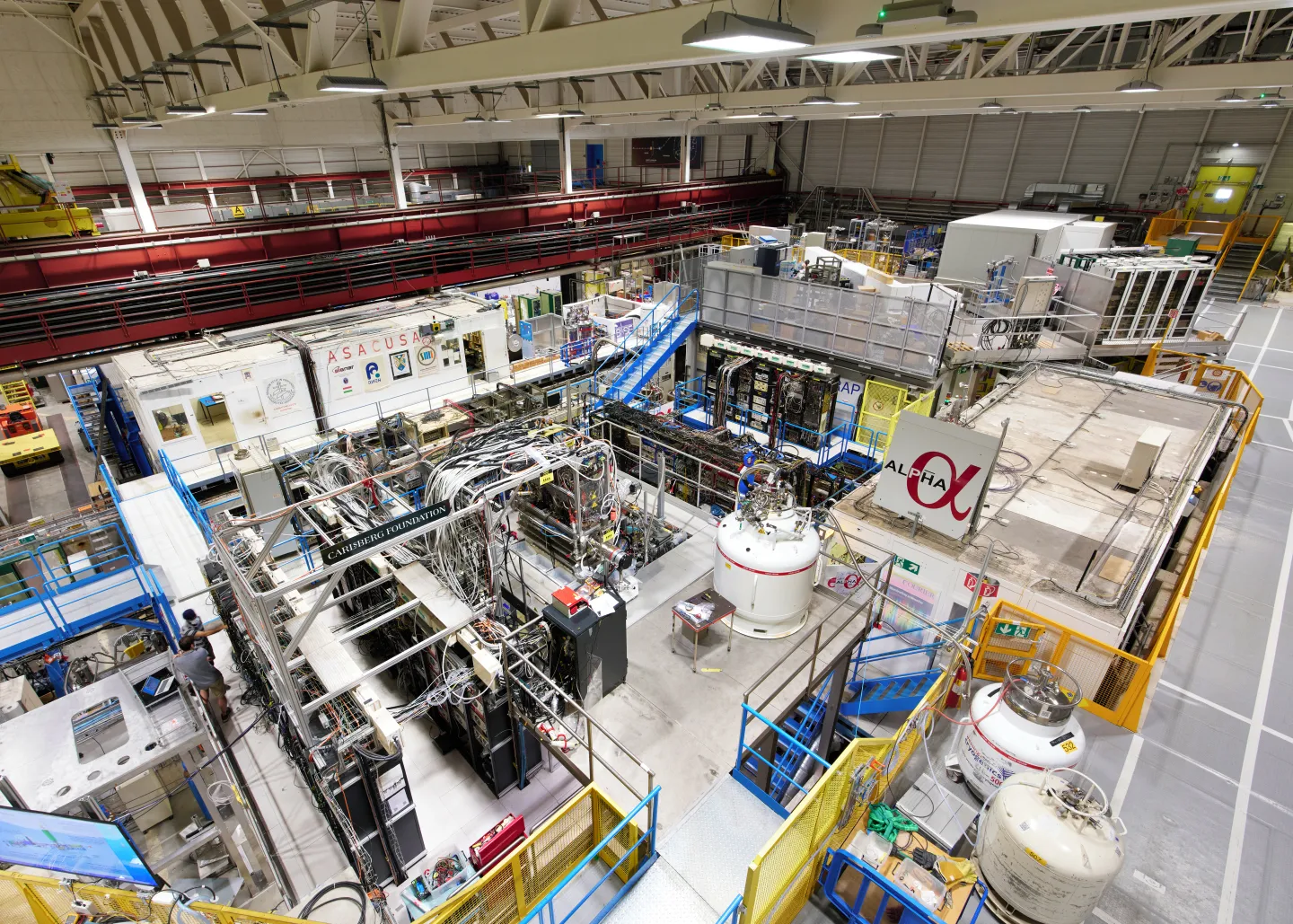
Breakthrough in antimatter production
A new cooling technique means that the ALPHA experiment at CERN’s Antimatter Factory can produce antihydrogen atoms eight times faster than before
-
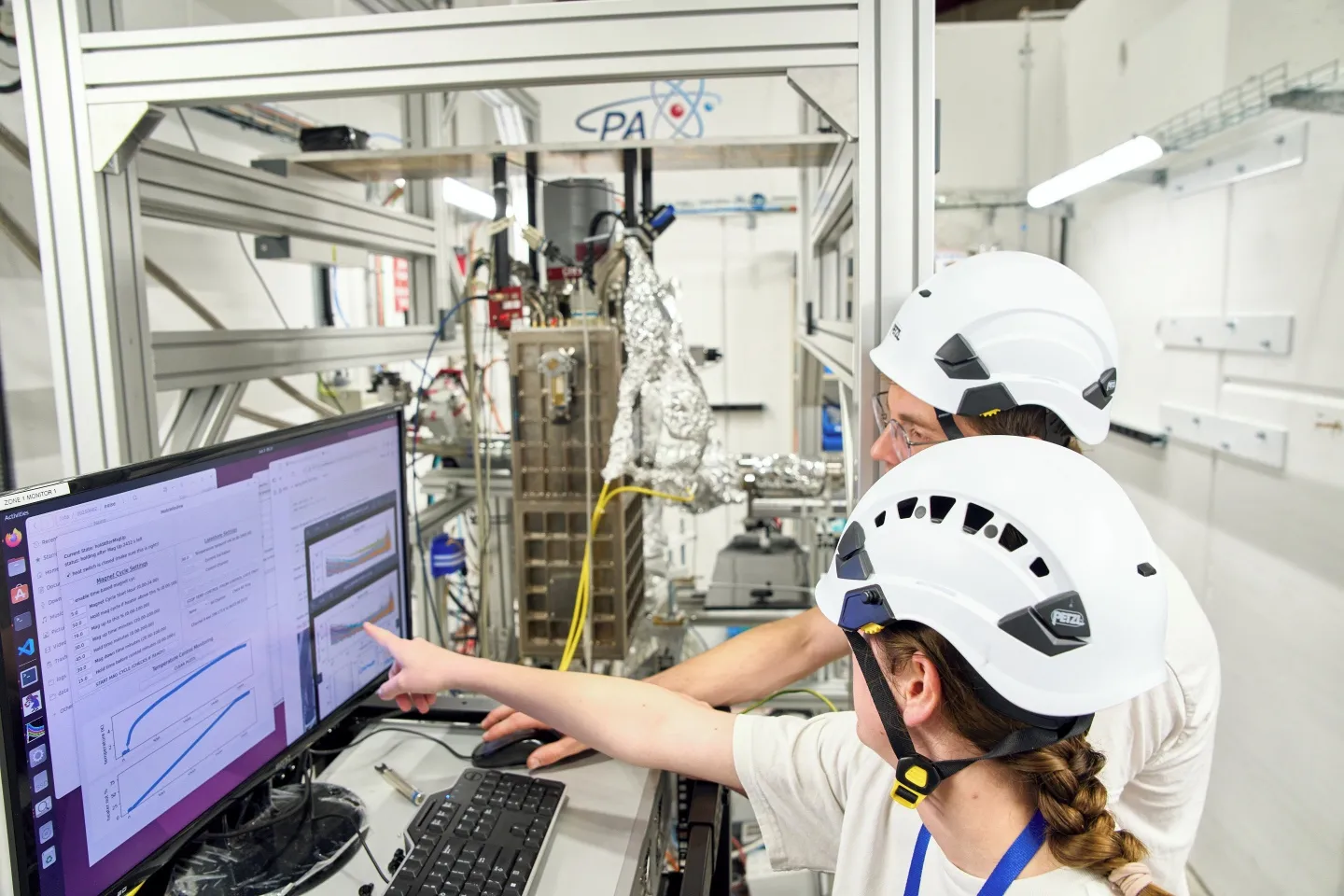
Antiprotons to test the Standard Model
The PAX experiment, the first user of the antimatter factory’s new test beamline, is studying quantum electrodynamics using atoms containing an antiproton
-
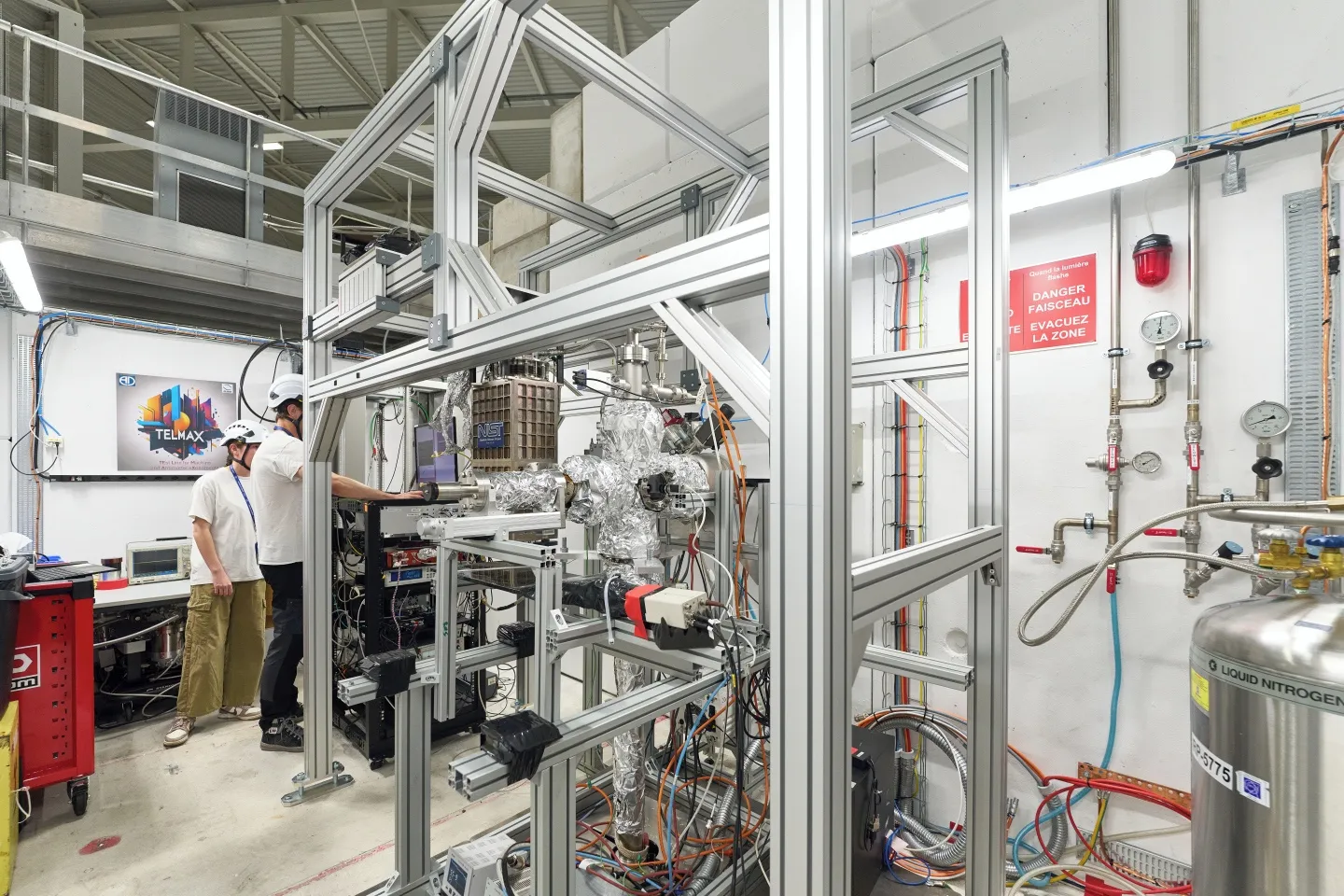
An antimatter beam open for booking
Need an antiproton beam? TELMAX, the new test beamline at CERN’s antimatter factory, is now open for booking
-
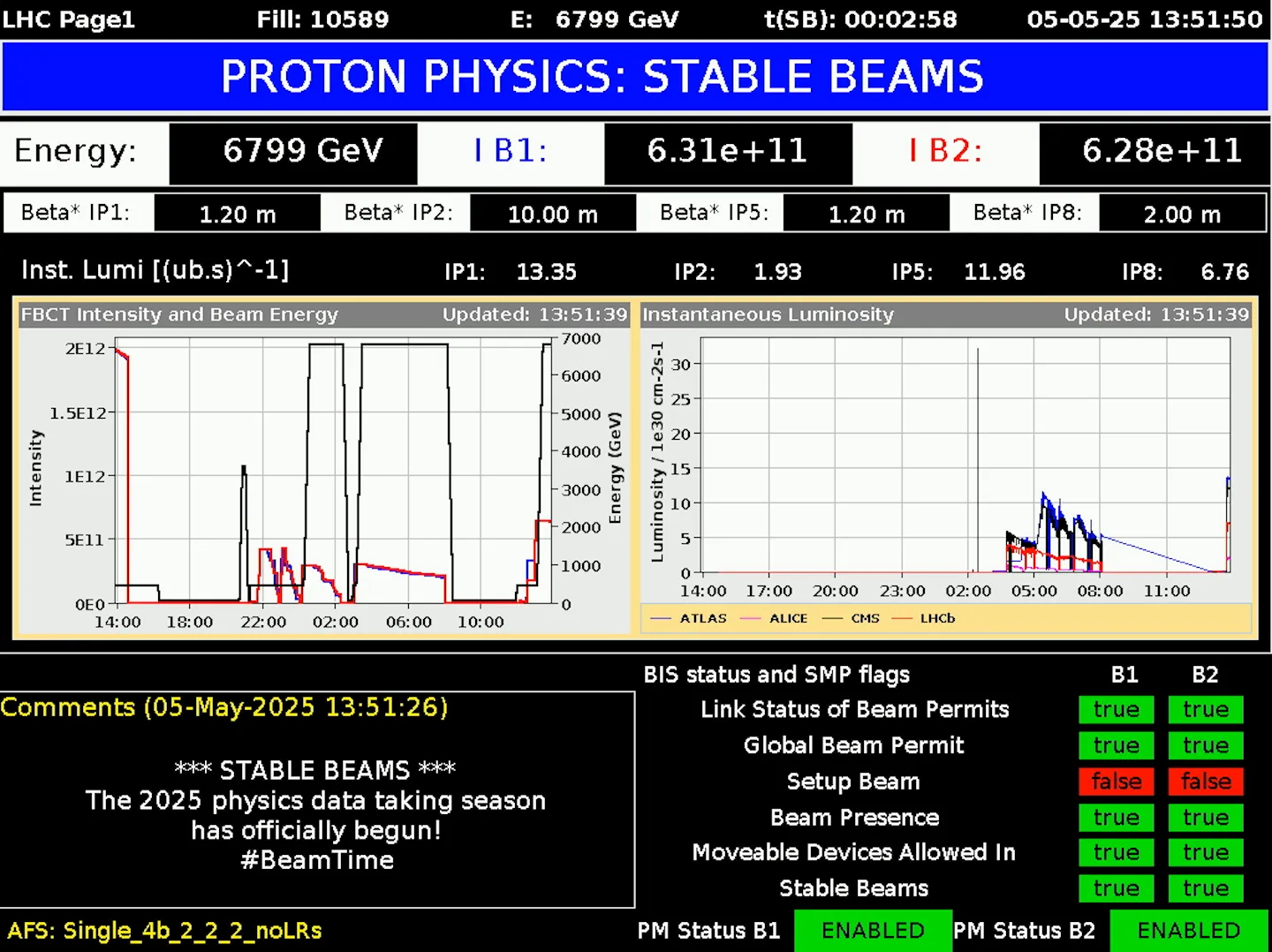
Accelerator Report: The first stable beams of 2025, a milestone and a beginning
The LHC operations team and many other experts have been working hard to set up and validate the accelerator for safe beam operation, leading to the first stable beams for physics of 2025 on 5 May