
Tag: CERN community
-
Supporting parents from day one: new and improved leave entitlements
As of 1 July, CERN is strengthening its support for parents welcoming a child through a longer maternity leave and the introduction of a paid parental leave available to all parents. If your child was born on or after 1 January 2026, you may still benefit from these new provisions retroactively, provided that your contract
-
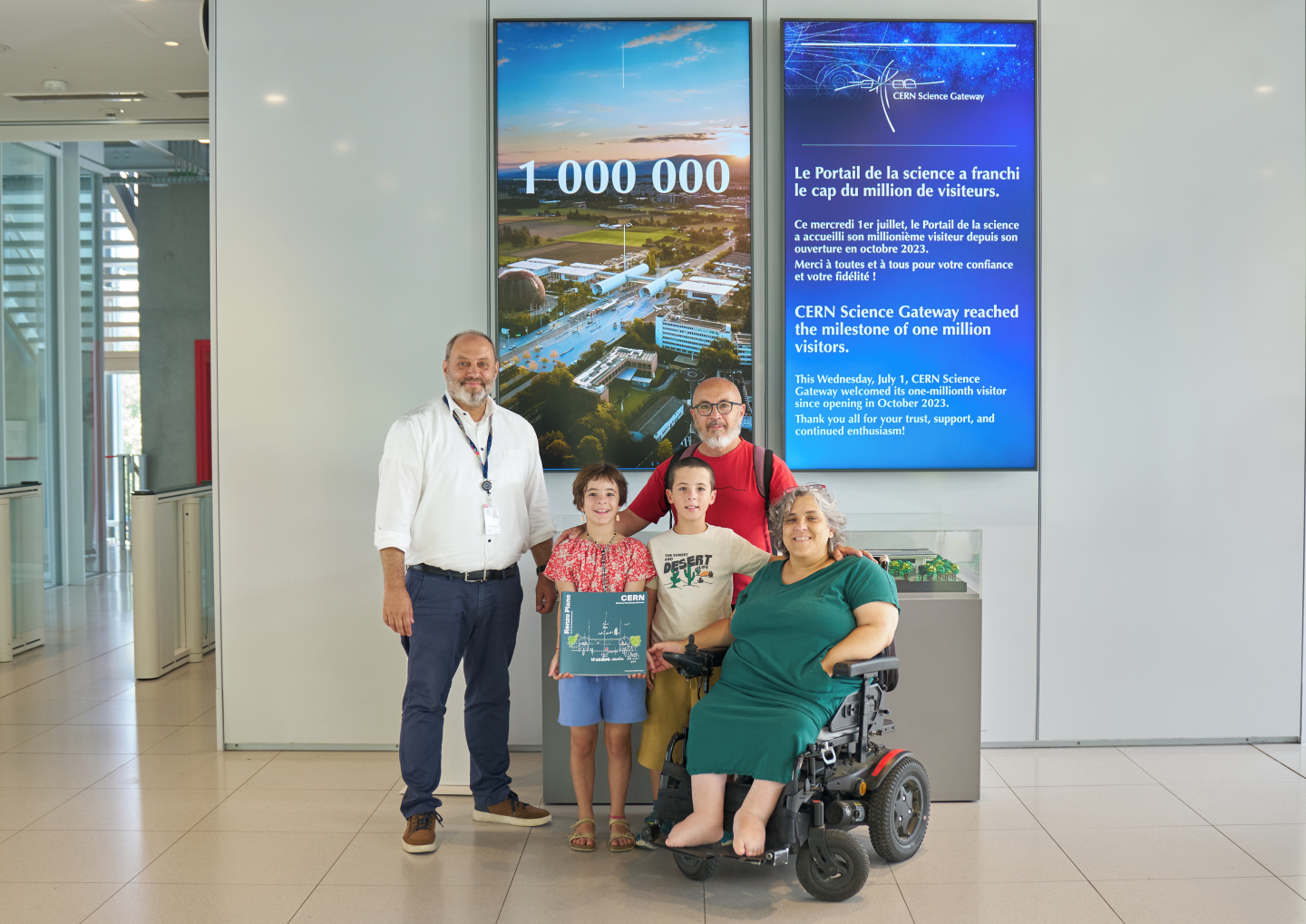
The Science Gateway passes the million mark
At 11.00 a.m. on Wednesday, 1 July, the Science Gateway passed the symbolic mark of one million visitors thanks to Elna, Antoni and their 10-year-old twins, who were visiting from Barcelona. Since opening in October 2023, the Science Gateway has established itself as a beacon of science tourism. With its five exhibitions, lab workshops, science
-
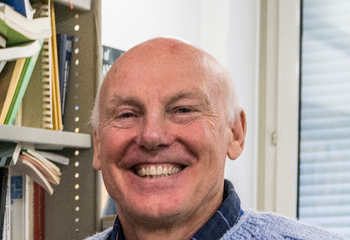
Mick Storr (1949–2026)
Mick Storr (1949–2026) — It was with profound sadness that we learned of the passing of Mick Storr on 7 June in Geneva. A deeply respected member of the CERN family and an extraordinary educator, he inspired generations of teachers worldwide. Mick was born in Farsley, West Yorkshire, England, on 11 February 1949. After completing his PhD
-
Official News regarding the CERN Safety Rules: Visits on the CERN Site
The CERN Safety Rule listed below has been published on the CERN website dedicated to the Safety Rules : This General Safety Instruction (GSI) defines the safety requirements for all types of visits on the CERN site. The new version of the GSI implements lessons learnt and reflects evolutions of the regulatory and organisational context.
-
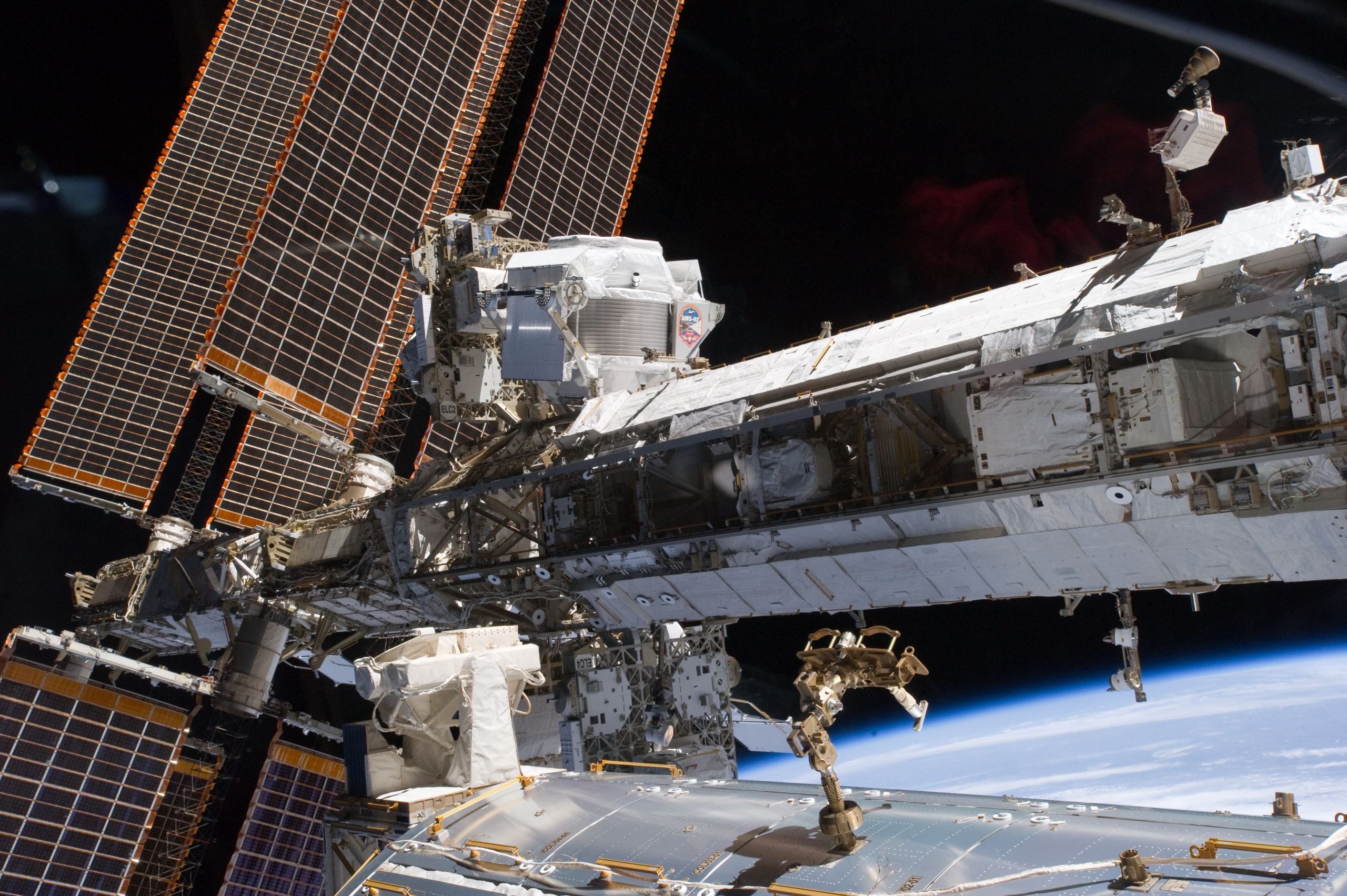
AMS releases new cosmic-ray measurements
Fixed to the International Space Station (ISS) as it speeds around Earth, the Alpha Magnetic Spectrometer (AMS) is constantly measuring high-energy particles that stream from across the Universe, known as cosmic rays. In a recent paper published in Physical Review Letters, the AMS Collaboration reports its first measurements of five heavy elements found amongst these particles. Since it was installed on
-
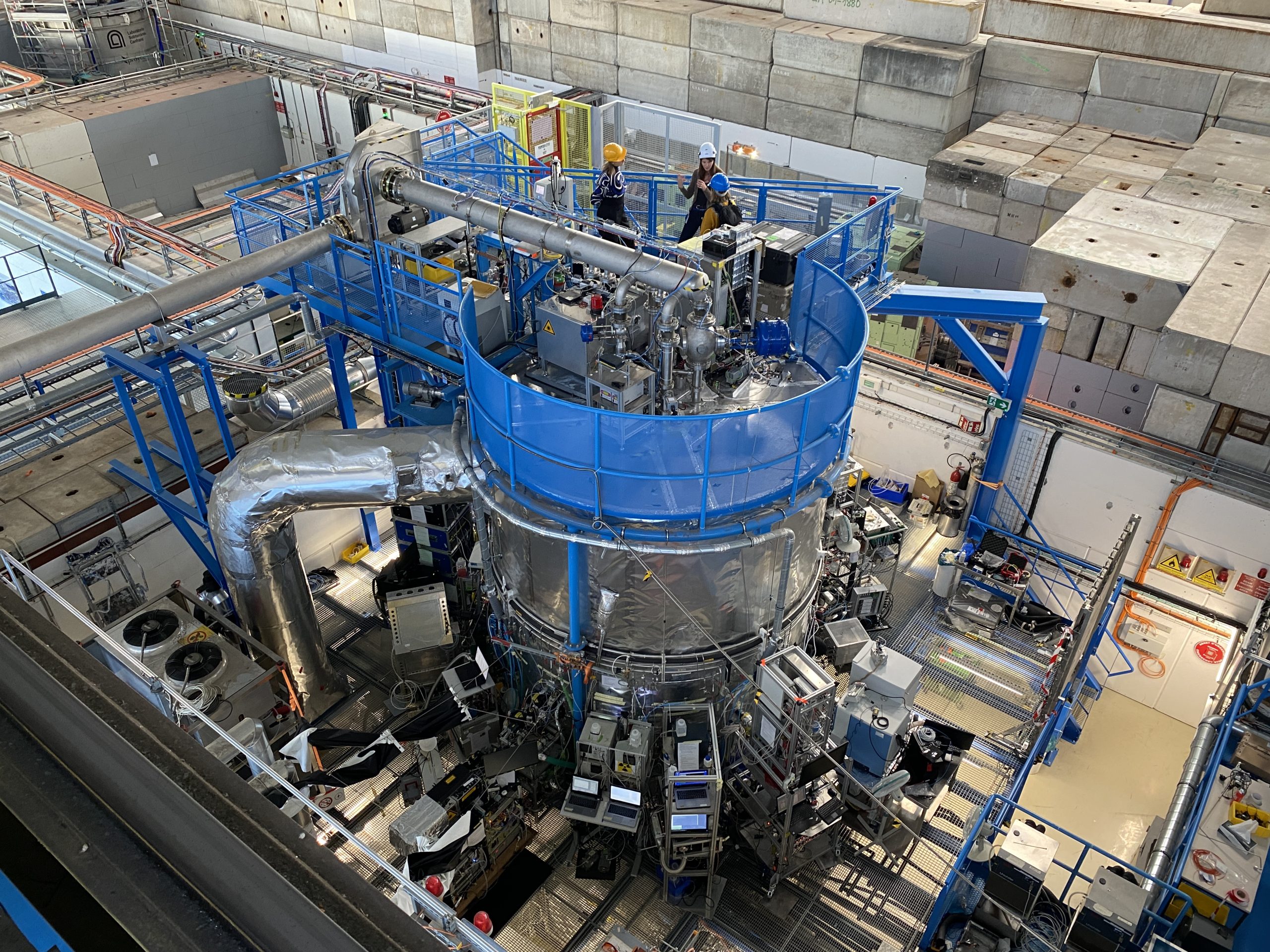
CLOUD experiment uncovers a major new source of marine aerosol particles
In a paper published today in the journal Nature, the CLOUD Collaboration at CERN reports that natural emissions from phytoplankton are producing far more aerosol particles than previously thought, changing our understanding of aerosols and clouds in pristine climates from before the industrial era and after the fossil fuel era. Cloud droplets form on aerosol
-
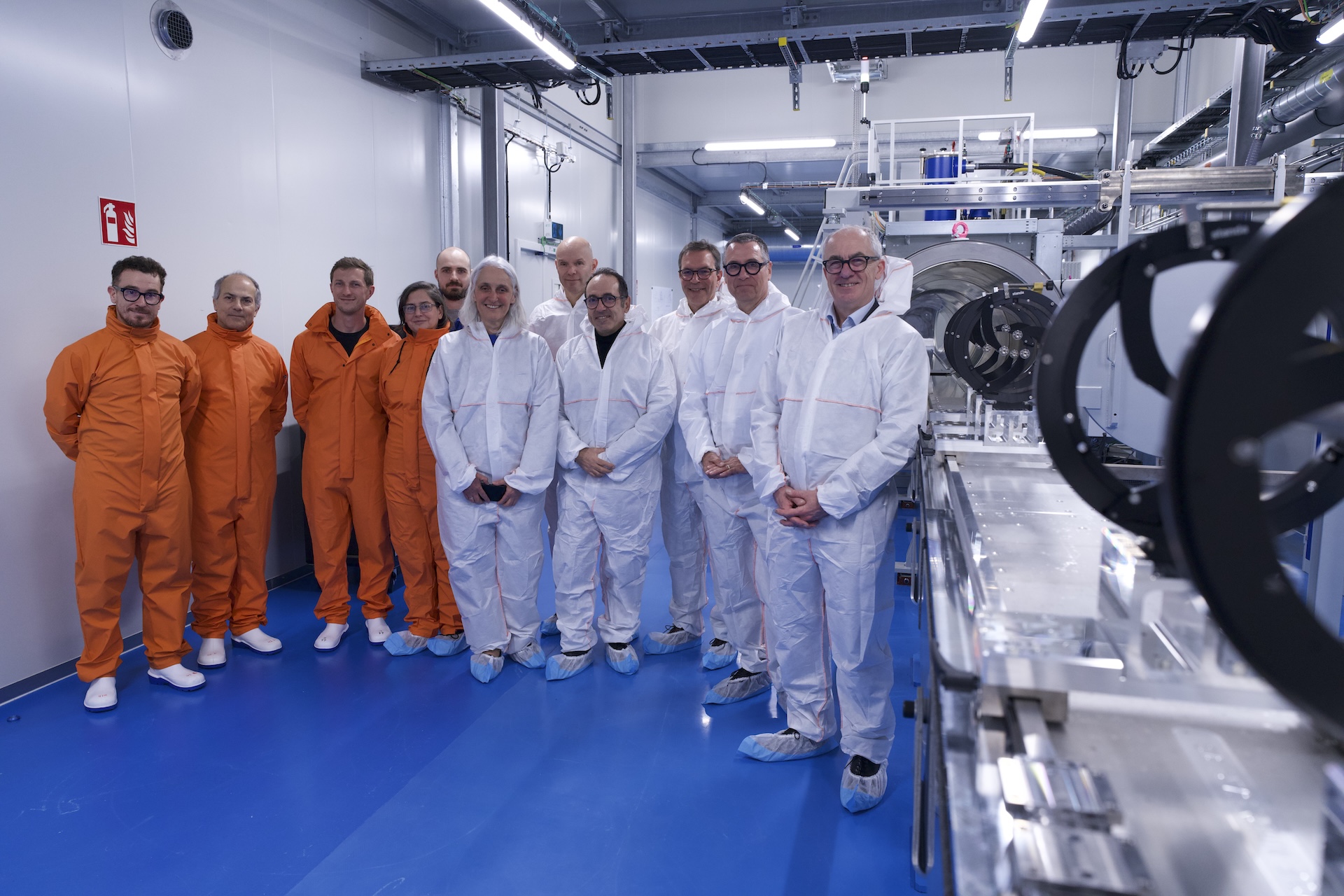
CERN begins beryllium beam-pipe production
Supported by CERN and the LHC experiment collaborations, the workshop will construct essential components for HiLumi LHC and future particle physics experiments
-
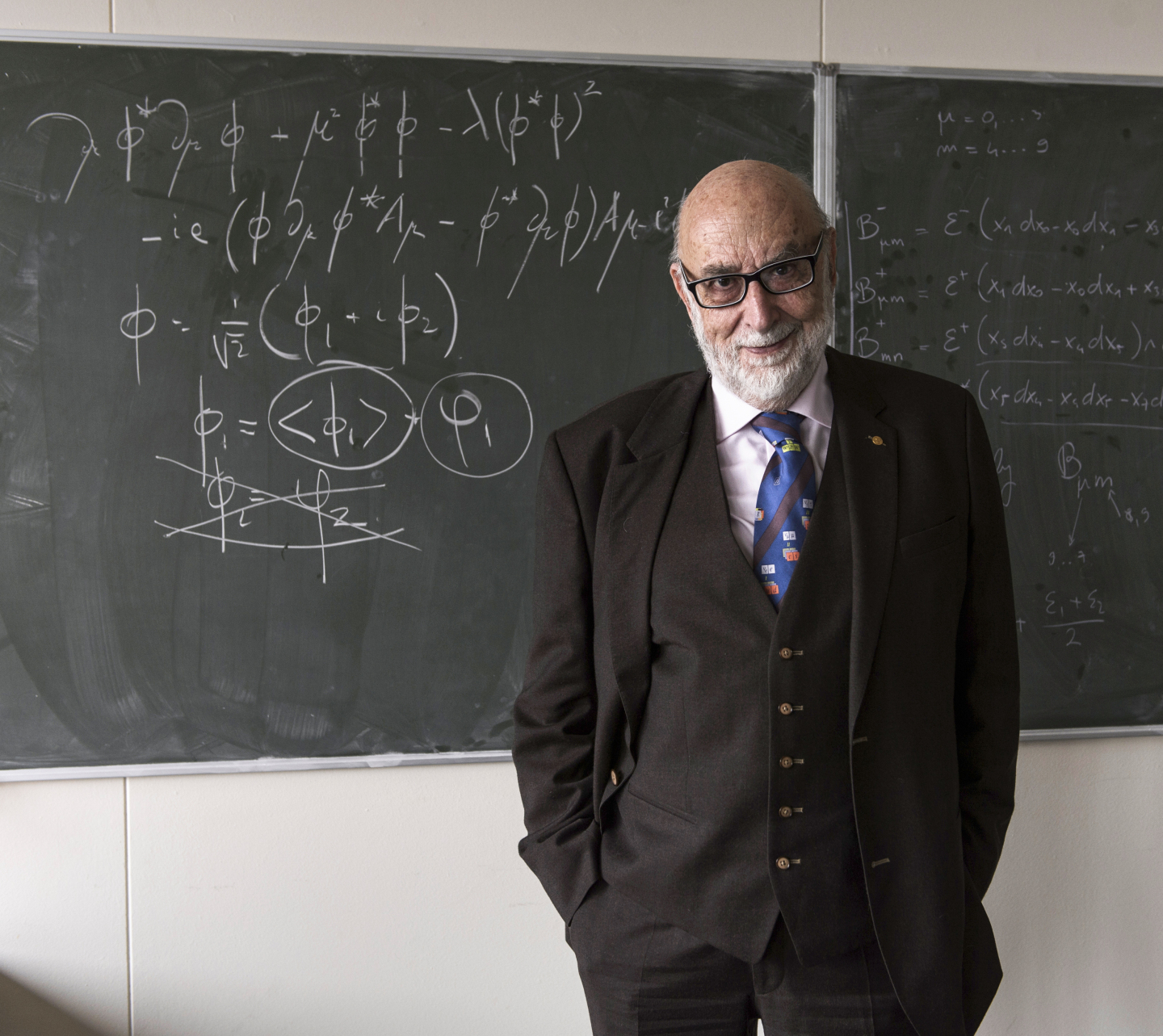
François Englert (1932 – 2026)
François Englert, a Belgian theoretical physicist, passed away on 18 June at the age of 93 in Uccle (Brussels, Belgium). With his associate, Robert Brout, he demonstrated that fundamental particles could acquire mass by interacting with a fundamental field that exists throughout the universe. At the same time, British physicist Peter Higgs had independently hypothesised the existence
-
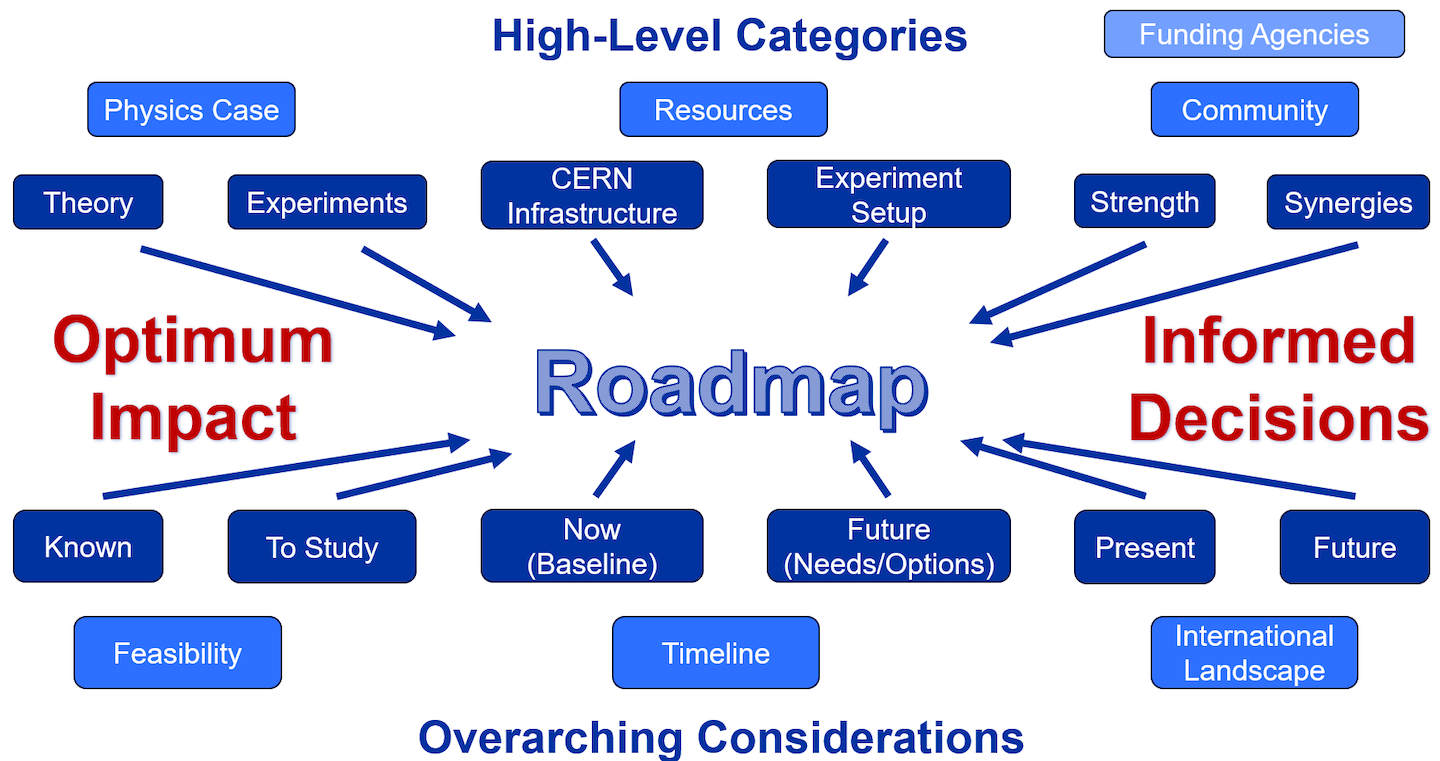
Shaping the future of non-collider physics at CERN
Non-collider activities are a vital component of CERN’s scientific ecosystem, supporting a diverse user community of more than 3000 scientists and enabling a wide range of experiments beyond the high-energy frontier. Through initiatives such as the Physics Beyond Colliders programme, CERN has already fostered innovative proposals for new experiments that leverage its unique accelerator complex
-
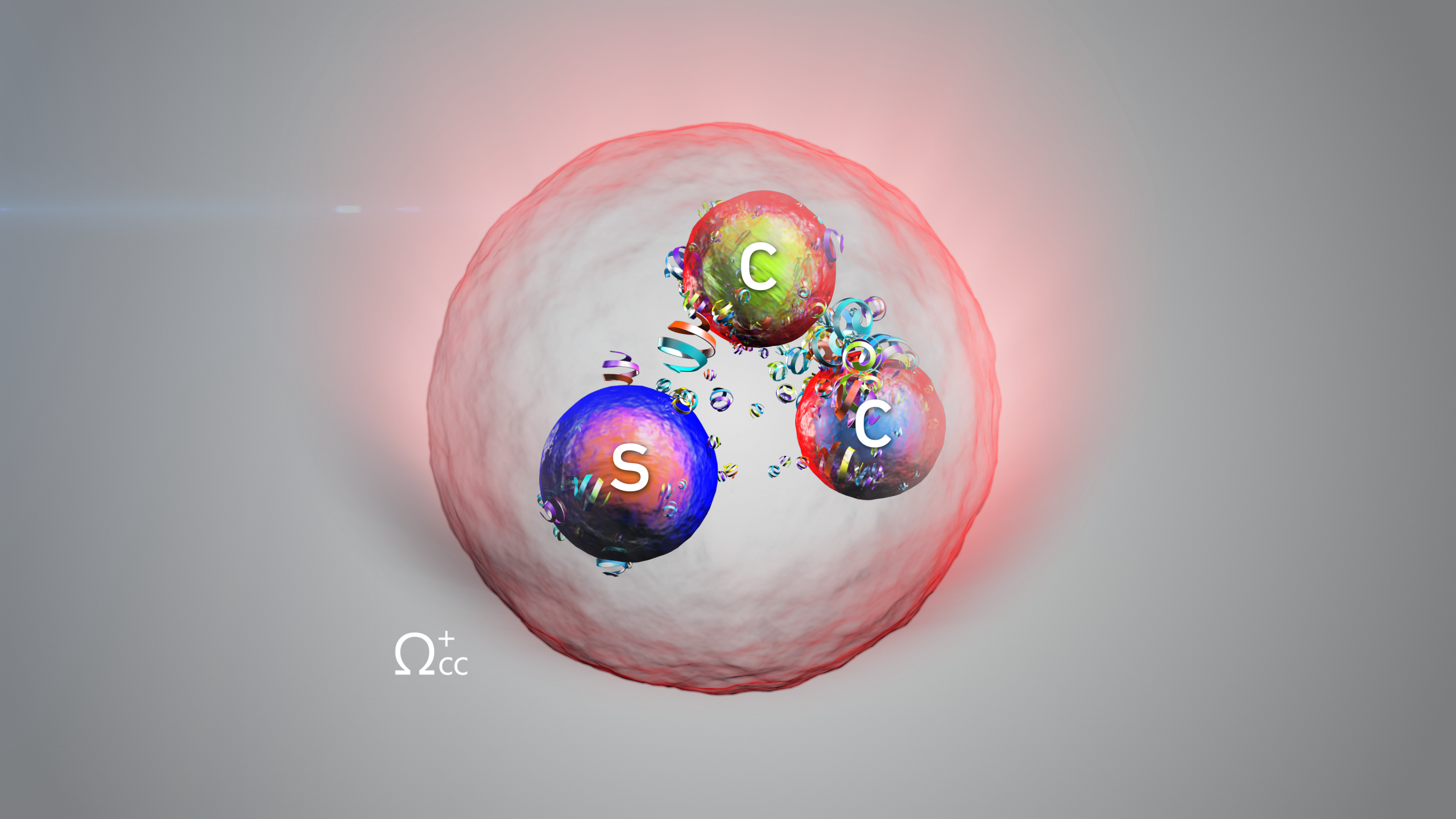
LHCb discovers the final missing member of a doubly charmed particle family
The LHCb Collaboration has found a new particle consisting of one strange quark and two charm quarks. With this finding, the Collaboration has discovered the final member of a family of doubly charmed baryons – particles made up of two charm quarks and one other quark – and closes a chapter of a story that