
Tag: machine learning
-
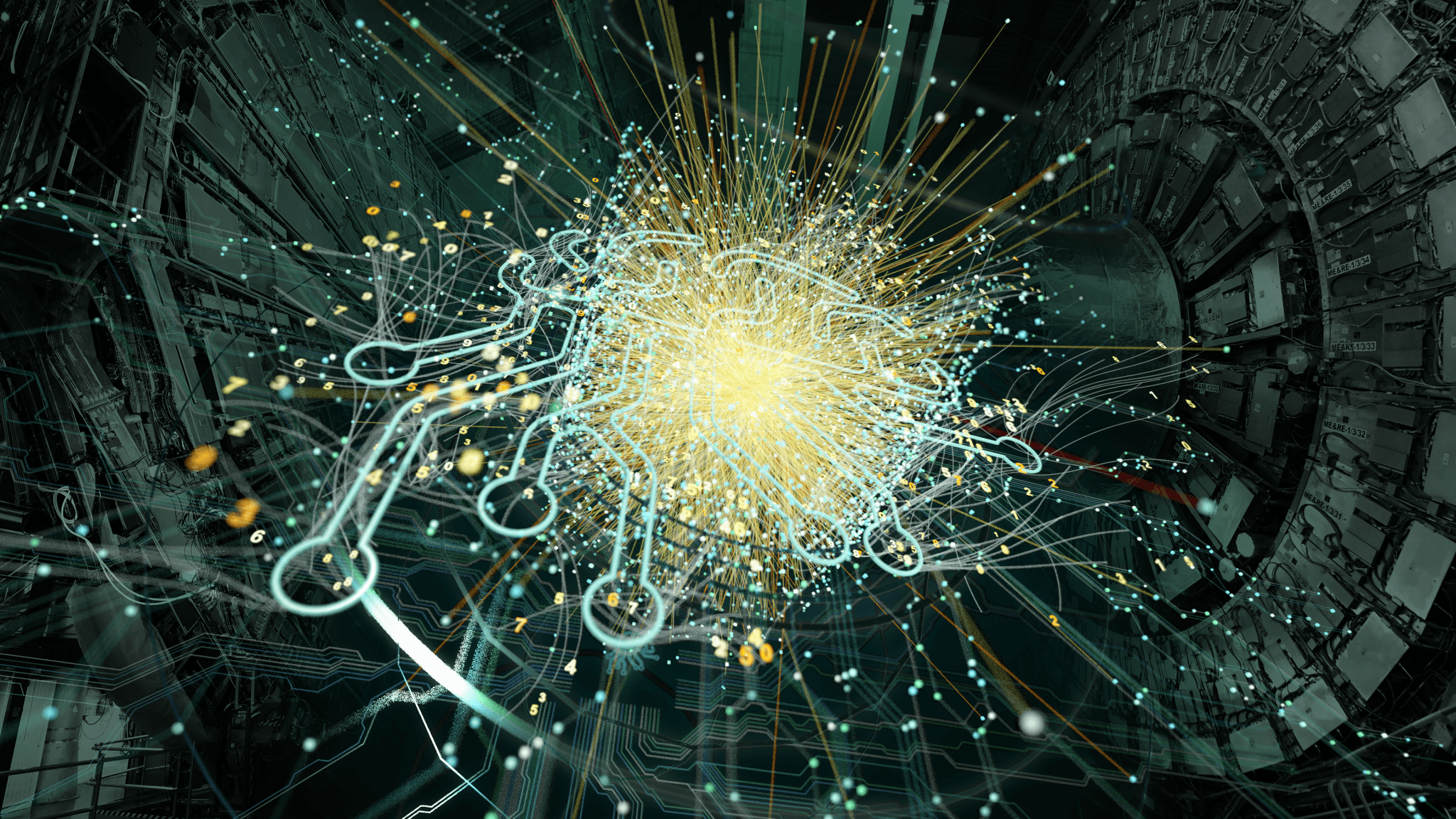
Smarter decisions at the speed of physics
Smart and fast decision making is key when dealing with the onslaught of collisions at the LHC. At the High-Luminosity LHC (HiLumi LHC), the ATLAS and CMS experiments are expected to process detector data at rates corresponding to roughly a quarter of the 2025 global internet traffic. All in real time, as part of the
-
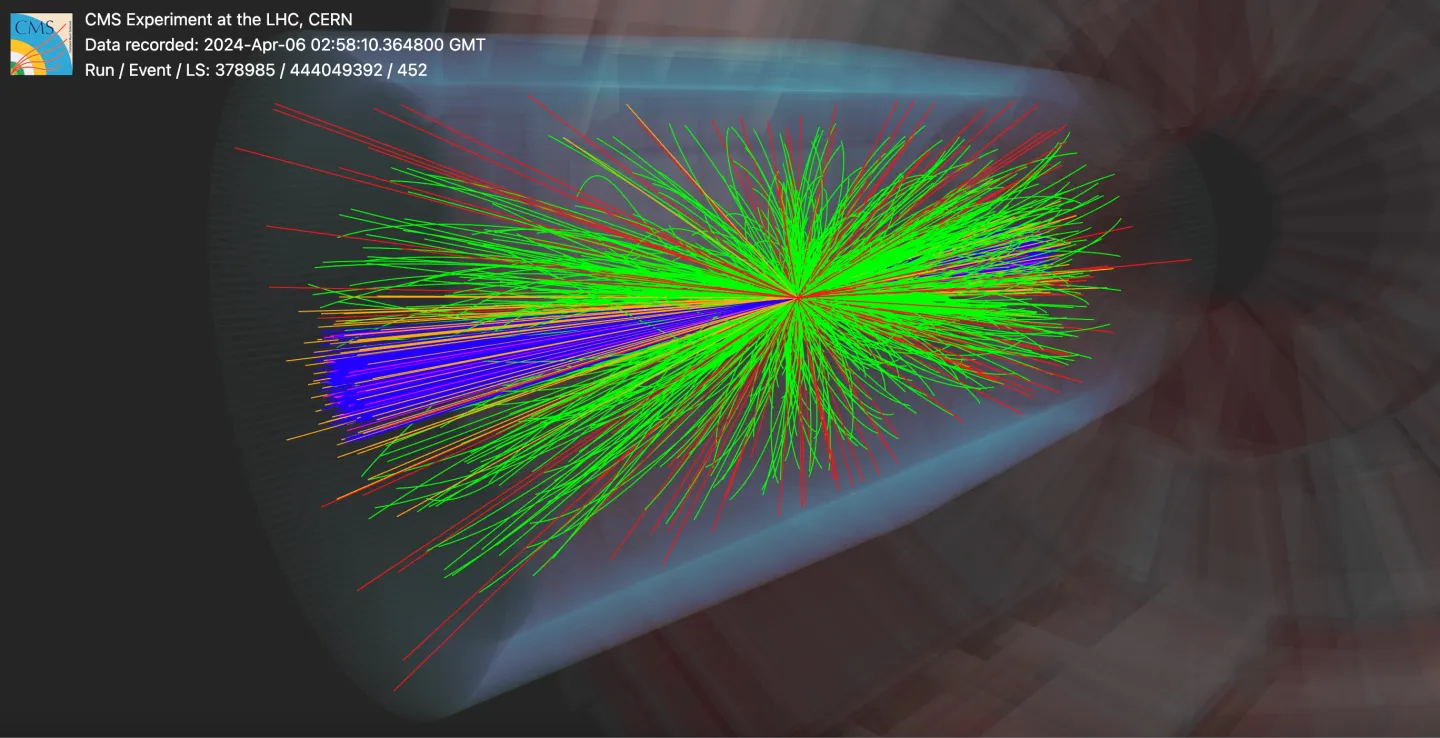
Machine learning to reveal more about LHC particle collisions
The CMS Collaboration demonstrates that machine learning can outperform traditional methods in the full reconstruction of particle collisions at the LHC
-
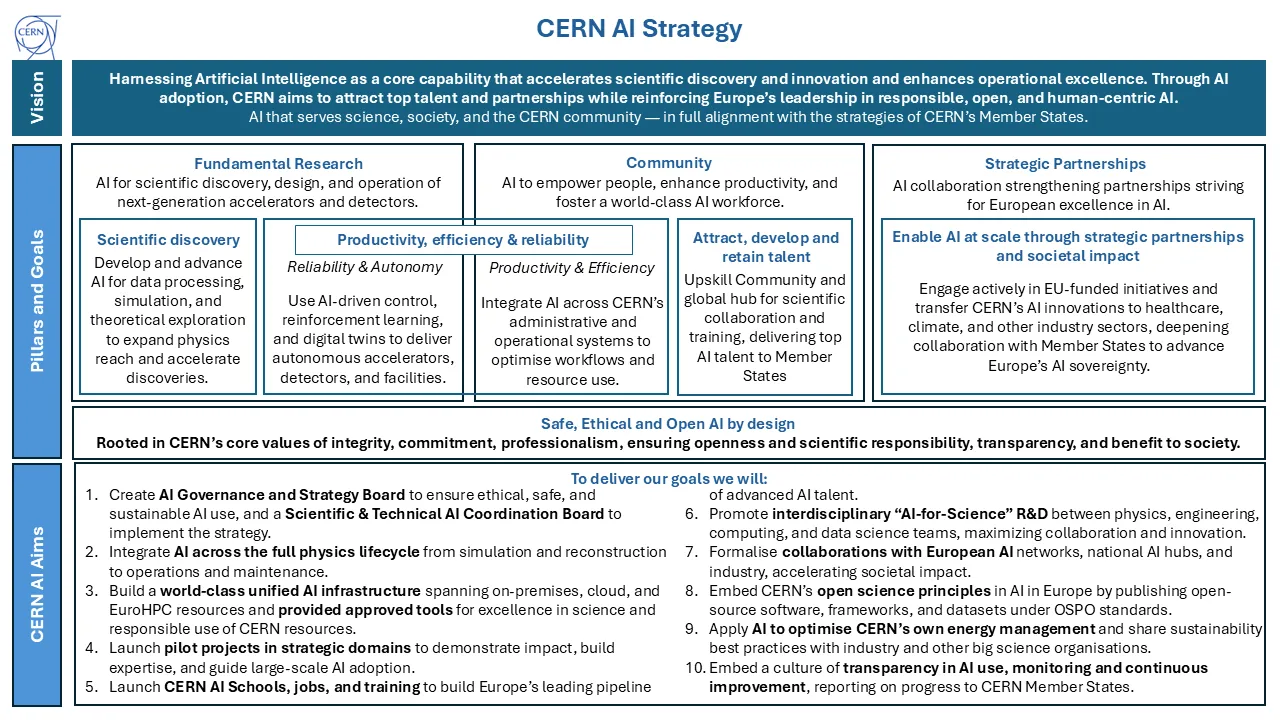
General principles for the use of AI at CERN
Following the approval of a CERN-wide artificial intelligence (AI) strategy, these general principles are designed to promote the responsible and ethical use, development and deployment of AI at CERN
-
Why we need a CERN-wide AI strategy
I first encountered artificial intelligence (AI) almost thirty years ago. Now, I’m surprised by the broad applications and ideas across CERN, which feed into and benefit from a CERN AI strategy
-
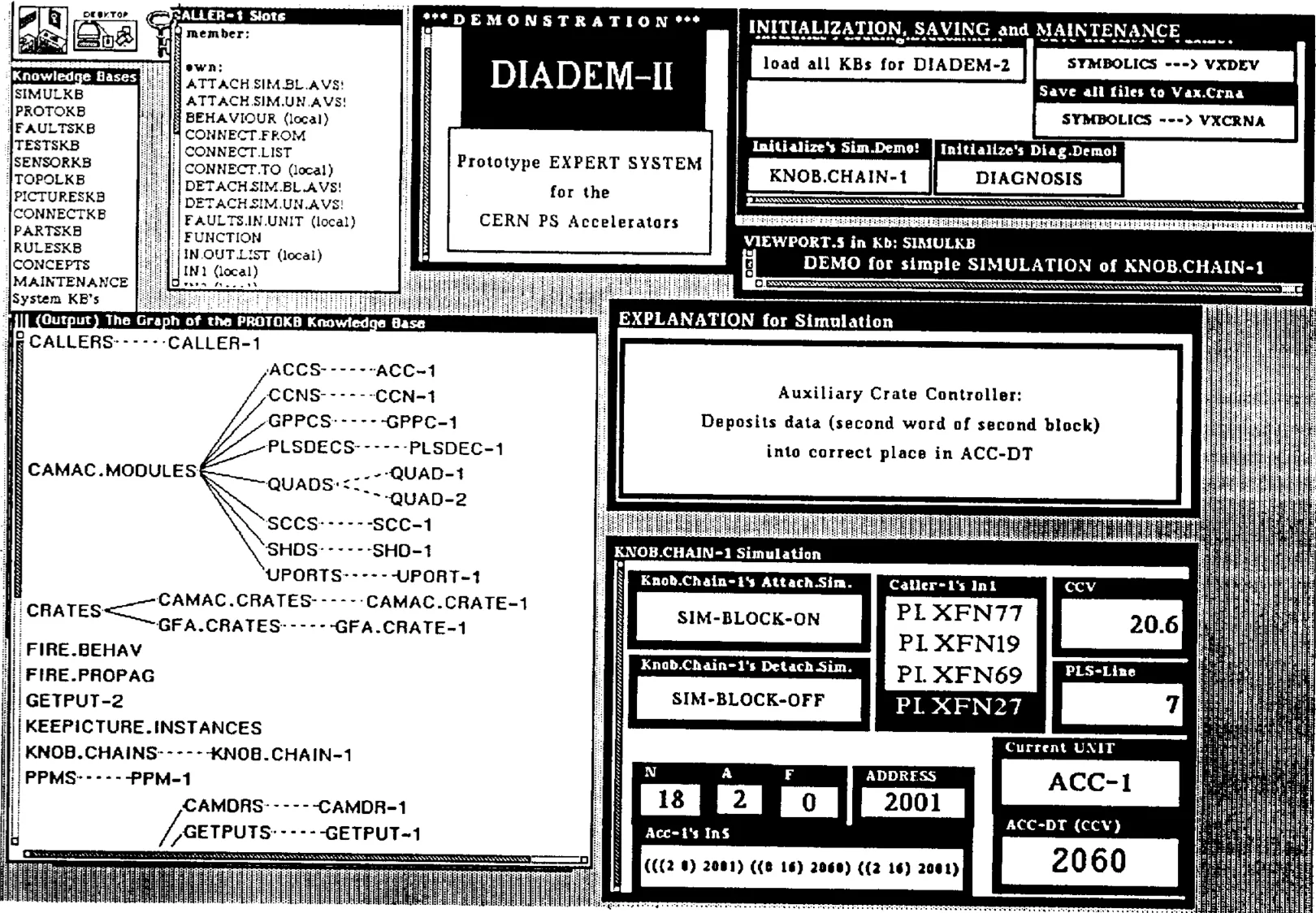
Building CERN’s AI Strategy
Artificial intelligence has been used at CERN since the 1980s; now a new Steering Committee is helping the Organization adopt it more widely
-
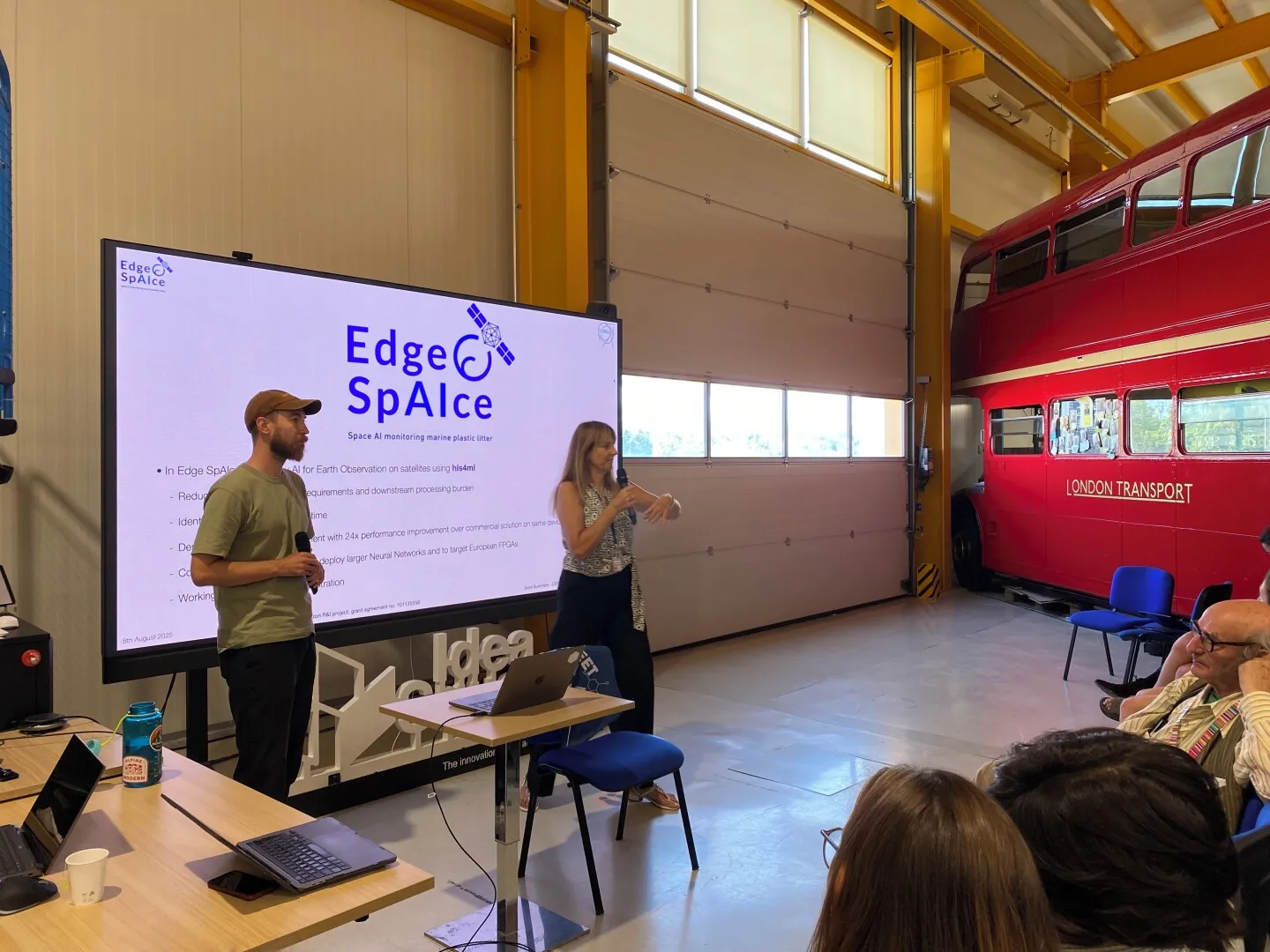
CERN technology showcased in the context of UN Plastic Treaty discussions
AI data analysis techniques developed at CERN were showcased during a side event of INC-5.2 – the United Nations intergovernmental negotiating committee meeting in Geneva to develop an international legally binding instrument on plastic pollution
-
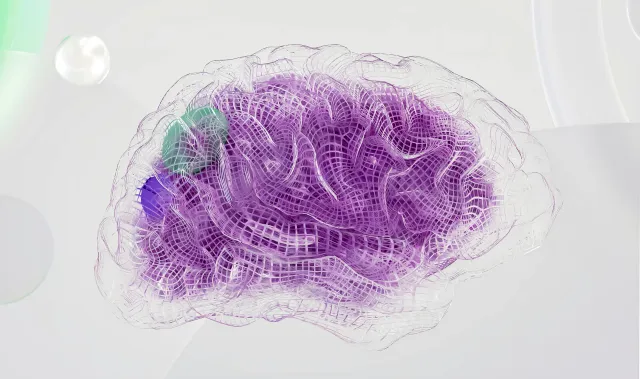
AI treatments for stroke survivors
CERN partners with public and private organisations to improve stroke prevention, diagnosis and treatment
-
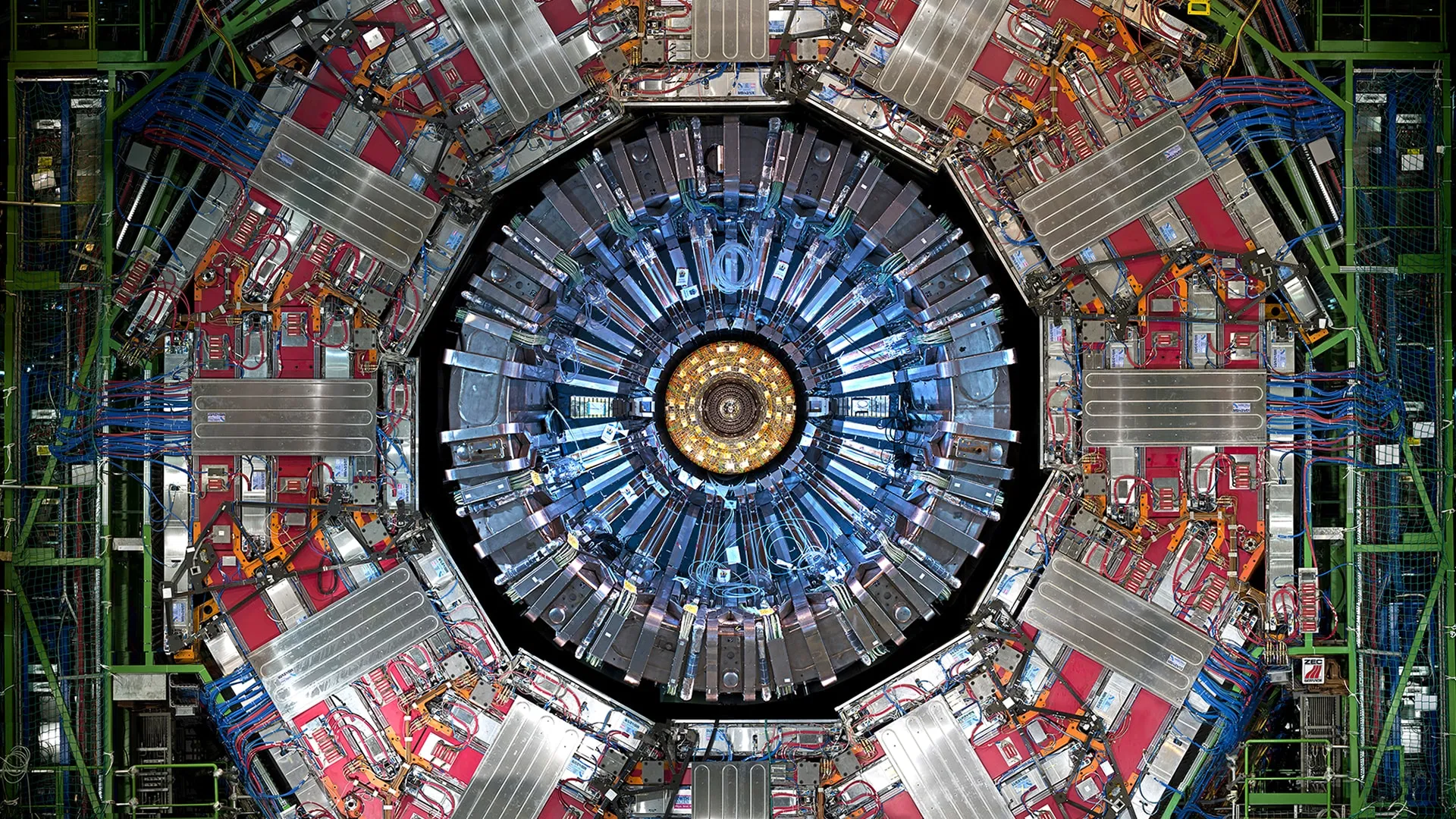
CMS develops new AI algorithm to detect anomalies
During LHC Run 3, researchers at the experiment have deployed an innovative machine learning technique that will improve the data quality of one of the detector’s most crucial components
-
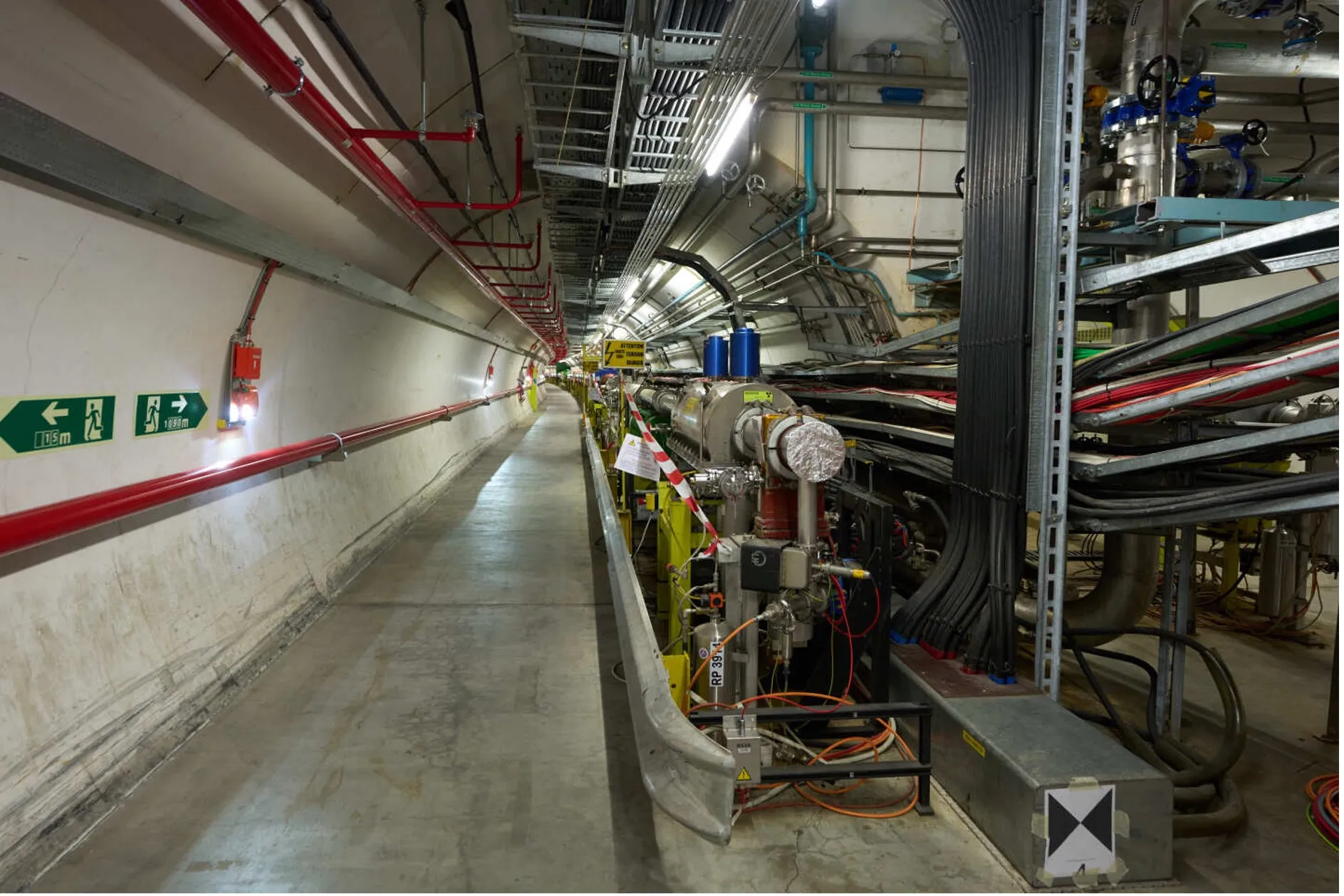
How can physicists make particle accelerators more efficient?
Using AI, machine learning and automation, the Efficient Particle Accelerator (EPA) project aims to boost the efficiency of CERN’s accelerators for the high luminosity era and beyond
-
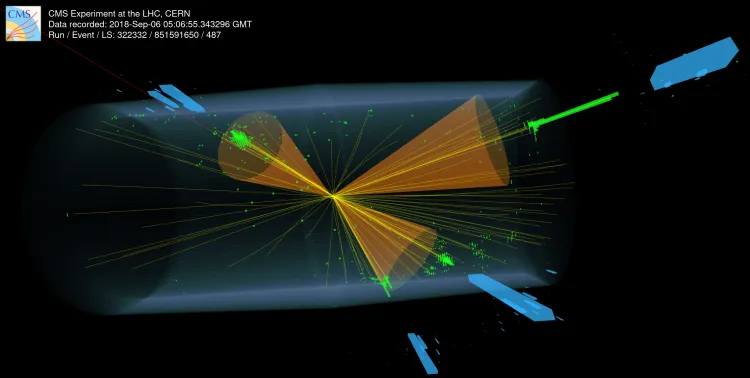
How can AI help physicists search for new particles?
The ATLAS and CMS collaborations are using state-of-the-art machine learning techniques to search for exotic-looking collisions that could indicate new physics