
Tag: News
-
CERN fundraising effort contributes to aiding Ukrainian civilians
The sum raised by the CERN personnel, the Directorate and the Staff Association contributed to the Swiss Red Cross’s essential humanitarian response to the war in Ukraine
-

Arts at CERN and Pro Helvetia launch an open call for Connect India
Arts at CERN announces a new open call for artists from Switzerland and India
-
Computer Security: When your restaurant turns sour
It’s the beauty of software engineering to reuse programs/libraries/packages/VMs/containers developed by others – but this comes with a caveat
-
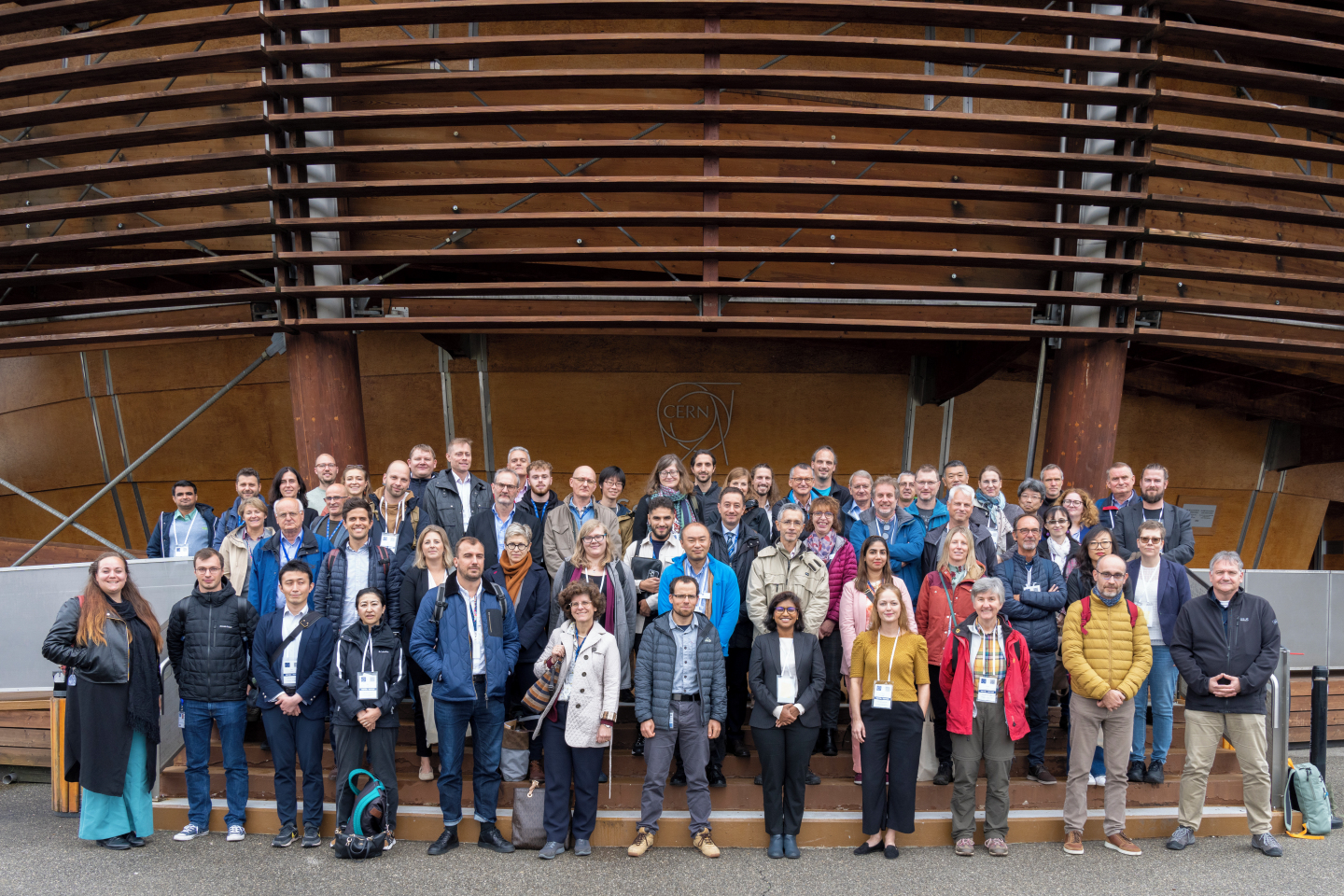
The many facets of safety in research infrastructures: CERN hosts the 2022 International Technical Safety Forum
From 25 to 28 October, more than 100 people from CERN and other research institutes from around the world gathered in the Globe of Science and Innovation at CERN for a key conference on health and safety matters
-
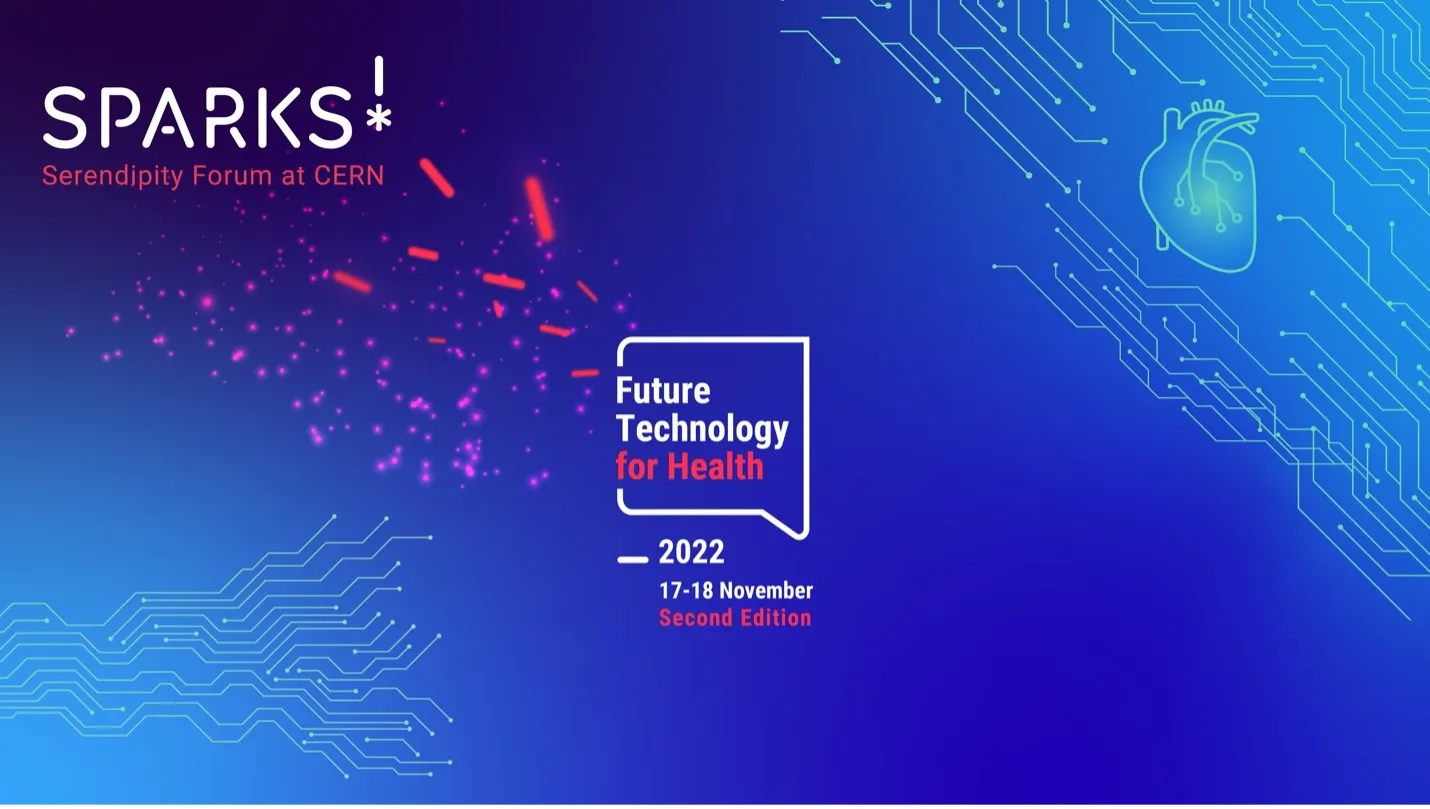
Sparks!: CERN’s serendipity forum brings together experts to discuss Future Technology for Health
A set of talks and forum on 17-18 November, following a podcast series featuring experts in the field
-
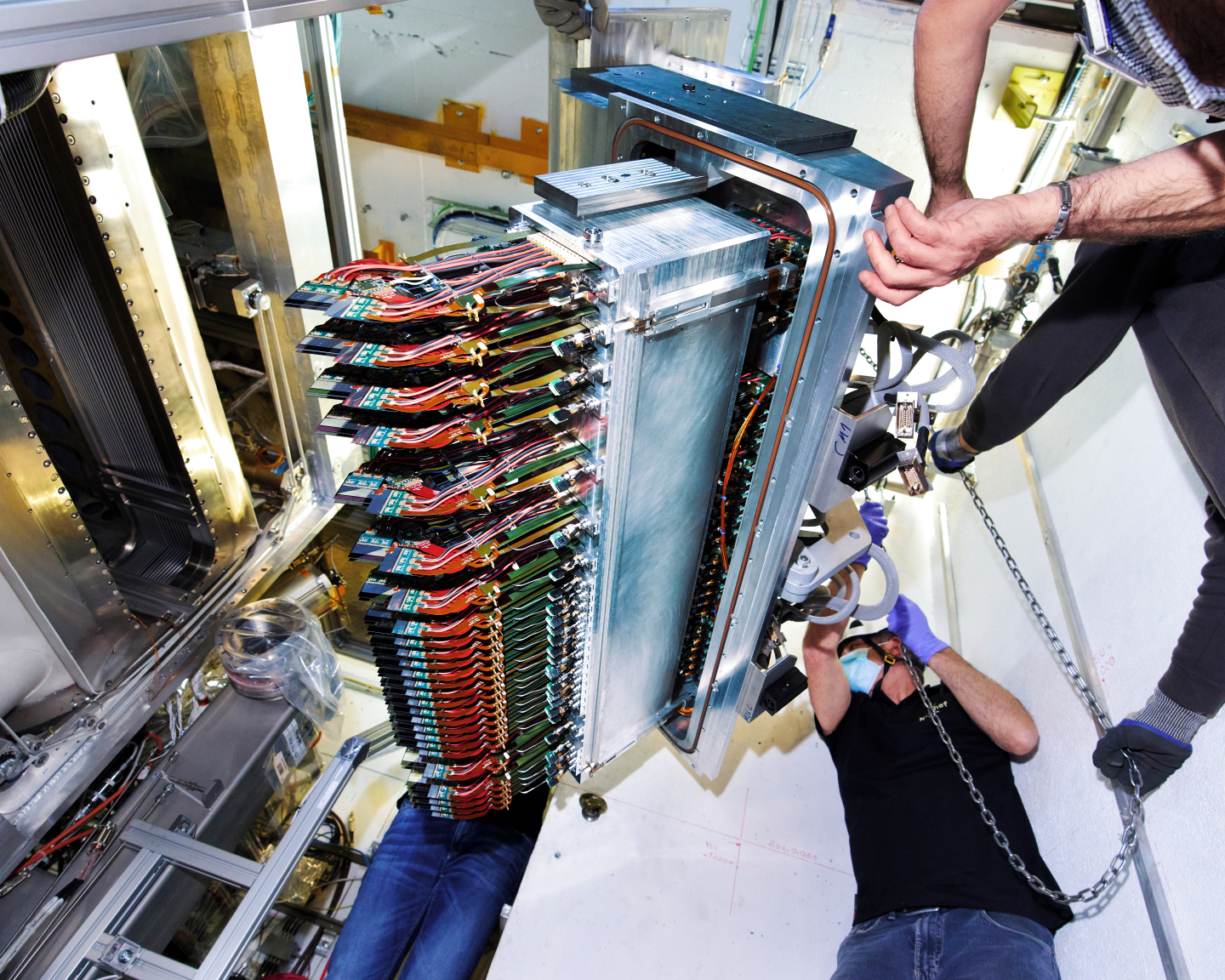
LHCb’s new VELO springs into action
The subdetector aligned more closely with the LHC beam than ever before, marking an important milestone in LHCb data taking
-
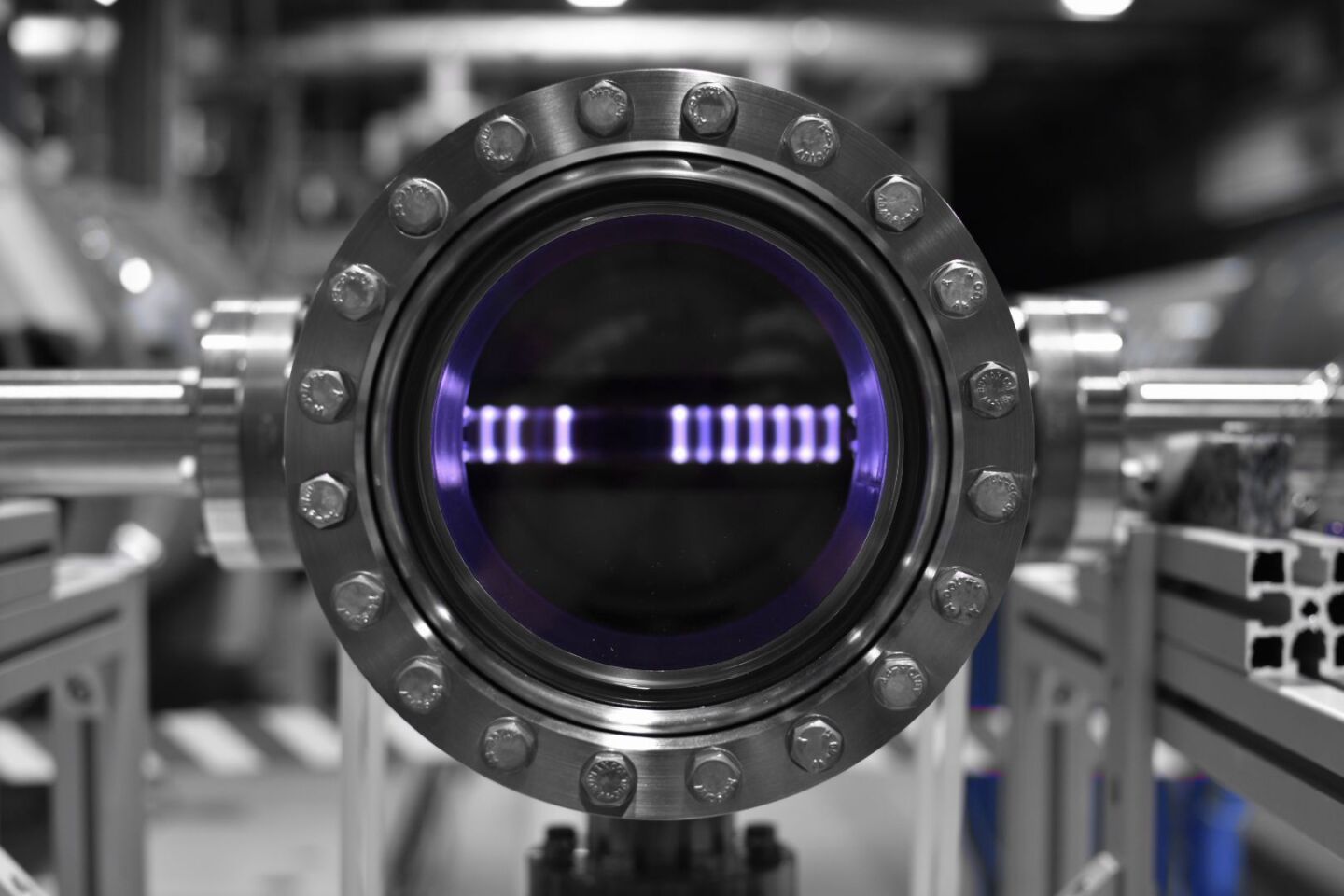
A remedy against electron clouds inside particle colliders
An LHC quadrupole whose beam screen had been coated with a fine layer of carbon displayed minimal heat load in comparison to other magnets, constituting a promising step in eliminating electron clouds in future particle accelerators
-
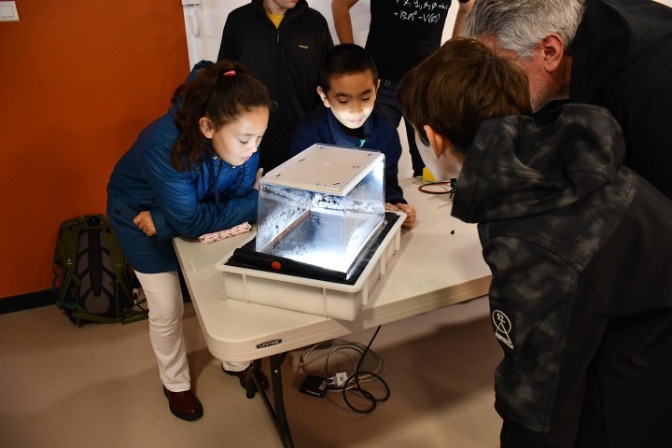
CERN ignites imaginations at the Fête de la science in the Ain department
CERN plays a key role in several events in the towns of Bourg-en-Bresse, Saint-Genis-Pouilly and Ferney-Voltaire.
-
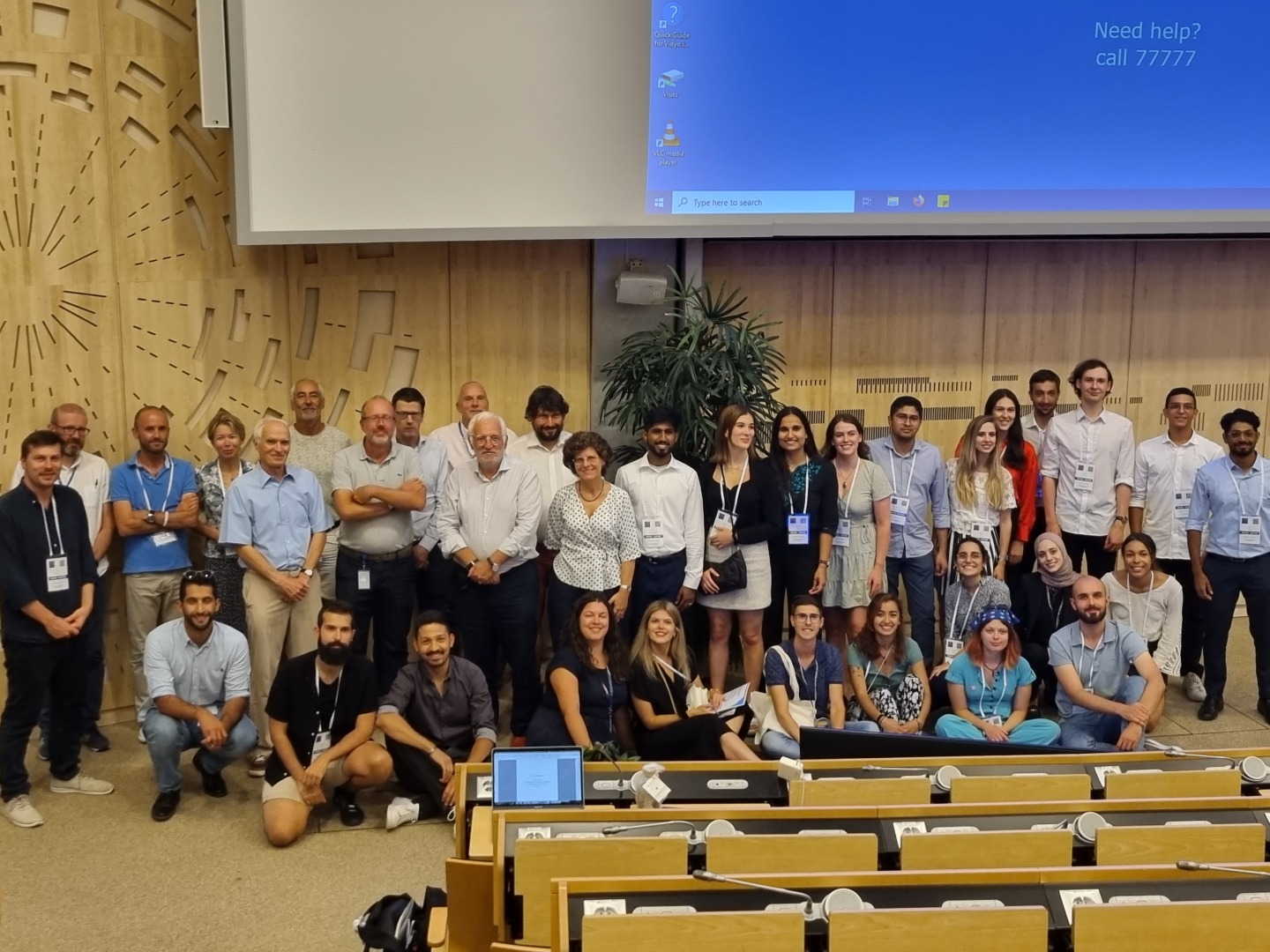
Bringing students and experts together around environmental applications of accelerators
The I.FAST project’s yearly student challenge was held this summer, exploring environmental and societal applications of accelerator technology