Science goals
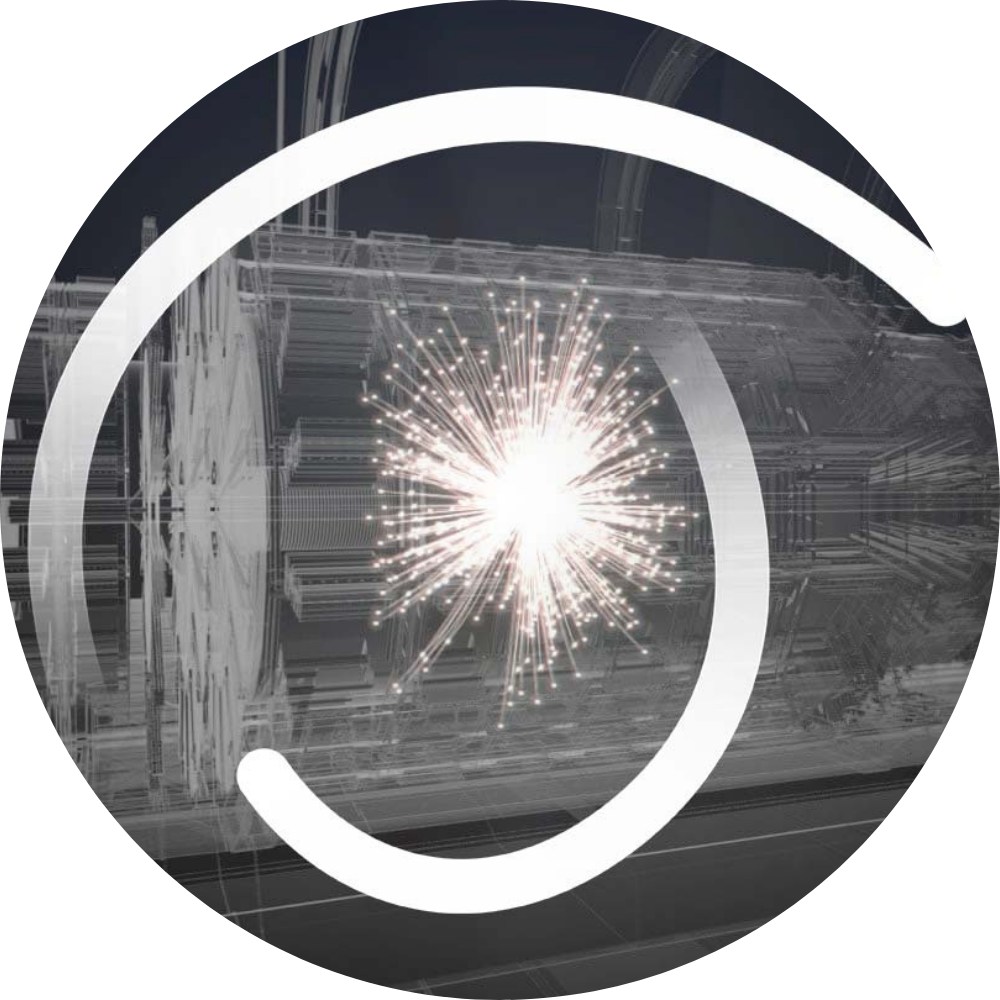
At CERN, scientists use large and complex particle accelerators to understand the fundamental particles and the laws that govern them. The planned Future Circular Collider would continue this quest, probing even deeper than any other particle accelerator before it.
Today, we still only know some 5 % of the Universe, as described in a very solid theory called the Standard Model of particle physics. The last missing piece of the theory, the Higgs boson, was discovered at CERN’s current flagship collider, the Large Hadron Collider or LHC. This discovery opened a new chapter in our understanding of nature. Are you ready to explore it?
The FCC would open a new era of precision in particle physics. While the LHC and its high-luminosity upgrade are designed to discover a new continent and map its coastline, the FCC would allow scientists to explore its interior in detail, revealing structures and phenomena that were previously invisible.
The Higgs boson – a mass investigation
The Higgs boson explains how all other particles get their mass. It was discovered by the ATLAS and CMS experiments, almost fifty years after it was theoretically proposed. We have only just begun to study it in detail.
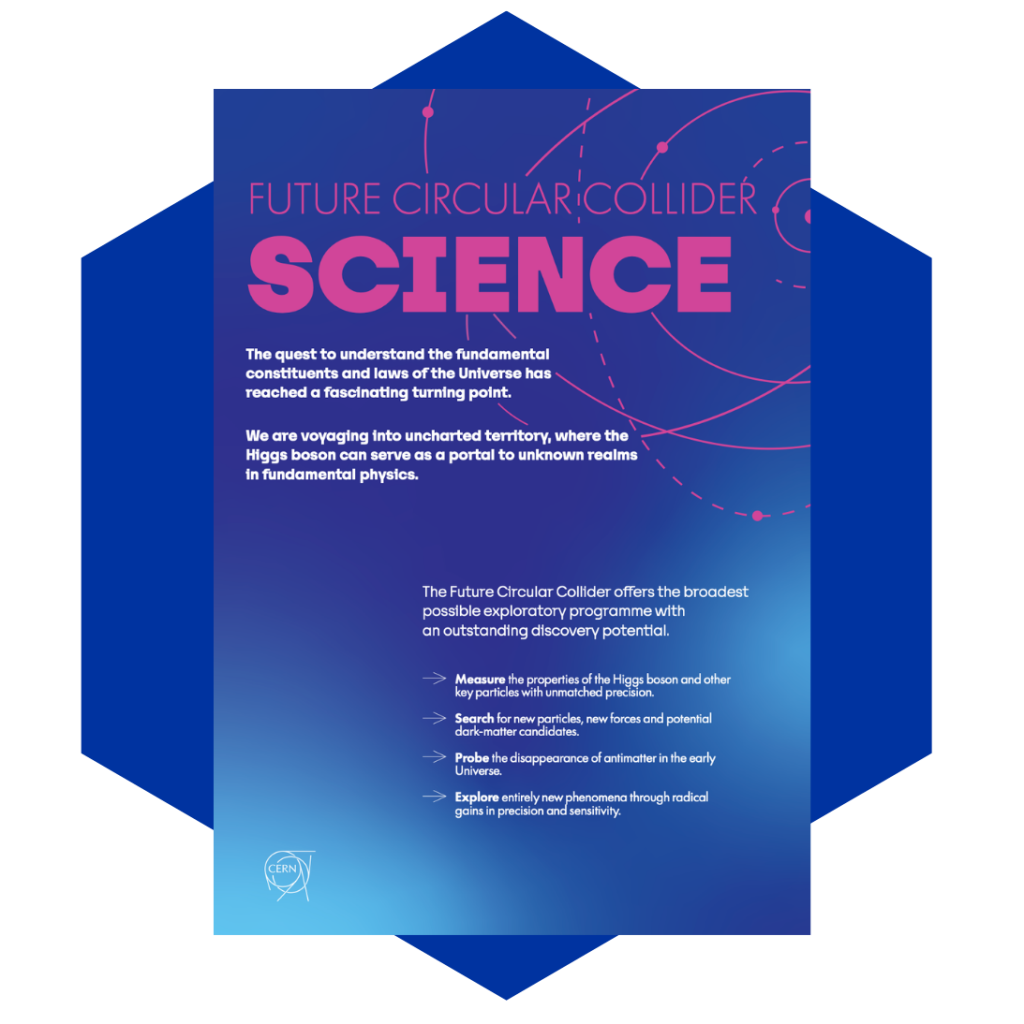
Understanding its fundamental properties is one of the experimental goals of the FCC. It will produce over two million Higgs bosons, so scientists would be able to measure its properties with a level of precision ten times greater than the LHC. Their goal is to find out whether it is truly elementary or hides a deeper structure.
The Higgs boson is connected to many of today’s deepest mysteries in physics. Its study will remain a high-priority activity for experimentalists and theorists for the foreseeable future.
Probing the laws of the Universe
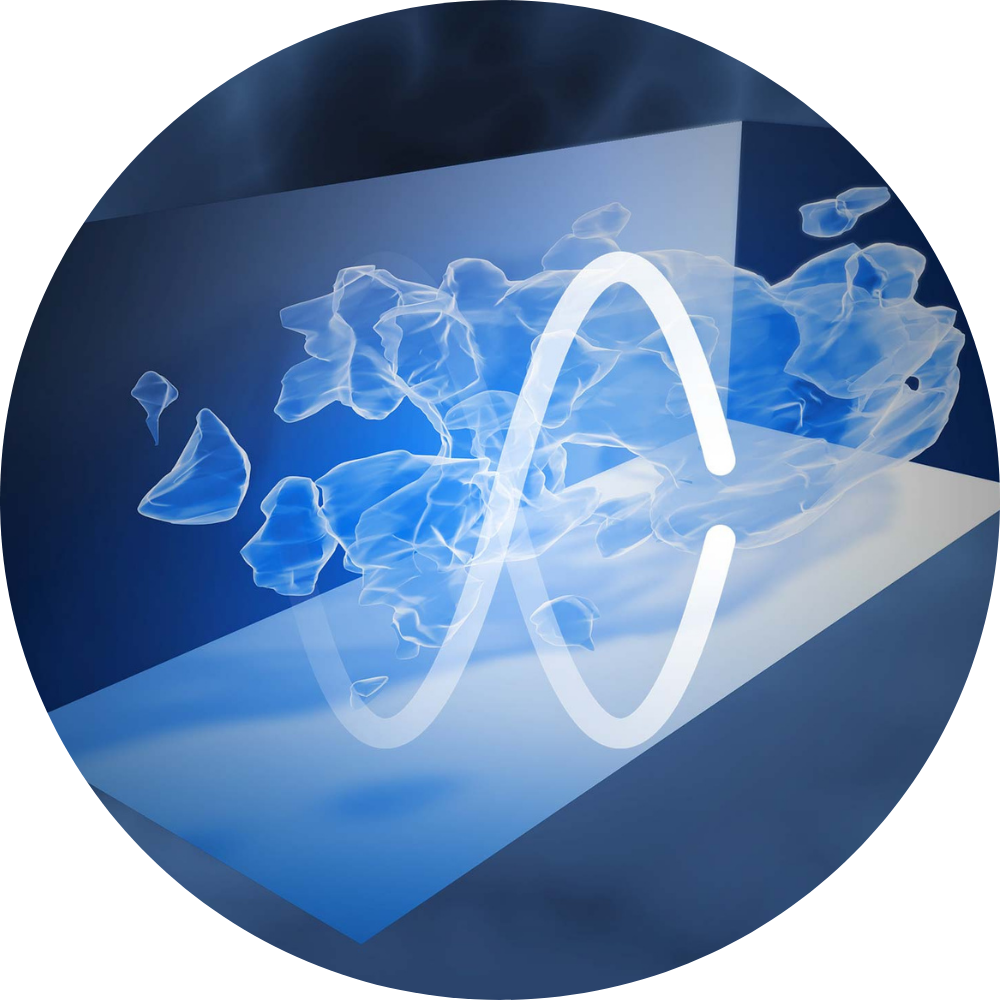
The Standard Model is our best-ever recipe for how the Universe works at the smallest scales. So far, it has passed every scrutiny, and yet we know that it can’t be the whole story. It says nothing about dark matter, can’t explain why the Universe is made of matter rather than antimatter and predicts that neutrinos should be massless (they aren’t). The FCC will allow many ingredients of the Standard Model to be studied with up to 50 times greater precision than before. That way, scientists will be able to find even the tiniest crack that could point to the new, deeper theory we are looking for.
Dark matter – is it out there?
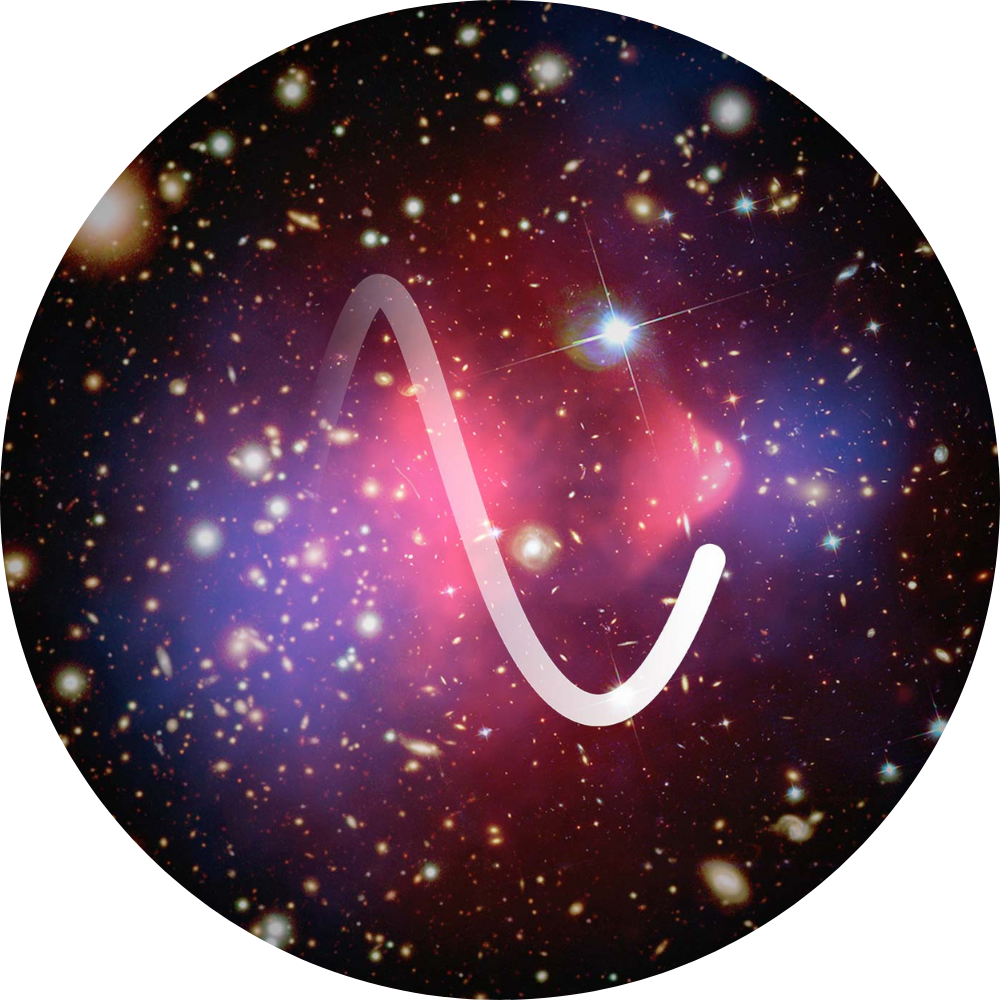
Everything you can see – your body, the Earth, stars, galaxies – accounts for only 5 % of the Universe. Another 27 % is dark matter: it holds galaxies together with its gravitational pull but has never been seen in any lab or by any telescope.
If dark matter is made of as yet undiscovered particles, the FCC’s enormous datasets of trillions of particle decays will give scientists a unique chance of catching them, either by producing them directly or by spotting the “messenger” particles that connect the dark world to ours.
The antimatter problem – why do we exist?
Almost 14 billion years ago, the Big Bang – the event that gave birth to the Universe as we know it – created equal amounts of matter and antimatter. Yet, currently, the Universe is made entirely of matter and its counterpart is nowhere to be seen. The question of where the antimatter disappeared to is one of the biggest open questions. Explaining the origin of the cosmic matter-antimatter asymmetry is a challenge at the forefront of particle physics.
The FCC will give unique and unprecedented insights into particle properties that might explain what happened just after the Big Bang.
Neutrinos and their mysterious mass
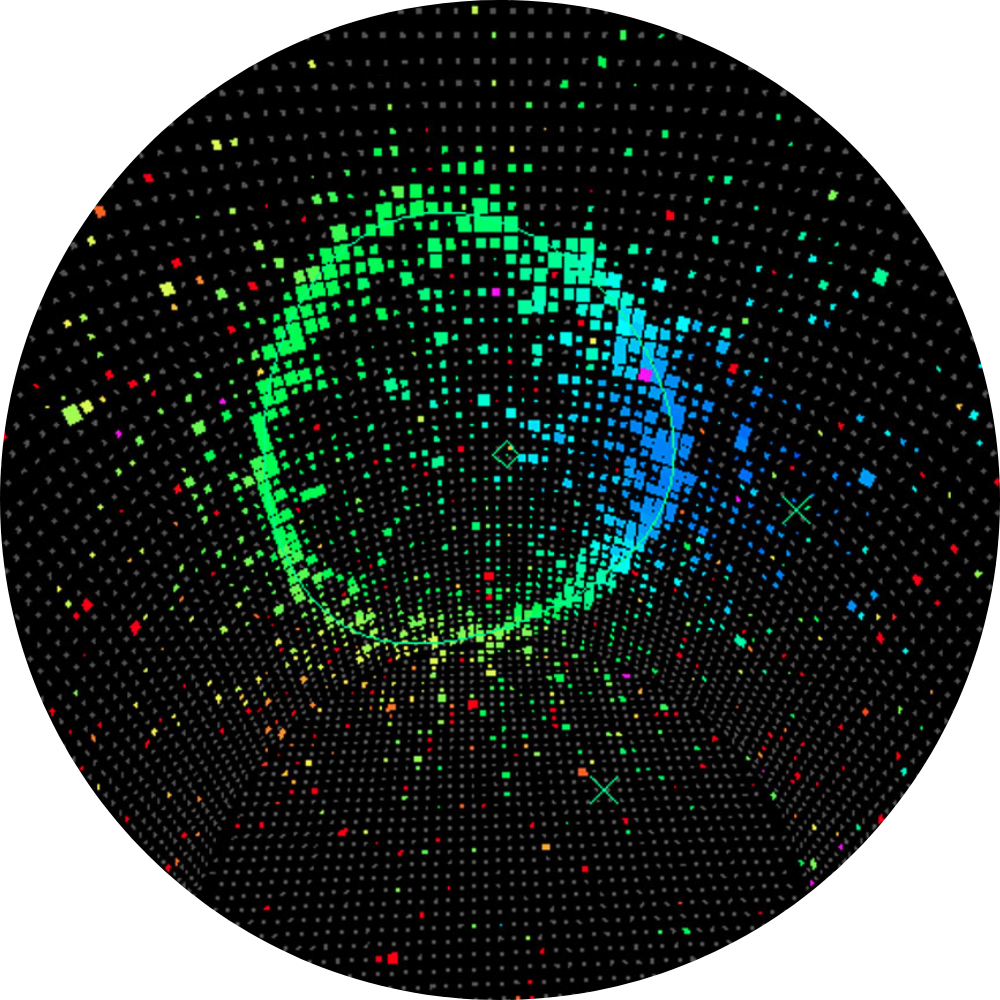
Neutrinos were supposed to be massless – that’s what the Standard Model of particle physics says. The problem is that they are not. This discovery marked the first crack in the Standard Model and earned the people behind it a Nobel Prize in 2015.
The crack isn’t big enough to completely shatter the Standard Model, but we still don’t know why the tiny neutrino masses exist. The FCC, with its extremely precise measurements, would give us the opportunity to shed light on this topic, possibly answering the matter-antimatter mystery at the same time.
Uncharted territory
The FCC could also explore physics associated with the heaviest known particle, the top quark, which plays a fundamental role in our understanding of many processes in the Universe.
High-precision measurements of the top quark offer an excellent strategy for spotting the subtle fingerprints of new physics lurking beyond the Standard Model, the current — but almost certainly incomplete — rulebook of the Universe.