
Tag: ATLAS
-
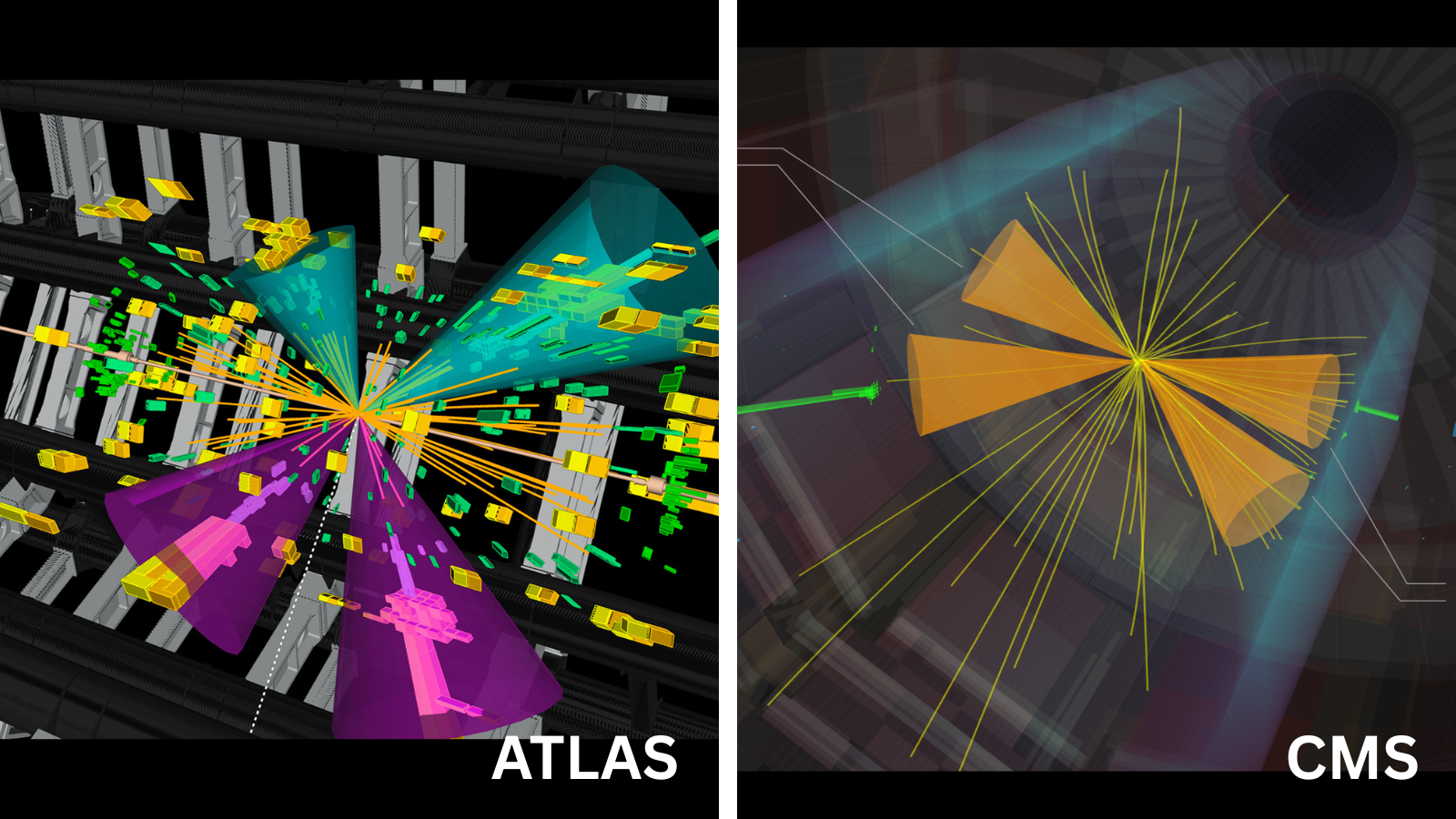
ATLAS and CMS narrow in on double-Higgs production
Finding one Higgs boson was hard enough, but physicists at the Large Hadron Collider (LHC) are hunting for something even more elusive: pairs of Higgs bosons. At the recent International Conference on High Energy Physics 2026, the ATLAS and CMS Collaborations presented new constraints on the double-Higgs production rate, providing insight into how the Higgs
-

Oxygen collisions at the LHC show new indications of extreme state of matter
One year on from the first-ever collisions of oxygen at the Large Hadron Collider (LHC), the main LHC Collaborations – ALICE, ATLAS, CMS and LHCb – have each reported signs of the state of matter known as quark–gluon plasma (QGP) originating from these collisions. QGP is a state of matter that forms under intense pressure
-
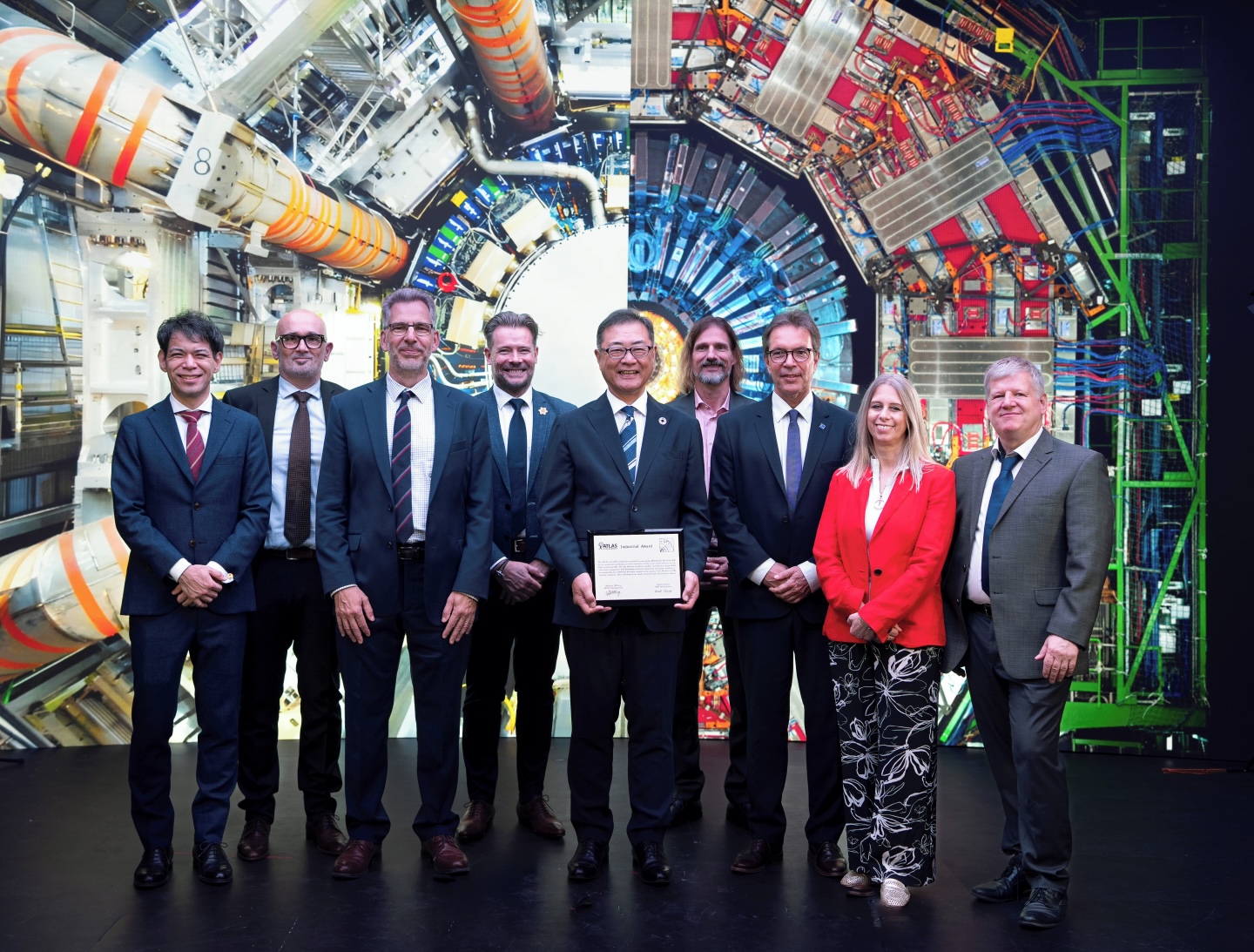
ATLAS and CMS recognise longstanding industrial partner Hamamatsu Photonics K.K.
With this award, the ATLAS and CMS Collaborations recognise the crucial role Hamamatsu Photonics K.K. has played in the development and production of advanced technologies, as well as the ongoing, deeply rooted partnership that has been established with both experiments over many years. Through this close collaboration, Hamamatsu Photonics has made exceptional contributions to the
-
Efficiency meets environmental responsibility: commissioning CERN’s primary CO₂ cooling circuit
The ATLAS and CMS detectors require ultra-low, stable temperatures to protect their sensitive electronics. Traditional cooling systems rely on synthetic refrigerants like hydrofluorocarbons (HFCs), which, while effective, have a global warming potential thousands of times greater than CO₂. Seeking a sustainable alternative, CERN has turned to CO₂ itself – a natural refrigerant with a far
-
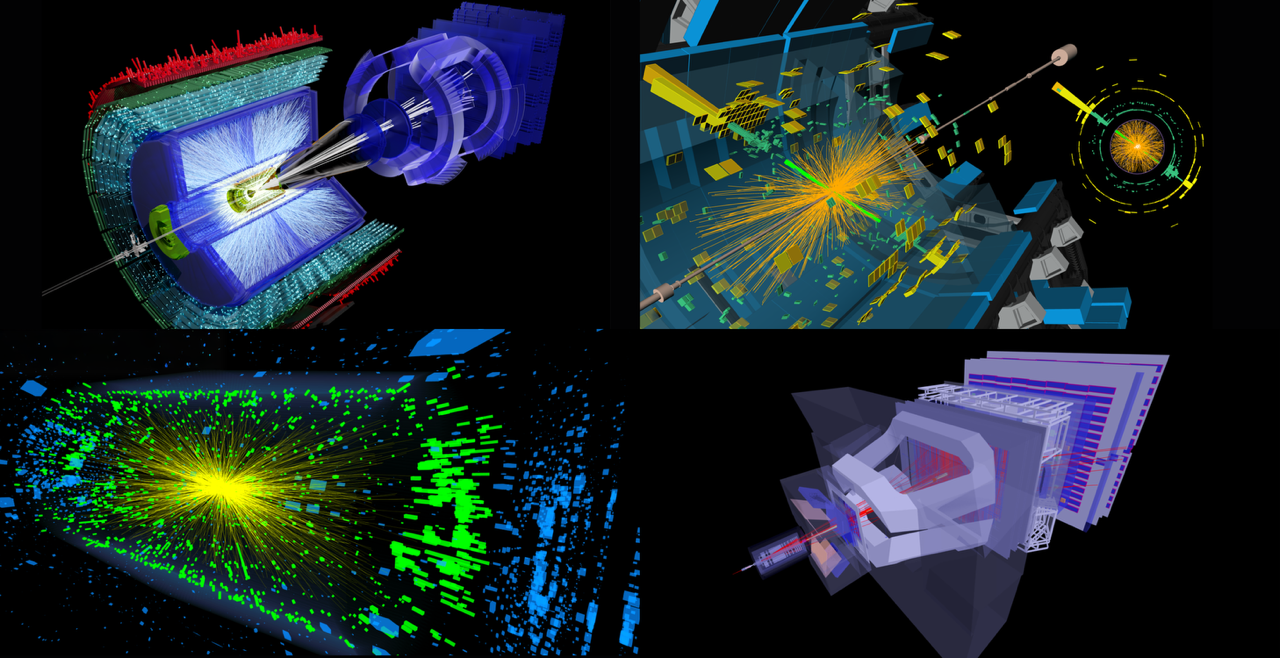
Final collisions, new horizons
In the early hours of Sunday, 14 June, the experiments at the Large Hadron Collider (LHC) had their last hurrah. In the control rooms of ALICE, ATLAS, CMS and LHCb – the four major experiments at the accelerator – scientists watched the final collisions burst across their screens like colourful fireworks. The collisions for physics
-
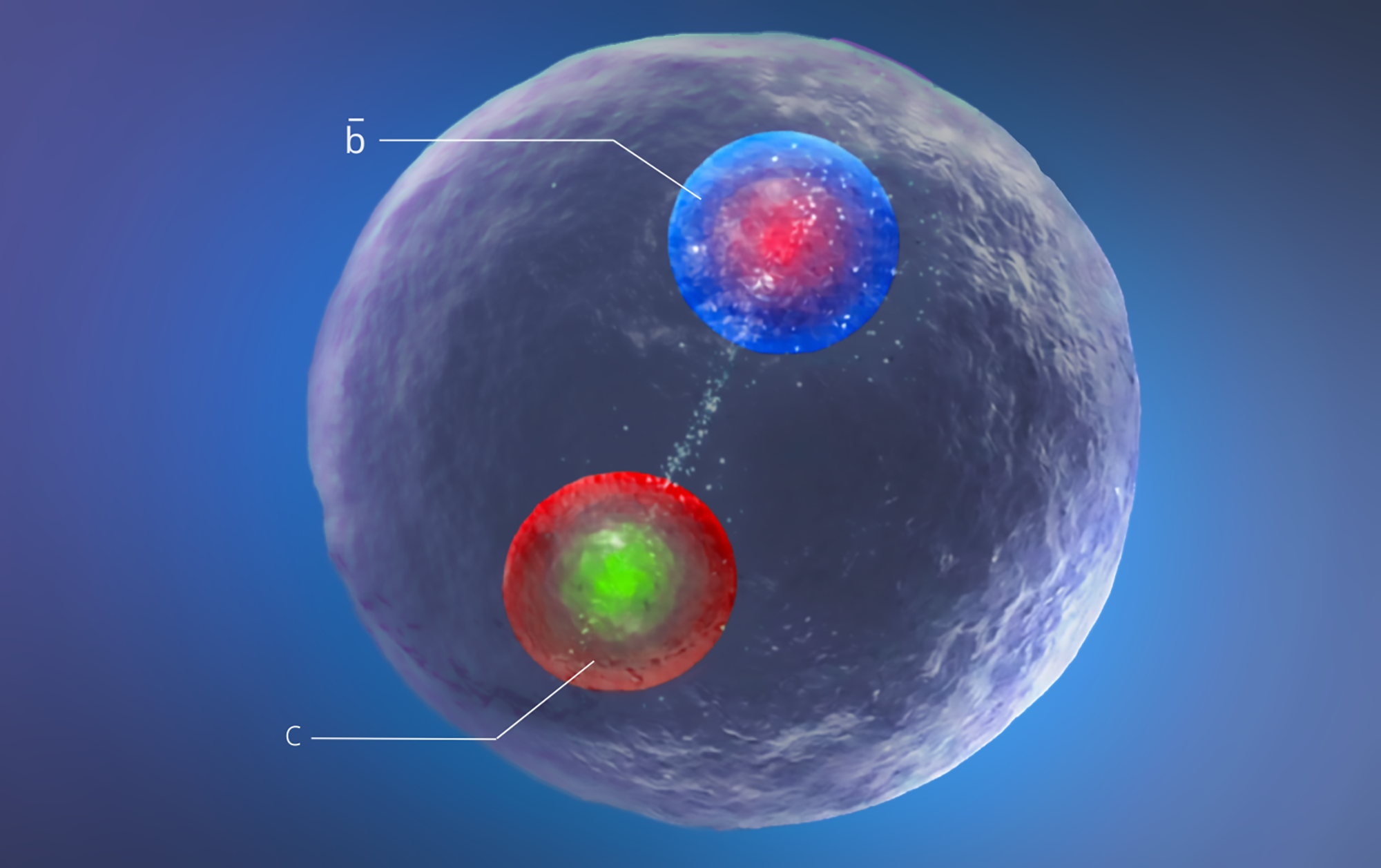
ATLAS observes new composite particle
Physicists from the ATLAS Collaboration reported the first observation of a new particle.
-
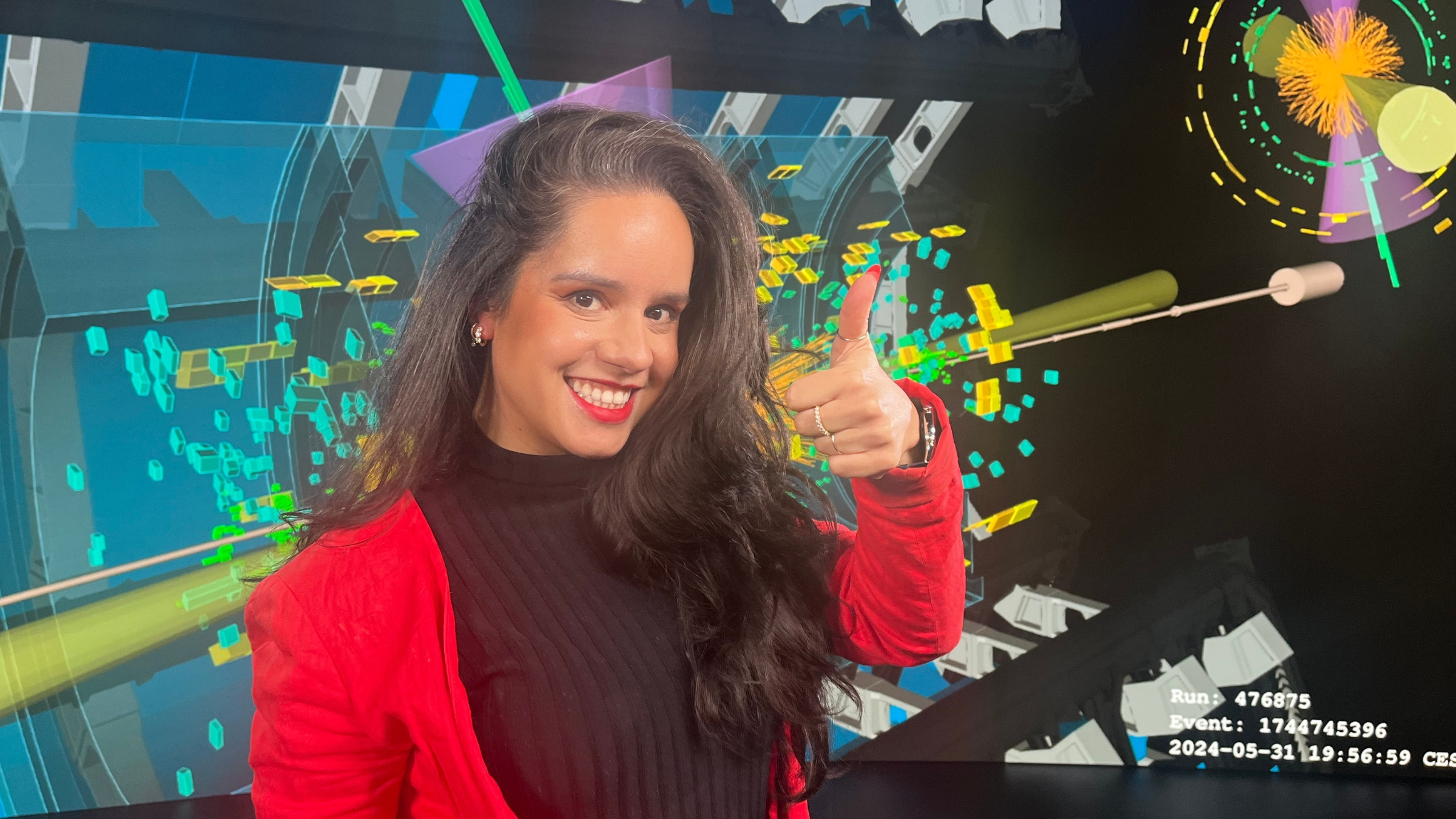
Cloudy with a chance of muons
When you want to capture an important moment in your life, you often take a photo. You could write down the key details instead – who you were with, where you were, the time of day – but this information might not be as impactful as a picture of the event. Physicists like to record
-
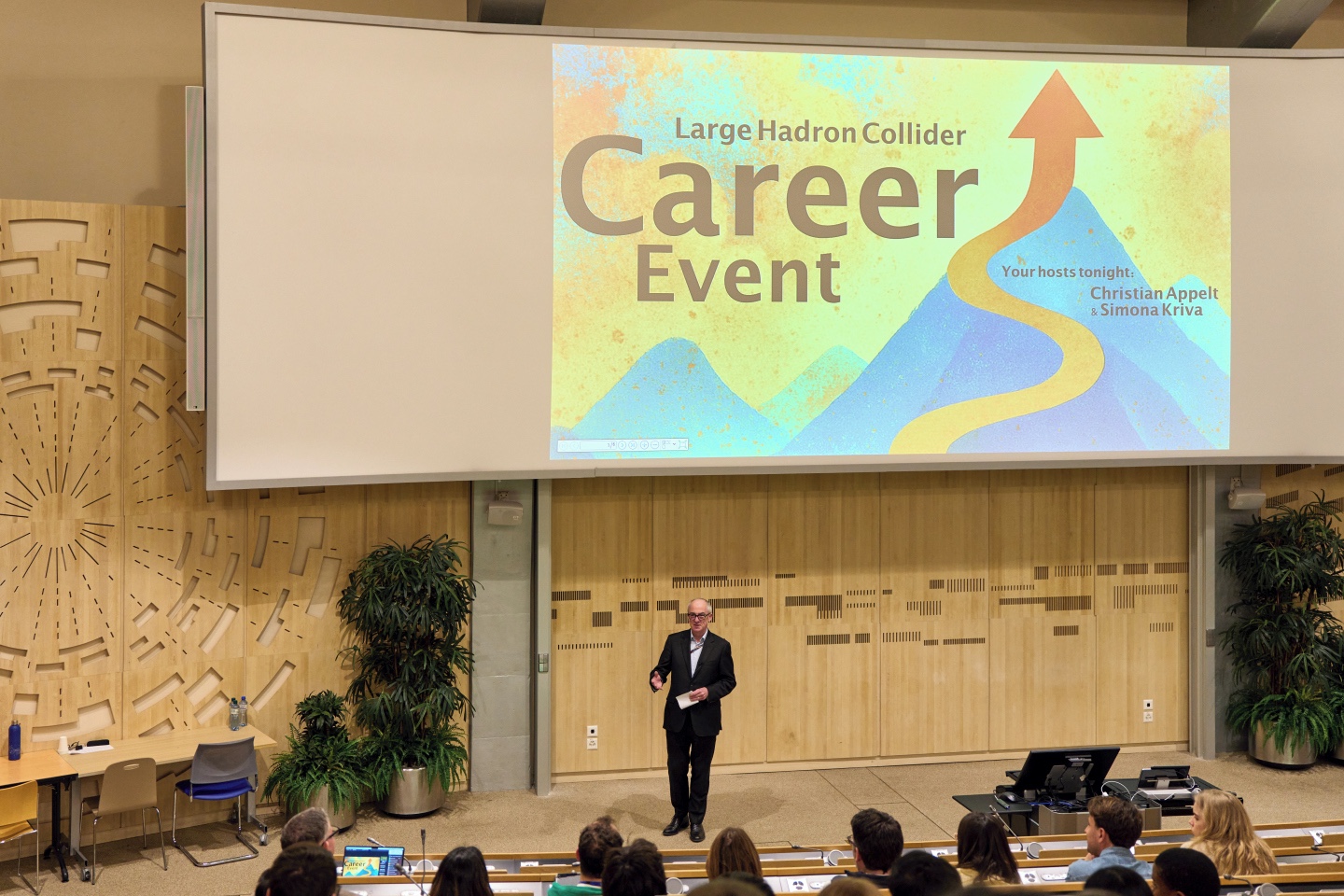
Supporting early careers beyond CERN
The CERN Alumni Network aims to provide those who have left the Laboratory with a means of keeping in touch with CERN and with each other. This mission begins at CERN, as the network supports soon-to-be alumni in their transition. Each year, many people transition beyond CERN, often into industry – a move that presents
-
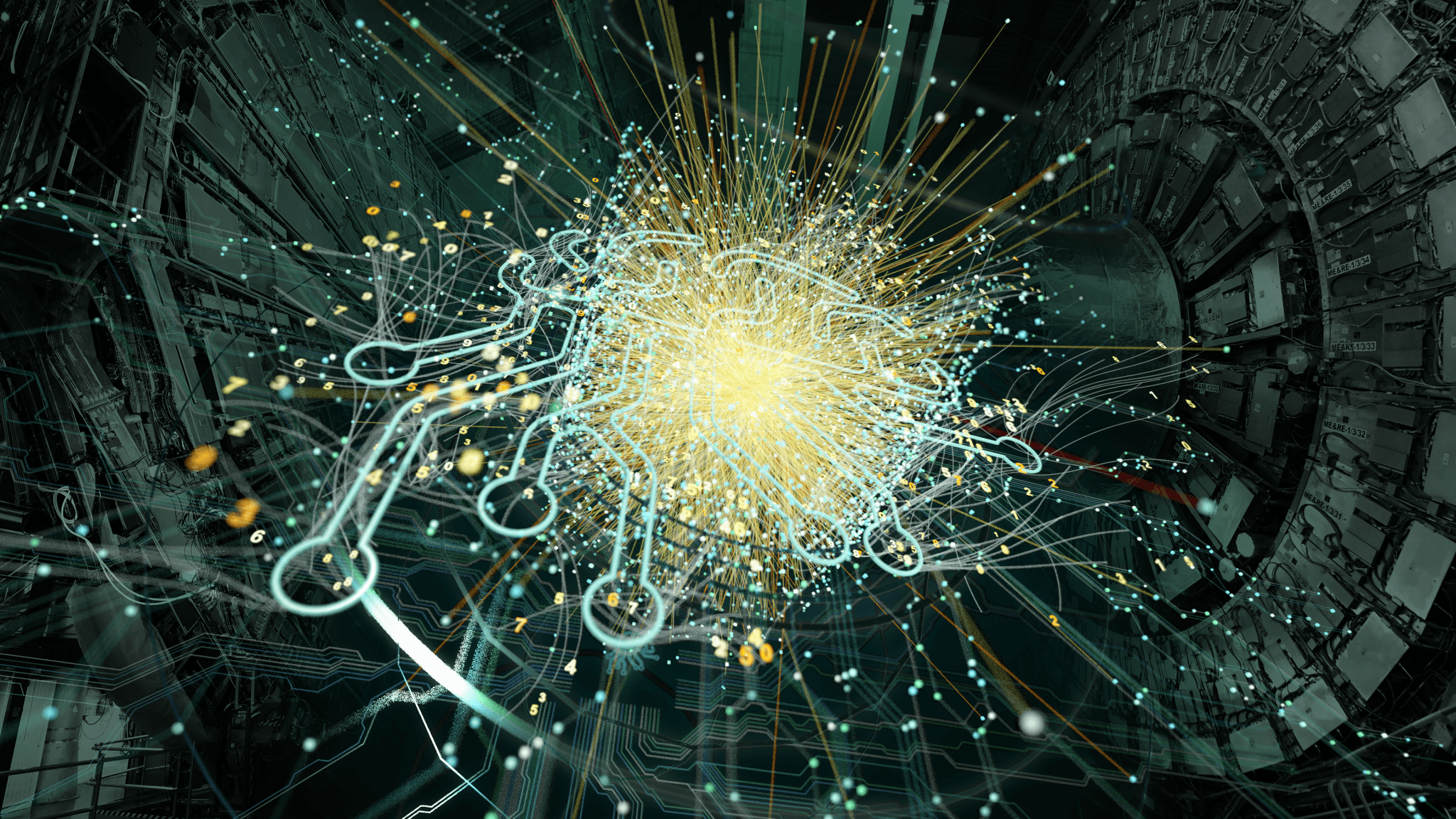
Smarter decisions at the speed of physics
Smart and fast decision making is key when dealing with the onslaught of collisions at the LHC. At the High-Luminosity LHC (HiLumi LHC), the ATLAS and CMS experiments are expected to process detector data at rates corresponding to roughly a quarter of the 2025 global internet traffic. All in real time, as part of the
-
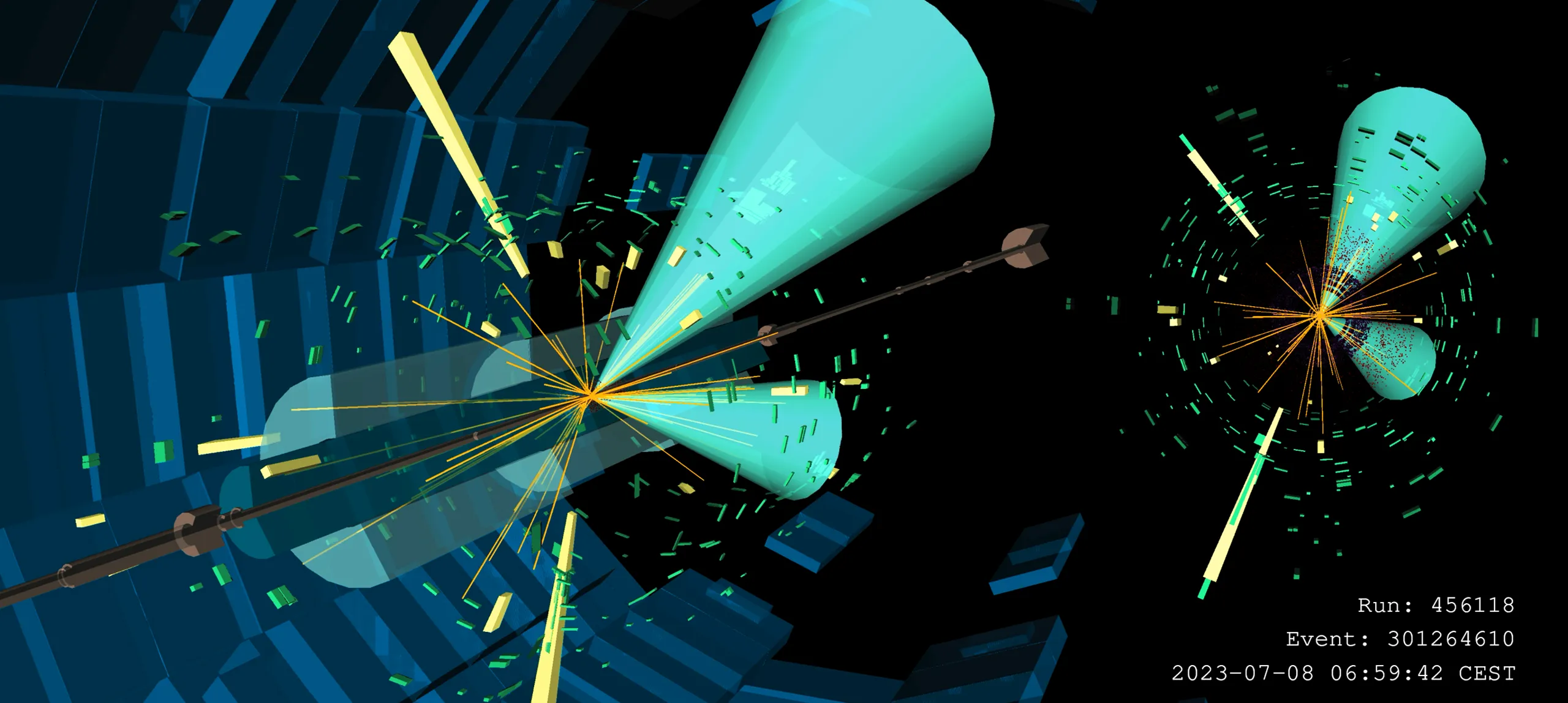
ATLAS sets record limits on Higgs boson’s self-interaction
The result is based on over 300 inverse femtobarns of proton–proton collision data, which is equivalent to 30 000 trillion collisions