
Impact
An investment that pays off
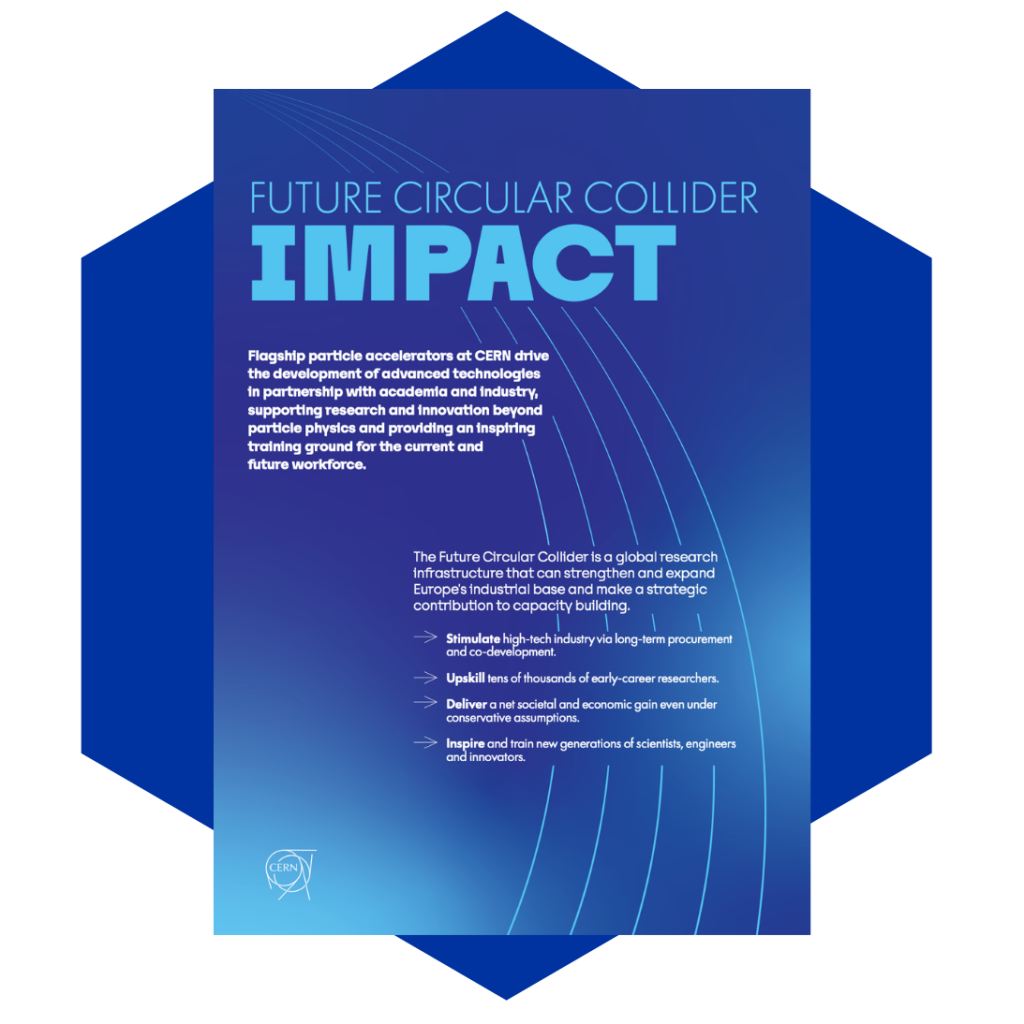
Apart from pushing the boundaries of human knowledge, CERN’s accelerators also bring direct benefits to society as a whole, to European industry and to the local economy. CERN’s partnerships with industry, its mission to train the next generation of scientists, engineers and technicians and its industrial partnerships already generate substantial value for Europe.
The FCC, through decades of construction and operation, will:
- train thousands of early-career scientists, engineers and technicians each year,
- stimulate high-tech industry via long-term procurement and co-development,
- deliver a positive cost-benefit ratio, even under conservative assumptions
A study by WIFO (2025) shows that, on average, CERN’s procurement of goods and services generates approximately 680 million CHF in direct, indirect and induced economic value annually. These effects are due to investments in new infrastructure and equipment, taxes, social contributions and regional household spending.
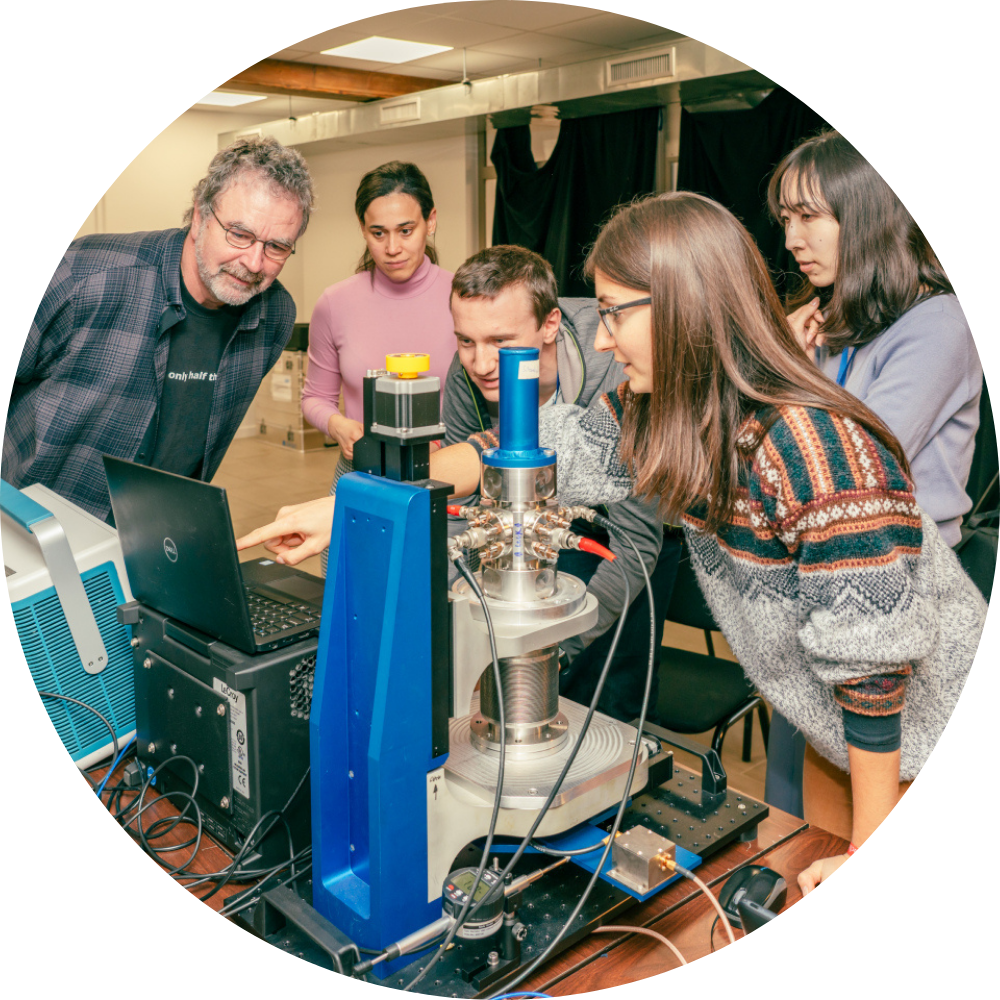
Training the next generation
At any given moment, CERN is training over 5500 students, technicians and early-career researchers across a large spectrum of competencies. Most of them subsequently move into industry, applied science and public institutions.
The FCC will extend this high-value skills pipeline throughout the 21st century, forming a key pillar of Europe’s STEM workforce and innovation ecosystem.
Opportunities for European industry
CERN currently spends around 500 million CHF per year with European high-tech suppliers through competitive contracts and co-development. Over 6000 companies across Europe have been involved in past flagship projects such as the LHC.
As a high-tech lab with the world’s largest and most powerful particle accelerators, CERN requires many technologies that do not yet exist. It often develops these technologies in house in collaboration with industries in the respective domain. CERN’s specifications may be demanding, but they also enhance the companies’ growth, quality, innovation and reputation. The competencies gained are then passed down the line to other companies, fields and clients.
CERN’s partnerships with universities, institutes and industries in all of its Member States build durable transnational value chains and foster scientific and technological capacity in all participating countries. The FCC will be developed under CERN’s leadership, with coordinated contributions from other large laboratories. Shared technology platforms will enhance Europe’s strategic capabilities and strengthen its research and technology ecosystem.
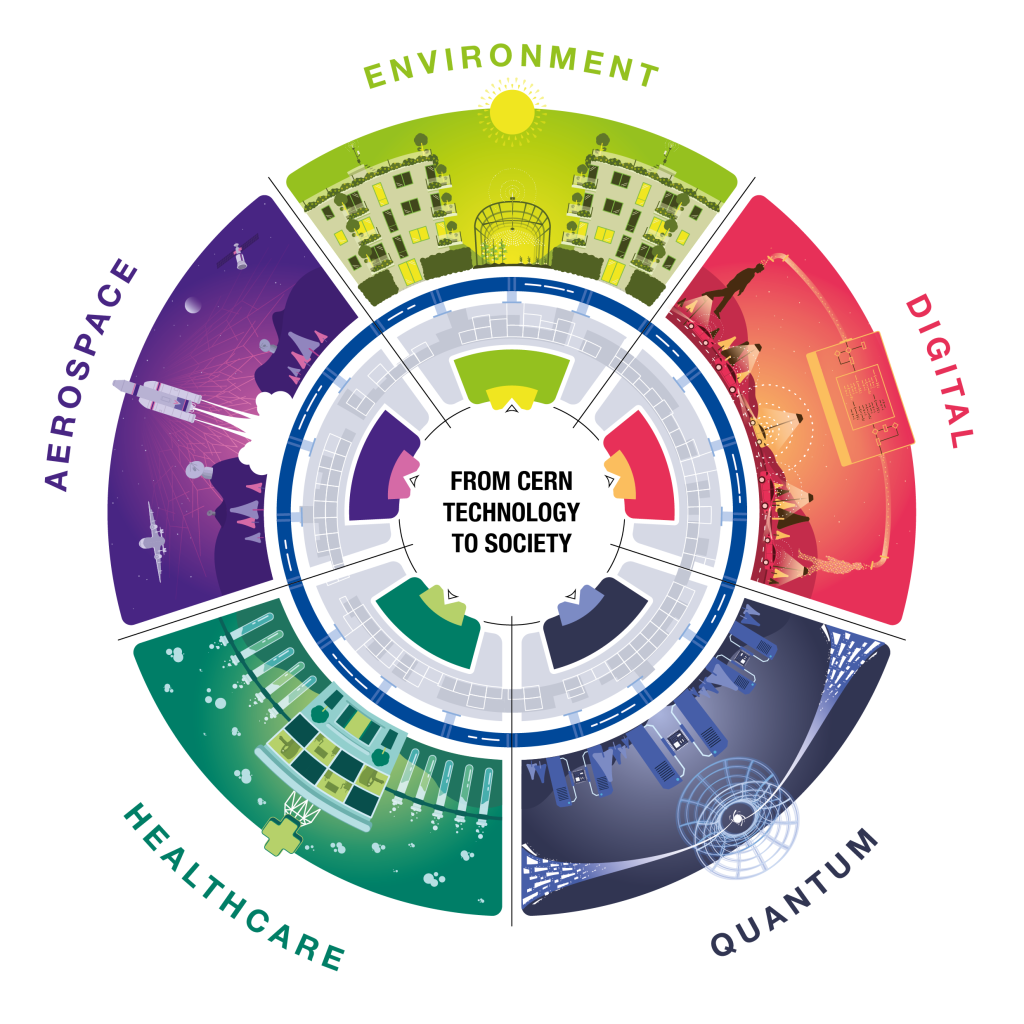
Examples of CERN’s contributions to society
The scientific advancements of CERN push back the frontiers of technology. The best-known CERN technology is the World Wide Web, originally invented to allow scientists to share information. Equally revolutionary is the CERN-developed Computing Grid, which harnesses the power of computers around the world.
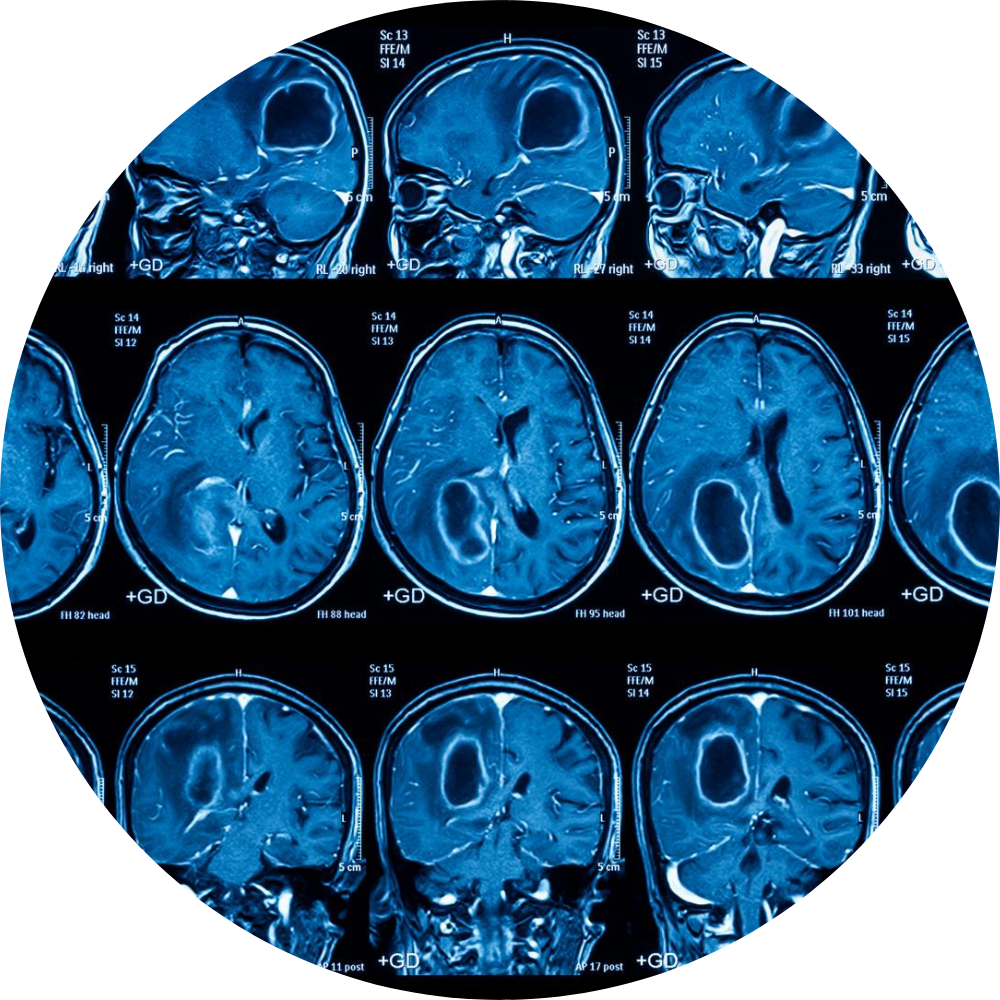
CERN’s basic tools – particle accelerators and detectors – also have applications in everyday life. Thousands of particle accelerators are in operation in the world today, used for applications ranging from medical diagnosis and therapy to computer chip manufacture.
Read more about CERN’s impact on society