
Category: Computing
-

Computer Security: Uninvited nastiness
Nobody likes an uninvited guest. The mouse crossing the kitchen floor. The spider scuttling across the blanket. The wild boar uprooting the garden. The snake swimming in the pool. The moth flying through the closet. The unpleasant uncle spoiling a really splendidly amusing party… Or those uninvited idiots crashing a Zoom meeting. An actual instance
-

CERN and Mistral join forces to accelerate AI for science
CERN, the European Laboratory for Particle Physics, and Mistral, a European developer of large-scale AI models, have signed a statement of intent to establish a long-term strategic partnership focused on developing foundation models for scientific discovery. The partnership brings together CERN’s expertise in fundamental physics, scientific data and large-scale computing with Mistral’s leadership in large-scale
-
Computer Security: 2FA to the TechNet
The two-factor authentication (2FA) roll-out is now complete for the CERN Single Sign-On, the Linux interactive service (LXPLUS) and the Windows Terminal Server (WTS) gateways (also known as CERNTS). With the addition of the new eduVPN service, all major remote accesses to CERN’s IT services and the CERN Campus network are now properly protected by
-
C++ creator talks about the future of programming
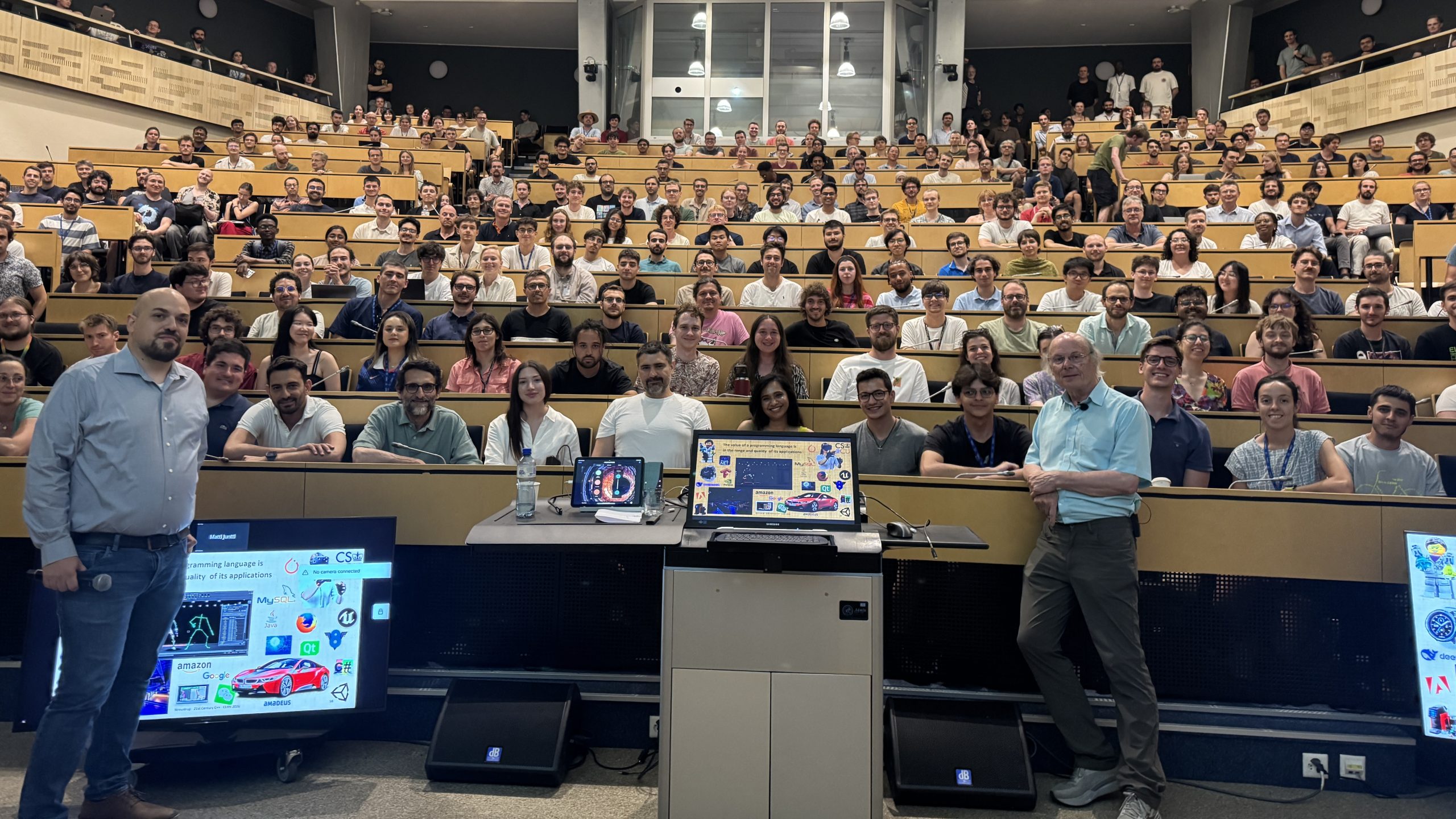
Behind the scenes of CERN’s accelerators and detectors, millions of lines of code help turn particle collisions into scientific knowledge. One of the programming languages behind that work is C++, used to control detectors, process data and simulate particle interactions. On 14 July, its creator, Bjarne Stroustrup, filled CERN’s Main Auditorium for his seminar 21st
-
CERN’s AI innovation recognised at Digital@UNGA Awards 2026
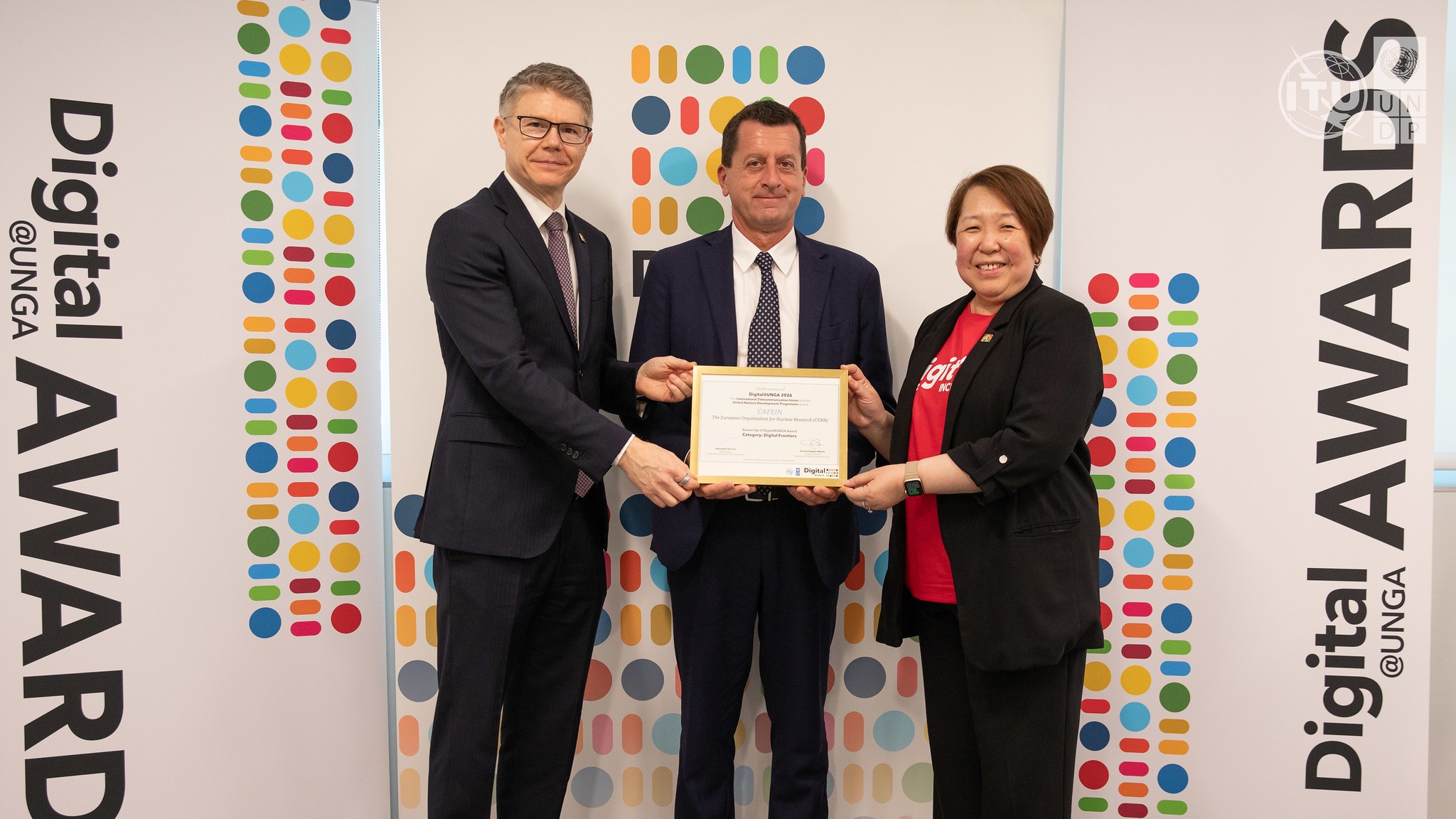
CAFEIN®, CERN’s federated learning artificial intelligence (AI) platform, has been recognised as runner-up in the Digital Frontiers category at the Digital@UNGA Awards 2026. The award celebrates pioneering initiatives that responsibly use emerging technologies to address global challenges and contribute to a more inclusive digital future. Originally developed at CERN to respond efficiently to the complex data challenges of particle
-
Computer Security: The road to SBOM
The SBOM (short for “Software Bill of Materials”) gets a bad rap in IT. As full (and often enormous) inventories of components, libraries and packages, SBOMs are complicated to set up and therefore no one is a big fan of them. Instead, many IT managers try to avoid them altogether. This is unfortunate as SBOMs
-
Computer Security: Kids at the keyboard
Last weekend, while the sun was shining brightly, nature was flourishing in all its colours, flavours and scents and hundreds of birds were chirping their favourite tunes, I decided to go for a stroll with my dog. A nice two-hour walk in the vineyards around CERN, hiking up the Jura, enjoying the view and returning
-
Computer Security: Hot Review Summer, Cool Deployment Autumn
This summer has seen a plethora of different assessments of the Organization’s security posture and stance. While an external vulnerability scan of CERN’s Internet presence and a red-teaming penetration test are still ongoing, the Computer Security Office, in collaboration with the IT Department, is continuing to mitigate the findings of the 2023 cybersecurity audit, the
-
Computer Security: AI – Game over, mankind?
With the more and more prevalent use of agentic AI, i.e. programmed agents acting and working on our behalf, and in a fully interconnected world, i.e. us living in symbiosis with the Internet, smartphones and control systems, how far-fetched is it that humans can actually become a threat to an AI system such that it
-
Training the world’s future quantum experts
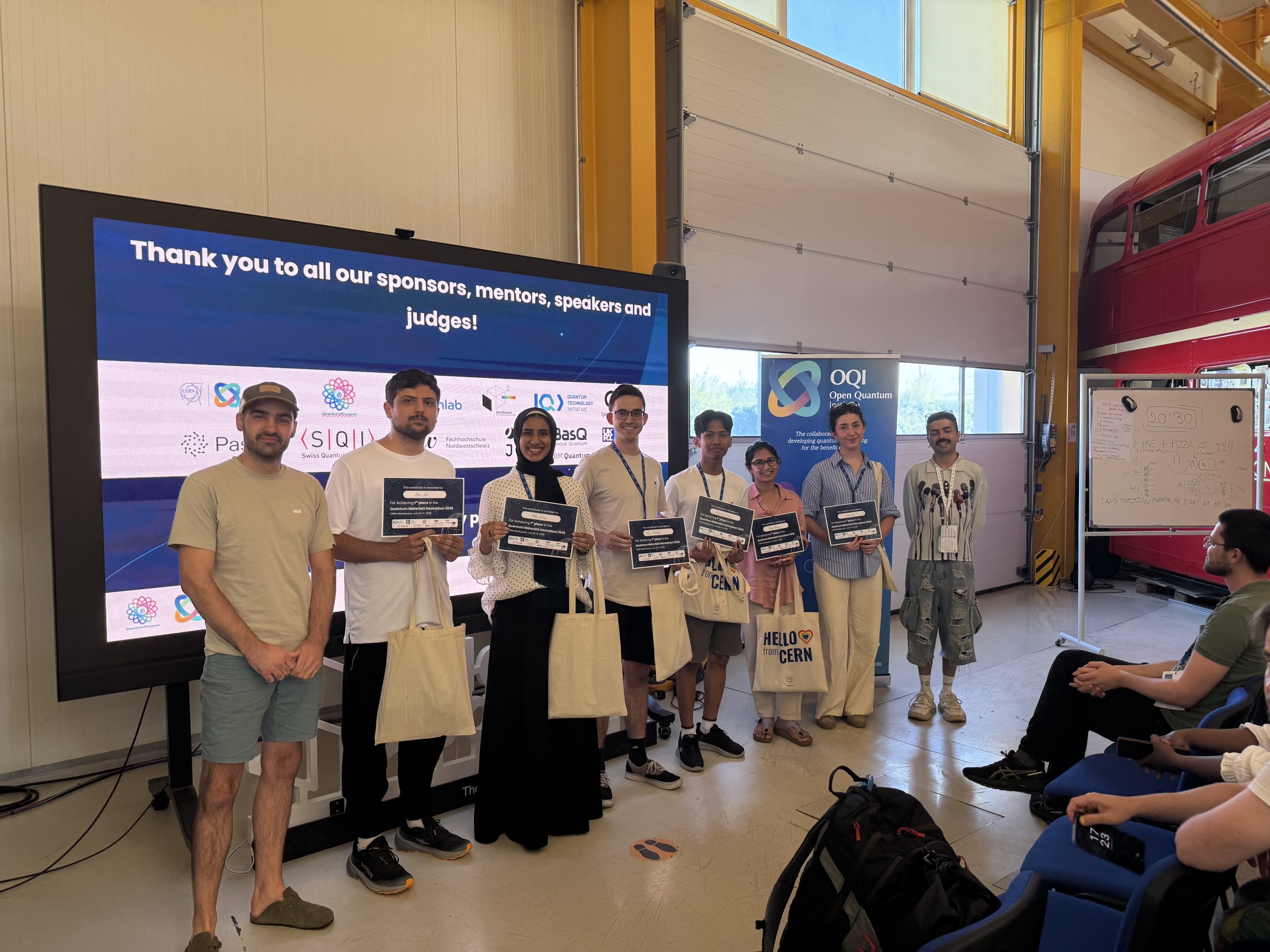
From 10 to 12 July 2026, CERN hosted the second edition of the Quantum Materials Hackathon at CERN’s IdeaSquare, which brought together 34 students of over 30 nationalities. The students used quantum computing hardware and simulators to tackle real-world problems, guided by mentors from industry and the research community. Quantum materials are particularly important at CERN, as many of the