
Tag: General public
-
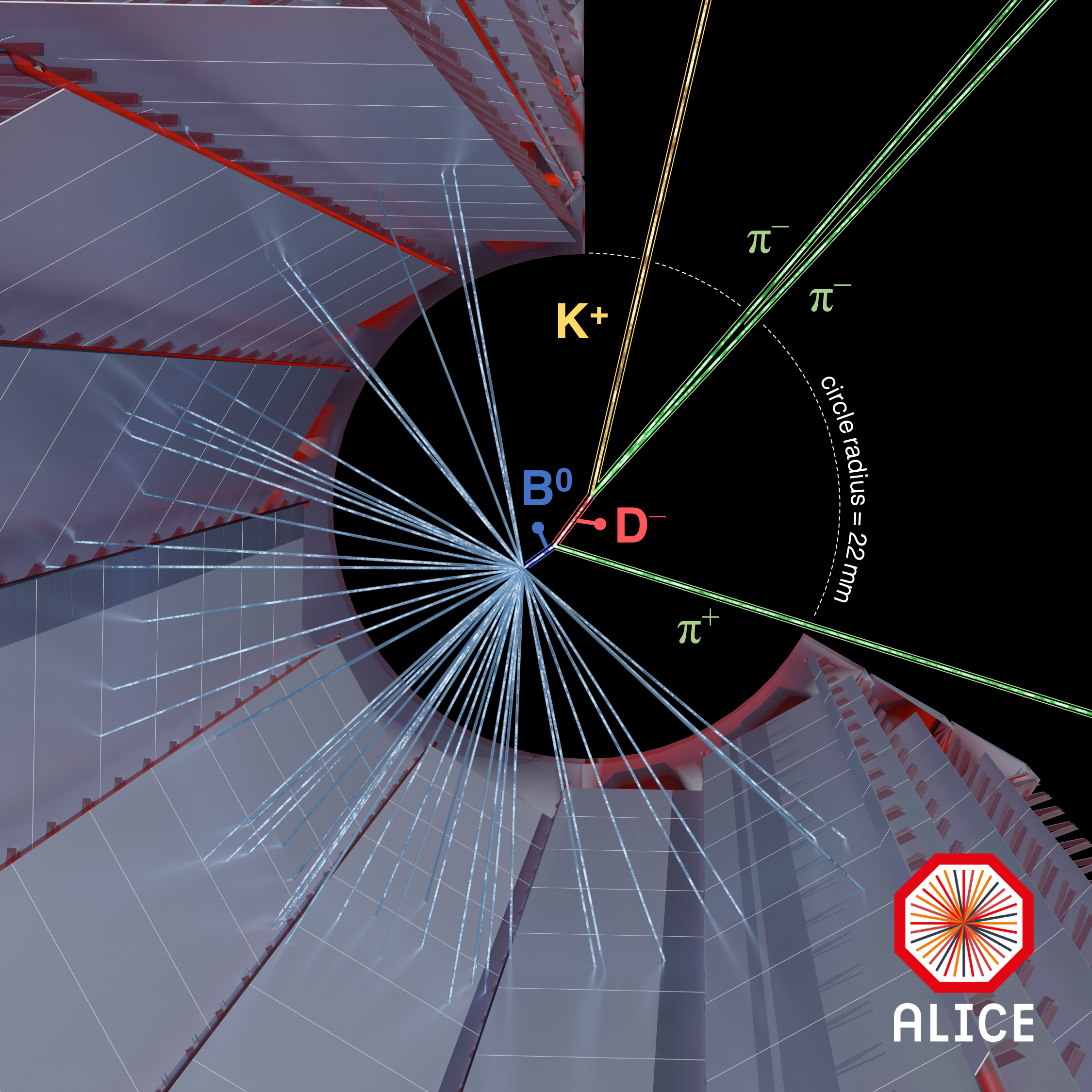
ALICE’s upgraded detector showcases its beauty
The ALICE Collaboration has performed the first LHC measurement of beauty-quark production in a previously unexplored momentum range
-
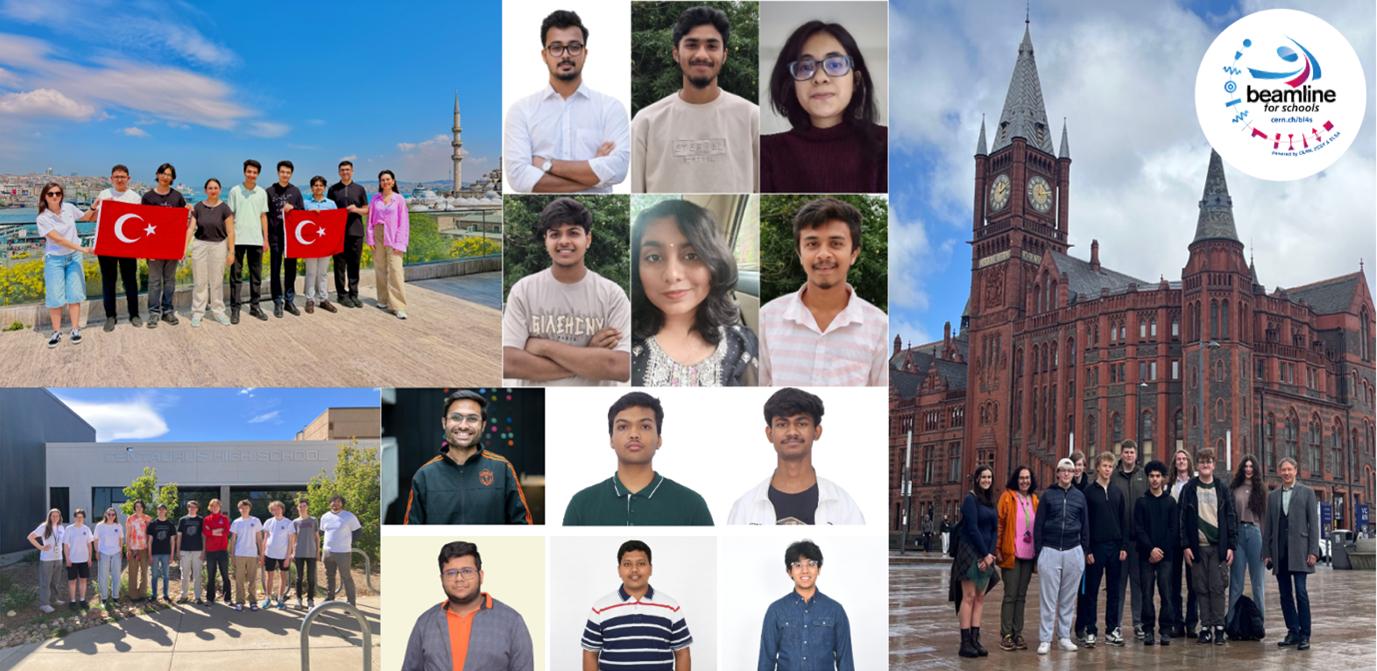
Students from Bangladesh, India, Türkiye, the UK and the USA win the 13th edition of Beamline for Schools
The winners of the 13th edition of the Beamline for Schools (BL4S) competition have been selected. BL4S is a physics competition that was initiated by CERN, the European Laboratory for Particle Physics, and is open to secondary school pupils from all around the world. Participants are invited to submit a proposal for a physics experiment to be undertaken
-
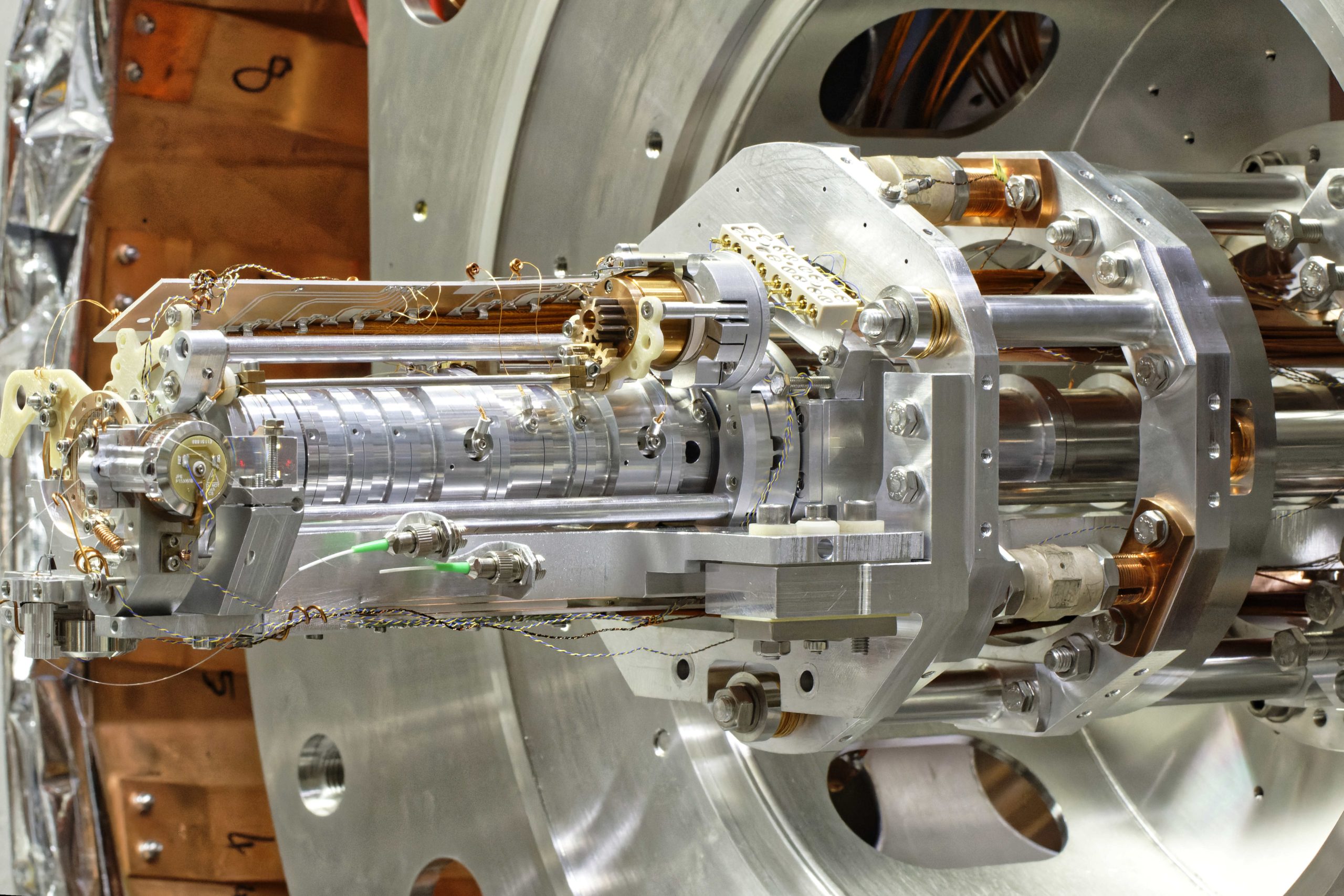
Getting under the skin of atomic nuclei using antimatter
Researchers at the AEgIS experiment have piloted a new method to delve into the heart of atoms. This proof-of-principle study, recently reported in Physical Review Research, shows how antiprotons – the antimatter counterparts of protons – could be used to probe the outer edges of a wider range of atomic nuclei. And with CERN’s recent
-
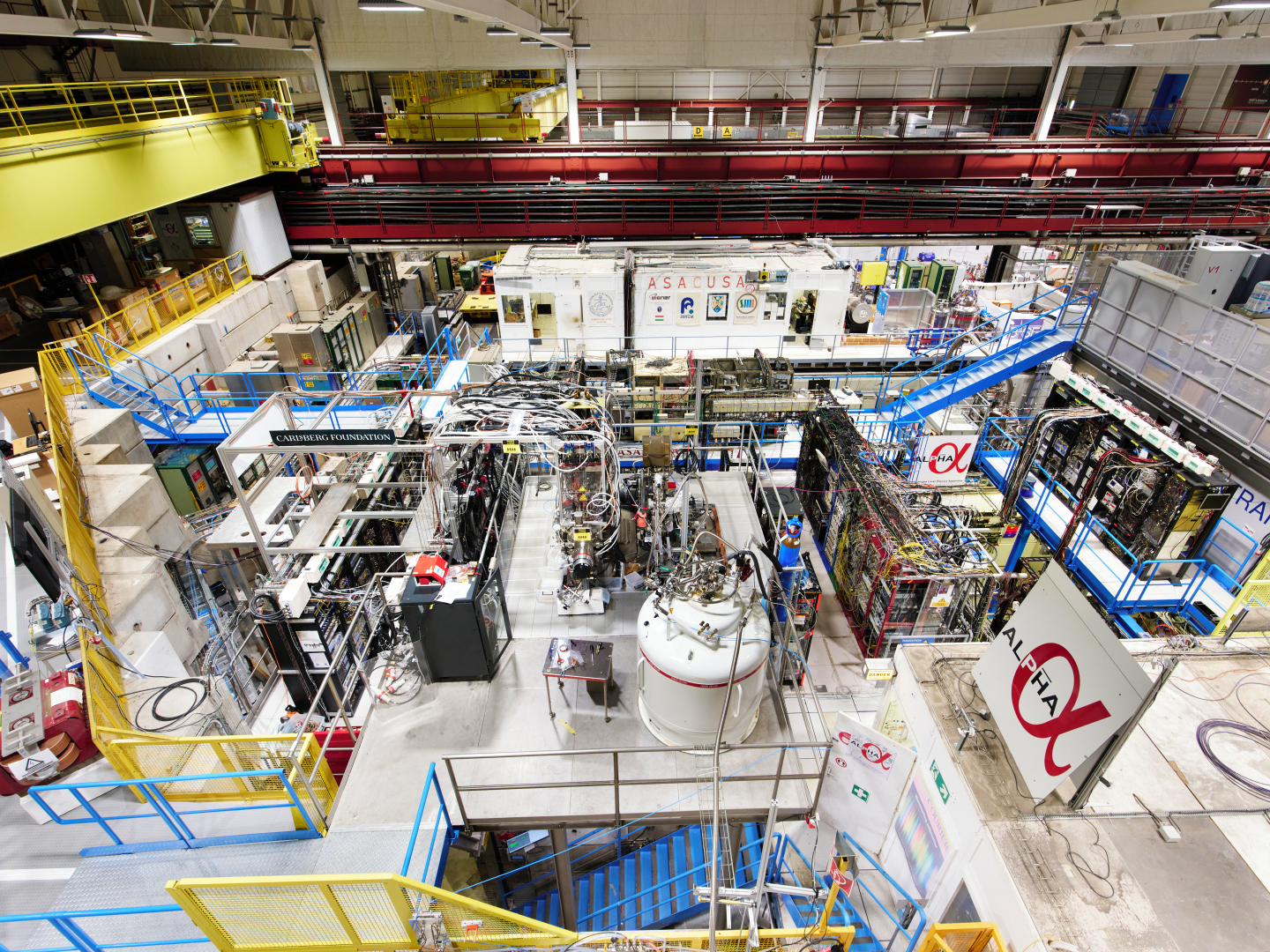
ALPHA measures tiny energy gap in antimatter with improved precision
Researchers at the ALPHA experiment have achieved a hundredfold improvement in their measurement of a feature of the antimatter counterpart of the hydrogen atom. The result, published today in Nature, allows a precise comparison of hydrogen and antihydrogen. In this study, the ALPHA Collaboration measured the ground-state hyperfine splitting of the antihydrogen atom, which comprises
-
The CERN Council decided to update the European Strategy for Particle Physics
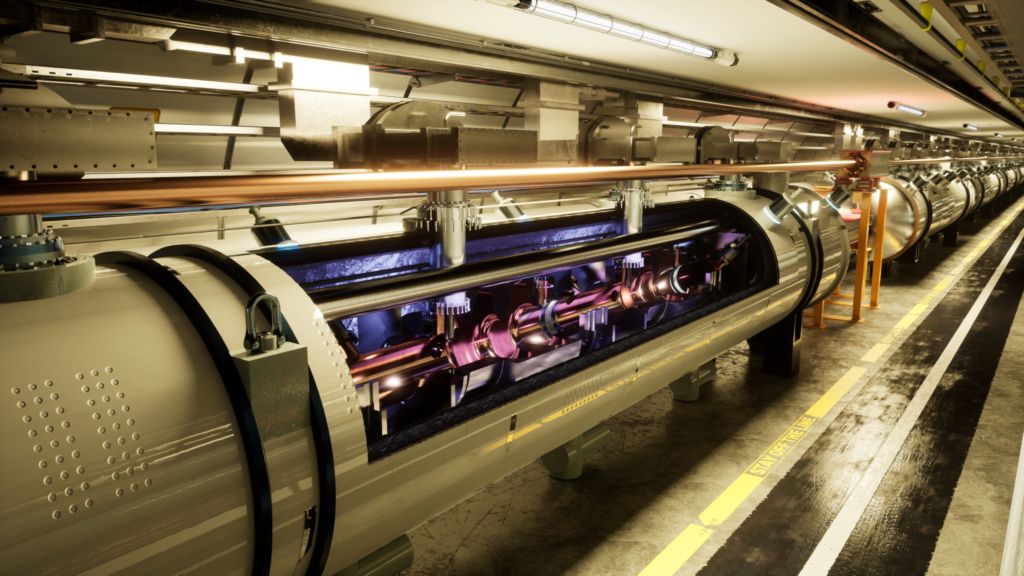
Today, following more than two years of intense work of the European particle physics community under the auspices of the European Strategy Group, the CERN Council updated the European Strategy for Particle Physics, which sets out an ambitious scientific vision for the field. The 2026 Strategy update offers a clear path to maintain European leadership
-
ATLAS observes new composite particle
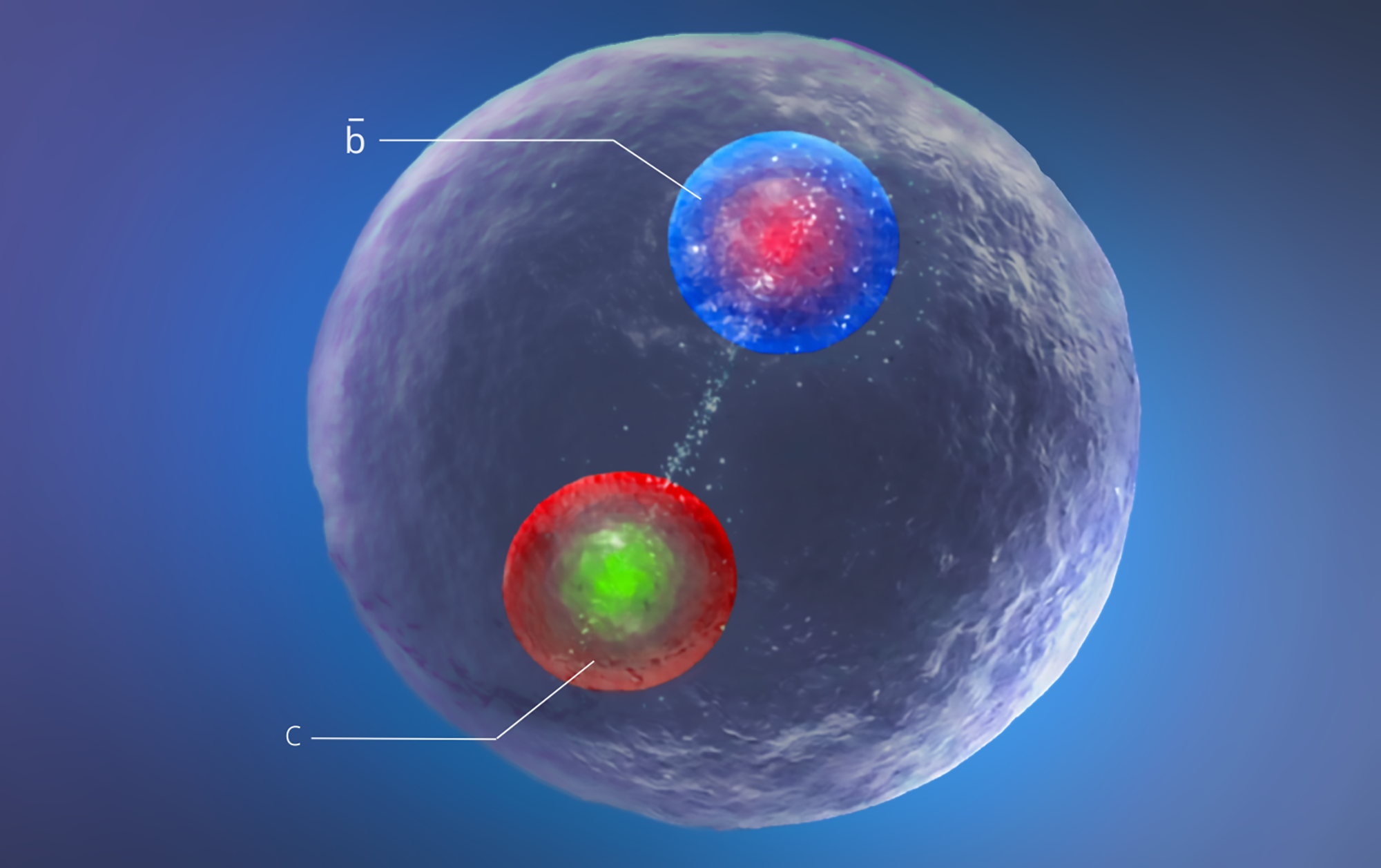
Physicists from the ATLAS Collaboration reported the first observation of a new particle.
-
Cloudy with a chance of muons
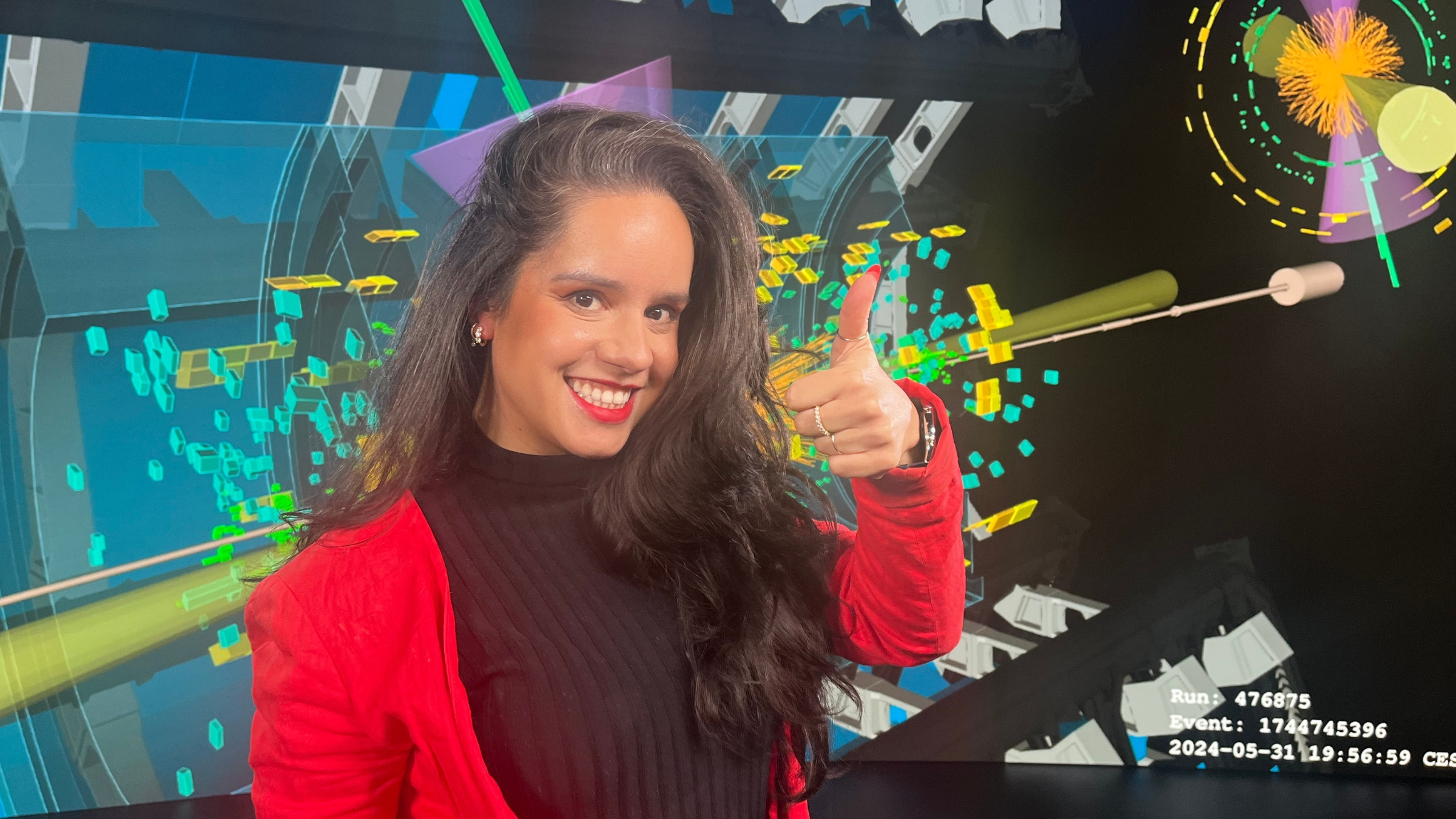
When you want to capture an important moment in your life, you often take a photo. You could write down the key details instead – who you were with, where you were, the time of day – but this information might not be as impactful as a picture of the event. Physicists like to record
-

The public consultation process for the Future Circular Collider (FCC) project begins in Switzerland and France
The public consultation process for the CERN-led Future Circular Collider (FCC) project will soon begin in Switzerland and France. These four months of exchanges and dialogue with the public are part of the preparations for a final decision on the project. As the CERN Council, comprising representatives of all the Organization’s Member States, prepares to update the European Strategy
-
Smarter decisions at the speed of physics
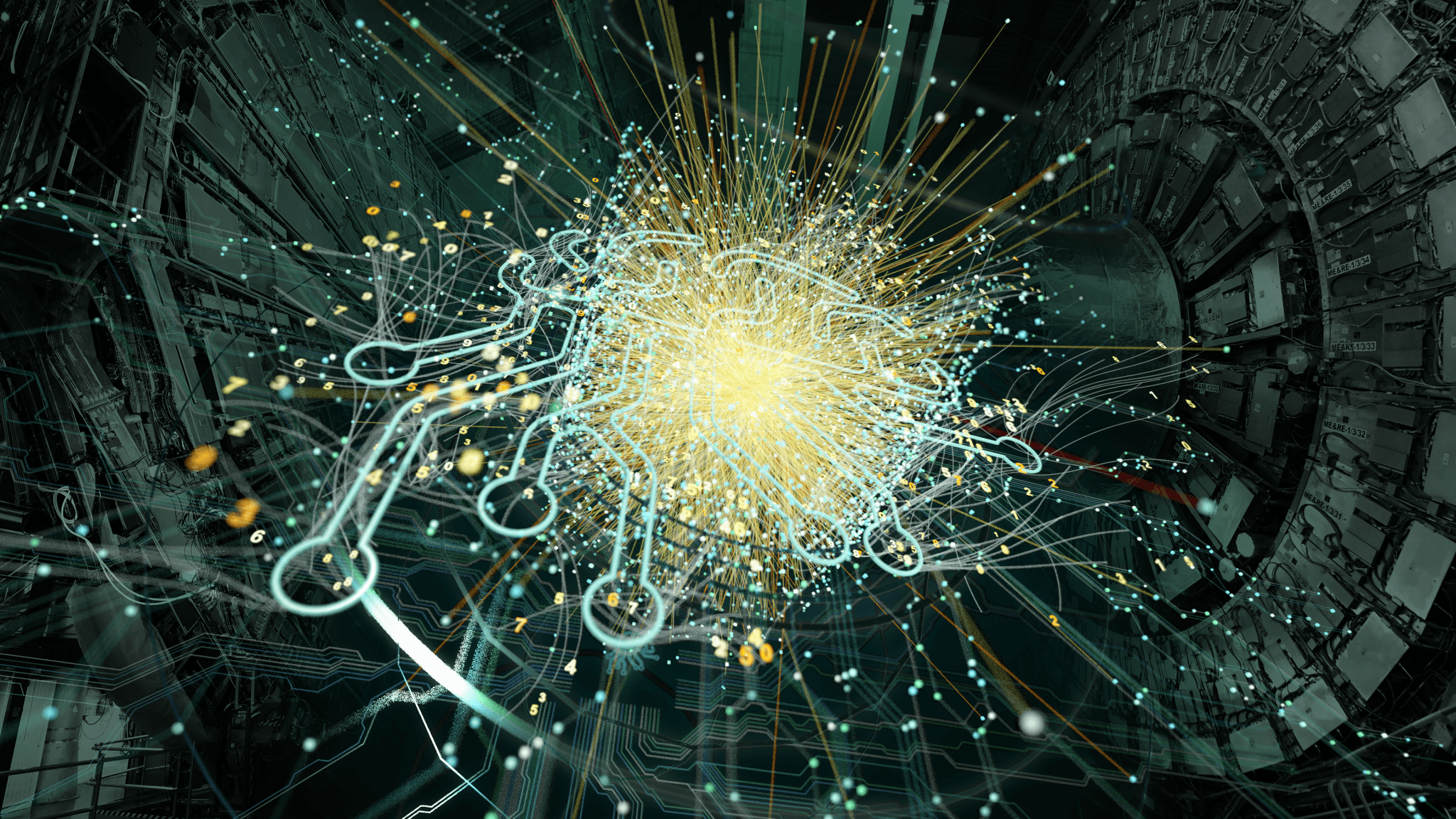
Smart and fast decision making is key when dealing with the onslaught of collisions at the LHC. At the High-Luminosity LHC (HiLumi LHC), the ATLAS and CMS experiments are expected to process detector data at rates corresponding to roughly a quarter of the 2025 global internet traffic. All in real time, as part of the
-
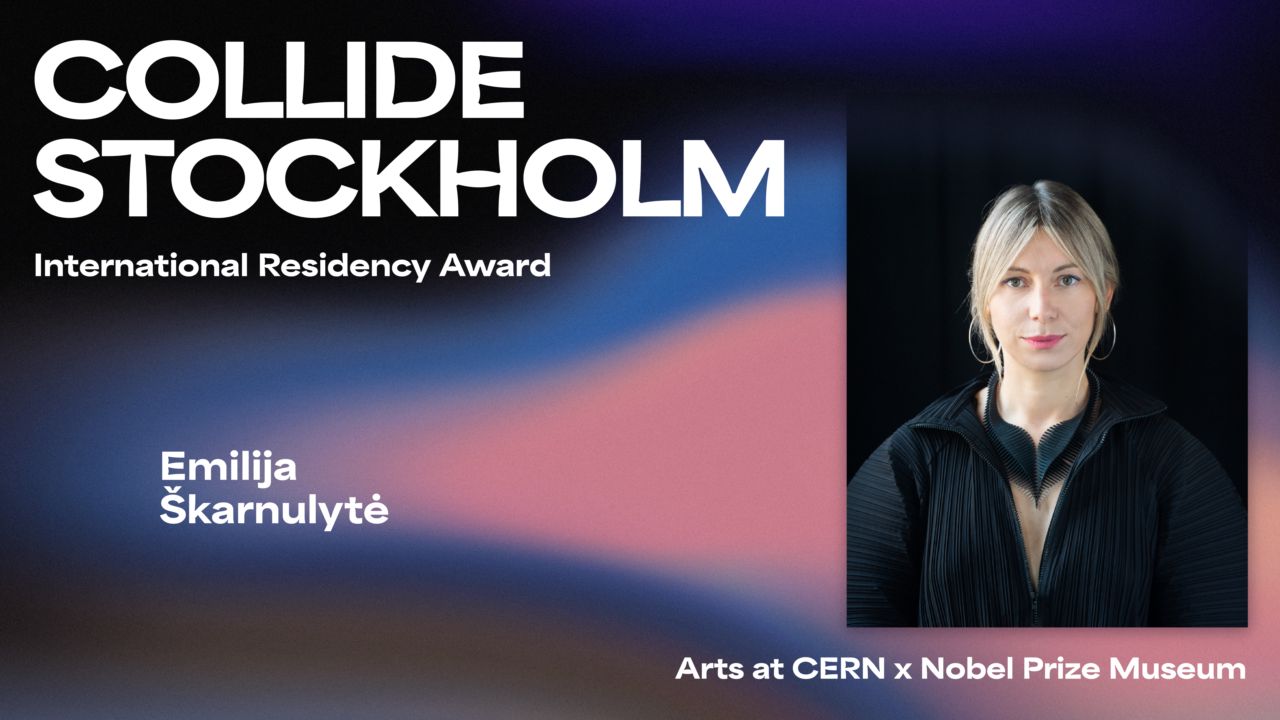
Arts at CERN and Nobel Prize Museum announce the Collide Stockholm international residency award recipient and two Honorary Mentions
Following the international open call launched in November 2025, Arts at CERN and the Nobel Prize Museum are pleased to announce that Lithuanian artist Emilija Škarnulytė has been selected as the recipient of the Collide Stockholm residency award. The jury also decided to award two Honorary Mentions to artists Morehshin Allahyari and Wendi Yan. Collide is Arts at CERN’s flagship residency