
Tag: CERN community
-
A new way to manage your absences
From Monday 6 July 2026, a new process will make it easier and more secure to submit your absence certificates. This change gives you clearer guidance on the conditions for each type of absence and ensures that your certificates are sent directly to the right place – either to the HR Leave Service or to
-
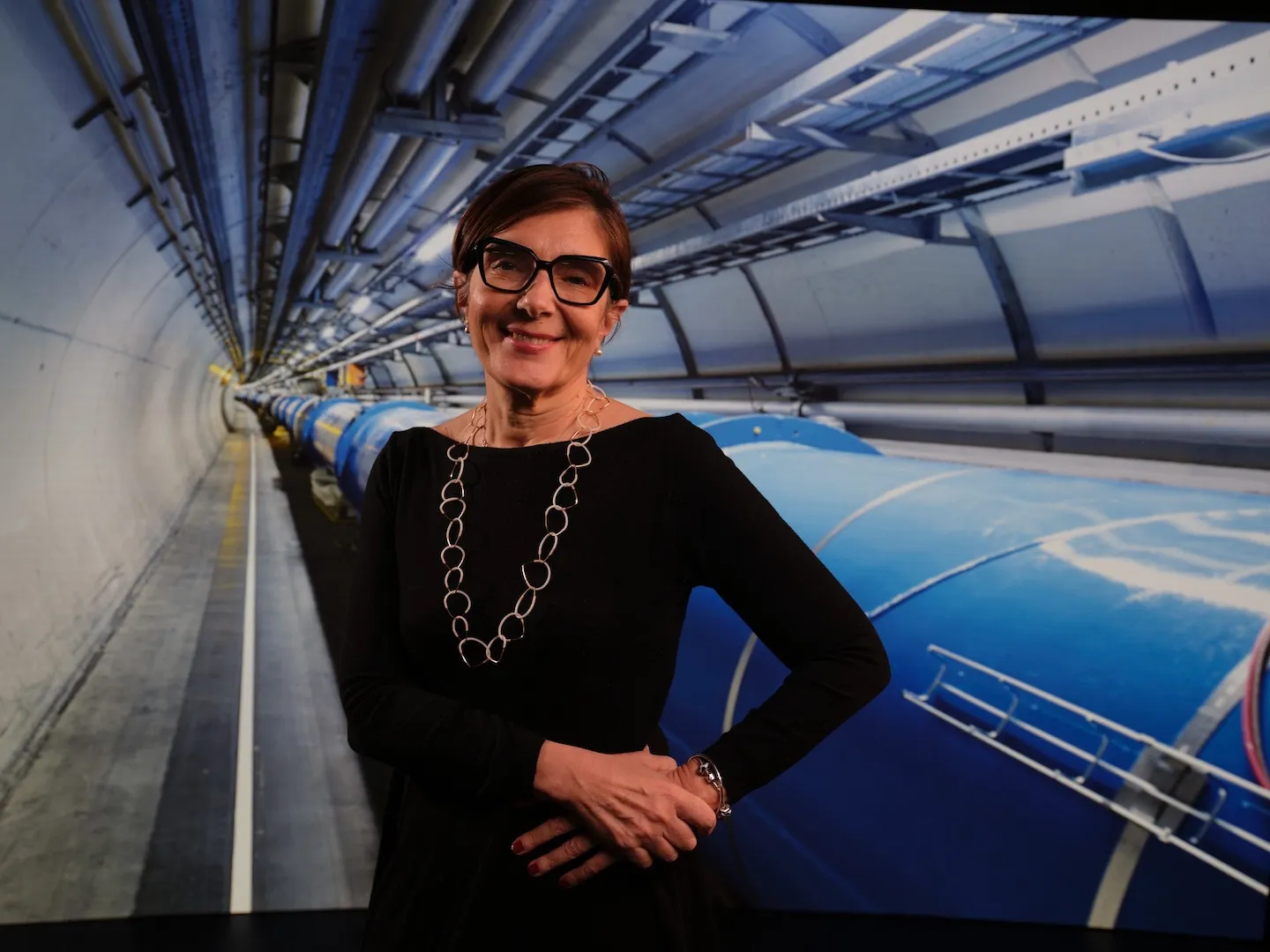
Q&A with CERN’s Chief Information Officer (CIO)
From 2026, CERN’s senior management includes the new role of CIO – Enrica Porcari answers questions about what this means for the Organization
-

Computer Security: Copied, committed, KO
The old world of reusable IT components has been under threat for a while. While it was appreciated, efficient and effective to reuse software components written by others, attacks abusing this kind of “supply chain” are on the rise. For instance, rest-client in 2019, plutov-slack-client in 2020, atomicwrites in 2022, xzutils in 2024, chalk, “Shai-Hulud”
-
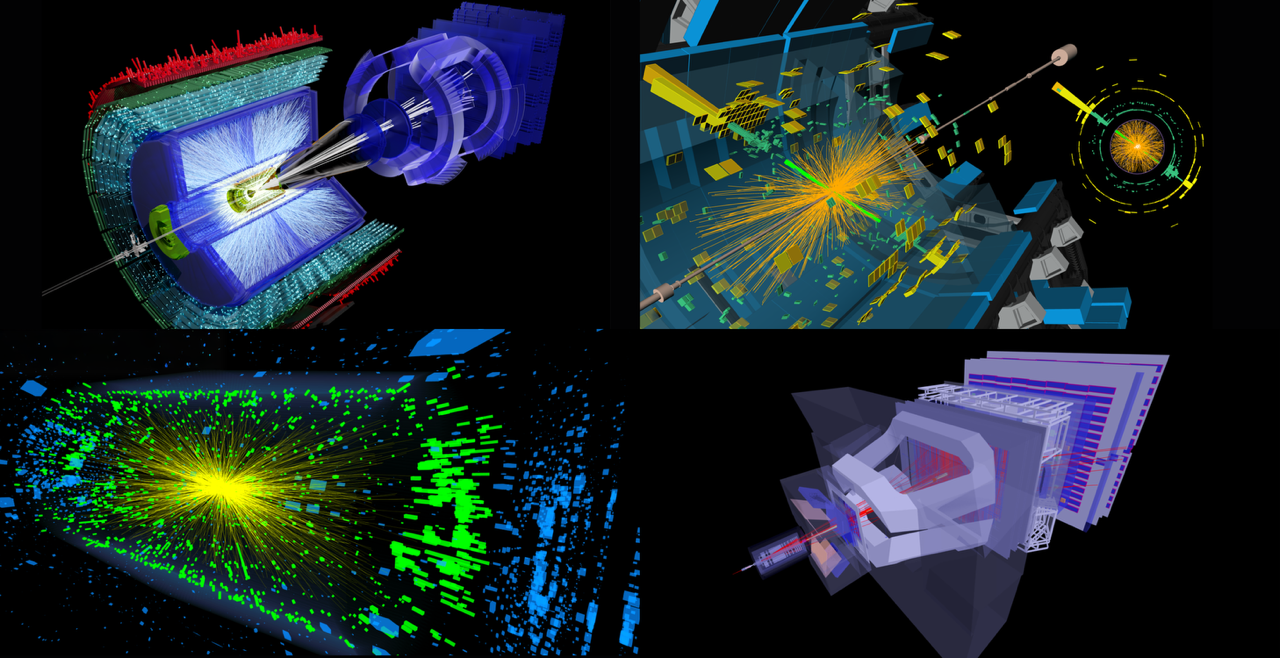
Final collisions, new horizons
In the early hours of Sunday, 14 June, the experiments at the Large Hadron Collider (LHC) had their last hurrah. In the control rooms of ALICE, ATLAS, CMS and LHCb – the four major experiments at the accelerator – scientists watched the final collisions burst across their screens like colourful fireworks. The collisions for physics
-
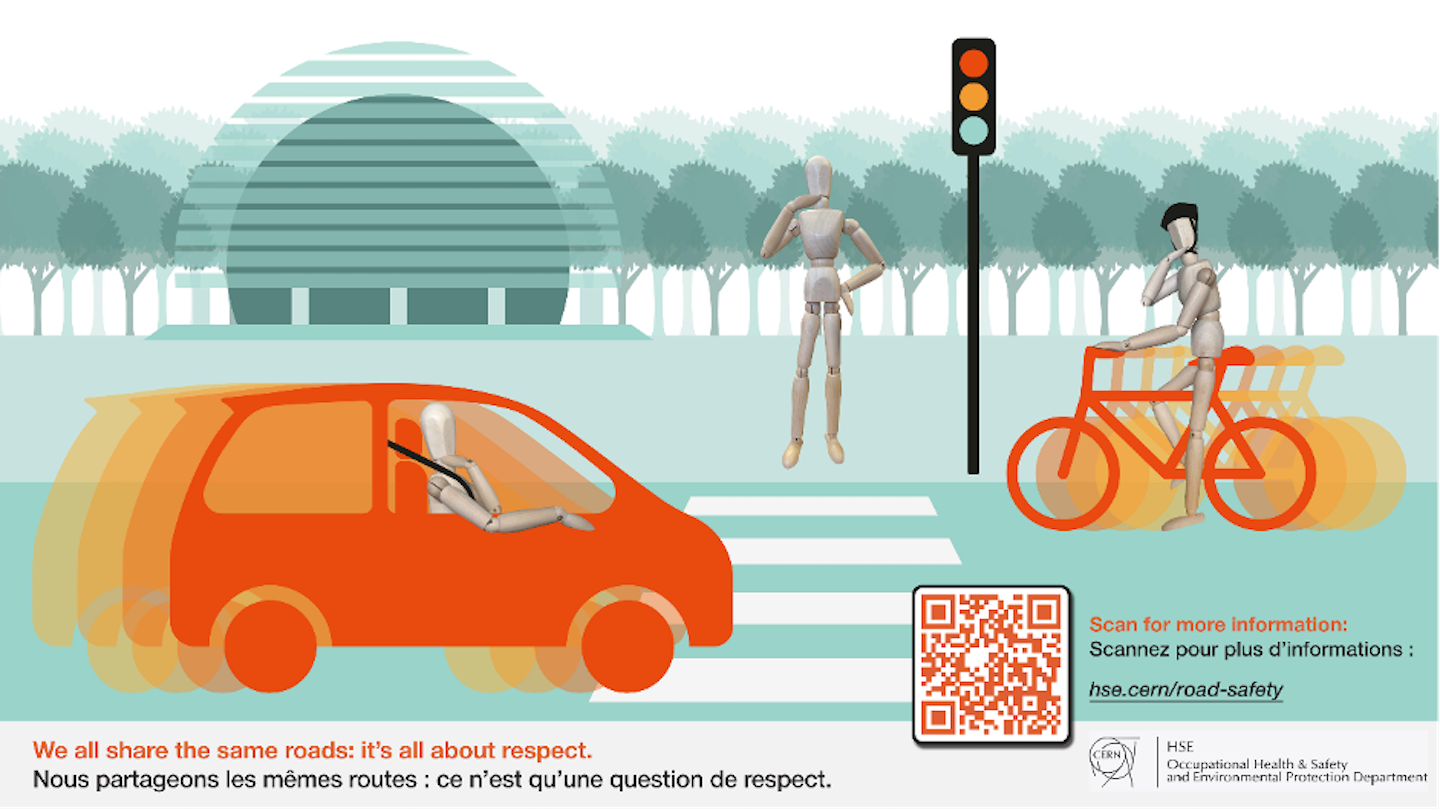
Stay safe on the roads during the G7: 12–18 June 2026
As we navigate the exceptional access conditions for the G7 Summit (12–18 June), remember that road safety is a shared responsibility – whether you’re driving, cycling or walking. Increased traffic, border controls and potential diversions mean that your vigilance is more important than ever. Key reminders Let’s all do our part to keep CERN’s community safe during this
-
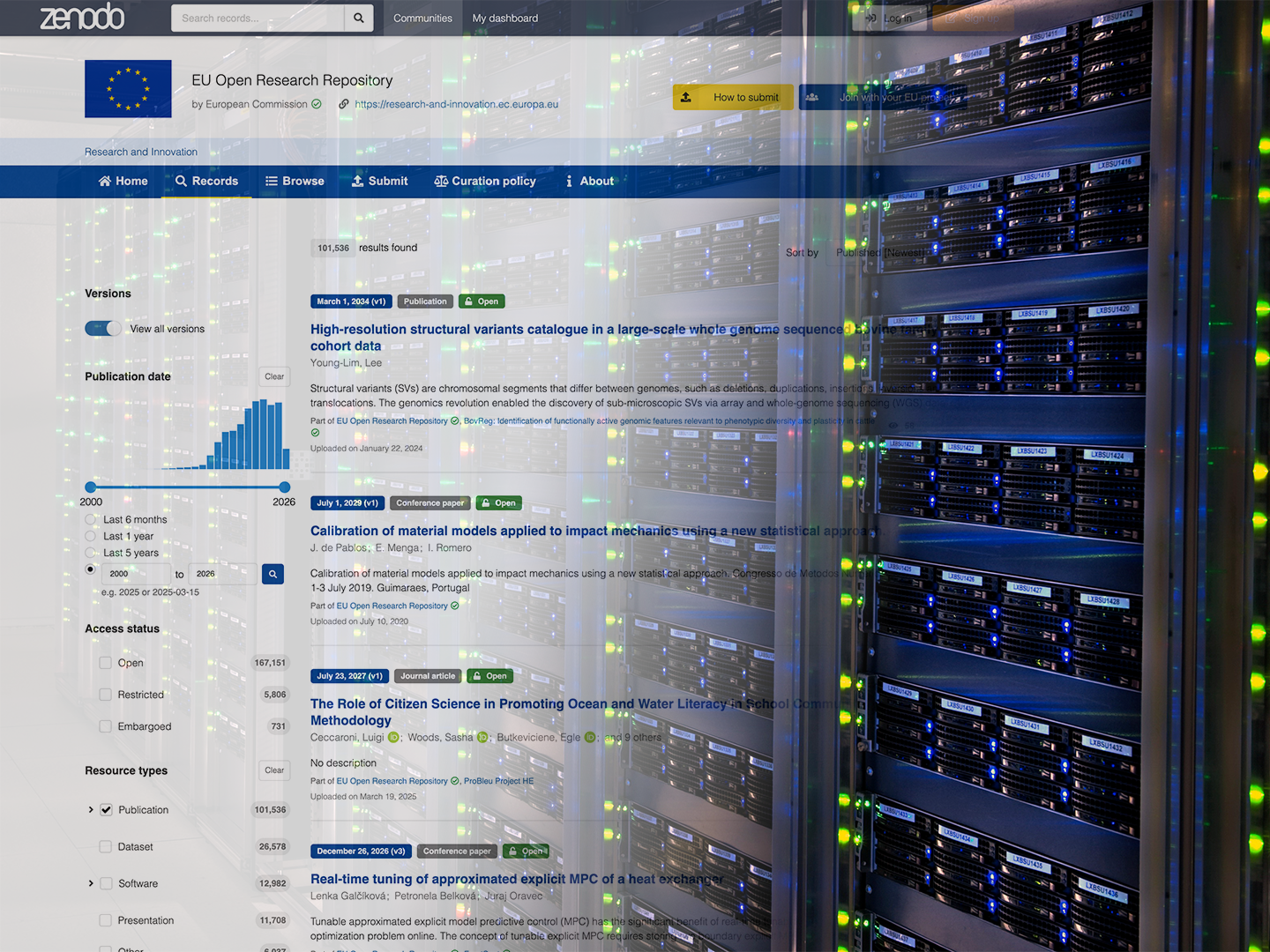
CERN leads project to make EU scientific data more accessible
Sharing research data openly is transforming science, but it comes with challenges. Since 2021, EU-funded projects have been required to make their data FAIR: findable, accessible, interoperable and reusable. The EU Open Research Repository (EOR Repository) was created through the HORIZON-ZEN project with this in mind and provides a dedicated space on Zenodo for data
-
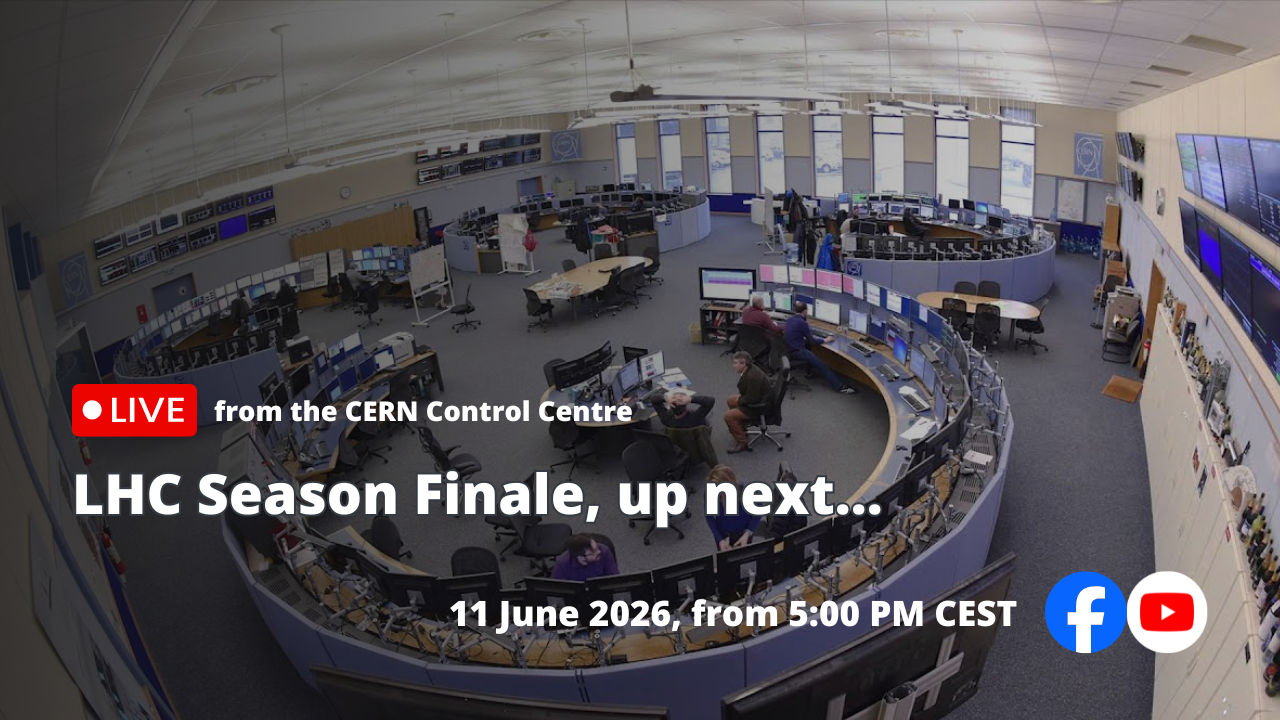
LHC season finale, up next… HiLumi
Join scientists in the CERN Control Centre as the Large Hadron Collider (LHC) delivers its last collisions to its experiments before it is transformed into a high luminosity machine. Host Davide De Biasio will guide you through the journey of the world’s most powerful particle collider through conversations with the Head of LHC Operations, the
-
Education fees – Period of admissibility – 2024/2025 school year
Members of the personnel are reminded that, pursuant to Article R V 1.37 of the Staff Regulations, they have until 31 August 2026 to submit claims for the reimbursement of education fees relating to the 2024/2025 school year. These claims should be made using an EDH form: https://edh.cern.ch/Document/Claims/EducationFees Detailed information concerning education fees is available
-
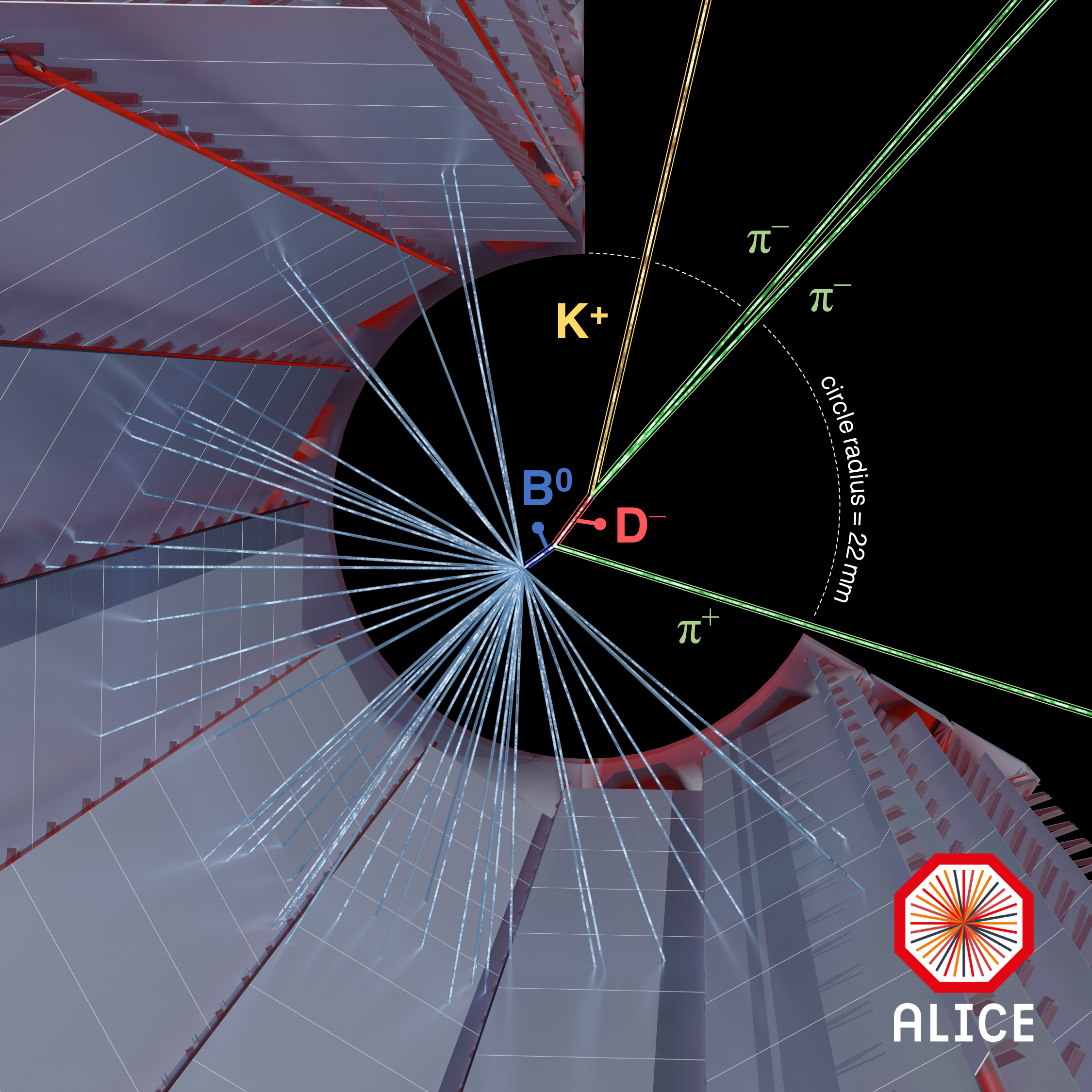
ALICE’s upgraded detector showcases its beauty
The ALICE Collaboration has performed the first LHC measurement of beauty-quark production in a previously unexplored momentum range
-
New Wi-Fi network at CERN
The CERN-Campus SSID (Service Set Identifier) is a new Wi-Fi network available across CERN. It will replace the current CERN SSID as the primary wireless network. The CERN-Campus network uses WPA (Wi-Fi Protected Access) security to provide both authentication and data encryption. To connect, each device needs a unique login and password pair, which you can generate through the LanDB page. Unlike the