
Tag: News
-
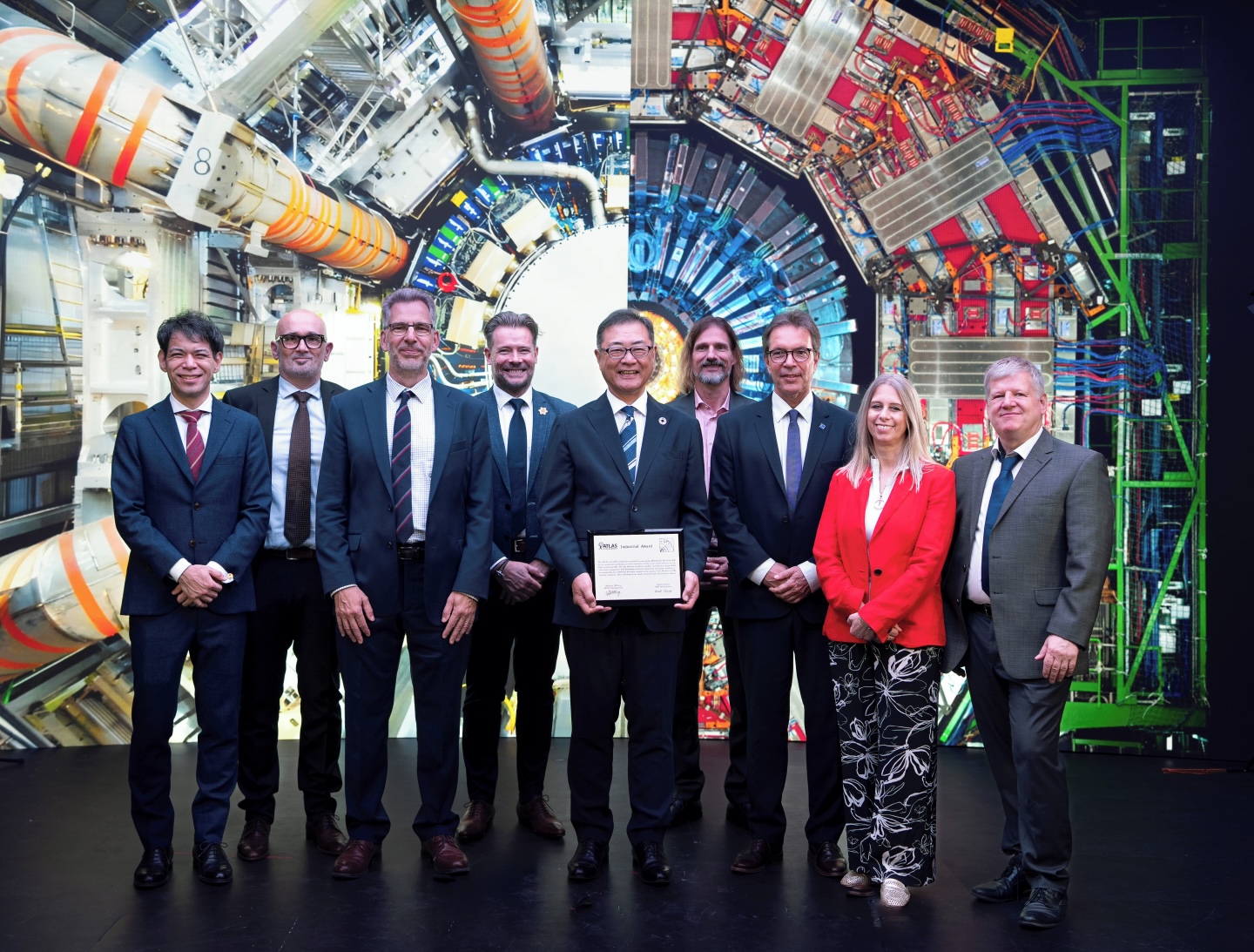
ATLAS and CMS recognise longstanding industrial partner Hamamatsu Photonics K.K.
With this award, the ATLAS and CMS Collaborations recognise the crucial role Hamamatsu Photonics K.K. has played in the development and production of advanced technologies, as well as the ongoing, deeply rooted partnership that has been established with both experiments over many years. Through this close collaboration, Hamamatsu Photonics has made exceptional contributions to the
-
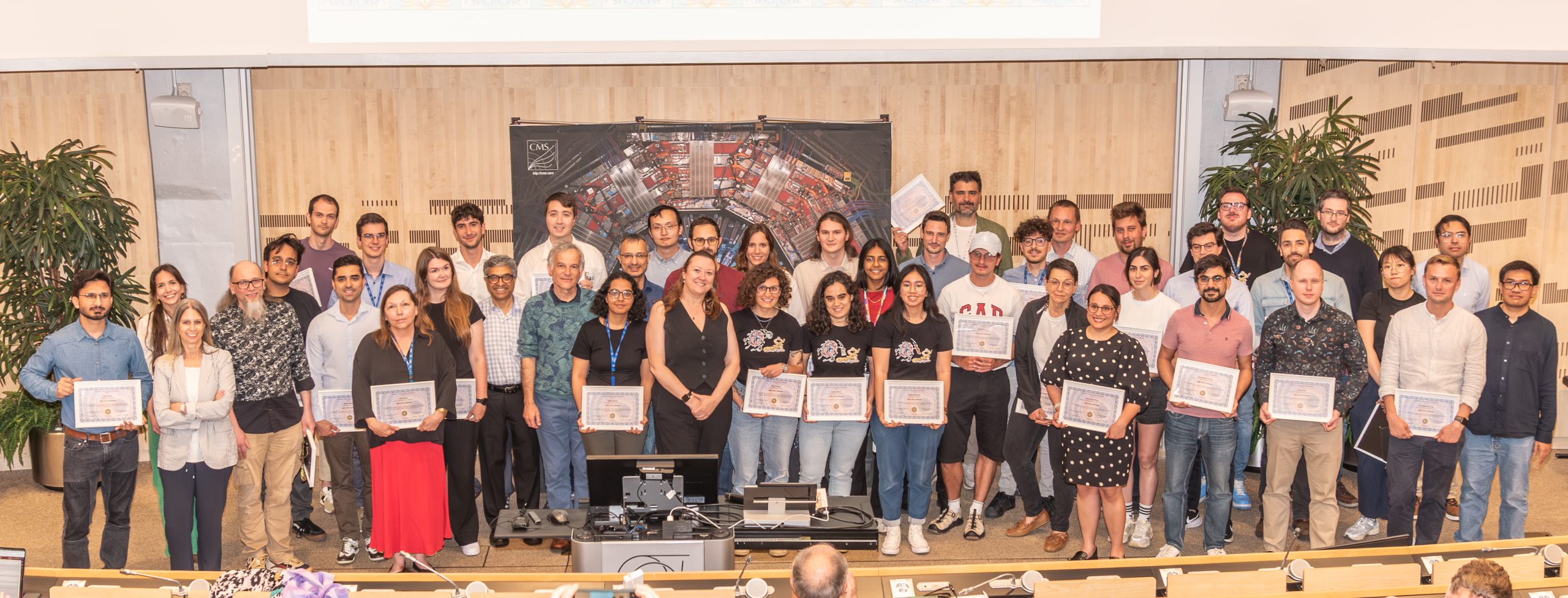
CMS celebrates the winners of its 2025 Awards
Every year, the CMS Collaboration congratulates individuals who have made significant contributions across the experiment by presenting them with a CMS Award. These Awards highlight the essential work done in detector operations, software development, data analysis, and overall efforts made on behalf of the Collaboration. “Within CMS, many colleagues make contributions that go beyond the
-
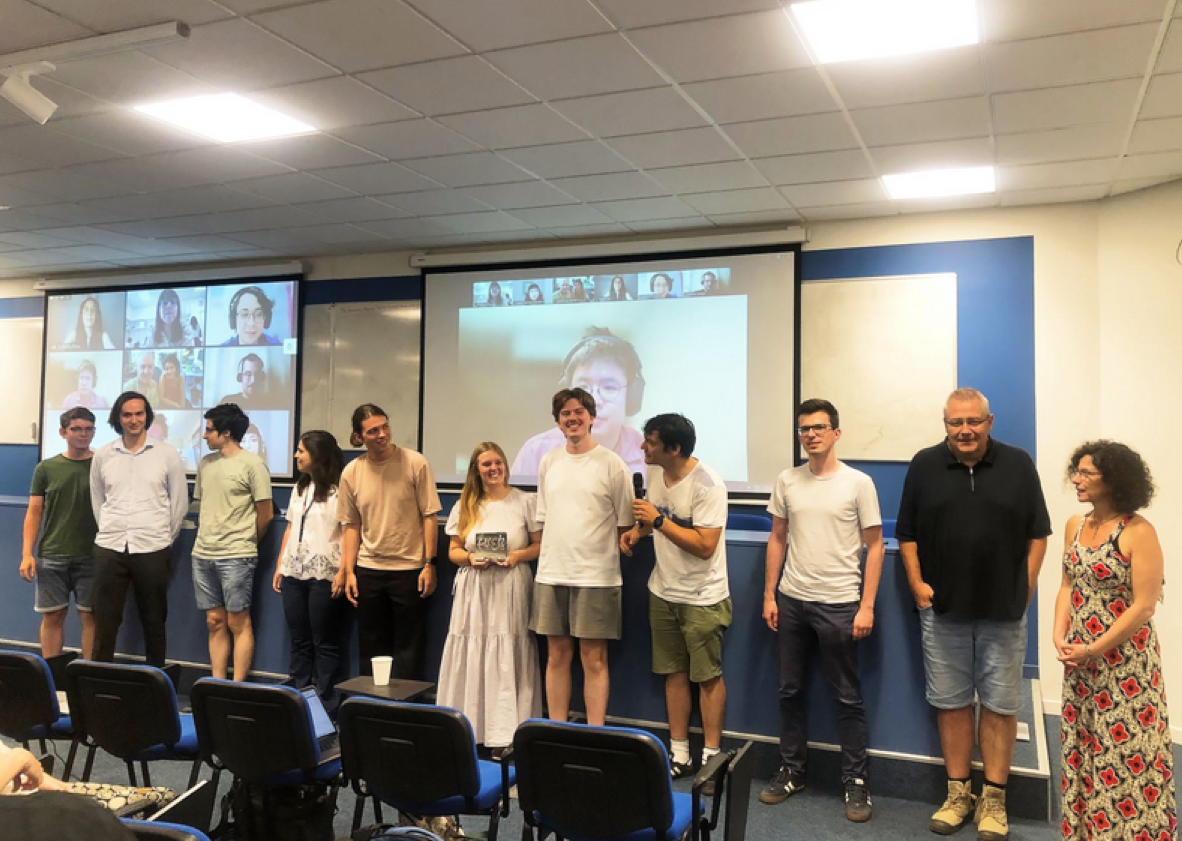
LHCb announces its 2026 Collaboration Award winners
Congratulations to the 2026 winners of the LHCb Thesis Awards, Early-Career Scientist Awards and Technical Awards. The Awards were presented during LHCb week at CERN on Wednesday, 24 June. “These prizes recognise the excellent work performed by some of our collaborators, but there were also many others who were very deserving,” said the Chairs of
-
Efficiency meets environmental responsibility: commissioning CERN’s primary CO₂ cooling circuit
The ATLAS and CMS detectors require ultra-low, stable temperatures to protect their sensitive electronics. Traditional cooling systems rely on synthetic refrigerants like hydrofluorocarbons (HFCs), which, while effective, have a global warming potential thousands of times greater than CO₂. Seeking a sustainable alternative, CERN has turned to CO₂ itself – a natural refrigerant with a far
-
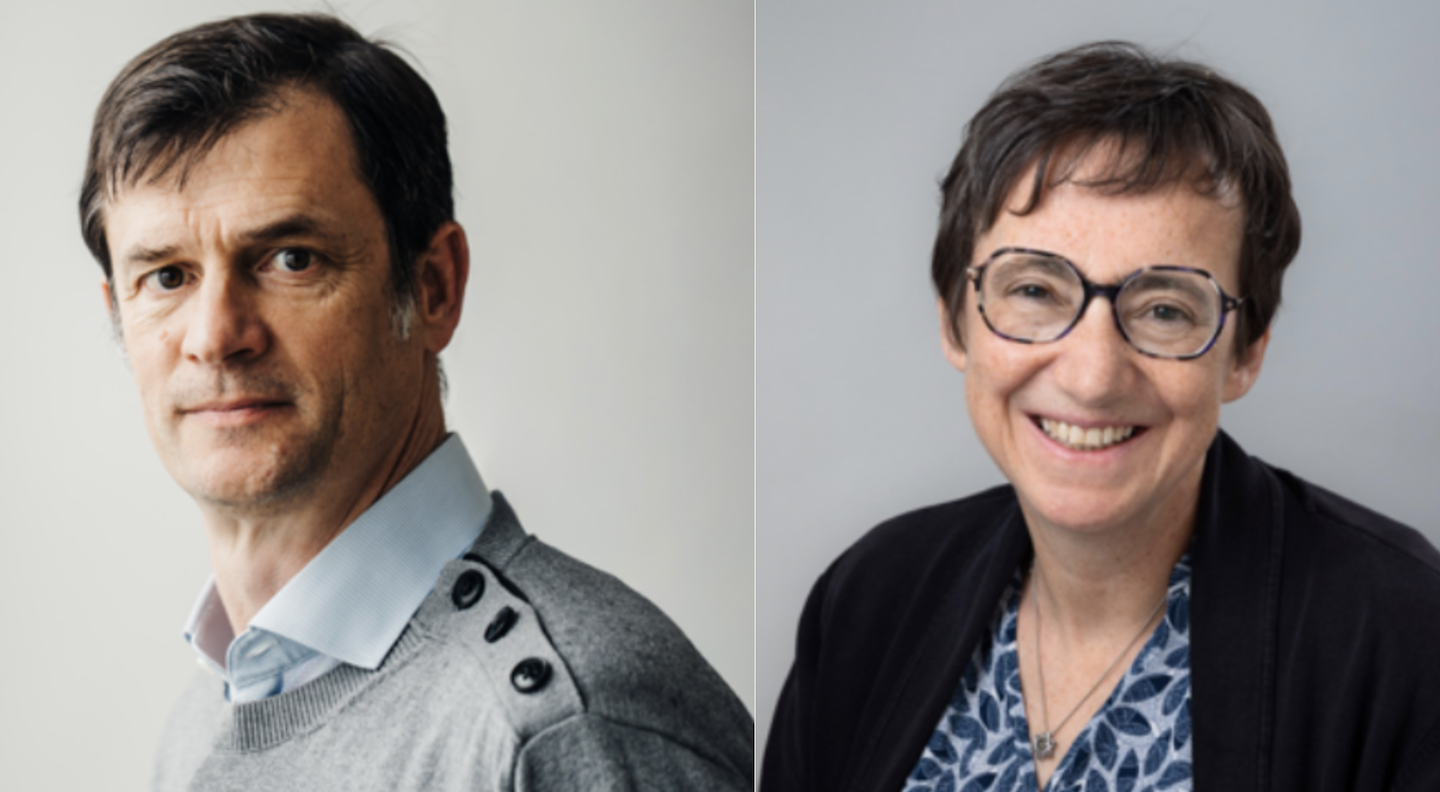
New spokesperson team for the LHCb Collaboration
On 1 July 2026, the management of the LHCb Collaboration changed. The new spokesperson team of Tim Gershon (Spokesperson, University of Warwick) and Paula Collins (Deputy Spokesperson, CERN) succeed Vincenzo Vagnoni (INFN Bologna), Patrick Robbe (IJCLab) and Ulrich Uwer (Heidelberg University). Tim and Paula will work together in the LHCb management with Eric Thomas (Technical
-

Computer Security: Welcome, summer students!
A warm welcome to the summer-student class of 2026! We’re glad that you made it to CERN! We offer a packed agenda for the next two months: challenging lectures; interesting projects to tackle with your team; and lots of time to take a great big gulp of CERN’s academic freedom, spirit and creativity! In order
-
Accelerator Report: Pushing the LHC towards HiLumi LHC conditions… and cut!
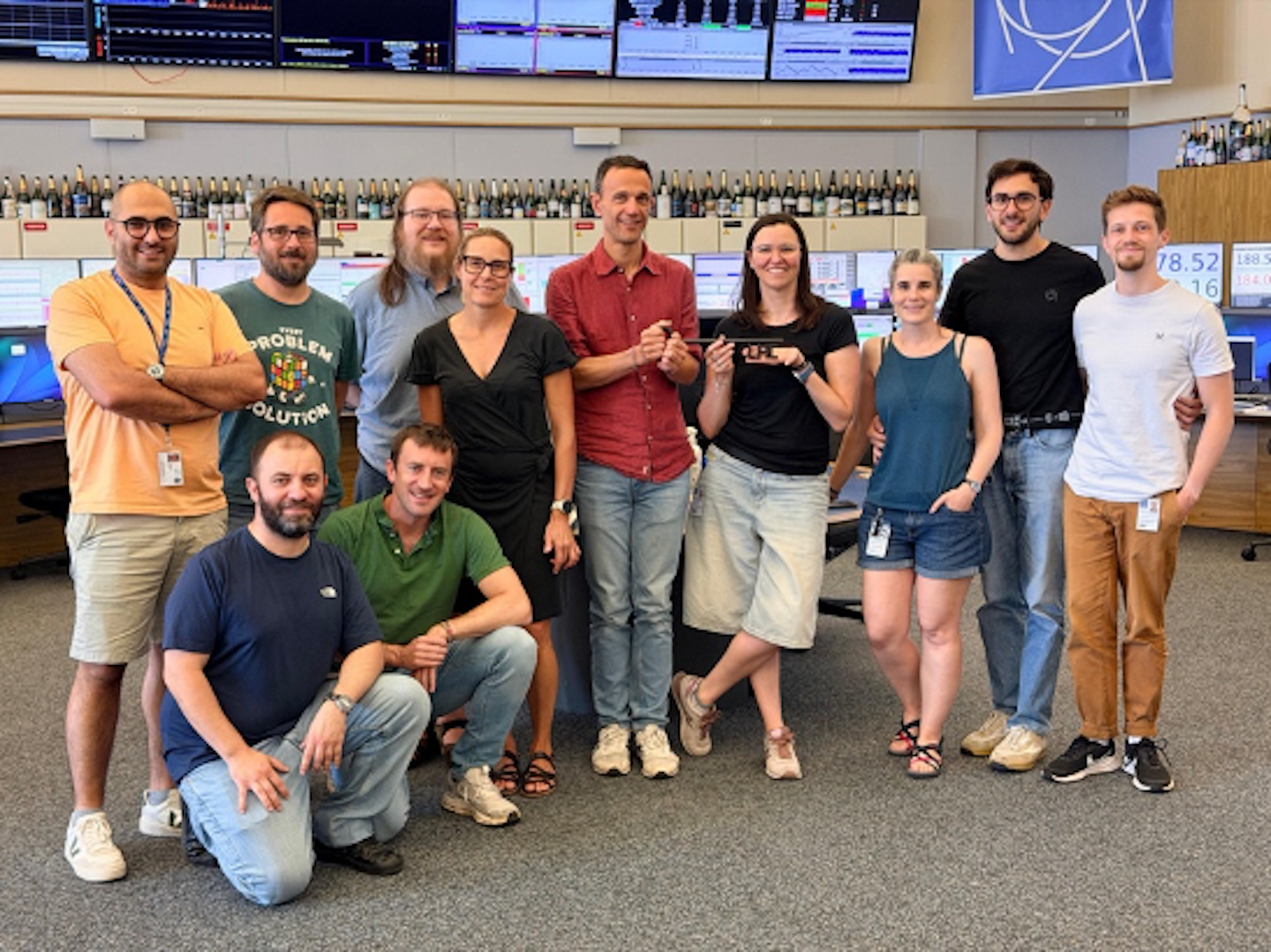
The final weeks of Run 3 for the LHC have been among the busiest of its entire operational period. With physics production successfully completed on 14 June, the machine entered a two-week programme dedicated to studies with high-intensity beams, followed by a quench campaign. These activities were scheduled after the completion of the physics programme
-
AMS releases new cosmic-ray measurements
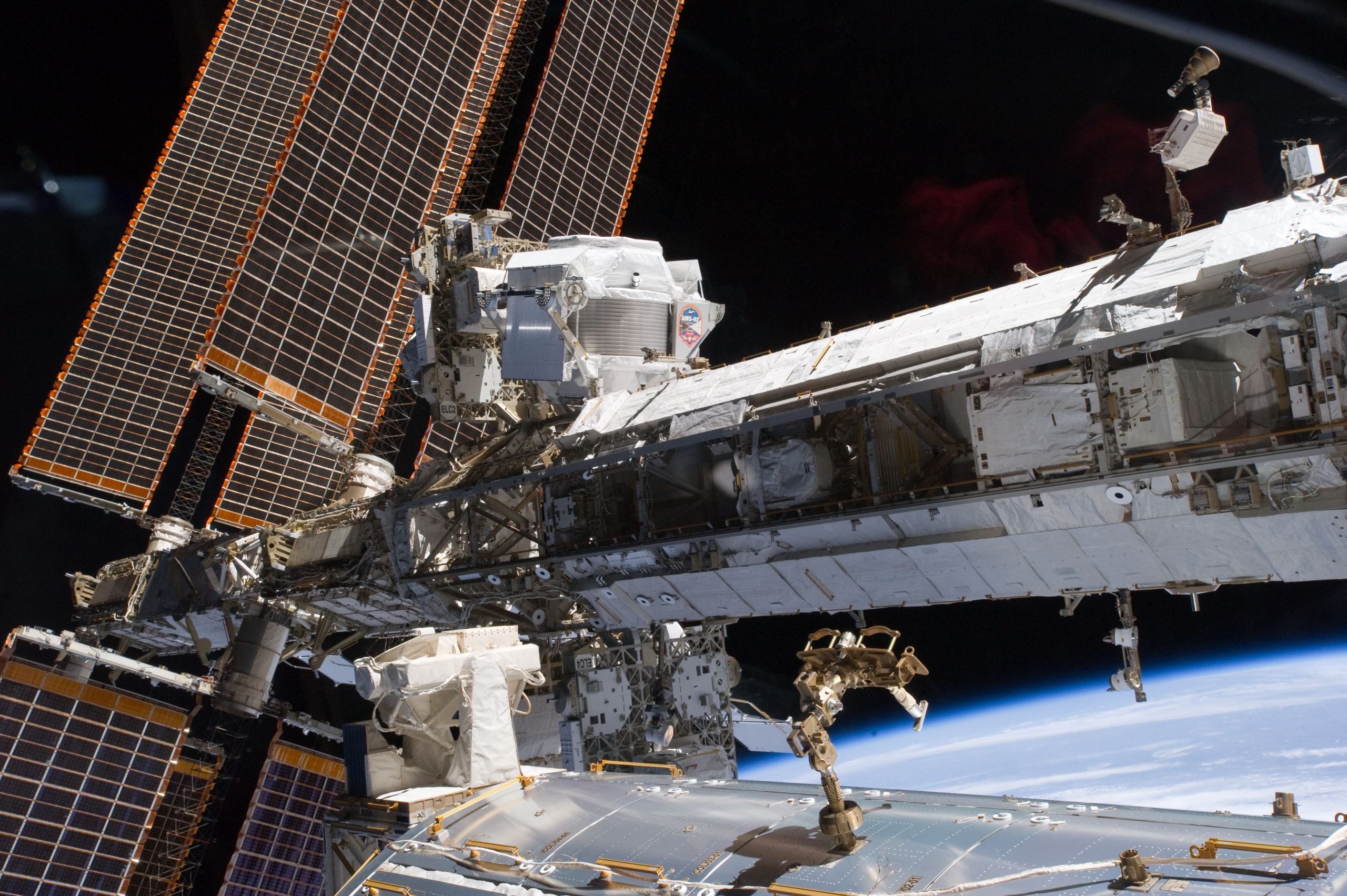
Fixed to the International Space Station (ISS) as it speeds around Earth, the Alpha Magnetic Spectrometer (AMS) is constantly measuring high-energy particles that stream from across the Universe, known as cosmic rays. In a recent paper published in Physical Review Letters, the AMS Collaboration reports its first measurements of five heavy elements found amongst these particles. Since it was installed on
-
CERN begins beryllium beam-pipe production
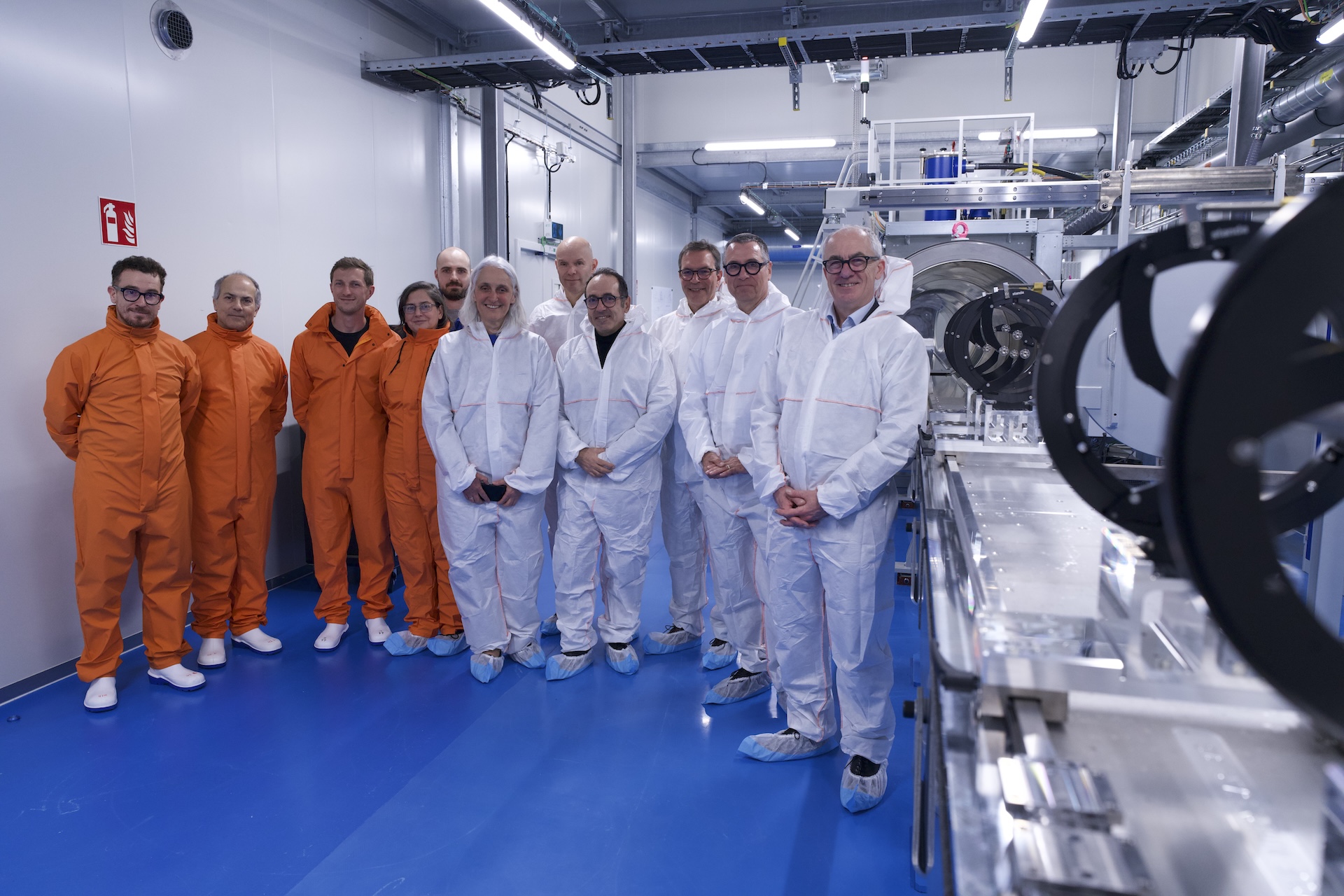
Supported by CERN and the LHC experiment collaborations, the workshop will construct essential components for HiLumi LHC and future particle physics experiments
-
New study highlights CERN’s socio-economic contributions as a global research hub
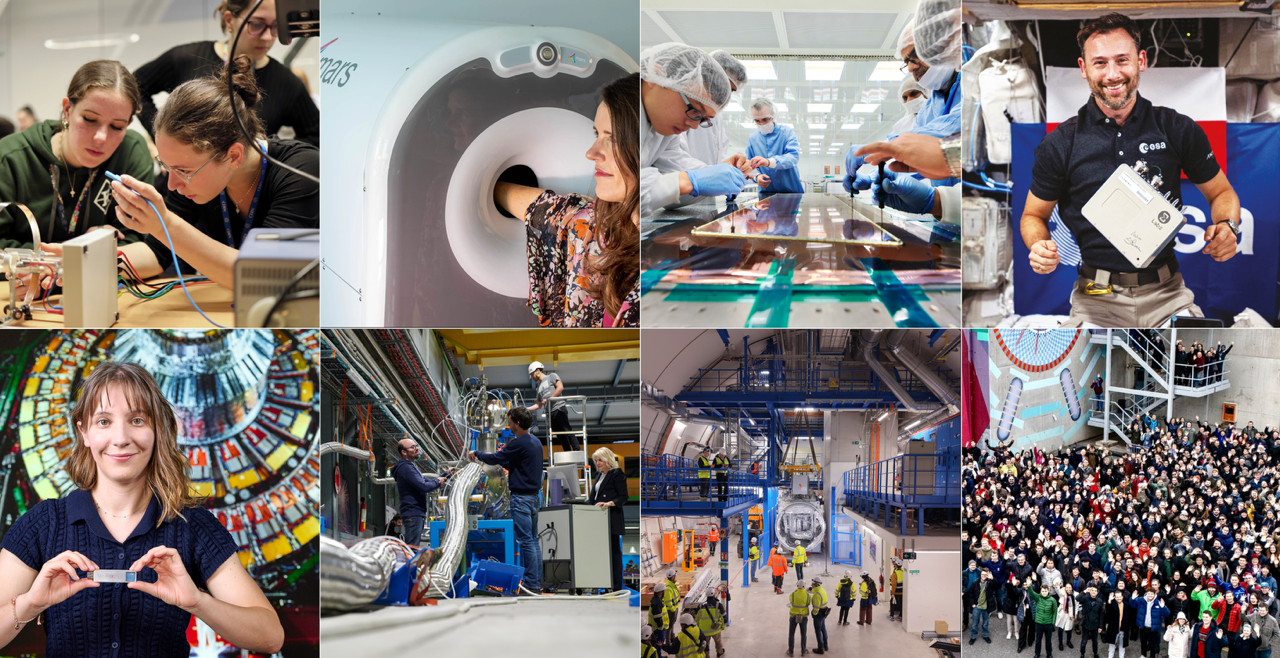
The newly published study Assessment of the socio-economic benefits of CERN activities reports on CERN’s activities over the past 25 years and highlights a range of socio-economic benefits generated by the Laboratory’s role as a global hub for science, technology and collaboration. The study examines how CERN contributes to scientific, technological, economic and societal outcomes